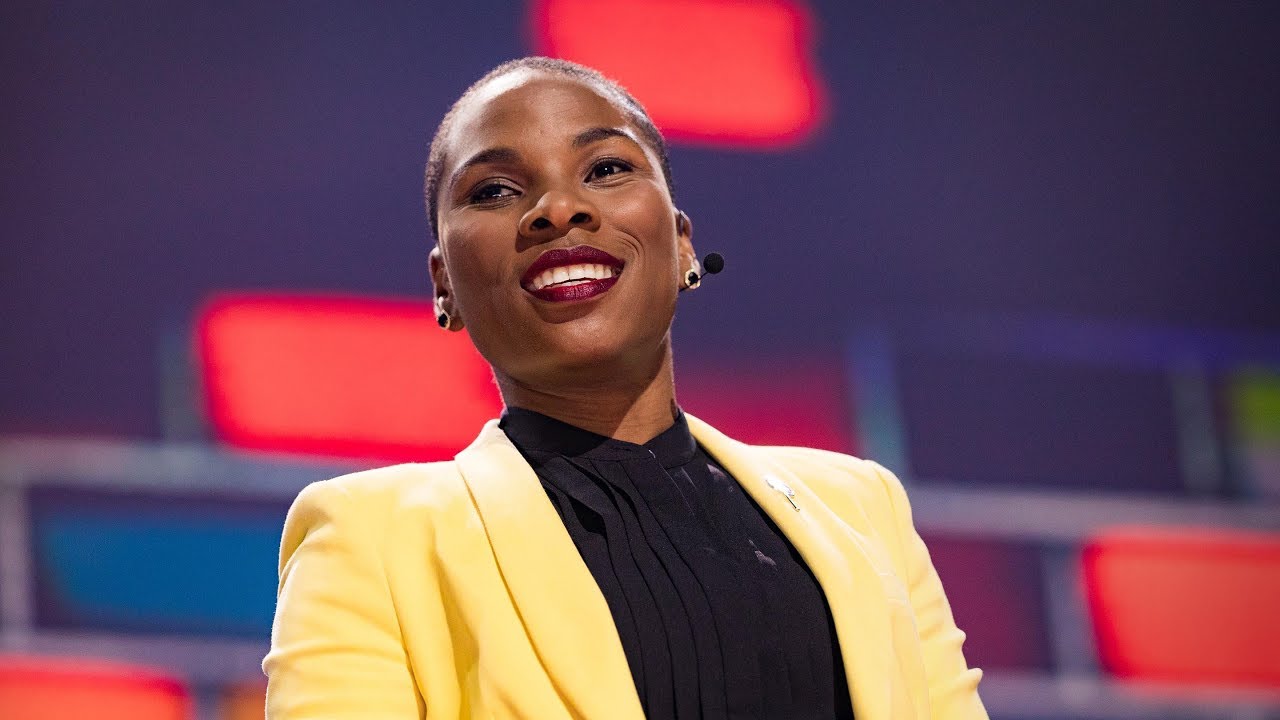
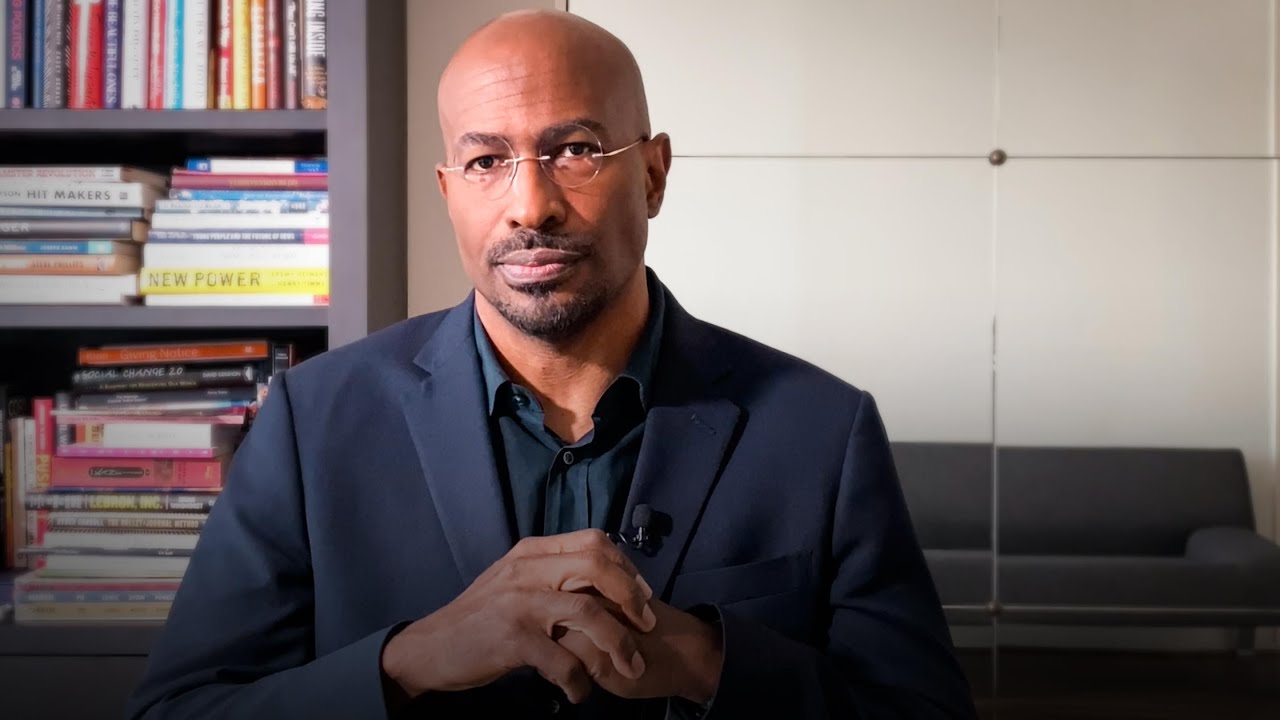
"Sarah Jaffe is the author of Work Won’t Love You Back: How Devotion to Our Jobs Keep Us Exploited, Exhausted, and Alone. She and Chris discuss the emotional toll of modern work culture and the importance of community. They also dive into Sarah’s newest book, From the Ashes: Grief and Revolution in a World on Fire, and explore the idea that between pandemics, climate change, and economic inequality, many of us are feeling a huge (and often unacknowledged sense of grief. Sarah explains the concept of “disenfranchised grief” and how collective mourning can invite meaningful social connections.
Follow
Host: Chris Duffy (Instagram: @chrisiduffy | chrisduffycomedy.com)
Guest: Sarah Jaffe (Instagram: @sarahljaffe | Website: sarahljaffe.com/)
Links
From the Ashes: Grief and Revolution in a World on Fire
Work Won’t Love You Back: How Devotion to Our Jobs Keep Us Exploited, Exhausted, and Alone"
This is an episode of TED's How to Be a Better Human podcast. Listen on your favorite podcast app: https://tedtalks.social/4gmAZt3
Join us in person at a TED conference: https://tedtalks.social/events
Become a TED Member to support our mission: https://ted.com/membership
Subscribe to a TED newsletter: https://ted.com/newsletters
Follow TED!
X: https://www.twitter.com/TEDTalks
Instagram: https://www.instagram.com/ted
Facebook: https://facebook.com/TED
LinkedIn: https://www.linkedin.com/company/ted-conferences
TikTok: https://www.tiktok.com/@tedtoks
The TED Talks channel features talks, performances and original series from the world's leading thinkers and doers. Subscribe to our channel for videos on Technology, Entertainment and Design — plus science, business, global issues, the arts and more. Visit https://TED.com to get our entire library of TED Talks, transcripts, translations, personalized talk recommendations and more.
Watch more: https://go.ted.com/BHTranscripts
https://youtu.be/dOtN6IQv3uw
TED's videos may be used for non-commercial purposes under a Creative Commons License, Attribution–Non Commercial–No Derivatives (or the CC BY – NC – ND 4.0 International) and in accordance with our TED Talks Usage Policy: https://www.ted.com/about/our-organization/our-policies-terms/ted-talks-usage-policy. For more information on using TED for commercial purposes (e.g. employee learning, in a film or online course), please submit a Media Request at https://media-requests.ted.com
#TED #HowToBeABetterHuman #podcast
Оглавление (11 сегментов)
Intro
You're watching How to be a Better Human. I'm your host, Chris Duffy, and I love my job. I feel so lucky that I get to interview interesting, intelligent people about their work and that you watch. That is incredible to me. I'm so grateful. And yet today's guest, Sarah Jaffy, the author of Work won't Love You Back, Sarah argues that a lot of times when we have jobs that feel really good, where we like the people we work with and it feels meaningful, those are the jobs that burn us out the most because we end up feeling like we have to give everything to work, that we never leave any parts of ourselves for the parts of our lives that don't make money. So, what does it mean to actually find a work life balance? What does it mean to define your life, not just in how you make money and how you pay your bills? We're going to be talking about that and so much more. Everything from the aftermath of the pandemic to what happens when an entire industry is disrupted to what it means to grieve. We're talking about all of that and so much more with Sarah
About Sarah Jaffe
Jaffy. — I'm Sarah Jaffy. I'm a journalist and the author of among other things, Work Love You Back: How Devotion to Our Jobs Keeps Us Exploited, Exhausted, and Alone, and From the Ashes: Grief and Revolution in a World on Fire. — Let's start by talking about your book, Work Love You Back. You've done a lot of jobs. jobs that are service jobs and then of course now you're a journalist. So, um you've kind of been on both sides where you work for yourself in a more creative way um and trying to cobble things together and then you've also been one where you're very much interacting with the general public. The title of your book kind of says it all, right? Work won't love you back. Can you tell us about how you arrived at that conclusion and why it's important to realize that? Yeah, I
How did you arrive at this conclusion
think really like you hit the nail on the head there, which is I went from all of the service industry work that I more or less hated to, oh, this is exciting. This is my dream job. I'm a journalist now. I've got, you know, I went to grad school. I did the whole thing. Redid my life. And my working conditions weren't that much better. And it, as I joke on my website bio, like I didn't make more money at first when I was a journalist. And so realizing that there was a lot in common there. And actually, I will tell people all the time that um waiting tables is great training for journalism because you have to be able to sort of keep a straight face no matter what someone says to you. — It's a really useful skill and being able to talk to people and like smooth things over when feathers get ruffled. Like all of these things that I learned waiting tables actually have stood me in greatstead as a reporter for the last 16 17 years. But that sense that like oh I'm not my life hasn't changed as much as I thought it was going to. I am still struggling to pay the bills. I was living in New York City when I started work as a full-time journalist, which like yeah, um that understanding that like, oh, like this is cool and I'm glad I'm doing this. And you know, don't get me wrong, I do not want to return to restaurant work, but recognizing that at the end of the day, work is still work and we are still doing it at the end of the day because we've got to pay the rent, not because we just like woke up that morning and decided that slinging sushi to tourists in Denver would be great fun. — When I think about it in my own personal life, I often think that like school is such a clear it it's such a clear system, right? like whether it works or not. It's like we are doing work on this topic and there will be a test on this day and if you get enough of the questions right you get this quote unquote good grade and it feels like one of the really important pieces of the conversation that you have started with work won't love you back is that maybe the approval and the sense of worth should actually not be coming from the place that is paying you money — like at the end of the day I need to have other things that give me meaning and give me um validation and give me the sense of doing something important in the world. And like look, I still do the work that I do, which like let me tell you, there are many subjects that I could cover as a journalist that would pay better and have more job security than being a labor reporter, but I keep doing it because I think it's important. I talked to a lot of nurses. teachers, you know, I talked to a lot of people who are in these kinds of jobs where they are doing it because there is meaning in it for them. And we would want that, right? I don't want my nurse or my doctor to like only be in it for the money. Right? There is that sense that like, oh, I get why we want that. You want your kids teacher to be engaged and care about kids, right? I would be a terrible teacher because small children terrify me. And again, when you think about doctors and nurses, it makes sense, right? I would like the hospital be to be run by the people who know about providing healthcare rather than about, you know, counting budget numbers. I think it's really hard if you're doing work that is like you said a nurse or you're working at a nonprofit that's fighting to clean up the environment or you are working on u cancer research right like these things where it's like you are doing something that is so important — and I'm sure it is extremely meaningful and maybe having a little bit more of a sense of like we can be agitating for a better world and we can push for better conditions rather than just thinking like well I have to take it as it is because this is the dream job or whatever. — Yeah. — That I think that's a really different way of thinking about work
Bargaining for the common good
than many of us have. — Yeah. I you know the place that I started that I think really got me you know going down this particular front was the Chicago teachers union in 2012. You know they went on the strike that was this first big teacher strike in the US in a long time. — And the argument that they made was our working conditions or our students learning conditions. And it was this really great way of it now um labor scholars and organizers call it bargaining for the common good. And what they're saying is that actually if we are given better working conditions, if we are paid enough to actually live near the school that we teach in, if we have smaller class sizes, if there's toilet paper, they were literally bargaining to get toilet paper in the bathrooms on the first day of school. Like that's the kind of stuff they had to fight for. And so they sort of demonstrated their worth to the community by going on strike, which is the classic sort of labor tactic. But they also really had this innovative argument that was saying to people, you want our conditions to be better because it's actually good for everyone. — And the same thing is true of these nurses that I've been covering um nurses at uh University Medical Center in New Orleans, which is it used to be charity hospital, but its purpose to be an open access hospital that serves everyone regardless of your ability to pay. that's been folded into University Medical Center and these nurses are fighting and they've unionized and they're planning now their third strike because they're still not getting what they want. This is where I we can also bridge the line between the two books because you draw a line between people who worked in coal mines and people who were working in care work and how for the coal miners — um striking was very difficult but in some ways the care workers struggled more with the emotional side of striking because they didn't want to leave the people they were taking care of even though the conditions were unbearable.
Kevins story
— Yeah, Kevin. Oh my goodness, Kevin. I love him so much. Um, so Kevin was a former minor in England and he had been, you know, a coal miner through the 198485 strike after which Margaret Thatcher basically like crushed the British coal industry and this had been nationalized. So in England, right, the government owned the mines. — So they were striking against the government, not just some like faceless, you know, mind boss. And you know they lost they got crushed and a lot of them went had to go into different industries and not a lot of the men for somewhat obvious reasons went into care work. You know he's this big guy who had been working down a mine for you know decades and then the mine shuts down and he goes into care and he's working with um adult men who have various special needs. And you think about it right because a lot of the people who do care work are like my size and I'm you know I'm literally the average size woman. I'm 5'4 and 130 something pounds. Like, if I have to restrain or lift or like physically interact with somebody who's a lot bigger than me, I'm going to hurt myself. M — a guy who's 6'1 and has been working down a coal mine really does bring something else to that work that like you know there are reasons to have a big dude do that work sometimes but also he really loved it and he found it meaningful in a totally different way than the coal mine had been. But as you said the conditions still sucked and he was sort of more used to going on strike than a lot of the people that he worked with and he had a lot of the women that he worked with because the coal mines were literally all men. It was illegal for women to work down the mines. So that whole thing, you know, he was like, "Okay, I'm ready to go on strike. " But a lot of the other people were like, "Oh, this is really hard for me because yeah, we don't want to walk away from our patients because they need us. " The boss is the one screwing us over, not our patients. Right. I also thought that a really moving piece of Kevin's story is that Kevin's experience of being — in a coal mine with a labor union involved a lot of really caring for other people — for the men that he was down there with in a dangerous situation and knowing that you could trust people and that they had your back even if the bosses or the organization didn't. And that actually was a directly transferable skill to caring for people because it was in some ways that the union was care work. It was just care work that they hadn't thought of in that
Chris Kiten
way. — Exactly. It was so striking, right, to talk to him and also to talk to Chris Kiten who is the head of the union now, you know, and mostly his job because actually they closed down the last coal mine in Britain between when I finished writing this book and when we're talking — and so there are literally no active members of the National Union of Mine Workers anymore. There are just retirees and people who have gone into other industries. And so when I talked to Chris Kitchen, you know, so much of his job was he's either fighting for retirey benefits and health care and things, you know, where they have, you know, lung disease and things like that from going down in coal mines and breathing that air. And then he's going to commemorations and celebrations. Um but a lot of commemorations of mine disasters you know because there are a lot of horrible things happened in over the years over the centuries really of the British coal mining industry. And so it really struck me that like this man who is you know the leader of a coal miners union his job is care — his job is fighting for these you know his members healthcare and his job is commemorating it's grieving right it's commemorating the disasters and the people that were lost and that was really true of the practice of solidarity of being down the mine where it didn't matter if you like the guy next to you. If the wall starts to cave in, you're going to grab him and get the hell out of there. And then when I thought about, you know, when you talked about the sort of entire social world of the miners outside of the mine that was built by the union, so the union had the minor welfare hall, which was where you would go have a beer after work with your buddies, and it was where you would have your wedding, your children would be, you know, christened or baptized or I don't know, I'm Jewish. Um, and like that space, right, that social space, all of that is what went away when the minds went away. What they miss is having a job that had some sense of purpose and having a decent wage that you could actually, you know, maybe send your kid to college so they didn't have to go down the mine. And to have that kind of social life that was built in these places around the mines, because the mines are not in the center of a big city, right? They're in rural Appalachia in the US. they're in the north of England. That entire the destruction of that entire way of life means these towns are just, you know, they're wiped out. And one of the things that um to bring this back to care work, the first monument that I saw to co workers, right, was in Barnsley, which is the same place that the headquarters of the mine workers union was in the north of England. And I don't think that's an accident because they're used to commemorating workplace disasters and CO was among other things a workplace disaster. — When I was teaching in an elementary school, it's never like I was like politically rightwing, but I realized that I had some uh ideas about unions that ended up changing cuz I was working at a an a charter school without a union. I didn't like choose the school because I just chose it because that's where I could get a job. Um but when I was working there, I believed like, oh well, the union would just hold us back. It would just like protect the worst teachers. And over time, I came to understand that like there's all these structural forces at play and there's all these reasons why this job is really hard these kids are struggling or not struggling — and — having um an organized piece where we all were in it together. — Yeah. — Would actually be like uh a dramatic thing even if this particular building didn't need it. That it's like it's a broader thing than just that. — Right. Yeah. And it's so funny, right? Because the story that we were told about teachers unions, right? I remember hearing that growing up, — you know, oh, they just protect all the bad teachers and the rubber room myth and all that stuff, right? And like the charter schools are going to be better because they make it easier to fire the teachers. Well, like then you look around, you know, and again, I live in New Orleans, which like our school district has one directly operated public school and it opened last year, but since Katrina, otherwise, it's been 100% charters. And like the results haven't gotten any better, but what you have is just a lot of turnover. Instead, I worked in a nonprofit very briefly with kids who are like 9, 10, 11 years old and like, oh my god, they're exhausting. They're amazing. They're exhausting. Teaching is hard. It gets better. Like, most skills do over time. So, you don't want to just like turn it over with like the new smart kid from this week who probably has zero patience with the kids. Like, you actually get better over time. And so, protecting your ability to get better over time is really important. But also, yeah, like where are those places where you're having conversations with other teachers so you can say to them like, "Hey man, I had a really rough day this day, you know, this Tuesday and like this happened with this kid and I don't know what to do. Can you help me out? " Those structures too are part of what the union does, right? — This may be a kind of a question that you don't get that often, I think, which is like the kind of practical um service journalism side of this, which is like — Yeah. — like a person is listening to this — Yeah. or they've read your book and they're thinking about their own relationship to work differently to their job. Um, what are three things that someone should do to start to re-evaluate the way that they think about work in general and their own relationship to it? — So, the first thing I always say is like, yeah, talk to people. What do your co-workers think? How is everybody feeling about the job? Is it just you? It's probably not just you. Also, don't use your workplace email to do that. That's my number one bit of service journalism is if you're talking about organizing, don't do it on your work email or the work Slack. Find out get people's phone numbers, use Signal, use a protected app, something else. But those conversations um they are the building blocks of everything that comes next, right? If you are thinking about organizing, you can also reach out to an organization, a union in your field, depending on what that is, and they can tell you what the rules are. Um, for instance, you don't officially have to, if you are in the US, be a member of a union in order to have your collective rights on the job protected. So, you have the right under US labor law to organize and talk with and advocate for better conditions on the job with your co-workers whether or not you're in a union. Um, this is something that I jokingly call the newsies rule
The Newsies Rule
from, you know, the Disney music movie musical where he goes, "If we strike, then we're a union. — If we go on strike, then we are a union. " Right? — American labor law basically says that's true. And then yeah, think about what your demands are and then what leverage you have to meet those demands. The thing that's true in a lot of these labors of love jobs, right, is that the boss will say to you, there are 20 other people just outside the door who would love to have your job. And that might even be true, might be less true than they think, but like you know, we are in a somewhat tight labor market, but mostly still, you know, the good jobs are still hard to find. most of the jobs in the economy still are those, you know, waitressing jobs that I was doing. So, these questions of leverage are actually um really important and interesting right now. It's not so simple as just like get all your buddies and walk off the job. Um sometimes it's easier to stay on the job and uh you can sit down on the job. You can do a work to rule action, which is where you do your job exactly to every possible last little rule in your job description, which turns out the boss never actually wants because they want you to be doing so much more. And you probably know how to do your job way better. — You talk in From the Ashes about grief, both personal, professional, and societal. And I think that a lot of us of a certain age feel like a form of grief or sadness or regret at not being able to have this kind of like collective experience that it seems like existed in the past. You know, like my dad worked for the Port Authority. — Yeah. Um, and I wouldn't say that he was ever like, you know what, my passion is like helping manage toll collectors. Like I think he but the idea that he could like come in and do a job and have a pension at the end of his career and he would know that he was taken care of and he took a lot of pride in doing a job well and being a good steward of public funds, — right? — For me and for certainly for people who are younger than me, the idea that you would be at one job for 30 years is so the exception and not the rule. we're living through this moment where like the public sector is just being demonized. And it's also really interesting because I think people are starting to realize that that's wrong. Part of what's happening and part of what the folks I've been talking to a lot at like the Federal Unionist Network and others, um they're really making a defense of the idea of the public good. The idea that there are jobs at the Port Authority, park service, that there are jobs at the Army Corps of Engineers. I live in New Orleans. Again, I would like the Army Corps of Engineers to still be well staffed, please. Cuz they keep us above water. You know, you take a pay cut when you work in the public sector, right? You don't make as much money if you were an engineer with the Army Corps of Engineers as you could out in the private sector somewhere. But you do it because you believe in the idea of the public sector. that like these are things we should do for the public good. Again, to go back to those nurses in New Orleans at University Medical Center, you know, they are saying like, "We want to work in this kind of public hospital, this kind of open access hospital because we believe everybody should be able to get care. " What would it look like to actually say that like we want to run the world for the good of all of us rather than the good of Elon Musk getting richer? um the good of everybody who drives a car or takes a train or a boat in the New York port authority or New Jersey or — Yeah, New York and New Jersey. Right. So, everybody who takes the Staten Island
From the Ashes
Ferry, which is one of my favorite public institutions. I love the Staten Island Ferry. It's free and you can get a beer on it. Wouldn't that be amazing if we had more public transit that was free and you could buy a beer on it? Maybe not everybody needs to buy a beer on it, but still. this idea that we have tried efficiency and productivity. I think a really new idea I got from the ashes was the idea of the way that grief works in our personal life. How it's not linear. It comes in waves. It's circular. Sometimes it's incredibly intense and then it goes away almost entirely and then it comes back. Um and how that personal grief — Yeah. can actually be in some ways a roadmap for societal and communal ways of thinking about progress and of thinking about dealing with problems that it doesn't have to just be this straight incredibly efficient line from we are at A which is bad and we're going to B which is good. Um that that's not how it works. For people who haven't read the book, just to start. — Yeah. — From the ashes is, and please tell me if I'm wrong, but it is both the story of you grieving your father. — Yeah. — Who passed away, and it is a story of COVID 19 and de-industrialization and uh racism and uh societal failures. it combines those really big macro problems and the incredibly specific — personal issues that you were dealing with. Um, — for people who haven't read that, how and why did you choose to do that? — It's a lot, right? I think everybody, we will all lose people who are close to us. Um, people will die, people will leave our lives for a variety of reasons. A lot of us will lose jobs, homes, you know, we all went through the trauma of CO 19, although in different ways and experienced it differently. And to sort of go through this moment of grieving and my father died in 2018, so you know, it's gone been seven years now. And to look around at the stories that I was covering and the work that I was doing and realize like, oh, there's grief everywhere. And I had, you know, I had lost people. I lost my grandparents. Um I had certainly had my heart broken before. But losing a parent was something totally different and it was so destabilizing and so transformative. And suddenly everywhere I looked there was grief. And also like I was trying to find things to read cuz I'm a nerd and I wanted to get an A in grieving the way I want everything. And so I was looking for like what do I read? What do I study? What do I whatever. And like nothing really captured what I was feeling. And so I on some level I wrote the book that I needed to read. You know, the way I deal with everything is to write about it. And this one has been harder to um metabolize than most. It's been hard to talk about. Um doing press for this book has been rough. Um it's been challenging to um return to those feelings over and over again, you know, but because they returned for me anyway. you know, we just passed the anniversary of my father's death and it's always like, you know, around that time. You know, his birthday was March 2nd and he died on April 2nd. So, like that month I know it's coming for me. But it also comes for me at other moments. It comes for me in, you know, moments that I won't even know what's going on and I'll sort of be and then I'm like, oh, it's just okay. That's what's happening. That's there. And that sense that it's not just an easy thing to get over. It suddenly made sense when I was doing stories on like factory closures. You know, in 2018 was Trump 1. 0 and I was doing a lot of stories on factories closing. I had been in Indiana. Ohio. Actually, the story is in the book where I was in Ohio. I was covering the closure of the Lordstown plant, which is kind of a famous auto plant, General Motors plant
Disenfranchised Grief
um, just outside Youngstown, Ohio. And I was sitting in the office talking to Tim O'Hara, who was at the time the vice president of the union. And Dave Green, who was the president of the union, is now the regional director for the UAW in that area. You know, he just comes in and flops on the couch and looks over at me and goes, "You know how they say there's seven stages of grieving? Well, we can't go through them because we don't know. We're stuck in the middle. " you know, and I was like, "Huh, right. This is a grief story, except it's a sort of um disenfranchised grief is one of the terms for things like that, right? Where you can't really go through it because it wasn't clear what was actually going to happen to the factory. It has closed now since um some of the workers are now working for a battery plant in the area. Some of the workers got scattered all over the country, but at the time they didn't know. It was still early and they were still trying to fight to keep it open. and yeah, to realize like, oh, I'm already writing grief stories. I'm writing stories of immigration and talking to people about what they leave behind. Um, you know, then 2020 hits and we get COVID and then we get the George Floyd uprising and we just get this double whammy of talking about grief in public, right? And whenever we say Black Lives Matter and we say, you know, say their names, we're talking about grieving. We're talking about, you know, that George Floyd should still be here, that Briana Taylor should still be here. You know, I when I was working on the book, I talked to sort of therapists and clinicians and practitioners about grief and about how they deal with it and how they help people deal with it. And so these are, you know, where I sort of learn these terms. And disenfranchised grief is again a grief that can't be acknowledged, a grief that isn't recognized. people are carrying around a lot of unacknowledged pain and that comes out if we're lucky it comes out in ways that you know are just sort of messy. If we're really not lucky you know it gets toxic and it can destroy your relationships. you know your grip on reality. It can destroy all sorts of things. Um it can destroy your health, right? It's it was so shocking to me how physical grieving was. You know, again, talking to clinicians and people, it was like, yeah, like I see people with like flare-ups of autoimmune conditions when they're grieving. Like all of these things happen and we just have no place for it for the most part in sort of late capitalist society, right? We just sort of are supposed to get back to work. — You know, you say in the book that grief does not happen on the clock of capitalism. That that's not how it works. Um, so just to read it, it's um, many languages have a middle voice which is less concerned with agency. In the middle, the subject does not do or have something done to them. Neither can they simply opt out from or reverse the action of which they are apart. They undergo change while engaged in interactive processes from which they cannot simply withdraw. They are not and cannot be exterior to the process. And then you say, you are grieving, but grieving is also doing you. — Yeah, — that really hit me in the gut. the idea of I it's it is both you doing it and it doing you and it is active and passive and both that messiness of grief I think is what a lot of people really struggle with and that struggle with not being able to articulate — I joked about wanting to get an A in you know grieving but like it's really true like I was like I'm going to be good at this I'm going to go to therapy I'm going to do the thing I'm going to like get over it in record time and I'm going to be good at grieving and like no that's not how that works that is so not how that works. In fact, the more you try to do that, the more you're going to screw yourself up, I think. And to be willing to like allow it to happen on the clock that it happens at um it is, you know, it was easier for me in a way because I work from home, you know, I'm freelance. I had plenty of work I had to do, but I could kind of do it on my own time. So, if in the middle of the day I needed to take a break and just cry for an hour, I could go do that. you know, that sense, you know, of like some degree of freedom that I had, which most people don't have, right? If you're going to work at the GM factory and you got to, you know, do the same thing all day long and you're, you know, lifting up the thing and drilling a hole or putting a screw in or attaching a door or attaching a steering wheel or any number of things you might be doing on an assembly line, you just got to do that. And you can't pause the line so that you can cry. And you can maybe cry while you're attaching the steering wheels, but you might screw it up. So, you probably don't want to do that. And also, everybody to watch you while you cry while you try to attach a steering wheel on the assembly line while the cars are going by you. Yeah, that middle voice um it was from a piece that was sent to me by the author Namal Sarpel, who wrote this beautiful book, The
The Middle Voice
Furrows, about grief. And it made me think about a lot of things that aren't work in that way that aren't sort of valitional in that same way. Um, and this is where I get really corny for a second, but like I also think that love is kind of like this. It happens in the middle voice. I, you know, I would sort of think like I have to be actively doing things all the time. And one of the things that grief sort of taught me is that I don't become unlovable because I need things for a while from people and I'm not always capable of immediately reciprocating. Like when my father died, the people who knew what to say and what to do were people who had lost a parent and they reached out to me and like I heard your father died. I'm sorry. You know, some people would be like kind of gallows humor about it and say, "Welcome to the dead dad's club. " — But it was people who had already been there. And so sort of by definition, they didn't need me to do it back. — So the only way that I could reciprocate was to reciprocate to other people. So it was to bring it to build it out in that way. So that when I had friends in the months, weeks, years after my father died who lost somebody, I'm really annoying with this with people in my life actually. I'm like, you know, not to be relentlessly on brand, but you're grieving, honey. — You know, and not just deaths, but also you lost a job. Also, you moved across an ocean. Also, you had a really bad breakup. you got divorced, you know, and I I will be that person who's just like it's grief and you know, here's what you will probably need at some point. And you know, what can I do? But also asking what I can do is kind of not helpful because you probably don't know what I can do. So, I'm going to offer I'm going to make you breakfast. cookies. I'm going to come over and drag you out of the house and make you go for a walk. Um, you know, I'm just gonna text and be like, "Here's a very silly meme that made me laugh. Here's a picture of a cute dog. " — I want to read two quotes from the book
Quotes from the book
that are from really different parts. One is from the very kind of towards the very end and the other's towards the beginning. This first one is from towards the end. This is why I think I cannot stomach the grief platitudes industry. Grief is not joyful or peaceful. It is a war inside me. It is an alien chewing its way out. It is a tornado somewhere beneath my lungs. It is breaking me and somehow people can't see. I want them to see and I'm terrified they will see. And I am both of these things at the same time being pulled in opposite directions like there's a team of horses attached to each end except somehow unbelievably I am stronger than the teams of horses and I do not get torn apart. That is such a unbelievably accurate description of grief to me. — Um and yet so incredibly specific. Um, — yeah. — And that's the personal side of grief. — Yeah. — And then I just want to pair it with something you wrote at the beginning of the book, which is the societal piece of grief and the social movements, which is you say, I've covered social movements for the better part of two decades. And one thing that the ones that had stuck had in common was that they provided solidarity in a material way. They offered care that was physical, food, a place to sleep, masks, and hand sanitizer during CO 19. They offered life even when protesting a death. We lack a word in English for this kind of lifemaking like the missing middle voice. I've struggled in writing this book with the need for such a word, one that encapsulates the kind of world I want to live in and the way it. It does not exist, I think, because we are not there yet. And to me, those two quotes really um capture so much of the beauty of this book and also the thread that I had never seen someone else draw between that intense personal suffering and the way that we can find a path forward together, that it isn't something you solve on your own, that it is actually something you solve in community. — Yeah. I would not have gotten through the last six, seven years without the people who love me. And like I was very bad at asking for help. I'm still pretty help, but I'm getting better. last talk that I did for it in public. um my interlocutor with somebody who loves me very much and who literally held my hand through the conversation, — you know, and those moments where I had to realize that like this is part of it, you know, that one of those two people who squished me between them in the back of the car, you know, I was apologizing for being a mess and needing to sleep on her couch and she was just like, "That's what friends are for, — you know, and I hear that in her voice still whenever I'm you know sort of being difficult to myself um it's just like oh right this is like what we build these relationships for is to be there and you know I am honored when those people call on me in those moments too you know that I want to be able to show up as much as they showed up for me and I want to be able to pay that outward to new people who haven't had to show up for me that way yet — and that's what makes living in this screwed up world worth doing, you know, and that's also what gives us the energy and the power not only to change it, but to believe we can change it, right? To believe that actually we're better than the worst things that we're told about each other. you know, one of those the federal workers that I was talking to, Colin Smallley, he's one of the he's um with the Army Corps of Engineers and you know, he was saying like that these attacks on the federal workforce or attacks on the entire idea that we should care about each other as humans and the way that we have organized that care in this world is through government. And like it's a little bit more complicated than that obviously, but like you know I still do think like what would it be like again to organize a world around making sure everybody is cared for in that way. And not just because those people have like worked really hard at building up good personal social networks, but because we all deserve it — and we deserve that time off when we need it and we deserve to rest be fed when we don't have the energy to cook for ourselves. And like just these basic things that like we can do, you know, as a world, as a society, we can make sure that everybody is cared for. — Anyone who has been through grief and through suffering understands that one of the things that it does, and you say this explicitly, is that it just erodess your ability to take You have zero capacity for like the way things are, for people saying like, "What's going on? " nothing much, you know, like you can't do that. — Yeah. Jewish tradition teaches that when every life is a world, right? So the end of every life is a whole world ending. — And so when you have to imagine the end of your personal world, somebody that close to you that is gone that you can't sort of just go through the world in the same way. At first you can't imagine anything, right? Um but then slowly it's like oh well I have to imagine everything a new anyway and maybe in that space there is a possibility of imagining it better. — Sarah Jaffy, thank you so much for being on the show. — Thank you. Oh, it's been great.