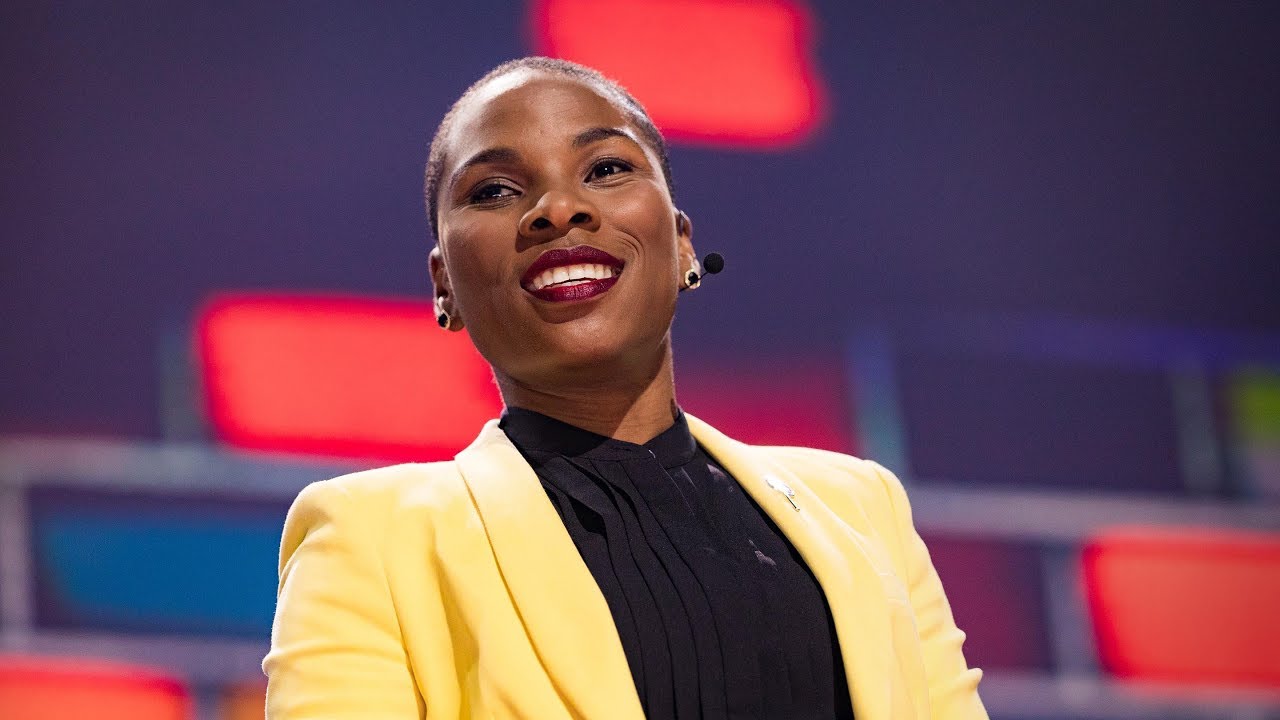
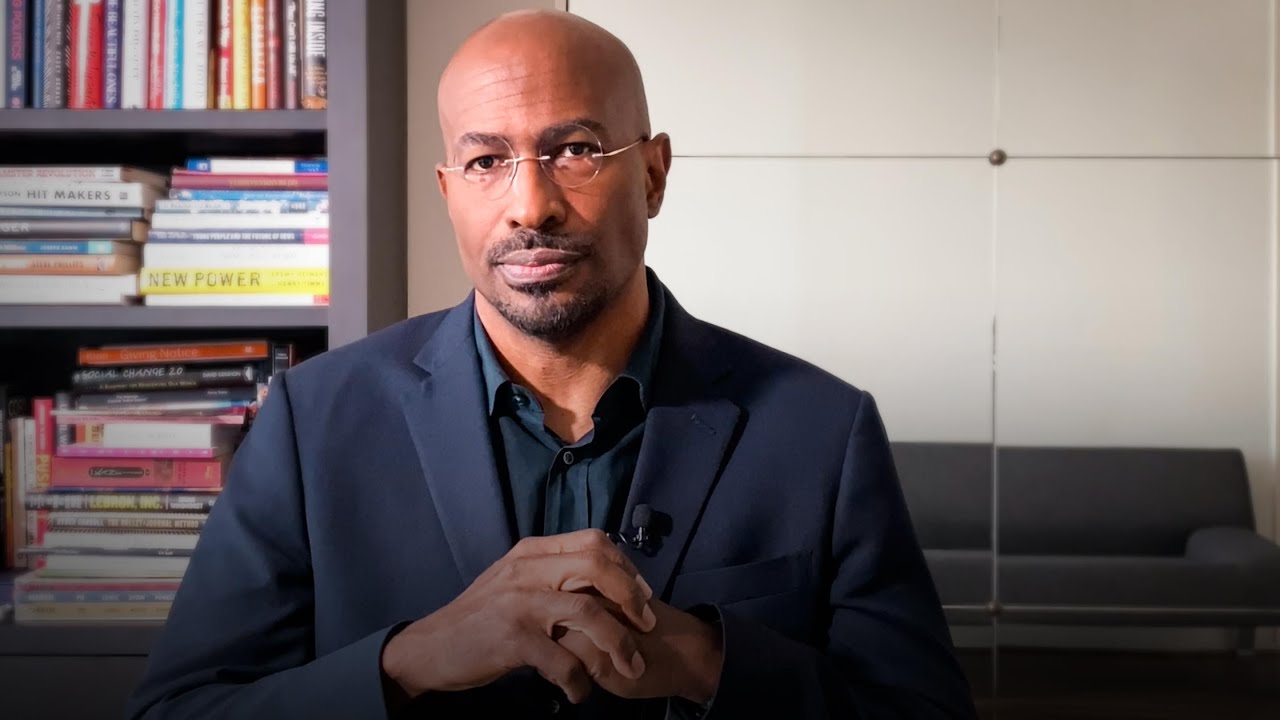
How do you quit people pleasing? Internet filmmaker Baron Ryan (@americanbaron) and family therapist Stephanie R. Yates-Anyabwile (@StephAnya) unpack the all-too-common fear of rejection that drives us, exploring the awareness, confidence and practices needed to reclaim your ability to say “no” and stop caring so much about what other people think. (This conversation is part of “TED Intersections,” a series featuring thought-provoking conversations between experts navigating the ideas shaping our world.)
Watch Baron Ryan's TED Talk: https://youtu.be/MQD0RKYcR6c
Watch Stephanie R. Yates-Anyabwile's TED Talk: https://youtu.be/YbnS39GAcQo
Join us in person at a TED conference: https://tedtalks.social/events
Become a TED Member to support our mission: https://ted.com/membership
Subscribe to a TED newsletter: https://ted.com/newsletters
Follow TED!
X: https://www.twitter.com/TEDTalks
Instagram: https://www.instagram.com/ted
Facebook: https://facebook.com/TED
LinkedIn: https://www.linkedin.com/company/ted-conferences
TikTok: https://www.tiktok.com/@tedtoks
The TED Talks channel features talks, performances and original series from the world's leading thinkers and doers. Subscribe to our channel for videos on Technology, Entertainment and Design — plus science, business, global issues, the arts and more. Visit https://TED.com to get our entire library of TED Talks, transcripts, translations, personalized talk recommendations and more.
Watch more: https://go.ted.com/tedintersections
https://youtu.be/leaxVE3qF6g
TED's videos may be used for non-commercial purposes under a Creative Commons License, Attribution–Non Commercial–No Derivatives (or the CC BY – NC – ND 4.0 International) and in accordance with our TED Talks Usage Policy: https://www.ted.com/about/our-organization/our-policies-terms/ted-talks-usage-policy. For more information on using TED for commercial purposes (e.g. employee learning, in a film or online course), please submit a Media Request at https://media-requests.ted.com
#TED #TEDTalks #PersonalGrowth
Оглавление (6 сегментов)
Segment 1 (00:00 - 05:00)
Baron Ryan: I respect my dad's opinion a lot, and so oftentimes I won't call him for advice because I'm scared -- Stephanie R. Yates-Anyabwile: That I'm wrong. BR: That I'm wrong, and because I respect it so much that I know there's something inside that says he is right no matter what. But I think one of the wisest things we can do is not listen to our elders too closely. There's a great value in discovery, in doing the wrong thing and learning for yourself, as opposed to learning what the wrong thing is and never trying the wrong thing. [Intersections] [Baron Ryan, Internet filmmaker] [Stephanie R. Yates-Anyabwile, Marriage and family therapist] BR: So the first question I have is, how do you see people-pleasing manifest in your relationship with yourself and others? SRYA: I think you could probably answer this question better than I could, but I think for me, realizing that I have people-pleasing tendencies was a slow evolution, a slow revelation. I realized that I was comparing myself to people that I thought were obvious people pleasers, like my clients even, you know? But I started realizing that when certain people would ask me for things, even if it was something I was dreading for weeks beforehand, I wouldn't say no just because I think I was afraid that if a specific person saw me as difficult, then that's true. So I think for me, it was very much based on my level of respect or desire for a person to love or appreciate me. And, you know, if a person didn't fall into those categories, I could say no. But if they did, then I had a really hard time with just even saying, this is going to be a challenge for me, but sure, I'll do it for you. And I would almost act as though I was excited about it. So people-pleasing has showed up for me in multiple ways, and I think in the last two or three years, it's been a lot more obvious for me and something I've been working on, a little bit more intentionally addressing. How about for you? BR: You said people-pleasing, you never had it, it's for other people problem. I am the other people. No, I think I still am a people pleaser. And it's very funny that I can admit that because my talk is about people-pleasing. But I think you'll see it, there's no solutions. I think I just see the solution. I see the light and I don't know how to get to it. I think I especially have this tendency where once I'm aware of what I'm doing, I think that's it. Oh, problem solved, I'm done. And that's not it. I see it happening pretty much, like... just everywhere. I don't know, just walking -- Just, like, the Uber here. The air conditioning was just way too hard, and I just didn't say anything. And he asked, like, "Is it too cold?" And I said no. And it was too cold. And I recognized it and didn't do anything about it. SRYA: Yeah, and see, I'm the type of person who, that kind of situation, I would absolutely say something. Even when we were just sitting in a talk, I saw the lady next to me pull out mints, I'm like, "Ooh, can I have some of your mints?" I don't know her. But I didn't have any issue asking for that. But I have some family members, that I'm very close to, that kind of thing, they would never do. They would never ask because they're just that cognizant of being an inconvenience or feeling like a burden on someone. I do believe that there are things that can be done about people pleasing. I don't think that it's something that is solution-less. I think the first thing is admitting to ourselves that something is bothering us or could bother us, and feeling comfortable to even just communicate that possibility, to ourselves. And as we get more comfortable with admitting, because sometimes it's like, after the fact, you realize, like, damn, I was -- oh, can I cuss? Producer: Sure. SRYA: It's kind of like, man, I was cold. And so maybe in a situation with a stranger, no, but maybe you start with your close friends. Just saying, “I’m dreading this, but I’m willing to do it for you,” or family. BR: I mean, I guess the big problem was you never quite feel safe, opening up. Because every time you -- See, that's another problem of mine, I say "you" instead of "I." SRYA: That's okay, I get it. BR: And it's really good for storytelling because people relate and say "you." And if I said "I," no one would care. But I never felt safe, expressing and getting out there because I always thought if I do that, bad things will happen because bad things almost always do happen. But in reality, I just didn't know how to stand up for myself when I did open up.
Segment 2 (05:00 - 10:00)
So I was having this discussion with a friend and he has people-pleasing tendencies, I have them and we were saying, I think the solution is, it's about resilience as opposed to shelling up and never opening up. It's about opening up and if you get hurt, you get back up instead of just never trying or never coming out of your shell. And I don't know if that's true or not. I'm workshopping that tactic right now. But as far as I can tell, that seems to me to be a bit of a better solution than never opening up. SRYA: Definitely agree. I think, and it's hard for me to engage in, like, more surface-level conversations because as a therapist, I go right to it, but I do think it's interesting how you said that bad things almost always do happen. That's an interesting understanding of the world and life. I think that to me, that means that your people-pleasing is probably a result of some sort of trauma experience. If bad things always happen. What does that mean? BR: I could never pinpoint certain moments, but I think -- I was the youngest child. And so as the youngest, you're almost always giving in. And I think you're just trained -- I am just trained to do that. And that training serves you well in adulthood, but in very bad ways. SRYA: What I hear you say is that basically, you people-please to avoid the humiliation of hearing no or asking for what you need and a person basically telling you you're not important enough for that accommodation. Like, when we go back to the example of being in the Uber, if you tell that Uber driver that you're cold and he goes, “Oh, well, I’m hot,” and keeps it on, now it’s like, I put myself out there, I admitted I was cold and he didn't care. He didn't make the accommodation. So maybe it's easier to not experience that rejection than it is to take the chance of getting what you want. BR: Sure. It could also be that I need to be more anxious as opposed to more depressed. SRYA: Oh, OK, interesting perspective. BR: Because, like, I'm always thinking in hindsight, you know. You have an interaction with someone, you're like, did I come off too strong? Why didn't I just tell that Uber driver to turn the air conditioning off? But if I was anxious, I would look forward and be like, I'm going to be cold, I'm going to regret this. If I don't turn off the AC, I might get a cold or something. And so out of anxiety, I'll say, hey, can you... And so I'll try and beat the disaster instead of let the disaster happen and then just look back in depression. SRYA: Yeah, I could see that look. And I think anxiety works both ways, because alternatively, you could be thinking, "If I tell him about the fact that I'm cold, then this will happen, this will happen." Anxiety is just looking at every worst-case scenario, almost, you know. So I think even if you were super anxious, it could be the same situation. So how did the opinions of others impact your relationship with yourself? BR: The opinions of others can really impact me, especially if I care about those people. And what I've learned is that in order for the criticism and for the negative opinion to not affect me, I have to also forget about the positive opinions and the complimentary opinions. And so I always saw opinions, comments, likes, anything on social media, even, as sugar. You know, we know not to take too much sugar. So I know in my mind not to take too much compliments, not to take too much praise. It's not good for you. And a little bit's fine. A little bit of sugar is fine. Don't take too much, though, because then you'll feel sick the next morning. You'll get withdrawals when it doesn't come, right? So I guess right back at you, you know. How does the opinion of others affect you know, your relationship with yourself? SRYA: Yeah, I've always cared way too much what people think. I actually remember, I was writing with my grandma back in 2019, and she always struck me as someone who just -- she was the founder of a church, you know, small church, lots of opinions. Especially once my grandfather passed away and she was like the head of the ministry. And so I was like, "Grandma, how do you deal with the opinions of so many people?" And she was like, "Stephanie, they're just people." That made no sense to me. That still makes no sense to me, because I was just like, I guess in a way, we kind of put people on this pedestal, which is so interesting because as a human being myself, my opinions are so flawed and they change, but I look at other people's views or opinions of me and give them so much weight
Segment 3 (10:00 - 15:00)
and look at them as though they can't change or that they're correct. And so sometimes I just reflect on that conversation to remind myself, like, these are just people. Sometimes it works, sometimes it doesn't. But the opinion of people has always mattered a lot to me, I think. We're talking about birth order. I'm the oldest, and I think sometimes with the oldest, parents, that's when they put their best foot forward, like they want to raise the next, you know, top athlete or the next big politician, whatever. So they put a lot more energy sometimes in that oldest child than they do with the subsequent children. And so there's this pressure to do very well. And so I know for me, even as an adult, I still crave that "I'm proud of you" from my dad. You know, and he gives it to me. But I hear it more from other people than from him. And every time somebody is like, "Oh my gosh, your dad is so proud of you." I'm always thinking, oh, I wish he told me that, you know. But I know he is. But I think that's where it started for me, is just feeling like, you want that parental approval, then expands to the authorities of teachers and you know, administration at your school. Then it's your boss, then it's everybody, you know, everybody has an opinion. And as the older we get, I think the more confident we get that our opinions are right. And if someone has a negative opinion, especially being in the online space, it is hard to just say that's one person's opinion. But I love what you said about... You have to give similar weight to the positive opinions, just like you do the negative. And that's something that, I think, when you're online for years, you kind of come to a point because I'm like, it could be the exact same content and all the initial comments are so positive. And then one person says something and it takes a turn. You know, and a lot of people kind of follow the crowd, whether it's positive or negative. You can even look at the numbers of it really. BR: But what's hard is that on social media, the comment section is generally not the general consensus of most of your viewers. I always thought that was a big problem with reviews, online, of restaurants. Who has the time to pull out their app, sign into the app and make a review of this restaurant? Whoever has the time to do that gets angry pretty quick, or is a little bitter about a little too many things. Maybe the comments section is the same thing. I think the comments section is a demographic. It's a type of viewer. It's not your overall audience though. SRYA: That's a good point. Would you say that most of your comments are more negative or more positive? BR: Oh, they're all mostly positive. But my theory on that is that whoever has all positive comments, the haters are out there somewhere. They are lurking. They're waiting for their moment to strike. And the second you screw up, there'll be a few negative comments. And then here they come. And then it happens all at once. That's how that works, I think. So they're all there. They're all there waiting. I'm waiting to get canceled one day. Everyone does. SRYA: I know it's terrifying. BR: You were talking about how you still look for that "good job" from your dad. Whose approval feels the best? And where do strangers fall into that ranking? SRYA: Ooh, that's a good question. I still think... I still think my dad's at the top. I definitely do. My household dynamic was very different in that my mom, she struggled with a lot of mental health issues. She experienced so much trauma growing up, and it’s really miraculous, the life she was able to build. But, you know, behind the scenes, you kind of experience that at a closer level. So my dad was kind of given this, I would say hero role, like, you're the parent that's going to save us from -- like, they were married and everything, but you're the parent that's going to save us from this tyrant or this person, whatever was happening in the moment. It wasn't always like that, but, you know, some moments were like that and we never really ever had that with him. So I think I view him as like stability, security. And with that comes contentment. So sometimes, like, seeing that moment of pride or knowing I'm working on a project that he really cares about, that means everything to me. And when things that he cares about, you know, when they fall through, I think I'm more embarrassed about that than the world seeing something fail. Sometimes I wait months before I even tell him about a certain project just because I'm nervous it's not going to pan out and I'm worried about -- he would never say anything mean. You know, my dad's not like that, but I just don't want him to feel disappointed
Segment 4 (15:00 - 20:00)
even though he's not expressing that. I just internalize it in a certain way. BR: Yeah. I think... I respect my dad's opinion a lot. And so oftentimes I won't call him for advice because I'm scared -- SRYA: That I'm wrong. BR: That I’m wrong, and because I respect it so much that I know there's something inside that says he is right no matter what. But I think one of the wisest things we can do is not listen to our elders too closely. They have things to say, but there's a great value in discovery, in doing the wrong thing and learning for yourself, as opposed to learning what the wrong thing is and never trying the wrong thing. SRYA: Yeah, I think a big moment for me was when I was buying my house, and at that point -- it was a crazy summer, like, I got engaged, married, bought a house all in the same summer. Everybody thought I was pregnant because it was happening so fast. I wasn't pregnant, I was just ready to be married. We’d been together for six years, and I think that in that moment when I was buying my house and I was asking my dad for his feedback on everything, and I was just, I needed his approval. Like, what do you think about this? I don't want to make the wrong decision. It hit me, like, my dad's never bought a house before, you know? At that point, I was living an experience outside of his experience. Like, I couldn't go to him as the person that could give me all of the advice. And he always has opinions. You know, he definitely wanted me to have, he had recommendations for who should do my inspection and everything, but he'd never bought a house before. We'd lived in a house growing up, but my mom bought it before she met him. And so it was just this moment where I was like, I'm at a point where I'm having experiences that I can't lean on my dad for. My mom passed away, by the way, so that's why I'm referring to him a lot in adulthood. But it was just interesting to be in this very surreal position of like, wow, I'm in a stage of life that my dad never was in. And, you know, it's kind of like swimming without a life vest for the first time. So I agree with you about kind of recognizing, just because a person is older, doesn't necessarily mean they have all the answers. BR: Fun stuff. SRYA: I know, we're doing a therapy session for each other. BR: OK, this is a long one, but I'm going to go for it. You say that relationships are difficult because people base their metric of success on what they see other people do. Is this a form of relationship imposter syndrome? And how do couples break out of that mold? SRYA: Ooh, that's a good question. Relationship imposter syndrome. I don't know if I would say it's imposter syndrome, only because I think of imposter syndrome as a feeling where we've basically tricked an organization or person into thinking we're one way. And it's that constant fear of being exposed for not really being that. You know, I call myself a therapist. Are you really a therapist? I call myself an artist, I call myself an actor, you know, and someone kind of tearing that down. So I don't think of it as imposter syndrome... I don't know, maybe there are some parallels, but I think basically that... We have clear trajectories of how relationships are supposed to develop. You know, you meet the love of your life. Eventually you might move in together, maybe you get engaged, you get married, you have kids, you buy a house, you know, whatever the order is. And I think sometimes we don't stop enough to ask ourselves, like, why am I doing this? You know, like, maybe you did find the love of your life, but do you guys need to live together? If you live together, do you need to share a bed? Like, do you have to sleep in the same bed with that person every night for the rest of your life? I think sometimes we just get so stuck in "this is just how it's always done and if I don't do it this way --" maybe that is the imposter syndrome part, because the question is if I don't do it this way, is my relationship legitimate? How would people feel if they found out that we don't sleep in the same bed, for example? BR: Yeah, how should we... What should our metric of relationships be then? Who should we be comparing ourselves to? SRYA: I think the challenge is to try to avoid the comparison, because there's so many different models for what a healthy relationship looks like, and even what looked good in your relationship ten years ago might not look good today, you know? So I think it's very much about checking in with yourself about what is and isn't working for you. And I think this takes us back to the people-pleasing part of the conversation, because if you're afraid to open up to your partner, which is what I see a lot, a lot of the work I do with clients is like, you guys have been together 30 years, and you're afraid to tell your partner that you don't like x, y, z that they do.
Segment 5 (20:00 - 25:00)
And so I think that it's about being honest about where you're at today, what your hopes are today and seeing how you and your partner can negotiate that. If I say to my husband, like, I don't think it's making sense for us to share the same bathroom. Like, we're constantly getting in arguments about the bathroom. Your hair is everywhere, my hair is everywhere. I leave the lids off of everything. Whatever the case may be, we've got an extra bathroom, you have that one, I have this one. If you can have that conversation and they're cool with it, why not save yourself from some arguments? And there are a lot of opportunities like that we miss. BR: I think I always, I was always scared of this part in relationships because the big danger is you get in a relationship with the fantasized version you have in your head of someone else. You've projected that onto this person, and they're going to inevitably fall from that imagined reality that you just gave them. And so, of course, you need a little bit of reality in there and maybe a little bit of comparison might do you well. But for the most part, maybe it's just about checking in whether or not you are happy just as is. You know, there's a short story by [Lucius] Shepherd, I think, called "The Jaguar Hunter." And the story begins, it opens with this tribe in South America. And everyone’s happy, everyone’s calm and life is good. And then someone brings a TV into the tribe, and they hook up the electricity, and suddenly the tribe just goes to pieces because they see what the outside world is like. They see what it's like to have hot and cold water. They see what it's like to go to the grocery store and just pick out any fruit you want, no matter what the season is. And suddenly they feel like they can't be happy because they're living in heaven, not us. And I think with the relationship things, I think that's, for the most part, that is the hole we all go down. We all put a TV, metaphorically in a relationship, and we see what it's like and we say, why isn’t my life like that? Why aren't we like that? And in reality, just take a look. Maybe just take a look around. Do you feel good? Are you happy when you make coffee and put dishes in the dishwasher? And is that a pleasurable thing to do because you like this person? Maybe that's enough. And I don't know. It's just a theory, you know? SRYA: I totally agree with that. I think we don't check in with ourselves a lot, especially in the... Learning someone phase. Sometimes, like you said, we ignore things that would make us very unhappy because we are really not even enjoying the fantasy of them, but the fantasy of being in a relationship in general. And so it's like, "Hm, yeah, he's not that romantic, but he's here and I've got someone to take to this wedding, and I have someone who might warm our car up in the morning.” But then, you know, we're looking 10 years down the line, you're like, "My husband's not romantic." And I'm like, "Was he ever?" Right? And most of the time, the answer is no. But we develop these hopes for our partner before we ever even commit, before we even communicate to them that these are our needs. BR: OK, can I -- I'm going to tell you an idea for a short film I have and I don't know how it ends. And maybe you can help me, like -- OK, no one steal this idea. I want to make this short film, I really do. So we're living in this dystopian world where the state of New York is trying to curb the divorce rate for some reason, and we'll figure out why. And in order to do so, to get married in the state of New York, a couple has to go take a lie detector test that is 100 percent accurate, like, this thing always gets it right. They go into these tests, but they ask incredibly intrusive questions, incredibly intrusive, like, "Who is more attractive, your partner or your partner's sister?" Right? "If your partner died, do you have someone in mind that you would turn to first, as an alternative?" These are, like, incredibly harsh questions that no one wants to ask. And I thought the theory of all this was that maybe relationships need a little bit of fantasy just to work, just a little bit. If there's way too much honesty, if we know way too much about each other, we might not be ready for that because we don't quite love ourselves that much. I don't think we love humanity that much.
Segment 6 (25:00 - 25:00)
And if you get that raw, you're not going to like the other person. And I don't think that relationship works. I wanted to follow a couple that does this. And of course, the disaster strikes and it's like, "I didn't know that's how you felt." And I don't know how it ends. I don't know what the message is, I don't know what any of it is. Where would you go with that if you were the writer of this? SRYA: I don't know how you would end that. I really don't. But I love the concept. Maybe that's the ending, is that you let the viewer decide for themselves what happens with this couple. BR: You want to play in it? You want to be the therapist? You want to be the one with the lie detector? SRYA: Sure. I've been in short films before. My husband makes a lot of short films. BR: Oh, OK, that's fun. SRYA: This was awesome, thank you. BR: Yeah, this was really fun. Let's do this again. SRYA: I love the dead serious pan. Like, I will never do this again. BR: (Laughs) No.