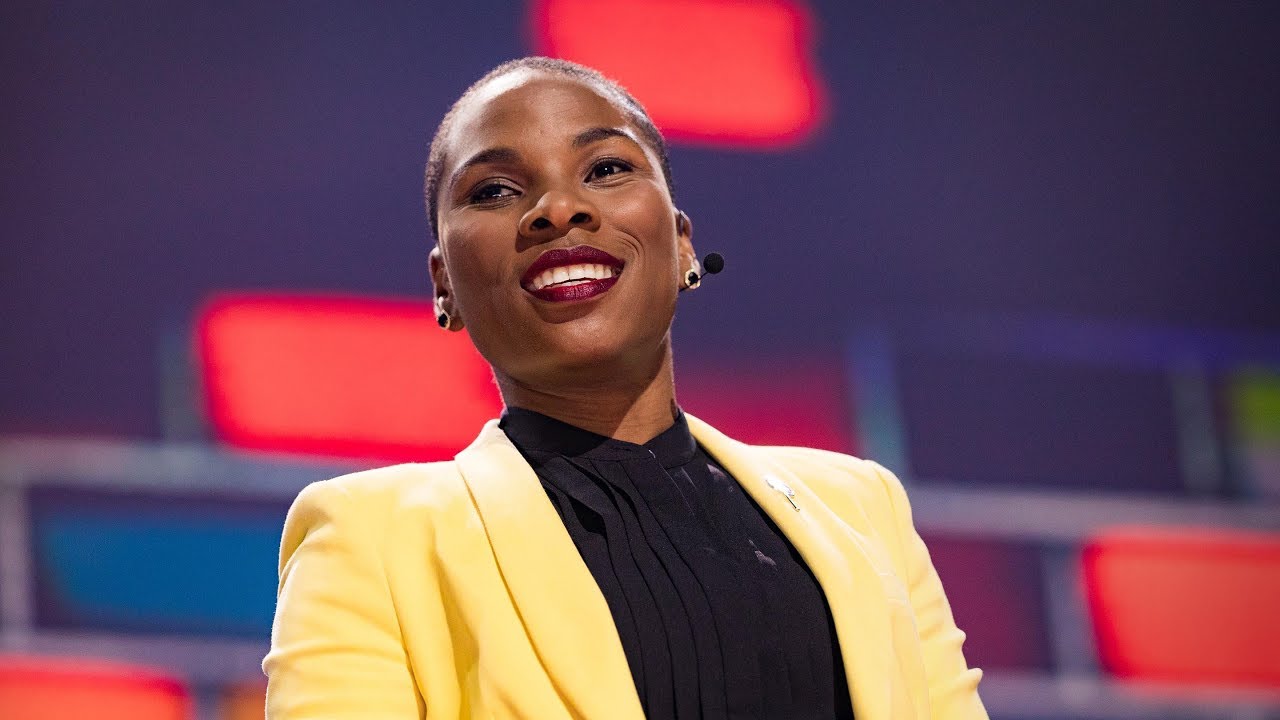
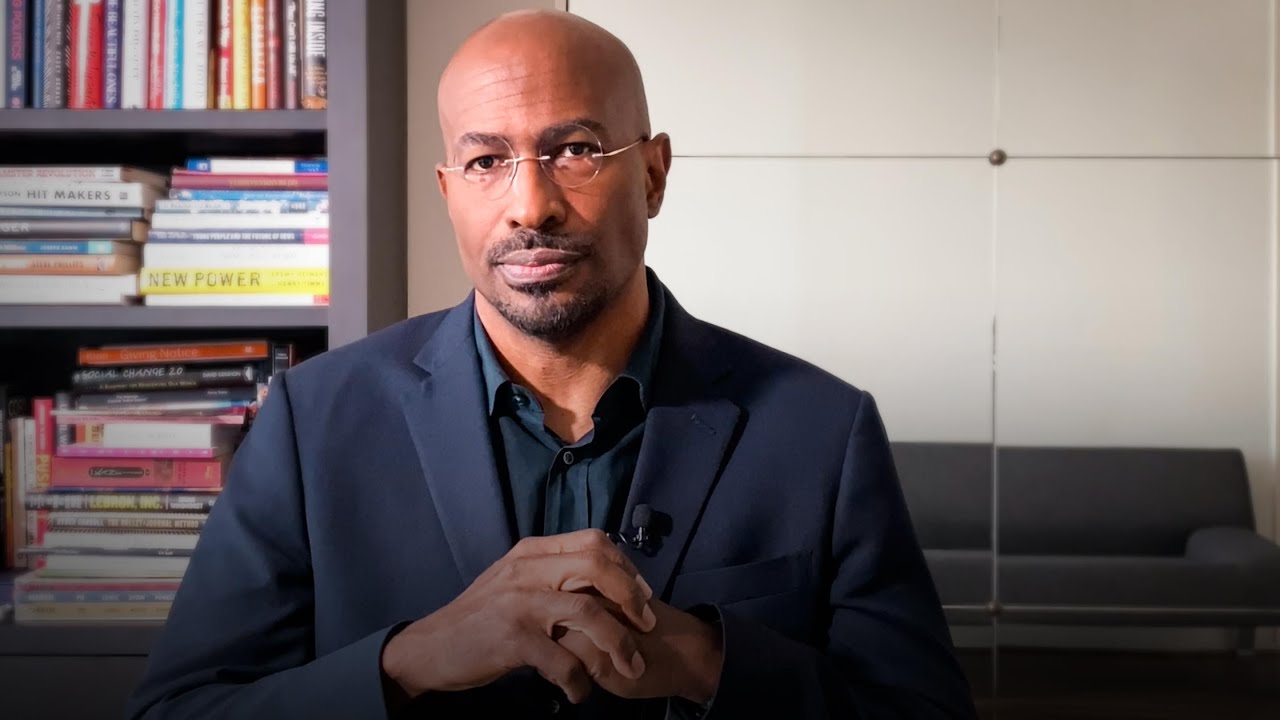
How do you find the courage to take risks — and succeed? Portrait photographer David Suh (@DavidSuh) and brand builder Molly Graham explore the challenges of building confidence, navigating setbacks and learning to embrace the real “you.”
Watch David Suh's TED Talk: https://youtu.be/xNWZrR3sDfQ
Watch Molly Graham's TED Talk: https://youtu.be/amtBUvkweEA
Join us in person at a TED conference: https://tedtalks.social/events
Become a TED Member to support our mission: https://ted.com/membership
Subscribe to a TED newsletter: https://ted.com/newsletters
This conversation is part of “TED Intersections,” a series featuring thought-provoking conversations between experts navigating the ideas shaping our world. Watch more: https://www.youtube.com/playlist?list=PLOGi5-fAu8bGbCMgtuuNf8t-kV28ZhnGa
If you love watching TED Talks like this one, become a TED Member to support our mission of spreading ideas: https://ted.com/membership
Follow TED!
X: https://www.twitter.com/TEDTalks
Instagram: https://www.instagram.com/ted
Facebook: https://facebook.com/TED
LinkedIn: https://www.linkedin.com/company/ted-conferences
TikTok: https://www.tiktok.com/@tedtoks
The TED Talks channel features talks, performances and original series from the world's leading thinkers and doers. Subscribe to our channel for videos on Technology, Entertainment and Design — plus science, business, global issues, the arts and more. Visit https://TED.com to get our entire library of TED Talks, transcripts, translations, personalized talk recommendations and more.
Watch more: https://go.ted.com/tedintersections
https://youtu.be/lCB-BmRJsLs
TED's videos may be used for non-commercial purposes under a Creative Commons License, Attribution–Non Commercial–No Derivatives (or the CC BY – NC – ND 4.0 International) and in accordance with our TED Talks Usage Policy: https://www.ted.com/about/our-organization/our-policies-terms/ted-talks-usage-policy. For more information on using TED for commercial purposes (e.g. employee learning, in a film or online course), please submit a Media Request at https://media-requests.ted.com
#TED #TEDTalks #PersonalGrowth
Оглавление (6 сегментов)
Segment 1 (00:00 - 05:00)
Molly Graham: I think I thrive on fear. David Suh: Oh? MG: The bad version of it is like, I get bored easily. And the good version is that I love being on learning curves so steep that I'm terrified I'm going to fall off of them. I think I've learned to make it a trigger for like, oh, you've got to like, try this or you've got to do this because you're going to learn something and you're going to learn what you're capable of, sort of, in spite of the fear. [Intersections] [Presented by TED] [David Suh, Posing coach and portrait photographer] [Molly Graham, Company and community builder] MG: Can I get you to tell the red dress story? (DS laughs) MG: And then you can ask me questions. DS: Yeah, yeah. MG: OK, so in COVID, I think you started playing around with social media, and you said that you put something online and it blew up. Will you, like, tell that story? DS: Yeah, yeah. So, quarantine, I couldn't take any more clients, right? So I tried to stay optimistic. A lot of the peers around me were being really sad. And I was like, let me see what I can do, right? Let me take the abundance of time as a blessing. So TikTok was a big thing then, and I was like, what if I just share the joys of what I do? And I wanted to tell, like, the transformation that goes on in my small Sacramento studio of my clients coming in really shy, disconnected from their bodies and then transforming into this like, beautiful, like, human being in front of the camera. But I only had myself. So I played both characters of myself as a photographer and then also my clients. Except to play my client, I was like, huh? Maybe I'll just like, take the studio red dress that we have, and I put on myself a wig and then a little flower crown too. And then I just acted shy, but also glamorous at the same time. And I guess people really loved that. MG: You said it blew up. DS: Yeah, it blew up overnight. MG: And what did that change for you? DS: I was so focused on photography, I thought, like, I would put all my eggs in one basket. Of like, David can bring value to the world by being a photographer. But I realized then that, like, the more I can be me, it seems like I can bring more value to a wider audience. And I was so focused on just like, let me get better at this, that this was such a huge awakening to being David and exploring David to his fullest potential. And just thriving as me and realizing, oh, I can be accepted by being myself fully. MG: Yeah, totally. DS: That was like a huge, like, value awakening for me. But I also know you had a little bit of a similar moment of publishing something online. MG: Yeah, like 10 years ago, I'd spent probably six years at Google and Facebook and then a couple of years helping build a little start-up. And, somebody approached me about, like, publishing some of the things that I'd learned. And I had this thing I used to say to people when I was, like, coaching or mentoring them on my team about how you have to get good at giving away your LEGOs. That was my phrase for teaching people to learn to let go of things and to embrace change as like, the companies that I worked on were changing and growing so fast that it’s like, a very emotional process for people. And it often causes you to want to, like, hold on to the past, to hold on to what you know. And so, for some reason, my brain works in weird metaphors, and I came up with this metaphor of, like, kindergarteners learning to share their LEGOs. And so I published this article with these folks about basically saying one of the best things you can do if you're inside of these companies that are growing and changing, is to learn to give away your LEGOs, which essentially was like, learn to grow as your company grows, learn to change as your company evolves. And I don't know, I think I did it as a favor to a friend, and it felt like something that might be useful to people that were inside of these rapidly scaling companies. And it was my first experience with like, something taking off and taking on a life of its own to the point where I didn't understand what -- I had people emailing me from, like, big, old companies, folks from Safeway, and places that I had not intended it for. And little tiny companies, like, I remember a founder in Nigeria emailed me and just said, "This was just so helpful to me. I can't tell you how powerful it was. And it really helped, like, normalize this situation I was in."
Segment 2 (05:00 - 10:00)
And for me, it was eye-opening in terms of like, sometimes the thing you intend or the thing that you put out in the world, you meant it one way, but it has this much broader audience and this much broader meaning to other people. But it also taught me, like, I think I had spent a long time building companies, and I thought that was the main way that I was going to help, which is definitely a word, in my career. And then I discovered that there was a way to connect with people that I would never meet and be able to, like, help folks that were on the other side of the world that I was never going to encounter through my day-to-day work, you know? DS: Did you get a lot of, like, more questions that followed up? Because it's one of those things where, you know, when you help solve something, then there's more questions. MG: Yeah, it takes you on a journey. Absolutely. DS: You just get more. I mean, for me, I started getting a bunch of questions from people, and I was like, I guess I can start answering a bunch of these. Was it kind of like that? MG: Yeah, same thing. So I now do these things called “LEGOs Talks.” Companies will, when they're going through hyper growth, but honestly, just when they're going through a lot of change, they'll reach out and ask if I can come in and talk to their team. And I always call them group therapy sessions, because really what I'm doing is going in and just saying, "Hey everybody, it's going to be OK." You know, "Everything you're going through is both emotional and normal. It does not mean anything is wrong." But yeah, it led me to connecting with all these different companies. And I think, you know, after many years, it's led me to what I do now, which is basically like, coach and mentor start-up founders and start-up leaders. But tell me about the kinds of questions you got after the red dress. DS: I mean, as you talked about getting response and questions from, like, different parts of the world, I would get a bit of that, too. People would enjoy the content differently. Some people would say, wow, like, "The way you move your body reminds me of an airline stewardess." (MG laughs) DS: And that was like, a big chunk of people, that's what they were mesmerized by. I was like, what about the whole transformation where I go from shy? Like, what about the acting? They were like, no, it was that. I was like, oh, wow, they didn't care about the posing. But other folks, they were like, "Wow, you seem to know posing really well. So, David, what about me? Because I don't look like you." And "I'm tall," or "I have a different body," "I'm curvier," "I'm skinnier" and all this kind of stuff. And I just started to answer as much as I could. But I also learned so much from answering those, because I also realized I didn't know the answer to many of those. So I had to do a lot of... A lot of the traditional photography education and everything I learned didn't answer a lot of those questions for me because the questions were so human. It was so like, "David, what about me? I want to find representation." But that's not how I learned posing. Posing was just, "This is how you look pretty. You create triangles and you make it, like, dynamic," and like, "You want to look skinnier, so do this and suck in your stomach." But that's not what resonated with everyone. And that doesn't work on everyone. And it taught me a really big lesson of recognizing that I can help everyone. But to do that, I have to shed sort of, this past knowledge that I thought was the Bible. And I had to learn through just helping people for who they are. MG: I'm curious because I bet -- well I bet publishing online in general, but I'm guessing in that first couple of years where you got more and more followers, was scary. I’m betting it was scary to put yourself out there and to decide what to engage with and what to ignore. So will you talk about that fear and that process of learning how to do that in spite of fear? DS: Oh, man. I mean, I thought a lot about risk and also the fear. And I mean, something that I had to really come to get better at is receiving the comments. MG: Yeah. DS: Because overwhelmingly, in the beginning it'd be a lot of positive comments. And I'd start to... I start to create my foundation of confidence from those positive comments.
Segment 3 (10:00 - 15:00)
But I realized I would quickly crumble when I would start getting the negative comments. Then I realized there's no foundation because I'm relying on like, so many, whether it's positive or negative. So that was a whole doozy. MG: How did you find the foundation? DS: Oh, I had to do a lot. I had to do a lot of, “What does David want? What does David like? What makes David happy?” And that's a whole different journey, because I realized I do that for my clients. But I never found that same patience and kindness for myself. (Laughs) That's a whole different journey. Did you have any fears of putting yourself out there, because there's so many like, "experts" in that field of operations, start-up. It's such a huge thing now. MG: Totally. DS: Were there any fears around, like, judgment from that crowd who are also experts in your field, but also this new demographic of people who were looking up to you and who want to find a breath of fresh air? MG: Yeah. I would say, number one, I think I thrive on fear. I feel like my whole career, the bad version of it is like, I get bored easily. And the good version is that I love being on learning curves so steep that I'm terrified I'm going to fall off of them. And when the learning curve starts to like, slow down is when I get bored. And so I do... I do think that, like, being scared, for me, is I think I've learned to make it a trigger for like, oh, you've got to try this or you've got to do this because you're going to learn something and you're going to learn what you're capable of, sort of, in spite of the fear. And I'm a people pleaser, you know? So judgment is hard for me. Like, your world of online comments, like, I do a little bit of publishing on LinkedIn and Substack and, you know, I get a negative comment and it'll throw me for a loop. But part of it is because you can't be in a conversation with someone. You know what I mean? Online's not great for that. And when it's a real conversation with someone, like, I can talk to anyone, right? I can have a thoughtful, robust conversation with somebody I violently disagree with. But online, it's just people throwing grenades, you know, and running in the other direction, which is not anyone's best, you know, place. But yeah, I think for me... Where I've found my writing and publishing, I've just had to work really hard to just do it for me, and basically to like, publish when I'm like, this is something that needs to be shared and I just need to put it out there because I've repeated myself five times or, you know, I've said the same thing to three founders this week. That's when I put it online, because I think, oh, that's going to help someone that I've never met. And so there's definitely fear. DS: I mean, I think we both benefited from being risk takers. Were there moments that risk actually like, went south? MG: For sure. And then you have to answer that. Yeah, I mean, I think "went south" is like such an interesting thing because like, what is failure and what is regret, you know? I always say I don't really believe in regret because I wouldn't be where I am without everything I've been through. And... Yeah, I think sometimes, when I look back and I think about things that I regret or what I would say is like, things I would do differently, knowing what I know now, it was often because I was listening to the wrong voice, you know, inside my head. And so much of, I think the work of figuring out who you are and where your sort of like, North Star should be in life is about sorting through which voice in your head is talking when it says, "This seems like a great idea," or "You should definitely do that." And some of the mistakes I've made have been because I listened to a voice that was all about, like, ego and sort of like, I'd be so excited for people to think I was cool, you know? Whereas, if I can listen to the more authentic voice, that's about, like I said, about this is something I care about, and I really want to make sure that, you know, I do this or I learn this, or I help people in this way versus, like, I want people to think I'm cool. You know, those are two very different North Stars.
Segment 4 (15:00 - 20:00)
DS: I like the way you think through that. I guess one way to think about risk is the more risks you take, you start to hone in on that authentic voice. You start to hone in on that North Star. And you make bolder, more confident decisions, I guess, the more risks you take. MG: I'm going to say something to that, and then I'm going to make you answer the fear question. Like, absolutely. So my TED Talk is about taking risks, and I use the metaphor of jumping off cliffs. And I was doing the TED Talk before I, like, a couple of weeks ago for this community of start-up leaders that I run. And we were talking a lot about where confidence comes from -- DS: I'm excited for this. MG: Well, you know, one of the things I realized is that I reached a point, after a couple of jumps, what I would call jumps, where I took a big risk, and I kind of came out the other side of the falling part of the jump. I reached a point where, like, there was something that no one could take away from me, you know? And I think early in your career, or work life, you're scared. You're like, you don't know who you are. And to some extent, you're trying to define yourself by other people's versions of success or other people's versions of who you are. And then for me, risk-taking was such an important tool for figuring out who I was and to some extent, getting a confidence that sort of like, I know I'm good at stuff and even if I fail, it's never going to take away that sort of intrinsic knowledge that I'm good at things because I've now been through so many different, weird scenarios, you know? DS: This like, belief, this almost delusional belief of who we are and like, is that supporting of that person and our belief. MG: Yeah, but I also just think risk is part of how you deeply get to know yourself. You know, you're not walking up somebody else's stairs. You're kind of like trying to discover what you are and very much also what you're not, you know. And in the process of that, you sort of develop that intrinsic sense of like, this is who I am, this is who I'm not. And to your point about like, narrowing, that then becomes much more clear about like, OK, this is what matters to me and where I want to go. But tell me about -- DS: What is this fear question? MG: Well, no, sorry. The question that you asked me was about failure, and it was about sort of like, trying things and it not working out. I'm curious what role that has played for you in terms of like, have there been big failures? Have there been things that you look back on and you're like, "I wish I hadn't done that?" DS: Let me think about this. I didn't know you were going to pull an Uno reverse card. MG: Oh, sorry. DS: I mean, I don't know if there's, like... The most recent one that I can think of, I don't know if I really learned something from it, but I posted something like, politics-tangent. And that was a nightmare. So yeah, that gave me a big anxiety attack. MG: What did you do? DS: It was just like... A Kamala Harris posing, like, let's break down her poses. MG: Wait, but what did you do when it blew up on you? DS: Oh, what did I do? MG: Did you delete it? DS: I just took it down. MG: You did? DS: I just took it down. MG: It's interesting because you're saying, "This was authentically joyful for me, and I shared it." And then the world did what the world does these days. And what do you feel like you take away from that? Sorry. (Laughter) DS: What do I take away from that? Oh, man. I don't know. It was so like... My girlfriend, who's also a content creator, she was like, "David, you should just like... This is you, this is authentically you. You should just, like, keep backing it up." But for this one, I just like, kind of lost the will to fight that one, you know? So I was like, am I bad, am I a bad, David? Should I have fought more for myself? Should I have stood up for myself? But I don't know, I don't know. MG: Yeah, well there's some battles you don't have to fight, you know. But it is interesting. Maybe it's to the point about online and like, there are moments when it's hard to be your whole self in an environment where it isn't easy to have a two-way conversation, you know? DS: Yeah, I wonder if it's like
Segment 5 (20:00 - 25:00)
as you talk about spaces, because if I shared that, like, it depends on the community I share, because I know you're a huge on community too. So I guess it's like, can you be an authentic self in a setting that's... MG: Open. DS: Yeah. MG: Yeah, totally, that's open. Yeah. DS: So I was like, maybe the thing to take away from this is maybe the people weren't ready, you know, and as I keep putting in effort to be as authentic as I can, it's also to realize, not everyone is going to be a support for my authentic path. MG: Will you talk about what success means to you and what you've discovered about that on this journey? DS: I was thinking about that, too, because as we talk about risks, like, if we have different meanings of success, and like, life goals and purpose, then risk isn't that important, right, to some people, depending on the goal. So I guess for me, if I strip away just like, scientific values or spiritual values and all that kind of stuff. And like, other beliefs, and I just come down to, OK, what is David? Where is he at right now? He’s on abig planet. And there’s never going to be another David. How can I keep pushing to find a way to... How do I say this, it's like... I just want to find me, I guess, I just want to find me. And also like, growing up in Korea, very homogenous country, right? What's beautiful there is that everyone kind of takes care of one another. And like, we respect one another a lot. But what's lost in that respect is sort of like, that individual voice, right? And success there is so clearly defined for the whole community together. Like, education, college, get a nice job at Samsung and like, you know, that's a very clear path of success there. And I guess having been fed that most of my life, the moment I started tasting a bit more of like, standing out for myself and asking myself, oh, what does David enjoy? And supporting that with finances, with the right people, the right community, the right affirmations, validations. I'm like, oh, it feels great to be more of me, whatever that means. MG: Yeah. DS: That's my, I guess, definition of success. The more I can be me, which I'm finding out the more I help others, the more I can just be... A light, I guess, be something positive to other people. I just really enjoy that. And the more I do that, I keep learning. And it's like this beautiful cycle. MG: I love that. DS: But what about for you? Enough about my definition of success, which took me a long time to get to. MG: Oh, yeah, well, I think, I mean, success is a journey, you know, at least in my experience, it's like, I think you often start out with your parents' definition of success or maybe it's a cultural definition of success, but I think for a lot of people, it's some external force that's older than you, telling you what good is, you know. And it takes time to figure out whether that is true for you, you know, or if you have a different definition of success. I also think success changes as you get older, like, what it means to you and what you value. Like, what I thought mattered when I was in my 20s and 30s is not what I value in my 40s. And for me, it's been this massive transformation, I think, like, when I turned 40, I really leaned into it and was like, I'm thinking of this as halfway through my life, if I'm lucky. And so I started to realize that time was just finite in a way that I think it just never feels like when you're in your 20s, you're like, I have infinite time. I'm going to travel to every country and become president. You know what I mean? You're just like, it's all possible. And I think as you get older and as, you know, you watch friends die or different things happen in life, you realize that time is the most valuable thing you have. And that being able to choose how you spend your time, for me
Segment 6 (25:00 - 27:00)
that's been just like a punch in the face of like, OK, 40 years left, 40 years lived, 40 years left, let’s say, hopefully. And what do I want to do with that time? And it's led me to also realize that, like... You know, I think, for a long time, success was probably defined by some kind of programming or someone else's definition around title or, you know, fame or people thinking I was cool in some form or another. And there was a really abrupt moment where I just realized that is not what I care about, and that now I define success through joy. And I just look for like, joy in my day and literally like, do I look forward to the people I'm going to work with, the work that I'm going to do, the time that I get to spend with my family, you know, with people that I love. I want to be joyful most days. Nobody's joyful every day. But, you know, to be able to say that, like, 80 or 85 percent of days I'm like, skipping into work and life. That, to me is the ultimate definition of success. DS: And I love joy because I was thinking about joy versus happiness. Producer: We're unfortunately out of time. DS: No! Producer: I know, it was so great. It been a wonderful conversation. MG: David and I are just going to continue this. DS: I know. I wanted us to talk about comfort a little bit, too. MG: Yeah, man, I know. DS: And joy versus happiness. MG: I know. Sorry, we're going to continue the conversation. This was so fun, it's so fun to get to know you. DS: Yeah, I feel like I'm learning so much. MG: Same. DS: As a wee, tiny 30-year-old founder, I have so much to learn. So let's please continue this off camera. MG: Yeah, same. You're going to help me become physically powerful. (Laughs) MG: Thank you. DS: Thank you.