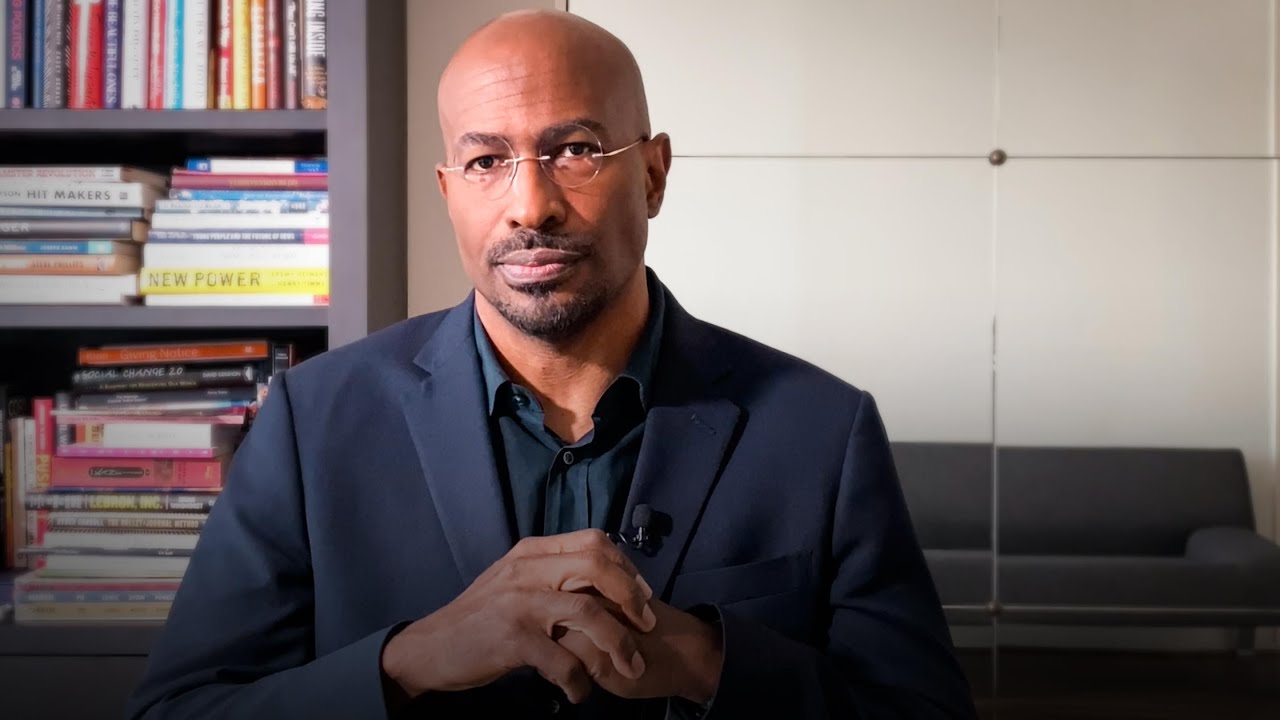
The Potential US TikTok Ban — and What’s at Stake | Clay Shirky | TED
1:00:52

The Potential US TikTok Ban — and What’s at Stake | Clay Shirky | TED

TED 10.01.2025 31 047 просмотров 425 лайков обн. 18.02.2026
Поделиться Telegram VK Бот
Транскрипт Скачать .md
Анализ с AI
Описание видео
The clock is ticking on social media giant TikTok, which faces a nationwide ban in the United States unless its parent company, ByteDance, sells it by January 19. Social media theorist Clay Shirky unpacks why the US is trying to ban TikTok, what it means for the app’s users and creators and the implications for national security, freedom of speech, US-China relations and more. (This interview, hosted by TED’s Whitney Pennington Rodgers, was recorded on January 8, 2025.) If you love watching TED videos like this one, become a TED Member to support our mission of spreading ideas: https://ted.com/membership Follow TED! X: https://twitter.com/TEDTalks Instagram: https://www.instagram.com/ted Facebook: https://facebook.com/TED LinkedIn: https://www.linkedin.com/company/ted-conferences TikTok: https://www.tiktok.com/@tedtoks The TED Talks channel features talks, performances and original series from the world's leading thinkers and doers. Subscribe to our channel for videos on Technology, Entertainment and Design — plus science, business, global issues, the arts and more. Visit https://TED.com to get our entire library of TED Talks, transcripts, translations, personalized talk recommendations and more. TED's videos may be used for non-commercial purposes under a Creative Commons License, Attribution–Non Commercial–No Derivatives (or the CC BY – NC – ND 4.0 International) and in accordance with our TED Talks Usage Policy: https://www.ted.com/about/our-organization/our-policies-terms/ted-talks-usage-policy. For more information on using TED for commercial purposes (e.g. employee learning, in a film or online course), please submit a Media Request at https://media-requests.ted.com #TED #TEDTalks #tiktok #tiktokban
Оглавление (13 сегментов)

  1. 0:00 Segment 1 (00:00 - 05:00) 894 сл.
  2. 5:00 Segment 2 (05:00 - 10:00) 839 сл.
  3. 10:00 Segment 3 (10:00 - 15:00) 860 сл.
  4. 15:00 Segment 4 (15:00 - 20:00) 786 сл.
  5. 20:00 Segment 5 (20:00 - 25:00) 851 сл.
  6. 25:00 Segment 6 (25:00 - 30:00) 808 сл.
  7. 30:00 Segment 7 (30:00 - 35:00) 747 сл.
  8. 35:00 Segment 8 (35:00 - 40:00) 836 сл.
  9. 40:00 Segment 9 (40:00 - 45:00) 763 сл.
  10. 45:00 Segment 10 (45:00 - 50:00) 805 сл.
  11. 50:00 Segment 11 (50:00 - 55:00) 793 сл.
  12. 55:00 Segment 12 (55:00 - 60:00) 860 сл.
  13. 1:00:00 Segment 13 (60:00 - 60:00) 171 сл.
0:00

Segment 1 (00:00 - 05:00)

hello and thank you for watching Ted explains where we take the biggest headlines of the moment and offer Clarity around what it all means and context on why it matters I'm Whitney Pennington Rogers and I'm your host for this conversation so Tik Tok launched in 2016 and I don't need to tell any of you especially those of you watching on Tik Tok that in less than a decade the app has exploded to become one of the most popular social media Platforms in the world with what many estimate is more than 1 billion monthly active users worldwide but Tik Tok success is often overshadowed by controversy connected to how it treats data privacy its role in geopolitical tensions between China and well the rest of the world and an algorithm that could support the spread of misinformation last April the US government passed a law that would ban Tik Tok in America unless its parent company bite dance sold the app by January 19th of this year bite dance sued and in December an appeals court rejected their claim now in just two days the case will be heard by the Supreme Court and Tik to fate and the wide- ranging implications of what happens next lie in the balance to help us make sense of this moment and why it matters to all of us I'm joined today by author and social media theorist Klay shery he's the vice provos for AI and technology and education at New York University and has given several Ted and tedex talks on the cultural impact of the internet and social media hi clay hey Whitney how are you good how are you doing good thanks for the invite yeah thanks for being here with us sure well let's start from the most basic place why does the US government want to ban Tik Tock yeah well there's a there's really a question of sort of stated rationals and then sort of what may be behind that the stated rationale is National Security and this has actually happened twice uh there was a proposal during uh Trump's first Administration to ban Tik Tock going into 2020 that did not happen uh the Biden Administration revived that and last April uh President Biden signed into law um uh legisl that would force Tik Tok to either sell or shut down uh in between n months and a year uh the president had the option to extend uh the deadline for this purchase or shutdown um and then opted not to do it which is why the 19th of January is the the sort of deadline date for Tik Tock the stated rationale was that Tik Talk's parent company bite dance uh owns only about a fifth of the company but has a controlling share um because the way the stock is structured and because uh Chinese companies in concert with the Chinese government uh hand over data much more regularly and at much larger scale than uh typically happens in the US and so there was a worry about uh control of us data held uh you know in the numbers you talked about in the intro you know in the US cases something like 180 million um 180 million users in the country alone there was a worry about uh the data being held by Tik Tok and therefore accessible uh to bite dance or so the theory was all of this is relatively vague which is to say there's no particular uh identification of actual harms that have been caused there was some talk of US military personnel giving away their position by using Tik Tok but of course that can happen on other social media as well uh bik dance uh is a chinese-based company but Tik to is headquartered in Singapore uh they say that no data is held on Chinese no American soil um and there hasn't been frankly a lot of technical back and forth about where the data actually resides the concern seems um both broader and vager than that um and then when you start to look at other places where those kinds of risks might appear you don't see the same concern by the US government um so if you take the idea that Tik Tok holds data on US citizens and is not itself a US company and therefore uh creates some risk if you look at Tik Tok on people's phones and then you look at temu the Chinese shopping service which has got about the same number of users in the US is Tik Tock um timu has much of the same information Tik Tok has plus they have your credit card and home address so if you were worried about American information and National Security by Foreign actors uh it's not clear that Tik Tock is the place you'd start it is however highly symbolically important and that's clearly part of this conversation which is that this is a Chinese Media Company operating very successfully in an American context and given the decoupling of the Chinese and American uh both markets but also cultures to some degree Tik Tock is a it's a highly symbolic Target and probably the symbolism matters more than the actual risk H okay well there's so
5:00

Segment 2 (05:00 - 10:00)

much to dive in there into there and I think one of the big questions here is what does this actually mean for users of the app so a b would that Tik Tok would no longer be available to users in the United States um come January 19th if you do use the app there would be no software updates Available to You So eventually it would become obsolete right and this option of selling is something that by dance of course has pushed back on can you talk about some of the reasons why that's not a viable option for b day or something that's appealing to them sure and again and in part because of the symbolic nature of these conversations there's bite Dan a stated rationale and then there is everything else that might go into that same calculation so bite Dan is stated rationale is the Tik Tok algorithm um is a kind of Secret Sauce that they don't want to disclose and they would be forced to disclose it uh if an American company were to acquire the uh were to acquire Tik Tok and operate it separately from the by dance ownership um there is the Tik Tok algorithm is important uh essentially what Tik Tok discovered and and then turned into a very successful service is that video is special with regards to viral spread and then if you pay more attention to how users actually watch video how what do they click on how long do they watch when do they click away you can actually pay less attention to what their friends like so Tik Tok amplification of video is much more about personal interaction with content than it is about viral spread in the manner we got used to with uh Facebook in particular where your friends would effectively amplify content from elsewhere and would amplify your content to elsewhere Tik Tok doesn't have that same kind of social amplification and that was indeed an important Discovery um been said the Tik Tok algorithm is not so special that there's any kind of Secret Sauce there was there was actually a document leaked in 2021 Ben Smith uh then the media columnist of the New York Times uh got hold of it and what it discovered is that Tik Tok had done a particularly good job of balancing these various factors of when a user would be interested in a certain kind of video but that there was no signal in there that they were taking advantage of that other companies also didn't have access to so the uh the idea that there's some you know the equivalent of the formula for cocacola for Tik Tock that they would be forced to disclose isn't really a plausible reason not to sell um there are however some uh other plausible reasons not to sell the most important of which is if the US forces a Chinese company to divest from a company that is succeeding in the US market um that becomes a template for other kinds of work um and um essentially attacks on Chinese commercial operations that are outside of China um you can see this in the way the Canadians handled this the Canadians have also banned Tik Tock but they banned Tik Tock Canada which is to say they have gone after the company doing business on Canadian soil but are not proposing Banning the Tik Tock app so they're more direct about their concerns with uh the concerns with the company rather than with the app itself um bite dance on the other side of that um the the Chinese company doesn't want a world where essentially Chinese media properties can be nationalized um through this kind of Law and then forced to sell partly because they don't want to be um they don't want to lose control of Chinese firms like that but also partly because there's a great concern under xiin ping under the current um Chinese administration that commercially successful Chinese operations not be convertible to Dollars on the part of the inventures they don't want Global entrepreneurs from China to be able to resituate themselves in other countries they want uh to maintain a pretty tight relationship with their most successful business people and they want those business people to understand that they are effectively in business with China the government um and so having a having an event in which some tens or possibly hundreds of billions of dollars was delivered by Tik Tock uh enriching the founders and and current operators in currency other than Chinese currency it's not something that the government would want to see um and you know on the margin there may be some value in having young uh young influencers mad at the US government if their platform gets shut down so taken all together um bik dance and I'm certain in conversation obviously with the the Chinese government has decided that they'd
10:00

Segment 3 (10:00 - 15:00)

rather face down the threat of shutdown than pursue a sale well it it's so interesting that you note that this algorithm that has been lauded as The Secret Sauce by bite dance and by Tik Tock uh that maybe they're overstating exactly what is unique about it um because when we have heard about a sale the valuation of Tik Tok has varied from you know as little as$ 30 billion dollars which is not does not a little number and yet yeah as much as 100 billion or even more than that um and a lot of that has to do with the algorithm um one of our um our followers here one of our community members submitted questions and I'll say all of you can submit questions as well um and we'll keep track of some of those and perhaps ask them during the event um but ask if Mr Wonderful of Shark Tank Fame might save Tik Tok who put in an early uh sort of bid year ago um but I guess how likely do you think a sale is before January 19th I don't likely before January 19th with emphasis on the date um because president-elect Trump has also asked the Supreme Court to delay implementation um again when Biden signed the legislation last April there was a high degree of flexibility over the implementation date based on what the president uh judged the president staff judged was going on if they felt like Tik Tok was making progress and they needed another 90 days they could have extended it not only did they not extend it they made the date the law goes into effect the day before the inauguration um which ties uh or would tie uh then president Trump's hands on the 20th of January Trump has gone to the Supreme Court and said not strike down this law but rather delay implementation of this law until I take office um during Trump's first Administration there was a proposal also to sell Tik Tock and Oracle was the leading um was the leading candidate there Oracle um having being a tech company that had Allied itself with uh with Trump relatively early on um so there is the possibility of a deal if the implementation of the law is delayed until after Trump takes office and Trump wants to use this as leverage for a certain kind of deal making um a big part of the difference between the Biden presidency and the upcoming Trump presidency seems to be willingness to work not just country by country which is the norm but Company by company um in terms of uh engagement with foreign companies on us soil so I do not believe that there will be a sale between now and the 19th um even the larger figures you listed the hundred billion dollar figure is relatively is a relatively small number compared to the Chinese government's desire to keep control of its local internet companies of which bite dance is one of the most important but after the 20th once Trump takes office um there could be a quid pro quo with China um where other things are on the table and at that point any number of actors could come in and uh and make a play for Tik tok's assets you know in the old days sort of the the 90s and ODS Google and Microsoft both thought of themselves potentially media companies and built various sorts of social media platforms they could buy their way back in Amazon very much in the video content delivery business could buy it uh but all of that would be in the context of a larger deal between Trump and the Chinese government not just between a private actor and bik dance um well it so it sounds like that you're not putting your eggs in the the sale basket before January 19th no absolutely not even at all um and I mean and I guess a big thing that will be a determining factor of this is of course the Supreme Court hearings which are kicking off in just a couple days on Friday and you outlined some of the history um of this potential ban on Tik Tok um you know as you mentioned in 2020 the Trump Administration first uh explore the possibility of banning Tik Tock um and then this act um that had been signed into law last April um was by Dan sued for that um the an appeals government rejected their suit um in December um and now we're facing uh this supreme court hearing where we'll have some judgment around like whether or not this band will actually happen what do you think we can expect uh during the suem court proceedings Tik Tok has said from the beginning um this law targeting Us in particular was unconstitutional I've always used that language um uh First Amendment uh would seem to protect media companies from being forced uh from being forced to sell or shut down uh the courts have always been very
15:00

Segment 4 (15:00 - 20:00)

deferential to the power of the president to make decisions around foreign policy um and the US makes a very sharp distinction between uh rules that apply to Citizens and to American companies versus rules that apply to International non- US citizens and uh companies headquartered outside the US it seems to me unlikely and I will say I am not a lawyer I'm just someone who's watching these proceedings out of interest in social media it seems to me given the history unlikely that the Supreme Court will find that a company that is as substantially foreign not just owned but controlled as Tik Tock is can sue the federal government for violation of its constitutional rights um there I don't expect the court to say this law can't go into effect this law is unconstitutional the thing that the Biden Administration uh signed last April is null and void they may kill two birds with one stone by giving Trump the delay he has asked for but doing it in the context of suspension during further review and so on so the one really decisive thing the court could do was to say almost immediately this law is going into effect January 19th all app stores have to stop Distributing uh versions of Tik Tok on Android and the iPhone um but that seems uh that seems to me to be the least likely outcome okay and it sounds like uh things are kicking off Friday and that we should have a decision fairly quickly unless there's some uh delay on the uh the deadline of January 19th well even the delay of a deadline would be a decision of sorts because the transition from this is a Biden Administration preference and this is a law enacted under the bud Administration versus this is a bide Administration preference in law but it will be enacted under the second Trump Administration that's a very different world for everybody um so even what would seem to be a fairly milk toast decision to delay uh implementation of the law in the 24 hours between the 19th and the 20th of January a massive change in regulatory preferences um by the executive branch of the US government is going to take place everybody knows it and a one day delay substantially changes the environment that Tik Tok is operating in so we have some questions that are coming in from Tik Tok actually and one uh person asked sort of in response to this conversation around the sale um about Oracle and the role they play um on in Tik Tok and in America specifically so Oracle has long been interested in Tik Tok and I don't know how much of the back end Oracle is Tik Tok it is certainly part of the um part of their mix they also make claims about what's on American soil what's stored in Singapore and so on so there's you know as is often the case with the cloud there is a smear of data that isn't am meable to a really crisp definition of X kind of data resides solely in y kind of system in Z location uh but the operation of the daytoday aspects of Tik Tok and ownership of Tik Tok are two quite different things Tik Tok is a famously dynamic system um and one of the things that you know again with the algorithm being more tied to uh essentially observing how users interact with the videos themselves versus the sort of social network piece Tik Tok is a better source of cultural novelty than Instagram reals or Facebook or what have you because you don't get the kind of Rich get richer link uh link economy as much on Tik Tok um so the fact that Oracle is involved in day-to-day operation of Tik Tok doesn't I think address the questions of both the dynamism of uh the app itself the algorithm itself is presumably being tweaked and changed as often happens um but also Tik Tok is a source of cultural surprise is at least part of the motivation worry about Tik Tock um and that's not accounted for simply by asking who op operates the infrastructure you know again this is one of those cases where the stated rationals of all parties tend to give a particular rationale we are concerned about National Security freedom of speech um but the symbolic position of Tik Tock as a culturally important part of the American Media landscape um is in the background of every decision being made here well I want to dive into both the National Security and freedom of speech
20:00

Segment 5 (20:00 - 25:00)

elements of it and maybe we'll start with National Security uh which of course is the motivation as the US government has put forward for Banning Tik Tok in the United States how real um is Tik tok's threat to US National Security and if you could paint a picture I guess of the path we might be on were nothing to actually change about our uh the presence of Tik Tok in the United States yeah I mean so Tik Tok so if you were concerned about uh surveillance of American citizens on Telecom networks which is a perfectly reasonable thing to be concerned about you would not start with Tik Tok um we are still discovering the ramifications of an attack by a hacking group called salt typhoon um which I think at last count has penetrated nine separate American Telecom networks through um an old switching technology called ss7 and the ss7 bug is um by I think Mark Warner's assessment on the the subcommittee on basically Telecom security the worst penetration of American Telecom networks by a foreign actor ever in history and this is going on right now um if you removed not just Tik Tok from the App Store but you removed Tik Tok from every phone in America on the 19th suddenly the entire thing vanishes you will not have materially changed the security from surveillance in any significant way um the I think we've all had the experience or many people have had the experience of logging into a website being told you have to create a 17 character password that has letters and numbers and symbols and it can't have two characters in a row and Etc ETA we dutifully do all of that and then a few months later you get a note from that organization that says oh our bad our entire datab basis breach we leaked data on a 100 million users right that is roughly the situation we are and with Tik Tock versus the ss7 bug which is to say the wholesale weakness of American Telecom infrastructure is so vastly much greater than the ability to track an individual user based on something they might or might not have said on Tik Tok that if your concern was Telecom security you would not start here and even if you said look the ss7 vulnerability the American Telecom networks we need to keep though say if that's a completely separate problem we're also worried about surveillance of app users if you look at Tik Tock and you say okay well this is Chinese controlled company minority of shares but voting rights and you know all the complicated things about where is the data moving um and then you look at temu which is the Chinese shopping app and has about the same number of us users as Tik Tok uh temu has almost all of the data Tik Tok has plus it has your credit card and home address so if you were worried even just limited way which apps were on people's phones you still wouldn't start with Tik Tok you'd start with something like temo um but again the fact that Tik Tock is tied to a bunch of other issues like a very legitimate concern about uh both misinformation and mental health effects that come from algorithmic recommendation engines again you would not start uh you would not start with Tik Tok but the symbolism of a Chinese Media Company operating an American environment means that Tik Tok is getting more attention than either temu on one side or the Telecom networks on the other and um so we have a user who's um excuse me a uh a follower who's asked has the government made public any evidence of the security threat that has accused Tik Tock um of and it sounds like there wouldn't be anything that they could specifically point to um yeah this is one of the rationals I think um I I see something in the comments asking what crime has Tik Tock been um accused of and of course this is not a criminal proceeding um the legislation targeting Tick Tock didn't assert that they'd committed a crime that would have been an executive function rather than a legislative function um this as in said you know whitne to your question what you know what are the risks and threats that this legislation is nominally seeing off um the strange thing about National Security is IR rationale is the courts also have a High degree of deference for setting aside typical standards of evidence um whether the evidence is merely asserted or revealed in private but not public um there have been again you know sort of vague observations about people revealing their positions and so on um but if the government has specific concerns about Tik Tock that are not taken care of by Banning Tik Tok from military phones which they've already done um has certainly not released any data like that and it's not clear that
25:00

Segment 6 (25:00 - 30:00)

the courts require the threat to be that specific if National Security is invoked and if uh the entity in question is not run by is not an American company um and in a conversation we had before this you sort of mentioned um the Snowden case and how yeah a lot of ways there were learnings from that maybe we're not actually leaning into yes indeed I mean this is really the unusual thing about the conversation in the US right now around uh information security uh worry about being surveilled and so on uh when Edward snowton who was the NSA contractor who released a bunch of documents about what the NSA was up to back in 2013 when he released those documents um what became very clear was that despite Fourth Amendment protections outlined in the Constitution um the National Security operatus in particular the National Security Agency was collecting 100% of the signal available to them um and collecting and storing and analyzing it and what's become clear from things like Revelations again from Snowden about the so-called five eyes program where five different governments uh intelligence communities pool and share data so if the Australians see someone in America or an American citizen doing something they will inform American agencies and vice versa for all the participants of this biis network um and we know from the ss7 vulnerabilities I mentioned earlier that multiple countries are simply spidering as much data as they can get their hands on um and the plain truth of the Snowden Revelations is that we are all under surveillance all the time um by multiple governments and presumably by some relatively well-funded non-state actors uh and that there's nothing an individual can do about it you will sometimes see oh you need to protect yourself by doing this thing or that thing but in fact the networks we are on are so relatively insecure that no one who isn't themselves an expert in information security can really maintain the kind of security posture that keeps the content of your message is secure and no one really full stop can keep what's called signal intelligence which is to say who's talking to whom when without regard to the content of the messages clear so the conversation post Snowden should have said I think if we want to change the way that we think about surveillance we need to push for regulation and control of governments but instead we've stuck with this idea that sort of the individual is responsible for their own information security and the fact of the matter is individuals can't by doing anything in particular on their phone protect themselves from wholesale surveillance and the tiktock worry is very much about retail level surveillance I mean if there's you know an aggregate of data somewhere but the number of people who use Tik Tok is not as large as the number of people who use mobile phones in the United States and that data is also at risk uh so the overall the overall surveillance environment is so much more adverse then people are often willing to deal with or discuss and I was surprised when the snow thing happened I thought well this you know people Now understand all competent governments gather and keep all the signal they can get their hands on and yet a lot of the conversation around this stuff still focuses on what apps are on your phone and what are you doing personally and it's just not even the right scale at which to be thinking about the problem and so it sounds s like the suggestion by the government that we're trying to protect you by Banning Tik Tok to protect your security is actually the thinking that is correct but Tik Tok is not the actual app that you would tackle in protecting folks and so I wonder you know how much of this is also just connected to the fact that Tik Tok is a china-owned um app and how data the way that Tik Tok handles data compares to the way other apps and other social media platforms are handling data is there any reason to believe that Tik Tok is working with their data in any different way than say meta or um any other social platform well there's two there's sort of two different um ways of thinking about data there there's kind of primary use which is what are you doing with the data you have access to in order to predict or create uh value for your end users and then the second is what Downstream uses are being made of the data by people who may want access to it but aren't part of your company um the you know one
30:00

Segment 7 (30:00 - 35:00)

of the observations made about uh Chinese companies is that the government of China is very clear that if you have data in China the government has access to it period there's not um there's not even the figleaf of Fourth Amendment protections uh but the other thing that's clear is that the figle for Fourth Amendment protections didn't actually stop the NSA from scooping up all of the data again in the Snowden revols so as a practical matter when the US government presents a warrant to American telecom companies by and large they comply and they comply in often in um uh often with requests that are themselves secret so there's very little way to even measure the amount of data sharing that goes on um we know from another uh NSA whistleblower that there was a closet in San Francisco a telecom where whole networks trunkline traffic went through a second room which is essentially forking a copy to the NSA so so the difference between American use of data and Chinese use of data in the American context is simply that we don't trust China it's not about what contr controls or constraints are there it's about a worry that the chines and American uh economic models cultural models political models are on a collision course and the current economic decoupling makes for a really heightened environment of mutual concern um my read of the thing you B Whitney about it's a you know the concern over surveillance is reasonable but you wouldn't start with Tik Tock is that Tik Tok is actually useful here to both sides both to the US and China because it highly symbolic act to threaten it ban it require it to sell itself and so on but it has very little practical effect on the economy much less on military or national security posture it's in fact useful to both sides as a kind of um prize to fight over without the stakes being very high and the reason I think that the Tik Tock ban is not being accompanied by concerns about other kinds of surveillance algorithmic recommend or concerns about other places where the Chinese may be capturing data on American citizens again like the shopping apps um is precisely that Tik Tock provides a way to say look we're doing something without actually forcing Congress or the executive branch to act on those other issues so I think it's more of an escape valve in my interpretation uh than it is the opening Salvo of deep concern for any of those other issues well so let's talk about China a little bit more here um you worked in China for some time um and are really familiar with sort of the way uh the geopolitical tensions play out around Tech um between China and the United States how has all of this impacted us China relationships um and how do you think it will continue to impact those relationships going forward if a band were to happen so the big impact here is uh the success of Tik Tock in the American Market um is it's an example of something that many people in the US thought that they had avoided um China has an incredibly robust and active social media Market um including especially WeChat the the ubiquitous app that is closest to the everything app Elon Musk often says he wants to build in an American context it has not just social media sharing but also it's a messaging app like WhatsApp and uh it's a shopping app and you can call a taxi with it and etc um but consistently in the shutdown of Western social media and China which I was there for part of I lived there from 14 to 17 had worked there both earlier in since um when I started teaching at nyu's Branch uh in Shanghai the freshman and sophomores I had in my class remembered YouTube being shut down from the country and also Facebook in 2009 so I was dealing with the last class of college students that could remember American social media and a Chinese in a Chinese uh context and over time they shut down everything they shut down Instagram they shut down Pinterest they shut down quora um during the time that that I was there um the shutdown is now complete there's no American social media of even the narrowest
35:00

Segment 8 (35:00 - 40:00)

sort um except for a sort of gelded version of LinkedIn that that operates there that import substitution as it were allowed the Chinese social media Market to explode because it's the largest internet popul Internet connected population in any country in the world but company after company attempted to spread globally uh and failed because the amount of customization and tolerance of censorship that a Chinese company had to build into its product at home often made it a bad product for export uh and the Chinese were not happy if a company said well we want to offer the same search engine that we have inside China BYU being the the largest Robin Lee if by do said we'd like by do to be a global company but they were not allowed to offer an Uncensored search Corpus outside of China because if Chinese citizens went abroad search byd and suddenly were able to get material they couldn't get in the country that would become uh you know essentially something the Chinese government wanted to force stall so for a long time it looked like there were two internets in terms of social media one was about two-thirds of Internet size which is to say every place in the world that was in China and one the other was the last third which was the the Chinese uh population itself now closing in on a billion users in a single country um tiktock was the first social media company to have a Chinese parent but to succeed wildly in the west and especially in the United States and so suddenly the asymmetry of no American companies can operate in China but Chinese companies can succeed in America had gone from being a kind of theoretical worry that didn't seem like it was going to happen to being a very practical reality um and interestingly although again Tik Tok makes much of their secret Sals algorithm uh their growth in the United States was inorganic they bought a company called music. ly musicly um that was basically a lipsyncing uh a lipsyncing app that had also been founded in Shanghai so the merger of two Chinese companies uh created an app that succeeded wildly in America and there does seem to be some concern uh that asymmetry not be allowed to persist that if the Chinese are going to wall off their internet from the rest of the world which they very much have done um that the rest of the world should have mechanisms for preventing Chinese companies particularly Chinese media companies from succeeding abroad um whether that's good or bad really depends on how much you care about National versus National borders versus International flows I'm an international flows guy but I recognize that the people for whom National sovereignty and National borders are a primary concern um are alarmed by the possibility of Chinese success in media environments where they don't reciprocate well I think one thing that's even worth noting here is that Tik Tok doesn't even exist in China right there's a they have a sister app that that's there I think called Duan or maybe I mispronounced Doan yeah Doan um and so I think that sort of would lead us to something really interesting connected to their algorithm that I want to get to but before we do that I'm curious um what sort of precedent you think all of this sets for Tik tok's operation in other nations do you think we might see other places you mentioned um Canada do you think we might see trying and enact similar bands so the Canadian strategy is quite interesting be in part because we've actually already seen it affected it was just um I don't know a few weeks ago where they went after the corporate entity but not the software um which is to say they were not proposing forcing um basically forcing bik dance to sell or Tik Tok and its parent company to agree to sell a particular flavor of Tik Tok for Canada um and this is one of those things about America both as the you know the world's preeminent economy but also as the source of most uh Globe spanning internet companies if Egypt were to attempt to go to Tik Tok and say you have to sell to us there's just not enough money nor enough value in cutting a deal with the Egyptian government in particular for that to make sense to Tik Tock um EU regulation are really the only other uh the EU is the only other block of users large enough to get that kind of attention um and there's always been a difference between American and EU style regulation uh American style regulation for example typically treats uh surveillance concerns as a personal violation um whereas the EU is much more willing to treat it as a kind of social commitment um and because the EU
40:00

Segment 9 (40:00 - 45:00)

regards a lot of interaction that Americans remand to individuals users choices EU is much more comfortable regulating that on behalf of society however you want to conceive of that um the EU could Implement restrictions on Tik Tok that also forced it to operate in a kind of subsidiary fashion um but there is not a really third block of users that is both large enough and commercially important enough to to bite dads to get their attention um okay so the algorithm it was a thing you've been talking about throughout this conversation um and has the secret sauce that um you know bite dance suggested is you say it's overblown um but a lot of critics of Tik Tok have really pointed to this algorithm as a real threat uh from a place as you noted thinking about mental health specifically and young people and also misinformation so from the misinformation Place uh could you I guess talk a little bit about the algorithm and why it might be a threat to the spread of misinformation and how great that threat actually yeah so the the interesting thing about the algorithm as it was developed by bite dance for doin in particular is that there is a real concern uh in China and a concern communicated from the government to uh to Chinese internet companies um that they minimize the threat of social coordination um whereas in the American context uh there's often concern for information um the spread of information in the Chinese context it the concern is very much focused on group action um individual citizens are dissatisfied with individual things all the time in any country of the world um but what the Chinese were especially concerned about is public demonstration um and particularly coordinated public demonstration um social media because it dramatically increases the clock speed of coordination challenges the Chinese ability to remove things from the internet as quickly as they happen um for people who are watching China during the um during the Omron phase of Co the so-called white paper protests where students went out holding up white pieces of paper saying you know what should be on here but we're censored so we're not um we're not putting language on here that would uh directly outrage the government but everybody knows what we're unhappy about that stuff spread so quickly Nationwide that they couldn't intervene fast enough to prevent people from coordinating themselves as a result American style virality which relies on I said something and my friend said it to their friends who the sort of Six Degrees of Separation uh social amplification there are many fewer places in China that do that and the Doan algorithm in particular the original bite dance version of the the video platform um discovered in that context that they didn't need as much data about what someone's friends were doing if they had more data about how individuals were interacting with the video um and this is in a way a kind of sad outcome what it says is your friends matter less when you're Doom scrolling and essentially what you are forwarding through clicking on watching matters more but that heightening of an algorithm that watches for more of the kind of addictive consumption of short shortclip video is what made doin work in the US context they launched then uh bite dance then launched Tik Tok the American version um but as I said very quickly ended up buying music. Le musically um in order to Goose participation so it was a combination of the algorithm and then having a user base that had already was already using a similar app that actually got them going so the algorithm is important I think what they discovered about concentrating much more on time on video and scrolling behavior and kind of personal behavior for consumption um really did matter in the American context because most people had not yet figured that out most companies but it is no longer Secret Sauce people have gone to school on the Tik Tok algorithm as I said there was a leak not of the intimate details of the algorithm but the basic layout um anybody who's offering reals or any of the kind of Vine descended short form video um is doing some version of of what Tik Tok is doing um that having been said Whitney to your point about harm um the emotions that get people Doom scrolling are very often fear anger rage
45:00

Segment 10 (45:00 - 50:00)

disgust and so there is a real risk that you end up opting into much more extreme content than you started with um Tik Tok does not seem to me to be the worst actor uh on that score and it's certainly not the largest um Instagram has more users than Tik Tok Facebook in the United States um and of course the parent company of both Instagram and Facebook which is meta has both of those platforms so again if your concern was algorith algorithmic harm to users in particular algorithmic harm to teenagers um and Tik Tock was the kind of opening Salvo of this is now how we're going to create a regulatory framework for monitoring what people see that would be one thing but a the Tik Tock Salvo did not pressage any other uh any interventions and B we're heading into a presidency where uh the very clear incentive for these companies is to get out of the business of filtering content on behalf of their users almost at all um Mark Zuckerberg of meta has just said that Facebook is getting out of the business of factchecking um they're simply going to have Community notes and the community notes function is going to be relocated out of California and into Texas it's a very clear political move so it's quite reasonable to worry about algorithmic effects of recommendation and itions on people's mental health um Tik Tok isn't the place you start and even if you did start with Tik Tok it would only make sense if you were going to have a larger framework for dealing with algorithmic harm and that framework does not exist um well one of our community members who's watching um this on Tik Tok um asks why haven't us-based social media companies been able to replicate the amazing Tik Tock algor algorithm um and it sounds like it's available and accessible um and so why are we not seeing that same yeah so I go back and forth between wanting to give credit where credit is due on the algorithm they genuinely did figure out something new but they figured it out you know six eight years ago um a little bit like the formula for Coca-Cola where the Coca-Cola company makes a big deal about not letting two people who know the formula right on the same elevator whatever if you added more cinnamon to Dr Pepper to make it taste more like Coke or something Dr Pepper is not flying off the shelves right the thing that makes coke now is they're reach uh their branding their familiarity and so on um if another company in 2018 had quickly copied Tik tok's algorithm you might have had competition um but social media very quickly acquires a kind of internal gravity as it were um that uh it's very difficult to overcome because you're not just copying the Tik Tock algorithm you'd be copying the Tik Tok algorithm but starting with a very different user base and set of assumptions so you look at the topmost followed people on um Tik Tok and on Instagram for example the most followed person on Tik Tok is an Italian user kab lame Who does these very funny kind of physical comedy videos sort of the 21st century Buster Keaton um his Fame developed almost entirely in that context he was a just a very funny guy and he makes funny videos and Tik Tok is the ideal place for that he has I don't know 170 something like that 170 million viewers every single one of the top 25 on Instagram has more followers than him so Tik Tok although the perception is that it came out of nowhere and it's become explosively popular um it is not anything like as popular as Instagram and the monetization the amount of money that they make from the average uh Tik Tock user in a year compared to the money from the average Instagram user in a year is fractural um so Tik Tok success is surprising because it came into what seemed like a stable social media environment but in fact it hasn't displaced the major uh the other major sources of short form video um there was a long period where any new competitor uh in the kind of media sharing environment quickly got purchased it's how uh Facebook purchased both Instagram and WhatsApp um again under the Biden Administration in particular uh the idea of Rapid consolidation fell out of favor there was much more antitrust action but we could see a world in which uh there are several more merges in the social media environment and at that point the algorithm the algorithms that people choose will matter less than the scale
50:00

Segment 11 (50:00 - 55:00)

they're already operating well I want to talk a little bit about Free Speech uh which of course is at the Crux of this um this case that the Supreme Court will be uh Hearing in just a couple of days um B Dan has argued that suppressing by Banning Tik Tok they're suppressing um their first amendment rights um is there a real argument here for that and um and what door do you think this unlocks for the US government um yeah I mean there is of course a real argument there I mean the first amendment H you know it has a set of essentially legal doctrines uh that have made up first amendment Juris Prudence over the centuries um but it's also close to an American religion in terms of people's commitment to what they think the ideals of the First Amendment be U and however you interpret the tradeoff of the first am amendment constitutional protections versus National Security there is something that should give us pause about allowing the federal government to shut down an American Media Company um the the pernicious threat there is I think fairly obvious for anyone who cares about the media environment that having been said the appell court looked that argument Square in the eye and said you know what if you're not an American company this argument doesn't apply to you um I would be surprised again I'm a I'm an amateur Court Watcher I am not a lawyer um but I would be surprised if the Supreme Court said as long as there are enough Americans involved it kind of doesn't matter what country uh a company is headquartered in and who the controlling shareholders are um we will continue to let that media that Media Company operate um there are huge implications for companies like Al jazer which you know famously operate in an international model Al jazer in a way is nothing if not International there is no single country that they could slim down to and still continue to be viable for example um but if the US sets a precedent that the minute you are a foreign owner foreign controlled firm none of the reticence about shutting down media environments will apply to you uh that the downstream effects of that could be fairly significant in terms of either getting those you know foreign held media environments to set up American subsidiaries or removing them from the American context um that having been said it is also always possible that uh the result of you know the hearings from Friday are going to be a much muddier more sort of oneoff deal making no pres is being set here kind of decision um that's hashed out in the marketplace rather than in the courts um and as it relates to us um owned companies do you think that a ban would influence regulation on any other social media platform I don't um you know it's interesting uh Facebook uh in a couple years ago I think 2022 Facebook hired a lobbying firm um to you know help plant stories that Tik Tok was a danger to American Youth and Facebook's you know Facebook's interest in seeing off the threat of Tik Tok is you know of all the media companies Tik Tok is the worst news for Facebook because anything that makes Facebook's dominance of the or meta as dominance of the social media environment seem less than inevitable is bad for their stock price uh but there even under the Biden Administration there hasn't been any willingness to say concern about algorithmic Rec recommendation of content should extend to all media platforms and protect all Americans without regard to Source um again the fact that that Tik Tock is a foreign company and has strong ties to a Chinese firm which has strong ties the Chinese government um is enough that I think people are going to treat this separately and again that's a kind of you know the United States in a sort of generic political environment model um under the incoming president media are assessed uh in public by how popular Trump is on that media he has changed his mind about Tik Tock having proposed to ban it four years ago but now believes that it helped Drive youth votes to his campaign and has said why would I ban a media platform or people like me so the you know again I think the safest bet with the Supreme Court uh hearings on Friday is to bet against Clarity I don't think that there's going to be a precedent set on Friday that is going to lead to a huge
55:00

Segment 12 (55:00 - 60:00)

amount of Downstream either adjustment or regulation by American Media companies in any direction other than deal making um well you know thinking about just government regulation um in Tech and we have a Community member who asked about data and you know essentially saying we choose to be on here what exactly is the US so worried about in terms of what I get again the you know the stated rationale National Security is not the only rationale here but I will say if data um and this gets again back to the Snowden Revelations people often believe that data that's individually harmless um is also harmless and Aggregate and that's very often not the case um you know I'll take Ted as an example just because the organization that is sponsoring this um Whitney if I were to give you the timestamp and phone number of every text message between any two people who worked at Ted in the last month you could tell who was having a romantic relationship that wasn't obvious to the office right a burst of text messages between 10 pm and 2 am or what have you um that's called signal intelligence um and even if the contents of the message are encrypted or otherwise unreadable there's a huge amount of value from being able to say who's talking to whom give me a social network map of the organization um if you wanted to be able to reach a particular person in the organization you could through a signal intelligence map identify potential targets who were close to that person and so on um and so the the question of what data Tik Tock has Isn't oh I was watching a Subway Surfer video the other day I was watching a get ready with me video the other day that stuff is of relatively minor importance but things like location when are you accessing it work or at home um the other kinds of data you can pull off the phone depending on what your permissions have been set to all of that stuff is important so again data you know data hygiene controlling the amount that American citizens are surveilled it's a good idea and it's not like just because individual uses of the data are harmless the data in aggregate is also unimportant but even given all of that if that were your actual concern you wouldn't start with tikk first uh well we have just a couple more minutes here and I want to ask a couple questions about um creators at least one question just uh Tik Tok has created such a unique um audience and unique Community what happens to this Creator economy were the app to be banned in the United States I mean this is really a question for Taylor Loren wrote a fantastic book called extremely online um that essentially tracks the Creator economy from the early days of the mommy bloggers all the way through up until recently um and the kind of axle of the book is the invention and subsequent destruction of Vine which was the original um highly viral short form video sharing platform um one of the things that comes clear in Loren is telling is that platforms come and go and people move from one to the other but that the move is never seamless and there are always some people who did well in the old environment and do badly in the new environment and there are some people who had a to hold in the old environment who explode in the new environment um the internet does not lack for places to show short form video um people who advise the you know whatever four or five percent of content creators who are making real money on on Tik Tok have said basically download all your videos you know put them in a backpack get ready to move to another site so the Creator economy overall I think will continue to do well it will be interesting to see if any other app copies Tik tok's ability to let people into the mix with funny videos even if they're not in some dense social connection with people who have a high amount of traffic um but it this is not the only time a social media platform has become a really fertile place for a Creator economy and then vanished um we could see another turn of that screw um and again some people will do well poorly I think probably kab Lam will be he makes very funny videos they are not particularly context dependent um but there are a lot of smaller creators for whom Tik Tok has been the absolute making of them and who may simply not be able to flourish in another environment uh but it's although it's being treated as unprecedented um the sort of change or destruction of previous social media platforms and subsequent migration has been going all the way back to the you know migration from R to Myspace and Myspace to Facebook this is an old
1:00:00

Segment 13 (60:00 - 60:00)

old story um well we're just out a time but before I let you go clay I just uh would love to hear what you think is the thing all of us should take away from this moment regardless of what happens in the next fews you know I think that I think the most important thing about this is whatever the stated rationals of any of the actors in this space the symbolic nature of a highly successful media sharing platform operated by a Chinese company or controlled and and largely co-invented by a Chinese company is really what's at stake and whatever else the legal decisions may tell you the symbolism in the media environment is probably likely to be the largest effect of these decisions rather than legal precedent um well clay thank you so much for taking the time to chat with us of course thank you great to talk to youy yeah learned so much and thank you all for joining us have a good one

Ещё от TED

Ctrl+V

Экстракт Знаний в Telegram

Транскрипты, идеи, методички — всё самое полезное из лучших YouTube-каналов.

Подписаться