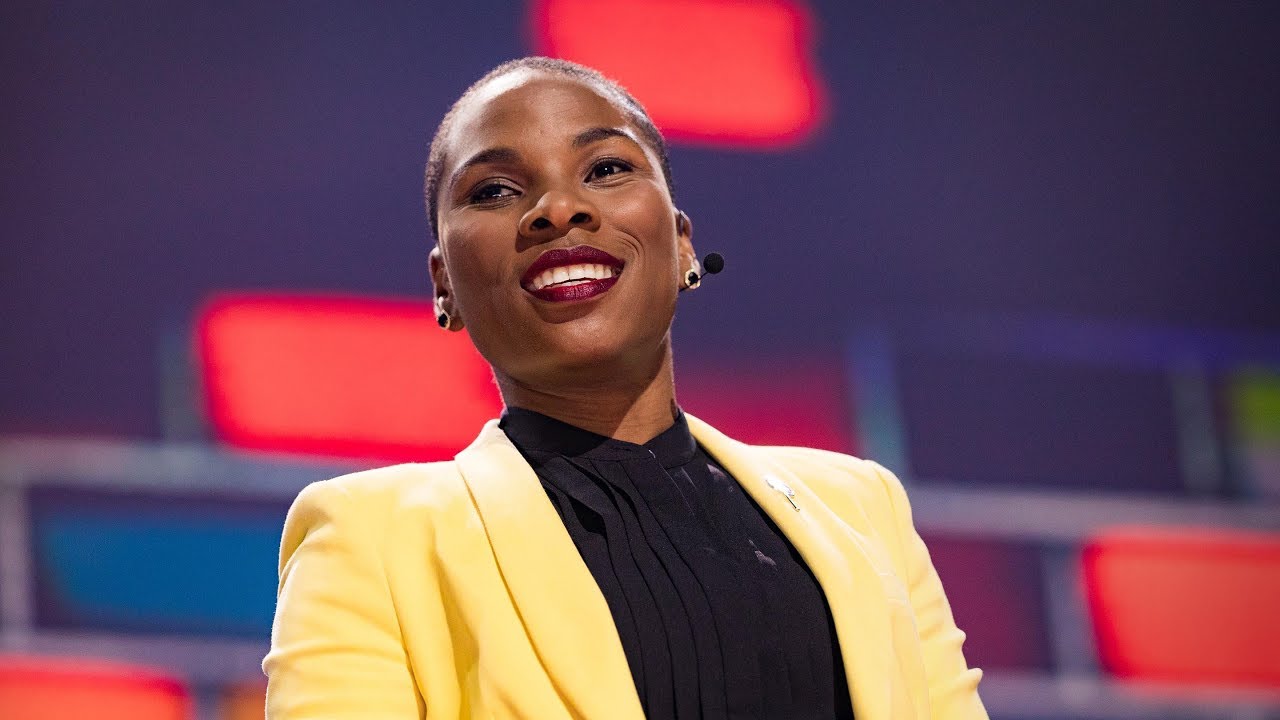
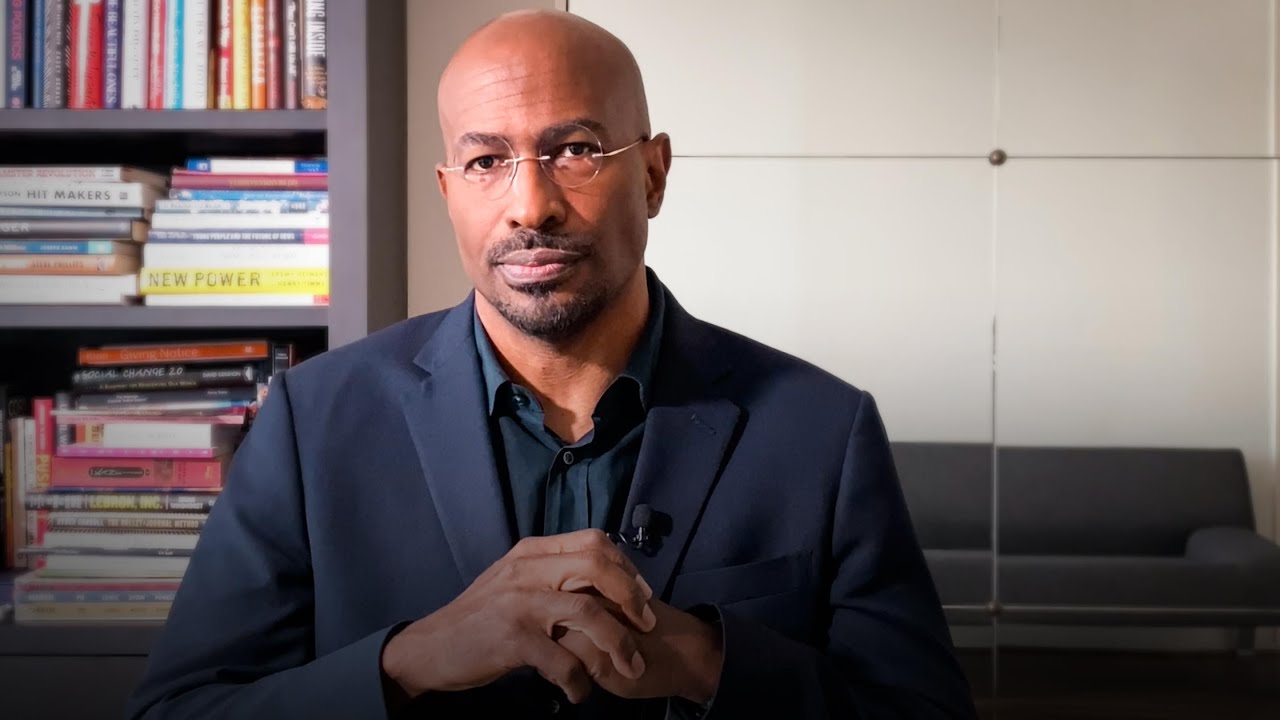
Amane Dannouni: So, Anthony, you're well-known in the tech community, you're well known in Southeast Asia, but for those who don’t know you, you’re the CEO and cofounder of Grab. Grab is essentially the combination of an Uber plus a DoorDash plus a PayPal, all on the same platform. You are Malaysian-born, you're based in Singapore, you are a son, you're a husband, you're a father, you're a man of faith. Am I missing anything? Anthony Tan: Well, first of all, I'm squirming. You know, I grew up with Asian parents, so I'm not used to such kind words. But thank you so much for that. AD: You're welcome. So, Anthony, you've had this question a million times, but I think it's the right way to start. You cofounded Grab. Can you walk us through the initial idea that you had for the business 12 years ago? AT: Historically, you would say, at least in the Asian, which I grew up with, methodology was really, hey, let's build a business, get rich when you're 50, 60, then contribute back and build your own philanthropy or foundation. AD: So why not that? Because it sounds intuitive, right? So make money out of a business and then take that money and do something good at some point. Why not choose that route? AT: I think there could be a few scenarios when that happens. One is you get tempted and don't want to give back. Two is, you actually cause negative externalities, right? You pollute, you, whatever. Because if it's all you are inspired by is profit maximization, then unfortunately, you could cause a lot of harm. The argument is, yes, you could then create a foundation to sort of solve that. But we're going to talk about, you know, when I came out, I was in [my] early 30s, and then that's going to be 30 years of damage, potentially, versus in our case, it's literally building it from day one. In fact, when we came up with the business plan, it was a for-profit social enterprise, a FOPSE, or a double bottom line business. And we actually didn't even submit it for the business plan track. We actually submitted it for the social enterprise track. That was the intent. AD: So, Anthony, out of all the social problems that you could have solved
and it makes a lot of sense. Now there is economic, there is social. But we're increasingly talking about the third bottom line which is environment. In your business model, is there space for that third bottom line to take as much space as the second? AT: Absolutely. You are absolutely on point, because we moved from a double bottom line to a triple bottom line. Again, it wasn't altruistic. I'll be up-front. It was because when we saw that climate conditions actually impact economic conditions of the business, when there's a flood in Manila or in Jakarta, our drivers can't move. And when they can't move, there's no business. Our business is all about flow. And if there’s no throughput, and we’re not delivering food or not getting customers from A to B, there's no business. Drivers don't earn their income. It goes against our mission. So very well, we had to protect the environment so that the economic conditions continue so that we can serve our mission of empowering everyday entrepreneurs. Now, how do we do it? I think number one, we first set a goal. So by 2040 we're committed to net carbon neutral. Second, we identify what is creating the most carbon that you might say is a proxy to deterioration of environment is our fleets because we are in the business of moving things or people. So the third was then how do we bring our fleets to reduce a big chunk of their carbon? It's by moving them into some form of electrification or zero emission. So some progress there. Number one is, we've invested over 200 million US dollars in low-emission vehicles and electric vehicles. Two, in Singapore, for example, something like 50 percent of all our deliveries are done zero emissions. That means by walkers, by personal mobility devices that are electric-powered, these are very efficient. Third is, in Indonesia, we actually have racked up the most number of electrified miles across all our mobility and deliveries across our two-wheel mode of transport. But the honest truth is, we're not there yet. We are very much a work in progress. So today we're working closely with governments. I was just with another potential partner about charging point operators and making sure that EV infrastructure is working out and incentives on how to get the initial cost of investment -- because EVs, the total cost of ownership may be good, but the initial investment tends to be higher. So how do we facilitate that with governments? And then how do we continuously build our financial services so that we can help mitigate that high initial cost of investment? So all in all, I would say we are still on this journey. We haven't cracked the code, but we have clear progress on it, and we’re going to hit our final goal. AD: It's completely fair. This is, I think, a journey where many, many of us are still trying to figure out. And it's slightly different from the social question because it's by definition global. And it's very hard to fight it only in certain corners. AT: But we all have to do our part. AD: Absolutely. Let me ask you a final question, Anthony, to end this, if you have a message for entrepreneurs out there, what would it be? AT: Amane, if you're an entrepreneur, I would say start a double bottom line or triple bottom line business. And why is that? Number one is, I really believe that there are real social problems out there. One of [those] social problems, for example, that we are really looking at is this rich and poor divide. And if you look at, say, in Southeast Asia, according to World Bank, this rich-poor divide is actually getting worse in each country, in Southeast Asia especially. And for us, we had that calling, that calling to address this divide. And why? Because we saw that if the rich-poor divide gets worse, we can see massive social disruption take place. So for us, we don't want to wait for that to happen in this part of the world. We want to address that up front. And the best way to address that up front is to say: How can we uplift the bottom of the pyramid and help them rise? And we felt that this calling is so deep. And frankly, as an entrepreneur, you need to know that the hours you're going to be putting in [are] going to be so significant, and the borders between your private life and your public life is completely going to merge. So you better do something that you love, that you are absolutely convicted on. In my case, I felt that this was literally a calling from up above. And when you feel that it's a calling from up above, you have a competitive advantage because you're willing to put in hours that are many more than anybody else. You're going to feel that you're going to be so proud, even whether you succeed or you fail. You can say to your children's children that: “I did this because the intent was to solve a real societal problem.” And that is something that I would really encourage all entrepreneurs to fight for, their own calling. AD: Anthony, on that note of passion that I love, thank you very much. AT: Thank you.