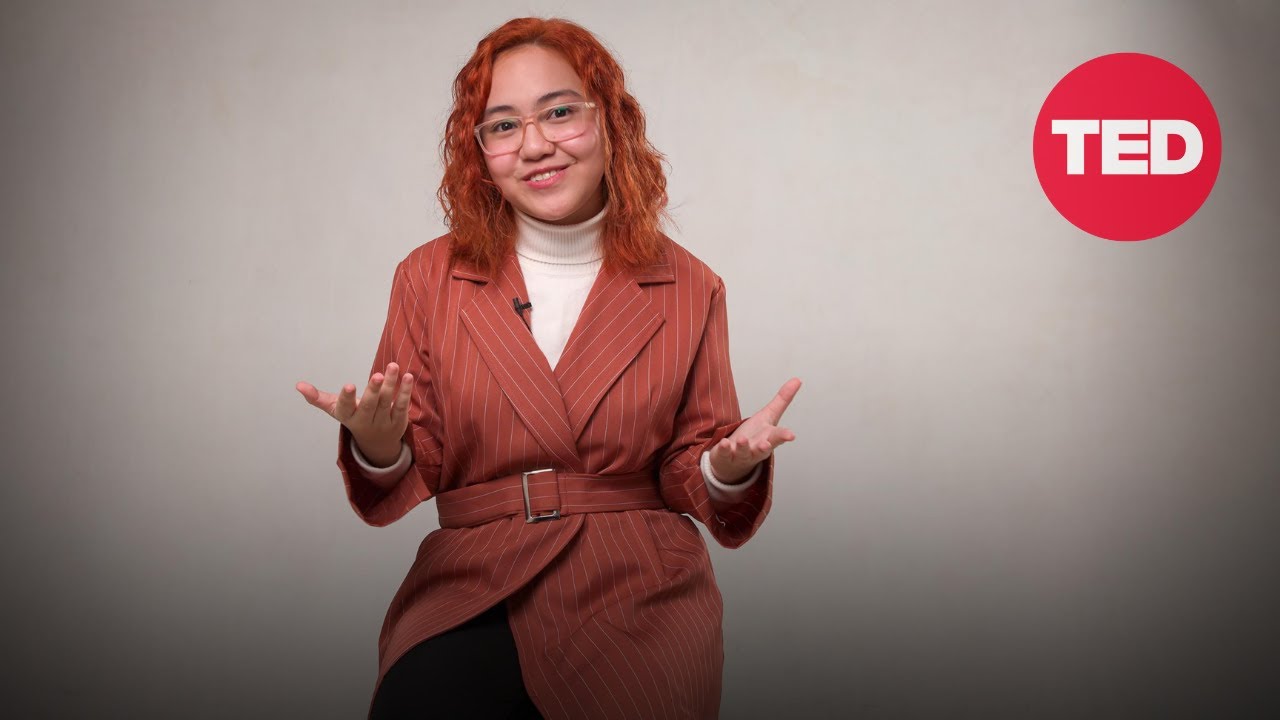
Peachy Liv: How to protect your mental well-being online -- from a Gen-Zer | TED
9:54

Peachy Liv: How to protect your mental well-being online -- from a Gen-Zer | TED

TED 19.02.2022 59 065 просмотров 2 331 лайков обн. 18.02.2026
Поделиться Telegram VK Бот
Транскрипт Скачать .md
Анализ с AI
Описание видео
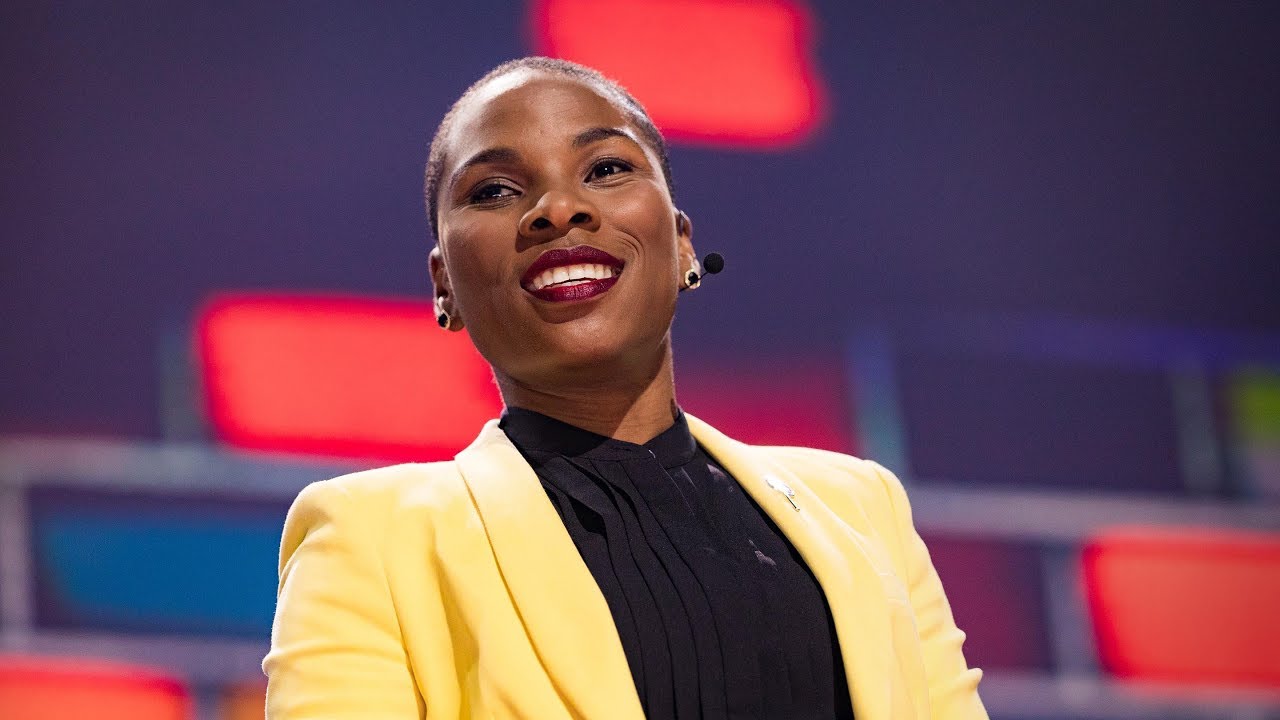
Whether you have one follower or a million, we've all witnessed nastiness and hate speech on social media. YouTube content creator and mental well-being motivator @PeachyLiv advocates for a kinder, more respectful digital world -- and urges us all to reflect before we share our thoughts online. Hear her tips for dealing with cyberbullying and personal insights on how we can all make the internet a safer place. Visit http://TED.com to get our entire library of TED Talks, transcripts, translations, personalized talk recommendations and more. The TED Talks channel features the best talks and performances from the TED Conference, where the world's leading thinkers and doers give the talk of their lives in 18 minutes (or less). Look for talks on Technology, Entertainment and Design -- plus science, business, global issues, the arts and more. You're welcome to link to or embed these videos, forward them to others and share these ideas with people you know. Become a TED Member: http://ted.com/membership Follow TED on Twitter: http://twitter.com/TEDTalks Like TED on Facebook: http://facebook.com/TED Subscribe to our channel: http://youtube.com/TED TED's videos may be used for non-commercial purposes under a Creative Commons License, Attribution–Non Commercial–No Derivatives (or the CC BY – NC – ND 4.0 International) and in accordance with our TED Talks Usage Policy (https://www.ted.com/about/our-organization/our-policies-terms/ted-talks-usage-policy). For more information on using TED for commercial purposes (e.g. employee learning, in a film or online course), please submit a Media Request at https://media-requests.ted.com
Оглавление (2 сегментов)

  1. 0:00 Segment 1 (00:00 - 05:00) 749 сл.
  2. 5:00 Segment 2 (05:00 - 09:00) 697 сл.
0:00

Segment 1 (00:00 - 05:00)

Transcriber: When I was 12, I had a dream to tell one million young people that it is possible to close the gap between how learning should feel like and how it actually feels. All my friends went to school out of pressure to compete in gaining the highest grades, which leads to depending their self-worth on numbers, normalizing cheating and hating school. I had this mission because I wanted young people to fight for our right to have an education that encourages us to learn out of internal curiosity instead of external pressure, and one that feels rewarding, fun, self-fulfilling and collaborative. So I thought if I could talk in front of a thousand people at a time, I would just need to do that a thousand times and then I would reach a million people, right? Until I realized that I could reach millions of people all at once online. For me, realizing that felt like finding a superpower. That's when I started my journey as an educational content creator and changemaker. So I created videos that challenge students to find the subjects they are curious and passionate about, provided tips on making learning fun and demonstrated how technology could transform how we learn and help us reach our fullest potentials. Since then, my videos on YouTube have been viewed more than 55 million times. Plus, I've helped create social activism through my online work, starting online movements that encourage young people to speak up about their own concerns in education and share how they take action to solve them. I also became more involved with the online community of UNICEF and U-Report Indonesia. As a U-Report ambassador, I initiated large projects and invited other changemakers to join forces. For example, I coordinated a workshop on digital tools and other 21st century skills to help build the capacity of hundreds of young people. I've had so many wonderful opportunities through UNICEF and U-Report and my own YouTube channel to try to positively shape the world for the better. But I also discovered some downsides. The downsides that I’m afraid too many young people have experienced from being online. If you have a strong voice online, especially as a young person and especially as someone trying to make change in the world, there is definitely pushback. It's like by giving advice, people think you're putting yourself on a pedestal, and so people try to knock you down. For instance, one of the things I've talked about a lot is the possibility for Indonesian students to study abroad. Of course, that meant people expected me to prove it was possible by studying abroad myself, and I really wanted to. Although I got into my dream university in Canada, I didn't get the scholarship I needed to afford attending. And when people kept posting online, saying things like, "Why are you not in Canada? That's why you shouldn't be dreaming too high," I felt embarrassed and so insecure about myself. Whether you have one follower on social media or one million, you've probably known this feeling. Or maybe you don't post the truth about your life because you're afraid to be judged. I think the first part of the solution comes from within. It starts with self-awareness. When we feel pressured by a certain expectation imposed by others, it usually indicates that same expectation is also coming from within us. I was disappointed in myself and sad that I couldn't live up to my own expectations. I realized that I expected myself to be an excellent role model who could prove that everything is possible, which is the actual source of why I felt this massive pressure in the first place. The other part we need to work on inside ourselves is self-acceptance, which means embracing our flaws and failures as important parts of what makes us human. Through time, I was able to accept that I am allowed to make mistakes, that the only people who don't fail are the people who don't try. And I was trying to do great things, so, of course, I would face some challenges, right? I think if we all find some self-awareness and self-acceptance, then we can adjust. It is so, so important to adjust our expectations to be more aligned and realistic to our own current situation. So instead of expecting myself to prove everything is possible, now I focus more on proving that we can always learn from our failures
5:00

Segment 2 (05:00 - 09:00)

and use what we've learned to help other people. But let's be clear, we can't address the hardships of social media, especially things like cyberbullying, with individual resilience alone. Because worldwide, more than one-third of young people have reported experiencing cyberbullying online. And so the other thing we must do is treat each other better in social media and online communities in general. After all, I've been attacked, criticized and harassed even when I posted things out of good intentions. In some cases, I've received some very extreme and disturbing messages. Being bullied online feels especially humiliating because of the scale: more people attacking you online than you even know in real life. And this happens to everyone in some way online, not just to people with big followings. So I really think if we want better online spaces, we have to each play a role in creating them by committing to treat each other with kindness and respect, even when we disagree. So before we leave a comment, we should always ask ourselves: How would I feel if I were the one receiving this comment? And if you are being harassed or bullied online or offline, please, please ask for help and support. Being resilient does not mean we have to face things alone. We could be vulnerable at the same time, reaching out and talking to trusted people like our parents, best friends, teachers or even psychologists. In my case, I told my parents what I was going through, and they kept me strong in resisting the urge to quit social media. I also went to a psychologist to help me overcome the mental health issues I faced due to cyberbullying. She suggested that I take a break from social media, to ground myself instead of quitting for good, and that was actually great advice. It helped me gain some important perspective. To be sure, there are bigger dynamics at play that require the leadership of social media platforms and the government to make sure we're as safe as possible online, especially in the case of kids. These are complex issues, and while we can work as individuals to be more resilient and as communities to be more kind and careful with each other, systemic problems ultimately need systemic solutions. These technologies are our future, and we need to make sure that future is healthy and safe for us. In the end, for me, when I took a break from social media, it helped me to really reflect on why I do this, why I use online tools to educate and engage my peers. And I realized my motivation used to be extrinsic, wanting people to be helped and be inspired. I hadn't really meant to, but by posting content for other people, I was depending my sense of impact and even self-worth to what other people thought or said about me. But now I've realized my motivation is and should always be intrinsic, wanting to try my best in sharing what I've learned because it gives me fulfillment and purpose. There is a difference. Extrinsic motivations depend on results that are out of our control while intrinsic motivations depend on things we could do that are under our control. We will be less likely to take external feedback to heart if we do things online out of intrinsic motivations. What we do online and offline, we should do simply because we believe it is the right thing to do. So I have a question for you. What’s your personal mission for being on social media, and what will you do to fight for it? I would love to see more young people becoming catalysts of change by harnessing the power of social media -- and do so not by sacrificing our mental health but by being equipped with self-sustaining tools and engaging on platforms that are nurturing and strengthening for individuals and our world. I may not be going to Canada, but I am going to the future. No matter what. Technology is my generation's tool to fight for the future we want to see. It should help us, not hurt us. Thank you.

Ещё от TED

Ctrl+V

Экстракт Знаний в Telegram

Транскрипты, идеи, методички — всё самое полезное из лучших YouTube-каналов.

Подписаться