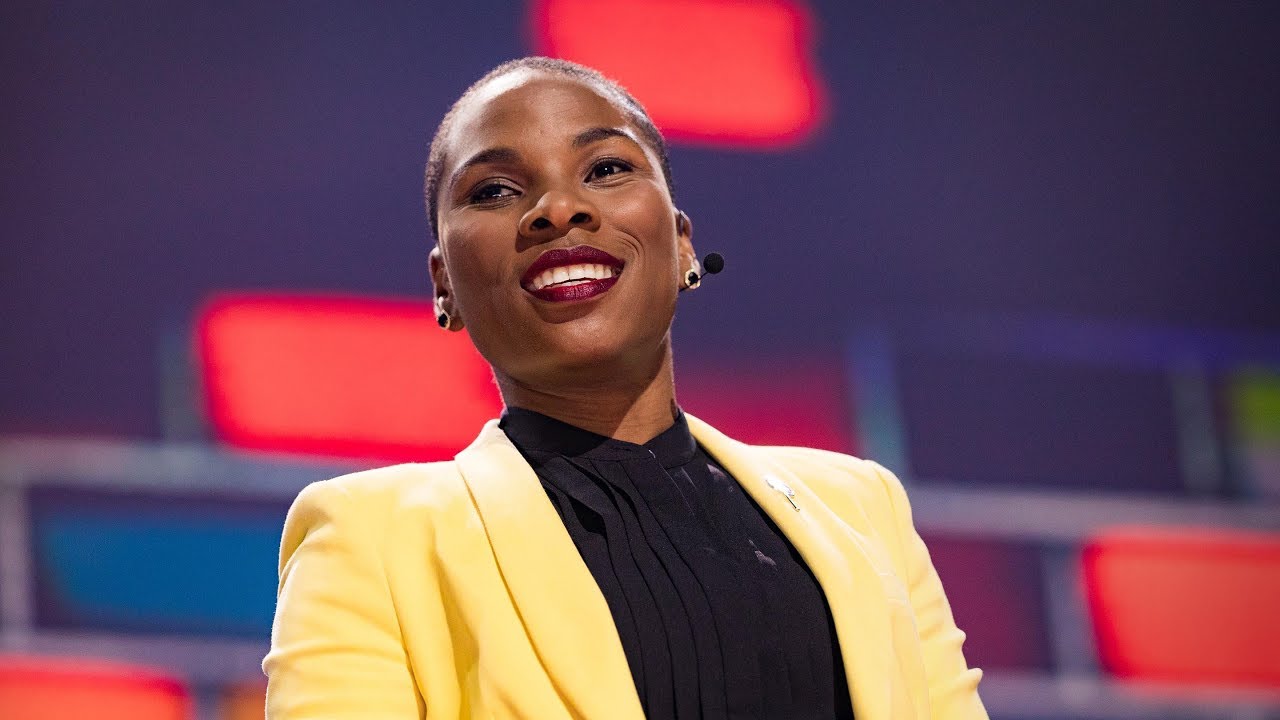
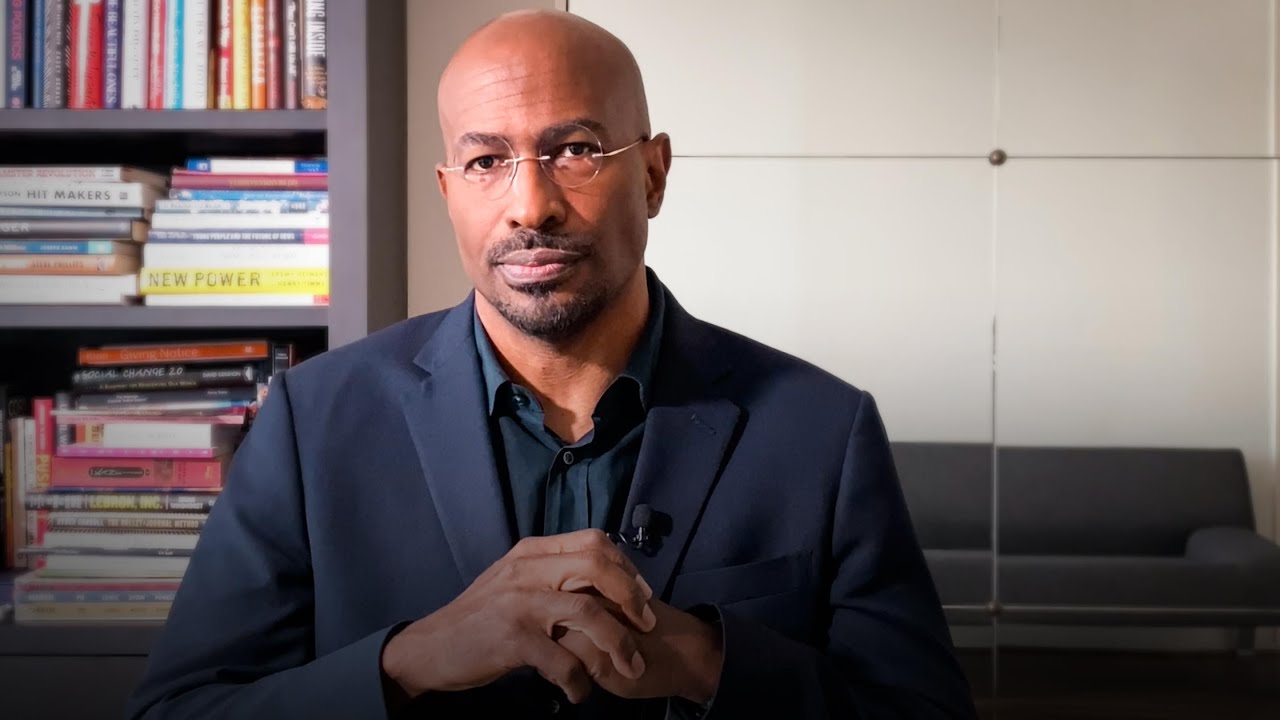
We will get out of this pandemic, says Maria Van Kerkhove, the COVID-19 Technical Lead of the World Health Organization (WHO). The question is how fast -- and if we'll take what we've learned from the past two years and apply it to the next emerging pathogen. In conversation with TED current affairs curator Whitney Pennington Rodgers, Van Kerkhove provides insights on the Omicron variant, details a pandemic preparedness protocol under development at WHO and shares what we all can do to bring the pandemic to a speedy end. "Remain vigilant," Van Kerkhove says. "Everything you do ... will either get us closer to ending this pandemic -- or it will prolong it." (This conversation was recorded on December 3, 2021.)
Visit http://TED.com to get our entire library of TED Talks, transcripts, translations, personalized talk recommendations and more.
The TED Talks channel features the best talks and performances from the TED Conference, where the world's leading thinkers and doers give the talk of their lives in 18 minutes (or less). Look for talks on Technology, Entertainment and Design -- plus science, business, global issues, the arts and more. You're welcome to link to or embed these videos, forward them to others and share these ideas with people you know.
Become a TED Member: http://ted.com/membership
Follow TED on Twitter: http://twitter.com/TEDTalks
Like TED on Facebook: http://facebook.com/TED
Subscribe to our channel: http://youtube.com/TED
TED's videos may be used for non-commercial purposes under a Creative Commons License, Attribution–Non Commercial–No Derivatives (or the CC BY – NC – ND 4.0 International) and in accordance with our TED Talks Usage Policy (https://www.ted.com/about/our-organization/our-policies-terms/ted-talks-usage-policy). For more information on using TED for commercial purposes (e.g. employee learning, in a film or online course), please submit a Media Request at https://media-requests.ted.com
Оглавление (6 сегментов)
Introduction
Maria Van Kerkhove: The last two weeks have been intense, on top of an incredibly intense couple of years, on top of an incredibly intense couple of years before that. So with the emergence of Omicron, this new variant of concern, this was on top of a really serious situation that we're in currently in the pandemic. I know many people around the world think this pandemic is over, but unfortunately it's far from over. And in fact, what I wanted to talk with you about in person was about the fact that never again should we be in a situation where the world is overtaken and controlled by an invisible virus. Never again should we be in a situation where a virus takes so many lives. And never again should we be in a situation where a virus steals so many futures. But unfortunately, we will. And I wanted to talk with you a little bit about why that may be, but also talk about how we can get out of this and how we need to be better prepared. And I am incredibly hopeful that number one, we’ll get out of this pandemic, because we will. We will persevere, we will get out of this pandemic. But what we have to do is work so hard to make sure that we’re better prepared for the next one, because unfortunately there will be. And every single one of us, every single one of you, in the role that you have, wherever you are, have a role to play in making sure that we are better prepared and that we handle the next one better.
What we know about COVID19
Whitney Pennington Rodgers: Thank you for that, Maria. I know you have some great solutions that you can offer for how we can actually become better prepared. And before we dive into that, I know a lot of us are curious to know what you know and what you can share with us about Omicron. What do we know right now about this variant? MVK: So it's a variant of concern. It's a new variant, it's highly divergent from the other variants that are circulating, other viruses that are circulating. And it is quite different from the other ones that we know about. It has a large number of mutations. And the concern that we have is the number of mutations that are there, some of the ones that are present in this variant, Omicron, are present in some of the other ones: Alpha, Beta, Gamma, Delta. And we know that they have some detrimental properties. For example, some of these mutations can confer increased transmissibility. Some of them can confer potential immune escape, which means our vaccines may not work as well. Now, right now, as I speak to you today, the evidence is emerging. There are scientists around the world who are generating evidence, who are sharing it with us in real time, and with the world, so that we know more about it. We understand that this variant has some properties of increased transmissibility, but we don't know exactly how much, and we don't know if it will outcompete Delta. So you have to remember that this is all in the context of Delta, another variant of concern that is raging worldwide and killing people worldwide. We know a little bit about severity, but not enough to be able to give you the profile of whether or not there is more -- those who are infected with Omicron have more severe disease or less. So that data is unfolding, and we hope to have more of that in the next week or so. But people infected with Omicron can have mild disease, and they can have severe disease and die. We just don't know enough yet because it takes time for people to be infected, develop disease and actually progress to severe disease, if they in fact will progress to severe disease. And the big question is, will the vaccines work? And what we understand from some of the mutations within Omicron, they do confer some potential immune escape, or what we call immune escape, which means the vaccines may not be as effective. But the vaccines that we have right now are incredibly effective at preventing severe disease and death. Incredibly effective. It's astounding that so many vaccines are actually available. And what we need are people all over the world to get vaccinated. But most importantly, we need people who are at risk in every single country to get vaccinated, rather than giving more and more vaccines to people who are already protected. This is a global problem, and we need a global solution. We cannot protect one country. We cannot protect one population while other people suffer. So that's something WHO is working very hard on in terms of ensuring vaccine equity and working with partners all over the world on this.
The future of COVID19
WPR: And I don't know if you can hear, but you got a lot of applause on that last statement. You know, I think it's interesting that the variant, at least for me, it's definitely caught me off guard, every time there is a new variant, you know, Omicron, Delta, Alpha, all the ones you've mentioned. And I’m curious if you think that this is something we can expect for the future. Are we living in a world where this is just going to be continuous? MVK: We are. The emergence of Omicron is completely expected. You know, the virus is evolving. This is what viruses do. And the more the virus circulates, the more opportunities it has to change. Delta is also evolving. We're tracking at least 30 sublineages right now of Delta, one of which has increased transmissibility properties. The question is not just their emergence but if they actually take off. So there's a lot of concern of Omicron, and there should be, because of the sheer number of mutations that we've seen. But whether or not this variant outcompetes Delta, we don't know yet. But we just want to put this into context of what's happening worldwide. I mean, the big story a week ago was what was happening in Europe. You know, where almost 70 percent of the cases worldwide were in Europe, where, you know, people are dying where they have access to vaccine. So the big question is: Why is that? Why are we not actually getting the vaccines to those who are most at risk? At the same time, why are we not actually driving transmission down where we can? And I don't mean lockdown. This idea that we have to either be completely open or completely closed is frankly rubbish. We have masks, we have distancing, we have efforts to improve ventilation where we live, where we work, where we study. We know we can avoid crowds. Why aren't we doing that right now, not forever? We're not going to be in this pandemic forever. It will end. That is something that I can say for certain, that this pandemic will end. The question is when. And the question is: Are we all going to actually come together? Are leaders actually going to come together to bring us closer to the end or push us further from that end point? WPR: I think that that's an interesting question to think about when we think about your role with the World Health Organization. And even just taking a step back to the beginning of the pandemic, I'd be so interested to hear what your experience has been over these past two years and what your involvement has been in thinking about preparedness for COVID-19. MVK: Well, it's been intense. I mean, part of me feels like this has been happening for years. Well, it has been two years, we're entering the third year. Part of me, you know, it's an instant. This was something, you know, that was not necessarily a matter of if, but when. But I think the issue that I struggle with the most is that it didn't need to be this bad. There will always be emerging pathogens. There will always be the threat of a new virus that will infect us. And in a susceptible world, people will get infected. To be able to prevent all pandemics, I don't actually think is possible, but we can be in a better situation where we mitigate the chance of it spilling over from an animal to a human and then spreading. And, you know, the last two years have been of focus. They’ve been... concerned. I have to say, I would love to just thank all of my colleagues here at WHO. I mean, I work with incredible people all over the world, not just here in HQ, but here in Geneva, in our six regional offices, in our 152 country offices. People who are on the ground every single day, they have a much harder job than I do. But we all have a role to play, and I have felt overwhelmed at times. I’ve felt distraught at times. But I get up every single day, and I’m inspired by the people I work with. And I feel that I have a platform, and I feel privileged to be part of this. When this began, my husband said to me -- well, we have two little boys, 11 and almost three -- and he said to me, in the beginning of this, he's like, "I got this, I got the boys, I got the house. You go, deal with that." And to have that level of support in my family, to be able to do this job, is special, because none of this is normal. The hours that we work -- and I'm not complaining, but I have support in my family, and I know my family will watch this and send me wonderful text messages, but it inspires me. And I think all of us, I think what you guys were saying before about helping each other and inspiring each other, I think we need to do a hell of a lot more of, because the negative out there is awful. And something as a scientist I've never experienced before or am completely unprepared to deal with is the negative. What I am personally accused of, what WHO as an organization is accused of, it's hard for me to wrap my head around because my entire job is to help people and to save people's lives. The entire job of the director-general is to keep people safe. That's all we're here for. There is no other agenda. So it’s been tough, and I’m struggling, but I think that's normal. I think if I weren't struggling, you may wonder what's wrong with me, but it's hard.
Global plan for COVID19
WPR: Well, thank you for all that you're doing and have been doing. And, you know, I think part of what, to this point of the things you've been struggling with and the things that you're hearing from people is that I think from a public perspective, there is this sense of confusion about the information we're receiving and where we're receiving it from. And you know, how possible do you think it is for us to have some sort of coordinated response or coordinated source of information from people that we look to, organizations that we look to as authorities on this subject? MVK: It's entirely possible. There is a global plan for COVID-19. In this world that we live in, where there are so many challenges that all of us face, COVID-19 has solutions. We, as WHO, issued a plan four days after we declared this as a public health emergency of international concern. Before we reached the state of a pandemic, which is important, because you want to raise the alarm before you're actually in a pandemic. The plan exists in that sense. What I think many countries didn't take into account was how important leadership is. And in particular, political leadership. What we saw in many countries in the beginning of this pandemic is those countries that had experience with SARS, with MERS, with avian influenza, with Ebola, they knew the threat firsthand. They didn't need all of the data in front of them to understand what a risk this posed. And they acted aggressively. And those countries that had that experience really tackled this with the aggression that was necessary. Far too many countries thought, "Not a problem for us. It's a problem over there. We've got a health system that's very strong. We can handle it." But when you have an emerging new virus where the entire world is susceptible, you know very little about it -- it can spread very easily between people, it can cause everything from asymptomatic to severe disease and death and can overwhelm your systems so quickly -- that experience with those past epidemics really was lifesaving. And what was key in those countries is that from the experience that they had with those past epidemics, they took steps following the ends of those outbreaks to make change. They invested in surveillance. They invested in a workforce with their clinicians and their nurses and their community health workers. They invested in testing and contact tracers. And they invested in changing of some laws, some public health laws, that allowed the governments to act where necessary while keeping in mind the rights of people. And so what we've seen in so many countries, mainly in the East, mainly in Asia, in the Pacific, across Africa, they may not have had the perfect systems in place. Quite frankly, nobody does, but they used the capacities that they had strategically and in such a smart way, and they fared much, much better in the beginning of this pandemic. And I think all of us need to ask what could have been. I think that's the part that I struggle with the most, is like: What could have been? I don't let it hold me back because otherwise it would be very hard to get out of bed. But I think what can I do today with the platform that I have today? What can I do with the teams that I have, with the role that I have, to make today a hell of a lot better than it was yesterday? And that's why I feel so privileged in the job that I have.
How we can chart a better path
WPR: Well, that's great -- (Applause) I don't know if you can hear this applause, Maria, but you're getting a lot of applause through this conversation. People are really appreciating what you're sharing with us. I think that's a good place for us to dive into next. And you alluded to this at the very top of the conversation, that you have some ideas for how we can change the trajectory of this, how we can do better as individuals, as organizations, as governments. And I'd love to hear what you think we could actually do to move forward and chart a better path. MVK: Well, there’s so many, so many things we can do, and I know we’re not going to talk for the next three hours. But a lot of this is about the investment that we make now and the changes that we make right now, while we're going through this traumatic experience. In the example that I just gave with countries that did better, they made changes following that trauma and in the middle of that trauma. And in the middle of this pandemic around the world, what we need are governments to make change and make those investments. Pandemic preparedness is a constant. It doesn't start and stop. And unfortunately, we are currently living through cycles of panic and neglect in the middle of the worst pandemic we've had in a century. And this boggles my mind because if we don't use this opportunity to make those changes in building that infrastructure, that public health infrastructure in primary health care, making sure that people have access to tools, to life-saving tools like diagnostics, therapeutics and vaccines, when is the right time to actually do that? So we've been working very hard through our COVAX and partners to ensure vaccine equity around the world. But governments also need to make changes right now. Because when this is over, and again, it will end, we're going to move on to the next crisis because there's plenty on deck. The other thing that is really quite exciting to me and we don't know all about this yet, is this pandemic treaty. So this week, in WHO and around the world, governments, ministries from all of our member states met at a special session of the World Health Assembly. And this is really, really unique because it's not common for WHO to bring member states together for one topic. And what they decided to do was to come together to develop this pandemic treaty, this agreement, this protocol. I don't know what it will eventually be called, but to come together to make a promise and to make a contract to do better on pandemic preparedness. And this is really critical because it goes beyond words. It goes into a binding agreement that all countries have to follow so that we are actually better prepared, not just say we will, because that's easy. What we need to do is actually take those concrete steps. So this week was a really important week. All of us are really quite excited about this, and we’re so proud of our director-general for bringing everybody together on this. But this has to come -- It will take some time as the treaty is developed, and the contents of the treaty need to be discussed and negotiated, and this will take some time. But it was a really, really important step. And for us, what we need to see is you think of the last time some of these big agreements were made. Think about the last World War. Think about after World War II, when all of the countries came together, and instead of having isolationism, they came together for multilateralism. And you think about the situation of "never again," like, never again being in this situation. This is actually an opportunity to take that one step forward. So this is a good step. It will take some time to actually develop, but all of us are really quite excited that step was taken this week.
How to hold people accountable
WPR: I think that to your last point, there is this question of: How do you hold people accountable? You know, there have been other agreements, and it seems like the intentions are there to make things better. But how do you ensure that this is more than just, you know, words on paper? MVK: Well, this is a step getting us closer to that. I mean, I think all of us in this whole pandemic about accountability, it's really critical. I mean, think about it in your own daily life, about what you are accountable for and what you are responsible for. This is TEDWomen, I mean, you've got amazing people there in the audience who have jobs and careers and passions and families. We’re accountable for I don’t know how many things in our daily lives. But we know that, we know that we are responsible things, and we are accountable to our families and to our jobs and to our staff. We need governments accountable as well. We need all governments to be in a position where they take steps to be better prepared. We need governments in better positions where they can share information more regularly with us and with the world, because this is how decisions are made. And we need the mechanisms in place to be able to do so. We need sharing of samples. We need sharing of materials. We need people to be able to better collaborate. Scientific world collaborates. We don't need a treaty for that. We just do that because no matter who’s in office, no matter what political cycle is there, we work together, but we need that from a political level as well and through ministries of health. So this is quite exciting for us to hold more governments accountable. And all of us as citizens have to hold our own leaders accountable. And wherever we live, whatever mechanism we have by that, we should. And we should hold our governments accountable for vaccine equity. So we should be screaming from the rooftops. I cannot believe that more people are not screaming from the rooftops about vaccine inequity from this pandemic. We have safe and effective vaccines that were developed in record time based on a lot of existing collaboration, based on years of work. But these are safe and effective against the Delta variant, which is dominant worldwide. Why aren't those in every single country and in the arms of people who are most at risk? People are dying unnecessarily. Where is the accountability for that? So I think all of us have a role to play, whether or not it’s you asking your government to take some steps, or whether or not it's you making sure you keep yourself safe. So if you think it's over, even where you live, because I know many people do, you still have a responsibility to make sure you keep yourself safe and keep your family safe. Please, if you hear anything from me today, please do that. Please remain vigilant. Because everything you do every day will either get us closer to ending this pandemic -- or it will prolong it. So please play your part. (Applause) WPR: Thank you so much for sharing all of this with us, and we’re sorry we missed you in person but are so appreciative that you took the time out of what we know is an extremely busy schedule to share this with us and be here with us virtually. And we can't wait to see you hopefully at the next TEDWomen sometime in person. Thank you, Maria. MVK: Thank you so much for having me. WPR: Thank you for your work. (Applause)