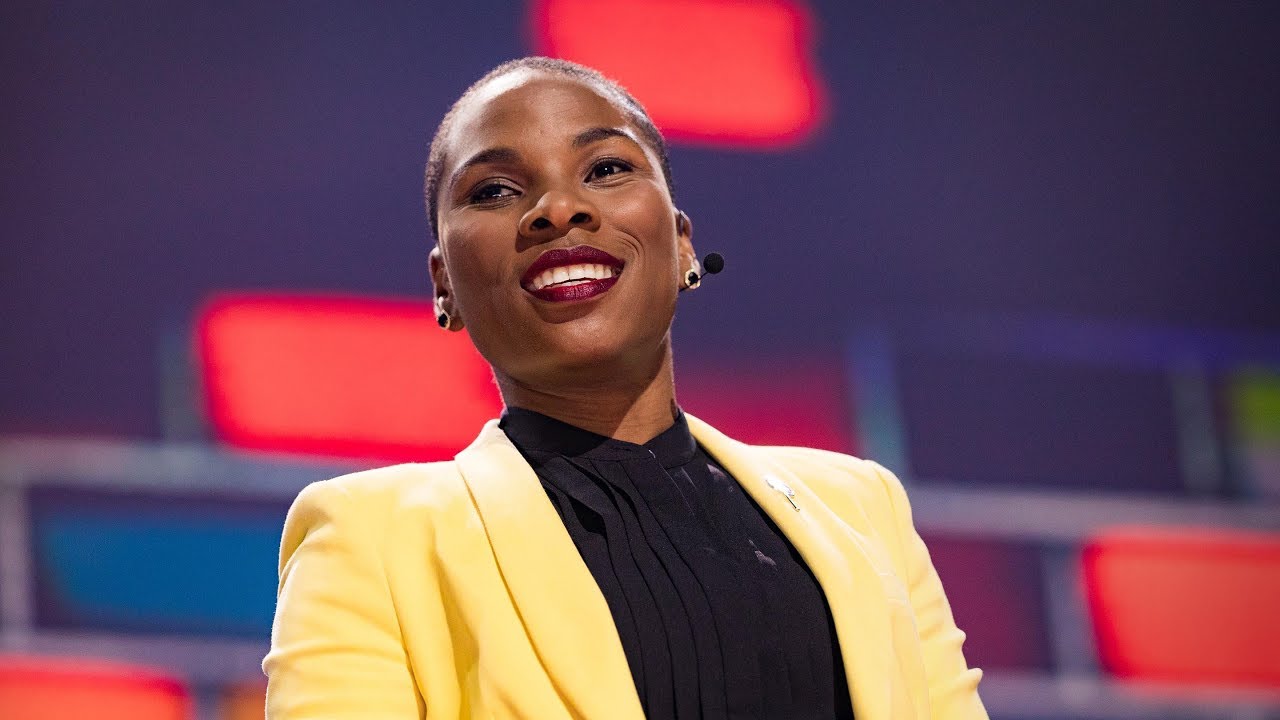
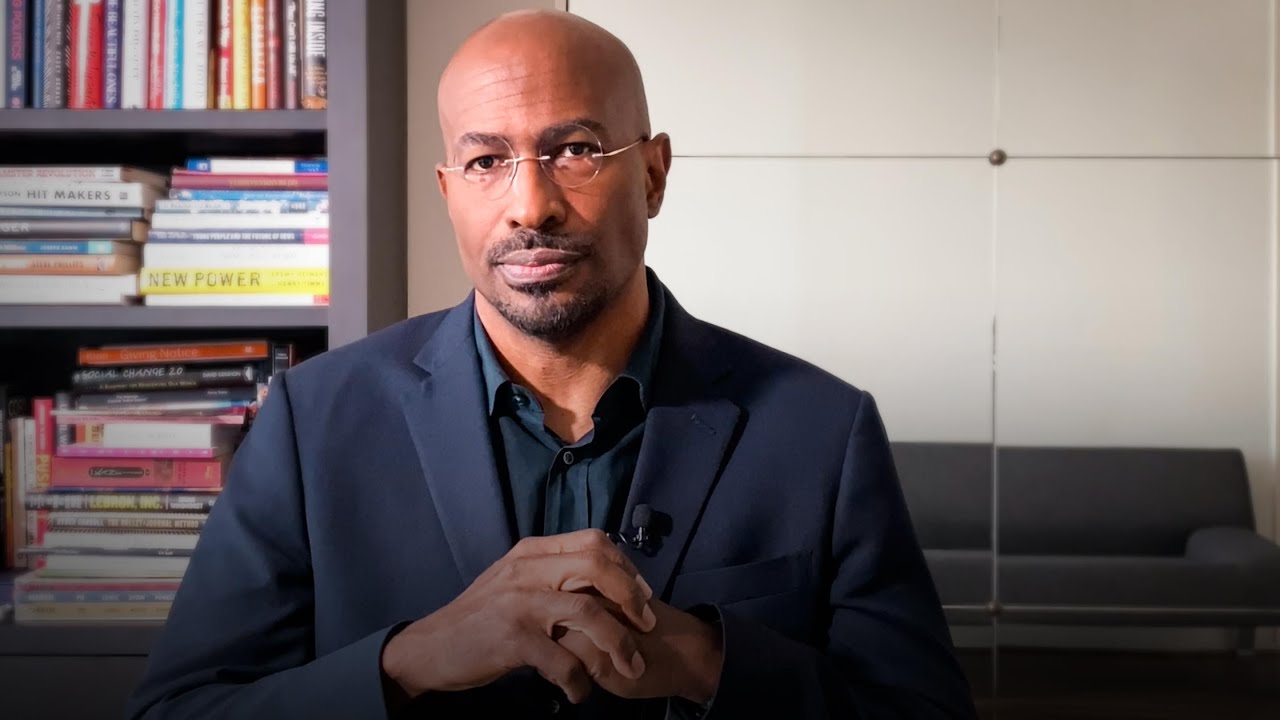
Poet Safiya Sinclair performs "Marigolds: A Letter to Wonder," an original poem she created for TED that explores memory, beauty and the fragility of life. After the poem, she talks with TED's Helen Walters about her writing process — and what it feels like when the creative muse strikes. (Recorded at TEDNext 2024 on October 22, 2024)
Join us in person at a TED conference: https://tedtalks.social/events
Become a TED Member to support our mission: https://ted.com/membership
Subscribe to a TED newsletter: https://ted.com/newsletters
Follow TED!
X: https://www.twitter.com/TEDTalks
Instagram: https://www.instagram.com/ted
Facebook: https://facebook.com/TED
LinkedIn: https://www.linkedin.com/company/ted-conferences
TikTok: https://www.tiktok.com/@tedtoks
The TED Talks channel features talks, performances and original series from the world's leading thinkers and doers. Subscribe to our channel for videos on Technology, Entertainment and Design — plus science, business, global issues, the arts and more. Visit https://TED.com to get our entire library of TED Talks, transcripts, translations, personalized talk recommendations and more.
Watch more: https://go.ted.com/safiyasinclair
https://youtu.be/P7wNVGLKDL8
TED's videos may be used for non-commercial purposes under a Creative Commons License, Attribution–Non Commercial–No Derivatives (or the CC BY – NC – ND 4.0 International) and in accordance with our TED Talks Usage Policy: https://www.ted.com/about/our-organization/our-policies-terms/ted-talks-usage-policy. For more information on using TED for commercial purposes (e.g. employee learning, in a film or online course), please submit a Media Request at https://media-requests.ted.com
#TED #TEDTalks #Creativity
Оглавление (2 сегментов)
Segment 1 (00:00 - 05:00)
Marigolds: A Letter to Wonder. Dear V, I'm thinking of the garden again. White bougainvillea that made you sing, light anointing the trees, dew on the leaves, the morning wearing your promise like a veil. Here we learnt many names for joy, my sisters, my brother and me, our knees in the soil under the cherry tree, pressing our hands into the dirt, for we were holy. Our hair budding crowns flecked with hibiscus fringe Anansi silk, oleander milk, and the golden herb of our names. Each day we woke in awe to a bouquet of warblers and the two orphaned pups we’d named by closing our eyes and trying to imagine the future. This was as close as we came to prayer. Mom said. Our hands in the dirt, Our wants at sea, vast and untameable. My heart was still so eager then, my world, so green. Opened under the cherry tree, pushing a packet of marigold seeds into the earth, like my mother did. Her hands, so holy. At dawn I watched her search for sea-wind and salt-air, the song of her gone mother coiled inside a shell she pushed so gently into another tomorrow and another. Listening to the water, it’s memory is as close as I come to prayer: Daughter, warrior, wonder. Now your little voice is on the waves, recalling me. My knees in the dirt, my heart at sea, the marigolds anointing. John-bellyful mangoes in bloom. Their petals, holy. Fragrant as the day still ahead of me, still slipping away to some sweet impossible, under this cherry tree where I know your face, and sing your name, holy, your hand in my hand, rocking you in the arms of my own mother, both of you pressed as tender as a seed into a poem where you might live like marigolds, your hour bright, your wants bursting, a flower grown from fossil, a daughter dreamt from the dirt. Thank you. (Applause) Helen Walters: OK. Let's do a high five. I mean, that was amazing. Also, we really encourage a standing O, if you feel the moment, you're allowed to stand. Safiya Sinclair: If the spirit moves you. HW: Exactly. So thank you for writing that for us. How unbelievably kind and gracious. SS: It was my pleasure, really. HW: So nice of you. But here's something I want to share. So you talked about your mom in that poem. And your mom is here. SS: She is here. Miss Esther Norman. (Cheers and applause) HW: So we just have to say, thank you, mama. Thank you, for the beauty of your daughter. OK, now I want to ask you a few questions. So you wrote that for us, which is just an extraordinary gift that you gave to us. But I want to just remind you of something that you said in that process of, you know, talking about this event and what might happen. You were just like, you're going to write a poem, and then we were like, well, can we have the text? And when do you think you'll be able to give it to us? You know, we plan. And you were like, well, I don't know when you'll have the poem because it will arrive. Tell us about that and about your writing process. SS: I mean, I had all the TED people very nervous because, you know, I think everyone had their scripts in, and they were practicing, And they were like, Safiya, where is the poem? And I said, well, the muse has not arrived to me yet. (Laughs) And so, you know, for me, when I think of wonder, poetry is the thing that brings me closest to wonder. I wrote my first poem when I was 10. My mother was the person who gave me my first collection of poems, and it was something that felt so transformative, so magical. To me, it's this kind of spirituality. And so it doesn't always come when you want it to come.
Segment 2 (05:00 - 07:00)
And I think -- when I talk about poetry, I think, oh, the muse touches my head when she wants to. And so this is kind of what happened with us. And sure enough, one day it came in a fever and the poem had arrived. HW: So I am a very practical, literal person. So when --? SS: So like, when exactly? HW: Just talk about that moment. Are you just like, I'm in the supermarket I've got to go. I've got to go home, I've got to write. SS: Yeah, I mean, often it's very much like that kind of, drop everything, you know, the images are coming, the memories are coming. And this one in particular, this poem really revolves around my childhood and this memory of growing a garden with my mother, growing this garden of marigolds, and that too being connected to this idea of wonder, that nature really is the natural archway to wonder. And so it came from this memory of growing the marigolds with my mom and how that's connected to poetry, to the sea, to rhythm, to music, to meaning, to understanding myself and my place in the universe. HW: So you wrote the most beautiful memoir, which is a totally different type of writing from poetry, obviously. How do you approach that type of writing where you're writing your life story, you're writing about the things that happen? Is that different? What’s your writing for that? SS: Entirely different. I mean, when I began to write it, you heard me talk about poetry and the way that I write it. And it's like, very mystical. It’s filled with a lot of uncertainty and doubt, waiting for the muse. It turns out you can't write a 350-page book that way. HW: No, I imagine. SS: I actually have to sit down and, like, plan out the chapters and think about characterization and narrativization and dialogue and scenes and all of this. And so I often said writing the memoir was a lesson in humility, because I really had to sit and work at it every day. And also a lesson in being edited, because usually I write a poem, and I give the poem to my editor, and they say, "Thank you for this poem," you know? And when I wrote the memoir, my editor said, "Oh, this is beautiful, but we have some notes. " And I said, "Notes? What? " Luckily for me, when I wrote the poem for TED, you all were like, no notes. HW: No notes. Which is very hard for me, an editor, but I had no notes. It's true, it's true. So I highly recommend everyone get Safiya's memoir immediately, if not sooner. Safiya, thank you so very much. SS: Thank you all. (Applause)