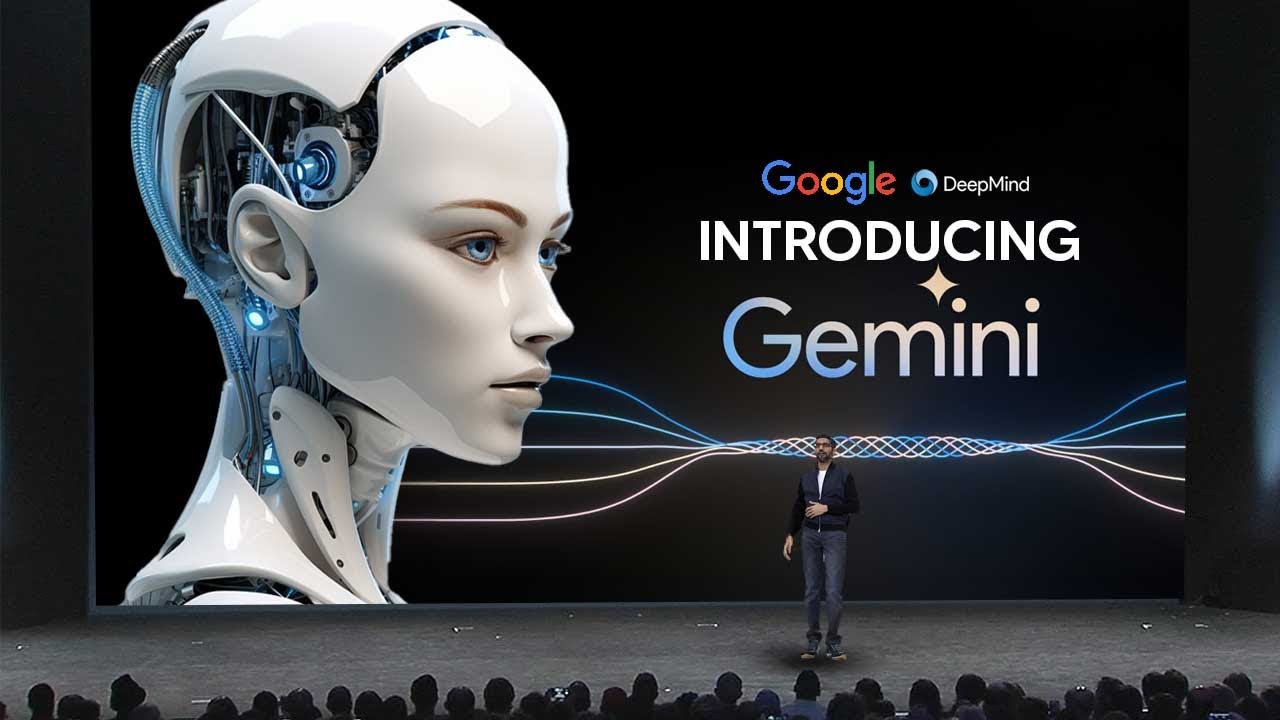
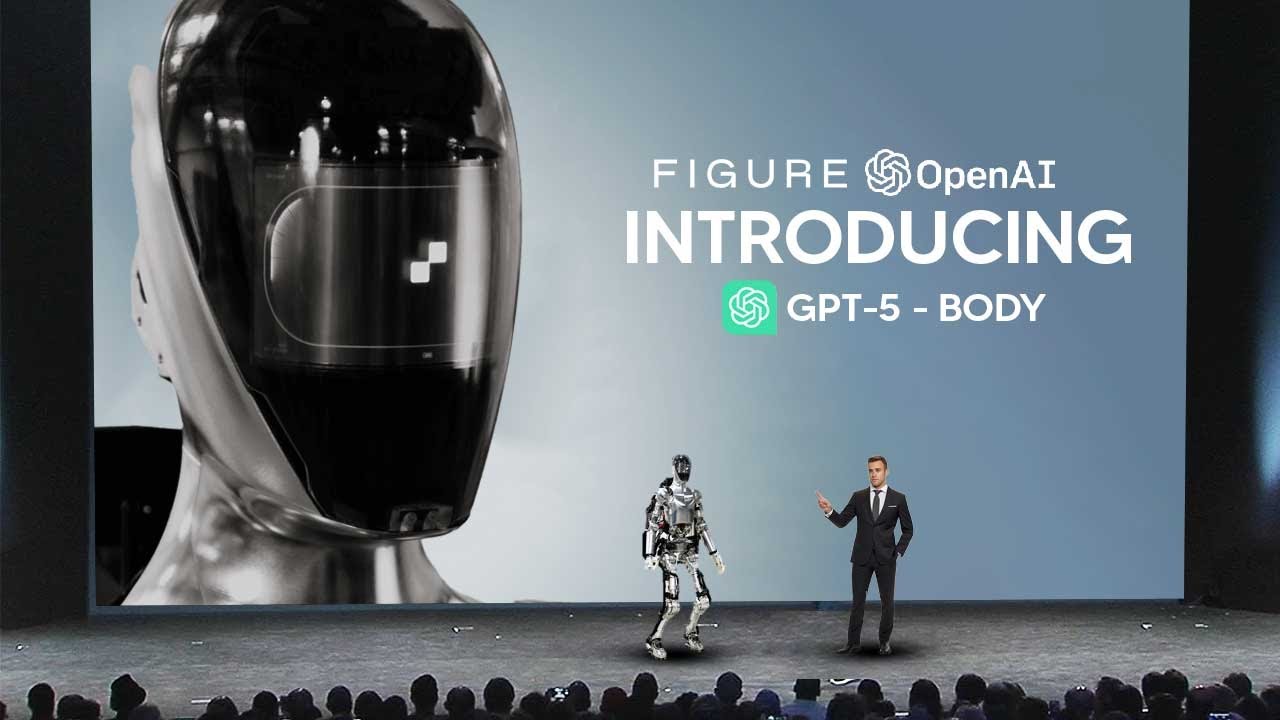
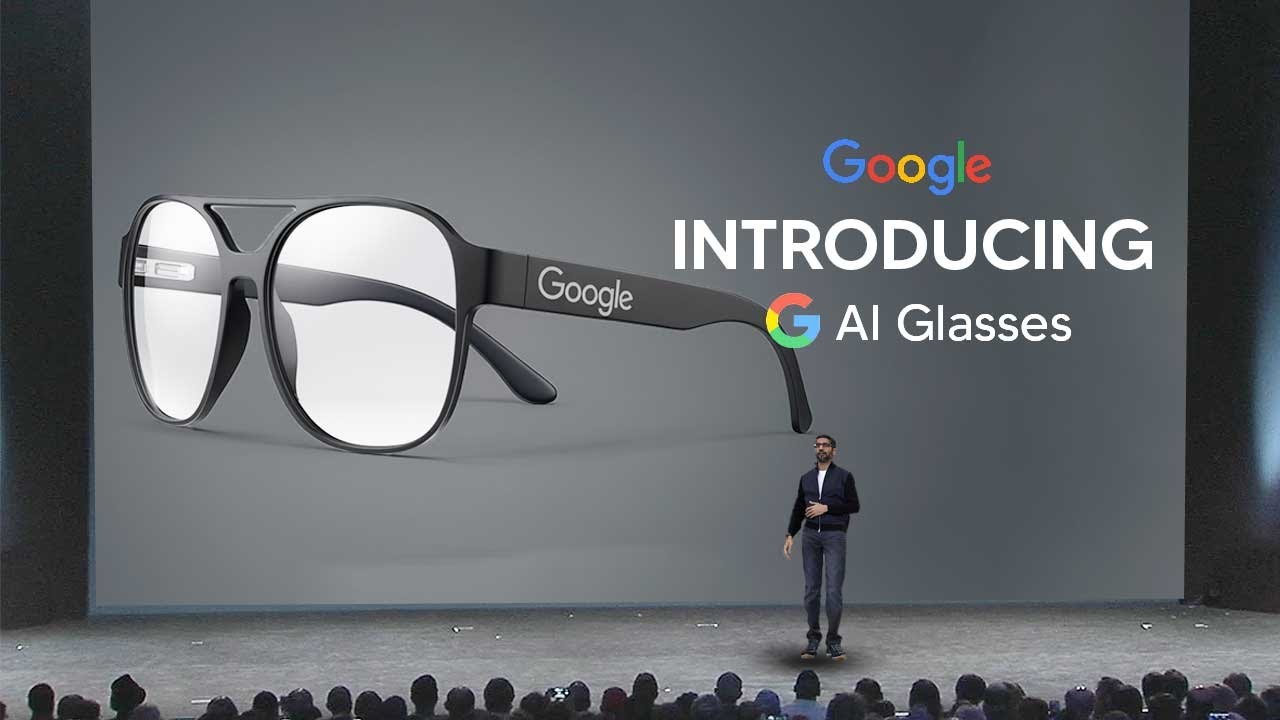
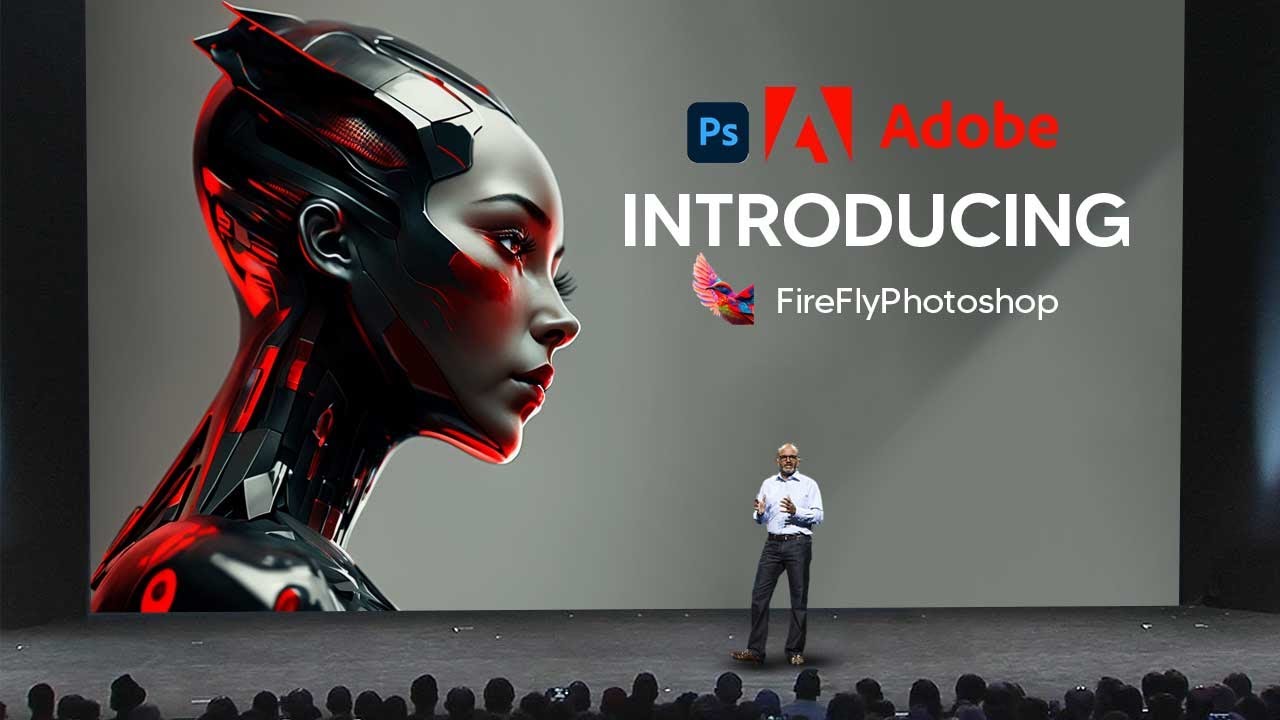
thumbnails here. And this is just pretty crazy if you ask me. So it says introducing arrow 1. This is a thumbnail that I could use. Introducing Apple. And it's almost on the third thumbnail here. Introducing FDM1. This is pretty crazy. I'm actually going to wait until, you know, I come back to this. Okay, so the Google Drive upload didn't actually work, but you can see in just around 5 minutes I got three hidden gems. It showed me that there's an Apple neuron engine reversing. You can see here it said there's also Arrow 1 by Quiver AI. There's also FDM1 by Standard Intelligence. So guys, in just 5 minutes, this AI agent was able to do pretty much a large majority of my work. Now, I will say that when I do make my videos, of course, I do tend to do a lot of research. which I tend to, you know, manually dive through a lot of tweets. So, of course, if I want to do that, I will have to probably still do that manually. But the fact that it's able to do this in such a short space of time, I think is truly remarkable because I didn't have to make an automation. set up a bunch of nodes. I didn't have to manually request anything. I just simply gave it a pretty comprehensive system prompt. And you can see that based on the system prompt, based on the image attached, it pretty much did the exact thing. Now, of course, the only thing I would probably need to do is change this person here, and we'd be able to get off to the races. But this is just one of the many use cases, and this was just a personal use case. Let's say you actually want to do something else. And so, once again, you can see that I've said I'm running an AI agency that helps local plumbing businesses recover mis calls. I need to number one, find 20 plumbing businesses in London that have a website, an active phone number, and a Google business profile. Check their Google reviews for any mentions of couldn't get through. No answer. I didn't call back or similar complaints. And then for each business, find the owner's name, a contact email, or a web form. And then score each lead from 1 to 10 on how likely they are to have missed a call based on their review sentiment and business size. And then export everything into a structured table. It actually took around 5 minutes to do all of this. And it gave me two Excel sheets. And number one contained 20 businesses ranked by lead score with the website, the phone number, the name, and the scoring methodology. And the second one showing me which ones I should actually rec reach out to first. And the reason I'm showing you guys this is because this is just a business use case. But I think that this is going to be remarkable because this kind of work would take an average employee a lot amount of time. And the reason I'm showing you guys this tool is because maybe some of you guys have a business, want to start a business, and don't really understand just how far you can push this. But having an AI that's able to literally do this in just 5 minutes. You can see that the graphics are super nice. It has the lead score from 1 to 10. It has the area, the business side, their contact form, it has their email, and it also has the specific complaint details. So, when I call up those businesses, if I was someone who had an AI agency, I'd actually be able to quote the right thing. And it even comes up with a scoring methodology where it says, "These are the ones that I need to contact. " And then it's got medium priority and then lower priority. So, I mean, this is something that is truly remarkable. But like I said, this is just a small use case for individuals who are doing outreach. What are some other interesting use cases? So one use case that I continue to see individuals do was the real-time data use case. Okay. So it shows us this example here where it says using AIS data from marine traffic's public API or the UN global platform data set build a live updating world map web app showing major commercial vessel movements color by vessel type yada yada. And essentially this is just a real-time data asset. So if we skip to the end here we're going to click this link and I'm going to show you guys why this is so crazy. So you can literally see this
calculate that, that works out about to $7 for this entire task. So, I know that this is going to cost me, you know, a small amount of my large credits. And if it does it every day, I probably won't run out. But of course, if you have specific tasks that you need to run concurrently or them pretty frequently, make sure you ask, you know, an AI model, hey, look, I get 10,000 credits every month. This task that I do every single day cost this amount of credits. Will I run out at the end of the month or should I switch to a different provider? It's important that you do that because I did see some comments and people saying that they did run out of credits. Now, I actually asked Perplexity for these skills and I've exported this into a list. Of course, I'm going to put, like I said, all of these resources in my community. And the reason you want to do that is because essentially Perplexity doesn't allow you to install skills, but it has skills natively baked in. And so, you can see for the code area, it's got for the core language and reasoning, it's got the ability to obviously understand text. Multi-step planning is of course a skill. Now, if we want to look at the core skills here, you can see it's got live web browsing for current info, which means no fixed knowledge cutoff. It has deep research mode, meaning that multisource, multi-step autonomous research can pull 100 plus citations on complex topics. It's also got source inspection and comparison with inline citations and responses. It can also work with pretty much any file, PDFs, docs, spreadsheets, slides. It's also got data analysis, run code on tabular, compute stats, clean data, and generate summaries. Of course, it's got documents, markdown text, spreadsheets, presentations, webs, apps, and dashboards. For the automation style skills, it can orchestrate multi-step workflows, research, analysis, charts, dock app. It can build dashboards, spreadsheets, simple web apps from prompts. It can run background work that change browsing code execution and content generation. It can generate charts, plots, and export them into PGs and turn them into full analytical reports with embedded visuals. It can also generate and edit images from text prompts. It's got Plexi's embedded image generation. It can create short, simple AI videos. Like I said, if you set up the email skill, you can, you know, have summarized inboxes, draft replies, organized threads. Of course, once again, it has memory. memory and personalization. Can maintain long-term memory of a preference, interest, constraints, and past conversations. Of course, it can maintain a long-term memory of your preferences, interesting constraints. And so, of course, if you want this entire, you know, skill list, of course, don't forget to check out the community. I don't think I'm having enough space in the description. But if you look at these skills, they essentially allow you to go deeper if you have a specific task that you want Perplexity to be able to do and you're wondering if it's able to do it. For example, I just saw another one on