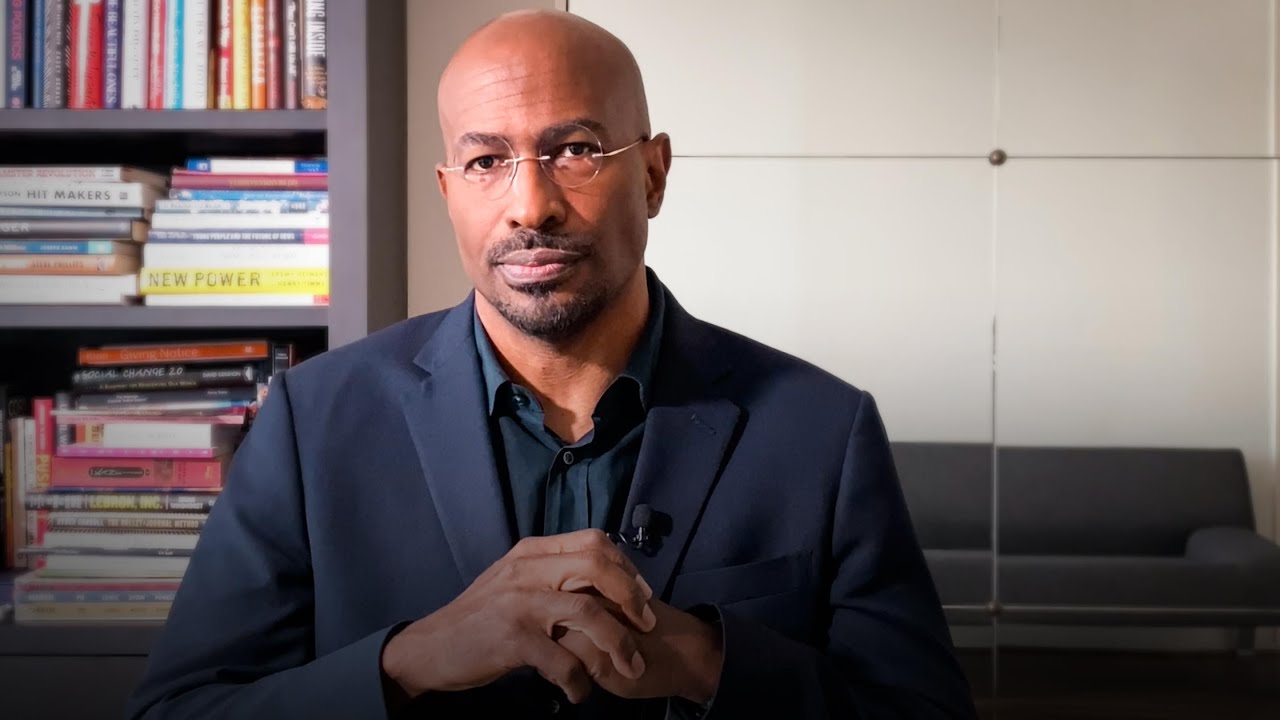
A Guide to Self-Love for Skeptics | Dan Harris | TED
57:18

A Guide to Self-Love for Skeptics | Dan Harris | TED

TED 24.03.2025 24 810 просмотров 544 лайков обн. 18.02.2026

Machine-readable: Markdown · JSON API · Site index

Поделиться Telegram VK Бот
Транскрипт Скачать .md
Анализ с AI
Описание видео
Self-love isn’t self-indulgence — it’s the learnable skill of treating yourself with the kindness you'd offer a friend, says mindfulness expert Dan Harris. He shares science-backed tips for improving your relationship with yourself and shows how a little more tenderness can enhance the rest of your life, too. This live conversation was hosted by TED’s Whitney Pennington Rodgers and was part of a TED Membership event. Visit ted.com/membership to support TED today and join more exclusive events like this one. (Recorded at a TED Membership event on February 12, 2025) If you love watching TED Talks like this one, become a TED Member to support our mission of spreading ideas: https://ted.com/membership Follow TED! X: https://twitter.com/TEDTalks Instagram: https://www.instagram.com/ted Facebook: https://facebook.com/TED LinkedIn: https://www.linkedin.com/company/ted-conferences TikTok: https://www.tiktok.com/@tedtoks The TED Talks channel features talks, performances and original series from the world's leading thinkers and doers. Subscribe to our channel for videos on Technology, Entertainment and Design — plus science, business, global issues, the arts and more. Visit https://TED.com to get our entire library of TED Talks, transcripts, translations, personalized talk recommendations and more. Watch more: https://go.ted.com/danharris25 https://youtu.be/bRyFB4mQHzY TED's videos may be used for non-commercial purposes under a Creative Commons License, Attribution–Non Commercial–No Derivatives (or the CC BY – NC – ND 4.0 International) and in accordance with our TED Talks Usage Policy: https://www.ted.com/about/our-organization/our-policies-terms/ted-talks-usage-policy. For more information on using TED for commercial purposes (e.g. employee learning, in a film or online course), please submit a Media Request at https://media-requests.ted.com #TED #TEDTalks #relationship
Оглавление (12 сегментов)

Segment 1 (00:00 - 05:00)

really excited to have him here today please give a warm welcome to Dan Harris thanks for having me nice to see you yeah too Dan thank you so much for being here so the title of today's event is selflove for Skeptics and for those who follow you uh they'll know that your work is really heavily focused around this idea of loving better and living better and I have tons of questions for you around this along with our member audience thank you to those who have already submitted questions please continue to share some of those and we'll add them into the conversation um but before we dive into all of that I'd love to First hear more about how you do this work and why um so as I noted you host the 10% happier podcast and you wrote a book of the same name uh for the uninitiated what does 10% happier mean and how does this term capture the ethos of the work that you do um that you really DED your life to doing well it kind of started as a joke um uh I got interested in meditation in uh the ODS uh a little bit before it became socially acceptable it was one of the few times in my life I've ever been ahead of a trend um and uh I was I think in the summer of 2010 I did my first Meditation Retreat and I came back from that and one of my friends in the office was peppering me with very skeptical questions basically asking what's the matter with you like why would you do this and I was searching for some sort of answer and I said you know it makes me like 10% happier and I could see that the look on her face transformed from you know something approaching contempt to something approaching interest and I thought okay well that's my shtick and I like it because even though it's a bit tongue and cheek it's a reasonable description of how uh meditation can improve your life and lots of other modalities including therapy and improving your relationships uh getting better sleep eating well there are all these things that we know from the science are good for us uh and yet they can sometimes be very difficult to do and we'll talk about habit formation for sure and uh they can also sometimes be sold to us as panaceas and so one of the things I was trying to do is to counterprogramming against the sort of Reckless hope and hype uh that is in the darker precincts of the self-help World um so yeah I wanted to make a realistic promise um and I will add one last thing which is that like any good investment the 10% compounds annually um that these you know the this the radical good news here and I spent much of my career disseminating bad news as a news anchor um but the radical good news here is that the mind is trainable that many of the in fact I would argue that all of the states of mind that we want Cal uh generosity compassion happiness uh equinity these are not unalterable factory settings they are skills that can be practiced through meditation and other as to use a this word again other modalities so that's a the two-minute elevator pitch for 10% I mean I the thing I really like about that is that it sort of speaks to this idea of this of a journey right that you're not going to there's there aren't things you instantly do to become fully happier that you it's incremental it sounds like yeah I mean I wish that were the case but you know all these people making millions of dollars selling books promising you know overnight success or whatever they're the only ones profiting you know like and if if it was if there was an overnight fix why are they writing multiple books you know it doesn't make any sense this is you know learning how to do life better which is another little one of the little phrases that I use a lot do life better learning how to do that is messy involves messy marginal improvement over time so the good news is that you can change the bad news is that it's difficult and then the good news again is that there are ways to make it easier um and fun and enjoyable and all of this has been studied you know by people much smarter than me my job essentially in one aspect of my job is to be a kind of gateway drug uh as a professional Communicator who's looked at their scientific research and has spent a decent amount of time studying contemplative Traditions especially Buddhism to be a gateway drug uh who can sum up what I've learned and then hopefully direct you deeper to experts who who know more than I do um well to the point of today's conversation uh in doing this work and having these conversations and being this gateway drug what has uh the work reveal to you about why self-

Segment 2 (05:00 - 10:00)

love is so hard for so many of us well um let me just say that I uh even after I got interested in meditation I was not particularly interested in love or self-love you know you said something at the beginning that you Dan are interested in how to love better and that is true um and you know I hear those words and I'm like does that mean really you know I'm like a pretty you know stereo typical male in many ways U and so I didn't you know when I first started getting interested in meditation and it's and really the larger Buddhist context for meditation you hear a lot about love and compassion there this word loving kindness that gets used a lot and I really struggled with that I didn't it didn't speak to me um uh H however there are lots of ways in here one of them is that you know we tend to beat ourselves up um it's I mean I don't know that there's a definitive answer for why we do that but I think there are um a couple of reasonable theories one is that we uh live in an in a you know I'm not anti-c capitalist although I think there are some good questions to be raised about capitalism and some of its um uh impacts on the mind um but you know in a capitalistic individualistic Society where you know advertising has um you know infiltrated our minds in so many ways we are kind of sold this idea that we're never going to be enough unless we make that next purchase and then you ramp that up through social media where um we are our innate U tendency to compare ourselves to the people around us and also to experience fomo when we're not part of something just gets you know put on steroids as a friend of mine has said it's a kind of ego itching powder and um that all ladders up to a world in which we spend a lot of time I think probably more in Western contexts than in eastern contexts um but we spend a lot of time running ourselves down and we many of us and myself included believe that this is necessary in order to get off the couch and get anything done uh however what the research shows is that that's not true well and I I can't wait to get in to what is true and sort of uh how we can think better about this and approach all of this in a better way um and I think this conversation feels especially timely right now I sort of suggested at the top that we're you know a few weeks away from the beginning of the year where everyone's really energized and running head first towards these goals um and then also we are just two days shy of the day of love right Valentine's Day um where people are giving lots of thought to these things uh do you find that during this time of year people maybe struggle more with this idea of self-love than other parts of the Year well for sure you know that it's um it's has not escaped my attention that we uh start the year many of us with these lofty Ambitions and goals for making all sorts of changes in our lives and then within weeks the vast majority of uh majority of us um uh fall off the wagon and I that suggests there's something uh um you know arai here um and then I would say about Valentine's Day um you know I'm all for romantic love I'm happily married 17 years um and I do think it focuses us on a narrow band of love you know in other languages there are many different words for different kind kinds of love in our language as I said in my TED Talk we use the same word to talk about romantic love familial love and our feelings for gluten-free snicker doodles and that creates a lot of confusion um when in fact you can taxonomize love into as I said familiar love romantic love unconditional love for all beings which um is actually on offer believe it or not um not just for Saints uh friend friendship uh um self-love uh so and I think that if we can get a more capacious Nuance understanding of love it will be to our benefit especially if we can then understand that all these different types of loves are not to Echo the language I used earlier not unalterable factory settings but in fact skills that is where things get I think really helpful and I think for a lot of people it seems the it makes sense right like that loving yourself is a good place to

Segment 3 (10:00 - 15:00)

start for just being a better person um but I imagine that there are barriers that all of us face and that then you maybe see some of the same ones again and again what I guess what would you point to as some of the big barriers and the big hurdles for people to practice self-love well first of all it's just cheesy let's just be honest I mean it's if love is the ultimate cliche self-love is you know taking it to the next level um and it's uh you know I think it the concept can seem like the type of thing that's written into latte foam art and therefore very annoying to many people or maybe I'm just speaking for myself here but that's one of the turnoff the other is that as I referenced earlier I think many of us believe that we need to kick our own ass in order to get anything done this is a really deeply held belief I would say on a deeper level and this is probably subconscious I've heard it argued uh by my friend Tara br who's a great meditation teacher and a psychotherapist that is there's a kind of addiction uh with self-hatred and self-loathing and self-criticism where it gives us a sense of control in a world that can feel out of our control so that might that Dynamic might not be conscious one but I it's interesting to investigate whether that's maybe happening self uh subconsciously for you well obviously if you joined this conversation you are bought in to some extent in and wanting to try this for yourself um to try to love yourself better and you maybe are that skeptic that um we're referencing in the title here but I imagine that this is very different for from person to person we all have different experiences and different goals and um there are probably different ways that you go about loving yourself but are there some Basic Ground rules uh for self- Leve that really apply to everyone as a starting point well let me start with science so um and this is really for somebody like me who's naturally quite skeptical this is what kind of get me in the door um self-compassion is a uh a um a booming uh field of modern psychological research the woman who um really pioneered this her name is uh Kristen nef she's a researcher at the University of Texas um and so she to me is a heroic if not historic figure honestly for um coming up with this concept and then leading the research into it um and what it shows is that people who well let me Define what it is um and I with my apologies to Kristen you know I might be mangling this but or might be just focusing on one aspect of it but I think of self-compassion as the ability to talk to yourself the way you would talk to a good friend most of us uh use an inner drill sge to drive ourselves but Kristen would recommend you move to an inner coach a coach does not let you off the hook a coach is not overlooking your mistakes he or she just isn't a jerk about it and that's the difference so this is not about you know uh putting yourself in a forever bubble bath or um lowering your standards this is just about a tweak in your inner posture Visa V yourself we all have this ability to be a good friend or mentor to um uh our children uh PE people in our work life wherever we all have this ability and what what Kristen's research has shown among other things is that you can Channel this inward so how would you do that so there there's a lot to say about this but let me just start with um what Chris Kristen calls the mindful self-compassion break I call it uh the uh nef three-step uh named after her she does not coign on that um uh on that uh U Nom clature um anyway there are three steps and it's super easy to do the first is just to notice when you're kicking your own ass just to that's the first step just the mindfulness of the fact that this is happening just catching oh yeah I am in a toilet Vortex of self recrimination right now that's the easy First Step the second is to Bear is bring to mind the fact that you are not alone whatever you were criticizing yourself for so for me it might be like I don't like the way I look in the mirror um or I said something stupid last night um both of those I probably went through both of those Cycles today uh so that kind of thing you you notice that that's happening and then you bring to mind the fact that millions of other people are in the same place right now you are not alone this is a very common human experience and then the third step for me is the most important which is at

Segment 4 (15:00 - 20:00)

that point you talk to yourself the way you would talk to a good friend um and a couple of ways to supercharge this uh one is to uh put your hand on your heart and um here I will re uh invoke again my conditioning as a straight white male putting my hand on my heart was not something that came easily to me um and yet there is data to show that in Kristen's term um uh you are bringing online what she calls the mamalian care system you are uh we know that uh appropriate touch with other people can release all sorts of hormones and do good things for the nervous system you can do this with yourself so that's one you can even hug yourself if you're uh if nobody's looking um and uh and then when you talk to yourself now I'm going to bring in somebody else's research there's a there's another great researcher named Ethan cross who I have a lot of admir for he's at the University of Michigan and he's studied internal chatter and ways to uh change your own internal chatter and one of the things he's shown is that if you use your own name uh he calls this distant selft talk if you can use your own name when you're talking to yourself it gives the subsequent words more weight because it's almost as if it's coming from somebody else um and so for me I just say do dude like dude I know what you're worried about me I for example I get a lot of claustrophobia so I worry about if I've got a day in the city where I'm going to take a lot of elevators or I'm going to be on a plane or something like dude I know you're worried but like you're good you've been through this a million times even if you start to panic these are physical Sensations you've uh experienced a million times before and you're still alive you got this just a little pep talk like that if you can get over if this strikes you as cheesy if you can get over yourself to do that just know that there's a ton of research to show that this is really good for you and that it um has knock on effects like it makes you better able to keep your resolutions or to keep up whatever habit uh you're trying to establish at any time at New Year's or any other time so we're at as you said before we're at a moment where a lot of people are falling off the wagon with their resolutions self-compassion has been shown to be a key variable in success for habit change I think of it as like the Uber habit the Upstream habit that makes all of the other habits possible uh and then the other thing is that self-compassion has been shown to increase your level of compassion for other people and that's meaningful because probably the strongest piece of evidence I've seen um in the modern psychological research is that the the most important variable in human FL sorry flourishing or human happiness is the quality of your relationships so this is not a self-indulgent thing it does it proves your ability to relate to other people which it then redounds to your benefit which then makes you better with other people and that's a nice um as I called it in my TED Talk a Cheesy upward spiral that is really impactful I love all of that I feel like there's so many things that you just shared there that I know I will be applying right away I'm sure lots of other folks are um are resonating with that and I want to touch on something you've just shared now this idea of loving yourself can enable you to love other people better and I think when you hear the term self-love it sort of evokes the sense that this is a solitary practice that you're doing this on your own but is it really are is there a component of self- Lov that requires you to have support from other people and what does that look like I'm so glad you pointed this out because earlier you asked me to list some of the what I think the blockers are to self- Lov and I said something like well some people think it's cheesy other people really believe they need to kick their own ass other people might uh be engaging in self-criticism as a kind of subconscious uh Habit that keeps them safe in some perverse way but I another one on that list would be it can be uh understood as a kind of self-indulgence as an egotism um and I think in some ways in which there are self-love um can be described in our culture right now that might actually be fairly criticized as self-indulgence um but I think properly understood uh self-love has geopolitical consequences because uh if you uh if your inner weather gets Bomier it will impact the way you treat other people and that is not nothing that absolutely is not nothing we are in an interdependent world we've always been but more so

Segment 5 (20:00 - 25:00)

now arguably than ever and so how you treat people in your orbit matters um and then where things as I said before where this gets cool and a kind of where there's a positive Boomerang effect here is as your relationships improve you will get happier this we know I mean I I love this study that was uh that's ongoing at Harvard has been going on for I think like 90 years they've been studying multiple generations of people in the Boston area uh to get a sense of like what leads to a uh a long and healthy and happy life and the variable that comes screaming out of the data is the quality of your relationships that is what keeps you alive and happy and successful why because stress generally is what kills us and positive relationships are the best way to regulate stress um and this just makes sense from an evolutionary standpoint um I know like there are a million TED Talks that talk about how we're social animals but there's a reason why this is a Trope that we keep coming back to we evolved in bands and we got to the you know to the top of the food chain not because we have wings or talons or um teeth you know sharp teeth we got there because we have this unique ability to cooperate and collaborate and communicate and when you take that out of your repertoire in your life you will suffer for very clear evolutionary reasons so you know to put it in a more positive term if you can get better at relating to other people it will redown to your benefit in really profound ways so no I do not think self-love is self-indulgent and I do think that it is it absolutely is in an odd way a team sport and in your Ted Talk you talk about for your own growth how you've invited people in your world both professionally personally to sort of help you in identifying the parts of yourself that can improve upon and I'm curious if um for others who are really interested in thinking about how they can be critical in ways that are healthy and also um are really committed to this journey of of loving themselves is is it sort of the would you recommend that they take a similar approach maybe not as in intense as the one you chose but to you know call your mom and say hey Mom I'm like on a journey to be kinder to myself and I need your support you know what does that look like okay yes um I see where you were going with this it's a fair it's a great question just to back up and explain what Whitney's talking about um probably the most embarrassing thing that's ever happened to me um is that I had a and I talk about this in the Ted Talk I had a 360 review I suspect some of you know what that is but for those of you who don't this is a diabolical corporate tool generally that uh it's a kind of an anonymous survey that an executive coach or an executive coaching firm will swoop into some sort of work context identify the target of the 360 um usually they've been told they need a 360 whatever Executives in question here and then they do an anonymous survey with that Executives or uh individual contributors uh bosses peers and direct reports and the idea is to get a kind of holistic sense of your strengths and weaknesses I because I'm a um although I guess that's not very self-compassionate talk but I because um I have questionable judgment sometimes um uh did a 360 review that included many of my colleagues but also my wife my brother and two of my close friends who are meditation teachers and this was back in 2018 and the results uh came back to me in the form of a 39-page report filled with blind quotes um the first 11 pages were the good stuff the rest of it uh the vast majority of it was devoted to the difficult stuff including uh the fact that I was overwhelmed at work which was making me uh unpleasant I was over scheduling myself um I have a tendency to be stubborn and dismissive especially when it comes to Junior employees and that was a surprise to me and something I spent a lot of time working on uh and then a sense of that I can be kind of emotionally guarded hard to read or to understand and so I've spent the last six and a half years really working on the deficiencies identified in this report so that's the context um the question is that Whitney is getting at is should we all be asking people in our lives for feedback I mean my aunt my short answer is yes and you want to be careful because um uh if the feedback is many people don't know how to deliver feedback and so it can be very painful experience so I for me what really helped in gathering all of this feedback and incorporating into my life is that I had a great executive coach um whose name is Jerry Colona just as a shout out

Segment 6 (25:00 - 30:00)

um and Jerry working with Jerry um and also like my own personal shrink I I've have the great Good Fortune to be able to have an executive coach and a therapist and I know not everybody has access to these kinds of resources but that really helped me integrate this quite harsh feedback into my life in positive ways it without that it's possible to kind of coil up into yourself and to compartmentalize the feedback or to put it in a drawer or light it on fire or whatever and maybe not act on it um so yeah if you're going to ask for feedback which I recommend I think asking for feedback is really important I think it's about picking the right people to ask um and seeing if you can get support in your life that will help you integrate it does that make sense Whitney 100% yeah it's um first it sounds like it's do not try this alone at home you know you it's important to sort of do this with some guard rails whether that be an executive coach or just going into it sort of knowing that people can be harsh and preparing yourself for that um but then also it's it seems like it's really important to get people to kind of buy into the fact that you that you're on this journey that you're in a place mentally where you're maybe trying to approach yourself in a different way and yes and so I guess that's my next question is how do you get people to buy into it without it sounding to the point you're making you made earlier that it may feel woo to people are sort of out of the realm of like what other people might feel comfortable doing for themselves so you're asking like if how can I uh start integrating self-compassion or self-love into my life in a way that I'm communicating it clearly to the people around me so that I can have support in buyin that's right yeah so that they sort of I guess can be there with you as you're through this journey acknowledging that you're not going through it in a vacuum and you'll have other people impacted by it well um you know I'd be curious to see what somebody like Kristen nef has to say about this but just off based on my own experience with this I um look I I think it's possible to identify allies in your world and if that's possible great and I also think everybody's on their own thing and not everybody is going to be excited about your uh personal Improvement Journey to use um the language of the day um and I it may be the case that for the vast majority of people you don't want to say anything um because they don't necessarily need to know or uh they may not care they may not be supportive so I would go about this in a reasonably careful way I do think this is a team sport but you want to pick your teammates carefully and so for example like uh you know one of the pitfalls I'm hoping to steer people away from here I guess is it is possible for people to get interested in any number of self-improvement modalities from meditation to self-compassion to exercise or whatever and to immediately um uh be a little bit grading to the people in their world there's um there's a great cartoon that ran in the New Yorker several years ago and has two women having lunch and one of them says to the other I've been gluten-free for a week and I'm already annoying and um and I think that is a very common thing and a pitfall into which I have uh fallen in the past like when I first got interested in meditation in 2009 I got quite Evangelical about it around the house which was not did not go down well with my wife who was um in her training as a medical fellow at that time and it was I just didn't skill and didn't have enough she didn't have enough time really to meditate and so I didn't skillfully introduce the notion and so there's a way in which um if you've got some big personal project you're on yes um it it's great and I think crucial to have allies either people you're paying like therapists or people you really trust in your world and I think you want to avoid advertising it to absolutely everybody that is totally fair and I um yes I love the cartoon you shared which I feel like perfectly illustrates um what you're saying here uh well I want to bring in some of our member questions because we have a ton and people are really excited by what you're sharing here Dan uh so there's one here that was shared by both anah B and Prince Kumar which great Name by the way uh where they ask can you love yourself too much where it turns into being selfish instead of stable and agreeable I just don't think that's love um maybe it's a kind of self-obsession um if in some cases might be pathological and somebody's on the narcissism Spectrum but I think just a pro an understanding of love just this is my opinion um I is not one where or real love

Segment 7 (30:00 - 35:00)

doesn't um uh manifest in an overlooking of a whitewashing of your um shortcomings uh because that's not good for you so if you're talking about a self-love where um a person has induced in themselves a sense of denial about areas for potential growth um I don't that to me doesn't feel like real love um and also if it's if it's a kind of self-love where uh you're telling yourself that you should um uh do things that are damaging to other people um I don't think that's real love either because as we established the most important variable probably in human flourishing is the quality of your relationships and that stance would damage your relationship so It ultimately wouldn't be in your best interest so yes I think it's possible for there be misfiring and misapplications of this notion of self-love or self-compassion and we're all going to screw it up and we're all GNA this isn't generally speaking this is there's a just a step back for a second there was a great tweet a couple of years ago um by a zen master named roshi Joan Halifax who I'm an admirer of um and it had this uh very squiggly line and then the caption was the path and I love that because this isn't there isn't it's not like some escalator that goes on a Glide path toward Nirvana all the time it just it's much bumpier and so yes I think if you're interested in self-compassion or self- Lov or frankly anything like meditation or therapy you're going to overcorrect sometimes you're going to uh miss the mark sometimes and so yes there may be times where you're think you're engaging in self-compassion or self- Lov and it actually slips over into self indigence and hopefully you have people in your world who can say whoa uh that wasn't cool um and you should hopefully I think a self-compassionate stance uh would allow you to take on board that criticism without catastrophizing without slipping over into shame which I kind of think of as a um psych psychic constipation where like nothing can happen when you're in this shame State and you're making it all about what a horrible person you are instead of uh The self-compassionate Stance would which would view difficult feedback as um just another opportunity to learn and grow and I think to this point there's a question from Jonathan R um that when you get to this place where this you know if you're in this sort of Shame State um Jonathan R sort of refers to this as a maybe hitting rock bottom um and maybe your development isn't going as you expect are there ways you sort of adjust the advice that you're giving when you're in that very in a very dark place potentially like how do you overcome those moments look I think um this is where we reach the limits of my expertise in that I'm not a mental health professional what I would recommend and just based on my own experience and my own intuition here is that if you're in a true Rock Bottom scenario you should seek professional guidance if that is accessible to you um I think of self-compassion as good for like the worried well the um the people who are not in necessarily in an acute crisis I think it can be very helpful if you're in an acute crisis as well but I would also want in the mix there for you to have professional help um and not just be um trying to freelance and apply these Concepts without oversight because if you're in a an acute Mental Health crisis or a life crisis there may be other interventions that are also needed like weekly therapy perhaps even medication and so I would see this as a piece of the puzzle and generally I mean that just kind of lads up to a larger point which is that you know as we discussed at the beginning I don't think there are silver bullets I think of self-compassion or self-love as one aspect of um a healthy life one lever you can pull that will improve your life but it's one of many um and I so I to get to fundamentalist about any one thing like meditation or nature or relationships or exercise or sleep is to miss the fact that these are these are all aspects of personal development that kind of work in concert does that make sense yeah I think that makes perfect sense and it feels like um everyone should approach this in sort of assessing for

Segment 8 (35:00 - 40:00)

themselves what makes the most sense and only you know what you personally need there's no sort of blanket way to approach this and taking things some things from here and some things from there feel like it's the best way to go um well you know I think in speaking more to this moment we you know we talked about being a few weeks removed from the beginning of the year and also Valentine's Day being around the corner and obviously we've had a very eventful few weeks in the news um you know and that whether there are things that make you really happy terrified there it's just I feel like a um a roller coaster of feelings I'd imagine for many of us watching um and Gordon G uh asks about how um we can learn to practice ways to calm yourself in the face of the news and and things you see happening outside in the world yes so many um it's like where to start and do you want me to give a 20-minute answer um the thing that's coming to my mind and I think this is actually very relevant to everything we've discussed because this is a meditative um practice that I'm going to recommend that is directly supportive of Love of self-love and uh and again understanding self love within the context of our um relationality the fact that we are these social animals um this is a practice that I actually talked about in the Ted Talk and um has also been the subject of a lot of research U and it's called loving kindness meditation loving kindness is the modern translation of a ancient word meta MTA not like the mega corporation that dominates so many of our Lives Meta me TTA and um I prefer the translation uh friendliness and I love the idea that friendliness is a skill that you can train through this meditation technique and the Buddha is said to have invented this style of meditation as an antidote to fear um and so it's um directly relevant to this current moment which is creating so much stress fear and anxiety for so many people and again I want to acknowledge as Whitney did there are people who love what's happening right now too and uh it where whatever side you're on and I put that word side in quotes um you they they're really is so much anger and fear uh sort of directed um to the other uh and um this practice can help you no matter what your politics are um so it's uh yet another practice that for me given my conditioning I found quite annoying when I first heard about it but um again what got me over the hump is that there's a ton of research so it works like this you sit quietly you can actually hurl yourself on the ground if you want um just assume a comfortable position close your eyes um and then you start by envisioning an easy person or even an animal so some being uh a little kid or a cat or a dog some being that is easy to love and you bring them to mind either visually or a felt sense in your body sort of uh somatically if that's what you prefer and then you repeat four phrases may you be happy may you be safe may you be healthy may you live with ease and then you move through a progression of being so you start with an easy person then you move to yourself I love that because it's kind of a bait and switch where you get the juices going with um and you know your cat or dog and then you know switch once you're starting to feel some warmth you switch in uh yourself uh and then you move to a new a mentor somebody who's helped you out in your life could be a teacher if um a parent an uncle if you don't have somebody like that could be a sort of world figure who you admire the dollar Lama whoever um and then you move to a neutral person um somebody who you see frequently but tend to overlook and then a difficult person probably not easy to come up with somebody who fits the bill I often advise people to go with somebody mildly annoying not you know don't go straight to pull pot um and then uh the final category is all beings every everywhere everybody um and uh this exercise this contemplative exercise has been shown to have physiological psychological and even behavioral benefits When you teach preschoolers loving kindness or friendliness meditation they become more likely to give their stickers away to kids they do not like um and so I think this is a great way to relax the nervous system uh in ter turbulent uh political times so that's just one idea U like I

Segment 9 (40:00 - 45:00)

said I could go on but um I don't want to flood the zone so I'll stop there that's great and I feel like this idea of giving your stickers away to the kids you don't like is something that I it's definitely gonna stick with me in thinking about how to better approach um some of these things and how this can help um well I guess along some of the same lines and you mentioned um in explaining meta not meta that um social media and there's a question from edmilson about how social media can also help or hinder our ability to love ourselves and is that is there a different uh I guess uh approach you would take there I think social media is really tricky I'm not a lite and so I always um I always feel some reluctance to advise people to opt out of you know huge aspects of modern life although I if that's your instinct I completely support it um but also want to recognize that for many people that feels like Too Tall of an order um and yet it is social media is really tricky because it does with extreme prejudice induce a state of states of comparison a kind of toxic comparing mind and also fomo um and then there's also a ton of advertisement on there and again I'm not like reflexively anti- advertisement but it but the way advertising often works is to engender a sense of insufficiency so that you make a purchase not always but often and um so social media is um a tough spot for the mind um not I would add one other thing which is that the algorithms appear to reward outrage so we what's happened is we have this whole group of what would have been called conflict entrepreneurs who swoop in and take advantage of the way the algorithm is structured to enrich themselves and to give themselves clout and I mean I think that's a really good thing to keep in mind which is that um there's a lot of money to be made off of making you unhappy making you hate the people on the other quote unquote side making you outraged about all the developments in the news making you feel like you're not enough um there's a there are huge societal forces that will profit off of this um so what do you do about it um I um just off the top of my head one thing is just the practice of gratitude um to remember you know and Chris Anderson and I have talked about this on my podcast uh Chris the man um who has been leading Ted for quite a while um the if you don't get suckered by uh the news industry which I used to inhabit and um social media um platforms that want you to believe everything sucks the news and social media aren't spending that much time on all of the mundane good things that are happening all around us that doesn't get a lot of coverage and yet small and large acts of kindness are unfolding all around us all the time um and so gratitude for the good things in your life and the world is a nice way to counter program even better and this picks up on a book that Chris wrote is to be a locust of positivity yourself in other words to engage in generosity or compassion and this can be big things like giving big Gifts of service or money or it can be small things you one of the little mental exercises I ask people to do is what is it like in your mind if you're paying attention when you hold the door open for somebody it feels good and that feeling is infinitely scalable and so you can be a node of Sanity in an insane World by just being by just doing a 10% boost in your utility quotient to the people around you uh so it doesn't even have to be grandiose in any way and that I think will help you survive the next time you go on Instagram and again I'm not trying to say that Instagram is an unalloyed ill because I don't believe that I'm on Instagram so I I think it is a place where lots of eyeballs are and good things can be done there and I know it can make a lot of people unhappy and so how can you know reduce that I think gratitude and generosity are two big things and then finally I would add mindfulness which is again this I don't know if we talked about this but I think of mindfulness as I don't think we did mindfulness is just the ability we have to have the self-awareness of our thoughts and

Segment 10 (45:00 - 50:00)

emotions so that we're not so carried away by them and so if you have that self-awareness as you're on social media you might notice when you're on hour eight of Doom scrolling and you're starting to type in all caps um that maybe it's time to put the phone down and so that could be a good way to tight trait and regulate your social media usage so that you aren't driving yourself nuts well I think one thing that strikes me what you're sharing here is that it's in many ways an argument for maintaining interaction with real people right that there is in some ways in the loneliness epidemic that where we all find ourselves in the you know with the rise of tech and so many opportunities for you to to stay secluded and just communicate with people digitally uh doesn't help a journey to being kinder to yourself or loving yourself I I'm so glad you brought that up and I I'm a little embarrassed that I didn't say it myself but thank you for proving me I think about I spent the last six plus years working on a book a kind of sequel to 10% happier and this book which I hope comes out next year if I can get my act together um uh and I'm trying to motivate myself with self-compassion um this book really is about love a kind of um and again I keep quoting the Ted talk because the Ted Talk really is the blueprint for the book um it's a kind of unified field theory of love which is a on the one hand self-compassion self-love these inner skills that improve your inner weather and then what scientists have called on the other hand Social Fitness the set of skills for um uh cultivating and deepening and maintaining relationships with other people in all aspects of your life from friendships to work relationships to romantic relationships to your family um to what scientists call Micro interactions which can have a real impact the these little interactions you have with a barista or the male person um that these can have a real impact on your psychology and so thinking about inner management and outer cultivation of relationships and how they work together to create this virtuous upward spiral and you know an individualistic culture where we are thanks to technology which technology you know has many good aspects to it but one of the negative ones is that we it's put individualism um on steroids where we're kind of self-focused um not interacting with other human beings this I think is really at the root of the unprecedented anxiety depression suicide addiction and loneliness we're seeing in our culture right now and if you can start to focus on not only on self-love but on the inexurable I believe the inexurable outcome of self-love which is improved relationships if you can get more Mindful and deliberate about cultivating positive relationships in your life that's going to it will help you inoculate you against the political tumult against the some of the more negative aspects of social media it is just a protective layer that is you know in my view unquestionable um well so much of what you've shared has been sort of grounded in uh your approach to meditation and your use of meditation as a tool in supporting um your journey uh in self-love and we have a question from Josh R uh who also practices meditation and uh their question is did you find as you deepened your meditation practice there was an inflection point where the more self-aware you become the more you realize how neurotic the mind is that's actually um that's a great question Josh and um it's a common bump that people hit early in their meditation practice it's you keep bumping up against it but especially early on people are interested in mindfulness meditation which again gives you um a kind of a more powerful microscope on your inner life um so that you're not so owned by it so that is one of how I would describe the benefits of mindfulness meditation where you um get interested in um what's happening between your ears so that whatever neurotic Obsession or powerful emotion happens to flp through the mind doesn't lead you to lots of reflexive negative behavior um a lot of people get interested in this because it's been shown to reduce anxiety and depression and stress and one of the things you see quite quickly and this can be this is why the early stages can be so cultish and awkward is you really

Segment 11 (50:00 - 55:00)

see it can feel like oh wait this is making me more anxious and that is not because it's making you more anxious it's just see it's like turning on a black light in a hotel room um you ever see those legendary news reports where they turn a black light on in the hotel room uh a friend of mine actually did those stories um you're seeing disgusting stuff well that's just the nature of seeing your own mind there's a great expression from the writer John bar um self- knowledge is always bad news I don't think that's always true but it's true to a large extent and but don't be fooled um the seeing it is what is empowering because as you get more familiar with the chaos and cacophony of your own mind you're able to ride it in a smoother more Supple way um but but the the process in to in my experience I've only been meditating for about 15 years and but I spent a lot of time with people who meditating for 50 60 years um from what in my own experience and from what I've heard from my friends who are really deep end of the pool meditators is that it is just a process of you know I'm using this word somewhat tongue and cheek just ongoing humiliation you just seeing over time how ridiculous the mind is um and that word ridiculous my teacher Joseph Goldstein who is this amazing guy who's coming up on 81 and has been meditating since he was 21 um he uses that word ridiculous all the time because really when things are going well over time you start to develop a sense of humor about it uh you start to kind of get over yourself in a really deep way and that's why the dollar Lama is always laughing um a big part of it is because you can't sit in meditation for decades without seeing how ridiculous this all is and um that's really helpful H it feels like a dose of humor makes such a difference here um well Gabby R has a question about just your personal Journey uh and whether there was a moment when you felt like you were regressing instead of progressing and um how you personally navigated that and I guess this is post uh the 360 review post um the things you already shared you know progress and then progression and then regression is just in my experience is like that's just part of the deal you know you learn something useful and you make a few strides and then you just screw it up and think that you're a wretch and then somebody in your life either you have to have the inner resources or the outer allies to you know talk you off the ledge and um and get back in the game and so absolutely um I'm just thinking of an example that I've been writing about recently this happened many years ago but after I had my 360 in 2018 um I ended up meeting this much younger person than me who became my assistant her name was Grace um and uh it turned out that she actually had a lot of experience with self-compassion and she started sending me these like assignments that made a huge difference to me and I like she was helping me integrate self-compassion into my life and so she beca she went from being my assistant to really becoming a kind of teacher for me um and then at one point we got in a big fight because she said something totally innocuous and it just triggered me uh there's a great expression if it's hysterical it's historical and she just said something that triggered some historical stuff for me and I handled it so poorly um and I I'm just bringing this up because it's an example of regression and um you know I think one the one of the tricks of self Improvement for lack of a better term really is learning how to handle the inevitable mistakes um I don't know if this is entirely apropo but one of the things I think about is if you're doing self-improvement or personal growth or Spiritual Development whatever you want to call it if you're doing it correctly you should always feel like you have been a complete idiot your whole life up until six weeks ago like you should just be constantly learning stuff and re-evaluating um and hopefully in a fun way with other people doing it as a team sport um uh and to me this is just a very exciting and interesting way to live well I feel like there's you this conversation has been chock full of uh just so many uh thoughtful tips and insights into just how you think about all of this um and you shared that you have this book coming out are there any other exciting things on the horizon where else can we see you next um well I host a podcast as you referenced that's a huge deal for me that's a huge part of my work um I also have a little um I've been experimenting

Segment 12 (55:00 - 57:00)

on substack so I have a little Community going there we had our femon anniversary this week um so it's pretty new congratulations um and yeah I would love to have people sign up there there's a free version and a little paid version if you want to get direct access me access to me so just that's a total experiment but I'm really excited about it and I also would be very excited to finish this book finally because I have like four other book books I want to write after it well and any insight into what those books might be about or what sort of topics you're eager to yes I have a book I I'm really interested in how to apply all of this at work um and so we have a series we've done on the podcast uh that's been very popular it's a kind of occasional series that we bring back once in a while called sanely ambitious where we talk about all of the uh psychological and contemplative tools that can make you better at work uh and so we interview lots of people who've given TED Talks including Adam Grant um uh and many other people and so that's interesting to me to kind of do a a really uh um practical book about how to get better at work um I talked about Joseph Goldstein who I have just so much respect and affection for and he uh has these little phrases he uses in his teaching um these just piy little phrases like self know is always bad news that's one of his things he says a lot um uh and I want to write a book uh where it's like not quite a coffee table book but a book that goes through all of the phrases and explains them and it's a it's kind of a backdoor way to really get at Deep Dharma deep Buddhism but in a very fun snackable userfriendly way well Dan this has been um really a treat there are so many more questions I could ask from our members that we didn't get to um but we have reached our time uh thank you so much for being with us total pleasure thank you

Другие видео автора — TED

Ctrl+V

Экстракт Знаний в Telegram

Экстракты и дистилляты из лучших YouTube-каналов — сразу после публикации.

Подписаться

Дайджест Экстрактов

Лучшие методички за неделю — каждый понедельник