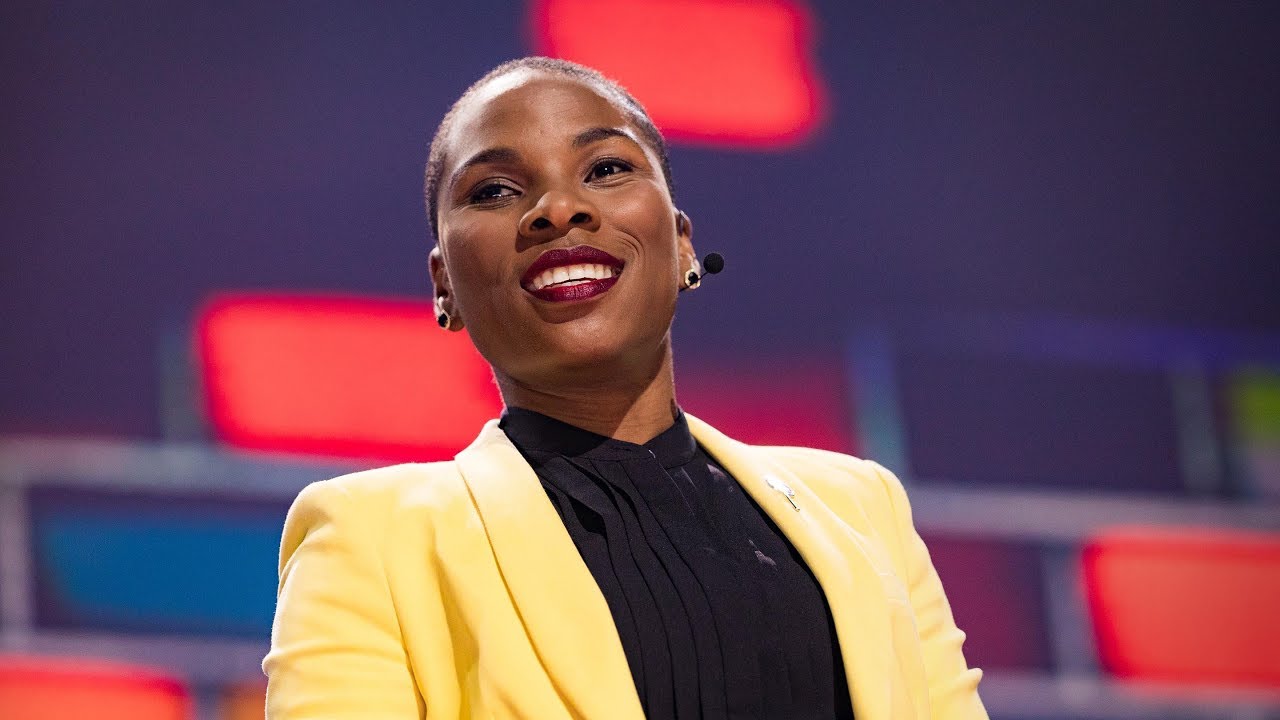
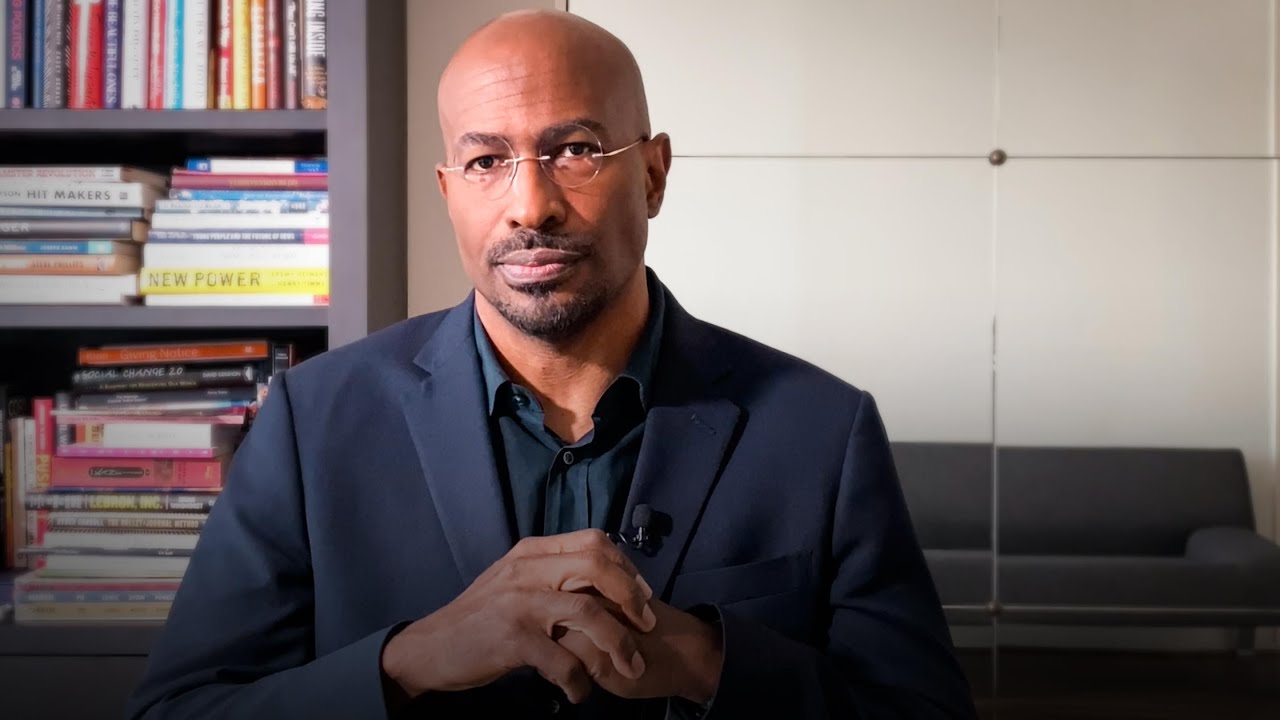
Where DEI Falls Short — and How To Rethink It | Y-Vonne Hutchinson | TED
5:42

Where DEI Falls Short — and How To Rethink It | Y-Vonne Hutchinson | TED

TED 20.03.2025 26 402 просмотров 587 лайков обн. 18.02.2026

Machine-readable: Markdown · JSON API · Site index

Поделиться Telegram VK Бот
Транскрипт Скачать .md
Анализ с AI
Описание видео
Tired of “privilege walks” and black squares on social media that feel hollow? Workplace inclusion expert Y-Vonne Hutchinson peels back the superficial layer of performative DEI to reveal a fresh approach that meets people’s real-life anxieties — from climate chaos to political instability — and helps us connect with compassion and respect. It’s a spark of optimism for anyone looking to replace empty gestures with thoughtful, practical solutions that actually make a difference. (Recorded at TEDNext 2024 on October 22, 2024) If you love watching TED Talks like this one, become a TED Member to support our mission of spreading ideas: https://ted.com/membership Follow TED! X: https://twitter.com/TEDTalks Instagram: https://www.instagram.com/ted Facebook: https://facebook.com/TED LinkedIn: https://www.linkedin.com/company/ted-conferences TikTok: https://www.tiktok.com/@tedtoks The TED Talks channel features talks, performances and original series from the world's leading thinkers and doers. Subscribe to our channel for videos on Technology, Entertainment and Design — plus science, business, global issues, the arts and more. Visit https://TED.com to get our entire library of TED Talks, transcripts, translations, personalized talk recommendations and more. Watch more: https://go.ted.com/yvonnehutchinson https://youtu.be/jc0tTOhRVe0 TED's videos may be used for non-commercial purposes under a Creative Commons License, Attribution–Non Commercial–No Derivatives (or the CC BY – NC – ND 4.0 International) and in accordance with our TED Talks Usage Policy: https://www.ted.com/about/our-organization/our-policies-terms/ted-talks-usage-policy. For more information on using TED for commercial purposes (e.g. employee learning, in a film or online course), please submit a Media Request at https://media-requests.ted.com #TED #TEDTalks #work
Оглавление (2 сегментов)

Segment 1 (00:00 - 05:00)

OK, let's do a little exercise. Everybody stand up and line up in the middle of the room. Actually, no, just me. OK, step forward If you went to private school. Step back if you got called a racial slur in elementary school. Step forward if your parents graduated from college, step back if they didn't graduate high school. This is called a privilege walk. It's a popular DEI exercise taught to express the concept of privilege. The people in the front get some revelation about how many advantages they have, while the people in the back get to process their trauma. I hate privilege walks, just like I hate black squares on Instagram, allyship pins, unconscious bias training, because it's performative. The stuff doesn't work, but it's what sticks in our brains when we talk about DEI. DEI, or diversity, equity and inclusion, refers to the set of tools that organizations use to prevent discrimination, comply with civil rights laws and create environments more welcoming to people from marginalized backgrounds. I run Ready Set, one of the country's largest DEI firms, and I started it after working for a toxic organization for years. And I often talk about the academic reasons why I started Ready Set. But in reality, I started it because I was traumatized, and I didn't want anyone to go through what I had been through. Now we're in the middle of a DEI backlash. DEI has been blamed for everything from airplane failures to internet outages to you name it. And I often get approached by journalists wanting me to talk about it. But I struggle because I'm conflicted. On the one hand, the discrimination that people like me face hasn't gone away. On the other hand -- now it's up for the debate. On the one hand, DEI has become a political football, but that doesn't mean it's immune from criticism. To me, there are two reasons for the backlash, the first of which is that backlash is just a natural consequence to progress. Reagan-era lawsuits were a response to civil rights laws. This is no different. On the other hand, people and organizations made real mistakes after the MeToo and George Floyd movements. DEI became performative. They used approaches based in emotion rather than data. They tried to solve systemic problems with individual solutions. They failed. And today, the world is changing, and it affects my team. There's a woman on my team who Zooms in from Florida, with the breeze in her hair and the smile on her face. Until two weeks ago when she was evacuated. We have a contractor who has the most adorable little pug ever who likes to snore on Zoom, and he really loves to share his hacks for working around the power cuts that he's experiencing because of the war in Ukraine. 43 percent of Americans report being more anxious this year than last year. And over the same time period, we've seen an increase in workplace conflict, absenteeism and disengagement. The outside is creeping in, and the models we have no longer work. We don't do privilege walks at my job. But we did do an anti-Semitism training on October 7 because we couldn't work through that day like it was any other. The night before, I got news that my nephew was being deployed. We didn't all agree in that training, but what we did do was try to tackle misinformation, unpack our assumptions and talk about how we treat each other with compassion and respect. That's what DEI could be. The next day, we did a training on anti-Arab racism and Islamophobia. We have tools for elder care and climate emergencies. We have training for how to talk about politics at work. And it's not just for us. Our clients are asking for these things as well. And while I may feel conflicted about giving interviews, I'm not conflicted about what's next. There's something really exciting about doing something new, and new is what we need if we're going to tackle these problems that face us. You know, I don't think we should be naive either. Discrimination still exists. The culture wars are happening in the office today. And all of the problems I’ve just described -- climate change, political instability, care responsibilities -- affect people differently depending on the identities that they hold. You know, the one thing I do love about privileged walks, I will say, is they always come with a surprise.

Segment 2 (05:00 - 05:00)

Like, Chad from accounting will tell you, he used to boost cars for fun, and then he turned his life around. And you're reminded, you never know what people are carrying. So I wonder, what would it look like if we did a privileged walk updated for today? Step back if you're struggling with chronic illness. juggling elder care and child care. Step back if your life has been disrupted by a once-in-a-200-year weather event. Step back if you've been asked to work through it. Thank you. (Applause)

Другие видео автора — TED

Ctrl+V

Экстракт Знаний в Telegram

Экстракты и дистилляты из лучших YouTube-каналов — сразу после публикации.

Подписаться

Дайджест Экстрактов

Лучшие методички за неделю — каждый понедельник