Spirituality for Sinners (w/ Nadia Bolz-Weber) | How to Be a Better Human | TED
36:09

Spirituality for Sinners (w/ Nadia Bolz-Weber) | How to Be a Better Human | TED

TED 12.02.2025 28 528 просмотров 516 лайков обн. 18.02.2026

Machine-readable: Markdown · JSON API · Site index

Поделиться Telegram VK Бот
Транскрипт Скачать .md
Анализ с AI
Описание видео
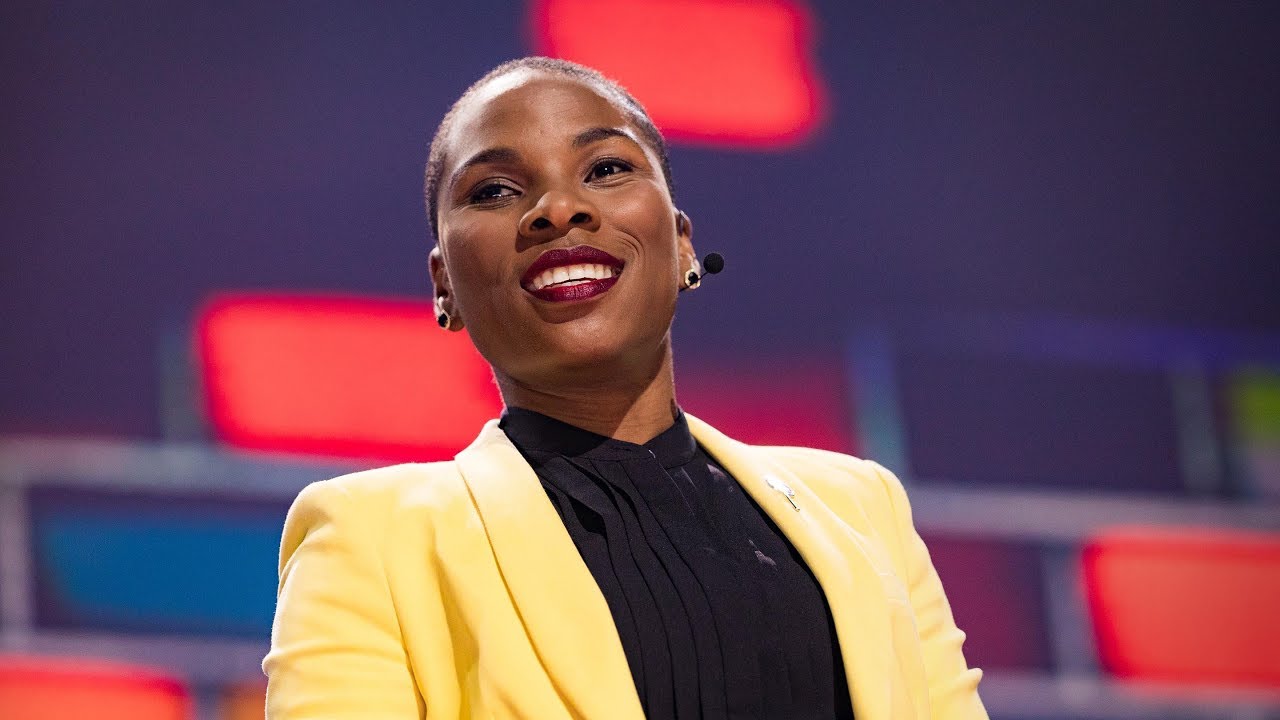
Nadia Bolz-Weber believes the good and bad in all of us is what makes us human. She has built a career talking about personal failings, recovery, grace, faith and really "whatever the hell else she wants to." She’s a bestselling author, a former stand-up comic, and now an ordained Lutheran Pastor. Bolz-Weber joins host Chris Duffy to discuss her journey with religion, leadership and community. They explore questions around the definition of faith, whether spirituality is innate to us and the beauty of low expectations. This is an episode of TED's How to Be a Better Human podcast. Listen on your favorite podcast app: https://tedtalks.social/4gmAZt3 For the full text transcript, visit https://go.ted.com/BHTranscripts Follow TED! X: https://twitter.com/TEDTalks Instagram: https://www.instagram.com/ted Facebook: https://facebook.com/TED LinkedIn: https://www.linkedin.com/company/ted-conferences TikTok: https://www.tiktok.com/@tedtoks The TED Talks channel features talks, performances and original series from the world's leading thinkers and doers. Subscribe to our channel for videos on Technology, Entertainment and Design — plus science, business, global issues, the arts and more. Visit https://TED.com to get our entire library of TED Talks, transcripts, translations, personalized talk recommendations and more. https://youtu.be/xDDfUWic4CI TED's videos may be used for non-commercial purposes under a Creative Commons License, Attribution–Non Commercial–No Derivatives (or the CC BY – NC – ND 4.0 International) and in accordance with our TED Talks Usage Policy: https://www.ted.com/about/our-organization/our-policies-terms/ted-talks-usage-policy. For more information on using TED for commercial purposes (e.g. employee learning, in a film or online course), please submit a Media Request at https://media-requests.ted.com #TED #HowToBeABetterHuman #podcast
Оглавление (8 сегментов)

Segment 1 (00:00 - 05:00)

this is how to be a better human I am your host Chris Duffy today we're talking about religion faith and spirituality so you know the kind of classic topics you're supposed to avoid at the dinner table in polite conversation but the thing that I love about today's guest the ordained minister and best-selling author Nadia bolts Weber is that Nadia does not come at this in the kind of stereotypical pop culture idea of faith and spirituality she doesn't come at this from a place of certainty where she knows better and you don't instead Nadia comes at this from a place of personal failing and striving to be better and knowing that she's not getting it right and I think wherever you're coming from you can get something from what Nadia says I think she has a really refreshing take on religion and spirituality and I'm so excited for you to hear it for people who aren't already super familiar with your work can you give us just like a brief history of the house for all Sinners and Saints and of the church that you started and the type of theological work that you believe in and that you do basically I was raised really like Christian fundamentalist and um like women weren't even allowed to pray out loud in front of men and the people in the Church of Christ were the only real Christians we were the only people going to heaven you it was very sectarian and I left that uh for reasons of you know self-preservation when I was a teenager but it's a very recent idea in human history that you can just choose your symbol system you know your the symbol system that uh you are surrounded by when your brain is forming will always sort of affect the way you see the world that doesn't mean you'll agree with the theological propositions but it's still in there and so for me I had to leave the church and Christianity for self reservation and I'm so glad I did and it was the healthy good thing to do for me but there was a part of me that I left behind because I was so formed by it and so to have only an absolutely negative view of something that formed me created an alienation inside myself that um got to be resolved when I came back to Christianity but like on my own terms in a completely different scene I kind of discovered Lutheran Theology and really loved it because it talks about Paradox and it's the center point of Lutheran theology is Grace it's not being a good person it's not striving to make yourself holy you know it's none of these things it's just this beautiful concept that all of the most beautiful and unearned things in your life you get to have like we get to breathe delicious air we get to be on this planet and yet we get a be alive and you can't earn the right to have it like most of the stuff in your life is a gift so for that to be the center the central idea of the theology I thought was so beautiful and so um I kind of dipped my toe back into Christianity but then um a friend of mine who was also a stand-up comic and also recovering alcoholic uh he ended up um losing his battle with uh mental illness and he uh took his own life and when PJ died all my friends looked at me and they're like well you can do the funeral right and it wasn't I hadn't been to Seminary it was just I was the only religious person in my whole friend group and so they're like obviously you'll do it and it was at the Comedy Works downtown it was packed and it was all these comics and alcoholics and academics and I looked out at the crowd and I was like these people need a priest like they need a pastor that somebody that's for them you know and then I was like oh [ __ ] I think that might be me like I think oh wow okay so I really felt this call to be a pastor to my people you know because I'd go to these Lutheran Churches no one looked like me no one talked like me it wasn't you know they were friendly enough if I happened to show up but my people and my friends in my scene they weren't accessing this beautiful Theology and these sacraments and the Liturgy and the music and all this stuff I thought was so great so I basically had to start a church that I'd feel comfortable showing up to and so that's what house for all Sinners and Saints ended up being and it was like anti- Excellence Pro participation nobody cared what you believed like that wasn't the basis of belonging at all and it was Acappella and it was like this four-part harmony and we sat in the round and it was very democratized and weird and funny and

Segment 2 (05:00 - 10:00)

um wild and holy it was beautiful and uh and I miss it yeah I have not been the pastor there for six and a half years so I left quite a long time ago but I served it for 11 years and it was a lot of fun we'd do like beer and hymns in the basement of a bar we do like blessing of the bicycles we bless the bicycles aspersion is like that holy water thing that you sprinkle holy water but we do it with like those little tassle things on the ends of girls handlebars you know we do dispersion on the bikes and I mean we just had so much fun with this tradition because we didn't think it was Sac relegious we thought it made sense this is how it makes sense for us you know it wasn't like you just invented things completely you were also going back to say like well what happens if we take the Liturgy and rethink how we experience it or how we interpret it but we are still working from the same text and from the same week to week idea yeah that was really important to me because I thought you have to be deeply rooted in Tradition in order to innovate with integrity and so that's what we kept trying to do and that was important to me because I knew I don't have enough wisdom just on my own to make [ __ ] up you know like I would get it wrong or it would be somehow self-centered a quarter inch deep you know like I really love the humility it takes to say oh actually Generations that came before us this is a weird thought have something to teach us you know we're so arrogant to think well that's old-fashioned or you know well they didn't have the same opinion on women as we do now therefore anything they say is not worthwhile something that you talk about in pastri and that I've heard you talk about a number of times is that before you started doing this work before you um were a pastor and were writing about religion you were a standup comedian and I think that's really interesting because I also am a standup comedian so I I'm curious to hear the connections that you see between the work of Performing to get people to laugh and the work of standing in front of people and trying to get them to feel or to identify with something bigger than themselves well first of all I don't know how anybody manages to ever be a preacher without having been a standup comic first because I know it's not the most common path but I can't imagine being a preacher if I hadn't have been a comic first but there are reasons for that one is economy of language that's what you learn when you're writing standup a lot of people don't realize that about standup it's all about writing truly it's about sort of how can you arrange these words in this really succinct way that has the impact that you want it to have there'll be bits you probably have bits where if you added one extra word it wouldn't be as funny right so there's an of economy of language which is why I can deliver a sermon that's 1500 words long whereas a lot of people who just kind of ramble around points they'll do it for 30 40 minutes but I think the other thing is the idea of having somebody who's set apart to speak from their own perspective to a group of people and that group of people have allowed them to do it but also if you're not doing it well or if you've gone off track or you start being mean braggy or whatever it is people withdraw their laughter right they will sort of go we don't trust you we aren't allowing you to have this anymore and I think the same might be true of preaching too you have to in the act of doing it you have to maintain the trust of the people that you are doing it in front of I think I wrote this in pastricks that Comics see the underside of life you know we have this really slant View and that's why the things we say are funny because other people know they can recognize the truth in it they would never articulate it that way because they're normal you know like they have a normal view but Comics have this they see everything slant and so it allows you to see reality in a different way that's actually very funny or absurd usually more often than not and a really good preacher can do the same where you're taking this text and you're taking the experience that you have and the experience other Humans Beings have and you're looking at it slant in in a spiritual way and then people are like oh and they have a certain aha moment as well so I think they are related I just I don't tell as many dick jokes from the pulpit you know and yet it's not zero your books definitely have a few there's a piece here that you do in writing about religion which is a lot of non-religious people associate

Segment 3 (10:00 - 15:00)

preachers and pastors with this like how I want to be this kind of perfect self and you write about it in the way you actually are there's nothing sort of aspirational about me so uh a lot of people will give off um they'll give off this thing about themselves it it's the thing they aspire to be or like you say that's how they want to be seen like same with like a yoga teacher right I like cannot I cannot deal with yoga teachers who have that unnaturally straight posture all the time and they talk with that like passive aggressive half whisper and it just feels fake as [ __ ] right I'm sorry if you're pating yourself off of this like spiritual giant who's just never struggles with all the shitty things about your personality that I should I struggle with on The Daily I don't trust you and I just assume there's something really dangerous about you and so I had a yoga teacher who came in once and he was a little late which was unusual and he was like really apologetic he goes but honestly I just had a fight with my teenager and I threw my yoga mat across the room on the way out and I'm like oh great what do you have to teach us I'm ready let's do it right immediately trusted him it's so weird how often people will think I just want to thank you for being real I'm like what it's so weird that you can be thanked for not pretending to be someone you're not like what kind of world do we live in what is up with like spiritual leadership that is remarkable a thing that it makes me think about is like when I'm doing great I'm happy to be around other people who are doing great who've got it all figured out there's something to learn from those people but when I'm struggling when I am in grief or I am hurting or something is just like my life is falling apart I am not interested in figuring things out from the person who hasn't all figured out already like I get that maybe it would be helpful if to learn from the person who's not grieving or in pain but what you actually want is to spend time with someone else who is similarly broken or at least understands what it means to be broken in those ways well this is why alcoholics annonymous works right Anonymous isn't let's get some trained counselors in here to help you people who are broken you know it's like [ __ ] up person a that's how it works you know and so in a way I think whatever I've been able to to do in my life professionally uh I think it does just come down to the fact that I really try to stay in my lane and who I am I don't I try to never pretend to be more than I am or have it together less than I am you know I mean I I'm not the same person I was you know I am I'm in my mid-50s and if I was still saying the things and talking like I was when I was 40 because that's when my audience started building you know and I have to be true to my brand still that wouldn't work either you know I want to talk to you about some of the like actual religious parts of your work you know in real Faith because I find it personally to be really hard to talk to other people who I'm not very very close with and certainly to talk about publicly about faith partly because I just don't actually have all that much language for it and also partly because I think people often bring a lot of their own totally right and reasonable baggage and history and ideas about um judgment or politics uh to it something that you wrote about in Pastrick that really resonated with me is this idea of like I'm paraphrasing you but like I'm I kind of can't deny the power that this has had in my own life that I've seen how it has helped me and changed me and that really resonates with me that like I don't think prayer should work but I also can't really deny that when I have been struggling and even when I'm not struggling that it feels like it does something important for me yeah I know I mean this is because I think faith and reason are not as related as people want them to be you know I mean it it's very difficult I think to be people who live with this elevation of human reason that we've had since the enlightenment where we're like we have the scientific method there are things that are provable as fact you know this is kind of superstitious this Faith stuff but the reality is that humans have always been religious religion has fashioned itself in Endless variety and I don't just mean like religion as we think of it now I mean human beings are symbol making creatures and we are creatures who have who Mark the year and the seasons in really particular ways and have language that we pass down generations and practices around the

Segment 4 (15:00 - 20:00)

Divine and around I think even what some people would call worship you know this sort of uh exaltation that we feel in moments of awe like those are all just really deeply human and I think really beautiful parts of Being Human but what is also true is that humans aren't just beautiful human I have in Latin on my wrist tattooed simil eustus at picor which means simultaneously Sinner and Saint so I really think we're 100% of both all the time and what that means is that yes humans are capable of like Beauty and art and compassion and caretaking and love and all of those things and that's lovely and that's part of us and we are capable of selfishness and vengefulness and violence and uh all of these things as well and so what would be a really great way to leverage the worst parts of ourselves but using the systems we create to express the best part of ourselves right so religion has been used and manipulated to exert dominance over other people uh from the get-go so just like humans are not just one thing we're good and bad religion also not just one thing also good and bad right so there's there's that factor that makes it hard to talk about faith but then there's you know Charles Taylor wrote a book about this post-enlightenment world that we live in and he said the enlightenment took with one hand like gave with one hand and took with the other and the thing that it took was enchantment you know human beings lived in world a world that felt Enchanted to them and now we think it's so superstitious but maybe there's something really innate within us that really can see enchantment still can actually feel it it's more than intellectually assenting to theological proposition it's also this lived experience so it's very tricky and it's woven into the most vulnerable parts of ourselves as well uh and so of course it would be hard to talk about I'm wondering for people who are listening do you have any advice for people whose families or friends differ in their religious views and ideology and who um have religion as a real source of tension in their relationships just to read you something um from Morgan one of The Producers on this show has a very good friend who's very close to her parents but her mom in particular is really intense about church guilting both of her children into coming to church with her especially on Easter each year and her daughters have told her many times that they just don't align with the beliefs of the church and religion and they don't want to attend but that hurts the mom's feelings tremendously and it often gets into these like tense and emotional conversations especially around the holidays and special occasion so that's not a isolated experience what how would you counsel this person well I think there's a few ways to see it maybe a little differently because when we start telling the same story over and over about what's happening with us or our parents or whatever we have to at some point investigate is it still true can I tell the story from another perspective that's equally true that makes me less miserable that's what I try to do sometimes so it I probably this is a well it's probably worn smooth this story about her mom religion what they believe so I think first is to go are there different ways to tell the story that are equally true but make me less miserable so one might be if your mom believes like fervently that um that she is doing something that is good right what is good is to go to church what is good to is to have your children at church so it might be that what their her mom really is doing is has an uninvestigated drive to see yourself as good and so you can have compassion for that in a different way than just this she wants us to do something we don't believe right so that might be one entry point but another is for them to investigate for themselves uh how important is believing it in to participate in it is there another good like meaning you don't intellectually assent to the theological propositions in this church but you do probably Ascent to the idea of our mom's not going to live forever and this is maybe three hours out of our entire lives hour and a half twice a year uh that maybe it's worth it and I don't have to believe these things and it's not even about that it's just about the fact that this would be a pretty easy way to make our mom happy and uh we don't have to believe the things uh so you know there's just different ways of sort of looking at our unexamined beliefs around stuff that I feel like can be really helpful with this sort of

Segment 5 (20:00 - 25:00)

thing it's also interesting to think about that answer which I think is a really good answer in the context of what you said earlier of like at uh at 50 you are not the same person you were when you were 40 or 30 or 20 I wonder what would like 30-year-old Nadia have said to that person who's like I don't want to go chur Nadia would be like [ __ ] you I'm not going to your church yeah for sure no question it's interesting to think like that you know as you get older and you have some you change perspective and you have kids of your own how that changes the way that you think about these things too that's right and just growing in wisdom what I mean by that is the basic building blocks of my personality have not changed those are they're fixed uh the only thing that's changed is I've done enough personal work that um they don't kick me in the ass as much as they did 20 years ago but they're still there my first reaction to almost everything I is [ __ ] you it is that's it I don't I almost never stay there but I almost always start there always that hasn't changed and so I think there was a point in my life where I was like doing therapy and working the steps and doing all the things and yet I would still have these very angry aggressive sort of innate reactions to things that happened in my life and I really got down on myself and I had to realize like there's this my daughter had this t-shirt that she that where um it was this kind of cartoony image of a rhinoceros with the Horn uh on a treadmill sweating its ass off right and looking wistfully over at a poster on its wall of a unicorn meaning if I spend enough time on this treadmill I can look like they also have a horn that unicorn and I would not be a rhino anymore and I'm here to tell you I am still a rhino so I think that Americans are so into like there's my goal I'm going to make I'm going to take steps to beat the goal and it's like well that's great but there's some things that aren't going to change about you and so how do you have compassion for that I love that and you know the one thing that I think I disagree with in what you just said or I was going to disagree with but then maybe the 1% thing is the same thing is this idea that like you may never be the Unicorn right and I think it's silly to like run on the treadmill trying to do it but I think that a lot of people throw their hands up at problems in the world or themselves because they're like I can't get to 100 and I'm like fine just do something right and so the reason I like doing this show is because I get to talk to really smart really passionate people who have these big ideas and then say like okay but what would a regular person actually do and I would say like The Guiding philosophy is that like we should be able to do something I don't want to just throw my hands up and say like it is the way it is and I know you don't either right well it's interesting because there's uh I think it's always interesting to investigate what's your basic view of human beings and what they're capable of right so you can have a very high estimation of that or a low estimation of that and having doesn't preclude Improvement it doesn't preclude the fact that we can grow in for instance in wisdom right but what having a really lofty High estimation of human beings does is it I think creates situ ations where we're unnecessarily critical and disappointed in ourselves and other people all the time instead of compassionate about it right and I like hey I like low expectations I find low expectations really relaxing right um and because then it you get to be surprised sort of thrilled and wowed in a way that really high expectations all the time when do you get to be wowed and thrilled nearly impossible you know having low expectations sounds so depressing and yet I love the idea of doing what's actually possible and included in doing what's possible is what you said which is actually you do have some agency right you do have agency I think you're right some people give up and so while like in Christianity there's a whole sector of Christians who Believe in a Thing Called Progressive sanctification right it was I think this Wesleyan idea so methodists believe in Progressive Christian Perfection and sometimes if I'm talking to a group of methodists I'm like oh yeah by the way how's that Christian Perfection thing working out for you guys pretty good you're almost there because if you find that it's a failed project there's so much room for you in the Lutheran church we would never buy into that [ __ ] you know but what what's another way of saying that achieving Enlightenment do you know what I mean I'm like o it just I just feel so suspicious of it when people go oh not only is this possible it's our goal I'm like I don't know like

Segment 6 (25:00 - 30:00)

2 3% less shitty is like so great for me so I don't believe in Progressive sanctification or Enlightenment I do think we grow in wisdom and that's different in accidental Saints finding got in all the wrong people you write about this a lot of like that we can learn from people who we really don't want to learn from I thought one of the my favorite chapters of this book because it was something that I hadn't really heard someone write about before is how you leading a church trying to you know bring people closer to God there are also people in the church who you really just find annoying like not cuz they're bad but just cuz you're like that is you're an annoying person and I don't want to spend my time with you and yet that can bring you closer to some idea of what you should be without guilting yourself right like what can you learn from a person who is annoying to oh my gosh basically as soon as I start disliking someone or being really annoyed by them it feels as if God then goes okay now we know who's going to be the naughtiest teacher right it's con or they'll do something incredibly gracious towards me or towards someone else I'll watch them be this extraordinarily kind person that I could never pull off and I'll watch them do it and I'm like who's the [ __ ] you know so it's often been like that and um I mean I even walked a few years ago I walked the commo de Santiago which is this thousand-year-old pilgrimage across Spain you walk 500 miles across Spain and um I had read stuff online where people are like you get this like Camino family where you you're with people from all over the world and you end up kind of each Town wanting to stay in the same places and you eat dinner together and you stay in touch afterwards and it's like this beautiful thing and I thought oh that looks so amazing and I went and um and the funny like very hilarious thing is I thought I'll be a different person on the Camino like I won't be like me I won't find people annoying on the Camino and the very first person I met on the train I quickly dubbed the Canadian mansplainer he was an expert in everything including the thing I have two degrees in and like we it was maybe a 40-minute train ride and by the end I had put my earbuds back in right and it didn't get better and there was this point where even the people I really liked on the Cino who I buddied around with I wanted to get away with from a couple weeks in and so I took a cab and I skipped an entire stage of the Camino to get away from my Camino and when I did uh then the next day there were no pilgrims inside I was St I started in this little village and started walking and I laughed out loud like I was totally alone laughed so hard I grabbed my knees if somebody had seen me they'd be like this woman has lost her mind but what I was laughing at was how I fell for it again this thing that I'm going to be a different person and it's never worked and then I had this beautiful moment of compassion for myself and I I said Nadia you are a very astute Observer of human beings including yourself and um and it's kind of the thing that allows you to be the writer you are and to be the preacher you are but it also might preclude you from ever happily being part of a group of people the thing that makes you special and allows you to do this work might be the thing that keeps you from being part of a group of people and I'm like I wouldn't trade it so having compassion for yourself can be it it's not a fluffy idea to me uh I just came home from this two weekl Long training in Victoria uh BC I took it was an intensive so many hours a day for two weeks and it was on song leading like how to teach an audience a song and have them sing it it's a very particular skill and I was really committed to learning it but I had to be with the same like 10 12 people for 2 weeks and I prayed for weeks that I'd be given an open heart and open mind because I know how I am I mean it could be all over day one when I see somebody's being ridiculous right and it like 80% worked you know there were a couple days where I was like I can't stand these people and here are all the things that are wrong with them and then we sang together and there's this beautiful oxytocin that you get from singing with people that creates this bond between you and this sense of well-being and connection and even my personality

Segment 7 (30:00 - 35:00)

couldn't tear that thing down that our brains were doing when we're singing together you know my personal uh experience with religion started with my parents are an Interfaith couple so my dad is Christian he's United Methodist and my mom is Jewish and I think I've sense learned that this is maybe not the most common where they both still believe and go to their own spiritual practice and so I kind of grew up thinking like it's natural to think that there are different ways of finding God and that one isn't necessarily wrong it's just there's different ways of getting to a similar place and you wrote about that in past as well that that's something that you believe in even as you have your own strongly held foundational beliefs about your own faith I'm curious because I think that's not represented very well in popular culture as an idea that you can believe something really deeply and allow for other people to possibly be right or at least have their own way too how do you talk about that or how do you think about that when people struggle with it yeah I mean my husband is not Christian he's a heathen he has his own uh spiritual community that he's practiced with for 30 years so I guess it's like what's the difference between somebody's beliefs and their values and I think if your values are aligned you can believe other things and celebrate that in each other and it's not threatening it's not a deal breaker at all we're both in recovery right we both have been sober over 30 years and so we both believe in relying on God and praying for help and asking for Aid uh it from people and God uh not being totally self-sufficient we believe in being of service that anything any good we have is meant to be shared there are things that like our values are so similar that the fact that they're lived out in two different symbol systems matters not at all having humility and curiosity goes a long way spiritually to me I can hold this story of Jesus very close and say this is the most true thing I've ever heard in my life I can't escape it I think it's so beautiful it has continued to offer gifts to me throughout my whole life and it doesn't mean that it's the only truth or the only way to understand God you know I think people think well because Christianity has been off as this is the only one true thing and if you don't believe this you're going to hell and all of that kind of thinking then they're like then I don't believe in Christianity it's like I consider myself a christocentric Universalist so this is my thing and like it it's all about Jesus for me and I believe that God is of course too powerful too mysterious for any one symbol system to contain the totality of who God is God will reveal God's self through every simple system every effort that humans make to reach for it there will be something that they will grab that might be different than other people and yet it's feels like hubris to think that human beings can understand God through their particular thing and it's exclusive to them I just have never heard anything more arrogant but that doesn't mean that your symbol system and your text and your practice and your prayers are the same as a Muslims or a Jews or whatever it's not the same but that uh it can be yours and you can go this is my thing and I have to allow for the possibility that God reveals who God is elsewhere as well have that humility you know the two prayers that I find the most powerful and the ones that I come back to all the time in my own life uh maybe not every single day but close to daily are uh the from The Lord's Prayer like forgive me my trespasses as I forgive those who trespass against me and uh a Jewish prayer a Hebrew Prayer of Healing elar where the way that I've been taught to say it is heal her heal him heal them heal me and then heal me in body and heal me in spirit CH I think that's so beautiful those two that those are the two prayers and that they kind of came out of this lineage of both your parents you know both these traditions and they've embedded in you in a way I it's that's beautiful I mean to me that's having faith a lot of people think they don't have faith because they don't think oh I don't think Jesus was really alive after he was dead right therefore I don't have faith and I'm like oh my God you definitely have faith in a million ways and it doesn't have to do with do you think that this story is medically true you medically factual is there Resurrection in your life do you have

Segment 8 (35:00 - 36:00)

stories of feeling like something was dead and now it's alive that's a form of faith and we have this huge symbol for that we go this is the thing we believe in the most that the Divine still is sort of seeps in when we think there's no hope for something the Divine has this energy that it infuses into us and we breathe the next breath when we think we can't you know and it like that's we have this symbol that we constantly are saying this is what we believe in and so to say to people well the only way to have faith is to say that medically you know Jesus was dead and then 3 days later he was alive you know it's like it way to drain all of the meaning and mystery and power out of what faith really is to say that's what it is n isn't such a pleasure talking to you thank you so much for making the time to be here and for being on the show oh it was super fun thank thanks chross

Другие видео автора — TED

Ctrl+V

Экстракт Знаний в Telegram

Экстракты и дистилляты из лучших YouTube-каналов — сразу после публикации.

Подписаться

Дайджест Экстрактов

Лучшие методички за неделю — каждый понедельник