A Climate Solution? The Wisdom Passed Down Through Generations | Louise Mabulo | TED
7:00

A Climate Solution? The Wisdom Passed Down Through Generations | Louise Mabulo | TED

TED 06.05.2024 47 927 просмотров 1 051 лайков обн. 18.02.2026
Поделиться Telegram VK Бот
Транскрипт Скачать .md
Анализ с AI
Описание видео
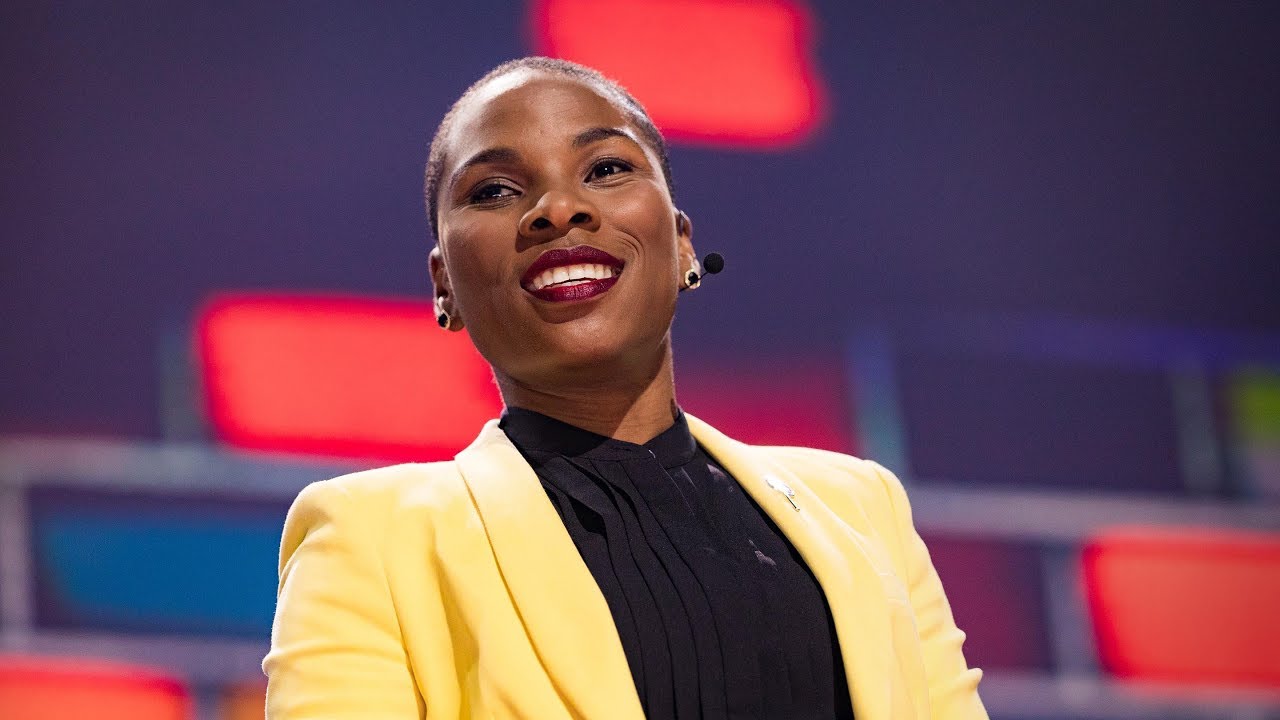
Louise Mabulo grew up on seemingly strange farming tips from her parents and grandparents — like planting crops during a full moon or burying a rock beneath them. Now a farmer and climate activist herself, she sees how these practical nuggets of wisdom actually have scientific merit. Learn how she's merging traditional knowledge with modern science to help farmers (and the world) adapt to a changing climate. Countdown is TED's global initiative to accelerate solutions to the climate crisis. The goal: to build a better future by cutting greenhouse gas emissions in half by 2030, in the race to a zero-carbon world. Get involved at https://countdown.ted.com/sign-up Learn more about #TEDCountdown: Twitter: https://twitter.com/TEDCountdown Instagram: https://www.instagram.com/tedcountdown Facebook: https://www.facebook.com/TED Website: https://countdown.ted.com If you love watching TED Talks like this one, become a TED Member to support our mission of spreading ideas: https://ted.com/membership Follow TED! X: https://twitter.com/TEDTalks Instagram: https://www.instagram.com/ted Facebook: https://facebook.com/TED LinkedIn: https://www.linkedin.com/company/ted-conferences TikTok: https://www.tiktok.com/@tedtoks The TED Talks channel features talks, performances and original series from the world's leading thinkers and doers. Subscribe to our channel for videos on Technology, Entertainment and Design — plus science, business, global issues, the arts and more. Visit https://TED.com to get our entire library of TED Talks, transcripts, translations, personalized talk recommendations and more. Watch more: https://go.ted.com/louisemabulo https://youtu.be/SCWFVd_FiAU TED's videos may be used for non-commercial purposes under a Creative Commons License, Attribution–Non Commercial–No Derivatives (or the CC BY – NC – ND 4.0 International) and in accordance with our TED Talks Usage Policy: https://www.ted.com/about/our-organization/our-policies-terms/ted-talks-usage-policy. For more information on using TED for commercial purposes (e.g. employee learning, in a film or online course), please submit a Media Request at https://media-requests.ted.com #TED #TEDTalks
Оглавление (9 сегментов)

  1. 0:00 Intro 93 сл.
  2. 0:43 Grandmas advice 244 сл.
  3. 2:10 CAU Project 84 сл.
  4. 2:42 Training Farmers 80 сл.
  5. 3:10 Planting according to lunar cycles 145 сл.
  6. 4:03 Insect flight and reproduction 92 сл.
  7. 4:47 whistling for wind 57 сл.
  8. 5:10 what if 107 сл.
  9. 5:48 the next big fix 162 сл.
0:00

Intro

When I was a little girl, my parents would take me outside and show me all the incredible ways that they would take care of our land to produce good food. And I would begrudgingly follow them out and listen to the stories that they had to say. And their pieces of advice would range from totally rational and practical to absolutely bizarre. For example, my grandfather would say, "Hey Louise, if you want to plant good root crops this season, what you should do is plant some rocks underneath your sweet potatoes."
0:43

Grandmas advice

And I would look at him and be like, “OK, Grandpa, sure. I totally believe you.” And my grandmother would say, "OK, to have the best harvest of fruits from the fruit-bearing trees this season, you want to be able to plant according to lunar cycles. You want to plan towards the full moon and never towards a new moon." And I would look at her and say, "What?" And my dad, most bizarrely of all, would say, "If you want to sift rice or cocoa nibs to get rid of all the dust, the best thing that you can do is to whistle a certain tone to harness the wind." And I'd be like, "Dad, like airbending?" (Laughter) "OK, sure." So as I grew up, I would ask them, "Why? Why do we do all these weird, strange things," right? And my relatives and my family would come up to me and be like, "Louise, here's the thing. Your grandparents are kind of crazy. So this is just traditions. You don't have to think about it. It's fine." But my work has put me at the frontlines of the climate crisis, working with communities and farmers to build resilient agroforests that really react best to the intense super typhoons that we experience. I established an initiative called the Cacao Project, which works to build these resilient agroforests and work closely with farmers to understand how we could best steward our ecosystems and landscapes.
2:10

CAU Project

And over the years, I've been able to really do my best dream job, which is make chocolates for restoration. And I have the best job, I know. I get to eat chocolates, talk to farmers, live on the land and have such a good life. And we look at the ways that we can marry practical, traditional knowledge techniques with modern science and know-how, so that we could really put a spotlight on those simple, practical solutions that react effectively to climate change.
2:42

Training Farmers

Now over the years I’ve trained with farmers, and we make sure that learning is a two-way street where we listen to the stories that they have to say, but also be able to teach them regeneration. So very simple concepts, like putting more carbon back in the soil than we take from it, or maybe planting the crops that are suited to our ecosystems and our landscapes. And even propagating the life that strengthens our forests and our trees.
3:10

Planting according to lunar cycles

And as I was talking to these farmers, these crazy stories started resurfacing, and I said, "OK, hang on, hang on. Maybe they're on to something here." So together with our farmers, we started kind of trying it out. OK, let's plant some rocks here and see what happens. OK, let's plant according to the lunar cycles. And for some reason, every single time that we would do that, it would work. When we plant rocks under sweet potatoes, they were better, sweeter, just more delicious. Every time we planted according to lunar cycles, we'd have delicious harvests. And I thought, maybe, what if all of these weird stories are just kind of decades of peer review that has passed down from grandmother to grandson, from father to daughter, in the ways that they best knew how? And maybe Grandma wasn't so crazy after all.
4:03

Insect flight and reproduction

So I quickly learned that lunar cycles were actually tied to insect flight activity and reproduction that made better pollinators, so more fruits. It was tied to irrigation and water patterns. And I thought, wow, that is so cool. So my grandmother had a point. I digress. It turns out planting rocks under root crops, it meant that you were just actually making better drainage, but also it was creating this inviting ecosystem for worms and little creatures to live under. And they were just natural fertilizers. So, awesome, Granddad was right.
4:47

whistling for wind

And whistling for wind, well... I wish I could give you a scientific explanation. I have no idea how that works, but every time I ask my dad, “Can you bring me out to a field and whistle?” a light breeze would always seem to blow. And it was magic. I was like, what is this sorcery?
5:10

what if

So what if all of these invisible pieces of knowledge are actually keys to how we can best curate our stewardship to our landscapes, how we could best create resilience in our ecosystems and forests to react better to climate change. And all of this knowledge exists in countries and communities, and traditions and stories within our families. And as a young person who works in the environmental field, I think it is so cool to have that kind of responsibility to carry this knowledge on to the next generation, to transfer this information over into our modern age and be able to articulate why they work.
5:48

the next big fix

Because maybe the solutions to our climate crisis, maybe the next big fix-all, isn't just this one big, amazing, sparkling solution. Maybe it exists in the soils under our feet. Maybe it’s in the wind that blows in the air or the sunlight that beats down on us. Or maybe it exists in the crazy, wild stories of our grandmothers. And it is such an honor to think that maybe these amazing solutions are actually an opportunity for us to build something that embodies the wisdom of our communities, of our families and of our landscapes over years and generations. And as a young person carrying that on, I think, wow, we have some exciting magic in our planet to offer, and hopefully we can harness that power and all this sorcery and secret bits of knowledge to do something really great with it in different parts of the world that curate our stewardship to our planet. With that, thank you. (Applause)

Ещё от TED

Ctrl+V

Экстракт Знаний в Telegram

Транскрипты, идеи, методички — всё самое полезное из лучших YouTube-каналов.

Подписаться