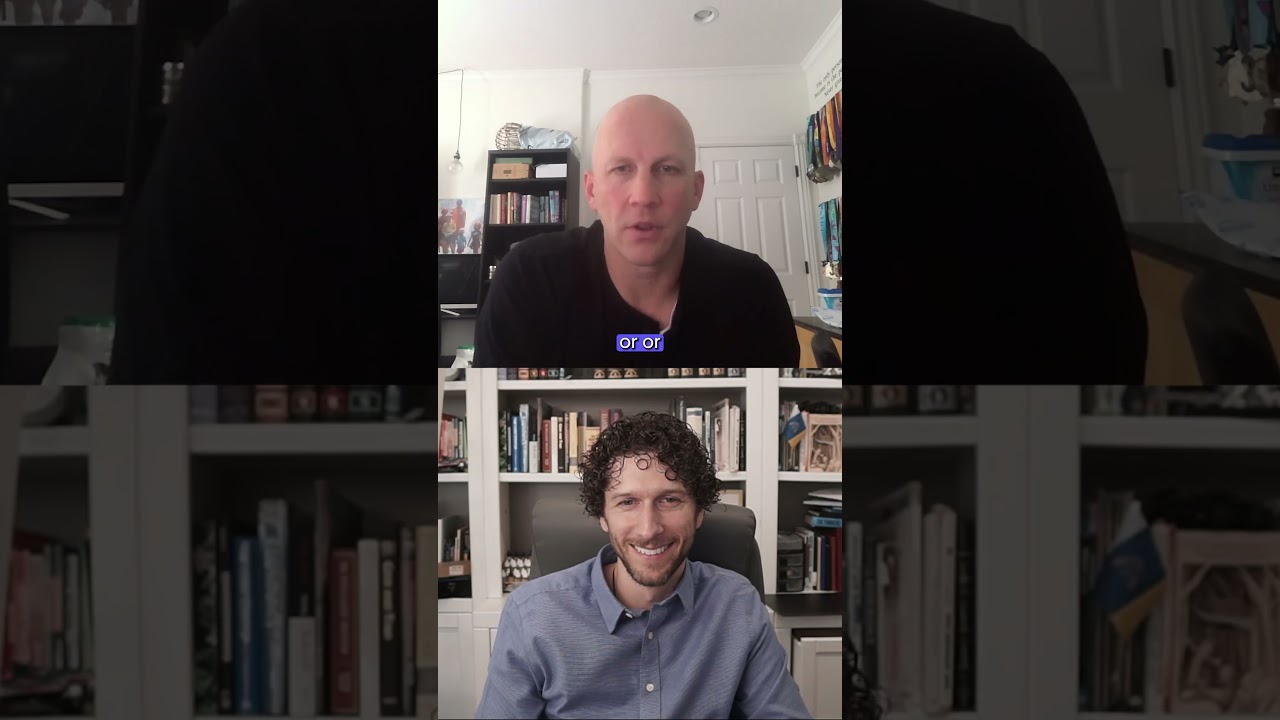
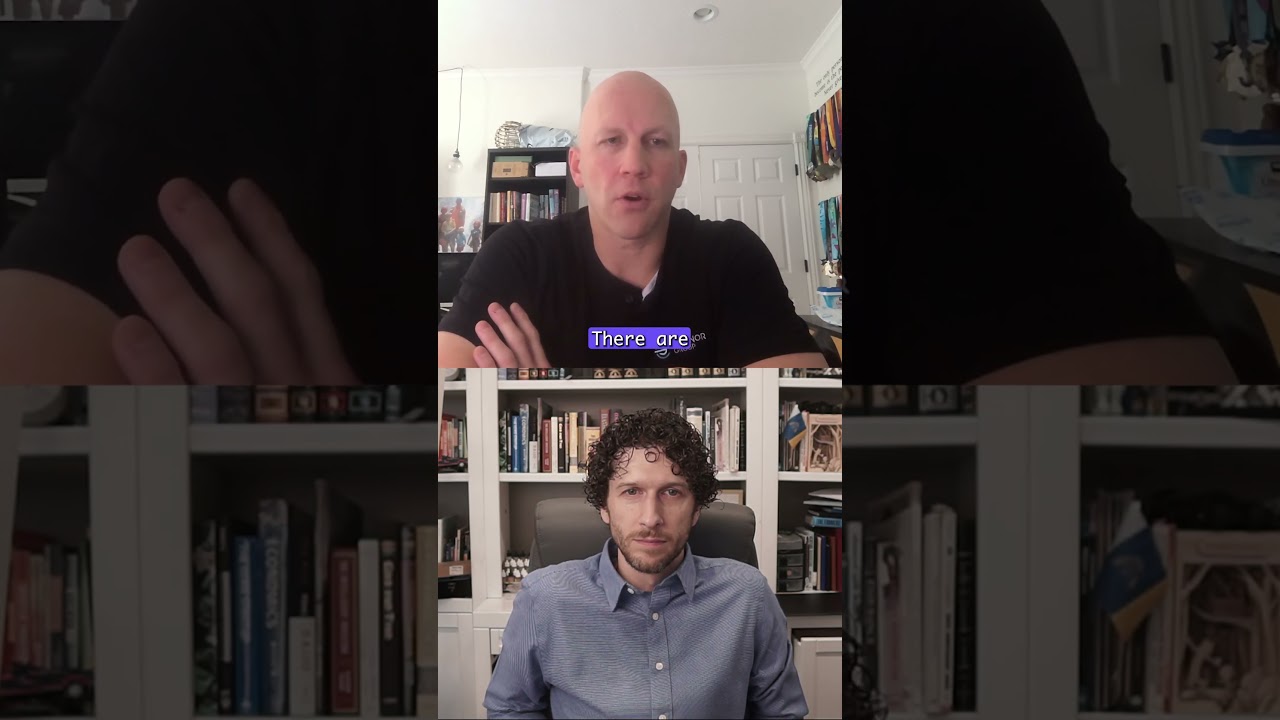
I think that you can see a lot of benefit already from um people leveraging the large, you know, language models to do things like write memos. There are um companies out there, there's there systems out there. If you're dependent on open AAI, right, or whatever platform you're using, um then what happens when they release something that just totally disrupts what you're doing, puts you out of business or whatever, right? Um, do you trust that they're like, you know, that they're utilizing your data in the way that they should? — All right, welcome to another episode of the Venture Capital Podcast with your host Peter Harris and John Bradshaw. Today we're joined by Derek Anderson, managing partner at Connor Group, an advisory firm comprised of big four and leading growth company alumni, helping growth stage companies solve complex accounting, financial reporting, and technology problems primarily around the office of the CFO. Derek led finance teams inside high growth companies and now partners with founders navigating critical scale moments. Derek, it's great to have you with us. — Thanks for having me. — I should also note that like Derek and I have known each other for a while. Um we lived in the same neighborhood for a little bit. So are good friends and I'm excited to have you on the show. — Thanks. Thanks for having me. Um it's been um great to see you guys uh kick this podcast off however many years ago. I I remember I grabbed um a few of the initial episodes you had, listen to them. I would say I'm like an on again offagain listener, but it's always interesting to me to see what's going on in the VC scene um and local VC scene too since we both live in the same area. — Well, we appreciate you being a listener. Um well so today we want to talk about accounting because you have a very unique uh viewpoint we'll say right working with CF CFOs of major companies um can you maybe talk a little bit about what Connor Group does and what your role within that organization is to maybe provide some context to our listeners before we dive into uh the topics for this said. — Sure. Yeah, absolutely. Um, so Connor Group is, as you mentioned, is a is an advisory firm focused around accounting and finance um, issues around that office of the CFO, but it really started back about 20 years ago in the Bay Area. And um, the impetus for it was when audit firms like the big four could no longer provide consulting services on their own clients. Um so you had big four firms like Ernston Young and PWC so forth um who suddenly found themselves in this position where they couldn't do this work for their clients helping them go public helping them get through major milestones from a technical accounting perspective as well as a lot of other um areas like systems and operations um in accounting and finance. And so the firm um started out as this independent um you know kind of Switzerland um firm that doesn't do any audit, doesn't do any tax, really just focuses on how do I help a controller or a CFO um and initially was focused around a lot of IPOs um drafting the S1, helping companies go through that process um and then it it expanded into process improvement um internal controls and um operational accounting and finance. of setting up the best practices around how to improve the month-end close process, how to um get through, you know, your revenue cycle, order to cash, procure to pay, uh make those more efficient um and really take companies really all the way um starting from, you know, ground up, angel or seed, all the way through to an exit moment, an M&A, a an IPO um and helping companies uh turn into a more modern um more uh robust accounting and finance function. Um we also do a ton of system implementations. So um we like to say that we are accountants who love systems. Some systems implementers are um come from a background in IT or background in operations. Our background is finance and accounting. And so um when we implement something like a Netswuite or something like a point solution like a Koopa, we're doing it through the lens of someone who's who's served as either a controller or accounting manager, finance professional, CFO, those sorts of things. Um so that's who we are. And we've done a lot of uh really exciting IPOs. We took um companies like Uber and Spotify, Lyft. Um we've worked with um Palunteer, a number of pretty marquee companies, and we're um in the major IPO markets like the Bay Area and New York, but we also have pretty strong presence in some of the um smaller but hot um startup scenes like uh like Utah. Um Southern California has been a good place for us as well and we're still growing as a firm.
Segment 2 (05:00 - 10:00)
— Awesome. And if I remember correctly, you work with in particular like you work with a lot of early and growth stage companies helping get those systems set up right at the beginning so that by the time they have an exit event everything's put in place correctly, right? — Yeah. We'll work with companies I mean it's kind of interesting. Um every company has a different journey that they go through to you know whatever they get to if they get to an M&A or an IPO. Um, but we do often times get in these companies that are really hyper growth and sometimes they're going to move quickly even after they get initial um, rounds of funding — and so usually if that trajectory is um, quick, we will we'll find ourselves helping them get through an audit, helping them get through, you know, preparation for um, M&A or even helping them integrate with companies um, when they buy um, a new company to fold up inside their portfolio. and um and we'll help get those companies um modernized and aligned with that parent company. Um we uh on the I guess to the point of early stage companies what we like to do is we always like to have a conversation begin you know working with companies early stage and at the very least you know be a coach or be a sounding board for the CFO and controller and um oftentimes they may be looking at what's most important in front of them. may not be having the world's best, you know, re revenue recognition policy, but we can still give them the kind of best um advice they need for that stage in their growth cycle. And then when they as they kind of mature up, they can start to add um add to that. Um, but it's we found that if you start off on the right foot, you're better you're going to be in a better position when you go public, when you get acquired than if you go and you build up a ton of of, you know, bad processes, bad revenue policies, bad, you know, systems. Um, because then you have to go and unwind those things and kind of clean them all up and it gets really expensive. — Yeah. Absolutely. — How expensive? — We make a lot of money off of how expensive it is. I mean, that's the reality. — I'm not asking your fees. How just how expensive is it when people mess this up? — Um I mean, you know, we will have companies obviously it depends on what they're trying to do. If you're going to get acquired is less expensive, right? Because usually the you're not having to build out socks and um some of those things that you would do as a public company. But I mean it's it could be millions of dollars of avoidable fees. You're probably still going to spend a lot to go through an exit like that. and you're going to spend it more just more than just on accountants. You're obviously going to be spending money on investment bankers and attorneys, but um you'd probably avoid yeah in the millions of dollars in accounting fees um if you got it figured out earlier. There was um in the in kind of the boom of the 20 kind of end of 2020 20 to 2022 year of like this crazy what a thousand IPOs or something if you count the spaxs during that period. Um, I had one client really interesting one and I I'm always careful to not share specifics about what client names, but I had a client that was really interesting because we did a lot of of IPOs that were really messy and, you know, racked up tons of fees. They weren't prepared. They pushed it out really fast. But there was one really distinct one that I remember had this awesome team, really impressive chief accounting officer, really impressive controllers, FPNA team was really good, too. And it was like this funny thing where they still hired us and we didn't really do that much. We didn't have we only made you know I don't need to say how much we made but we didn't make that much money because we were basically this just there as a you know an extra set of eyes on some things because what they were doing and how well they had prepared was so good that they really didn't need us that much. And it was fine because it was actually kind of fun. It wasn't as big of a headache for us. — Yeah. Well, there's a local a company that went through an IP an IPO and early on they didn't do their 83b elections properly, which I know is I think is not where you're at, but that cost each of the founders high six figures early on. — Yeah. I mean, that so the 83B is interesting because that can cost individuals money, too. It's not just a company thing. And but then, of course, people are pissed off at the company. It's like I mean it goes — well yeah but the company had to fund it fund them because as founders you often you don't have that kind of cash sitting around — right yeah um you know and what's funny about a few of those things is like what we'll do is we don't necessarily like we 83b has part of it's a tax issue right um and we don't necessarily come in and say we're going to own that piece of it but we're going to say hey guys you're you just started this company here are the things you need to be thinking about you know SAS companies start out orally any company starts out, they don't think about sales and use tax and then what happens is they move on and then it's, you know, a year out from
Segment 3 (10:00 - 15:00)
an IPO. Sometimes, in fact, just filing an S1, it flags it and states start to get, you know, really, um, they start to salivate when they see that. And so, they start to audit you. Um, and now you've got all these back taxes that you didn't know you owed in sales and use taxes because nobody ever thought it through and nobody ever asked the question and now you have terrible processes. you don't have the systems to support it and it just kind of spirals from there. So, I want to transition away, you know, some of that stuff, not because it's not important, but um — I want to talk a little bit about AI and as it relates to accounting because I think that's the topic of the day uh as it relates to accounting and finance. And since, you know, you're working with so many of these companies at the earliest stages and the growth stages, like you have this interesting seat where you're advising a lot of these companies on like what tools to use and and so on and so forth. And so I'm curious like what's actually being implemented right now and where's like where's where are these tools actually delivering value versus just a lot of hype? — Yeah. Uh, so I guess the the overarching kind of caveat about finance people and accountants is that I think they're really slow adopters. Um, that's one thing that I've noticed. It's been slow for accountants to really embrace um this stuff and I think it's just it's a function of their risk aversion. everything, you know, when you um when you go through and if going back to that point of going public, you spend all this time documenting your risks and saying here's like all the what can go wrong. So, I think people inherently just think like, oh, if I do this, I have this problem, I have this security issue. So, I do think that's that's the case and I've it seemed like it's been adopted slower than I would have expected. Um but people are adopting it. Um and I think the people who are are getting a lot of benefit from it. Um so I guess the question is what are they using? What are they using and what are they not using? Um I think that you can see a lot of benefit already from um people leveraging the large you know language models to do things like write memos. There are um companies out there. There's systems out there um that are um kind of like co-pilots that help people think through the accounting research. Uh one thing that is interesting is people will use that stuff as a crutch sometimes without understanding the underlying accounting principles behind it and they sometimes get things you know pretty wrong. Um, so it is still one of those areas where like I think anything in AI, it's like you if you've vibe code or whatever and you don't understand the actual um product, what it needs to really look like and what the code needs to look like, you may be um in for a rude awakening — um when you actually get it launched. And so but but that said um people who are like if I look at some of our technical accounting team, we have a really strong group of technical accountants. So this is the people who are doing the accounting research on how to recognize revenue um and uh equity things like that. Um they're really fast when they use AI. I mean they can punch through stuff really impressively um that just wasn't as possible before because you spent so much time in the documents. I think so I think that the anything that's document related I think is um trending in a good direction. Um, and there's a lot of different ways people will use that, whether they're using like something inside of an existing tool or it's a separate tool that they use. Um, you know, I'd say like if you use a a chat GPT or you know, whatever kind of your typical um models that are out there, those um you just you have to really second guess them um to know that they're hitting on the right thing. In fact, even like if I feel like anytime I draft something that I leverage like our internal tools that we use that are that are built on top of a chat GBT um just enterprise version, right? There's a lot that you have to sift through before you get to the right answer. — I like it's getting better. — Though I think it's getting better. I think it's also it also gets better when you can provide more context inside of it. So, like as we build, you know, um like personas or you know, we call them personas inside of ours of our systems, um it makes it more clear what you're actually the question you're actually asking. Um because you've kind of started to train it better. Um I think also company data is is a cool one. There's some tools out there that — will pull in like your Netswuite data or pull in um on a private environment. they're not and it's not going to — anybody but they'll do that sort of thing and that's also pretty
Segment 4 (15:00 - 20:00)
powerful. Um — but I think that there's still that like limit to the user to interpret what they're seeing. So like in the case of like there's there are these um systems like Flowcast which help companies uh run their monthly close and there's a bunch of different ones. Um Black Line's a popular one, Numeric's a new hot one. And um when they when you use them to do a flux analysis, so you're trying to understand like the movement of how did accounts receivable go up over this period or what happened with revenues, they're going to um they're going to have the data because they're plugged into the system. So that's good. And they're going to try to make a take a stab at explaining what happened. But the problem is if like what actually happened was the wrong thing, they'll still explain it. They'll say, "Oh, here this is what happened. " That doesn't mean it's the right thing. And that doesn't mean that when you read it, you should just say, "Okay, well, there's the explanation. It's good. It financial statements make sense. " They may not actually make any sense at all. — Yeah. — But still saves you a ton of time. — Yeah. — It is interesting though because I think there's been a lot of push back from people that say, "Well, AI is like really helpful, but it gets these things wrong, so you have to second guess it. " But I feel like the number of things that's getting wrong is smaller and yet people are still like, "Oh, it's no it'll never be like a real thing. " And I think that's a little bit of denial because I think it's we get there. — Yeah, I would agree. totally agree. Um although like I have this belief that I've shared often with people that I think that the this like insatiable desire for improved financial information will always drive people to continuously improve, right? So if like you know Meta has the best finance team in the world um because they're leveraging their own AI they built, Google's doing the same thing. And so Google is going to uplevel. And then, you know, every small company that's kind of trying to disrupt them is also going to try to uplevel. And so you're always going to have some role for a finance professional to improve the process to quality, you know, to the to QA it. Um, and so that's my like I'm the glass half full guy on AI. I'm not the like the doomsday predictor. Um, — so — I was a little surprised last night in prep in preparation for this meeting. I was trying to see how smart uh AI was with math. So I went to Claude and to chatbt and I uploaded uh a loan document and the last statement for like a revolving line of credit and I said tell me what my next uh monthly interest payment is, you know, estimate it. And it was way off by a fact a magnitude of 2x. Ben. — Yeah, take a the math is definitely a weaker spot. — Great. — Sorry. Go ahead. — Some sp in some areas it's phenomenal. — Yeah. And I think it's like there's also the question of do you want automation or do you want AI? And sometimes you know AI you can think of it as a as a component or part of automation but like — you can automate processes you can have the math done correctly by the system without it having to use anything like probabilistic about you know from the AI models and sometimes that's like sometimes when people say I want to — use AI in my company what they actually mean is they just want to automate things better and there's plenty of things that are like lowhanging fruit that are jobs no one really wants to do anyway. okay that you could automate. In fact, some of the best companies I think you know maybe like you know just thinking about clients we we've we have a lot of um clients who are um you know high growth companies and uh I would say actually some of the best ones are the AI companies because they're trying to eat their own dog food. But I have one client where they've automated I don't know he claims 80 plus percent of his journal entries are automated. Um, and I think if you actually look at what those are, it's because it's high volume, um, low complexity, doesn't require a lot of judgment to do it. — And it's great. — Yeah. — Well, and I would imagine that over time you tap into more data sources, you get better accuracy on that sort of stuff, right? I mean, like it's just a lot of lack of context at the end of the day. And so as you feed more context into these things, — you can solve for those discrepancies. — Yeah, I totally agree. — And I think the context question is interesting too because and I know maybe we'll we might get into this a little bit, but um if so you asked the question earlier, what is actually working? What are people actually doing? So some of these systems that were designed kind of post AI like um you know uh AI native as they say um that are new ERP systems for example there's
Segment 5 (20:00 - 25:00)
there's some of those out there like a campfire or type of a system — they um because you're already building your and especially if you're like if you're a brand new company this is I think great for this audience for the VC audience you just started a company you can go straight on to something like that or fairly quickly Maybe you initially started on QuickBooks or something, but you could go on to one of those and you're building into your process from day one. You're building agentic workflows into it. You're building um the way that you run reports is like very um it's you can use just text prompts and say, I want to run a report this I need this. Oh, I didn't get this department field. Please add the department field. And you can kind of start to train it on what things need to look like um from day one. you don't have to go back and like retrain it after you're already, you know, I don't know, hundreds of millions of revenue. I think that's probably a really interesting place that this goes. It's the newcomers that they can scale up these teams with a leaner team potentially and a and a team or a team plus system that actually understands their context, what they do for business. — Do you where do you think like the opportunities are? Is it you know an agentic? ERP is it, you know, agentic auditing, what like where are the opportunities right now that you're seeing? — Yeah, the So, um, Agentic ERPs are a big thing. There's a ton of money going into the I mean, if you looked at the funding rounds, they're they're big. They're big players that are putting money into these companies. — I mean, they're insane market sizes, right? I mean, — you look at Netswuite, you look at some of these players. I mean it's it is the central source of truth for an entire company in a lot of ways right so yeah uh so I do think that's a big area um but um all the other players are adding AI or they're leveraging thirdparty tools they're using like integration software like Boommy and Ricado to um handle one automations and integration ations but also they they'll use it as a place where they can build agents as well. — So you know to some extent those will exist in in larger platforms as well. — Um I think you were oh you asked about auditing too like where it's — well not just auditing I'm just curious like what are you seeing that you're like that's going to be huge right or that's adding a ton of value or could potentially add a lot of value in the account. I yeah I I really like the ERP u play. I will say this like the way I viewed this and the way we're viewing it internally as a firm is that we really like what they're doing but they're all like we know that they're learning as they go and so a certain amount of like patience needs to be um applied and internalized. Um and also knowing like who's going to win. I don't know who's going to actually win. And there's probably multiple winners, but you but learning the process of building like agentic workflows into your um finance and accounting team is probably more important than knowing like it's this specific system that's going to win. So, but I think in general th those systems are probably going to go a long ways. Um and they they'll actually what's interesting about them is that um they're building inside of them, they're building close management tools as well. So there's like a lot that they can expand outward from if they if they make their place like the central source of truth. Um then they're going to probably be able to um do things that some of these other point solution systems are doing as well um over time. But you could say that and then you could say going the other direction you'll have um there's companies are so sticky on a tool like a flowcast or a um whatever you know whatever product they're already on um that they'll it'll they'll already build on top of that system as um a ton and they may not like because of that stickiness of having all their processes built around it they may be um unlikely to leave those systems because they already if they build the jet workflows inside of those I'll just keep them. — Um, so — so do you think ultimately then that the Flowcast, the Netswuite, the Quickbooks are they — are they I mean they're clearly vulnerable, but do you think like ultimately like they'll get disrupted by these new players or do you think they figure out their AI story and products fast enough to fend off the these new uh new entrance? Yeah, I mean I guess what's interesting if you think about like Netswuite, Netswuite is
Segment 6 (25:00 - 30:00)
owned by Oracle is essentially an Oracle um — child when it was even started, right? And so my guess is there might be some larger strategy those guys will have anyway to, you know, figure out how do they keep themselves relevant. Um, but Netswuite is still a really good system and all of these other, you know, like whether it be like a Boommy or Wiccado, right? They're and Flowcast, they're already so um embedded inside of Netswuite that they're going to continue to innovate so that they can stay relevant, which then Netswuite will try to hold on to those clients and those or those customers. Um I think that there's that that joke I think they say that no one ever gets fired for um implementing Netswuite or implementing Oracle or implementing SAP. And I think like that's probably still going to be true for a while because there's still complexities that are in some of these larger businesses that the early stage um ERPs can't quite do. — Like they still struggle with inventory. They're getting better at that, but they still struggle with that. anything that's like hard goods, which I mean, interestingly enough, is it way more in vogue now with AI. You've got all these chip makers and all these different I mean there it's way more hard goods than it used to be. So, I don't know. I feel like they're going to be okay, but it might just be it might just take a long time. And if it takes if there's enough time, then they'll have time to adapt or have another platform that they can roll into it. Yeah, — it is tricky though to re like they can't rewrite the code. I think it's like Netswuite's already been around too long, you know. — Go ahead. Sorry, Sean. — The ERP space is interesting from a VC side — because the switching cost is so high. So, like if you're looking at deals like Peter, you could see like an absolutely phenomenal product. I bet it's still extremely difficult to get adopted if you have to if it doesn't integrate with an existing ERP. Yeah, I I agree. I think the other thing that's I think the stunt cost fallacy also hurts companies um when they think about switching ERPs. Um I had a client that um had about $12 million remaining to spend on the completion of their SAP implementation and they kind of like got certain business units, certain products, aspects of it on it. And then they had another system they were using. And um we looked at the business and said, "Do you really need SAP? SAP is a great system, but do you really need SAP for what you guys do? " I don't know that they actually do. — Um they could implement other systems for a lot cheaper. And the total they could redo everything for a lot cheaper than that. um and um but they don't actually want to do it because they've already invested however many millions tens of millions into SAP that then switching and going say to like Netswuite or say to what you know I don't know a Microsoft Dynamics product um that feels like something they just can't swallow. Um so I think that might also impact what companies actually switch to um to some of these newer ERPs. I think the greater potential it's the next generation of companies. Those are the companies that probably use these tools more. — When what I look at and Peter and I have talked about this like what's the future of the CRM and the ERP space. I think one of the challenges as you have in SAP is I think what there's so many features that most companies probably use what 10% of the actual features — and so you're paying for all these other features you don't get. And with vibe coding and how good that's becoming, do you see that as a real threat to the space? — Yeah. Well, um I think it's happening a lot. I've seen it uh in a personal family connection business where they just get fed up with what's out there and they just build their own system. Yeah. — And they do it in four months. Part of the challenge, right, has always been you buy a product that's like gets you like 80% of the way there or you overpay and it's bloated and it's complex and hard to use and you actually have to hire a firm probably like Connor Group to come in and like customize it for you so you actually can like get use out of it. Um, and there's like whole industries, we've backed them, some of them, right? Like, uh, Simplist that did a lot of that work for Salesforce implementations and so forth. — Yeah. — And now it's like, do you just whether you vibe code or build it yourself or there's a company that gets you from like 80% as good to like 95% as good, you know what I mean? And they only have like they don't need to have a huge market because their cost to build and deploy is so low that
Segment 7 (30:00 - 35:00)
you know you just they can target a much tighter niche and still have a decent little business operating. I don't know. I feel like that's kind of a big threat to a lot of these large businesses that have tried to be everything to everybody. I don't know. What do you think? Yeah, I would agree. Um, the I guess the one area that I would maybe push back a little bit is if you're looking at needing compliance around specific like regulatory standards or whether that's like something that's around data security or um or if it's even like socks, you know, there's um a lot of these bigger systems have put the time in to get them, you know, socks compliant. Um and and there's an infrastructure around knowing how to validate and test them and prove that out that they're actually doing what they're supposed to be doing. Um so that may always draw a certain number of companies there because when you build a homegrown system then there's that question of like is it socks compliant? Um but for some companies they don't need that. They don't care. They're private. They're not you know maybe they're going to be acquired. Um and it does and it just doesn't matter. And I think that will be very viable for them too. And then you couple it with something you said earlier, which is that, you know, accountants move slowly on some of these things. And so, you know, I yeah, I can see how like it's going to be a relatively slow transition. You know, it's like they say the future's here. It's just not equally distributed and may not be quite as equally distributed in the accounting space due to slower adoption and regulatory and so forth. though. Um, I want to switch gears a little bit away from AI accounting uh tools and more just like how AI is impacting accounting and revenue models and pricing and some of the things that you're seeing on that side because um you know you get to look into the books and in a lot of these companies and see how that's changing. And so like one of the things that we've noticed recently is one of the big shifts in traditional SAS is people aren't signing up. It sounds from what we've heard anecdotally is people are not signing up for like three to five year contracts anymore. They're pushing to one-year contracts if they can. They're pushing to usage based contracts. And part of that, you know, is driven by the fact that a lot of these AI first platforms that have their own agents and so forth are really based on top of the larger model companies. And so they have to pay that tax back to those platforms. And so their cost basis is even more usage uh driven as well. And so they kind of pass it on. Um, is that what you're seeing is, you know, is kind of the anecdotal experience that we're having measure with uh with what you're doing? — Yeah. No, a ton of companies that we work with are dealing with usage based um contracts and uh um including we have a number of AI clients um and yeah that's uh definitely the trend and um you know there's like accounting peculiarities you have to work out for that too just like from a revenue recognition standpoint that's like what's the gap rule but then there's like the business implication of what does that mean to as a business, what's the value of that revenue the um and uh what's the value of the company which I think is what I think a lot of this audience on this podcast is really thinking about what do I need to pay for this — or what can I sell what I have for right — do you feel like how does that impact like quality of revenue — in your opinion — yeah I mean I think it's like it's it it's obvious that I think that the vulnerability like you have a couple of things you have you know kind of classic like you have a vendor concentration risk if you're using if you're dependent on chat or not open AI right or if you're dependent on whatever platform you're using um then what happens when they release something that just totally disrupts what you're doing puts you out of business or whatever right like every do you — right yeah exactly yeah um do you trust that they're like, you know, that they're being um uh that they're utilizing your data in the way that they should? I think sometimes people will use will work with different providers to try to address that. Um and so I think that like that has to impact the quality of the revenue, right? Um, and then I think you made the point earlier about you're paying a lot of money back to them. So, it has a potential um downward
Segment 8 (35:00 - 40:00)
compression on your margins over time, right? That like maybe with a traditional SAS you expect to have upward margin um you know over time as you service it. Um this like if this could definitely be a risk of the the revenue um just having lower margin over time. I think the other part of it is I mean the beauty of SAS is you've got to lock in like three years of revenue you know and have visibility that — yeah predictability — predictability and like that — I mean it was the confluence of like all the things we've talked about right it was like high margin locked in for long periods of time high switching costs not beholden to anyone else's platform really because uh what you you probably hosted on AWS, but you had three other very strong legitimate options and so like kind of commoditiz cloud is kind of commoditized at this point. — Um and now like I you know it's almost like you remove all of those advantages. Um and I don't think the revenue is anywhere near as high quality it used to be. And I'm I think that's part of the reason why or maybe the biggest reason why SAS stocks in the public markets are down so much is everyone's looking at them and saying you had a beautiful amazing business model, but the future doesn't look as rosy anymore. — Yeah. No, I think I think it's fair and I think some of the companies that I've seen that are doing a good job around that is like they create they find a way to really create that stickiness. Maybe it's because the way that they've — deployed AI inside of what they're doing um that that creates that stickiness to the customer because they're getting so much benefit from it being trained or benefit from it being, — you know, their you know, really their co-pilot um as they work with that software. Um, I think that's one thing and I honestly I do think some of these companies where they've been smart is like um figuring out how to build out their team um in such a way that they're building into the process all you know the agentic workflows what for whatever like for doesn't need to be finance it's like any part of — your software development your operations in general right if you can build that in upfront then that's going to help you on the cost side which then just yeah that'll improve your margins. — Yeah, I think — like I've been shocked actually. There's there have been some interesting companies that like I would have expected they're going to spend you know like they're going to be much more generous with their spend. Um like there was this period going I don't know you know 5 10 years back where like you hear these stories and we even saw them where a SAS company private unicorn type of company would just spend crazy amounts of money on just crazy stuff right you'd see you hear like you see the articles people would write up why you know why did this company do this you know crazy spend and I think some of these companies are much more um they're they're much more conservative um today. — Yeah. — I'm curious, what does this mean for all of the companies that are sitting wanting to go public in your opinion because I mean you Connor Group works with a lot of these companies that are kind of in pipeline. Feels like last year there was everybody was excited that we were going to have a bunch of companies go public and then we got tariffs and we had a government shutdown. Um, all of that's a little bit behind us. Uh, we've had a few companies go out, but there's still, you know, a huge backlog of companies that have wanted to go out for a long time. Um, does that backlog still exist? Are those companies in a tough spot at this point? What are your thoughts on that? What are you seeing? — I It seems like there's still a heavy pipeline from what we're seeing. Um, and there's already like the run rate this year is already pretty high. Um, you know, there's traditional IPOs and there's like the spaxs too. Um, but the total — uh year to date um is already pretty high. So, I think — I feel like it's probably still going to happen. Maybe because there's just so like there's only so long that you can really wait. — Um so many years of pent up, you know, frustration and demand that eventually people are just need to do it. — But the ones that have gone out, I mean, maybe this is too anecdotal, but like I don't feel like have done particularly well over the last 12 months — in the public markets, right? So like if I'm sitting there as a enterprise SAS business with call it probably at
Segment 9 (40:00 - 45:00)
least 200 million in ARR to be you know have the potential of going out. Um I don't know like I'm watching some of my peers that have gone out you know you look at like a Figma that's down 80% from its IPO. — Uh and that's like a worldclass SAS business in a lot of ways. Um, I don't know. I'd be thinking like I do I want to go out do or would I rather find a buyer? And if I don't have like an incredible AI first story, does is there even any oxygen left in the room? You know, is there any capital left to really buy, you know, invest in my company or is all flowing to OpenAI and Anthropic and Grock? Yeah, I this is interesting because part of it's like I can react to it if you if you're talking specifically about like a SAS company, but then there's all these other companies that we're also seeing that aren't only SAS or aren't even SAS at all. They're like heavy defense there huge defense tech companies, right? There's huge um I mean SpaceX what they're going to be a like they're going to build data centers on you know on meteors or something. I don't know what you know they're gonna — we'll see — the XAI. Yeah. I mean so there's like there's all these new frontiers. There's all the infrastructure um the picks and shovels companies in the AI space. So, it's hard for me to say like would IPOs in general go down? I don't or not be as big as we expect. I feel like there's still a lot of those companies that are doing it and they have good reasons to because they are the picks and shovels. — But then it's the question of like the non-picks and shovels, the AI companies, the ones that are SAS that are trying to adapt in that world. How many of those will work out and go and how many of them won't? I don't I mean, yeah, I'd love to. I, you know, that's why I'm I don't invest uh in the stock market. Um like I'm not a I'm not an investment banker. I don't do anything like that because it's I think it's so hard to figure out what's actually going to work. — Yeah. Feels a little bit like a lottery sometimes in the public markets, right? It's hard to get where sentiment is leading. But then you've got that other thing that I think plays into is just that that the cap table has to turn that you have to like you have to eventually investors aren't just going to stick it — they need some sort of liquidity at some point — and yeah they'll take haircuts if they have to eventually they don't nobody no venture investor wants to take a haircut but at some point their LPs put a gun to their head and say give me my money back Right. So, — yeah. And even like E, like you have a bunch of these like these companies that went like they were public and went private or maybe they got purchased by PE, but the PE involved is not going to like you just know they're not going to be holding on forever and they if they don't have a viable path to selling to another PE because they're already too big or if they, you know, they're not really a good target for a strategic buyer, then they kind of end up just if they want to still be a business. If they believe in the mission, if they have a real core business, it's a it's something that they believe in and they've got customers, I don't know, why not just do it? — So, in the last few minutes we have I want to talk a little bit about um like what's your advice? Let's start with let's start with uh founders. What's your advice to founders right now? Like how do they navigate uh everything that's going on particularly from like a finance and accounting perspective? Um well I think I go to try to think about modern like a modern accounting and finance team as early as you can. So try to build the workflows, the you know a model to train your um what will ultimately be your systems and processes on um your context, what types of transactions you do and what do they mean and kind of build that like muscle memory up as early as you can. And hopefully that will be leveraged by using good systems to do that using some of these AI forward thinking systems. Um I think that's probably one thing. Um of course so yeah so I'm going to buy be biased and say yeah from a finance accounting lens is try to get that figured out as early as you can. Um, I would say at least be aware like, and this is not something that I would, this is advice that I would give
Segment 10 (45:00 - 50:00)
anytime 10 years ago, whatever, you know, before any of the AI hype. Um, be aware of what issues can pop up as you grow. um whether they're like a tax issue, whether it's like a technical accounting issue, what you know, how revenue is supposed to be recognized, whether you whether revenue is truly a um gross revenue versus net, you know, um from a gap perspective, understanding what that could look like and where at least the issues are. And if you can't actually do all the analysis and you don't want to um figure that out early because you're more focused on cash, cash burn, that sort of thing, that's fine. but at least be aware of them and just put them in a parking lot and say these are things I'm really going to make sure I keep them on my radar. Um because then you know then you'll know when it's the time to address those and and kind of pivot to them. But companies that just don't even think about those then they catch them off guard a lot later. — And then — and maybe then I think on top of that is think about what issues like the vulnerabilities to any of your you know you mentioned quality of revenue like think about those things early on too because of AI. What's the thing that VCs should be asking when they're evaluating companies today that maybe they're not, — especially as it relates to finances, right? — Yeah. You know, I mean, I this is a tough question because I feel like there's so many smart VCs that will say, "No, Derek, we've all thought of this before. " So, maybe I can't say it's the one thing. Um but I what I would how I would react to that is I'd say — um so there's this like a lot of people talk about um investing in founders as opposed to investing specifically in the idea or the business itself. And I think there's truth to that as it relates to how do you handle this like chess game when it moves because it's moving quickly and maybe more quickly than it used to. And so you need to figure out like how good are you at saying, okay, this is my business model right now. If we change this, then what like then here's the three scenarios that could play out. And if kind of like game theory, if this happens, then what do you do? If this happens, and kind of challenge yourself if you're a founder or VC to like think through those questions with the founders um and how that imp um impacts their business, how it impacts their the financials um as well. And so that's probably what I would say. But I think you guys are doing that a lot as it is. I just think that the pace that you have to do it is faster. I think it's really challenging because most companies can only really do one thing well for most of their life. And yet in a world of AI AI, you kind of need to be super adaptable. And so you have this tension of building out for adaptability while simultaneously trying to stay focused and not get distracted and pivot too often. Right? So, it's a it's an interesting challenge that I don't think um companies have ever had to really deal with uh to the extent they do today given that speed of change. — Yeah. And you know, it's funny. I think that this is like one of those things. It's an advice for companies and it's like an advice for us in as individuals. Um, and like when we talk to our people inside of our firm, people and those some of those people are leaving, they're going into roles in in um industry and finance and accounting and it's like you may think, okay, I'm going to be the world's best, you know, person on understanding how to do this in Netswuite or maybe it's one of the new platforms. It's — Capfire. — Um, don't do that thinking that that's like you're going to know that thing forever. know what the it's like the question of are you a company that like if the company that was the typewriter business did they think they were in the business of being a typewriter or were they word processing you know getting documents out whatever you want to call that actual business so think about what that is learn the skill of agents learn the way to think through these things but then as it kind of adapts you have to be adaptable as well — absolutely well Derek thank you for joining us today it was a really fun conversation felt like I learned a lot so um Thank you. Uh if uh — yeah, thanks for having me guys. — If people want to continue to follow kind of your work and Connor Group, where can they find you? — Yeah, they can find me on LinkedIn. I think it's Derek JL Anderson. Um S O N. Uh Connor Group, Connor Cnp. com. Um so feel free to connect um LinkedIn uh reach out uh and uh yeah, I would love to I'm pretty I'm a pretty open networker. I like to talk to people of all different walks of life. — So, you heard it. If you need free accounting advice, reach out to Derek. — Exactly. Yeah. Exactly.
Segment 11 (50:00 - 50:00)
— All right. Awesome. Well, thank you. Um, — please comment, like, subscribe, and review, and we'll catch you at the next one. — Thanks, Derek. Thanks, Peter.