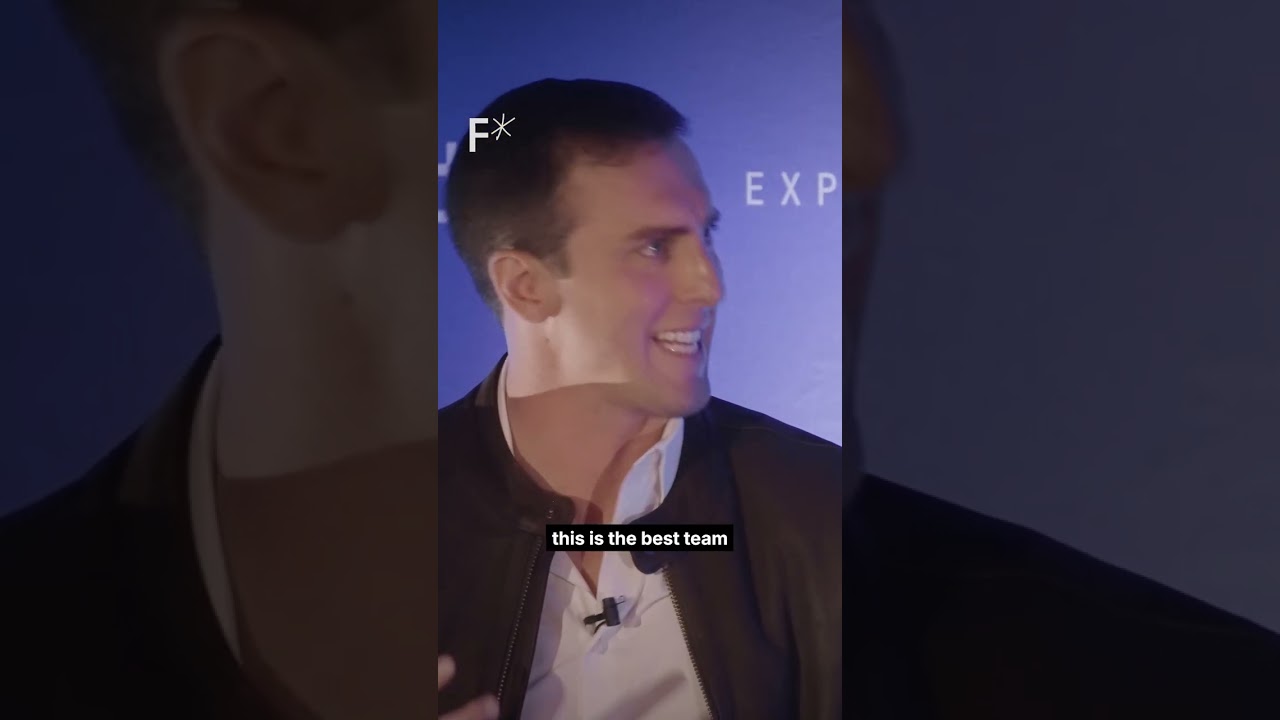
The next 10 years won’t be about AI knowing, they will be about AI doing | Adam Cheyer

The next 10 years won’t be about AI knowing, they will be about AI doing | Adam Cheyer

Machine-readable: Markdown · JSON API · Site index

Поделиться Telegram VK Бот
Транскрипт Скачать .md
Анализ с AI

Оглавление (3 сегментов)

Segment 1 (00:00 - 05:00)

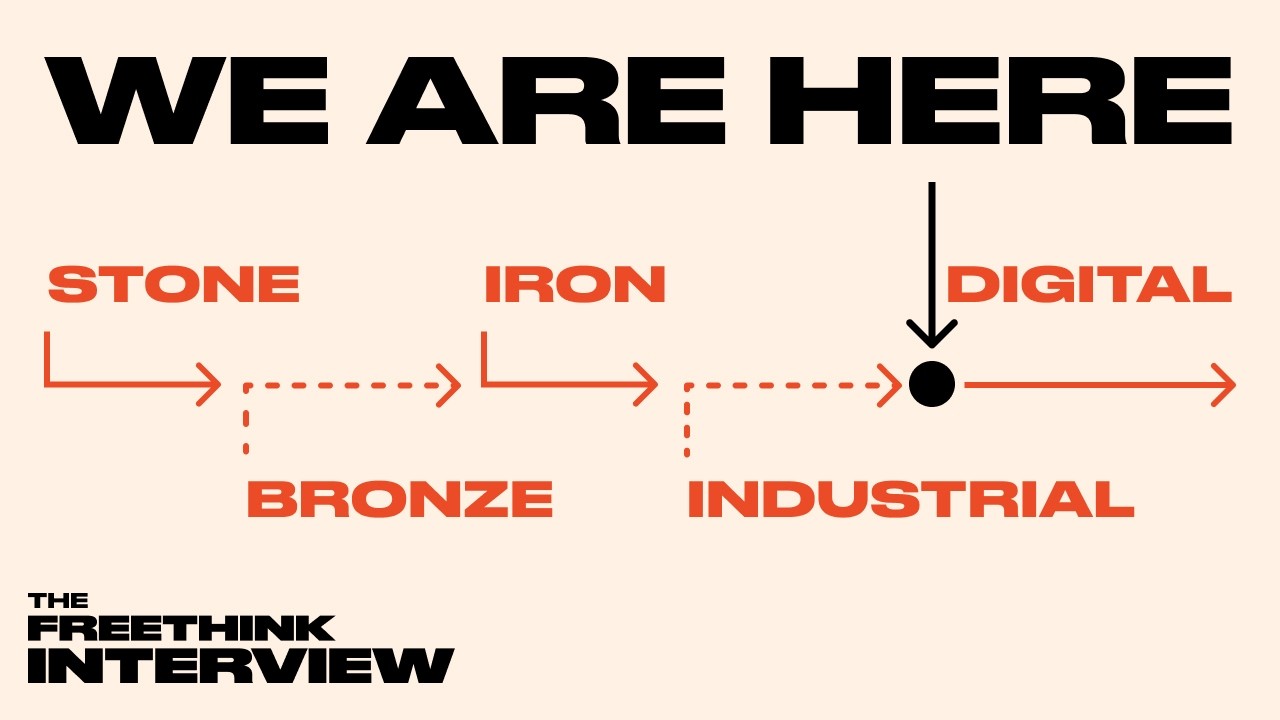
Everyone's like, is super intelligence going to take over everything? Well, AI today is like the internet say 95 or at the HTML when it was just the blink tag. It knows a lot, but it needs to evolve in the doing side. And we need an ecosystem where everyone's needs are met. And so for me, the next 10 years is not about super intelligence. It's literally about how this tool like the internet evolved in richness doing ecosystem. This is an age where we can really come together and work through the biggest problems with the help of AI. — Early days, you're a founder of Siri. Take us back to AI in those days and what were you trying to do and what did you expect AI to be like? — This was around 2007. The iPhone had just come out. You know, the search engine was the predominant AI tool that we all used. And with Siri, we just had a very simple thought that wouldn't it be great instead of just putting in words and getting back links, if you could actually have a conversation with an assistant that understood you. We were just trying to get computer to understand words. Sounds so simple. I give the example, well, if I ask Siri, book a four-star restaurant in Boston, immediately you all know what it means. But if you think about it, well, book could not only mean make a reservation, it could be the physical book. But did you know book is the name of a city in the United States and star States? And there are 13 Bostonans in the United States. So which city am I talking about? If you loaded in millions of words and business names and city names, you realize every word in the English language is ambiguous and the complexities of combining it is much harder than it seems. So those were the things we were wrestling with. Could you across multiple broad domains have a computer to able to understand you well enough to not only answer question but take action? The original Siri, we called it a do engine and you could book and buy. You could call a cab before Uber and just say Siri take me to my restaurant. You could make a reservation. You could buy the Warriors ticket all through voice. So that was kind of AI in 2007 2010. — And did you think at the time looking ahead in your career did you think ah this is going to take forever or we'll ever get to it or what did you think? Just understanding the words was a challenge, but I thought that would be doable at scale. The hard part is common sense. What do you do? How do you execute? Okay, I know you want to make the reservation at that four-star restaurant in Boston, but what steps do you have to do? How do you take it? We know how to do things. We grew up and we learned every little bit of the world. We know how to operate a computer. We know what a restaurant is. We know how to make a reservation by calling it or clicking. How do we get all of that common sense knowledge or world knowledge into a computer that I was like, "Wow, that's the holy grail. " And computer scientists spent decades trying to type in everything we know. That was not scalable. So, I did not know how we would ever get to a system that knew as much as we did. — You told me that when generative AI came out, you were totally surprised. What blew you away and why did it blow you away? — I've been an employee working on AI for almost 40 years now back to the 80s and expert systems. I kind of had a prediction or a path of how the field was going to get evolve and we'd get better at this and smarter at that. But generative AI literally my mind u melted partly for that common sense piece. What is generative AI? It's just a word predictor. It's like a super autocomplete. If I type John hit the and say to you, you all say — ball or wall or and penguins probably on the list, but it's way down. It's just probabilities, right? How are you going to get this knowledge about how the world works and I started playing with it and I realized there's knowledge there. There's understanding. It melted my mind. People say that oh AI doesn't really understand love but you said to me it actually does understand love. Say what you mean by that. I came at this with a very technical human bias. I'm like oh it's all probabilities. It can write a love poem generate word by word an entire poem but it doesn't know what love means. And then I realized I was wrong. And it turns out after decades of people wondering what's the right representation, how do you type in

Segment 2 (05:00 - 10:00)

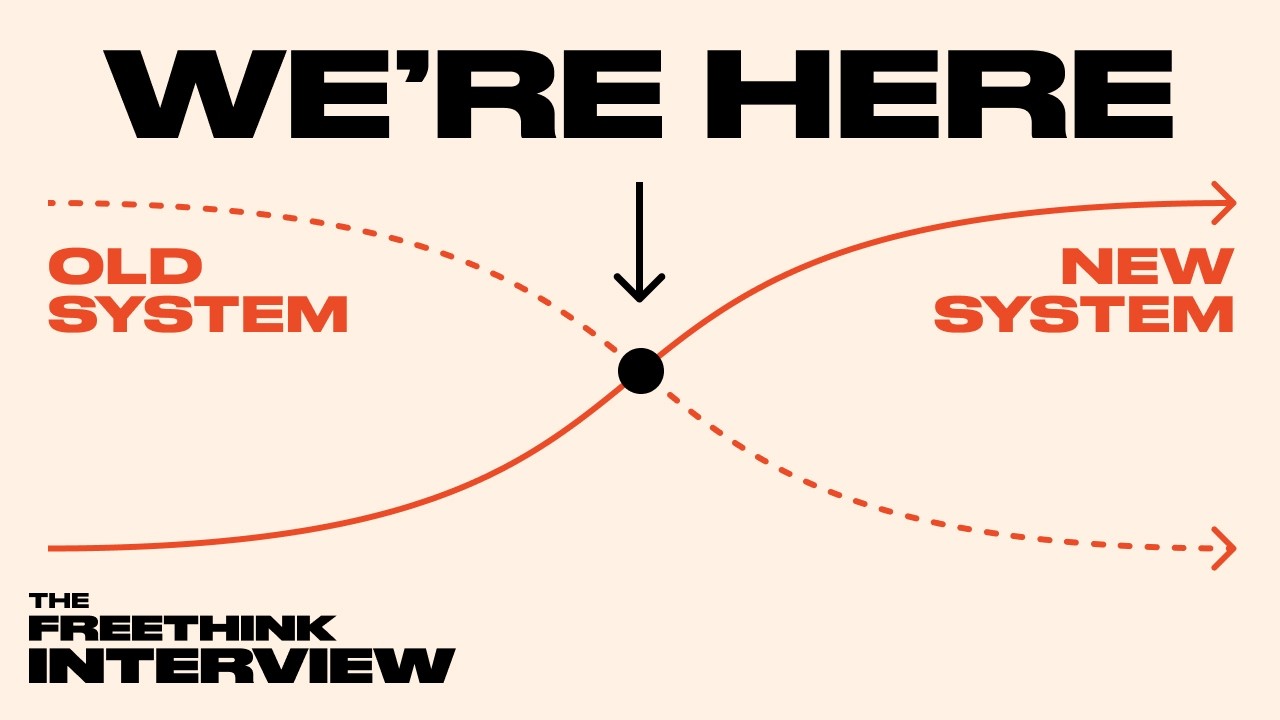
knowledge or acquire knowledge to know everything that we know? By trying to predict the next word, a model of understanding for the entire world, every field, every concept, every relationship fell out as a side effect. And I think even those working in this field had no idea that was the necessary to accurately predict the next word. So for me the holy grail of AI just hopped out with no one expecting it or really conceiving of it. And so now does it understand love like a human does? No. It can't feel it can't understand those emotions exactly. But it knows everything about love and what it means. And not only love, it knows every major concept of every major field all at the same time. It has an expert in physics and mathematics and poetry and history and love all at once in one system and a model that can make connections and reason across all of it. Biggest shock of my entire life. — I've talked to a lot of AI experts. It's a common experience wouldn't you say your colleagues like everybody says this. So people are outside the field you gota understand how big a deal this is very big deal now going forward where even the next five years could we go with this because I know some people are talking ah super intelligence all kind of stuff you seem to come short of that but give us your sense of what's coming and what maybe the limits are on it. My first conception of what an AI assistant should be like was some 30 years ago, 1993, before I saw my first web browser. And I was trying to imagine how people would interact with knowledge and information around the world. I wasn't preient enough to think about web pages and hyperlinks and documents. I thought everyone would have an assistant and you could say, "I want to know this and do that. " Now, Gen AI gets an A+ for me on the knowing side, but people come up and say, "Oh, chat GPT is way better than Siri. " I'm like, "Oh, really? " Well, with Siri, I say, "Tell my wife I'm going to be late. " And it sends her a message. Does chat GPT? No, it doesn't send the message. With Siri, I can say, "Play a song or set a timer. " Oh, well, chat, you know, it doesn't do things. So I do think over the next few years you could make a parallel of how the internet emerged. Remember when pages were static HTML with bad interface. There was this richness that emerged JavaScript that not only made them more interactive. The user experience was better but you could do things. You could book and buy etc. Right? Commerce not just a dumb static page. Well, AI today is like the internet say 95 and so it knows a lot, but the interface needs to improve. It's like right now we're at the HTML when it was just the blink tag because language the chat is not the best way to do most things. Think travel. I don't want a discussion. I want photos. I want visuals. And it needs to evolve in the doing side. And the final thing missing which I think will emerge, we need an ecosystem where everyone's needs are met. The content and service providers, the users, we don't have that right now. It's confusing. No one knows what's SEO for AI. So for me, the next 10 years is not about super intelligence. It's literally about how this tool like the internet evolved in richness doing ecosystem. We're going to see the same thing in AI. You found a lot of different things and your latest one was in stealth called game planner. No one we didn't even know what it was. I couldn't was and Brian Chesky the CEO of Airbnb bought it and you was brought in. But I think it had to do with you were trying to figure out how to do collective decisionmaking and collective intelligence. Could you talk a little bit of that idea of what AI might be able to help us do that we haven't been able to do yet? You're talking about the great progression entering into this period of change and everyone's like is super intelligence going to take over everything. So the first piece is no matter how smart AI gets, it's not going to solve all our problems by itself. And when I'm talking problems, the big things, energy, hunger, poverty, war, pollution, there are big wicked systemic problems. It's not going to solve it. We have to do it. Now, it can be a tool to augment our intelligence. This is an age where we can really do more with AI, but we're going to do it. You know how the world works. One person can make a

Segment 3 (10:00 - 11:00)

little change, but for these big issues, it needs to be collaborative endeavor. So what we were working on in stealth on game planner and I literally came up with that name for the acquisition press release. We didn't even have the name internally. We were building tools to help humanity make better decisions together and we were combining three things and you can think of it as bringing all the threads of my career together. There was AI so I did Siri. There was UI user interface. what's the right experience for making decisions and there was CI collective intelligence and we were trying to build what we call a game plan think PowerPoint for decision-m which is an incredibly empty space right if I say balance a budget you think spreadsheet but if I say we have an important decision to make what tool do we use what tool do you use nothing we were trying to fill that void with a game plan to literally help every individual every company, every nonprofit, every government come together and work through the biggest problems with the help of AI. So that's what — Dan, we need you for these next 25 years. Adam share.

Другие видео автора — Freethink

Ctrl+V

Экстракт Знаний в Telegram

Экстракты и дистилляты из лучших YouTube-каналов — сразу после публикации.

Подписаться

Дайджест Экстрактов

Лучшие методички за неделю — каждый понедельник