8 tiny habits that help me avoid procrastination
10:53

8 tiny habits that help me avoid procrastination

Tina Huang 15.08.2021 335 167 просмотров 16 259 лайков обн. 18.02.2026
Поделиться Telegram VK Бот
Транскрипт Скачать .md
Анализ с AI
Описание видео
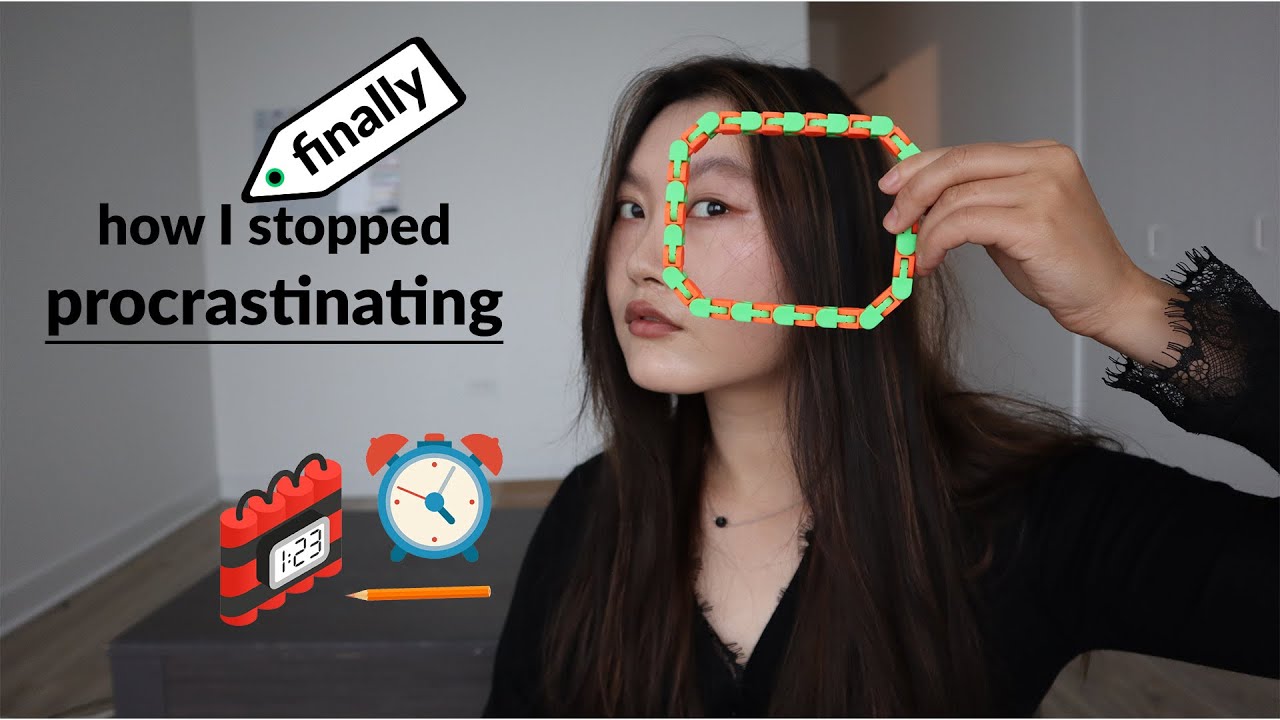
In this video I talk about the tiny habits (or micro habits) that I do to help me avoid procrastination. As the queen of procrastination, I am quite useless if I don't do these things. It's been a long process but I've made so much progress and I hope some of these habits may help you too :) Enjoy: 8 tiny habits that help me avoid procrastination Timestamps 00:00 intro 01:08 start at end of day 01:58 eat the frog 03:02 2 minute rule 03:55 5 minute rule 05:21 borrow from the environment 06:39 slightly valuable object 07:47 mindset shift 09:27 cut the flow ______________________________________________________________________ Links mentioned in video: Thomas' Frank's video about 5 levels of self discipline: https://www.youtube.com/watch?v=tHilfRBl408 ______________________________________________________________________ SQL for tech and data science interviews course with 10 mock interviews: https://bit.ly/2TSqGsG **365 Data Science: https://bit.ly/3d7rOPE (link for 57% discount for their complete data science training) **Check out StrataScratch for SQL interview prep: https://stratascratch.com/?via=tina Real SQL interview question walkthrough series: https://www.youtube.com/watch?v=Td-cmLfQ7uU&list=PLVD3APpfd1tuXrXBWAntLx4tNaONro5dA _____________________________________________________________________ instagram: https://www.instagram.com/hellotinah/ linkedin: https://www.linkedin.com/in/tinaw-h/ discord: https://discord.gg/5mMAtprshX study with Tina channel: https://www.youtube.com/channel/UCI8JpGrDmtggrryhml8kFGw livestreaming google calendar: https://bit.ly/3wvPzHB _____________________________________________________________________ Other videos you might be interested in The habits that changed my life (and how I built them) : https://www.youtube.com/watch?v=ZI1b8YHR6M4 How I take notes - Tips for efficient note taking that speeds up learning: https://www.youtube.com/watch?v=q6_9mdCkQhE&t=1s ______________________________________________________________________ Subscribe: https://www.youtube.com/channel/UC2UXDak6o7rBm23k3Vv5dww/?sub_confirmation=1 ______________________________________________________________________ About me Hi, my name is Tina and I'm a data scientist at a FAANG company. I was pre-med studying pharmacology at the University of Toronto until I finally accepted that I would make a terrible doctor. I didn't know what to do with myself so I worked for a year as a research assistant for a bioinformatics lab where I learned how to code and became interested in data science. I then did a masters in computer science (MCIT) at the University of Pennsylvania before ending up at my current job in tech :) ______________________________________________________________________ Contact youtube: youtube comments are by far the best way to get a response from me! linkedin: https://www.linkedin.com/in/tinaw-h/ email for business inquiries only: hellotinah@gmail.com If you're reaching out through linkedin, please leave a youtube comment just letting me know that you reached out :) ______________________________________________________________________ Links marked with * are tracking links that track traffic that comes from my channel. Links marked with ** are affiliate links where I receive a small portion of the sales price at no cost to you. I really appreciate your support in helping improve this channel! :) #habits #microhabits #procrastination #tinahuang
Оглавление (9 сегментов)

  1. 0:00 intro 221 сл.
  2. 1:08 start at end of day 209 сл.
  3. 1:58 eat the frog 248 сл.
  4. 3:02 2 minute rule 203 сл.
  5. 3:55 5 minute rule 337 сл.
  6. 5:21 borrow from the environment 291 сл.
  7. 6:39 slightly valuable object 293 сл.
  8. 7:47 mindset shift 422 сл.
  9. 9:27 cut the flow 303 сл.
0:00

intro

hey friends how's it going don't mind me i'm just sitting on my two cardboard boxes over here i'm gonna be moving at the end of this week so most of my stuff is already packed but anyways today's topic is procrastination is something that i really struggled with for me my procrastination primarily stems from fear i'm a perfectionist so i have a fear of doing something and not doing it good enough i also have a fear of failure and sometimes also just fear be unknown this fear really fuels my procrastination i primarily struggle with getting started on task um and after i get started it's generally okay but i do sometimes also struggle with focusing and staying on track as well over the years i've developed what are called microphones which are really quick and small habits that have helped me tripped away at that inertia it makes it easier for me to get started and maintain focus while i'm working even though these habits are really small i really like to do together they've made a really big difference in my life um especially when i use them at the right times so in this video i'm going to share with you guys eight anti-procrastination micro habits that have truly changed my life number one is
1:08

start at end of day

to start working on big things at the end of day previously when i had a really big scary project i had to do i would always wait until the morning of the next day to get started but over time i've developed this habit of getting started on that project at the end of the day when i say getting started i literally mean getting started just taking like five minutes to familiarize yourself like with the code base for example um you're looking at what it is that needs to be done or even better just doing a very small task like for me oftentimes i would be starting an analysis and what i would do i would just write like one line of code and that's what i consider getting started it doesn't take more than five to ten minutes to do this helps a lot in dealing with the fear of the unknown just by taking five or ten minutes to familiarize myself with what needs to be done that fear kind of subsides because what was previously unknown becomes no and the next day when i really get started working on it it's a little bit easier number two is to start with the
1:58

eat the frog

hardest task first there's a quote from mark twain which i will read for you guys if it's your job to eat a frog it's best to do it first thing in the morning and if it's your job to eat two frogs it's best to eat the biggest one first this is also a concept that was more recently popularized by the productivity guru called brian tracy in this case the frog is the most impactful and most important task of the day will power is like a muscle usually in the beginning of the day you feel the most well-rested because you haven't had to expend any willpower yet once you get started and finish the hardest thing that needs to be done that day everything else just feels so much easier it also feels really good because you already accomplished the most important thing that needs to be done you kind of like set yourself up for success for the rest of the day too i find that this is especially good when you couple it with the previous micro habit that i mentioned which is familiarizing yourself and starting a big project at the end of the day so the previous day you would have familiarized with what needs to get done and you should get started on that project so the next morning you can really just dive straight into it and start working on that biggest most important most impactful task number
3:02

2 minute rule

three is the two minute rule you might have heard about this from productivity gurus like ali abdul thomas frank and just a lot of other youtubers who talk a lot about the two minute rule the two-minute rule states that if something could be done within two minutes to just do it immediately have you guys ever experienced this thing where there's like something that doesn't take a lot of time but you just really don't want to do for me it's like answering emails and just like setting doctors i hate setting doctor's appointments even though it would take less than two minutes to do i would just be thinking about it and worrying about it and by the time i actually do it i would just be like oh my god it literally took me one minute to do i spent like 30 minutes or at least like an hour worrying about it so this rule is meant to combat these instances like instead of wasting time worrying about really small tasks just to force yourself to just get that done and get it over with immediately number four is the five minute rule not to be confused with the
3:55

5 minute rule

two minute rule the five minute rule is about tackling big scary things that you have a lot of inertia in getting started thomas frank recently did a great video that talks about the five minute rule which i will link in the descriptions below so you can definitely check that out and he talks about the paradigm which i'm going to share with you guys here it's about input-based versus output-based goals an outcome-based goal is about the outcome or the thing that is supposed to be produced like finish writing a paper where i finish studying for exam where in my case like an analysis that needs to be done these goals can often feel really scary and vague because you don't really know how to get started it's like this looming big thing and just the idea of getting started on it just feels really scary on the other hand an input based goal is about something that is much more concrete for example working on writing the paper we're studying an exam we're doing analysis for five minutes the whole idea is by having a goal that's very concrete and you exactly know how to do it doesn't feel as scary anymore oftentimes when i set this five minute rule and i start working on something for five minutes after those five minutes i passed i feel like i can keep going like it doesn't feel so difficult anymore because i'm already in the correct mindset when that happens i usually just switch over to using pomodoros i would do 50 minute pomodoros with 10 minute breaks and i find that really helps me stay focused obviously you don't have to use five minutes uh you can use ten minutes if you want but i find that five minutes is a really good amount for me it's a good amount of time that it doesn't feel like it's a huge commitment so it helps me get in the zone and continue working number
5:21

borrow from the environment

five is a switch in scenery sometimes what you need is really just to have a switch of environment you know like when you're just trying really hard to do something and you're really stuck in a mindset i don't think you need to fight that head-on so instead of just like trying to force yourself to power through something just changing the energy around you and getting yourself out of that stuck mindset and you'll find that it's not so difficult anymore i also like to do something that i call like stealing the energy of my environment or other people but let me explain what i mean by that so for creative tasks i like to put myself in environments that make me feel creative relaxed for example going to a coffee shop or sitting outside when i can see like very pretty scenery those are environments that make me feel really relaxed and really calm and just ready to do creative things so i like to borrow that energy from my environment and it just helps me a lot in both getting started and saying or if i'm doing something that's more like execution focused or more like logically inclined for example when i'm doing like an analysis trying to code something study for something then i like to go into environments that are more conducive towards those tasks for me the best place by far is the library i see all these books and people who are also studying and i feel like i can almost like steal their focus and just let that environment surround me and then it's not so difficult to also just get into it and just get started working number six is
6:39

slightly valuable object

to leave slightly valuable objects in public places this kind of sounds a little weird but let me explain so you know i would often go to different environments where you know i get fueled into working on a specific task a coffee shop or a library and then after i do that i would be like working there for a while right but i would have to go and get lunch or maybe i would just have to like go get something grab something from home and the issue with me is that once i leave that environment then my procrastination just kicks in and i just want to go home and lay in my bed and do nothing so what i would do is i would leave slightly valuable objects more like objects that are not valuable to other people but are valuable to me for example this thing over here this is like a fidget toy i think that's what it's called and i like to use this a lot it just like i don't know i'm just like a really fidgety person i would bring things like this around and i would just leave that in the public place i'm in and that would motivate me enough to have to go back and once i get back and i would be in that environment again and then i can start working again and the reason why it has to be like slightly valuable were only invaluable to you is that since you're leaving it in a public place it needs to motivate you enough to come back and get it but it has to not be valuable to other people so they don't steal number seven is think about
7:47

mindset shift

something fun for the thing that you're gonna be doing when i was a kid i really loved reading books like i'm not even kidding i would be able to get through two to three books a day only also because i didn't have any friends i would just sit there by myself and read books sad but i found that when i got older especially when i was entering end of middle school in high school and we were forced to read books for literature class and then when i found that when i would have to do something because it was for school it just made it not fun anymore which is really sad and i just like didn't want to read anymore and i didn't really start reading again until like maybe like two years ago i always knew that if i feel like something isn't fun then i would feel a lot less motivated to do it but it was highly absolutely realized oftentimes when i don't want to do something it's because i just forgot to have fun like i'm re i'm framing it in a way that isn't fun it's all about things that i have to do making youtube videos or making a blog or making a website or having a business if you can find ways to enjoy it then it just makes everything more fun it makes life more fun nowadays whenever there's something that i'm procrastinating on i try to reframe my mindset so it's not just about things that i have to do what i need to do i try to think about at least one thing that i find fun about the thing that i need to do for example i love learning new things so when i'm struggling with something or when i have to tackle a really big project i really frame that in my mind and think about it as hey like i get to learn new things and i love learning new things and that's really fun or for work when there's analysis that i need to get done i try to go out there and be like an explorer and discover something and not just that be able to potentially use the thing that i'm discovering to impact lots and lots of people's lives that's pretty cool and once i start thinking about that it isn't so hard to start anymore now number eight is to go out for a walk i recently just finished
9:27

cut the flow

watching the anime haiku shout out to andre baptists for recommending it is so good it's about high school volleyball the premise sounds really lame but it's so good so highly recommend to anyone who's interested in anime but the point i'm trying to make is that in haiku and i think also in real volleyball if you're on a losing streak there's this concept of physically cutting that flow and just taking a particular time this is a habit i also incorporate to beat procrastination because once you're on that mindset procrastinating stream what you can do is like physically cut that off go take a 10 minute walk sometimes i also go on a bike ride your mind just kind of resets itself and you're just back in a much better state when you come back sometimes it's really just about getting out of your head and once you come back things aren't so hard anymore all right we're at the end of this video now these are the eight anti-procrastination micro habits that have really helped me deal with procrastination as you can see these are such small micro habits but they really make a big difference i just want to emphasize again that the timing of these micro habits is also extremely important when you start implementing these habits in your own life don't expect bridges to work perfectly the first time there's also this need to really understand your own like internal state and know what it is to use each habit that's something that will get better over time the longer it is that you do these habits all right those are my eight anti-procrastination micro habits i hope you found this video helpful and i will see you guys in the next video or live stream

Ещё от Tina Huang

Ctrl+V

Экстракт Знаний в Telegram

Транскрипты, идеи, методички — всё самое полезное из лучших YouTube-каналов.

Подписаться