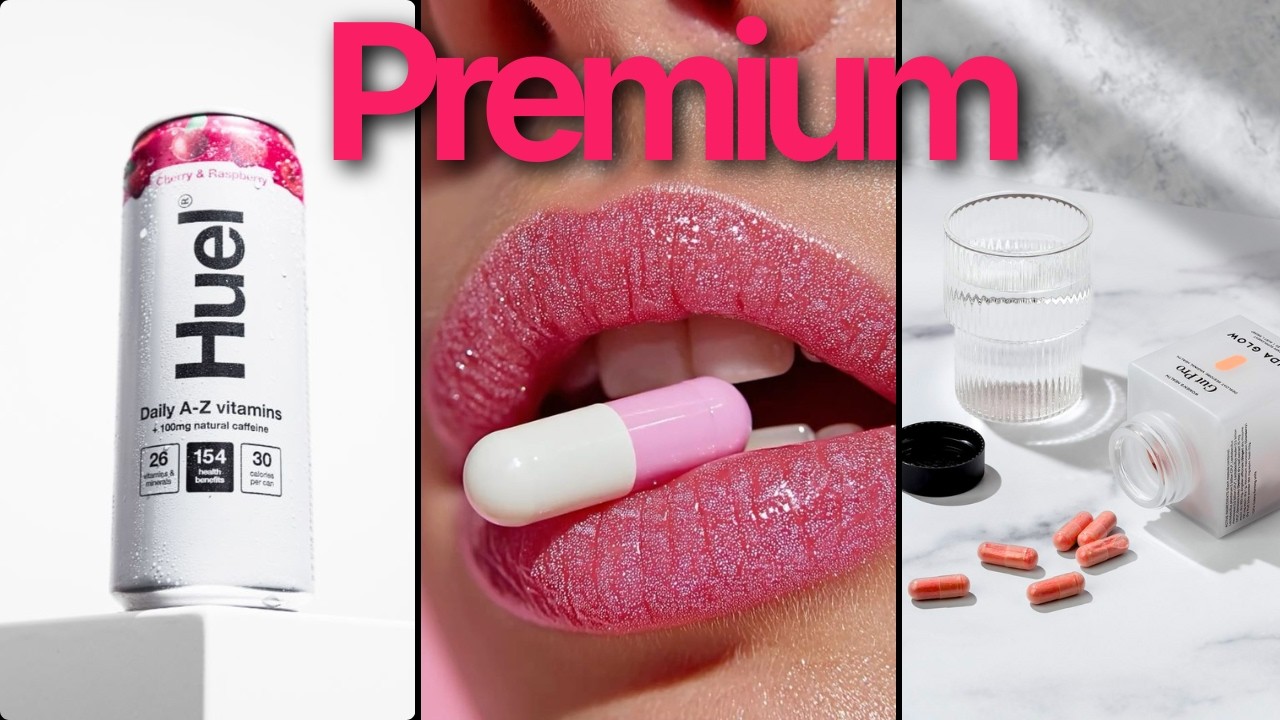
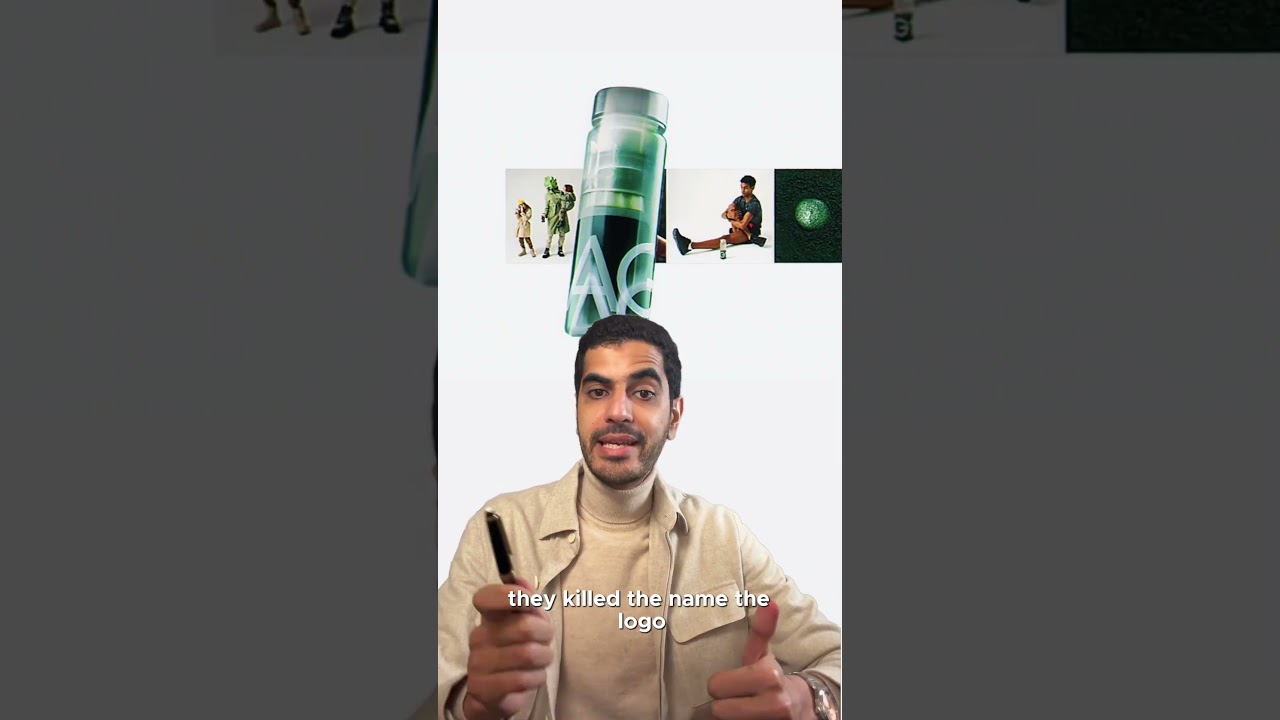
Why do supplements just feel so premium? We've all seen it before. Two products, similar formulas, the exact same potency, the exact same dosage, everything is similar. One sells for $10, the other sells for 60, and people line up for the expensive one. But how do they do it? How can some of the leading brands, some of the biggest businesses in the supplement space, charge 10 times more and still outsell their cheaper competitors? Many of these brands have spent millions understanding customer psychology to position their products as premium. And I've been very fortunate to apply these principles for so many supplement brands over the past 5 years. And in this video, I'm going to show you the principles brands like AG1, Hugh, and so many other apply to charge 10 times the price. From timeless principles used by the most recognizable brands worldwide to modern social media ads, you'll see how smart positioning can turn a simple supplement into a revenue powerhouse that people line up to buy. When you look at any supplement brand in the industry, most can't sell their products for premium prices. And that's because in an industry which is literally a red ocean, having your products tested or having all these fancy labels just doesn't cut it anymore. Every single product is basically the same. Having a good product isn't enough anymore. Premium brands like AG1 or Hule understand very deeply is that they do not compete in the supplement industry. They are in the marketing and branding business. The brands that charge 10 times more are all applying the same three principles to charge 10 times the prices and crush their competitors by positioning their product as the premium option. And the first principle that the big guys use is visual identity. Look, humans are wired to make snap judgments based on what they see in a fraction of a second. The moment someone looks at a product or looks at an object, the brand is already forming an opinion about its quality and value based on the perception they have of the product, which is what they saw in front of them. What I need you to understand is that visual identity isn't about looking good. It's about showing a level of care that goes way beyond the product itself. Premium brands understand that perception eventually becomes reality. You know, a bottle, a label, a logo, the way a powder flows out of the packaging, every detail that is not the ingredients can communicate more than the ingredients themselves. And one of the best examples in the game is AG1's rebrand. Originally called Athletic Greens, AG1 was founded by Chris Ashendon with one core product in mind, a single daily greens powder. And the team had built an amazing product. But despite this, the brand really struggled to rise above the red ocean and differentiate themselves from all of the other options on the market. The original name, Athletic Greens, it made it feel like it was only for athletes, and the branding wasn't fully coherent to communicate the product's actual value. Chris and the team knew something had to change, and so around 2018, they tried to make some slight changes to the brand's identity. This obviously gave a small push. It was a positive move, obviously, but it didn't give them the actual impact they were looking for. the brand just wasn't there yet and they were still seen as just one of those, you know, green powders like every single green powder on the market. Nothing to be amazed of. But during the pandemic, the brand realized that a few years ago, they understood that if they wanted to go big, they needed to be recognized for more than what the product is. And so they needed a brand identity that felt premium. So they decided to go allin. So their team actually hired the best experts that money can buy. And they got to work. They changed their name to AG1 and created one of the most well-known rebrands in the supplements industry. And honestly, the rebrand to AG1 was a masterclass in visual identity. They went with a simple, minimalistic, and premium color palette using round shapes, tones of green, and new messaging. Every little detail from the bottle to the typography communicated premium, and the results were dramatic. AG1 moved from just being like another supplement brand to owning the supplement space, commanding premium prices, and even securing $15 million in funding in 2022, valuing the company at over a billion. Look, honestly, packaging, design, it it's not enough. You need more than that. To truly connect with your customer as a brand, you need to speak to who the customer is, the lifestyle they aspire to, and the story they want to be a part of. And this is where storytelling comes into play because visual identity pulls people in, but people by stories and meaning. It's very fascinating because storytelling is what transforms a supplement into an actual part of someone's lifestyle and identity. It's so powerful. It's the invisible thread that connects the brand to the customer's aspirations, beliefs, and habits. And premium supplement brands understand this very well. Two products can have the same ingredients, dosage, can have the exact same quality, but the one with a compelling story will command not only loyalty, but also premium prices. A great example of this is Hugh. Founded a few years ago by
Segment 2 (05:00 - 10:00)
Julian and James, Hugh had a clear mission to create complete and convenient nutrition for modern life. Their vision was to simply provide athletes, entrepreneurs, and healthconscious individuals all the essential nutrients in one serving. But despite a visual identity and also a scientifically backed formula, fuel struggled to stand out. Many consumers actually saw just as another meal replacement product. No one really connected with the brand on the story and a lot of customers simply didn't care enough. So the team at Fuel actually came up with a very, very smart strategy. And so around 2021, they brought in Steven Bartlett, who is the founder of the diary of a CEO as a non-executive director and brand ambassador. Steven, besides owning one of the most successful podcasts ever, platform that reaches the entrepreneurs, the athletes, and the busy and ambitious people, he embodied the culture Hule was trying to build, which is someone successful, high performing, and intentional about their health. A person their audience actually aspires to be. But they did not stop there. Q launched ad campaigns like every fire reads its fuel showcasing the energy the drive and the ethos of the brand. Their social profiles became a collection of you know athletes nor people and entrepreneurs enjoying life pursuing performance and using hule as their human fuel. actual original meaning behind the brand's name. And this turned Hule into a global phenomenon, allowing them to actually command the prices they wanted to command, which are on the higher side, but also cultivate loyalty from their customers and from their users who at the end of the day didn't just buy the product, they bought because of the lifestyle. Storytelling gave fuel a huge competitive advantage that pure product quality alone could never achieve. You see, when a product nails visual identity with resonance with their customers and the story and the lifestyle that is attached to the product that is attractive to their users and their customers, there is actually one last piece that needs to fit in the puzzle to light up the fire and position a brand into a premium option. Most brands actually overlook this when they're trying to position their brands as a premium option, and that's pricing. Because even with a great visual identity, story, the price tells a story of its own. Humans naturally link price with quality. That's a bias that we all have internally. And that's due to a lot of advertising that we've consumed in the past. It has to do with a lot of preconceived notions about pricing theory and why higher prices actually garner more respect from the customer. But it is what it is. If something is too cheap, it can really kill the product, even if the product is high quality. On the other hand, a higher price can actually make a product that is average look as a premium option. And there's real science behind this. In a 2008 study done by Dan Arley, people were given the exact same painkillers, a placebo. Some people were told the pill was expensive and cheap. Will the fact that people think the pill is cheap change the efficacy of that medication? By the way, the pill was vitamin C. There was nothing in it. Basically, what the results show is that expensive painkillers work much better. uh than cheap painkillers that the moment we expect something to be worse because it's on discount, it actually can undermine the expectation and actually become worse. It's also interesting that this effect was particularly strong for people who recently had more pain. And don't be mistaken, premium supplement brands use the same psychological ideas. A higher price signals quality, exclusivity, and trust. And this essentially just reinforces what the storytelling and the visual identity are doing. Take AG1 for example. Before the rebrand, it was just another daily greens powder and the price didn't really reflect what the brand was trying to communicate to its customers. And so what you notice after the rebrand, AG1 actually raised their prices to match the new look and the new story and they had to suddenly step into this new category, making it very clear that this was a premium option in the category they were competing in. Another strong example is Holistic, a Spanish hair growth supplement brand. holistic transform format. The product is designed to be ingested in to a drinkable daily shot for hair growth. This combined with storytelling and a strong visual identity. But like I said before, it still felt as though it wasn't there yet as a premium option. And so what they did, they just raised their prices to solidify the brand as the premium actor in their own category. And so here in these examples, essentially the pricing was just the last piece of the puzzle that really solidifies all the groundwork you've done to come up with a strong visual identity with a story that actually builds on what your customer's aspirations are. And so if there's one thing you need to take from this video, it's that you don't charge more because you're premium. You become premium because you charge more. Now, how do you take these principles in theory and apply them to your supplement brand to actually position your product as the premium option in your market? Well, the first thing obviously is to nail your visual identity. Your brand's look is the first thing that people notice about your brand and it's the first thing they judge and it is the foundation upon which they form the perception they have of your business. We're talking about a clean, minimalistic design, nice fonts
Segment 3 (10:00 - 11:00)
rounded shapes, and a cohesive color palette to immediately signal quality. You need to use every single weapon you have in your arsenal. We're talking logos, website, packaging, everything needs to communicate quality. And every detail in your visual identity needs to communicate to your customers that this is a premier product. Step number two is define your story. This will dictate how far you can go with your supplement company. What is the story you're trying to tell? What is the world your customers that are buying your product look like? Okay, let's get clear on that and let's serve it to our customers. Share a clear mission. Feature brand ambassadors that reflect your customers and create campaigns that show the life style your products make possible. Like I said, storytelling is what turns a product into more than just a property. And so, last step, once you've solidified your visual identity, once you have a story that's cohesive and that's resonant with what your customers want from you, now is the time to raise your prices, if that's something that you want to do to further reinforce the premium aspect of your brand. A higher price speaks about your product. It signals quality and it gives you better margins. And ultimately, this is what reinforces the story you've built and reinforces the visual identity that you are portraying to your customers. And so in short, build the look, tell the story, set the price. If you do these three things, you're not just selling a supplement. You're selling a premium brand people can identify to and more importantly are willing to pay more for. All right, so this is the end of this video. If you want my help positioning your brand as a premium actor in your category, feel free to book a call. There's a link under this video somewhere. Click on it, find a time that suits you, and let's get on call to see what's possible for your business, and we'll set the road map for you to actually scale your business and position it as a premium actor in the near future. Hope you've enjoyed the video, and I'll see you on the next one. Cheers.