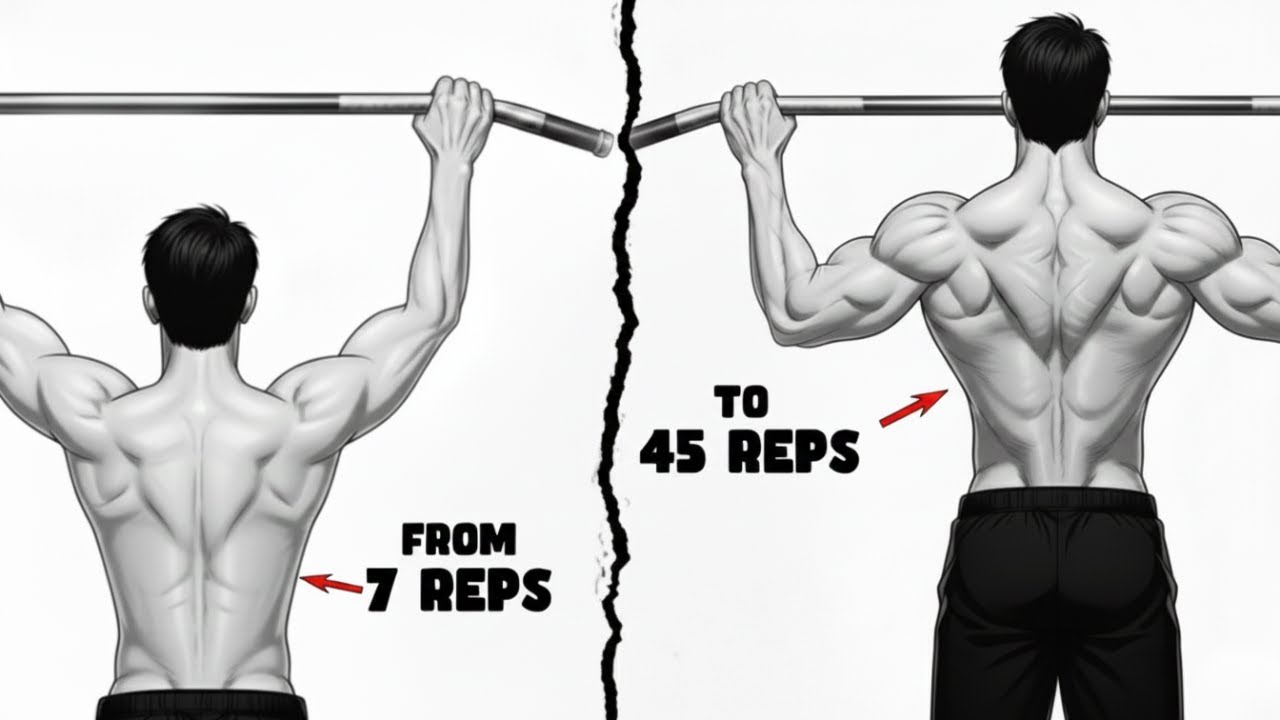
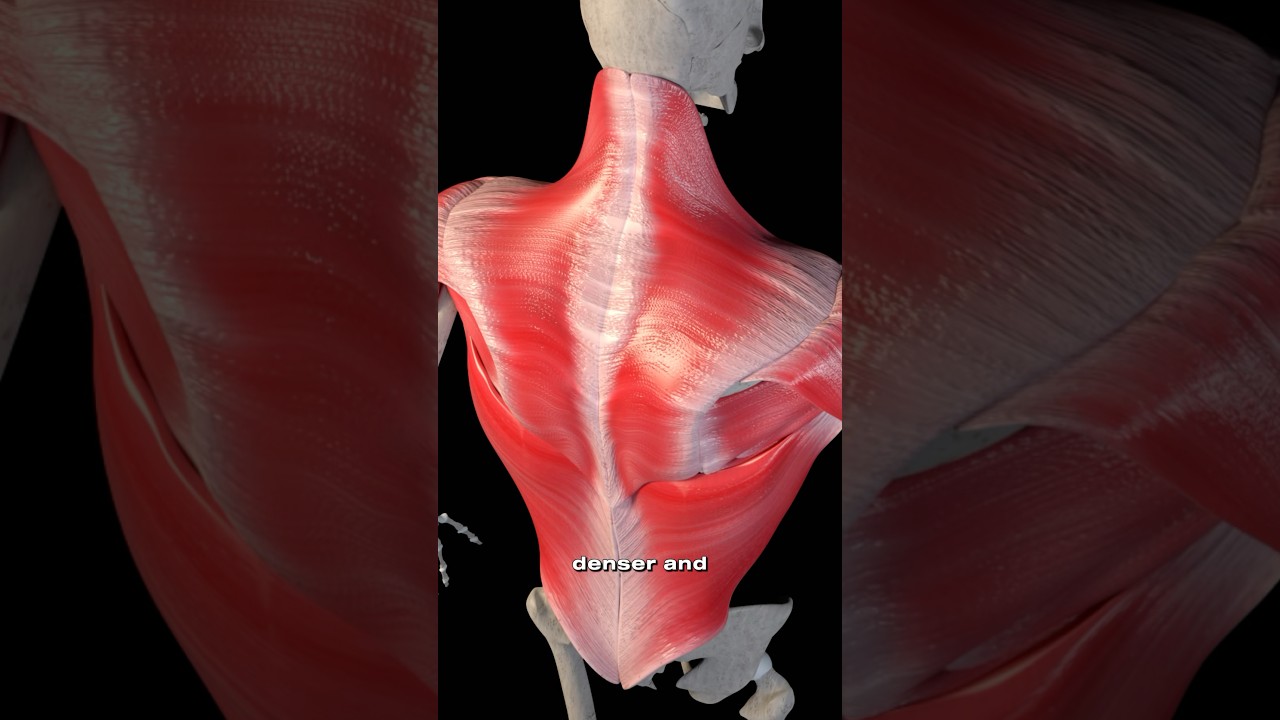
Pull-ups are one of the hardest body weight exercises, not because they're complicated, but because they demand real strength, control, and consistency. If you've ever been stuck at the same number of reps, or wondered how some people seem to add pull-ups effortlessly, this breakdown will show you exactly how to increase the number of pull-ups you can do step by step. The first rule of increasing pull-ups is simple. You have to do pull-ups. Your body adapts specifically to the movements you practice. If you only train pull-ups once every couple of weeks, your nervous system never gets efficient at the motion. Instead, train pull-ups two to four times per week. Focus on clean reps, not exhaustion. Stop each set one to three reps before failure. This allows you to build strength without burning out or destroying recovery. For example, if your current max is six pull-ups, perform sets of three or four reps. Over time, that consistent exposure builds strength and confidence on the bar. Pull-ups aren't just a lat exercise. They're a full upper body movement. Your lats drive the pull. Your upper back stabilizes your shoulders. Your biceps assist the movement. And your core keeps your body from swinging. Rows build upper back thickness and control. Lat pull downs help reinforce the pulling pattern. Biceps and forearms play a larger role than most people realize, especially in the later reps. And a strong core keeps your body rigid, preventing energy leaks. When these muscles get stronger, each pull-up costs less effort, meaning more reps. If full pull-ups feel out of reach, or if progress has stalled, progressions are your best friend. Assisted pull-ups reduce the load while keeping the movement pattern intact. Negative pull-ups, where you slowly lower yourself from the top, overload the muscles in the eccentric phase, the part where muscles are strongest. As you improve, flip the script. Add pauses at the top, slow down the tempo, or introduce weighted pull-ups. These variations increase strength so your body weight pull-ups feel easier by comparison. Technique can instantly add reps without gaining a single pound of muscle. Each rep should start from a dead hang. Before you bend your arms, pull your shoulders down and back. This engages your lats properly. Drive your elbows toward the floor, not backward. Keep your core tight and your legs still. Instead of thinking about pulling your chin over the bar, think about pulling your chest toward it. Efficient mechanics mean less wasted energy and more pull-ups. One of the most effective ways to increase pull-ups is called greasing the groove. This method improves neural efficiency rather than muscle size. You perform multiple sets throughout the day, staying far from failure every time. If your max is eight reps, perform three or four reps several times a day, never fatiguing, never straining. Over weeks, your nervous system learns to recruit muscle fibers more efficiently, and your max quietly climbs. Pull-ups are a relative strength exercise. That means your strength compared to your body weight matters. Gaining unnecessary body fat makes pull-ups harder. Improving strength while maintaining or slowly reducing body weight makes them easier. You don't need to be extremely lean. You just need to be strong for your size. Even small changes here can lead to noticeable improvements in reps. Strength is built during recovery, not during the workout. Sleep 7 to 9 hours per night. Give your pulling muscles at least 48 hours between hard sessions. Eat enough protein to repair muscle tissue. If recovery is ignored, progress stalls, no matter how good the program is. Treat pull-ups like any other lift. Track your sets, reps, and variations. Aim to add one rep per week or increase total volume over time. If progress stalls for multiple weeks, back off slightly, then rebuild. Progress isn't linear, but consistency always wins. Increasing your pull-ups isn't about talent or genetics. It's about smart practice, strong fundamentals, and patience. Train the movement, build the muscles, refine your technique, recover well. Do that. And the number on the bar will rise.