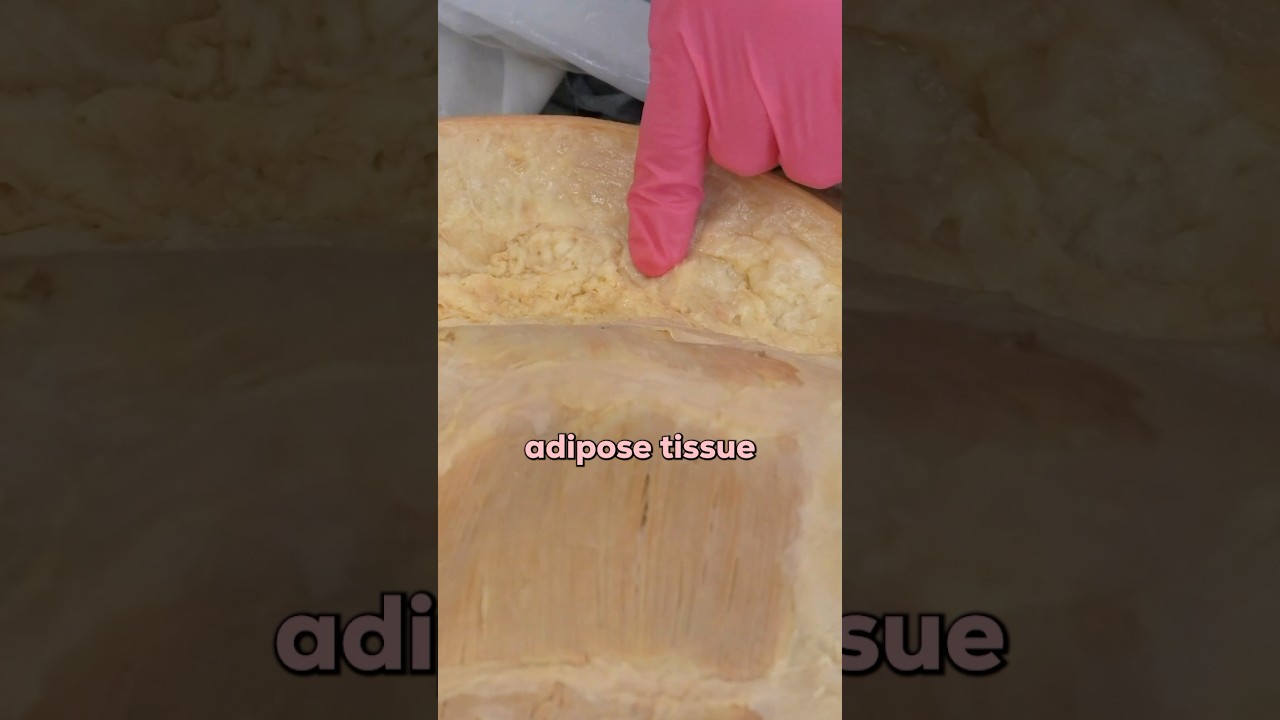
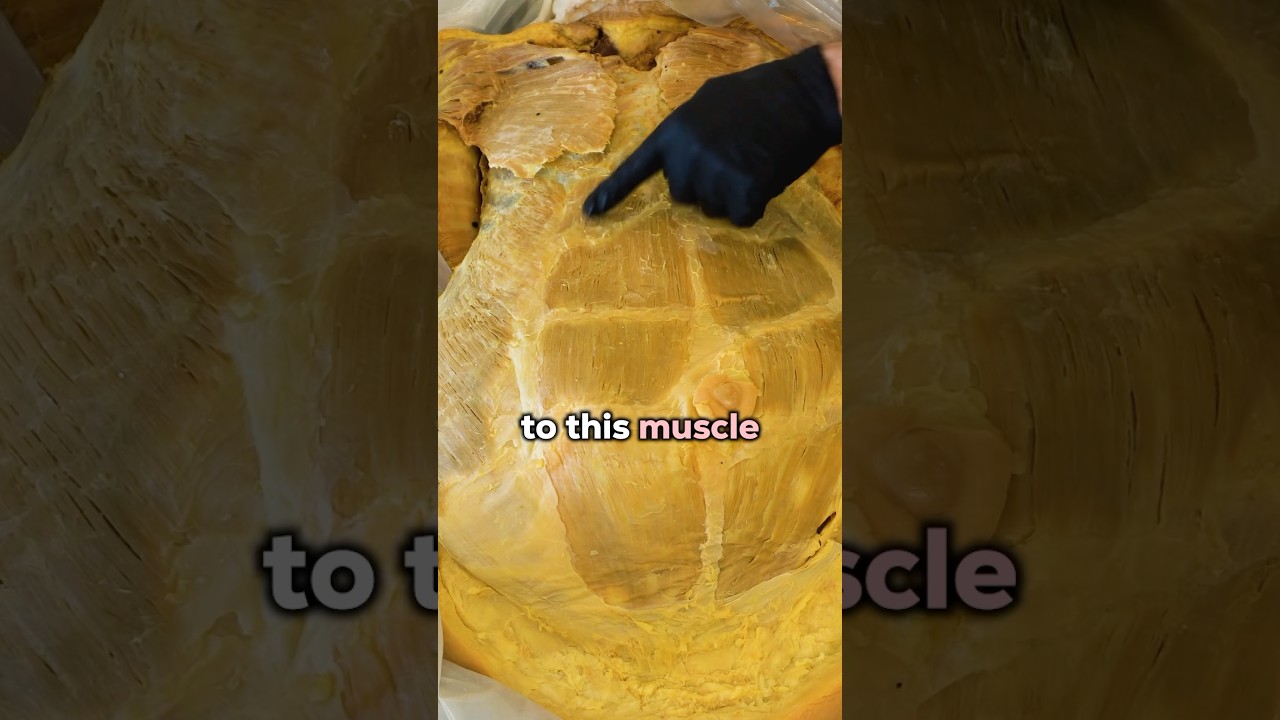
When people hear the word obesity, they usually think about body weight. And yes, body weight is an important metric for us to pay attention to. But in anatomy and physiology, we also care about what the excess fat or atapose tissue is doing to the organs. Because obesity isn't just extra tissue sitting there doing nothing. It changes the environment your organs live in and can affect blood pressure, inflammation, insulin signaling, and where fat is stored throughout the body. And those changes help explain why obesity is so often associated with conditions like heart disease, fatty liver disease, and type 2 diabetes. So today, we're going to look at some of the most important organs that are affected by obesity, such as the heart, liver, and pancreas, and how this can lead to certain health conditions, and of course discuss the benefits of losing atapost tissue, and some strategies on how to do it. So, let's jump into this anatomical and physiological awesomeness. Before we start looking at individual organs, it helps to first understand what we actually mean when we say obesity. Clinically, obesity is often defined using a measurement called body mass index or BMI, which compares body weight to height. A BMI of 30 or higher is typically used as the clinical threshold for obesity. Now, BMI does have some limitations. For example, someone with a large amount of muscle mass could technically have a high BMI even though their body fat is relatively low. And since muscle adds weight, BMI can occasionally be misleading in those situations. However, for most people in the general population who don't have unusually high amounts of muscle mass, BMI works reasonably well because in most cases, excess body weight is coming from excess atapost tissue or body fat. And that excess atapost tissue is what drives many obesity related health conditions. Now, if you've been watching this channel for a while, you know, we've talked a lot about atapost tissue in the past. So, today I'll just give a quick overview. But for those of you that are new to the channel, if you want to go even deeper into the anatomy and physiology of fat tissue, we'll link some of those videos down below. But like we already mentioned, the anatomical name for body fat is atapost tissue. Its primary function is to store energy, but it also helps provide insulation, cushioning, and it even has important hormonal functions, which we'll talk a little bit about later on. Fat is also classified based on where it's stored in the body. Some fat is stored subcutaneously, meaning just underneath the skin. It's the third layer down below the epidermis and dermis, and can range from just a few millime thick all the way up to several inches thick, depending on the individual. But another type of fat is called visceral fat which accumulates deeper around the internal organs. And just like subcutaneous fat, you can have a relatively small amount like on this body or a very large body. Now while all atapost tissue does store energy, visceral fat in particular tends to be more metabolically active. It releases hormones and inflammatory signaling molecules that can influence things like insulin sensitivity, blood pressure regulation, and lipid metabolism throughout the body. So, when we talk about obesity from an anatomical and physiological standpoint, we're really talking about how excess atapost tissue, especially visceral fat, begins to change the metabolic environment that your organs are operating in. And once that environment shifts, that's when we start to see some of the organ level changes that we're about to explore. So let's start with the heart. Here's the heart sitting in the middle of the chest, sitting in its paricardial sack. Functionally, we know the heart is a pump. It has to deliver blood to every tissue in the body every second of every day. And one big concept to keep in mind is that atapost tissue requires blood flow. And that point becomes important when atapost tissue begins to increase because if the body has more tissue, it has to supply that tissue with oxygen and nutrients. which means this will place a greater load on the cardiovascular system. One of the first set of changes that occurs as atapose tissue increases is that blood volume, the total amount of blood in your body increases. Plus, the body builds more blood vessels to deliver that additional blood to the growing atapost tissue. And so this means that the heart has to pump more blood throughout the day or in other words, cardiac output increases. And the definition of cardiac output is the amount of blood pumped by the heart each minute. And this is determined by heart rate and stroke volume. Heart rate you are likely the most familiar with, which is the number of times your heart beats in a minute. And stroke volume is the volume or the amount of blood that is squeezed or pumped out of the heart with each beat. And so if you increase either one of those, heart rate or stroke volume or both, cardiac output goes up. So like if your heart rate increases from 60 to 70 beats per minute, cardiac output goes up. and or if your heart starts squeezing harder with each beat, that means more blood would be ejected with each beat. Cardiac output also goes up and both of these tend to happen when someone increases their amount of atapost tissue. You may
Segment 2 (05:00 - 10:00)
notice that resting heart rate increases and you often see increases in stroke volume on ultrasound and all this means that the heart has to do more work even at rest. Now over time another set of changes can begin to develop. Atapose tissue is not just for passive storage. If you recall, I also mentioned that it has some endocrine functions. Atapose tissue releases signaling molecules that influence inflammation, hormone systems, and vascular tone. These signals can activate the sympathetic nervous system, increase activity in the renin, angotensin, aldoststerone system, and contributes to changes in the endothelium, which is the inside lining of the blood vessels. Now I know that I just name dropped some systems there and these systems can be quite complex and we could do individual videos just on the sympathetic nervous system and the renin angotensin aldostrone blah blah blah systems. But some of the things that these systems do that are important for our story is that when they are activated blood vessels tend to become more constricted. Sodium and water retention increases and this results in an increase in total peripheral resistance. Think of total peripheral resistance as the amount of resistance that is in the blood vessels throughout the body. So if the heart has to pump into blood vessels that are more resistant to opening up or dilating, this increases the overall pressure in the system. And remember our cardiac output has already increased. So if cardiac output is higher and resistance in the blood vessels is higher, blood pressure begins to rise. And this is why hypertension commonly develops in people with obesity. And this creates a cycle that can worsen over time. With all of this increased load, the left ventricle of the heart, the chamber that's responsible for pumping blood to the whole body that you can see right here, tries to adapt. It adapts by thickening its muscular wall, a process called left ventricular hypertrophy. Thickening of the left ventricular muscle can initially help the heart generate more force. But there's a trade-off. A thicker ventricular wall can become stiffer, and a stiff ventricle doesn't relax and fill as easily. Over time, that can lead to higher filling pressures, reduced exercise tolerance, and in some cases, it just can't keep up and can lead to diastolic heart failure. So, big picture, obesity places two types of stress on the heart. Early on, the heart often deals with a volume load, pumping more blood to supply expanding tissue. Later, as blood pressure rises, the heart also faces a pressure load. And the combination of these stresses can eventually lead to structural changes in the heart. Now, before we move on to the next organ, I want to briefly talk about GLP-1 medications used for weight loss by introducing you to the sponsor of today's video, IVRX. And before you dieards torch me in the comments, hear me out. IVRX is a telealth platform that connects patients with licensed medical providers who specialize in metabolic health and weight management. GLP-1 medications work by mimicking hormones involved in appetite regulation and blood sugar control, which can help some individuals reduce caloric intake and improve metabolic health. Now, I want to be completely transparent here. I don't believe everyone needs to be on a GLP-1 medication. And when these drugs first started coming out and making headlines for weight loss, I was actually pretty resistant to them. I was like, "Nope, these medications are only to be used for diabetes. " But over time, I have softened my stance. I'll probably never take one myself because I've been fortunate enough not to struggle with my weight, but I've had patients who do really struggle with weight loss. And when you start weighing the pros and cons of the medication against the long-term health risks of excess atapost tissue, some of which we're talking about in this video, you start to see that these medications can make sense for certain individuals when used properly under medical guidance. And that's where IVRX comes in. They help make the process straightforward by providing online evaluations with licensed providers and ongoing support so patients can explore if these medications make sense for them. So, if you're interested in learning more about IVRX, click the link in the description below to get up to $100 off your first order on 1, 3, and 6 month plans using the coupon code IHA at checkout. And now, let's get back to the video. So, now let's move on to the liver. Here you can see the liver in the right upper abdomen. And as you can tell, it's quite the large organ as it's the second largest organ in the human body, second to the skin. Now, one reason the liver matters so much is that all of the blood coming from the intestines gets routed into the liver before circulating throughout the entire body. So, the liver becomes the body's main processing center for nutrients absorbed from food. The liver has a long job description. It processes fats and carbohydrates, produces bile, synthesizes proteins like albumin and clotting factors, and plays a major role in blood glucose regulation between meals. So, when the liver's metabolism shifts or is off, it often doesn't just affect the liver. It becomes a whole body problem. One of the
Segment 3 (10:00 - 15:00)
most common changes tied to obesity is fat accumulation inside the liver cells. And liver cells are just referred to as hpatocytes. And this is often referred to as fatty liver disease. And here's another body that actually had fatty liver disease. The liver is enlarged and you can also see all the extra visceral fat that's surrounding the liver, which typically goes handinhand with the fat that is accumulating inside the liver. This occurs because more fatty acids are being delivered to the liver, which means the liver has to process more energy substrates than it can comfortably handle and therefore more triglycerides get stored inside the liver cells. And in many people, the liver also becomes more resistant to insulin. Insulin normally tells the liver to stop synthesizing glucose and to store glucose as glycogen. However, when the liver becomes insulin resistant, it does not respond properly to insulin signals to stop producing and releasing glucose. So, the liver continues to put glucose into the bloodstream even when blood glucose levels are already elevated. And this is one thing that can contribute to higher fasting blood sugar or blood glucose levels. And the liver isn't the only thing that is becoming insensitive to insulin. Cells throughout the entire body also become insensitive. And then this just compounds the blood sugar problem. You have the liver releasing too much glucose into the bloodstream. And now you also have the cells that are less willing to take it up thereby keeping those blood glucose levels more elevated. For some people, fatty changes remain relatively stable for a long time. But for others, fat accumulation in the liver progresses into inflammation, and chronic inflammation can lead to fibrosis, which is scarring. Advanced fibrosis can progress to something called cerosis, where the normal architecture of the liver becomes disrupted with scar tissue and the organ can't perform its usual functions the way it should. Now, it is important to note that early stages can improve with lifestyle modifications and fat loss. Liver fat can decrease and inflammation can calm down as metabolic health improves. However, cerosis is a different category. Some mild fibrosis may be able to be reversed, but in general, once you get to cerosis, you're mostly talking about irreversible changes to the liver, and you're left with managing symptoms and trying to slow the progression. Now, if we are going to talk about insulin resistance, we need to talk about the organ that produces insulin, and that is the pancreas. The pancreas sits in the abdomen right about here and projects over to the left side, and it's posterior or behind the stomach. And if I come to this cadaavver section and reflect the stomach out of the way, you can see the pancreas right here. And can probably see it a little bit better if I lift the pancreas up a little bit. The pancreas is both an exocrine organ and an endocrine organ. The exocrine portion of the pancreas secretes digestive enzymes into the small intestine that you can see wrapping around the pancreas. The endocrine portion of the pancreas secretes hormones into the bloodstream that regulate blood glucose levels. And as we know, one of those hormones is insulin. In normal physiology, when you eat, blood glucose levels rise. And in response to this, beta cells in the pancreas release insulin. Insulin essentially tells your cells to take up the glucose from the blood. So therefore, insulin lowers blood glucose levels. And as we already learned, it also tells the liver to store glucose. However, we also already learned that obesity can lead to insulin resistance, especially in the liver and skeletal muscle. And when tissues are insulin resistant, the cells won't bring the glucose in like they're supposed to. So, the pancreas actually tries to compensate by secretreting more insulin. It's almost as if the cells aren't listening. So, the pancreas tries to use a louder voice by secretreting more and more insulin. And so in some cases a person can spend years with higher insulin levels while glucose is only mildly abnormal like in pre-diabetic ranges or mild diabetic ranges. But this means the person's pancreas is working harder than it should just to keep blood sugar controlled. And over time the beta cells can start to lose their ability to produce insulin. And then blood sugar levels go up even more. And in some cases beta cell function can completely drop. and someone with type 2 diabetes may need to start taking insulin. Now, luckily, this can get better if an individual makes changes. Insulin sensitivity can improve. The demand on beta cells drops and beta cell function can recover in some cases. I've actually seen people in the clinic put their type 2 diabetes into remission and come off their medications through diet, exercise, and weight loss. But if the cycle continues for a long time, this can be harder to do. And once blood sugar is chronically elevated, unfortunately the consequences are not limited to the pancreas, chronically elevated blood glucose levels brings us back to the cardiovascular system because chronically elevated blood glucose damages the inside lining of the blood vessels. This can damage the small capillaries that feed nerves. And if the nerves don't get enough blood, this can
Segment 4 (15:00 - 20:00)
lead to neuropathy where the nerves don't function properly. And often people will get numbness and tingling with complete lack of sensation in some cases. I actually remember one of the first times that I had to do a laceration repair during my ER rotation. The patient had a major cut on his big toe. And when I went to inject the lidocaine to numb his toe prior to me placing the sutures, the patient said, "You don't need to worry about that. I have such bad diabetic neuropathy that I won't feel a thing. " And I was like, "Are you sure? " And he was like, "Yeah, you don't need it. " And it's almost as if I still didn't want to believe him. I mean, I didn't really want to cause him pain, but I remember when I took the suture needle and inserted it into his toe for the first time. I inserted it and I immediately looked up just to see if he felt it, and it didn't even phase him. He just kept watching TV and I placed multiple sutures without him feeling a thing. But another problem with elevated blood glucose levels irritating the inside lining of the blood vessels is that it just doesn't affect the microvasculare like the capillaries. It can also make the large blood vessels more prone to developing plaques, a process known as atherosclerosis. And when you create atherosclerosis, you narrow the blood vessels and again restrict blood flow to that tissue. And if that narrowing occurs in say like the internal corateed artery that brings blood to the brain or the coronary arteries that take blood to the heart, this could increase the risk of heart attack and stroke. So, up to this point, we've seen that fat does more than just store energy and provide insulation. Due to it being biologically active, we've seen that it can influence vascular tone, blood pressure, liver metabolism, and energy metabolism. And at healthy levels, these processes perform without any problems. But with excess amounts, that's when these processes get out of whack, and we can start to see insulin resistance, metabolic disease, and create a more inflammatory and metabolically stressful environment for organs like the liver, pancreas, and blood vessels. And again, this is especially true of visceral fat because it tends to be more metabolically active than subcutaneous fat. So obesity isn't just about how much fat is present. It's also about where that fat is stored and how it's influencing the organs around it. Now, as we've implied a few times already, the good news is that many of the changes that we talked about today can improve and many of them can be completely reversed, especially earlier on in the process. In clinical medicine, we often see that even modest weight loss around 5 to 10% of body weight can lead to meaningful improvements in metabolic health. Blood pressure can improve, insulin sensitivity can improve, and liver fat can decrease. When insulin sensitivity improves, the liver releases less excess glucose, and the pancreas doesn't have to work as hard to produce extra insulin. And when blood pressure and vascular function improves, the heart and blood vessels are under less strain, reducing the risk of future cardiovascular disease. Now, not every change is completely reversible. Advanced fibrosis in the liver or established atherosclerosis in blood vessels can be much harder to undo, but slowing progression, improving symptoms, and reducing risks are all still major wins. Now, one thing I do want to mention is that we can't really control where we store fat and where we pull fat from during weight loss. That is mostly determined by genetics, age, and sex. But luckily for most individuals during the initial stages of fat loss, a high amount of that will come from visceral fat. But regardless of exactly how much you are losing from subcutaneous fat versus visceral fat, the process of fat loss is still the same. You can't do some special exercise that pulls more from visceral fat than from subcutaneous fat or vice versa. It is mostly about being in a caloric deficit with a combination of diet and exercise. and your body is just going to pull from fat stores where it wants to and ultimately you will see the health benefits with just overall fat loss. Now, there are a ton of different strategies from diet to exercise that you could utilize to help with fat loss. And we've actually done a handful of videos covering that topic that I'll link below. But as far as exercise, it is always best to do a combination of cardiovascular and resistance training. And I have a pretty basic sample workout chart that I'll also put in the description below. Now, the last thing I do want to say is that this video is not an indictment or a judgment of anyone that is struggling with obesity and fat loss. I've worked with people in medicine long enough that I know that weight loss can often be easier said than done. I've had patients who don't struggle with their weight or weight loss, but then I've also had patients who do struggle with it. And some people will assume that it is because that person is lazy and doesn't want to put the work in. And sure, there are some people out there that are not willing to put the work in. But there are also others that struggle for various other reasons. Maybe it's genetics, stress, an injury, or a certain health condition that has made it more difficult to lose weight. So again, sometimes it isn't always that simple. And the intent of this video was to provide information on the facts of how atapose tissue can influence your health so that you could apply this to your own health goals. And at the end of the day, the goal isn't to judge anyone. It's to understand the anatomy and physiology of how the body
Segment 5 (20:00 - 20:00)
works. Because once you understand what's happening inside the organs, it becomes much easier to make informed decisions about your own health. So, thank you for watching and supporting the channel, everyone, and we'll see you in the next video.