Emergency Medicine Residency UPDATE and TIPS for Applicants
14:32

Emergency Medicine Residency UPDATE and TIPS for Applicants

Dr. Michael Mazur 04.10.2024 4 908 просмотров 125 лайков

Machine-readable: Markdown · JSON API · Site index

Поделиться Telegram VK Бот
Транскрипт Скачать .md
Анализ с AI
Описание видео
Hey guys!! It's great to be back making videos. If you're thinking about going into EM then definitely check this video out. Thanks for your support! 🛑 SUBSCRIBE: https://bit.ly/3ouCESo Kenhub 10% off: https://khub.me/mazur 🚀 More Links: https://linktr.ee/michaelmazur EM programs: https://docs.google.com/spreadsheets/d/1R1QfwGrMnw8xKLkfZoSNwwVoo4gQ49Uca8NrkyJGruE/edit?gid=1162102771#gid=1162102771 WikiEM programs: https://wikem.org/wiki/Emergency_medicine_residency_programs EMRA: https://www.match.emra.org 📌 Business Inquires: mmazur2011@yahoo.com ⚠️ DISCLAIMER: Links included in this description may be affiliate links. If you purchase a product or service with the links that I provide I may receive a small commission. There is no additional charge to you! I do not represent my employer. Everything said are my own thoughts and opinions.
Оглавление (3 сегментов)

Segment 1 (00:00 - 05:00)

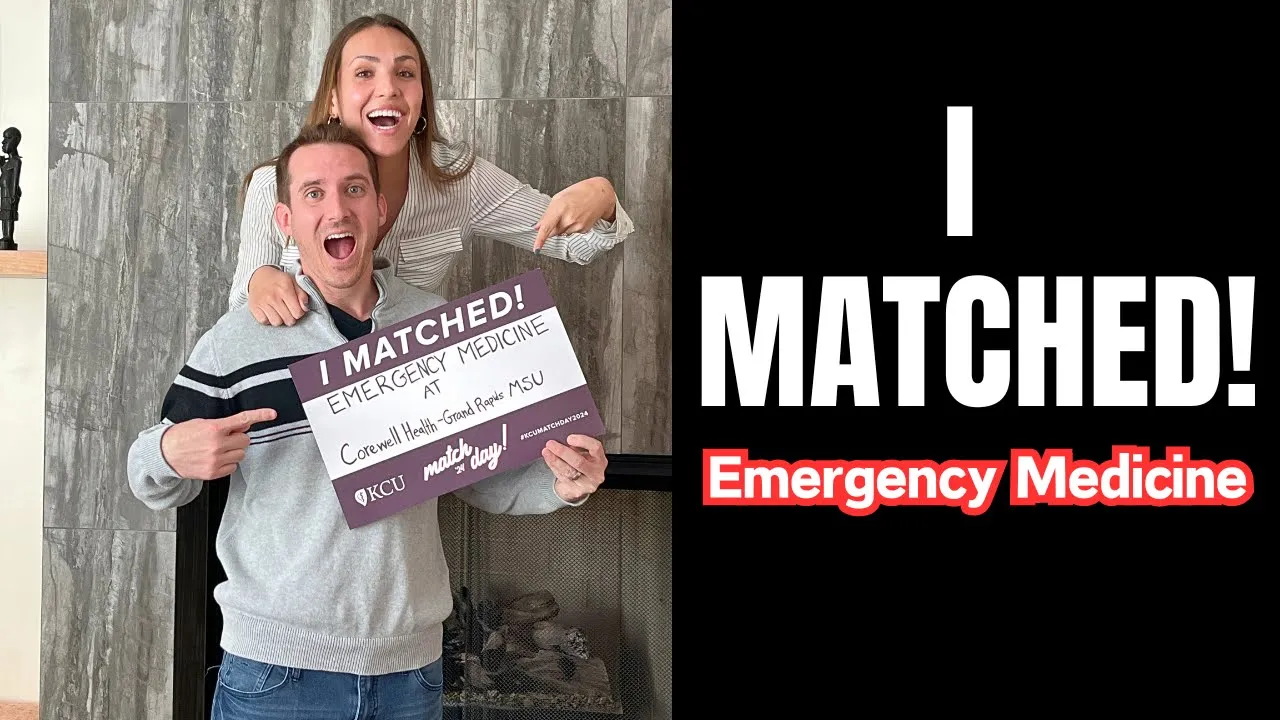
what's going on guys welcome back to another video it's been quite a while since I posted a video so I'm super excited to be back in making content for you guys just to recap um I am currently living in Michigan my wife and I moved from Utah to Michigan where I started my emergency Medicine Residency and so it's been about 3 months into residency now and I will talk a little bit more about how things are going in this video but also I know that a lot of you guys out there are applying for residency so I'm going to touch on some important things to think about and to consider as far as residency in general and more specifically emergency Medicine Residency so if you're an emergency medicine applicant then you're definitely going to want to stick around for this video and I want to give a huge shout out to kenhub for sponsoring this video but more on them a little bit later on so I will say guys it is very weird calling myself doctor now um but I love it it's such a huge honor and a privilege to be a doctor it is a it's a huge accomplishment um it's something I've wanted to do my entire life and now that I can call myself doctor um I feel like I have finally made some progress in this long journey of becoming a doctor I will say it was really weird you know my first couple shifts in the ER going into patient rooms and not saying hey I'm Michael I'm one of the med students working with your doctor today now I'm going in and saying hey I'm Dr merer um I'm going to be taking care of you today and so with becoming a doctor a resident um comes a lot of responsibility now those patients are looking to me for answers so it has been a little bit of a transition going into residency to say the least that being said I absolutely love residency I love being a doctor I'm so glad that at this point in my training I'm not dreading the career choice that I made and the specialty I love the emergency room guys um as weird as sounds I feel very at home and very comfortable in the ER um amongst all the chaos and all of the monitors dinging and patient screaming down the Halls um it very much feels like a safe spot for me but I know that's not the case for all of you guys out there and I know a lot of you guys are applying for residency right now so if you guys have any questions about my residency specifically or emergency medicine then please feel free to send me an email my email is down in the description I'd be more than happy to talk with anybody that wants to go into emergency medicine or is interested in learning specifically about my um er residency as well I will say one of the hardest things um adjustment wise when you start residency it's not necessarily the medicine it's actually figuring out your patient's disposition as well as just figuring out how things work in your department or in your hospital figuring out the EMR figuring out like the social aspect of medicine so like you know how do you discharge someone who lives alone but now needs help at home because they broke their hip or something those are the hardest things that I've come to find um during my short time in residency so if you guys are worried about the medicine being the difficult part of residency yes it is you know a deep learning curve and you're going to be learning a lot of different you know medicines and procedures and stuff like that but there's also this other aspect of sending your patients to like rehab facilities figuring out how to navigate their situation with your social worker so I would say that was probably the hardest thing that I'm still learning in residency another thing that maybe kind of ey openening to some of you is really how much you guys actually know once you become a resident you might think you're going into residency not knowing a lot about your specialty or medicine um but I think you guys are going to be truly surprised about how much you actually do know and I think a lot of that can be attributed to doing your audition rotations um you learn quite a bit about your specialty while doing those rotations in addition to kind of figuring out if that's a great Residency program for you while you're doing your sub eyes you're actually learning quite a bit of information that is going to help you overall wherever you end up as a resident there are so many instances now in residency that I catch myself thinking hey I remember learning that when I was a suby at whatever place or I'll remember a specific resident that was helping me when I was a suby so there's a lot to be said about doing audition rotations and doing a lot of rotations in the specialty that you're interested in doing I know there's some people out there that say like as a fourthe med student you know do audition rotations

Segment 2 (05:00 - 10:00)

and then kind of Branch out and do some other things that may interest you or that may be easier rotations but I would say I would do as many rotations in your specialty as possible as a fourth year med student and even if you can start as early as your third or even second year at some places um just get as much exposure to your specialty as possible because you'll go into your intern year essentially almost like a second-year resident depending on how much time you've you know dedicated um in your specialty up until residency like for example I would say the majority of my fourth year was spent in the emergency room you know with the exception of some required rotations that my school made us do I was in the emergency room I was learning as much as I could because at the start of residency I felt super comfortable in the ER I knew what pain medications to order in certain situations I knew you know specific dosages of things that you use in the ER um I knew how to do quite a few procedures already I had seen a lot of the more advanced procedures that we do in the ER so I felt I was already super prepared for residency by the time that you know I started on day one but like I said I was never prepared for that social aspect of residency figuring out my patient's disposition that is something that you're ultimately going to learn in residency so don't stress about that that's just going to take time that's going to take you know time in your specific hospital system or your specific department or working with you know your social work team um so like don't really stress about that but that is definitely something that I was not prepared for going into residency honestly guys my residency program is amazing I love it I really don't have really anything negative to say about it I think it's a great fit for me and it was exactly what I was looking for in a training program we have like longitudinal peeds so every time I'm on an em month I have like 4 to six pediatric emergency shifts it's kind of sprinkled into my schedule so I'm constantly getting Hefty doses of pediatric emergency medicine which is absolutely vital if you're going into emergency medicine and I would say if you're an applicant applying for em this year or in the future years um you definitely want to go to a program that offers integrated pediatric emergency medicine um it's great to do you know one month of pediatric emergency medicine in your first year um I just don't think that's sufficient and I think you're going to do that one month and you're going to forget literally everything you learned until you go back your second year and do another month so if you can go to a program that has the longitudinal pediatric shifts that is the ideal program for you I promise you guys you don't want to compromise on pediatric emergency medicine so guys I think this is a great time to talk about kenhub who is the sponsor of today's video guys kenhub is an awesome Anatomy resource once you get into residency you're not going to have a great res source to stay up to date on your anatomy and so having something like kenhub can really help you stand out especially like in the emergency department where we're doing a lot of nerve blocks and we need to know kind of the anatomy which would include the muscles the tendons the different vessels and obviously the nerves um it's really good to stay up to date on our anatomy and this kenhub Anatomy Atlas is such a quality resource it's one of their new products that they just rolled out so and it's not like one of those massive um books like as you can see like look I mean it's smaller than my chest and I think they made it this way so that you guys can take it you know wherever you're going to your clinical shifts to your you know actual shifts as a resident or as a physician it's a great way to quickly refresh yourself on your Anatomy now if you're in medical school this is a no-brainer type of resource um it's going to help you do extremely well on your Anatomy exams as a first and second year student it's going to help you prepared for the anatomy portions of your board exams and in addition to their physical copy they do have an online version of this book but the actual physical copy has a bunch of QR codes that if you guys scan them it'll take you to the online portion of kenhub where they have online instructors that will teach you the ins and outs of all the different aspects of anatomy now in addition to the textbook they have online quizzes that can help you guys quiz yourself to see how much

Segment 3 (10:00 - 14:00)

you actually know about Anatomy which I think is a nice touch especially if you're studying for one of your Anatomy exams but guys I plan on doing a more comprehensive review of kenhub so stay tuned for that video kenhub has also offered all of my subscribers a 10% off discount which you guys can find down in the description below and if you guys watch that future video on kenhub they've given me six codes to give out to six of you guys so that you guys have kenhub absolutely free so make sure to stay tuned for that video again thanks to kenhub for sponsoring this video and let's get back into it the other thing I want to talk about as far as you guys applying to emergency medicine programs is you guys don't really know what to ask these programs a lot of you guys and I was guilty of this as well is you guys ask a lot about trauma and that it's good to get trauma experience don't get me wrong um do you need to go to a trauma heavy program the answer for the majority of you is probably no and here's why unless you're going to work at a Trauma Center then you don't need that much trauma you're going to get sufficient trauma at a community emergency program obviously the more trauma you can get while you're training the better and the more comfortable you'll feel with it but most ambulances know where the Trauma Centers are and unless you're working at one of those centers you're probably not going to get that much trauma the other thing to think about is who's actually running the traumas at these um residency programs is it the emergency department or is it the trauma service because the majority of the time if you're at a trauma heavy program there's going to be a trauma service that is actually running the traumas and usually in that situation the emergency department is in charge of the head and the airway so you're going to be doing most if not all of the intubating but you're not going to be running the trauma now I don't want this to be confused with a patient coming in whose heart has stopped and they're actively doing compressions like there's trauma and there's unresponsive patients where they're actively doing CPR so kind of two different categories um if somebody comes in and EMS is doing compressions yeah you as an ER doctor you're going to be running that so you're going to be making sure that their Airway is still intact you're going to do your ABC so Airway breathing circulation you know all of those things you're going to make sure that their Airway is intact everyone is doing their job properly you're going to be still standing back and trying to figure out you know why this person is unresponsive or why their heart stopped or why they're in some weird funky Rhythm and how you're going to reverse that but that's very different than a trauma Activation so if you plan on working at a community emergency department then probably don't need to go to a Trauma Center unless you really want to but yeah that's kind of like my two cents on focusing so much on if your ER residency is at a Trauma Center or not it kind of doesn't matter too much guys there's so many things that I can tell you about residency um that it just won't fit in this video but I will leave you guys with a link that really helped me kind of figure out which residencies to apply to um so I'll leave that down in the description below but it's a Google doc that people continually update and it has all of the ER residency programs listed it has literally all the information about all of them the salaries it talks about trauma it talks about shift length it talks about you know moving stiens and living stiens and do they offer free food and free parking and all of those little ins and outs um so it's an amazing resource I'll put some other link of resources that I used to help me determine also you know where to apply for residency um so those will all be down in the description for you guys I'm super pumped to keep you guys updated on residency if you guys have any questions like I said you know email me if you want drop a comment down below I'll get back to you guys um if you found this video entertaining and helpful you know give it a like share it to your friends applying to emergency medicine um and let's stay in contact guys I'll see you guys in my next video

Другие видео автора — Dr. Michael Mazur

Ctrl+V

Экстракт Знаний в Telegram

Экстракты и дистилляты из лучших YouTube-каналов — сразу после публикации.

Подписаться

Дайджест Экстрактов

Лучшие методички за неделю — каждый понедельник