Top Skills You Need to Master for a Thriving Career in Robotics

Top Skills You Need to Master for a Thriving Career in Robotics

Machine-readable: Markdown · JSON API · Site index

Поделиться Telegram VK Бот
Транскрипт Скачать .md
Анализ с AI

Оглавление (4 сегментов)

Segment 1 (00:00 - 05:00)

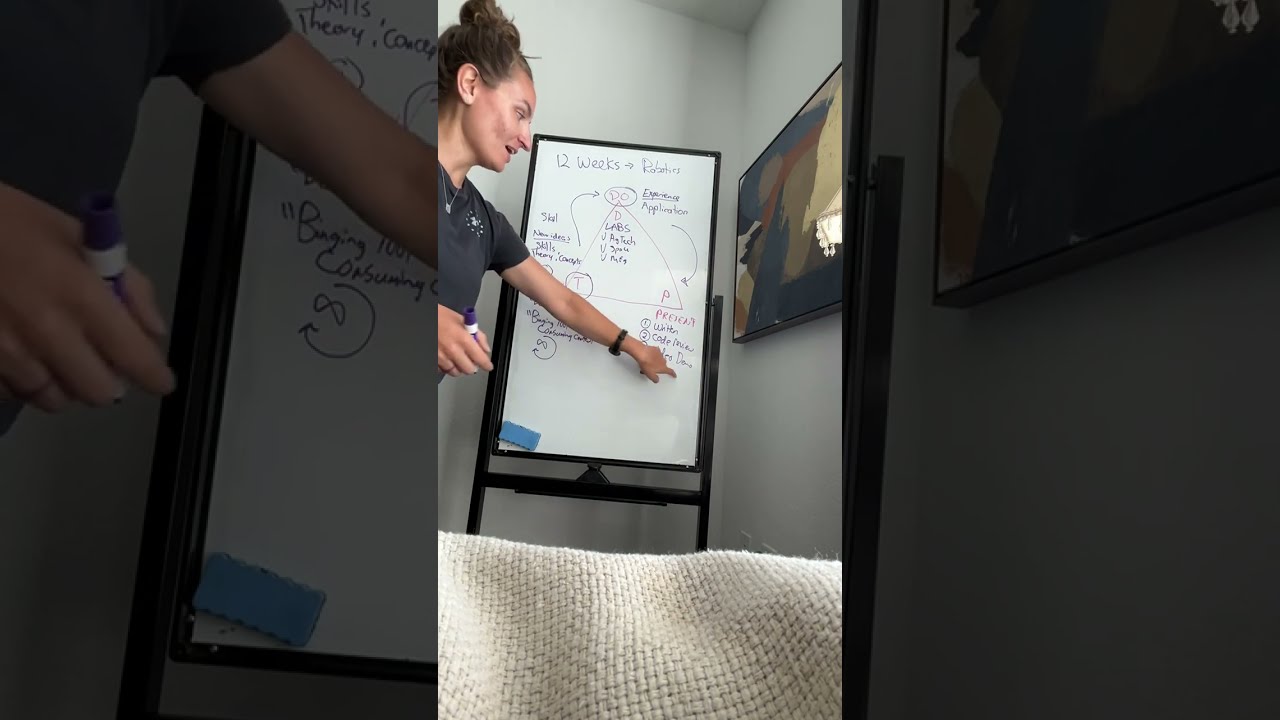
welcome back to my Channel today we're going to be talking about what skills you need to learn to break into the robotics industry Advance your career and get to the next level if you don't know who I am my name is Liz I'm the founder of learn Robotics and I've been helping professionals Advance their careers within robotics Automation and Ai and one of the most common questions I get is what skills should I learn so today we're going to walk through my exact process on how to figure out what I'm going to study what skills I need to know to come in and be a strong candidate for my next robotics job so let's hop right into it I put together this document if you'd like a copy of this doent just DM me the word plan on Instagram and I'll send it right over to you so what we're going to be talking about today is a combination of what skills do you need and what you're going to be doing with those skills to advance your career so a lot of times when people come to me for my mentorship program they're trying to get into a new career within the robotics market and they're trying to figure out okay well what skills do I need to learn so that when I go in for the interview I'm confident and I can speak to experience and then I can get the job so what we need to do is we need to start with the end in mind so the skill isn't valuable by itself without an application so if you don't know what you're using robotics for then it's going to be really difficult to find that career move because companies are paying you to help them solve a problem and so if you don't know what their problem is and you don't know why you're using the technology or why you're using robotics to do that then it's going to be really hard to communicate that to the employer so what you want to do is you want to look for job descriptions that are within companies or fields that you're interested in because these job descriptions they're going to tell you the skills that you need to know for that particular role so then you can figure out what this what skills to learn and then you can use that kind of as your training plan now because I've been in the industry so long usually when I'm working with clients if they tell me they want to work let's say in Industrial Automation then I can help them kind of navigate okay you need to learn PLC programming you need to learn pendant training you need to understand work cell design you need to know what you're manufacturing what is the process so then we can kind of map everything out from there but if you're not as familiar with the market I would start with the job description so look at some of those jobs that you're interested in read through them and start to see what trends and what skills keep popping up because odds are if you learn those skills and you learn those tools then you'll be a Val a valuable candidate moving forward with that role the other piece is robotics is a sophisticated tool it's not a destination so like without the application robots are useless and this goes back to gall's law which is like simple systems so every complex system is made from a simple system and so you need to understand like the simple system first before you get into complex systems if there's a simpler way to do something then you should do that before making things more complicated and Robotics is no exception and you can check out some of my other videos um they should be the playlist either on the side on YouTube or you can click the link below in the description I'll leave some videos around Market responsibilities in the environment I did a whiteboard style training on this you want to maximize these variables so that you can increase your income so money and these three variables Market responsibilities environment they are directly proportional so if you maximize all three you will make more money and three key points you want to choose a sector where robotics already exists so don't try to like go in and like make robots for something new it's going to be much harder to do that um you want to choose a growing and not dying sector so you can't save like a failing business model or a failing business with robots because there's a lot of costs associated with adopting the new technology so you want to go into a company that has robots already or is aware of using Automation and they're on board with growing and they have the budget to actually invest in the technology so robots they're more expensive than most Engineers realize and I've worked on projects where they've spent 5 million 10 million 50 million $100 million just to develop automation tools to make things safer to make things faster to reduce costs to improve quality and they're willing to invest the money if there's a return on their investment and so you have to understand like there's a lot of money being spent in this space and so you want to get into a company that understands that already so that you're not trying to convince them of this and you can actually just get off of the races and start working on the technology versus trying to you know sell them into the business of using robots so here is my three-step process we're going to be talking about um deconstructing again reverse engineering what you want to be doing in the industry so you need to start with the end in mind so what sector do you want to be in let's say you could say like Aerospace and then you may want to clarify that even further so I want to work um on engines and then on Commercial engines um and I want to be part of the manufacturing and production you know so I want to be actually on the floor making these components for or engines and then maybe we could even we could be even more specific uh and I'm like kind of laughing here because this is like actually a role that I had so I used to work for blades and discs um doing manufacturing production for I think me might have had some military but I was more familiar with the commercial engines um from a previous role that I had and um we actually used robots to do a spraying process um for this and so what you can start to do is get really clear on okay where do I want to be in the market like what kind of uh company do I want to be what kind of industry do

Segment 2 (05:00 - 10:00)

I want to be in what is the technology and if you can get really specific like this then this is going to guide a lot of the other decisions um and then like in the back of your mind you can be like okay well what companies do this okay well who are the engine manufacturers we've got brat and Whitney we've got um GE you know and so then it's just kind of like okay figuring out where do we go and then what specifically do you want to be doing so now that we know kind of where we fall what do we want to be doing nearer the better try to find ways where we can be more software focused mechanical focused systems focused and so like I when I was there I was more systems focused um my job was to handle a lot of the Robotics and automation systems and work cells that were already there so then it's just like okay I want to do like more industrial robots I want to be part of U work cell uh design and setup so like Factory acceptance testing um site acceptance testing like working with uh let's just say system integrators um a lot of times this rolls up to like capex so Capital expenses where they're making so this is sometimes facilities they're making upgrades to their Factor so that they can actually bring in the Automation and then a lot of times this ties into digital transformation so these are some of the areas okay so what do you specifically want to be doing and then do you want to be more tactical or strategic so do you want to actually focus on the strategy of how are we rolling this out and how does this impact the profit or do you want to be like I want to sit here and program these robots and I want to be responsible for teaching the uh operators how to use it um and something along those lines you have to kind of decide am I going to be Hands-On tactics with the tech or am I going to be more strategic around the decision- making of how this technology is being deployed so for example I've got a couple of them here we've got like the corporate ladder so a lot of times Engineers they'll do like um if they want to go more corporate ladder in leadership which was a program that I was in they'll do like engineering then they'll do like oper ations then they can potentially become a GM and then a director and then a VP so that's kind of like what that looks like um and obviously there's intermediary steps here this is very simplified um the other path could be engineer they could become a consultant they can get an entrepreneurship they can start their own business it's kind of what I've done in my own career growth or you could be that traditional engineer where you just want to get really good and become Anem or subject matter expert in a particular technology so you could be an engineer then you become like engineer 2 engineer 3 senior engineer you can become the engineering fellow um and so you could go that traditional engineering rout so you want to kind of get an understanding of like your personality and like what you want for yourself because then this will help you determine Okay cool so I want to stay system sides but I want to be like part of the actual build team for you know work cell design and setup I want to be more Hands-On with the equipment I want to be you know uh part of the programming and debug and troubleshooting and adding new features so that could be actual like Hands-On with the uh with the tech with the systems with the robots actually doing some programming and like debug and troubleshoot and upgrades or you could be more on this side of it same project where you're managing the data from these work cells to make business decisions so that you can meet you know um you know more profitability higher throughput better customer satisfaction whatever those metrics are and I've seen both sides of this I've been on so what you need to do is you need to figure out what specifically you want to be doing and then this kind of adds to your list so now you're starting to build out this road map where you can start to see I'm going to highlight these key components because this is going to dictate what skills you need to learn so now you figured all of this out and you kind of know where you want to end up let's just say you want to do more of this route we're going to be part of the manufacturing I'm going to put like here's like our example here you want to do engineering you want manufacturing you want to do um controls um and automation engineer maybe you're a lead and maybe that's kind of like your next like three is years three to five years that's your growth trajectory so we'll just highlight this because this is a common path that's why I wanted to put it on here um and if you haven't seen my video on Industrial Robots versus research robots there'll be probably a card or something that you can check out open that up in a new tab um so that you still can watch this video but um that'll give you more insight on the different like kind of sides of Robotics and now you need to figure out where are you located so do you want to be in a major city suburb um again maximizing the variables if you are in the major city where there's more population and there's more money being spent you're going to make more um whereas if you're in a suburb you're going to make less so when I was in this role I was actually more in a suburb than I was in a major city so the salary there was a little bit lower because the cost of living was lower um so it's kind of all proportional you got to just decide what kind of environment you want to be in so major city or suburb that's going to be kind of where the business is located and then what is the size of the business so who are you working for so you know PR Whitney is going to pay more than you know Bob's engineering company that um you know is like a local business you know so you've got to kind of understand the

Segment 3 (10:00 - 15:00)

unit economics of what can that company afford to pay for what I'm doing and so generally a corporation is going to be able to have more funding than a local business and in our case um with this model we're looking at a corporation and then I even put in some examples so like who so who are some good fits um rat and Whitney General Electric so GE you could look at other like engine companies that meet criteria and that's going to kind of let's add this to our list here we'll highlight that and as you can start to see we're finally building out like kind of like this root cause analysis for our skill development and because we've done this almost guarantees that the skills you are learning will actually be useful and will help you Propel your career versus just picking up more skills and not knowing what to do with them later so rather than trying to fit your resume into a future job you're taking the job and you're doing what they want you to do right so then that inherently makes it easier for you to then Advance your career uh so then job description so I kind of have in my mind like this mental model and that's why I like to share this with you guys of like what skills do you need to learn if you are unfamiliar and you're just starting out spend some time reading job descriptions that match this criteria look up engine companies like if you don't even know look up the engine companies see what they're about see if maybe there are startups that are coming up with engine technology see if there are other applications within Aerospace so really the cool part about this is now you've got these key points which we can put into a step five pile your map and what I'm going to do is I'm just going to grab all of this so that we have really a clear definition of what we're trying to accomplish and now what we can do is we can focus on okay now we know what we're doing we can find the right skills that match this map right so it's just like when you're building a home you need to buy certain equipment and certain um materials and things like that you need to hire subcontractors it's like you wouldn't do all of that before you have the blueprint so this is why I like to have of everything all mapped out so now what we can do is we can we've got a map we've got Aerospace engines commercial like you can kind of see how this goes so now we've got kind of our key what I like to call like profiles or like what we're actually doing like the competencies what we need to be good at so let me actually make these red so we've got industrial robots we've got work cell design and setup we've got potentially understanding capex and facilities and like how that all works if you want to get into that side of it and then digital transformation if you want to get more onto the business analytics and decision making um you can go that route as well so let's just do industrial robots I don't want this video to be too long but what I would do is I would start to decompose what this all means okay and a lot of times this is the tools that you use they're going to be dictated by the company like you're not going to be able to come in and say Hey I want to use this particular tool they're going to be telling you like we're a Rockwell facility like we're only using control objects so you kind of have to go with that um so industrial robots we have the actual robot arms we've got different kinds of are they just the standard um you know pick and place robot arms are they collaborative so you may want to know like okay are we using like phic or we using like Universal and you're going to want to ask these questions so you're going to need to figure out what does the factory use because you don't want to learn like the fanic teach pendant programming if all the other robots are like momand like you want to you want to learn the platform that the facility uses and get really good at that because there's no benefit to learning something different now what I will say is let's say you have like Moto man experience but you don't have fanic experience that's totally okay because like some of that is transferable but it's just it just makes things easier for you like if you have to choose one choose whatever the facility like what kind of factory they are and get good at that the same is true for like plc's so I'm going to put plc's in here um like I mentioned before like if they're a rock plant you're going to want to learn like Studio 5000 like don't go learn don't go learning like uh Cod assist or some other framework go learn whatever they tell you that they use uh because that's going to be more valuable for you um so are they Rockwell are they seamons do they use code assist I haven't seen Cod assist much in the states but a lot of like European factories will use it um and then you're going to want to know okay well are they programming in like function block or structured text or lad logic and a lot of times it is lad logic uh lad logic um you're going to want to learn that and so as you start to decompose this now we're actually getting to the root of what the actual skills are which is the answer to today's video so if you're a person and you want to get into Industrial Automation let's say in Aerospace working in manufacturing and you want to focus more on the system sides and grow your career more on the Hands-On uh you know developing robots that actually make parts or do production work then you're going to probably need to learn about robot arms some Brands like fanic or Universal depending on what you're doing you're going to probably need to learn PLC programming so that would be like in studio and you're probably going to need to learn louer logic and a lot of this I said comes back to what does the factory use so now

Segment 4 (15:00 - 18:00)

you you've got kind of the skills Arsenal and I would almost go out on a limb and say that the job description for somebody working as a manufacturing engineer or manufacturing and automation engineer in a facility like this is what the job description is going to say something along these lines um and so this is kind of my methodology when people ask me like what skills should I learn is do this process and I know it's a roundabout way to get to the answer but it will give you the answer um if you go through this and then you can take this and create a study plan okay cool now I need to learn teach pendant programming how to actually um write the software in the pendant I need to understand how do I connect the controller the robot controller to the PLC to the conveyor to the sensors and you can start to expand your knowledge based on this ecosystem so then you can even do the same for work selves and set up and design what kind of software and tools or what kind of system integrators am I using am I collaborating with what are their best practices what is kind of the standard that we're using and then go ahead and start learning their Technologies they might be big on using um AutoCAD so like you're mapping out the facility and the layout where am I putting my power pneumatics where am I putting the controllers where are the where is the actual um this is a big one like the safety guarding where am I putting all that okay well then safety guarding it's like might need to brush up on your an Ria background because there's a whole bunch of regulations around um safety regarding robots and uh safety in the work cell it may also be uh what are the Sops so what are the standard operating procedures what is the documentation and training so that operators can use the cell so if they're running this machinery and we need to be making sure that it's producing Parts every you know hour if it's a lower volume system who's running that how do they use it how do they facilitate that use so you can kind of see me like kind of riffing here with some of these different skills but this is really what I would recommend doing and I would use this use the job description and use your interest to make guided decisions on your learning trajectory don't just go and start learning a bunch of software and tools there are too many of them in the industry and if you pick the wrong one it's not going to be as valuable as if you walk into let's say a pratt and Whitney and you saying like no I already know fic I already know um Studio 5000 versus you saying you know C++ programming because I can guarantee you C++ programming in this particular role is not going to be as valuable um so you need to know kind of the context in which um you're trying to make that move and where you want to end up so that is my methodology if this was helpful for you please hit that like button I'm trying to share with you kind of process I didn't realize this wasn't intuitive until I started talking to clients about it and I just thought people knew this um I thought people were doing this and that's how they were advancing their career and I realized that's not what people are doing people are trying to take classes and then fit the classes into the job um when in reality it's much easier if you start with where you want to end up and reverse engineer it backwards and then figure out what skills are relevant to that career move we do a lot of this more specifically and personally to your background in my mentorship program so if that's something you're interested in I have a 12-minute bonus training in the description below you can take that training see if that resonates with you see if we're a good fit to get to work together and if you want to move forward there are instructions on how to submit your application for my mentorship program this is where I'm going to work with you over the next 90 days and guide you through this entire process so you can move out of your current engineering role and into the next level or the next chapter in robotics Automation and AI so basically a calibrated version of this process with feedback accountability and my thoughts to help you make that move a lot faster now if you're not convinced that I'm a good fit to be your Mentor that's totally okay too here are some more videos that you can check out and I'll see you next time

Другие видео автора — Learn Robotics

Ctrl+V

Экстракт Знаний в Telegram

Экстракты и дистилляты из лучших YouTube-каналов — сразу после публикации.

Подписаться

Дайджест Экстрактов

Лучшие методички за неделю — каждый понедельник