DIY Cooling Fibers Successfully Made!

DIY Cooling Fibers Successfully Made!

Machine-readable: Markdown · JSON API · Site index
Поделиться Telegram VK Бот
Транскрипт Скачать .md
Анализ с AI

Оглавление (19 сегментов)

Segment 1 (00:00 - 05:00)

for this experiment in making radiative cooling fibers the first step is going to be to learn how to use a cotton candy machine hi I'm Ben thanks for being here with me we are in the middle of a radiative sky cooling Series where I've been developing paints and Coatings that become colder than air temperature by radiating their heat off into outer space it sounds impossible but this is actually how everything becomes colder at night the entire Earth's surface radiates heat into outer space constantly and when the sun is not directly shining on it to keep it warm it becomes colder by default the trick to a radiative sky cooling surface is that we want this effect to also occur during the day time we need to reflect as much incident light as possible this means sunlight and radiated infrared light that's coming at the surface from the atmosphere all of this needs to bounce off so that it doesn't warm the surface Sur one of the Holy Grails of this Series has been to make a radiative cooling fiber in that way we could actually use this type of material to make clothing tents tarps all sorts of things that would be extremely useful if they would maintain a temperature colder than air temperature a t-shirt that would be colder than the air around you when you're standing in direct sunlight would be incredible think of it these materials are colder in direct sunlight than other material would be in the shade that could totally change how we interact with high temperatures in our day-to-day lives and I think it is well worth pursuing now I'm not able to make fibers out of many of the successful radiative cooling paints that I've developed in the past at least not by traditional means one of the ways that seems promising is to try a new radiative cooling material made from a certain kind of plastic that we'll talk more about later and feed that into a cotton candy machine the only problem is I've never actually used a cotton candy machine for its intended purpose and I think that's probably worth knowing before diving into more difficult materials to work with so let's make some cotton candy first and learn how these machines work and see if they will indeed be appropriate for spinning more Advanced Materials I'll be honest that's a little bit scary I think this is a project where I might keep these on the majority of the time I certainly did not know how a cotton candy machine worked prior to picking this up I want to show you what is inside of this head so let me take the off so under this cover we have this pretty neat piece of machined aluminum what we have here is a shallow dish so that when we pour sugar in the middle and turn the machine on this starts rotating and it flings the powdered sugar toward the edges but because of this lid the sugar is not able to escape from The Edge until it melts there's little pressed divots in this lid and that makes an extremely small Gap that only molten sugar can fall through if I bring you in closer you can see those gaps maybe just barely on camera those gaps are far too small for granulated sugar to fit through so the sugar when it's in a powdered State can't escape but as soon as it hits that melting point it can fling out as a strand of cotton candy and that makes it very useful for forming fibers out of anything that needs to melt at a high temperature and of course we have very fine temperature regulation on this machine I can control it by uh adjusting this dial here and very carefully reading the voltmeter to see how much power is going into the heating element on this head this is only one of a few different kinds of designs they have for these cotton candy heads uh others that I've seen have a deeper dish and then something like a mesh like a window screen along the outside that serves the same purpose the powdered sugar granules cannot fit through the screen until they melt giving you your cotton candy first of all I think what we need to do to this machine before we get started is give this a wash I want to wipe this down with some water to take off any oils or residues from the factory this is not the smoothest surface and if I start putting my radiative cooling materials in here they might have a tendency to stick and be a real pain to clean between batches I'm going to use some sandpaper give this a nice polish so that we end up with something that hopefully will be much easier to clean when we start feeding lots of strange experimental materials into it science is

Segment 2 (05:00 - 10:00)

messy especially when you don't know what you're doing like me I'm not sure I like the height of my workbench in this circumstance I don't like the rim of this thing being basically at my exposed face level maybe I'll drop it down a little bit before we get started yeah that's more like it all right we're at the safety height I got my safety shorts on safety glasses and I've skimmed the instructions so I think we're ready to get going so the instructions say that I'm supposed to turn this thing on and let it heat up at about 90 to 95 volts before putting in the first bit of sugar all right do we dare to try it I think we do let's get going whoa oh my gosh jeez okay that was maybe a little too hot because that Sugar came flying out of there yeah that is too hot uh notice how it is smoking um I see uh I see dark coloration inside the head here which means that the sugar was hot enough to burn what little remains behind and if you look around the edge of this container here it was so hot that it didn't solidify in the air it stayed liquid until it splattered on these sides we're going to have to give this another test and dial back the temperature a bit I should maybe ease into it after the material has been poured in it's tasty though all right let's try this again I'm gonna go to 80 volts let's do a blue color so we can differentiate the new versus the old sugar okay here we wow yeah there we go there's a better temperature wow cotton candy machines are neat guys this is really fun shouldn't have done that I have cotton candy all over my face for the rest of video well shoot I think I pretty much already have the hang of this machine after only two attempts it's much simpler than I imagined it would be I think what I'm going to try is one more test turning the temperature of the head way down before I actually add the sugar I don't want it to be at the melting point when the sugar goes in I want to see how it works if I put it in then turn the temperature up that might be a more reliable way to feed in something like the radiative cooling fibers nice okay no strings coming out yet so that's good that means we're at a low enough temp that we are below the melting point let's see what happens if we just let that go for a minute this is what I'm hoping for with my cooling fibers just to be able to pull it out like this and then maybe even spool it up we can then make uh various Yarns and such out of it which would be very useful for later processing nice this is going to take a pretty deep cleaning before I'm able to use it for any other purpose fortunately the actual radiative cooling substance that I was hoping to use in this is also going to take a bit of preparation so if I get that started I should be able to clean this at the same time and maybe use my day efficiently what I was intending to use for the radiative cooling substance is something similar to what we've done before in previous videos I've dissolved acrylic windows in acetone mixed in a little bit of water and then you let this mixture dry the acetone evaporates first leaving behind a solid layer of plastic that's completely filled with little bubbles of water that water then evaporates leaving behind voids in the surface which scatter light in the same way as snow if you think about it snow is made of transparent ice but it's one of the brightest substances in nature

Segment 3 (10:00 - 15:00)

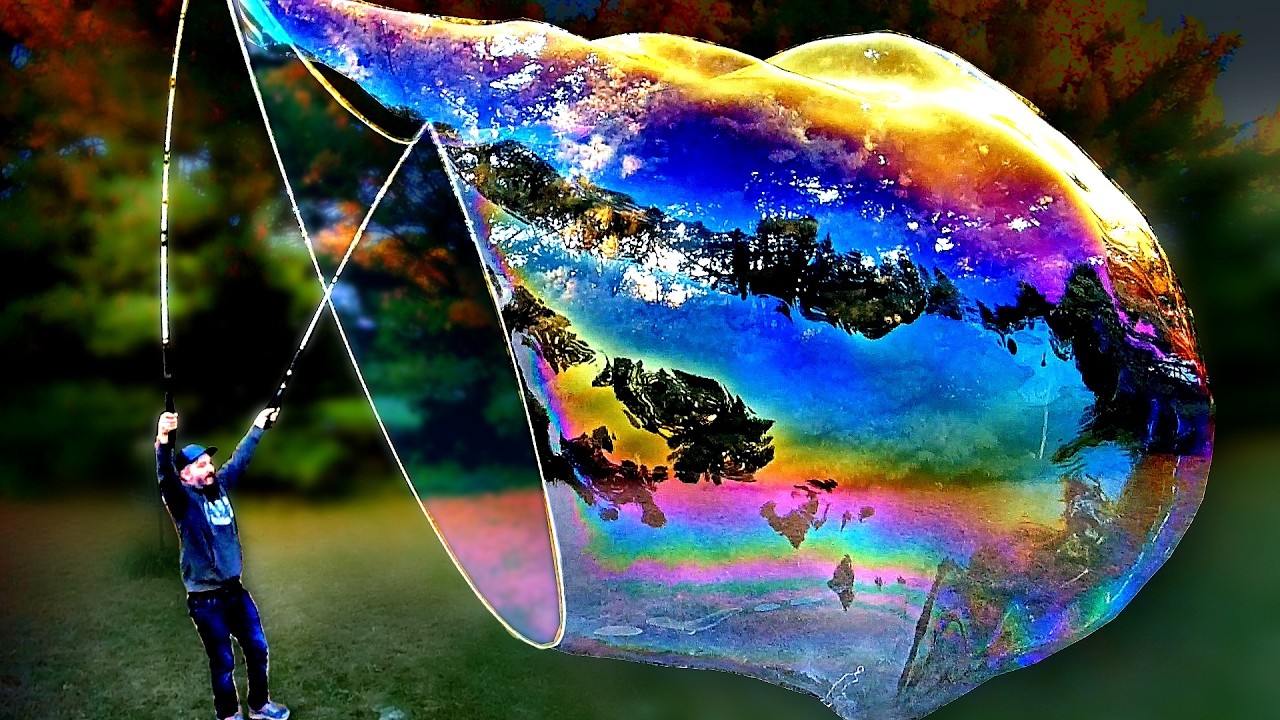
reflecting almost all the light that hits it and it does this because it has a bunch of air voids in the surface instead of acrylic what I'll be using in this video is pla is the most common 3D printing plastic and it's actually organically derived this stuff will break down into completely inert organic ingredients and that is a big advantage over other Plastics that are commonly used to make clothing it's obviously a thermoplastic being used in 3D printers and so it should work well in the cotton candy machine now someone sent me this research paper a fan that was paying attention to my radiative cooling series and was looking out for new projects that I would like to explore this paper investigates the use of making fibers for radiative cooling using a plastic called polyvinylidine fluoride it would be nice if we could replicate this paper without using this really exotic plastic and I think pla is going to serve this purpose what these researchers did is they mixed a longchain molecule a lubricant into their plastic very intimately mixed with this plastic and then spun it out in what I think is basically a cotton candy machine described in more scientific language when they mix this polymer and a lubricant this longchain molecule together you end up with a mixture that once passed through water the lubricant dissolves and it leaves behind a very porous fiber these pores reflect light just like snow and so you end up with a fabric that absorbs almost no sunlight and also emits well in the infrared Spectrum for radiative cooling we should be able to replicate this with the pla now the lubricant that they used it turns out it's called peo and it's something that I happened to have on hand from earlier videos this is called J lube and it's used as a veteran vinary lubricant to Aid in birthing cattle things of that nature and in my case it's used for making giant bubbles the biggest bubbles you have ever seen can be made with this stuff I'll show you the recipe actually on screen now it's a really good mixture if you want to make some of the biggest bubbles you will ever see in your life like School Bus sized it's really awesome and you should definitely try it now this is not pure peo as I understand it it's about a 25% mixture of polyethylene oxide and sucrose sugar and so it should be very well suited also to mixing in a cotton candy machine and we'll see if that sucrose additive actually interferes with the mixing of this with our pla plastic my sponsor for this video is delete me who helps protect my personal information from being sold by data Brokers across the internet there are hundreds maybe thousands of data brokers who make money by collecting personal information like phone numbers addresses emails family history and then selling that information to anyone willing to pay for it since using delete me for about the last 3 months the number of scam calls I've received has gone down by almost 90% as delete me submits takedowns for my information from more and more data Brokers legally these Brokers have to remove your data when asked but typically that requires filling out an individual form on each of many hundreds of websites and that's where Del me steps in to regularly scan the internet for you and submit takedown requests on your behalf whenever your information appears if you'd like to make it a lot harder on telemarketers scammers and identity thieves to get your information and that of those you care about check out delet me you can get a 20% discount on a US consumer plan by using my link join delet me. com Sligh Hawk and using the code Nighthawk on checkout so how do we mix this very rigid stringy plastic together with something that is in a powdered State it's not so easy as just throwing this stuff together into like a coffee grinder or a blender I tried that the plastic just does not turn into a powder and really we need these things mixed together much more intimately than something like a coffee grinder could achieve the paper that I'm referencing used a piece of equipment called a ball mill think of that like a very large rock tumbler with heavy ball bearings inside that just Crush things together into dust and I do have a ball mill unfortunately I don't think that I can use it for this project because I've already used my Mill to make fireworks with charcoal and lamp black is some of the key ingredients in those items and in that case once you've put charcoal into a ball mill that ball mill is never going to be completely clean again if we put this plastic and the polymer into a ball mill and started grinding away it

Segment 4 (15:00 - 20:00)

would come out as a very dark gray or even black powder completely contaminated with carbon which would easily absorb sunlight and Destroy any radiative cooling effect we were hoping to get so let's put that on the back burner for now I don't really want to buy an entirely new ball mill just for this project so let's try a different method I thought maybe we could do this chemically by first dissolving the plastic in a solvent so it's in a liquid state and then we can easily mix this powder in by hand give it a good stir and maybe boil the solvent away afterwards so that the plastic resolidifies hopefully intimately mixed with this powder in the end the first step here will be to chop some of this pla filament into pieces so that we can weigh it out and dip it into our solvent I haven't quite figured out how much plastic I want to use but I think I'll start with a lot so we have a whole lot to play with in case it's a little bit tricky to get working in the cotton candy machine okay so now I will add my pla 33. 3 g into this container and then I'm going to pour some solvent over top the solvent that we'll be using to dissolve the pla is methyle ethyl Ketone substitute ethyl acetate you can also find ethyl acetate being sold as acetone-free nail polish remover as far as solvents go this is a pretty safe one to work with there's still flammability risks and health risks that are associated with any solvent but the health risks are much lower than many others I'm also using just an arbitrary amount of this ethyl acetate to dissolve these 33. 3 G of pla you just need a little bit of an elevated temperature in order to fully dissolve it but it really doesn't matter how much we use here because the solvent is just going to boil away later anyway in the end we'll just be using the solid plastic with all of the solvent long gone well this is dissolving I'll go ahead and start cleaning this cotton candy machine yay this thing I think I should probably just take up to the house and spray it with a hose sticky wow that's actually surprisingly clean there's like no sugar left in that there's hard even any tackiness boy that works really well to get the sugar out of the center of this that gives me a lot of hope that this is going to work really well for the PLA and not leave much of a residue behind that needs to be cleaned up it's starting to stink a little bit like the ethyl acetate in here so I decided to set up uh the fume extractor and just make sure that we are uh not filling the workshop with solvent so I had the thought that once I actually start spinning my radiative cooling material in this machine the overspray that would otherwise collect on the outside of this drum is going to be a little bit more of a precious material than ordinary cotton candy sugar and so I'm going to try lining this barrel with this foil which should be easy to pull off and then by Bend the foil the radiative cooling material should easily come off and be in a form where I can feed it back into the center and hopefully recycle it into more fibers I think we're nearly there with this you can see that there's still some remnants of some of these plastic strands in the solution that are not fully dissolved all right keep going so as my plastic has been melting away over here I've been trying to work out exactly how much of this lubricant I want to add to try to achieve that porous effect that will give us our radiative cooling properties in the paper that I'm referencing they ended up using an 85% mixture of plastic to 15% peo and that's the best result they achieved but it's also the lowest ratio of this peo they used they didn't try using even less than that and so we might achieve even a better effect than the paper by testing lower quantities in addition because this is not pure peo I'd have to use a lot more of it to hit that same ratio so what I think I'll do is I'll start with using a very small quantity of this powder much less than they use in the paper we'll see how that works and I'll increase it from there if needed I'll add 10 G of this powder into the plastic that is cooking away in this Beaker and that should end up being about a 5% solution of peo to PL itic this stuff can be very messy and

Segment 5 (20:00 - 25:00)

it's obviously Dusty coming out of this bottle that should be a good starting point and if I need to add more of this I will to see if I get a greater effect there we 10. 02 g pretty good shooting So the plan now is pretty much just to dump this J Lube into this plastic and solvent solution and stir it pretty consistently for the entire time that the solvent is evaporating away hopefully in the end I'll end up with solid plastic left in this Beaker very thoroughly mixed with the peo lubricant this might take a while it seems to be dispersing fairly well and I can't smell any ethylacetate so that means my fume extractor is working perfectly that's really nice hopefully the sugar the sucrose that is mixed into the J Lube powder does not harm the effect oh the fact that it falls off in strings is really good news for uh the idea of turning this into fibers that is a really good sign I think this work this might work even without melt spinning this I could spin this cold just using a solvent to turn it into these strings wow that is really cool I've made it decision seeing how stringy that this plastic is with the J Lube added I've decided that before I evaporate all the solvent off I'm going to take a small sample of this while it's still in its liquid state and save it until later in case the Melt spinning doesn't happen to work I really want to try cold spinning this with the solvent still in it and see if I can make fibers without any heat just see if I can evaporate the solvent off in midair and be left with these long stringy fibers so I'm just going to Take 5 m just as a precaution in case the cotton candy machine doesn't work okay little bit messy look at the string on the end and there's these are so flexible when they dry also well maybe not this one and pop on a cap all right 5ml sample just as a backup I'm really excited by this discovery that the peo fully disperses into ethyl acetate I've actually not found any other solvents besides water uh that this stuff will actually dissolve in but this seems to be working really well and it solved a concern that I had in using the pla plastic for spinning fibers because pla doesn't tend to turn into Strings and that's what one of the things that makes it a really good 3D printing plastic stringiness in a plastic is something that can really ruin a 3D print and Pla does not tend to do that could be a detrimental thing in trying to turn this into fibers intentionally in a cotton candy machine but the peo this stuff dissolved into this solvent it makes this super stringy it's making fibers just falling off of the glass rod that is awesome as the solvent is evaporating I'm getting a little bit nervous that we might end up with a solid slug of plastic in this Beaker that does not want to come out so I'm trying to decide at what point I should pour the liquid plastic out maybe onto this foil tray and let it finish evaporating from there it should be easier to collect off of the foil than the bottom of this Beaker and the last little bit of solvent should also evaporate more quickly from this big surface than from the bottom of Beaker it's getting too stringy too sticky I need to dump this out before it really gets stuck move the hot plate aside and let's dump this over on the tray what a mess

Segment 6 (25:00 - 30:00)

what I'm doing right now is just breaking up the pieces the larger clumps of this material to make it more suitable to feed into the cotton candy machine and to make it so that the solvent continues to evaporate faster if we have giant clumps they're going to stay damp with solvent in the center for a much longer time than if I break them up into pieces yeah really pleased with how this is looking right now all right I do not smell any more solvent on this powder and I am feeling good about this I think that this is going to spin really well so I will go ahead and put my exhaust vent away can never get my gloves on well this stuff should be very non-toxic pla of course organically derived and then we've mixed this with a lubricant that of course is also non-toxic meant for veterinary use I'm mostly wearing these gloves because I don't want to contaminate this with any dust or Oils from my skin that might harm the radiative cooling effect we want this to stay really pure when I throw it in the cotton candy machine so I'll get this cotton candy machine started to warm up I'm going to start at a really low temperature as I did the last time I put candy into this thing and then ease into the higher temperature just until the point when I see the strands of this plastic hopefully shooting out into those nice fine fibers I don't want to risk burning this because then that will ruin the radiative cooling it'll darken the fibers and they will not reflect as much sunlight so I have a personal air filtration setup this is a replica of a now discontinued commercial product which is uh a snorkel mouthpiece mounted to an air filter attachment so I can actually attach a normal cartridge air filter to the front of this and this is a really good setup if you have a beard normal face masks do not seal well so this I can stick it right in my mouth I can't say anything but it's a great setup for breathing clean air and then I have a little uh nose plug here that I'll put on also so I'm only breathing through this and that should protect me from any stray fibers all right safety glasses on let's get started I guess I may as well use the cotton candy scoop seems to be what the machine is made for so let's fill this all right let's get it warming up after using this with sugar and getting a little bit of experience with this machine I've decided that the leather gloves are not necessary I'll just wait until the fibers start to form and then I can reach in just far enough to start pulling them out and hopefully I can do that without burning myself in any way I better get this uh back in my mouth we're at about 70 volts no sign of plastic fibers yet all right I've crept up to about 80 volts now forgive the voice I have uh my nose plug on that's not a great sign it's not coming through in fibers yet but it's coming through in like little tiny pieces all right need a little higher temperature I think shoot this is what I feared that it would not string properly and instead we'd get just chunks that don't actually turn into fibers that might be a problem because I see the plastic is Browning a little bit it might not be the plastic this Browning though it could be the sucrose in which case that could be dissolved out later and still leave us with a very white Fiber I've taken off the breathing protection because we're not getting the stringing effect that I hoped for and uh so we're definitely not getting microfibers that could be hazardous for me to inhale really there's just the smell of burning sugar in the air

Segment 7 (30:00 - 35:00)

so this is a little bit disappointing I think what I will uh I will try I'm going to try further processing some of these fibers that came off they're very short they're more like shredded cheese than actual fibers that you would make clothing with but we might at least be able to tell if uh this is going to work properly if we do end up with a properly stringed out fiber yeah that did not work as I hoped as the temperature increased I did start to get more of a stringing effect it started to come out more in a fibrous shape and less in the uh the shredded cheese sort of texture however at that increased temperature the fibers are clearly way too dark and I think what's happening is in the uh the polymer that I'm using the J Lube since this is not pure peo and it's actually majority of this is sugar I think we're getting a caramelization effect and a darkening of the sugar that is contaminating the mixture so this might not be an optimal ingredient in this I might actually have to go online and purchase some pure peo this caramelization of the sugars is definitely a problem when it comes to actually processing this further into radiative cooling materials any Darkness light like this is going to absorb heat from the Sun and fight the cooling effect so what I want to see is if I submerge these strands into water I want to see if the colorization this dark caramel color dissolves out if so then it literally is caramel that uh darkened and caramelized inside the cotton candy machine well the water is definitely taking on some of that Amber coloration which means that whatever is causing this dark color in the fibers is at least partially soluble that's to me enough of a confirmation that this is caused by the sugar which is in the J Lube we need to go online and purchase some peo polyethylene oxide that does not use sugar as a dispersant we need the pure stuff because everything that ends up in our final mixture that goes into this machine needs to be able to withstand the temperatures necessary to actually turn this stuff into a proper fiber apparently sugar darkens way too soon I guess it's a good thing I saved some of this stuff still in its liquid form I can still do some tests with this and see if we can make a fiber via cold spinning or at least some other method that doesn't require high heat all right po ethylene oxide $50 later but some pure peo powder is now on its way in the meantime I am happy that I saved this 5 milliters of the pre-dried material that I can maybe extrude out using this syringe onto this piece of foil to form fibers this will be enough to see if the process in general has the potential to take this material turn it into a fiber and then dissolve out the peo leaving air voids behind to give us that high reflectivity that we're looking for hopefully this will give us some sort of result in the meantime while I wait on shipping for the right stuff all right first thing I try I will use a syringe tip and we'll see if this works if not I will take this off and just use the nozzle on the syringe is this going to come out oh yeah all right well sort of syringe is kind of stuck oh no yeah see I think the uh I think the mixture froze in the syringe so I would need a heated tip to really do that all right let's just do this really big you're not going to be weaving a shirt out of that or a pair of socks or something but this will at least give us an idea of its properties as a strand sort of one thing you get when you're drying this plastic after it's been soaked in solvent is some pretty extreme shrinkage you can see all these breaks along the threads and they're just getting further and further apart because the strands are really shrinking as that solvent evaporates so that might be a problem with cold spinning this into

Segment 8 (35:00 - 40:00)

fibers uh yeah well these have had plenty of time to dry now this is not going to work for forming fibers it dries way too brittle probably because it crystallizes along the way to that dried State it's actually a PCM a phase change material as featured in my last video uh this actually crystallizes prior to drying and those crystals have voids between them that I'm sure are making these fibers extremely fragile well I guess I now have a little bit of time to kill before I can continue on making the radiative cooling fibers in the cotton candy machine but that's all right because I have more I'd like to show you I've also been developing another radiative cooling paint recipe that I think you'll be interested to see using this pla plastic I need to prepare a lot of this pla I'm going to try to chop Dr up about 40 G to make a 400ml sample of our cooling paint 40 as I've been developing the cooling paint mixtures in this series I found that a really convenient mix to start with is a 10:1 ratio of solvent to plastic so for every 10 mL of solvent we add 1 G of plastic and that just simplifies things when we go to add things like pigments or additives later on we know exactly how much plastic in weight is contained in every 10 mL of the final solution so in this Beaker I have 400 mL of ethyl acetate Heating in a water bath and I'll go ahead and add 40 G of my pla to this mix you're getting to see behind the curtain a little bit of what it looks like to try to invent something almost all of the time is spent waiting on stuff to happen deliveries and plastic to melt in a beaker it's a long process let me know in the comments if you enjoy this type of video where I'm taking you along for the ride I'll get back to you when the plastic melts as I've been waiting for this plastic to dissolve I've made a little Improvement to my setup here I've added a bit of Steel Mech mesh on the bottom of this secondary container which is full of water sitting on top of the burner uh the steel mesh lifts off the beaker in the center so that it's not in direct contact with the bottom of this tray allowing water to get underneath it and evening out the heat so we have no hot spots on the bottom I've had a lot of comments that I do double boilers wrong because I often slam them down right on the bottom of a pan full of water and that's true uh most of the time it doesn't matter but in this case having that super even heat from an evenly distributed water bath really ends up mattering so I've added a steel mesh to the bottom of this container to make a proper double boiler setup the pla is finally just about fully dissolved in this mixture it takes a really long time for that last little bit of filament to fully dissolve into the ethylacetate because I think we're pretty close to the saturation limit of this solvent that 10:1 ratio of solvent to plastic any more than that and I don't think it would fully dissolve what I will do now is add another solvent to contribute the snow scattering effect that I'm looking for we're looking for that two-stage evaporation effect where the ethylacetate is going to evaporate first when we've laid down the paint leaving behind a secondary solvent in the form of tiny little bubbles inside the plastic layer when those bubbles evaporate they leave air gaps and that is what scatters light the secondary solvent that I'll use in this case is ordinary rubbing alcohol from a convenience store 91% isopropyl alcohol works really well as the secondary solvent it'll evaporate more slowly than the ethylacetate and leave behind billions of tiny bubbles in the plastic the recipe in this case calls for 2 ml of isopropyl alcohol for every 10 mL of this base mix so I have 400 in this Beaker that means I'll need 80 ml total of the isopropyl alcohol and 80 Ms of isopropyl alcohol that is the final step in this recipe but all of these clumps will need to be dissolved before we can use this as a paint I'll let it sit on the heat for a little while longer all right so the clumps are gone and I think we're done so what I'm going to do to test this and make sure everything is worked properly is take a

Segment 9 (40:00 - 45:00)

small sample of the liquid and I'll just put it on top of this glass cover plate to see what it looks like as it dries notice that it goes on almost completely clear that ethyl acetate solvent will evaporate first leaving behind the alcohol and hopefully we'll see some magic I think that is pretty neat it's not even the best result that we can get I think that this mixture still needs a little bit more solvent to fully evenly distribute all the plastic it still seemed a little bit lumpy as I was piping it out in my past tests with this solution I've taken this base mixture separated it out into other containers and then added another 50% or so more ethyl acetate in order to thin it and fully distribute that plastic solution at that point it actually becomes usable in a paint sprayer which is a huge Improvement compared to my previous recipes which you actually have to squeeze out of a syringe or a Piping Bag extruding it onto a surface almost like a 3D printer it's a really difficult way to paint a large area this you can put in a spray gun so I'm going to take some of this mixture put it into a little Beaker here and add about 50% more ethyl acetate and then take it outside and give this a test all right so I have 250 ml of prepared cooling paint solution and I have my paint sprayer here you might notice a little problem as I spray this on but I'll let you uh notice that before I mention it all right let's see have you noticed the problem yet uh there's a reason I just did a super light uneven coat over the surface of this and that is because this stuff goes on all but invisibly uh so the best thing to do is to give a light coat to the whole surface you want to paint so that it starts turning white and you have a distinguishing background that uh causes the remaining layers of paint to show up more clearly you can see actually that uh where you spray fresh paint the solvent starts invading the pores of the previously laid on coat and so it ends up darkening the surface uh more than actually lightening it at first I only got to about here and as soon as this dries you'll see that it's a lot brighter white up here than it is down on the bottom but you wouldn't know that as you're actually painting So this container full is enough to do one solid coat on about 6 Square ft not a lot of coverage you get out of this paint but it does give you radiative cooling I think free air conditioning is a good reason to um be okay with using a fair amount of paint as I go on it gets harder to tell where I've already sprayed versus what still needs more coverage I guess an experienced painter would be able to handle that it's a little tricky for me well I did a terrible job at painting this evenly but that's really all there is to it this is now a radiative sky cooling surface indirect sunlight I have tested this particular mixture to stay at ambient temperature it doesn't get too subambient unless it moves into the shade at which point it actually can become several degrees colder than air temperature by radiating its heat off into space for the ideal radiative cooling surface staying at ambient temperature is not quite good enough we're looking for something that actually stays below air temperature even in sunlight and to do that with my past formulations I had to take this one step further and that is to add a pigment into this mix Ure something that completely blocks all incoming light from penetrating through this outer layer remember this thing yeah we'll get back to the fiber project something to notice here is that this container is still on the hot plate just at a very low temperature to keep it warm this actually tends to solidify at room temperature into something like the consistency of Vaseline which is a minor inconvenience but it's not too difficult to deal with so what I'll do next is make the same mixture I just did which is 150 ml of this base mixture

Segment 10 (45:00 - 50:00)

with an additional 75 MLS that's 50% by volume of additional ethylacetate to this mixture I will now add a pigment and we have multiple choices for this but I'll just be using off-the-shelf Amorphis barium sulfate ideally we would be using microspheres a blend of various sizes of microscopic spherical particles I've made these in previous videos but in this case I want to make an easily accessible off-the-shelf option and so I'll just be using Amorphis berium sulfate that you can purchase on Amazon or Ebay High Purity berium sulfate powder I will add 2 G to my mixture for every 10 m of the base material I'm using 150 so that's 30 G in total of berium sulfate powder so this mixture goes back into our warm water bath just to keep that in a liquid state and in the meantime I need to figure out a good way to disperse the pigment we just added very evenly throughout this mix without any clumps and one of the best easily accessible off-the-shelf tools I found to do this is a little milk frother this has a spring-- like attachment on the end it's battery powered by two doublea and you press a button on the top to spin this at an extremely high RPM this little attachment is very good at breaking up microscopic clumps in the pigment and so if I stick this through a piece of foil so that I can still cover the beaker so we don't get any splashing this is a good option to mix that pigment into solution this mixture is looking really good I thought I would have some trouble dispersing these particles into the mix maybe have to add some of the J Lube or some other thickener to keep those particles in suspension they do not look like they're settling and it's a very pure white mixture I'm ready to throw this into the paint sprayer and see if we can hit some subambient temperatures maybe for the first time recorded using PLA and a barium sulfate pigment I'm not sure if anyone else has done that in the research let me know in the comments below if you know of anyone who has made a subambient cooling paint with pla woo little oo interesting I just got some Fiber production in the pool of water where this stuff leaked out can we take advantage of that we have more tests to do later even harder than last time to see this time because I'm painting white on white actually I know some of you are going to object to this is a legit test because I already have a layer of the previous coating down I don't really care about that I just want to see if I can hit sub ambient with this coating the extra layer if that makes a difference would just mean that we have to do one more coat of uh of something and this would work so if it works I'm happy with the result doesn't matter that there's something else already down uhoh I've got a clog let me empty this out and take out the filter it didn't seem to have solidified so I think the issue was uh pigment clogging the little filter in there yeah there we go maybe removing the filter was not such a good idea after all right I'll spray this by hand whoa wow there we go speckly you can see those where you see the Speckles on this sheet that is where a large drop from the nozzle of this spray bottle landed and the solent soaks into the lower layers the previous coats of paint all right that was about 50

Segment 11 (50:00 - 55:00)

mlit that I just had in this bottle not bad uh pretty thick coating not very even but I think that's going to be thick enough in all respects and in all areas to give us some subambient cooling at the moment this half looks much darker than this half but just give it a few minutes when this dries it's going to be extremely bright white and it will be highly emissive in the atmospheric infrared window which is the target we're aiming for the best radiative cooling this has been crappy painting lessons with Ben and indeed this is a much brighter surface than this one now part of that is just because this is not a very thick coat of the initial mixture and this of course is much thicker however primarily it's because this one has pigments and this one does not much brighter white down here I am having an unfortunate issue with the paint here that contains pigment you can see that I'm getting this sort of like dry riverbed effect where the paint is peeling up in tiny little areas it's just full of cracks because it shrunk as the solvent evaporated I think I could maybe resolve this by painting in thinner coats letting it dry in between and then we'll get less of the shrinkage when the solvent evaporates alternately I might need to find a plasticizer or something that keeps this more elastic when it dries I think for now I'm going to ignore this sort of dry desert effect that occurred in the pigmented version of this paint that should be something that we can deal with a slight variation on the recipe or just by applying thinner coats so I'm not really concerned about it and this coating should be good enough to test and see if we can hit those subambient temperatures that I'm aiming for so you might recognize this thing if you've seen my previous videos in this radiative cooling Series this is what I use to test my paint samples to see if they can hit sub ambient temperatures I insert the panel in the front and then I can take a reading on the back with an infrared camera compare that to a control and in that way we can get a very good idea of the ambient temperature and the paint temperature Allin one reading it's a very accurate way to test the temperature differential between the two I'm going to put this panel into this test rig face it directly at the Sun so that it's under the harshest possible conditions and see if we can hit those subambient temperatures this panel that's currently mounted into my test setup by the way is from my earlier radiative cooling video this paint is a successful radiative cooler for subambient temperatures and then the additional samples down here and in this area are from a patreon live stream where I already tested the pla paint without added pigment to see if I could hit subambient temperatures with various thicknesses of Coatings this did not hit subambient but it did stay at ambient which is a really successful result for a paint that has no pigment it's a really good recipe and I only hope to see it improve with the new formula so what we have here is my control sample uh this little panel has been sitting in the shade uh just acclimating to the Ambient Air Temperature and we're going to comp the temperature of the paint or the back of the panel that is painted with this control So currently start recording on my um thermal camera here let me see the temperature we are 81. 8 82° F okay swing this to the side get it out of the way comparing with 82° f we are looking at uh-oh 92 and what this doesn't make sense 92 91 what is this not reading right I'm measuring no temp difference between those two sides oh are we just uh we having a failure a minute today or what oh man are you serious what does the surface of the paint read 91 or 90 and 92 w

Segment 12 (55:00 - 60:00)

wow unbelievable um I uh I don't even know what to say to that I have been working under the assumption that the pla coating was a really good radiative cooler because it has been in my earlier tests what just changed what in the world happened so we're getting 84° fah for Ambient Air Temperature uh there is one sample of my cooling paint there is my old version my cooling paint this the reason this is kind of patchy is because I have several different uh test patches on that and not all of them are the same thickness and so right there is actually the um that is the most coats of the new variation well that went terribly uh I reviewed the footage again from earlier on when I did have a successful result with this pla based coating during a patreon live stream and to my surprise when I looked back at that footage I did hit subambient temperatures without a pigment in the recipe just pure pla I used a little bit different recipe it turns out than what I used here and that maybe is part of the reason why In that clip I had success however really the main reason is my application I tried to go way too fast here while I was on camera did a sloppy job and so light was passing through this I did not make it thick enough and it turns out after checking my notes I didn't use the recipe that worked the best in previous testing I really screwed this up and I am sorry for wasting your time there the best recipe I have used for this pla mixture so far is 1 G of pla for every 15 mL of ethyl acetate that's the same so far but then I used half as much isopropyl alcohol only 1 ml of 91% isopropyl alcohol per 15 mL of that previous Solution that's half as much as we just used and that seemed to work better in my earlier tests the 2 ml we just used I think still would work with better application because it is an ultra white coating it's especially bright white in the pigmented version however the cracking on the surface is certainly detrimental to the radiative effect definitely some sunlight is getting absorbed in those cracks and converting into heat so the pigmented recipe still needs work I need to put some more work into this recipe on my own time and then at that point maybe we'll come back and I'll present a finished version in a future video you're seeing behind the curtain a little bit here this is basically how I struggle through these videos behind the scenes every day maximum temperature all right we are back to the main topic in this video making radiative cooling fibers we'll put the paint on the back burner for now I've received my peo in the mail what I have in this Beaker now is 20 G of the pla plastic already fully dissolved and to that I just need to add 4 G of one of these peo powders to hit the 80/20 ratio that's used in the reference paper we'll dry it out again and throw it back in the cotton candy machine I think it'll work this time I'm actually pretty excited to see how this stuff works in a giant bubble mixture pure peo instead of uh the J Lube Source potentially this could work much better especially if I got different varieties with different molecular weights I wonder if the larger chain lengths would work even better for making giant bubbles I'm really not sure I think a tiny amount of that just got sucked out my fum Hood hopefully not too much not the majority anyway so this will be the same process as before stirring in the peo until all the lumps dissolve then I will slowly evaporate solvent throw it into the cotton candy machine and hopefully end up with some fibers ah there are those strings again I think this time I will need to try making fibers just by stretching this material out I don't know if this is just way higher quality peo than what is

Segment 13 (60:00 - 65:00)

contained as the additive in J Lube or if I'm it's just because I'm using more of it by ratio because this is the pure stuff and not contaminated with sucrose but this is like almost unmanageably gooey look at that is nuts the reason that this stuff is so good at forming giant bubbles and apparently these huge sheets of polymer when it's in this solvent is because of that enormous chain length and you have all these molecules overlapping each other and just interlocking in a way that they do not want to separate when you draw them into a sheet like this wow this is just too thick way too thick I'm really curious what's going to happen if I take some of this super gooey substance and draw it out into a sheet like this and then place it on a piece of foil can I get it to stay all right we have recreated Flubber what do you do with this I didn't really do a great job at laying out a sheet but I just want to see once this plastic solidifies kind of what it looks like if it turns into an ultra white coating after you wash it also I'm curious to see if the fibers that have formed become brittle as they dry like the last time I tried this I mean that's pretty flexible at the moment as I'm playing with this stuff I know that the spaghetti like nature of the peo is what's really contributing the flexibility and strength to these fibers but I wonder if that peo is also orienting the crystal structure of the pla plastic to kind of Follow That same pattern that same lengthwise direction that might strengthen it more than with our previous test with the extruded fibers from the syringe we'll only know once this stuff actually dries okay it is time to once again spread this out on a piece of foil to dry to speed the process and hopefully not leave too much stuck inside of the container look at this bizarre stuff man it's taking a good long while for this stuff here to dry because that peo is acting like a serious jelling agent it's like this is almost Rubber and that's causing the center of these particles first of all it's really hard to break them up because it's like trying to break up a bouncy ball so it's taking a long time for this stuff to dry however we have had our first success over here some of these fibers that I've dried out already look it here here's a fiber here and this is still in one piece and it's a really big fiber the previous attempt where I extruded this stuff out of a syringe these things would already be broken into pieces on the foil and this is still in one piece it's not super strong but it is in a fibrous state that is flexible and could easily be woven into clothing this is a huge success because these represent the first viable fibers I've been able to make with pla these aren yet in the finished State they still contain all of that peo powder that lubricant powder that needs to be washed out with water and then the fibers need to be dried again and hopefully they still maintain their flexibility and their strength this could be used potentially to make clothing the question is could I develop a method to actually cold draw out these fibers like this in bulk from the liquid I'm not exactly sure how to do this on a large scale if you have ideas for how I could produce these from that very stringy mixture that I started with in bulk let me know I would be interested in ideas to make fibers in that way without needing heat it could be interesting I haven't talked yet about how to further process these fibers except that the peo needs to be washed out well I tried the process that I intend to use for the cotton candy fibers on some of these that I stretched out of that gooey solution and it

Segment 14 (65:00 - 70:00)

totally worked these are ultra white and I'm going to have to show you a closeup between the processed fibers and what they looked like beforehand okay so here is a macro view of one of the fibers that has not yet been treated by removing the peo and you can see that it it's fairly transparent on the microscopic scale now let me switch in one of the treated fibers that has had the polymer removed look at that look at how bright white this plastic has become with the peo washed out of it this was the same level of clarity as the previous fiber before actually washing out that peo and now look at it is incred incredibly bright white we have come up with our first Ultra White Fiber that is very likely to demonstrate some radiative cooling properties I think this is going to work if these spin in the cotton candy machine it's going to be perfect this is going to be a great radiative cooling fiber I can already tell you that wow finally a win in this video okay all right this has taken a really long time to dry but some of it on the outskirts I think is at least dry enough to give this a test I've done some experiments on the side seeing if this machine could even reach the temperatures required to Brown this plastic to get it to start to decompose and turn into a darker color and it seems like that's not possible so the earlier tests I was doing where I was getting the dark fibers was definitely due to the caramelization of the sugar contaminant so I'm just going to turn this machine on full blast maximum temperature drop some of this plastic in and hope we get fibers I think it's about time we give this a try I've been thinking a little bit about the viscosity of the pla that I'm trying to melt in this machine as compared to liquid sugar I think that this molten plastic is much more viscous meaning it's thicker it has a harder time slipping through the gap that is uh made by the divots in this top plate and so I made a few little shims to try to lift this slightly off the surface these are little pieces of aluminum cut from a disposable aluminum tray so I'll put these around the screw holes and when I tighten this plate back down hopefully there will be a very slightly larger gap for the plastic to come out of and I think that will improve our results oh man I'm nervous I really hope this works let's whoop let's give this a try ah come on now be nice to me yeah it's melting into the edges I'm seeing fibers sort of these fibers are definitely not darkening which is a really good sign we are getting something similar to fibers sticking to the edges I just wish they were a bit stringier let's let this play out and see what we get this is continuing to warm up I can definitely tell that we are starting to get look at that you can see them collecting on my finger those are real fibers there we're at too low of a temperature that's what the problem is for sure because we're starting to get more of this as we go along that's more of what I'm looking for and I think it's just requiring a little bit higher temperature to get there we're really pushing the limits of this machine just in the very last few moments of this test I think we were hitting a temperature that was adequate to start turning this into a real cotton candy like fiber and so I'm doing my best to let this machine continue to heat up and hopefully hit its highest possible temperature before I throw in more plastic the matting that occurred on the side of the foil um although it's not in a true fibrous State it's more

Segment 15 (70:00 - 75:00)

like a conglomeration of very short strands it might be something like felt where I could take it mash it together into a sheet and that would be adequate to go forward with uh radiative cooling testing and see some sort of result that would be indicative to see if this fiber process has the potential to work if I can hit the proper temperature this has been going for quite a while now so I think it should be at the highest temperature I can hope for anyway let's see what we get yeah I see oh fibers I see smoke but we're getting fibers look at that oh yeah oh yes oh success the higher temperature is absolutely what we needed 100% okay I need a mask for sure yes yeah all right um so these fibers are weirdly sticky like it's probably the polymer in there all right we have smoke I got to ventilate this heavily yeah this is the fiber mat that collected on the side before we hit the temperature to actually make legitimate fibers this itself well it's you're definitely not going to be making a shirt out of it but it's good enough to be tested for radiative cooling so the amount of actual pla fiber that I got out of this is fairly insignificant compared to how much matted against the side I'm excited to test this out I think we did it I think that this is going to be a great sample to test for radiative cooling it's not quite in the fibrous State I was hoping for but it's halfway there and did get some pure fibers I don't think I got quite enough to actually test the radiative cooling properties maybe on a very small scale but in any case we can finish the preparation for both of these to turn these into an actual radiative cooling surface that has ultra white reflective properties we need to set these in water to dissolve that peo polymer I'm using plain ordinary bottled water for this the paper that I'm referencing uses distilled water which makes sense for a paper in a scientific journal it does not make practical sense at all for what we're doing here if this requires distilled water to actually wash these fibers this is definitely not worth doing no one uses distilled water in their washing machine at home these fibers have to be washable with ordinary tap water so that's what I'm doing here the water will dissolve out that peo polymer it will hopefully also dissolve out any of the discoloration in the plastic which I hope is not the plastic itself but maybe the peo or residual sugar that I was unable to clean out of machine I'll leave these fiber samples at least for a few hours and possibly overnight in this water to be sure that all of the peo possible fully dissolves out of them all right it has been 12 hours now since I've had these fibers soaking in the water and I was just reviewing the footage that I filmed earlier when these fibers first went into the bath and they do appear to have lost some of that yellow color that seems to have come out in the water I can still tell that there's a little bit of yellow coloration and so this might benefit from soaking in the water for even longer maybe even with some agitation but I don't want to delay the video any further so what I'm going to do is cut off a small sample of this keep it in more water for a few more days or maybe even a week but the majority of this fiber we're going to process right now theoretically these fibers should be pretty well finished at this point the

Segment 16 (75:00 - 80:00)

water should have dissolved the peo polymer by now leaving us with ultraporous pla fibers however they still look slightly transparent a little bit yellow they're certainly not ultra white the final step to bringing them to that ultra white state is simply to dry them the reference paper did this in a really fancy piece of lab equipment called a vacuum oven I don't have one of those and I don't think many of you do either so I'm going to try a simpler method to dry these out first of all we could just set them out in the sun and that probably would do it but a little bit faster method uses a secondary solvent a little bit more rubbing alcohol my method to dry these fibers is going to start by moving these into a separate tray because we don't want them swimming in water any longer first of all a lot of the water contained in these fibers can be pulled out Simply by using a paper towel that will definitely give us a head start in the drying process the second step to my drying process is to make these fibers wet again but this time not with water I'll be using isopropyl alcohol is very hygroscopic which means that it absorbs water and so if we pour this onto the fibers it will suck the water out of them of course they'll then be wet with alcohol but alcohol is much faster drying and so these fibers afterward will dry in just a matter of minutes instead of hours or days let's set them on some paper towel dry I can mold this into a fairly uniform shape if I want to which is useful for testing all I can do now is wait and hope that these fibers turn into an ultra white material as they dry if not I have more work to do I really hope these work my samples over here are becoming a little bit drier now they still smell a little bit of alcohol so they're not fully dry but I'm starting to get a little nervous that this isn't going to work uh just in case I've started another experiment I've melted more pla in here and added more of the peo I used half as much as last time because it was so stringy that I think it would have been really difficult to work with for my intended use I am going to try drawing this out into fibers in bulk by sticking this little homemade rake thing into it and dragging the fibers out over this surface hopefully I can make fibers somewhat in bulk that way at least enough of them to be able to do a test without doing the Melt spinning this should give us another chance for Success if the cotton candy machine fibers turn out to be a total loss the first difficulty as with last time is getting this stuff to come out of the container oh that's much better much easier than last time all right let's give this a try dip draw over the metal dip draw there we go that's more like it dip draw just going to go over and over again similar to like a fiberglass mat or something where you have the fibers just crisscrossing over the surface wow this actually is working pretty well to draw out thin fibers what would happen if I cut this off okay and rotate so we get some crisscross going on I think I'm having trouble with the solvent evaporating more quickly than I can draw these fibers out but it is kind of working if this even remotely works I think what I will have to do is try this again and make sure that I make a batch that is completely lump free cuz we're definitely getting lumps in these fibers we are ending up with a fiber like surface I mean you can't deny that even if the fibers some of them are way too thick other are quite thin this has pretty well dried now so

Segment 17 (80:00 - 85:00)

I'm going to try cutting this off and uh clearly we do not have a thick enough layer of fibers to be considered clothing or anything nearing that description but we do perhaps have enough that if I fold it over a few times we'll end up with something that can at least be tested for its radiative cooling properties all right that's not a terrible result um it's coarser than a potato Sac but we need to wash it in some water just like the previous fiber attempts then I'll soak it in alcohol to dry that water and end up with our final fiber structure hopefully very porous and very reflective yeah it it's not a lot of fibers after a fair amount of work dragging out the uh gelatinous goo into these strands if this is a successful radiative cooling fiber attempt then there will have to be some more efficient ways to draw these fibers out I thought of a new way to dry these fib super quickly get a little piece of window screen that fits over my exhaust fan there we go little bit of forced air flow to get those fibers super dry by the way you notice how bright white those fibers are much whiter than when we were forming them I think maybe just maybe we're about to have some success these samples in the meantime from the cotton candy machine are still distinctly yellow in color they're almost exactly the same color and texture as raw wool that's a little bit sad I really hoped that this was going to work of course that was the whole point of this video I'm glad we at least stumbled on something that at least so far car has the look of a viable material I need to bend this several times to make these fibers thick enough to actually test for cooling properties we need to actually block out all light that gets through okay is that a big enough sample to test for cooling I have no idea but we're going to find out for this test I've had to pull out one of my earlier testing rigs for my radiative cooling Coatings in this smaller setup we don't actually take a reading from the back of the panels which is the most accurate way to do it this one we actually take the temperature reading from the front of the panel using the thermal camera that's less accurate because of emissivity differences in the materials but through other testing I found that the emissivity of similar materials such as acrylic versus something like pla the difference is not enough to throw the reading off by multiple degrees so we should have a fairly accurate reading using this setup in this box in addition to the small fiber sample I also have two samples of paint my previous best performing paint that is a radiative cooling surface using an acrylic based recipe with a calcium carbonate pigment and then an off-the-shelf spray paint and this is a good control for the standard white paint you might pick up at any hardware store it is not a radiative cooling surface and in fact it will get much warmer than air temperature in sunlight this is a good negative comparison we don't want to have our fibers performing in the same realm as this panel the radiative cooling panel if we can get our fibers to perform even close to this side of the test samples this sample of paint can perform at -6 or 7° C compared to air temperature so the result we're looking for is for our fiber sample to compare somewhat closely to the radiative cooling sample in this setup let me bring you in closer we'll take a good look at these fibers and see if we can get a subambient result currently the weather is less than ideal for radiative cooling we have a lot of cloud cover in the sky ideally for the best radiative cooling results we want a clear sky any clouds reflect infrared light back at our sample and that causes a warm ing effect so not the ideal conditions if we get a positive result even in these suboptimal

Segment 18 (85:00 - 90:00)

conditions that speaks really highly for the effectiveness of these cooling fibers they'll do even better with a clear sky it's already really easy to tell that these fibers are a much brighter white than the off-the-shelf white spray paint that is a really good sign in fact they even look a little bit brighter than my previous best attempt at radiative Cooling paint so I'm really excited to see how these read under the thermal camera okay first thing to notice here is that this side of the panel right here much warmer than this side because this side is the radiative cooling surface uh my previously successful results at radiative cooling have been with this recipe this is off-the-shelf paint our fiber sample is sitting on this side of the panel I do not see it glowing under the thermal camera ah there it is slightly visible but it does not stand out as being very warm that is so good the fact that we cannot see these fibers very well under the thermal camera means that their temperature is very similar to the cooling paint under underneath that's a great result that means they're not getting warmed by the Sun and they're possibly even offering a radiative cooling effect wow we might have got there guys oh that is so good we are totally subambient 86 is ambient we are currently reading as 2° F below ambient oh man my paint is reading as 3° fahit below ambient just about which is a slightly better result than the fibers but remember the fibers are touching the top of this cooling film so they're being warmed by ambient air right now so the fact that I am reading subambient sub ambient from these fibers that is an awesome result man oh I just got to confirm this okay just to be sure here's my second attempt I'm going to move these fibers onto the warmer panel and we're going to give that some time to acclimate what I want to see is if they show up now as a cold spot in the middle of this much warmer paint sample probably these fibers will not be subambient while they're sitting on this warmer side of the test samples because they're being constantly heated from the paint beneath but they should stand out as a cold spot I just want to double check and make sure our results can be confirmed okay recording again on the thermal camera this sample has had time to acclimate uh we're getting a little bit clearer of a sky now so that should be good news for getting a subambient temperature out of this paint it's hot out though it is like 86 degrees currently Fahrenheit oh I so see a cold spot oh what does it read on top of the warmer side here I'm seeing there we go when I don't catch a reflection I'm getting 86 and a 12° we are at ambient temperature that means that this has to be cooling actively cooling the heat that is coming off of the panel beneath it in order to maintain that ambient temperature that is an awesome result totally radiative cooling No Ordinary material would be at ambient temperature while it's sitting on a hot surface with the sun shining on it this is it's working this is really working oh man look at that here is my cooling paint my previous cooling paint sample currently measuring about 81° F which is 5° fah below ambient here is the off-the-shelf uh white paint it is currently reading at 92° F which is 8° above ambient and here is the cooling fibers now reading at 85° f 1° below ambient oh

Segment 19 (90:00 - 93:00)

man wow we did it we totally did it we have made radiative cooling fibers we did it this was a successful project and I was really losing faith that I would have something to present by the end of this video Yeah cooling fibers unbelievable that is so bright those fibers are maybe the brightest white thing I've ever seen yeah that's a success that's a major win right there here is where uh the cotton candy machine sample ended up in color look at the difference between these two samples the heat definitely had some negative effects on this one that is something else well with that I need to thank anyone who made it this far in the video thank you so much for enjoying watching this slapstick semi-scientific process that I go through every time I make these projects every once in a while I like recording the whole thing on camera like this not all the time so I know this would bore most of you out of your minds if this is how every video on this channel turned out but we did end up with a successful result and you saw every step of the way that it took me to get there that I hope is worth something persevere in what you're working on you might stumble on something that does work that's totally unexpected from where you set off yeah I'm happy with that when I'm in the middle of working on these long projects and especially when they're not going well I just so appreciate those of you who support me on patreon you have no idea what your support has meant to me over the last year or so I've been able to actually hire an editor so that when I'm done with this project I can just hand the footage over to someone else they'll work on editing it while I jump right into the next project I have so much more freedom to explore projects now that I didn't before because I had to add another two weeks onto each thing that I made a video about that's a huge time commitment when I'm thinking over what projects I can explore with an editor that you guys have allowed me to have because of your patreon support I don't have to think so carefully about what I work on thank you so much and those of you who can't afford to support me on patreon do not feel bad about that I don't want your support if you can't afford it I'm very grateful that you're just here leaving me comments liking the video Leave Me comments especially I read all of those and I really appreciate hearing from you thank you so much for watching this I'll be back soon with something else thanks for watching I'll see you next time

Другие видео автора — NightHawkInLight

Ctrl+V

Экстракт Знаний в Telegram

Экстракты и дистилляты из лучших YouTube-каналов — сразу после публикации.

Подписаться

Дайджест Экстрактов

Лучшие методички за неделю — каждый понедельник