Hello everyone. Happy New Year. Uh, and with it being the new year, we've got a whole another 365, well 36 something days of camera releases on the way. Um, for as for what the future holds for that, we don't know. We have some predictions. Uh, and we did last year as well. I thought it'd be fun to go back and look at what we predicted and uh and see how much we got right, wrong, and what we sort of obliquely hit the mark on rather than directly. With me today to discuss this are Abby Ferguson. — Hi. — Richard Butler. — Hello. — And Dale Baskin. — Hi. Coming to you from the road this week. — So, I wanted to start off uh I'm gonna spring a tw a surprise question on everyone which I know everyone loves. Um, and that is how just thinking back in your mind, how well do you think we did in terms of getting predictions right or wrong? — Really badly, I suspect. Um, 2025 has been a very strange year and certainly one I didn't see coming. — Yeah, I think we certainly got some things right, but I'm not necessarily sure they were the hard things to get right. — I think uh what's interesting is that we managed to get a lot of things right, but there were a bunch of things that we basically didn't predict at all. So, let's start with the wins so we can, you know, feel good about ourselves before we tear ourselves down by looking at our um predictions that did not come to pass. Uh but starting with sort of let's go with an easy one. We predicted there would be a red camera with a Zmount. Check. Good. Good job, us. Who could have seen that coming? Um I think it makes sense. you know, uh, sort of in the middle of the year, uh, Nikon announced that the Red Komodo and the Red Oh my goodness, I forget what they call it now. It it's got like two V's in the name or something. Or maybe that's the last version, but like the both of their high-end cinema cameras now come with the Zmount version, and there was a update that added autofocus to those. Richard, you looked like you were going to say something. No, I was trying to resist the temptation to sort of speculate about what Red calls its cameras like, you know, raptor dragon, you know. Yeah, I think it was the gr of EVV got a zount. Perfect. I think I think that's it. Um, so, uh, we also predicted that Sony would introduce a do-it-all high resolution, high performance camera at a price that's attainable outside the realm of high-end professional photography. Now, you're shaking your head because what we predicted was basically a competitor to the R52 and, you know, the Nikon Z8 and that is so far we don't have that from Sony. However, I would say that if you ju if you just look at literally what we wrote, that does describe the A75. Uh so I want to say I want to declare this one a win uh on a technicality. — We did discuss in our one of our recent conversations about how this could be a pro camera. So I would count it. I — I think you know it is not as high resolution as some of the other options. Um, — it's not quite what we meant, but it's sort of, you know, yeah, sort of qualifies. I — I think the thing we were getting at with that prediction is that there was at the time a sort of uncomfortable gap in Sony's lineup where you had cameras that were good as stills and were good at video, but there wasn't any sort of hybrid option that wasn't $7,000 because it's the A12. And I think this does fill that gap. Although, you know, as we've said, I think there may still be room for sort of a cut a more cut down A12 that is still competing with the other stock sensor cameras. — Yeah, I definitely think there's room for Sony to jump in here. That said, I'm not going to predict that they'll do it next year either. I think Sony has just decided they're going to segment things a little bit differently, and I think it's going to stay that way for a while. — That seems like a relatively safe guess. — That's that's conservative and safe and I'll hopefully get it right. If I don't get that right, who knows? — Yeah. No, I think you're probably right. But equally, the you know, jumping ahead to making predictions for next year, I think the A7R5 is starting to look rather long in the tooth. I think it's the model most likely to see an update this year, and who knows which way they're going to go with it. I think there's a possibility we'll see a Z8 R52 competitor, but there's equally every chance it'll stay exactly as it is and, you know, focus on resolution and image quality rather than speed. But yeah, I wouldn't like to nail my colors to the mast on that. Well, speaking of uh sort of the way we sort of predictions is we have things that we might we think actually have a good chance of happening and then we have the
Segment 2 (05:00 - 10:00)
wish list of things that you know maybe not likely but that we would like to see and on that last year for Sony was an RX1R uh replacement or update and Richard is — that is my one win. That is my I'm gonna claim that one. Uh, I didn't think I'd be right, but I'm very glad that I was, albeit I wish it hadn't been so expensive. — I'm glad you were right on that one, though, because personally, I've always been a fan of the RX1 series. As quirky as it is, it doesn't make sense in a lot of ways, but every time I've used one, I've really enjoyed using it, and they take lovely images. So, I'm really glad that one panned out. — Yeah, it's a cracking camera. It's really lovely to use. It takes great pictures. I understand why there's so much hate for it. I don't it amongst people who've used it. That's just bizarre to me, but I really like 35 mil. So, yeah. No, I'm particularly happy to be proven right on that one purely by chance. I do want to say that we actually make it a point not to um sort of consult with the rumor mills or take a look at what's already out there when we're putting up these lists, but Sony did a really good job of keeping this one out of those. Uh the RX1R3, I think, came as a surprise to most people just because, well, I don't think it left anyone's hands until they announced it to us. So, [snorts] moving on to Panasonic, we said we felt like there was still room for an upgrade to the video focused S1H. Um, and this was sort of after the release of the S1R2. Um, but we hadn't gotten the other S12 series cameras yet. Again, did we get this one exactly right? No, because Panasonic did not introduce any sort of video like specific video camera. But what we did get is the S12, which is one of the most capable full-frame video cameras they've put out. And it also happens to be, I think by a fairly wide margin, the most all-around capable camera for both stills and video that they've put out. Um, and I think it slots very well into that where the S1H used to live in. — Yeah, I mean, I think I would be giving us grief in the comments if we claimed that as a win. Um, if we've sort of said, "Oh, there'll be a replacement for the S1H. " I don't think you can go actually Panasonic made a completely different camera that's really good at video. It's like well I mean when do they not? I think you know Panasonic makes good video camera is quite a broad um guess whereas we went a bit more specific and I' I'd argue we were wrong. And to your point, Richard, I think I would again predict this for next year that it would be I would find it sort of surprising if we didn't see the S12 sensor in a more video focused body. be that sort of a competitor to Sony's FX series where maybe it has internal ND or better cooling or maybe a competitor to say the ZV series from Sony or Nikon ZR series where it's sort of a very small gimbal friendly camera. — Yeah, absolutely. I think that's I think given we've seen Nikon make try to make the ZR out of the Z63 sensor. we've seen Canon make uh is it C50 the cinema EOS camera out of the same sensor as the R six I2 it would be very odd you know and of course you know Sony make a whole host of video cameras that make more sense than the A7S series out of the A7S sensor so you know FX3 actually maybe I'm not going to say ZV1 makes sense but still um it would be very odd for Panasonic not to take a sensor that good and then put, you know, put more of a fan, put more of their, you know, even more of their video expertise into it and make a standalone product. um whether it will be called an S S1H2 or just I don't know SH since it doesn't have the you know I wouldn't expect it to have the S1 body but uh um that's you know I think I'm 50% chance of us being wrong but I think that's one of our better guesses that isn't just a continuation of something we've seen before. — I for one looking forward to the Panasonic. So, we also predicted from Panasonic that we would get updated autofocus uh in a high resolution camera. Uh that is the S1R2. So, I think we that one we nailed because I the S1 original um or sorry, the S1R, you know, had a very similar resolution, but it was still using contrast based autofocus, whereas the S1R2, you know, switched to phase detect and that brought and has apparently gotten even better autofocus after the update. But we'll have to see how uh how that pans out.
Segment 3 (10:00 - 15:00)
Um and then sort of continuing that thread, we said we would like for them to improve the autofocus system overall. And unexpected check mark at the end of the year with their software update for the uh the S12 series. Um, we had done some testing with the S12 prior to it and then we did it repeated that testing afterwards and it did substantially better. Uh, I wasn't necessarily expecting to see that happen without a substantial change in processor. Uh, but I think they might have done it. — Yeah, as you say, a sort of, you know, a surprise win at the last minute there because, you know, there was definitely an improvement moving to the S1R2 and S12. They're gaining a phase detection. and they're gaining, you know, more subject recognition. You know, it was a step forward, but that most recent firmware update to the S12 really takes them to a level I didn't think they were going to hit given the performance we saw when those cameras were first released. Um, and that's, you know, that's great news. I think they've exceeded my hopes for what they'd do this year. — Thank you, Panasonic. Uh, it'll be interesting to see if we see any of those algorithm tweaks come to the S52 series. um presumably similar processors, but that is kind of hard to say. Um and we haven't heard anything from Panasonic on that. Not that we could share it if we had. Moving on to Fujifilm. Uh this one, you know, no qualified win. Uh it's just fixed lens GFX camera. Bing. Got it. I think there was kind of an awkward situation where Fujifilm had briefed us on this after we wrote the article, but before we released the article, and we had to tell them like, listen, we're going to come out with this prediction, but I promise we didn't base it on what you've told us already. — And in fairness, I don't think any of us could have quite predicted what the GFX100 RF ended up being. — This is true. I think we I think our prediction was more along the lines of sort of a Super X100 series. Um, not necessarily what we got. got, you know, a different focal length and something that focused more on aspect ratios and zooming in on your frame using all those megapixels, but it ended up being a very interesting camera. — Yeah. I just think they took a very different direction philosophically with that camera than the X100. It's not just a big X100. It's designed to work a little differently, handle a little differently, and I think it's not meant to be a big X100. So, I think it's right where they wanted it to be. That's a quintessential camera that is not for everyone, but the people that it is for really like it. Like a Yeah, — exactly. — So, um, you know, kind of in that vein, we also predicted we'd see an XE5. I think that might have been going out on a limb a bit because it, you know, it hadn't, we hadn't gotten an XE series for a while. Um, — well, in fairness, every time we've interviewed them for the last couple of years, we've sort of said, you know, are you still, you know, we keep, you know, we have plenty of fans of the XE series in our readership sort of, you know, are you still committed to that lineup? And they kept saying, oh, yeah, absolutely. You know, we haven't dropped any of the uh any of the camera series and yet didn't arrive and it didn't arrive. So, I think, you know, sooner or later it had to because they kept promising it would. So, I don't think it was the riskiest guess we've ever made. — Yeah. I don't feel like we went out on a limb with that one just given what they've told us multiple times in interviews. What I can say is I was pleasantly surprised at what we got. Yeah. I think the last couple versions of the XE series, they had kind of been going for a little more simplicity. They lost one of the control dials and I wasn't convinced we were going to get some of those things back and what they delivered was really a very nice rangefinder style enthusiast camera. I thought it was fantastic. — Yeah, absolutely. I didn't expect them to pivot back towards what the early Xes had been. Um, and it's a really, you know, it's a nicely built, goodlooking, solid feeling, much more enthusiast focused camera. So, actually, it's again, it's sort of rather more than we were hoping for. Um, and you know, that's always a good thing. — This of course did come with uh let's call it a relatively substantial jump in pricing. Uh this was also right around the times when tariffs the tariff news was sort of making its way in but was uncertain. So it did end up being substantially more expensive than its predecessor. But — oh come on Mitchell those little dials are really expensive. You know adding that second control dial probably cranked the — price more than milled aluminum top and bottom plate. Well, also um the XE series had got cheaper and cheaper as it was stripped down and made simpler and you know targeted to a uh a more price conscious less enthusiast audience. So even without tariffs it would have you know it would have gone up a fair amount in price. But yeah, um the more
Segment 4 (15:00 - 20:00)
ambitious positioning in the market, the um plus tariffs plus inflation. Yeah, that's that it's a nasty looking jump, but it's a really nice camera. — I think we're talking about sort of things that Fujifilm has promised are coming that they've reiterated. No, it's still in the lineup. I think this year has to be an expo year, right? — Oh, right. — Yeah. Again, they've said they're going to continue that series. I mean, where is it already? I think the one question I have is that what they launch a new sensor or a new processor with or are they going to change reserve that for let's say the one that they launched it with last time the XH series? I feel like those are coming one of the two or both. But I'm not sure how they're going to package it and what they're going to launch it with. — I believe they've done that before if I recall. Was the XPro 3? Was that the first with the new sensor uh the new sensor generation? Richard, do you happen to recall? — Yeah, the XPro 3 was the beginning of that generation of sensor and processor and also I think um you know certainly the perception from the outside is that the XH1 coming at the very end of a generation of using a sensor and processor uh I think upset a lot of people. You know, you buy the flagship camera and then the next one that's released is a more basic model that has better performance. So I think um I can't imagine Fujifilm making that mistake again of you know using familiar components in their you know one of their prestige products and then suddenly going oh and here's a more mod modest product that's better um in some regards. So I' I'd like to think that lesson's been learned. So I think I think it's pretty I'm pretty confident we're going to see one. I certainly would hope that it also heralds the beginning of, you know, whatever comes next for Fujifilm. — Yeah, I agree with you, Richard. I think we almost have to see one. The XPro 3 came out in 2019. That's, you know, 2026, depending on what time of year, it'll be roughly seven years old at that point. And the XPro is really the core of the DNA of the Xmount system. That was the first Xmount camera was the XPro. And I think it carries not just a lot of uh weight in terms of what photographers want to buy and shoot, but symbolism for the system. I think there's a lot of symbolism tied up in that camera. And I do agree. I don't see them putting their newest generation of tech in that camera. It doesn't meet it. It's not a fastfiring video focused camera. It's more of a contemplative street camera. The current technology could certainly get the job done. Yeah, I think the one thing I'm pretty comfortable predicting is that whatever comes out, whatever they call it, uh, it won't have the screen turned inward like the XPro 3. Uh, I know that was very controversial and I say that having named that product my product of the year several years ago just for that reason, but I don't think they'll do that again. — I don't know. Um, I think, yeah, as I say, I think it would be awkward to launch something that's such a Halo product that's such that sort of, you know, defines the series. It doesn't need to be super fast, as you say, but it would be I think it would seem a little awkward to launch something based around current technology if then the next model that gets replaced is something more that sits further down the price range, but seems in some respects more impressive. Uh yeah, it's that rear screen is tricky because I mean the little screen showing the film simulation mode that's just cool. It's it — cool but kind of useless because you can never read the thing unless you're in direct sunlight. — But I still think it says a lot about what that camera is. you know, just about photo just about um still photography so focused on, you know, looking good on acknowledging its sort of, you know, its retro styling. Um, but yes, it does it does make the rear screen quite awkward. So, I don't know how you square that circle. — Well, and Fujifilm has since released two different ways of showing film simulations. One with the dial on them, one with uh the X half sort of second screen. Um, so maybe — that would be an interesting thing to wrap into an expo. — I am not going to make that prediction. I will say so. Moving on. So, another beloved enthusiast product. We did predict that there would be a updated Rico GR4. Um, tick. We got it. Uh, I think we may have guessed that it' use maybe a 40 megapixel sensor. It'd have full weather ceiling and a bigger battery. One out of three isn't bad. You know, we did get the bigger battery. It uses a slightly updated 26 megapixel sensor and uh and it uh does not have weather sealing much to the chagrin of I think most of the people
Segment 5 (20:00 - 25:00)
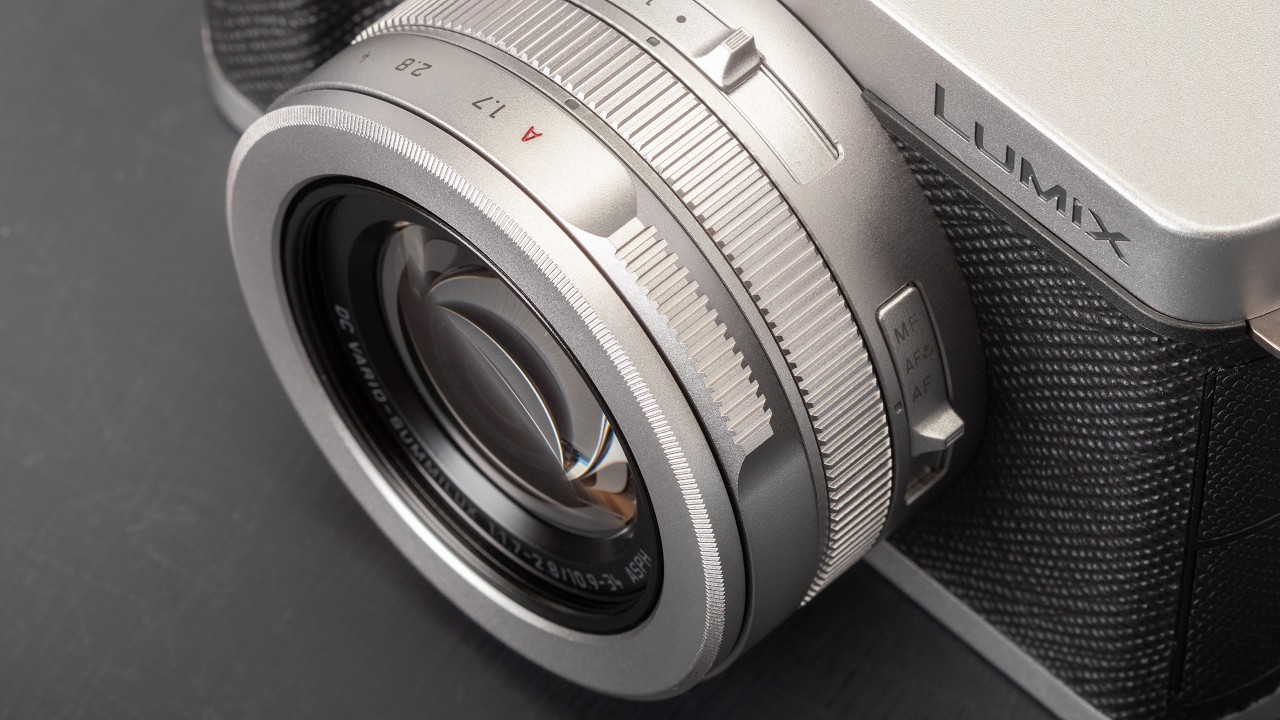
who commented on the article about it. — Yeah, it's a difficult one because um exactly what a GR is so well defined. Um it's it kind of prevents Rico from diverging too radically from what they've done before and it is very difficult you know on a compact where the lens contracts into the body it is very hard to then deliver weather sealing because well you have to have uh a lens that extends and therefore has gaps around it. You can try and seal that but that makes it harder for it to extend the lens. You know, you could have a screw on tube that then lets you basically build an enclosure around the lens, but it's easy to sit there and go, "Oh, well, they should add weather sealing. " But actually, that's one of the harder form factors to actually deliver weather sealing in. um which is why you get things like you know the X100 you have to add the um filter adapter ring and then a filter on top of it again to essentially build a tube around the lens to enclose it. Um and you know that impacts the compactness of the camera. So it's it was always going to be difficult for it's easy to say that you want it. It's much harder for Rico to actually deliver it. So I have some sympathy for them in that. I think next year from them we'll get a monochrome version of that camera and an HDF c version of that camera. Now, have they announced this already? Yes, but that makes it really easy to predict. I predict they will be on time with the products they promised. Uh I do think it may be, you know, um they do have the X series uh with a I believe it's a 40 mil quive lens, something in that ballpark. Um I suspect we'll get one at one point. I believe the 3X launched a couple of years after the standard GR3. So, it may be a bit before we see that. I'm not sure that's a this year thing. — Yeah, it's hard to say cuz I think the GR3X was the first time they've done that longer focal length in the digital series. So, it just doesn't really give us much of a reference point for working out when that P, you know, you can't determine a pattern from a single data point. So, you know, did it come so far after the G3 because that's when they had time to develop it or because sometime into the G3's life, GR3's life, they decided, oh, there might be demand for this. So, you know, I' I'd go 50/50 on whether we see one this year. Um because you know uh if they reuse the existing lens which was developed more recently then you know maybe there's relatively little R&D to do beyond what what's already been done with the GR4. Um but yeah, who knows? Um I' I'd put it at 50/50. I don't think it's impossible that we'll see a GR4X uh probably towards the end of next year, but — I think it depends entirely on how well the GR3X has been selling. And really, Rico is the only one that knows that. My anecdotal evidence is I feel like that X version of the camera has been a pretty popular product. And if your one of your speculations is right, Richard, that it wasn't necessarily planned to come years later, but somebody just decided, hey, let's put a longer lens on this thing, and it turns out to be really popular. I can see them accelerating that and getting an X version of the 4 out a little bit sooner. — And I mean, we've seen uh Leica introduce a 43 mil uh version of the Q series. Um so obviously these are competing for very different audiences. Um one of whom has a much has much deeper pockets than the other. But um yeah, the fact that Leica recognizes well some people like 28, some people like more of something closer to a true normal — whereas Sony and Fujifilm say let's go 35 right in the middle. — That's the point. I don't think you I think you either go in the middle or you go for two distinct audiences, you know. Um and it is interesting that they do appear to be distinct audiences. Speaking of the Leica Q343, I would love to see a monochrome version of that next year. I think that'd be, you know, a welcome camera. Uh perhaps maybe not as niche as the standard Q340 uh the Q3 mono that we got this year, but that's hard to say. Um last year for Leica, we predicted that we would get more video focused products, which looking back seems like a strange prediction, and however, it came true. I think we predicted it. Uh Richard, you said that they had revamped the video menus in one of their cameras. Um — could be something along those lines. — I my memory at this point in my life no longer goes back a whole 12 months. So I have literally no idea what I was thinking. In fact, that's often true of things I've said yesterday. But uh um
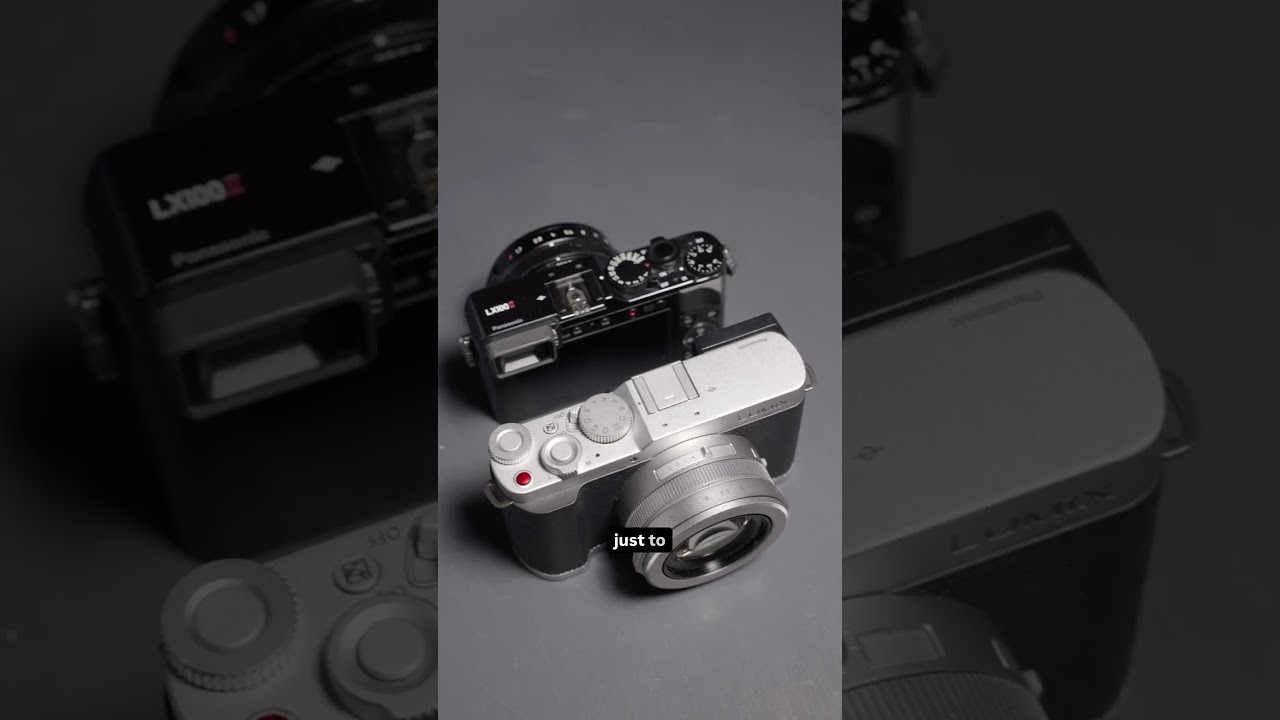
Segment 6 (25:00 - 30:00)
the good news is that you were right. We did get the SL3S um which is you know more or less a Panasonic uh S5X or S52X. Um you know you've got the 26 megapixel sensor that's reasonably fast for video. It's not you know a partially stack sensor or anything but it can do 4K 24K 30 full width and do a uh APS-C crop for 4K 60. So, it's somewhat video capable or at least more so than the standard SL3 which has the A7R5 sensor. — I was going to say no matter what we get with like it, at least you have the assurance that when it shows up in your doorstep, it's probably been polished to a shine with eagle tears or something. — Yeah, I mean that it it's slightly unfair to draw the comparison with the S52X because it is a piece of hardware designed to last, you know, it it will outlive me. Some of the, you know, some of these cameras, um, you know, they are incredibly solidly built and actually the work Leica has done on the user interface um, in terms of us usability and in terms of making them stills video hybrids, the SL3 cameras in particular, um, are really quite interesting. So you know there there's a lot of commonality of hardware um and some commonality of technology but the reality of using it is quite different and that's a very fair point. Um let me see I think we had one other video prediction. Yes we predicted that Canon would have more of these um these VCM line of lenses which are sort of focused on being good for video and stills. Uh, you know, we got the both the 20 mil and the 85 mil, both of which very nice lenses. Uh, I would I think that's that line mostly filled out. Maybe next year we'll see 100 mil because Panasonic or I guess this year Panasonic has one of those in their similar line of lenses, but it feels pretty solidly uh complete at this point with, you know, 20 to 85 with some 50s, 35s, 24s in the middle. Yeah, the Panasonic um 100 mil I think it's f2. 8 in their matched series of uh Lmount primes is sort of also doing double duty as a macro and of course Canon's already updated its 100 mil f2. 8 macro. So I'm not sure the VCM line needs that as such. Um but yeah, I mean the 85 is lovely. So be nice that's been nice to see that arrive. Nice to be proven bright on that one. So, let's let the nice feelings end. Um, and move on to what did we get vaugh? Uh, we're already at canon, so let's go with, — you know, I think there's still some interesting things to discuss, even though, you know, a lot of these will be like, ah, boo us. We were too optimistic. Uh, so we predicted that Canon would bring action priority AF to more of its cameras. That's its mode that with three different sports will try to follow the action with the autofocus point where it's been trained to recognize key moment moments and where it should be focusing during those. Uh, and it's included on the ESR1 and R52. Um, we thought it may be sensible for a camera like the R six3, but it turns out we did not get it. — I was going to say I'm not entirely surprised by that. uh you know Canon executives told us that it required a lot of processing and hardware to make that happen and you know while they aspired to do it at some point probably wouldn't come right away. So I think that was a hopeful one on our part. I think we'll see it eventually but not yet. — I was going to say it's it about a month after we made this prediction they told us oh no that requires quite a lot of additional hardware. Um, so the, you know, that key piece of information we didn't have when we made that prediction, we've told about a month later it's like, "Oh, no, that's not happening. " — Yeah, actually Richard, you're exactly right about that and I think I'm mixing up my timelines. They actually told us that after we made the prediction, you're correct. — So, we are not making that prediction again this year. I would say um — one day, one day once it once the hardware required to deliver it becomes more uh accessible, but uh but probably not in the next 12 months. Speaking of predictions I don't think I would make again opening up the RF mount for fullframe, not just APS-C. It seemed like for a moment there when they were, you know, Sigma and Tamron were coming out with new lenses for their APS-C line. It's like, oh, maybe this is the start of something. It may have also just been the end of something as well. — It's easy to make those predictions at the end of the year when you've had a few too many eggnogs. Please tell me we put that in the wishful thinking category because — almost certainly — because I was going to say I don't I based on historic trends I think the likelihood of Ken just going oh yeah
Segment 7 (30:00 - 35:00)
just have at it was incredibly unlikely and I really hope that we didn't you know I really hope none of us drank so much eggnog that we thought that was plausible. We also didn't uh did not see them open the APS-C mount to any other um manufacturers as well. Uh you know, with Nikon, we've seen Viltrox and others uh sort of put lenses out for it. Uh whether that's 100% sanctioned may be under question, but it is a thing that happens. Um and that so far we haven't seen for RF mount. I do believe there was the one from [sighs] it's maybe Samyang. Uh they had announced it but I don't believe that's necessarily come out yet. — That rings a bell because Samyang did try to release one and then um I strongly suspect having received a sternly worded letter removed it from the market. Um but yeah, I think there is someone else who's now, you know, inside the tent. But um but the problem is, of course, as soon as you sign a license agreement and say that you're going to play by the rules, well then you have to play it by the rules. And so there's every chance that some of these other manufacturers are going to see whether they can skirt around the rules rather than uh having to, you know, tie their own hands by agreeing to uh camera makers terms. — Speaking of APS-C, we also predicted that we'd see a more advanced APS-C model from Nikon, sort of a D500 replacement uh for the mirrorless age. didn't come to pass. Although some signs point to maybe that being more likely this year. — I had a horrid feeling you were then going to try and claim that this that the Z52 was the more advanced APS-C model. You know, which is it's a big step forward for Nickel APS-C, but it's Yeah, it is. — And which we did predict uh we predicted a updated ZFC and a Z5. Uh we were half right. We did get the Z52. we didn't get a ZFC2 to follow on to the Z-52, but — so I'm going to add that to the top of my list of things I think might happen this year. — So, we did see this year an APS-C 16 to 50 F2. 8 from Nikon, and that's a pretty serious lens. Uh, you know, high image quality. Uh, it's got uh image stabilization since currently none of the uh cameras in their APS-C lineup do. Um, so it is that is a lens that is sort of crying out for a more capable camera to use it with. And I think that might be a sign that maybe they're going to take the APS-C mount a little bit more seriously than they have. Hard to say. — Yeah, I mean, I'd certainly hope so, but uh um it could be just to let Z52 and who knows, maybe ZFC2 owners get the most out of their camera. It seems like a big investment for a subset of Z52 users, but let's see. Z50, sorry. — Yeah, Z52 is the full-frame one. I guess you could use this lens on it, but that would be weird, — but you shouldn't. You That'd be lunacy. — We also uh predicted that Nikon would have a fully integrated Nikon Red camera sort of with the tech from Nikon introduced into a Red camera. I don't think we got that one. I think that one's more of a stretch than I'm willing to give us a point for. We did get the ZR, which has red branding, but that feels like we said when it uh launched, more like it had the red name added after it began. — I mean, in fairness, I think we said we didn't think we'd see a fully integrated Red Nikon camera. Um, I think we said we'd probably see a Zmount appear on an existing RED model, but wouldn't see a fully integrated ground, you know, from the ground up collaborative model. So, I think we might have been right on that one. — Well, yeah, that's fair because the Zero, while it has a lot of interesting tech, you know, 32-bit float internally, uh, and a version of Red's RAW codec, um, it does feel like it still has the Nikon menus. It would be quite a stretch to go from shooting on that to shooting on a red or vice versa. You would have to learn entirely different systems, though the footage may cut together a little bit more easily than uh with other codecs. — Yeah, I'd actually say it's closer to an integrated camera than I thought we would see so quickly. So, you know, there are definitely, you know, tinges of red to that camera um faster than I thought they'd be introduced. — Okay, perfect. So, it it belongs in the section of the show. Awesome. everything comes together. Uh we did also predict that we'd see an updated A6100 from Sony, sort of the entry model, entry level uh APS-C
Segment 8 (35:00 - 40:00)
camera. And I'll tell you right now, at the beginning of 2026, that camera doesn't look any fresher than it did when we made that prediction. — Yeah, it's hard to know where Sony's going with the lower end of their APS-C range. Actually, I'd love to pull Abby in here because I know you've used Sony a lot. I mean, where do you think Sony goes with the lower end of its APS-C range at this point? Do you think the market is just in a place where it doesn't make sense anymore or do you think they're just taking their own sweet time? — I think the market definitely makes sense. I'm kind of confused why Sony hasn't refreshed that lineup. I think there would be a desire for those cameras. Um, so I'm hoping that's what we see in 2026. Maybe that's wishful thinking, but again, I I can't imagine that people wouldn't be interested in these, so it seems odd for Sony to kind of push them aside. — Yeah, I I agree. I mean, it's the world is changing. It's very hard to know who is buying what cameras, and it's interesting to see that Canon has, you know, the, let's see, R100, R50, and R10 sitting below their R seven model. They've got, you know, they've got quite a broad range of specs and prices for their APS-C models, but Nikon really only has kind of one level. It's got the Z50 and the ZFC which are broadly speaking the same camera. Um, and then at the moment Nikon's only Sony is only up to date uh APS-C camera is the A6 A6700. Everything below that is now really quite elderly. So, does that market still exist? Um, or do they think that people below a 6700 level are more likely to buy a vlogging camera? You know, is that what the ZV series is doing? Um, I just don't know anymore. Um, but given the a6000 sat on the market for years, you know, when even when it was introduced, it was a stripped down version of their existing cameras, clearly just, you know, what can we shave away to get it down to the most aggressive price point and that thing sold bucketloads. I think they've occasionally said it's the bestselling certainly bestselling mirrorless camera, you know, uh best bestselling mirrorless camera of all time, I believe was the claim at one point. Um it would be amazing to go from one of your bestselling ever models to then just go, "Oh, no, the market's evaporated. " So, yeah, I still think it's possible. I'm sort of surprised we haven't seen it yet. — Yeah. In fact, it's interesting if I think back to the review of the A6000, that wasn't just, you know, really top review for one year or two years. As I recall, that may be one of our most read camera reviews ever. It just kept going and going like the Energizer Bunny for years. — Yeah. Because for a long time, if you walked into a camera store, the cheapest thing with a decentiz sensor um for a sensible amount of money was the A6000. It was it was, you know, fiercely competitively priced um and had really good autofocus for its time. It was substantially ahead of the game when it was first launched. Um and yeah, that thing just kept selling and kept selling because the price was, you know, consistently low. — I think it was actually the gateway for a lot of people who are in the Sony system today. — I can believe it. — You know, I think this might be wishful thinking. Um, but we talked about Sony's aging APS-C system and Nikon kind of has the same situation. I would hope that we see kind of a resurgence of a APS-C here in 2026. Again, maybe wishful thinking, but I think there's a lack of kind of beginner entry levelvel cameras that are a little bit more enticing. So, it'd be nice to see some of those come along in 2026. — So, if we're talking about cameras that may or may not have a market, it's hard to tell. Uh we did also predict that we would see an enthusiast compact from Panasonic. I think that's a camera that a lot of people would be interested in, especially people watching the show, but it's just given that we haven't seen really any enthusiast compacts from anyone this year apart from Leica. Uh it that seems maybe a harder prediction to make going into 2026 as much as I would still like to see it. — Yeah, it's a strange one. I you know uh we spoke to all the manufacturers earlier this year. They all say they recognize there is demand for compacts. Um but nobody seems well with the exception of Fujifilm. No one seems willing to be the one to step forward and try and address that demand. though the qu the reasonable question is just because you know you and I want an enthusiast compact and quite a lot of our readers would like to see one does that mean that there is a broader market for them? Um, you know, Canon talked about ramping up uh production of the G7X Mark III um to try and sort of satisfy back orders, but surely there
Segment 9 (40:00 - 45:00)
come on camera manufacturers, don't be a coward, you know, like just somebody give us an enthusiast compact. Yeah, I think a lot of the frustration for many enthusiast photographers comes or stems from the fact that last year Panasonic did introduce a camera that looked like the camera that they really wanted, the S9, which was ostensibly a video camera for vloggers or video production, but on the surface it looked like a rangefinderish camera. The size was right. It was actually a very attractive camera. It just wasn't very good for still photography. And I think there's so much feeling in the community that wow, if they could just put a an EVF or a rangefinder, optical viewfinder on that and put on a mechanical shutter, that would be a spectacular, you know, enthusiast camera. And I do think that Panasonic of all the companies out there has the ability to do this. You know, they they've made some really nice compact cameras in the past. You know, they make or work with Leica on some of the deluxe cameras. They're essentially Panasonic cameras and I so want Panasonic to make a camera that fits into that enthusiast compact category. U you know I think the S9 despite it looks probably a little bit big to really fill that niche, although it could. There's some bigger ones in there. U I I'm not predicting they'll do it, but I would love to see them do it. — I mean I it sounds to me like you're conflating two different uh aspects of pent-up demand. pent-up demand for an enthusiast compact, you know, like a new LX100 or, you know, LX series, RX100, any of the ones that have existed in the past with the separate hope that Panasonic would make a spiritual successor to the GM1 and the GM5. They're really beautiful little um, you know, some of the smallest large sensor ILC's we've ever seen. Um, and which if if not for the field sequential EVFs that the GM5 would be, you know, pretty near the top of my sort of list of perfect cameras with their modern autofocus and um, modern autofocus and an updated viewfinder. you know, crank up GM5 production again, GM5 M I, you know, I think that's distinct from the demand for an enthusiast compact, but yeah, we'd love to see that, too. Unfortunately, I think that's even less likely. — Yeah, I think you're right. There's really two different types of cameras in there, but I still remain frustrated because I believe Panasonic is one of the companies that could build both of those. — I agree. Yep. Speaking of companies that seem so close to realizing their potential, uh that that's not a fair way to categorize Fujifilm, which is one of the most prolific uh camera releases this year. But we did predict that we would see a refresh 50 to 140 F2. 8 um because they did that for the 16 to uh 50 um and they made it much smaller, much lighter. Uh but we didn't get that this year. In fact, we only got two year uh lenses from Fujifilm, which seems relatively light. Maybe it's because they were releasing a new camera every other week. — Yeah, I think they had it looks like they had a lot on their plates. And I'm still going to put a replacement for the 50 to 140 F2. 8 on my wish list for next year because um you know I I I've always shot APS-C uh for the most part. Um uh the Sigma 50 to 150 f2. 8 dates from actually I think it's about 2007 it remains one of my favorite lenses conceptually and you know having downscaled the having managed to make the 16-50 1655 to8 smaller I would love if there's any way they could do that to make the 50 to 140 deliver on the potential you know Sigma has proved that you can make uh a 70 to 200 equivalent or 70 yeah f/2. 8 for APS-C that is 2/3 of the size and weight and ideally price of a full-frame 70 to 2002 28 you it should be possible I'd really love to see it done that would add so much to that system — funnily enough I think we also predicted that Sigma would release a 50 to 150 f2. 8 a zoom for APS-C. — I think that was probably in the wishful thinking because as I say, it's one of my favorite lenses ever. And pretty much every time I've spoken to Mr. Yaki in the last decade, I've I've basically personally pleaded for one. Um, and he smiled at me in a way that sort of says, "I think it's just you. " But still, I'm going to keep asking. I didn't put um sort of the things that we didn't predict on this list. Uh mostly because I would just make it for spectacularly long list, but I do just want to say speaking of Sigma, we did
Segment 10 (45:00 - 50:00)
not predict the BF at all. I don't think anyone did. You know, I we said, "Oh, maybe full-frame fauxon or an updated FP. " But it fully does not uh fit into either of those categories. It's got similar guts to the FP, but that's about where the similarities end. — Yeah. And credit to Sigma. Richard and I went to Japan for the launch of that camera. And even the night before, we had no clue that we were getting what we got. Uh so they did a good job of keeping that under the wraps. But yeah, I don't think anyone would have predicted that. And more importantly, I'm not sure anyone would have predicted one of the little hidden features of that camera that they completely failed to mention when they launched it, which is the HDR workflow. uh you know that was something that I don't think any of us predicted and actually happened a couple times last year. HDR cameras. — Yeah. Um you know, we were given the specifications of the uh BF just before the camera was actually announced so that we could, you know, hit the ground running with our content. And based on the specs, you know, it wasn't clear that it wasn't just an updated FP. Um I think you know even hours before it was launched even when I had the specs in my hand I couldn't have predicted the camera that it turned out to be. Um that's you know I think if anyone got anywhere close to predicting the existence of the FP then frankly you can choose my lottery ticket next week. — Yeah. And in fact I think one of the things Mr. Yamaki told us when he talked to us was that part of his inspiration for that camera was a bottle of Chanel number five perfume. And not in a literal I want to make it look like a Chanel bottle of uh perfume, but he said he went to some show where he saw a historical one of the earliest iterations of that famous bottle of perfume. And he looked at it and said, you know, it's not just the perfume that's in that bottle that's iconic. The bottle is iconic. It's not even the product that's packaged inside. I want to create something like that. And I think they did, but it's uh Yeah, it came out of left field. I was not expecting that at all. — Yeah, I pretty much everything I've written about the the BF this year, and I've ended up writing about it a lot. Um actually, you know, the exterior is, you know, is the first thing you notice. Of course it is. It's you know it's this really sort of quite you know striking piece of unusual design to me it's the least interesting part of the camera. I mean it's which is not to take away from it but I think the problem is since most people will never get a chance to use one. They'll only see it in pictures. The easiest assumption to jump to is oh it's just it's style over substance you know. Oh it's okay. It's a really striking design, but it's just, you know, it's just uh it's just about the this the style and the looks. There is so much more going on in that camera, whether it's, as you say, the fact that it's it shoots HDR JPEGs all the time. um without telling you um or without telling anyone. Um or the you know the quite radical but you know blank sheet of paper approach to what settings do you actually need to change on a camera photo to image in which case let's build an interface that's just puts those front and center and hides everything else. Um which I've which I thought was genuinely brilliant. you know, it needs a bit of work and it is not, you know, it's not the same interface that's going to be great for a sports camera or a video camera or so forth, but even without the striking looks, there's an awful lot going on in that camera. — Yeah, I think we might also see a little bit more kind of the HDR processing that we saw from the BF and the Hustelblad. I don't know if some of the bigger like Nikon and Canon, I don't know if I could see them. I could probably see Canon doing it. Uh, sorry, Sony doing it. I could see Leica doing it. Uh, but I think that will start to trickle out to more cameras this coming year. — Yeah, I mean it's what's interesting is um all of the brands currently offer HDR. You know, it's there in heath format on Nikon, on Canon, on Panasonic, uh on Sony, but they're such a pain to use. And I yeah, I think uh making it, you know, using in a format that works but that's backwards compatible, I think I'm really hoping is the key to making this technology use useful for people and actually, you know, encouraging people to actually play with it and shoot their images that way because it's it lets you get a lot at a lot more cap of the capability of the camera. So, speaking of cameras that we didn't
Segment 11 (50:00 - 55:00)
predict, um, we did sort of one of our uh, more da predictions for last year's, there's no easy way to say this, but we're just not sure if we can expect to see any major camera releases from OM system. Um, we got two, well, we got a major camera release in the OM3, which is for all intents and purposes a lot of the internals of the OM12, but packaged into a new body that I find to be uh, much more fun than the OM12. Uh, it's just a very stylish camera. And then we also got the OM52, which is not a major release, but it is something. Uh, and we got the 50 to 200 f/2. 8 is Pro. Now, this leaves me completely blank for ideas of what they could possibly come out with next year, but we did get some fairly interesting product or at least two fairly interesting products from them. So, you know, Gold Star exceeded expectations. Thank you. Yeah, I think you know there's been a lot of doom and gloom um partic including amongst OM system users who or rather Olympus users who aren't sure quite where the brand's going. And I think the OM3 even though it's built from a fair number of familiar components, I think is a really promising sign in that it shows I think it tells you a lot about what OM system thinks the brand is and what it thinks its cameras are for. And you know, if you're going to make one camera from that system, the OM3, I think, does an awful lot right. I think it, you know, as you say, it's a really stylish camera, but it's small, it's fast, it lends itself to all sorts of types of photography, but also to travel, and it recognizes that, you know, compact and weather sealed is one of that system's great strengths. and it delivers that as well as all the computational stuff to boost the image quality uh you know in situations where it's suited. Um I think you know if obviously it'd be nice if if we were back 15 years and everyone had lots of money to develop lots and lots of new cameras. But I think as a statement of intent and a you know a statement that they're still committed to the brand, the OM3 is a really positive sign for everybody. Not only that, I think they managed to make a camera that was fun. — That was genuinely fun to use. — It's not a pen, though. I know people would like a PF and I still — Oh, let's not get started on the pen. — Oh, I think we I again 50/50 on whether I think they'll actually do it, but it would certainly be on my wish list. Um, just like I was talking about the Panasonic GM5, I think there is such potential for, you know, mirrorless cameras as a whole have just got bigger and bigger these last few years as they've tried to be, you know, all things to all people. sort of fast shooting quasi sports cameras as well as really capable video cameras as well as, you know, x y and z um or zed. Uh but I you know I think there is some opportunity at the you know to make this is the smallest mirrorless camera you can get and now that things like autofocus have progressed maybe just keep it simple maybe keep it focused on stills um you know I'm not saying I'm not going to argue that it would be any cheaper for cutting out video but focused on stills you know a small camera with decent autofocus you know you've got you make you were saying that they've updated some of their primes this year. Um, we've got rebodied versions of the I think 17 um and — and 25 I believe is the other one. — 17 and 25. Yeah. You know, we've got those rebodied small primes that are now weather sealed. A small body, you know, it didn't necessarily look exactly like a PF. Um, I don't know what the sales of that were like, but a small camera to marry with those small lenses, you know, make it pretty, make it weather sealed. Um, you know, use the latest autofocus. And I still think that would be an interesting prospect. — I do think a new pen would really get excitement around that system going again. — I think the one thing that could sort of dampen that excitement would be potentially price. Uh the OM3 is the cheapest stack sensor ILRC that we've seen. Um but uh the I would say that the difference in performance between it and the other sensor the ORM system uses in the OM52 is substantial. I would want to see the one from the OM3 or maybe an updated uh version. you know, if we see partial stacking technology come down to uh to micro four thirds sensors or four third sensors, I think that would be a nice thing to see with the autofocus that affords. I was going to say I think up until now we saw you know BSI sensors or this huge
Segment 12 (55:00 - 57:00)
jump up from BSI to stacked you know where there are multiple layers of silicon circuitry built up at all of the pixels we've now got a sort of — at great cost — at tremendous cost it you know adds huge manufacturing complexity and you know boosts the cost spectacularly now this may be the wishful thinking category I don't know you know, I don't know how much Panasonic and OM systems collective budgets for new sensor development are, but you know, the stacked sensor technology that we've seen, uh, particularly in the last couple of months now, we've seen more than just the Nikon implementation um, as it's basically bolting a turbo onto an existing BSI sensor. uh and those you know there are BSI sensors for four third style uh size sensors but in the Panasonic S12 and the uh Sony A75 we've seen that added speed is also being used and that added complexity in the readout circuitry around the edge and that's where the stacking is happening the sensor is basically just a conventional BSI sensor but the stacking is around the edge it is enabling a new mode that allows the sensor to read both its high and low gain steps in the same exposure and it takes longer. So it has to be done with mechanical shutter but there is a lowcost way of getting some speed performance but also you know without a DR cost uh and if anything a DR boost at low ISOs. Um, I think you know if between them OM system and Panasonic could order enough to make it worth you know to put in an order big enough to make Sony semiconductor develop a stacked CMOS sorry partially stacked version of say the 20 megapixel sensor. You could build a hell of a camera around that. I'm not sure it's going to happen. That's very much wishful thinking column but I would love to see that. somewhere product managers just sat up and thought, "Oh, I have my project for the next year. " At least I hope so. All right. Well, thank you everyone. I believe that's most of our predictions um ranked and uh you know, I look forward to coming back here next year uh and going through our 2026 predictions and saying, "Wow, we didn't get it right this time either. " — Now, I'm hoping I've got at least a couple of my 50/50s right. — We shall see. Uh, you know, everyone set your calendars for 365 days from now.