Understanding Loss Factors in Solar Modules | Video 2 of 3
3:04

Understanding Loss Factors in Solar Modules | Video 2 of 3

First Solar 03.12.2025 361 просмотров 8 лайков

Machine-readable: Markdown · JSON API · Site index

Поделиться Telegram VK Бот
Транскрипт Скачать .md
Анализ с AI
Описание видео
A wide range of loss factors can limit the amount of energy that solar modules produce—and understanding those loss factors will help you invest in the solar technology that delivers the most energy in real-world conditions. Check out video #2 in our new three-part “Energy vs. Efficiency” video series to learn how to select modules that will minimize energy loss, optimize performance, and deliver the best ROI for your solar installation.
Оглавление (1 сегментов)

Segment 1 (00:00 - 03:00)

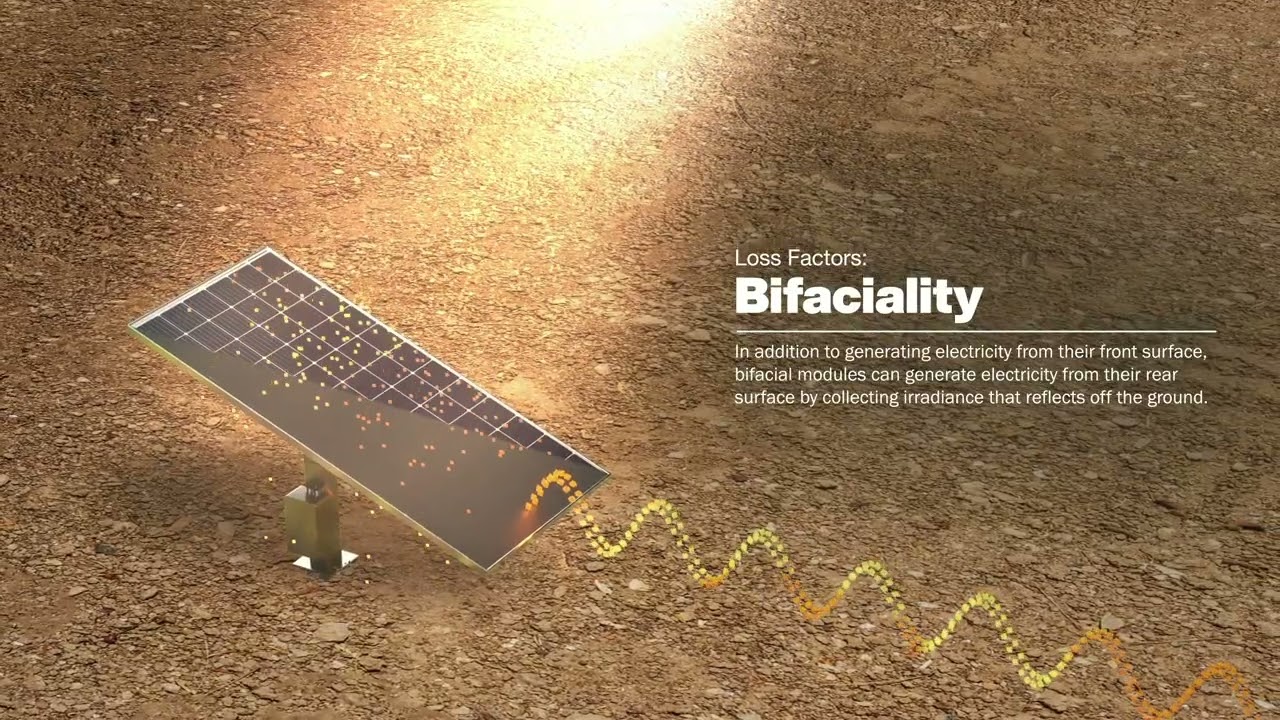
It's all about energy. No matter how high a solar module's efficiency is rated under laboratory conditions, what really counts is actual energy performance under real world conditions against a variety of loss factors. All solar modules are affected by certain variables that limit the amount of energy they can produce. Understanding them can help you minimize energy loss, optimize performance, and get the best return on your investment. And when we talk about loss factors, we need to start with efficiency. Efficiency is simply a calculation of a solar module's power output per square meter of its surface area. But no solar technology can convert 100% of the sunlight it receives into usable electricity. In fact, most solar modules are less than 25% efficient. Another important factor is solar radiance, which measures how much solar power is shining on a specific area. But the amount of irradiance a solar module receives isn't constant. There are several things that can affect the amount of radiance that reaches it, including the time of day, the season, weather conditions, and more. In addition to generating electricity from their front surface, bfacial modules can generate electricity from their rear surface by collecting a radiance that reflects off the ground. This results in improved efficiency in energy output when compared to traditional monofacial modules. But some portion of incoming irradiance is always lost due to a wide range of variables such as the intensity of the irradiance it receives, the reflectivity of the ground beneath the module, shading, the installation angle, and the type of mounting system used. Another critical loss factor to consider is spectral response which quantifies how different solar technologies perform in solar wavelengths that differ from standard test conditions. Different solar technologies such as crystal and silicon and cadmium tillide respond differently to changes in the composition of the atmosphere because each technology sees or absorbs specific wavelengths of light. In more humid conditions, excess water vapor in the atmosphere absorbs specific wavelengths of infrared light. Because a more meaningful contribution of crystal and silicon's performance comes from infrared light, they tend to see a reduction in performance in humid conditions. However, cadmium teluride or cattel modules are less dependent on infrared light, giving them a relative performance advantage in humid conditions. In drier conditions, more of the entire solar spectrum is available, including infrared light. While cattail modules are relatively unaffected, the performance of crystallin silicon modules tends to improve because there is less water vapor in the atmosphere to absorb the infrared wavelengths of light. These are just a few of the loss factors that can impact a solar module's energy performance. Understanding the full range of loss factors and how they can affect different technologies will help you invest in the technology that delivers the most energy under real world conditions because it's all about energy.

Другие видео автора — First Solar

Ctrl+V

Экстракт Знаний в Telegram

Экстракты и дистилляты из лучших YouTube-каналов — сразу после публикации.

Подписаться

Дайджест Экстрактов

Лучшие методички за неделю — каждый понедельник