Leadership Insights with Pooja Sund, Director, Engineering Finance Leader at Microsoft
32:19

Leadership Insights with Pooja Sund, Director, Engineering Finance Leader at Microsoft

DataScienceGO 06.11.2021 217 просмотров 10 лайков

Machine-readable: Markdown · JSON API · Site index

Поделиться Telegram VK Бот
Транскрипт Скачать .md
Анализ с AI
Описание видео
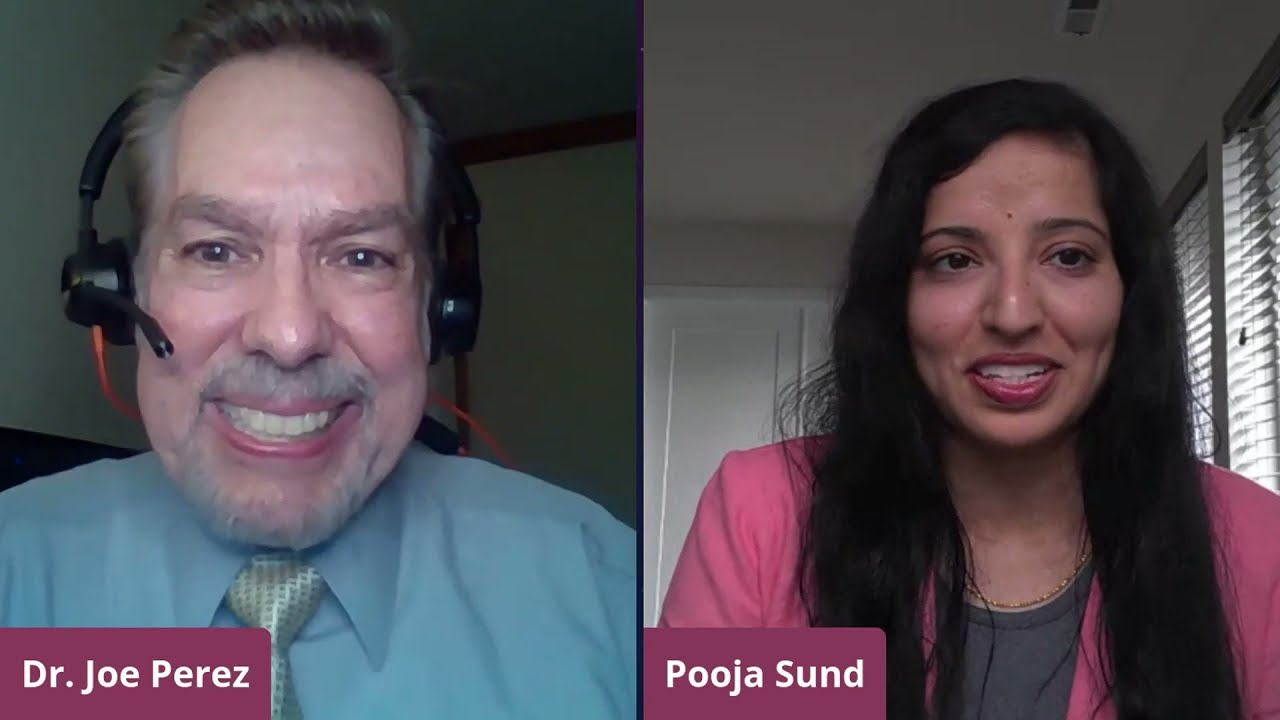
On this fireside chat, Dr. Joe will ask Pooja all the tackling questions about leadership and what it takes to be a leader at Microsoft! Pooja Sund, an Achievement-oriented finance and technology leader with solid credentials (Gold medalist and two times CFO Award winner) who has 15+ years of global experience in setting the vision, and the ability to execute on that vision by leading teams. An enthusiastic leader with deep technical and financial experience & the ability to lead high-performing teams, build strong relationships, foster efficiency, and create an impact. Recipient of Highest Award for Leadership 2018, Dale Carnegie’s “Advanced Leadership Program”. Currently working as Director, Engineering and Finance (Principal PM) at Microsoft’s Core Finance Engineering group. Prior to this role, Pooja spent 5 years working as Director, Data Analytics and Technology in Microsoft’s Internal audit group. Her personal Quote is “Strive for Excellence, never be satisfied with the second-best.” Mantra in life: "Be Bold, Be Brave, and Be Yourself".
Оглавление (7 сегментов)

<Untitled Chapter 1>

all right well pooja with more than 15 years of global experience in setting the vision pooja sun has the ability to execute on that vision as an enthusiastic leader with depth deep technical and financial experience her goal while leading high performance teams is to build strong relationships foster efficiency and create lasting impact she's a 2018 recipient of the highest award for leadership in dale carnegie's advanced leadership program currently pooja is the director of engineering and finance at microsoft's core finance engineering group prior to this role she spent five years as director of data analytics and technology in microsoft's internal audit group in addition to being an adjunct professor at graduate studies at pacific northwest seattle university puja is also a board member advising on long-term strategic initiatives around increasing female graduate student enrollment as well as data analytics skills for all graduate students an award-winning achievement-oriented finance and technology leader with solid credential puja has been a prolific international speaker for decades with a goal to increase diversity in technology and inspire people to break barriers she's been featured on microsoft news the microsoft finance career site leading indian newspapers and various publishing outlets her personal quote i love this strive for excellence never be satisfied with the second best and her mantra in life you'll love this too be bold be brave and be yourself oh man i couldn't have said it better myself pooja welcome thank you so much for being here with us today thank you so much dr zou for such a nice introduction and hello everyone um whoever is listening to dseo conference i'm really excited and looking forward to this session hope we all get to learn from each other absolutely pujo well i'll tell you what you know with uh with such an impressive biography um you know the uh can you tell us though something that might not necessarily be in this official bio per se that is

How Do You Define Yourself

how do you define yourself as you actually mentioned people be brave bu my brand is 3p so i don't define my role as director of engineering finance at microsoft i actually define myself as a person as a leader who would bring in passion power and people wherever i'll go so i have passion for data analytics technology finance i have power to fix things to create clarity to generate energy and deliver success and how i would be able to do it by just leading and inspiring people and teams and that's how we all are here because we are not going to be successful if you want to be just data scientists we have to be people person we have to work in a team we have to convince others inspire others and lead others to create insights what good is passion if you can't ignite that same passion in someone else's heart you know yeah that's right i hope people are taking notes people power and passion almost got my tongue tangled up a little bit there all right um so what are the different roles that you've played in the community in addition to your full-time role at um at microsoft thank you dr joe so i would say um it just didn't start here when i joined microsoft 15 years ago even then when i was back in india i was doing my masters or bachelor's and i was still the vice president of college affairs i was still speaking at events so i have found out that actually being more vocal being the voice of for yourself and voice for others has actually opened me up to other opportunities and that's how i have been able to actually create mentorship opportunities and coaching opportunities for other people who are mentoring and influencing using a social media platform like linden so in addition to being great at the role which we all are expected to do i am also the agent professor of data analytics and visualization at seattle university down here in pacific northwest and i'm the board member and i'm a coach and um i am actually on the board of multiple non-profits excellent you stay busy like you contribute to the community yes ma'am absolutely so can you uh can you share your views with us as a uh powerful advocate on diversity and inclusion in stem and technology such a great question dr joe i actually love the fact that um zumrad who is a female she reached out to me for with the invitation and before my session um the panelist was another female so just seeing the diversity actually gives me really um excitement that and i'm here to actually support that and have been a huge advocate as you have seen kovind 19 has actually had great impact on everybody especially women where almost 29 of them have left the workforce so it is really crucial for us because women are playing three roles in the industry not just we actually count on other women but you as male allies to help us grow this community together because diversity in tech can only be achieved if everyone is going to think differently bring in their diverse perspectives and be inclusive absolutely uh inclusive rather than exclusive right uh seeing each other not as adversaries but as allies uh i think that's that's very important so poojam yeah um excuse me who would you say are the big influencers on linkedin from whom you get inspiration and um what do you write about to build your brand thank you dr joe and after this session i'm gonna tag you as well because i am i'm thinking i would definitely get inspiration from you in terms of how to moderate the sessions better there are a couple of other speakers that are already speaking at dsgo that i am really you know a fan of some of them are greg kaklow so he is the one that and i look at his post almost every day and couple of other big influences when it comes to ai and ml that i follow k miller who is the startup amazon ai evangelist and she is a biggest ai influencer dr faithfully and dr andrew ng for um the deep learning institute founder and i also like to follow bernad mar who is an international keynote speaker and influencer when it comes to technology analytics data trends and there are so many others that have um i have been following based on the areas that i am passionate about so key takeaway for you all that you are who is who are listening today if you have already identified your brand core skill set then you need to find out influencers who can really give you inspiration and can guide you in terms of the next steps and once you follow their steps you need to make sure that you start giving it back to others who are still early in their career that's how we grow this circle in the community and we create um this huge impact not just for ourselves not for our team not for our organization but for everyone and that's how we grow the economic power absolutely get it got it pay it forward you know that's exactly right excellent thank you pooja thank you so can you talk about the importance and values of um not just the hard skills but the soft skills you know that that's even for data scientists you don't think of the soft skills there uh you

Soft Skills

think of soft skills for people that are in hr or music or you know whatever but uh how does how is that applicable to uh those in a data science career this is actually one of the skill that doesn't get that much attention while it should be taught right when people are just getting their education like i have two kids a middle schooler and a high schooler and they are being taught soft skills right at that age and i wish we can actually make this mandatory for everyone who is joining the workforce why it's so crucial you can actually teach somebody technical skills but if you have not taught them how to work with other people how to be a great listener active listener how to be empathetic to others what they might be going through and how they need to understand that it's not the people problem it's project sorry it's not project problems it's people problem that are gonna lead to project not being successful later on so all of these key skills in my mind they are critical ingredients to be a successful leader professional and my advice to all of you who are listening to the session today is make sure you look and really understand from others person's perspective and once you hear their perspective even if it's different you can use some strategic words you can say i hear you that you are proposing this and i am thinking this or i disagree with you because of these two reasons i i think don't use i think or i feel just say i believe this is the right step forward or my suggestion is let's go this way so these are some of the steps skills that you can learn not just when you will be at certain level but you can start using those skills starting today and that's how you increase executive presence dr joe wouldn't you agree oh absolutely yes ma'am it's all about uh you know it's not just knowing the material and knowing your uh your craft but it's knowing people we deal with people every day i mean i suppose if you were living on the moon or on the back side of a desert or you know uh totally isolated that might be a different story but you know we have this interaction and covert 19 has kind of hampered that a little bit in some ways in that we don't have the face-to-face interaction thank goodness for technological things like zoom and teams and uh citrix and other platforms video conferencing platforms so that at least you can have some i don't know uh some body language some facial expression and so forth and yeah these soft skills and knowing how to read this body language or the body language that you portray when you stand there like this when somebody's talking to you you're saying to them i don't care what you say i'm already convinced that i'm right and you're wrong right uh when you are pleading with someone to be open so you have an open hand all these things are important soft skills uh i agree with you 100 puja thank you for uh for being so eloquent with that and in addition to bringing the key point that you mentioned i'd love that you actually already added your perspective i'm thinking it's better for audience to know even the

Importance of Using a Power Pose

importance of using a power pose when you are in an interview a stressful situation you are not going to talk about oh how did i build this machine learning model did i use regression testing or k-means cluster or decision tree what you're gonna do is you're gonna just take a deep breath you're gonna say i got this i'll go in and i'll present what i know and i'll just be open saying that i do not know this and then i'll use power pose just to gain energy and stuff so what you'll do is you'll hold your hands and you'll put it on your vest and you'll say yes i can control the room i can control my emotions and that's how i'm going to progress in the technical world absolutely and when you're presenting own the stage right you know be yes excellent well thank you for um for sharing that so um tell us what you see in the future of data science and uh your views on traditional versus modern education like a master's degree versus online courses excellent question dr joe actually coming in from the previous session where she was talking about edge computing quantum computing like 3d vr ar technologies all of this is telling me data science is going to be the hottest trend even until 2050. so what we can predict to happen is not just companies like amazon netflix or microsoft or tesla all of them are using a ml we can think of all these companies all big or small having their own chatbot and creating they'll be able to create personalized experiences based on what people are going to be interested in they're not going to create same experience for you dr joe and me because you like wearing blue i like wearing pink they are gonna not just look at the color preference they are also gonna look at our structure like hair color or the surroundings all of these are going to be the predictor and then we are gonna understand the outcome so that's where the industry is moving more personalization more delightment of customers and more towards loyalty when it comes to choosing between let's say going to the traditional school or doing the courses i would say in learning nowadays is very easy people would say oh i don't know how can i afford it or i don't know i am so busy i don't get it because limitations don't exist outside they exist here in our mind right you can't do it if we will keep on saying we don't have time we would never be able to do it so my original i would say my suggestion would be just pick one course don't even think too much like in the case of machine learning models that's the biggest machine learning challenge people spend too much time thinking about okay maybe i need to pick decision tree rather than uh supervised unsupervised learning what you need to do is you just need to pick a course even though you are not experienced and let's say you are still learning about a and ml and just go with it because companies nowadays apple ibm um tesla i mean microsoft look at google all of these big and small companies mentor ui pathways they all have opened up their doors they are not just looking for candidates who are coming from b schools or from engineering background they are looking for people who might be self-taught who have learned how to do low code environment coding and they can be the programmers you actually don't need in a nowadays you don't need to really learn r and python just to be a successful data scientist you can actually start learning other basics first understand the landscape understand the questions like that people already asked before which was the differences between testing using testing data for machine learning or then training data or data mining variants and bias so understanding the fundamentals can give you a strong foundation and then slowly you build your profile by adding skill sets so going back to your question traditional versus the modern approach i would say nowadays industry demands real learning appetite if you have growth mindset if you can learn you are in and i hire people and that's what i look for i don't look for somebody who has a credentials i look for how much are they ready to learn fail and how well would they be able to adapt to the environment

Difference between Taught and Teachable

i think there's a difference between taught and teachable right taught you think you know it all teachable your mind is open and you're willing to learn more each and every day i mean the technology is going to change so whatever specific um skill set or specific methodology you may have learned 10 years ago what's to say if that methodology is still being used today if you're closed-minded and you only have this rigid set of um parameters under which you operate then you can't be open you can't grow and you can't um absorb more knowledge and grow with the industry which is growing by leaps and bounds now um you touched on something you touched on ai and ml um talk to us about some of the use cases involving uh ai and ml automation thank you doctor you so it really depends upon where uh or which industry are you talking about i come from technology industry and um i have applied ai and ml along with my team members in finance so within finance audit risk and compliance what you do is you are going to take a look at number of audits and you're going to predict how many issues are going to be there you are going to identify fraud involved with journal entry transactions so that's where we have applied looking at expense transactions and finding out if there are any fraud or fraudulent transactions that have high risk because somebody has paid a gift or somebody has bought a gift to give it to government official or they have taken a huge group of people but those huge group of folks that they have taken dinner to they are their family members extended family members so identifying frauds like this can actually be solved using mln ai and the best example that i can give you from financial world would be looking at our journal entries and finding out what are some of the risk indicators that can be applied because at the end of the day if you can identify fraudulent transactions happening at the granular level in a given company no matter how big or small you can actually impact the bottom line and that's the number that goes to wall street if you're a publicly traded company and that's the number that the people in charge are most impressed with i'm most looking for you know right yeah they ought to be just as impressed about how they got to it but you know that's another discussion for another time oh man these are excellent insights puja thank you so much for sharing now um yes ma'am now before we um we take questions from the audience uh would you be so kind as to tell us uh what's the best way for um for people to get in touch with you the way you would prefer to uh to have people connect with you thank you dr joe i am a big linkedin fan and i am actually leaving a session um next two weeks after to my fellow microsoft

How To Leverage Linkedin To Create Your Brand and Attract Opportunities

employees in terms of how to leverage linkedin to create your brand and attract opportunities not just for yourself but for others so i'll say people who are interested in following me or in reaching out to me connect to me over linkedin and i can put my linkedin profile here or if zumrat has it then she can put it right here and people can connect with me i actually post about topics when it comes to data analytics ai ml and as i said i am actually a big believer in leadership and how to leverage soft skills to create executive presence so i'm also going to be helpful to you in case you need help in terms of how to show up how to create your brand and how to leverage that brand to create opportunities for you and for others excellent thank you so much puja all right so uh in the previous sec session um there were uh a couple of questions that uh i think it was excellent for you to uh to lend your uh um your unique perspective and your expertise to your perspective that might be a little bit different um uh let's talk about that one of them i think you said that you wanted to talk about um what can happen when you use test data instead of actual data with machine learning great question so as we know that when it comes to machine learning when we are trying to predict an outcome we need to use learning the test data and then training data and training data doesn't need to be too big so if you are gonna use test data which is already too big to apply to machine learning model you are not going to get the right outcome so use so whatever data set you have divided into two pieces have twenty percent being handled by your test data and then rest be training and don't change it and once you train the data using the model then you start bringing in new data don't use that and combine it with your existing uh machine learning data set because then what you are telling it is when you are going and presenting it to your decision makers they are going to be impressed because they will see positive results coming in you have trained machine by using the data that is going to give positive results and later on when world data would be applied they would not see that positivity 100 or 99 accuracy so might as well use the data as intended for you know it uh people get the wrong impression it's like uh we feed it the data and it's going to do the right thing it may or may not do it's going to do what it's told to it has learned to do and if you feed all the test data that seems to be skewed towards one desired outcome rather than the other doesn't that imply that the results will also be equally skewed what what's your take on that you actually summarize this pretty well like it all depends on how diverse your data is because data sets needs to be large and pretty diverse for the model to predict it if you're going to skew it on one um on one quadrant it's always going to result into skewed results and you don't want that and that's why bias and variance the two examples or components of reducible error can actually help you get to more accuracy as long as you can keep both of them aside right yeah i was going to ask you about that uh can you touch a little more on the difference between uh bias and variance and how you can um um you know the trade-off between the two so both of them so there are two kind of errors that can happen when it comes to machine learning model reducible error and reductible error reducible error can actually if you control them you can actually increase the accuracy of your model so if you will control biasness if you control variance you can increase the accuracy so both of these are let's say consider them as sisters or brothers so they are both impacting the over outcome then in between them they are unique bias could be ethical bias ai bias or just like you are using just uh female based data or you are using male based data variance could be that you are comparing it to a target variable and how big the differences can lead to the difference in the accuracy percentage at the end of the day yeah i like the way the uh sister or the two sides of the same coin right you don't want to go uh either way all right um here's another question that's come in

What Soft Skills Does Microsoft Look for in an Applicant

what soft skills does microsoft look for in an applicant listening skill critical thinking skill and just ability to ask questions which is actually a core skill that all data science already have you need to be able to ask open-ended questions note so much why what how how can we do it what is the real problem you are trying to school how big is the landscape so these are the skills that we look for in an applicant and i think it's not just specific to microsoft it's specific to any company what do you think doctor do you think that yeah those are you know that's uh i think that's critical in uh it not only you know earlier we talked about dealing with people and knowing how to interact um with your fellow man and their fellow person whatever uh as you are um yeah ask asking these questions having that and thinking not just being stuck in a box you know you keep doing what you've been doing you're gonna keep getting what you've been getting right you know you keep doing things in a certain way i think we talked about that earlier insanity the definition of insanity doing things the same way but expecting different results and why is it because people are stuck in their little box they only know one way of doing it they know that a b c d you know i follow these regimented steps like a soldier like a you know like whatever like a wind-up like a puppet on a string or whatever then i'm going to come up well what happens if some variable is introduced that doesn't fit the little mold the little regimented process i suppose if i were i don't know if i were an assembly line building a motorcycle or something and everything is going to be the same way every time that's okay it's expected it needs to be because there's certain tolerances you know the machined rotors the um the tires the different engine parts and so forth they must be done exactly the same way but you know when you're talking about uh a business the um the different things that goes into their cycle and so forth you know you have to be able to think outside the box um look at varying viewpoints and know how to integrate them know how to draw the most positive uh aspects of each one don't you think definitely the moment you started going through this um example in my mind i was thinking of a machine learning algorithm which is naive and naive means that they don't know that all the predictors are going to work differently predictor meaning each and every variable so let's say we are trying to identify who uh if a machine has a problem or if a human being has a problem that we are going to a dog shelter and we need to identify which one dogs would fall into husky category or german shepherd or others what we'll do is we'll come up with some predictors let's say height weight and their hairs similar to what you said bring in a diverse perspective and see the impact of that on each category so it's like you were actually using common language to explain naive theorem i didn't know i had it in me all right okay so yeah and i love dogs thank you for the example pooja that was excellent um that's excellent all right um here's another one that has come in from our audience um which stands out more at microsoft skills attitude or both attitude number one and then definitely strong foundation right why is that because if a person is really arrogant and if they don't present themselves as someone who can really listen who can really demonstrate that they have an aptitude to learn and they can grow they would not be hired here so we need to really show that we have the learning mentality not knowing it all mentality but learning it all mentality and that starts with the right attitude and then you have the skill foundation and then you go and exponential growth can happen for you and for your company excellent that's a great way to sum it up you know yet who likes a know-it-all you need to be a learn-it-all not a know-it-all i like that that's excellent all right uh let's see here's another question that's coming um we sometimes and have a hard time see uh we sometimes have problems with overfitting when we have a small data set and the model is trying to learn from it what would you recommend as the most effective way of avoiding this overfitting so just go back to your model assumptions and try to find out if you really thought through about bringing in a diverse perspective and bringing in maybe new data set or thinking about a different problem because often times as you said dr joe we have our own lens and we are looking at that boundary and we're like oh that other dataset it's not it doesn't fit in this one no doesn't fit in without even applying we think that they all are mutually exclusive there is no need for us to bring it together so i would recommend that excellent i know this has nothing to do with visualizations but i just gotta know what's your take on pie charts i like pie charts as long as getting no number i'm sorry go ahead you're about to qualify your answer please do not throw stones at this wonderful lady okay she is going to qualify her answer go ahead no more than five categories in pie chart otherwise you are losing the real value of a pie chart excellent all right yeah i like them too but only when they're used um in the way that they're intended um to be used and you know the same thing can be said about uh machine language models um right uh you know use the right tool for the right job i often tell people you know when i'm talking to them in conferences and things it's like yeah hey you wouldn't use a chainsaw to carve a turkey would you use a sledgehammer to crack a walnut no of course not the right tool for the right job does that same mentality i would think that apply with uh machine learning models um what's your take exactly and this is where i would actually like to hear from audience as well yes definitely but here is a catch you are not going to always apply the favorite machine learning model to every problem because then you are trying to uh let's say under fit i would say so just keep that in mind depending on the situation for example in finance we use linear regression because we know what would go into x axis but would go on y axis what would be the impact of if we'll drive more let's say marketing campaigns it's going to have an impact on our revenue and then there would be a linear line that would be going up so in that case we'll use linear regression for problems like identifying the impact of multiple variables on an outcome where each of the variable is different from one another then we'll use naive bay so and then differences between supervised and unsupervised it's just like depending upon the data sets as well if it is too big we are going to use unsupervised we cannot expect ban men or women to just sit down and then really go through labeling the data so it all depends on what is a use case how big is your data set and what are you trying to get to excellent certain you know again it's all about frameworks right regardless of what specific tool you're going to use what specific direction you're going to go in uh that's going to be determined by the situation if you've constructed a certain framework and you operate within that framework that there are knowing that yeah there may be you know you don't want to always do things the same way but at the same time there are certain i don't know overarching guiding principles that you know certain universal constants that'll always be true and will always be best practice even though you know you may vary the specific means of getting there you still have that framework under which you operate right yes yep and keep in mind since we are talking about data to your point that framework could be just keep in mind there is a ethics committee so when you are building ai and ml model are you looking at um how data is gonna yield fair results yes excellent are you using privacy are you keeping privacy in mind right so keep those ai principles in mind when you're building your data set because that's what happened um when people started making building cars the dummy that they used to test that was a male structure right so and female started getting hit and the air balloon was not popping up why because they did not use it while testing it so make sure that you are going through these ethical principles in mind while you are building your data set and keep your biases on the side absolutely that's a wonderful note to end on puja thank you so very much for joining us ma'am uh i enjoyed this uh this is one of my favorite sessions all day long so uh again um uh keep up the excellent work and i wish you all the best in your endeavors ma'am thank you so much dr joe and um pleasure is all mine and i'm gonna look forward to people who are gonna reach out and that's how we are gonna grow and learn from each other so if you are um interested and if you have some key takeaways from this session make sure you create a post tag me and let me know what did you find most insightful and that's how we are going to grow and share with others and maybe bring your perspective to that post as well i wanna hear from you that's excellent thank you again puja all right take care have a wonderful day

Другие видео автора — DataScienceGO

Ctrl+V

Экстракт Знаний в Telegram

Экстракты и дистилляты из лучших YouTube-каналов — сразу после публикации.

Подписаться

Дайджест Экстрактов

Лучшие методички за неделю — каждый понедельник