The Wars That Made Machiavelli - Ada Palmer
2:41

The Wars That Made Machiavelli - Ada Palmer

Dwarkesh Patel 06.05.2026 216 652 просмотров 8 655 лайков

Machine-readable: Markdown · JSON API · Site index

Поделиться Telegram VK Бот
Транскрипт Скачать .md
Анализ с AI

Оглавление (1 сегментов)

Segment 1 (00:00 - 02:00)

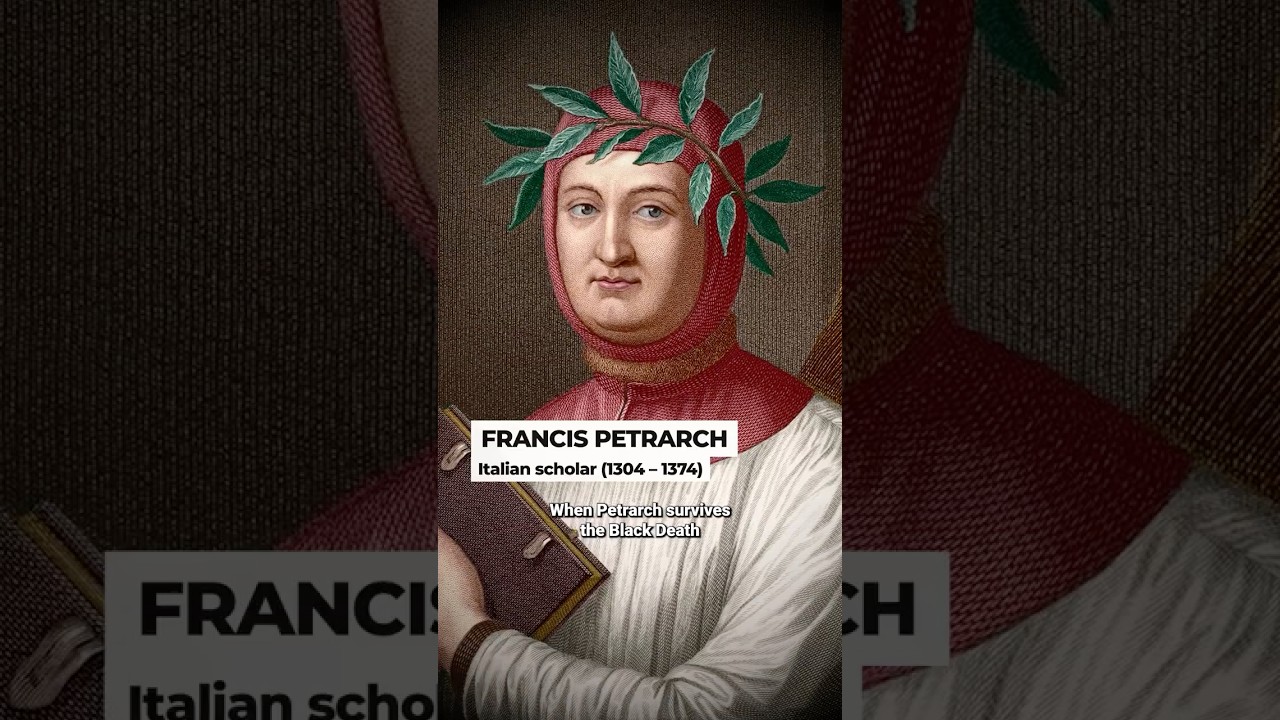
When Petrarch survives the Black Death after losing so many friends, he gets a letter. Two of his friends are alive. He had given up that anyone he knew would survive. They're going to come visit him on the way they were attacked by bandits and one of them was killed and the other was lost in the mountains and wounded and he didn't know that his friend was alive for another year and a half. And Pedro looks around him and says, "This is an age of ash and shadow. What we need is to imitate the arts of the ancients. Let's try to figure out how the Romans did it. And specifically, the problem is our leaders. Our leaders are selfish. Our leaders care more about their wealth and their family honor and their power than they do about the people. Petrarch reads about the ancient Roman Brutus. Brutus, one of the first consoles of Rome, and he learned while in office that his sons were plotting to take over the state and make him king. So, he executed his own sons for treason against the state. You read them and you say, "Wow, if only our leaders would act like that. " Well, how were they raised? Can we raise our leaders the same way? Can we make libraries filled with what young Cicero read and what young Brutus read? They're thinking, if you read about these virtuous people, you will embibe their courage and their justice and their prudence and then you will act like that. What did they read? Well, they read Plato and they read Homer. So, we need these things. Petrarch suggests this. his students and successors embrace this idea. The next stage of it then is okay, we've raised these princes like this and they have the Latin Greek and they can impress everybody and then they fight a bigger, nastier, worse war than any of the earlier big nasty wars. So that is the war Mchaveli watched and Mchaveli was raised on all of the Cicero and Libby, right? He was raised on the Petrarchan project. He observes these wars and he says, "Okay, well clearly Petrarch was wrong that just reading the Cicero would make successful rulers like the Caesars, but I still feel in my heart a deep power in the classics. " So he says, "What if the libraries are what we need, but we need to use them differently? " And he proposes what we would think of as political science. We observe historical examples. We say, "Okay, here are five examples of battles that happened next to rivers. " We'll put those examples side by side and see what decisions the commanders made to try to figure out which one worked better. We use history as a case book of examples of what worked and what didn't. And we imitate what worked and we avoid doing what didn't. Instead of feeling that reading about good men will make us good, we read about wise choices and we imitate those choices. This is one of the reasons why is described by his contemporaries as a historian.

Другие видео автора — Dwarkesh Patel

Ctrl+V

Экстракт Знаний в Telegram

Экстракты и дистилляты из лучших YouTube-каналов — сразу после публикации.

Подписаться

Дайджест Экстрактов

Лучшие методички за неделю — каждый понедельник