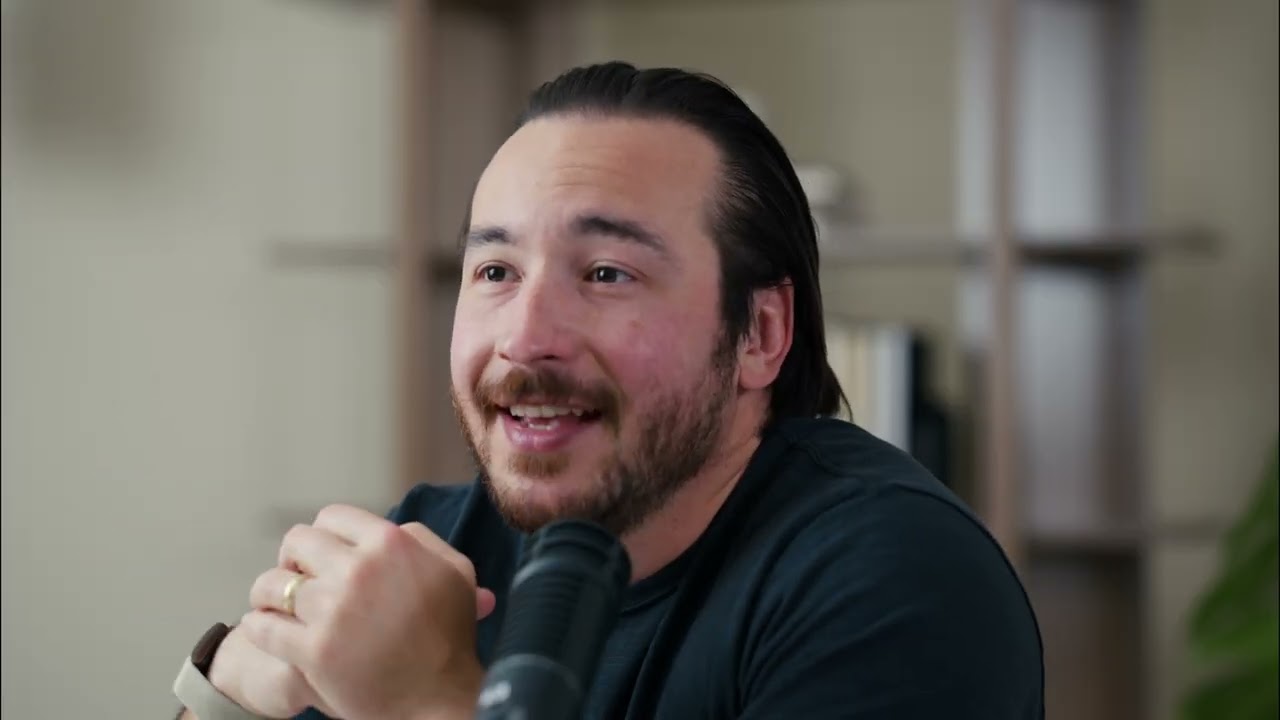
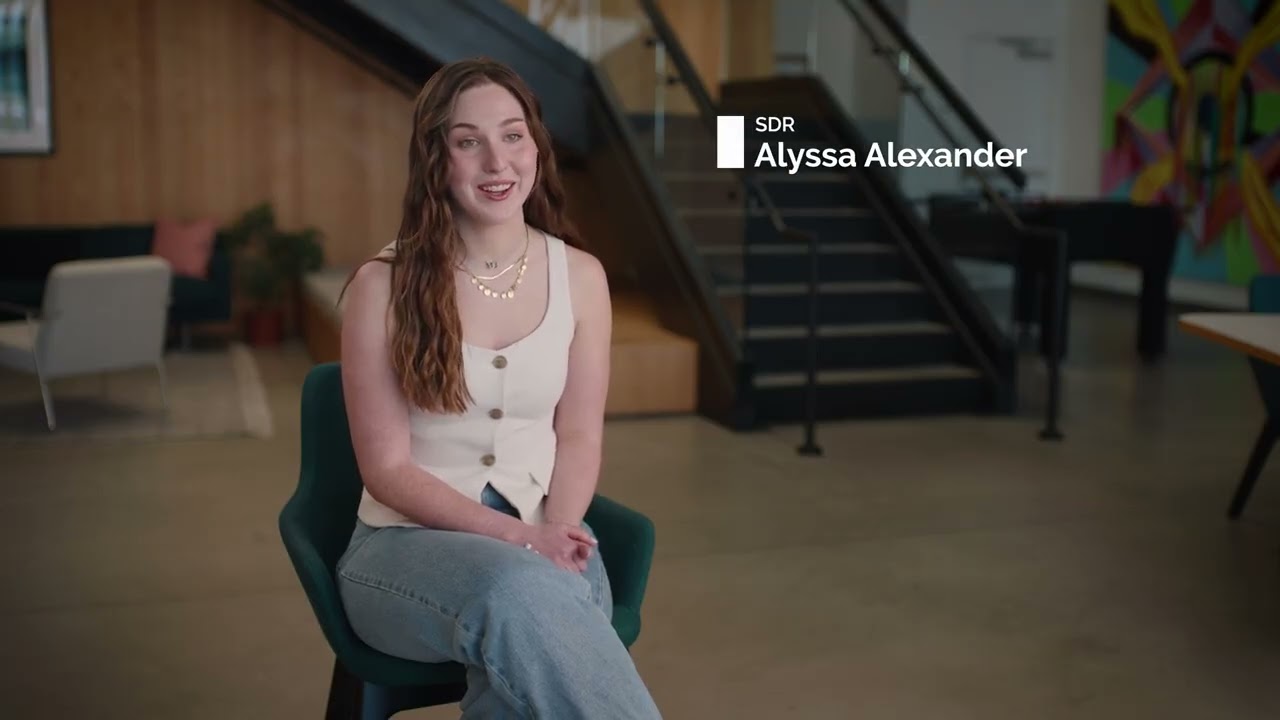
Featuring Kevin Nguyen & Brayton Riley
Host: Adam Sockel | Presented by Orum
EPISODE OVERVIEW
In this episode of Bold Calling, we're joined by two standout Orumites who've made the leap from SDRs to sales leaders: Kevin Nguyen, now an AE, and Brayton Riley, now a Team Lead. Host Adam Sockel guides a candid and insightful conversation about their career progression, leadership philosophies, and the lessons they've learned along the way.
If you've ever wondered what it takes to rise in sales, lead your peers, or just show up better every day—this one's for you.
----------------------------------------
🔑 KEY TOPICS COVERED
*
Kevin's path from Orum customer to SDR of the Year and now AE
*
Brayton's pivot from teaching to sales, and how she leaned on mentorship and mindset to scale
*
Why neither originally planned to become leaders—and how they grew into the role
*
The mental shift from focusing on individual goals to team-wide success
*
The challenges (and rewards) of leading former peers
*
How to maintain energy and fill your cup in a high-performance sales culture
*
The impact of community, like Alluvians, on personal growth
*
Tactical time management and daily routines that keep top performers sharp
*
Advice they'd give to new team leads and SDRs today
----------------------------------------
💡 MEMORABLE QUOTES
"I may be your lead now, but I'm your friend first. I'll take off the lead hat anytime you need." — Kevin Nguyen
"You were put in this position for a reason. Step into what you're great at and own it." — Brayton Riley
"There's no right way to lead. The best thing you can do is be the kind of leader you needed when you were starting out." — Kevin Nguyen
"Sometimes a single Slack message can change someone's whole day." — Brayton Riley
----------------------------------------
🧭 EPISODE TIMESTAMPS
00:00 – Intro
01:20 – Kevin's story: from SDR to AE
02:35 – Brayton's transition from teaching to sales
04:00 – Did they set out to become leaders?
08:45 – The emotional transition from rep to team lead
12:30 – How energy and attitude impact team culture
14:00 – Finding ways to refill your cup
16:20 – Leadership advice that sticks: fail forward, ask for feedback
18:50 – The power of abundance mindset
19:30 – Structuring your time as an AE or team lead
24:00 – Helping the whole team win
27:30 – Leading former peers with empathy
30:00 – What they wish they knew when they first became leaders
33:00 – Wrap-up and gratitude
----------------------------------------
🔔 SUBSCRIBE & FOLLOW
Enjoyed the episode? Don't forget to subscribe, rate, and review Bold Calling on your favorite podcast platform. Share it with your team or anyone looking to level up in sales.
🎧 Available on Spotify, Apple Podcasts, and everywhere you listen.
Оглавление (13 сегментов)
Intro
You are listening to Bold Calling, an award-winning podcast presented by ORM, where every episode we're bringing on the biggest and brightest minds in tech and sales for a discussion about their biggest challenges and the unique ways they are working to solve them. Today, I am joined by two absolutely fantastic Oramites who I kind of bullied into doing this. I have Brighton Riley and Kevin Wyn. They have incredible experience going from SDRs to leaders here at ORM. So, we're going to talk about their stories and how they got to where they are. Kevin, Brighton, both of you. Thank you guys so much for joining me today. — Of course, no bullying was needed, by the way. Yeah, we love Adam. — You, too. All right. Uh, so what we're going to do today, like I said, Brighton and Kevin both started out at their ORM journey as STRs, and they have since moved on to other roles because of their incredible success and talent and capabilities. and we want to give everyone else a playbook for how they can expand into new roles from their careers if they're just starting out in STRs if that is what they want to do. So, we're going to start by how you guys got to where you are from where you were and just go through a whole bunch of stuff. So, first things first, just because one of you has been here longer than the other. We'll start with Kevin. Tell me about your path here at ORM into your current role. — Yeah. Um, so my Oram journey started off as a customer. I leveraged ORM at my
Kevin's story: from SDR to AE
original at my first SDR role in tech. I sold to DevOps. Sold okay, but really saw the value of ORM and reached out to my CSM Patrick to get my foot in the door. My ORM journey was a really fun one. I found a lot of great success in partnering with my AEES to be rep of the year my first year here getting promoted to senior then to team lead. Helping onboard Bright and becoming a top rep herself before jumping onto the AE side of things. Now the 2 and 1/2 years here has been super fun and incredibly rewarding in so many different ways. — I love that. Speaking of from one SDR of the year, I believe to the to another SDR of the year. Brayden, tell me, tell everybody how uh if anyone has seen our social media, I've made Brayden talk a few times about her path from like from teacher to here, but talk about your journey and how you got to where you are now. — Yeah, definitely. I mean, Kevin was a huge part of it. Like you said, when I got here, I had no SDR experience at all. Really just came from a teaching background. That's what I thought, you know, most of my career was going to be. So, joined the team. Kevin was a senior SDR at that point, not team lead yet. Um, a few months later, he ended up getting promoted to that team lead spot
Brayton's transition from teaching to sales
but I felt like he always was kind of a mentor to me. I had a few really strong senior STRs on the team that I kind of looked up to cuz didn't really know how to like set the pace myself. I had no STR experience coming into this. So, you know, I had Kevin Dom who's now an AE, Julie who is killing it elsewhere. So definitely had a few really strong mentors that I looked up to and that's kind of all I knew was like what they were doing. So got ramped up pretty quickly. Like I was hitting the phones here second week in just faking the confidence, you know, listening to all of their calls, figuring out what's working for them and kind of making it my own. Just yeah, faking it till you made it. And yeah, I feel like I just kind of picked up momentum. Didn't have the best first quarter cuz I was just figuring out the tech stack. But second quarter and beyond, I just kind of kept scaling up and I would say I was what a year and a half into it, I got promoted to team lead and then around the same time also broke into the enterprise space. So a lot of change in the last 3 months for me on the STR team. — I'm curious and uh Brandon, we'll start with you like was this your goal when you start out here at ORM? Obviously, like, you know, I don't mean like your end goal, but when you start out as an STR, was it your eventual goal to say like, — I want to go from STR to team lead, or were you thinking like, I want to be eventually a CSM or an account
Did they set out to become leaders?
executive? Like, what did you have in your mind was going to be the path you would take? — Honestly, no. I didn't consider doing team lead or any sort of leadership in this role. I think honestly teaching kind of burnt me out. like I didn't really want to be in charge of anyone else's, you know, abilities or success at first. I just wanted to be able to like go in, do my own thing, and like crush it at what I'm doing. And I think I just kind of naturally got into that team lead role if I'm being honest because I enjoy like supporting others and being everyone's cheerleader. And so I might not have had like the technical background or the things that, you know, Kevin was really good about like sitting down with us on a one-on-one and being like, "Hey, what are your goals? like what do we really need to do to get there and giving us like really technical tips that we can use and great talk tracks and things like that and I was kind of like okay like yes maybe I could jump into that role but like I think I have a different set of um you know it's different asset to the team so I think me being more of a support system for the newer reps and yeah being a person that you know people can lean on and helping with the enablement piece being you know a teacher background so just kind of finding what works for me and where I'm an asset to the team and I kind of just got, you know, pushed into that role and I was happy to take that on. But definitely my goal is just to really get into that AE role and kill it as an individual contributor. For sure. — I love that. Kevin, how about you? What was your initial like, hey, here's where I want to get to when you started here? — Yeah. Um, this is a really interesting question because as I was completing my first year as an SDR, um, I really did not know what I wanted to do. And kind of similarly to Brighton, I really enjoy like helping out the team. Like when we got new reps, like my goal was to always help them be as good as we are. Like if I could find success, how much can I share that? And I think a lot of that uh turns back on top of my own history. I've mentored teams or cohorts of fresh grads that help them break into tech. I have always had like that older sibling type of energy. Um, and even now as an account executive running through pilots, like I find so much joy and when the reps get that aha moment like ORM is unlocking so much for us. So when I jump jumped into the team lead role, I really wanted to ensure that Brighton and Sean who's now our senior SDR was able to find their own beat and their own way to sell and really capitalize it with ORM's capabilities. And then even now as an account executive like being able to help the new SDRs find their own voice and how I used like was able to be successful like being if I'm not a leader now like I'm still a leader to them because they're helping me out. — Yeah. I and I want to cl like I want to clarify. I asked you both like if this was your goal and to be fair if and someone would ask me in my first marketing role like what do you want to be when you grow up? I would have been like I don't know I just please keep paying me every two weeks so that I can pay for my insurance. Like but now if you were to ask me like I want to be a CMO someday. chief marketing officer somewhere whether it's here or elsewhere. And like you do start thinking like okay in order to do that like you said even if you're looking out for your own like stuff that you're doing in your own pipeline you're it's also you you're like okay how do I take the time to make sure I'm doing that enablement to your point Braden you're like I'm helping lift up other people and I there are it's this unique thing of like I want to look out for number one quote unquote but I also want to like lift everyone else up and it all really does end up paying off and you know those are some of the challenges obviously that the people experiences they're kind of taking on leadership roles. But I'm curious for both of you like what is what was h has been slash what was Kevin for you like the biggest challenge and Kev we'll start with you like what was the biggest challenge in going from someone who was on the team to kind of leading a team in real time. — Yeah. The biggest challenge was kind of just it was a lot of personal guilt. Like it was a really big transitionary period of leaving the team without real leadership um and ensuring that they could be successful while still wanting to achieve my own goals. — Um part of me like I'm really glad to see where things are going now, but a part of me still feels a little guilty for not being able to support the reps as they are when I did move over to the uh AE team. — Mhm. But the other side of it too is like I had a lot of faith and trust in Brighton and Sean and I knew that they would be able to uh carry the flag just on the conversations that I still have with both of them. — Mhm. Um I know what you mean like as a person who is both a individual contributor and like a strategist. It's like it's so hard to let go of some
The emotional transition from rep to team lead
things to focus in other areas and like it can be challenging to kind of take a deep breath and be like okay these people got this and like Brighton for you going from a member of the team to leading the team like what did that feel like? What were the challenges you experienced and then kind of how did you address them in real time? Yeah, I think one of the biggest challenges for me is remembering that like now my energy that I'm bringing into every day is going to impact the rest of the team. So there might be moments where it's like yeah, I want to vent about like a change that's going on or maybe I'm not having the best week. And it's like I'm not going to bring that on to the team and let that energy bring the rest of everyone down because I want to make sure like I'm lifting everyone up. And so now it's maybe going to Kevin or, you know, talking to my manager or, you know, really figuring out, okay, who do I want to bring these issues to and like the energy that I'm making sure I'm bringing to the rest of the team, right? And making sure, you know, now I'm like gathering the troops for the sales floor, making sure like I'm showing up every day um and not just in my own little island keeping my head down. I'm grinding, especially when it comes to like end of quarter. making sure I'm still prioritizing time every single day cuz I do think that energy is felt if like I disappear the whole team's you know not bringing their all every day like that's definitely felt even in a remote environment. — I want to ask you guys about that like kind of filling up your own cup because there's this quote from it's actually from the movie remember the Titans. This is so cheesy but the movie Remember the Titans which came out I think probably before either of you were in the working space. I'm I Oh, Kevin's giving me the faces like, "No, what are you talking about? " Anyway, there's a quote where they say, "Attitude reflects leadership. " And like this is where I will give our like head of our sales team, Colin, a lot of credit. Like — he's always so positive and like I'm sure there's got to be days where he's tired and like having a rough moment. And like I feel like I'm pretty well known around here for being positive and like reflecting. Um, hang on one moment. You still there, Kev? Yeah, I'm still here. — You there, Kevin? — I am. Can you hear me? — Okay, there we go. Yeah. Um, anyway, there's this quote, attitude reflects leadership. It's from Remember the Titans, and it's like our leader, Colin, our sales leader, he's always super positive, and it's like I'm sure there are days where he's having a rough moment. Um, like I think about this personally because people always think of me as like a very positive person on Slack and in meetings and trying to be like Mr. Positivity, but I definitely feel some days I'm just like, "Oh my god, I don't want to do this. I don't have a team under me. I have a team that I work with. But like, how do you guys where do you go to kind of fill up your own cups? And like Braden, we'll start with you. I think you and I may have talked about this like going for walks and like having like a zen moment at the start of the day, but how do you refill your own cup to make sure you can be that source of positivity and energy for your team? — Yeah, I definitely feel it on days where I'm like working too late or I don't move my body. I like feel it coming into the next day. And so I'm big about like once my laptop shut, like I'm not going to keep opening it after dinner or looking at emails before bed, like once I shut my laptop unless it's really urgent like the rest of the nights for me. So going on walks now that it's spring. I live in Seattle, so for me, I've just been hitting the gym and running on the treadmill every day, which isn't ideal, but like moving my body in some capacity. And I even notice on weeks where I'm like more social with friends, like I show up better at work. So I'm big on like planning my week out
How energy and attitude impact team culture
with friends, doing a lot of like one-on-one um you know, friend dates throughout the week and catching up with people. Like that's huge for me. Just having my social time outside of work. — Yeah. Kev, how about you? How do you make sure you're ready to be energetic and positive for your team and especially when you were a leader before? Yeah, I mean I still think it's the same today. Like even if or I'm not I may not be leading a team, but I'm still uh a leader both here — as an account executive and then in uh campaigns with my prospects. Like if I'm not showing up for them, then who else is going to do it, right? Uh, but I lean on a lot of my communities and like shout out to Alvian. It's a sales community that I'm a part of that's really helped me like shape my vision and uh ground myself to be able to show up as my full authentic self and really to keep the energy up. Brandon could attest to it. She's seen like pre-olivians and post Olivians and just like how much that has affected the way that I show up for myself and for the team. — Yeah, I love that. I will say I'm very much like Brighton. My partner asks me every day at the start of the day, what does self-care look like for you today? And every day it's going for a run. That's like a like that's how I have to move my body or else I'm going to go crazy. So I definitely appreciate that very much. I would love to hear advice you guys have had have been given from your leaders that you are using in your daily jobs now that will that are
Finding ways to refill your cup
that's helping you out. Like for example, I'll give you one from a previous job I had. Like I had a SVP of brand marketing and they like they just reminded me that when somebody gives you feedback who's above you, you have to remember that you don't have them. You don't have the context for why they may be being harsh about one thing or another. And you can ask them, but they may not be able to tell you. But just understand that like where they're coming from may be from just a different angle from you. And it doesn't mean what you're saying and doing is wrong. It's just maybe not right for this moment. And that's always been that's helped me take a deep breath anytime I create a piece of content and someone above me is like no because like I I wait. So that's been really helpful for me to remember that like they are coming at anything from a different point of view. And I'm curious for you guys now that I've vamped for a little bit and I can let you guys speak. Kevin, is there a piece of advice that's been really beneficial for you that you think about often? — Um I the only thing I really think off top of my head is just like don't be afraid to fail forward. — Mhm. You learn a lot from failure. And I think too, like when I was in SDR, when I wouldn't book meetings, I would and I still have prospects on the phone, I'm just like, "Hey, what can I do better? " Like, "What would what would have helped me book you that I can book the next one? " And people are always receptive to answering that question. And I guess like a two-part thing where like closed mouths, don't get fed. So, just not being afraid to ask questions. And I pretty sure I've told Brighton that probably a hundred times when she was ramping. — Yeah, it's a big one over here. Yeah. — Don't ask, don't get. — I love that. Is there are there other ones, Britain, for you that like from a leadership standpoint people have told you? — Yeah. I actually think back to I think it was Ary's like second month here. She's our SDR manager. She's amazing. She I wasn't having the best week that week. I was just kind of in a rut cuz that happens to me as well. And it's just Yeah, once you're in that like it is a it's you have to have a mindset shift. and she was talking about abundance mindset. And I've known about this. People say it all the time in sales. Like we constantly are talking about abundance mindset, but it's really hard to like understand how to actually do that. And so she kind of walked me through it. She's like, "Okay, we have all these accounts you're going after. You're talking about these people that you know you'll convert to a meeting if you get them on the phone, right? But they're
Leadership advice that sticks: fail forward, ask for feedback
not answering. So like, what are we going to do? We can't just be relying on these, you know, few accounts. Yes, they might be great prospects and could really use Oram, but like it's not working right now. So, we need to think there's so many other options out there and so many other people that could have a need for us. Like go up after them and you won't be so stuck on these few people that you're not getting in contact with. And so, you know, just having this like fresh list of leads, like it honestly just was like a weight lifted off my shoulder. And then I was booking more. Like I wasn't focused on what's not converting. I was focused on like the possibility. And so I've kept that like if I'm in a rut and things aren't going well for me, like go out there and add a ton more prospects. Like just that mindset shift of calling a fresh list that is all in a step one of my sequence. Like I go into it with a whole different mindset. — Um and so yeah, I think like actually understanding like how to use your abundance mindset every day um has been huge. I love that. I want to ask you guys a little bit about time management like because obviously you're building your own pipelines, you're leading other people, Kevin, now you're like doing demos, too. And there there's a whole bunch of stuff going on and like I know you're both in different roles from one another at this point, but I want to hear how you guys are managing your time, whether it's like blocking out your calendar. Kev, we'll start with you. Like Kevin, how do you approach time management? your schedule usually look like so that you can get all the things done. — Yeah, as an SDR it was pretty linear like I had it was straightforward four hours of prospecting, 2 hours, 3 hours of cold calling and like that was it. Um and those hours like I would go account after account maybe um do some LinkedIn stuff here and there and like my last hours my end of day audit. Something that people don't tell you when you transition to AE is just how going from a linear to a nonlinear day can be really jarring. So, a lot of it has to do with like your end of night audits and your next day prep list and like what else can you get done that is priority one that you need to get down now and being disciplined with your time um has been really hard, but we're getting the hang of it and just having that checklist is really the most important thing for me to knock off to make sure that no stone is often turned and that everyone is getting the attention they all deserve.
The power of abundance mindset
— Yeah, I was laughing. I think we're talking about linear linearly and nonlinearly because as a content person who's usually doing 17 different things like forget linear nonlinear mine looks like a scatter plot or like a novel that has 15 different timelines and no one really knows what's going on till the end. That's how I feel like my day is like. Um, Brighton, I'm curious for you, like as you're also leading a team, but like focusing on your own pipeline, how do you split up your time so that you can be present for everyone who might need you while also realizing that you do need to have that abundance mindset for yourself as well? — Yeah, I definitely So, I break my day
Structuring your time as an AE or team lead
into like what ae I'm prospecting for and kind of Monday is more like understanding kind of my workflow for that week, things, accounts I need to prioritize, all of that. And then I break it down into I only support two AES. So it's nice that the other four days I go back and forth. So I know okay today I'm really focusing on prospecting taverns. The next day I'm doing Sam's. So I'm not switching too often within one day on my book of accounts. So that's been really huge for me. And then honestly like I have my typical calendar that I've had since I became an SDR and that's kind of what I stick with. But I do have like my two other, you know, tasks as an SDR that I do or team lead every week is I do our Friday meeting where I'm um doing our shoutouts for the team and going through all of our stats. So I know I have a little block on my Friday morning like put together your slideshow. And then I also know that, you know, every Monday I'm doing my one-on-one with Aily where I'm going to be, you know, bringing up ideas for the team or maybe new enablement ideas. And so I also Monday morning when I'm like going through my workflow for the week, like that's something I have like a little brainstorming session um morning. So aside from really the those two, you know, team lead blocks that I have every week, I'm pretty much open like if I'm in a prospecting session and people want to huddle me or slack me, like I'm pretty good at just doing it right away and kind of moving on with my tasks. So overall, it hasn't really changed. Like I stick with my calendar block from week one as an SDR. — Yeah. I think the difference like when I was a team leader for Brighton um to where she has now is like there's different leadership and a previous STR leader leaned on me pretty heavily to like take a higher leadership role and I think what would worked really well for me is the taking the time to see like what does each rep need right — with the newer reps it was definitely more heavily on being creative with enablement trying to uplevel them in an additional skill outside of what they're currently working on I was an enterprise rep with our senior reps um at the time. So like our one-on- ones were really like two-on-one. So all three of us were having prospecting blocks together cuz that was the most important use of our time while still brainstorming on how to best like build pipeline together. Um even now like if I'm meeting with the reps, I'm just like how can we be uh both be productive and enable you to be more productive. — Yeah, I love that. That's that kind of goes into my next question is wondering if you guys' perspectives have changed now that you're not just focused on your own like KPIs, OKRs, but you're also focused on team and company ones as well. Like is there been a mindset shift? Braden, we'll start with you on this. Like knowing that yes, you're still responsible for everything that you're doing, but you also are responsible for other people who like there's some variables that you can't control. How does your perspective change knowing that it's not just you that is building into what ultimately are your goals? — Yeah, I mean when I'm even when I'm prospecting now like I'm constantly thinking about what could help the team. So if I find a lead on LinkedIn and I go in and see someone's at a SDR on the account, like I'm pinging them right away. Hey, this is the contacts that I have. Go after this person. Um, I feel like I'm more actively like seeking ways to give the rest of the team like a, you know, uh, a lead in an easy win any way I can. So, I think that my mindset has just changed or, you know, if there's someone that I see on ORM, someone booked a meeting, like I'm actively reaching out to them, hey, great job. Loved your line of questioning. like I'm giving one little thing that I thought they did really good in that call where maybe before I'd only mention it if I was on the sales floor with them and hey, nice job on that call. But like I I know that can go a really long way, especially being like a newer rep on the team. Like even one positive compliment can really like make the rest of their day or week and honestly increases everyone's productivity. So I feel like it's just those little things that I'm like really trying to actively do every single day. — Kev, how about you? Yeah. I mean, I think this mindset when I became a leader, like was still like their success as my success. Like even if I hit my number, like it's not as great as if we all hit our number. Um, and that mindset has continued to stay with me as an account executive. Like the reps that I help, their success is my success. I want them to hit their number and break records and take home a lot of money. So like similar to Brighton, like I'm cheering
Helping the whole team win
them on whenever they get it. I may not be listening to the calls, but like I'm making sure that they feel seen. And then if things aren't working, how can we reverse engineer a way to make sure that it's not so much of a thing that's holding them back, but a way that they can continue to lift them up? — I love that. Um, have there been challenges? Did you guys either experience or are currently experiencing challenges going from being someone's peer to technically being their leader? Like that's feels like such a interesting situation where it doesn't really it's very rare that it happens on other teams. Like in marketing we all have our sort of paths but it's not like they get to we get to the end of a year and it's like okay Adam you were the most successful you're the VP of marketing now and Ting isn't anymore. Like it doesn't that doesn't really happen on other teams. But obviously in like the STR role like the most successful person who also is interested in the path of leadership and has like what it takes, they become an STR leader or they become like they become a team lead and then all of a sudden you're looking at these people that you were on the sales floor with like you said like rooting each other on but now you're kind of responsible for their success like what are the challenges and how do you approach that? And Brighton, we'll start with you. Like is that an interesting feeling or I guess h take me through the psych like the psychology of that? — Yeah, I mean I became team lead at an interesting time because we had just like created a whole new team essentially. The only person on the team with me is Shawn from when I before I was a team leader. — Oh yeah. Yeah. — So I actually haven't really had to deal with that. I will say like with Shawn I it doesn't feel like I'm a team lead over him. It's like he's senior. he knows what he's doing. Like I kind of come to him if I need, you know, to vent. He's kind of my go-to person on the team. So I don't really look at him as being below me in any way. So they just kind of naturally everyone else was just on the team knowing me as a team lead only. So I feel like Kevin might have a better — perspective on this one. — Um it's — all Kevin, be honest. It's really funny because Britney and I have had this conversation multiple times like in the whatif scenario if I became her manager and what that would look like. Um, but I think the cool thing is when I did transition to team lead is I was very clear. I'm like, "Hey, I may be your lead, but I am your friend before your lead. Um, at any time that you need me to take off the lead hat, I will take it off and I will be here for you on a personal level. " Um, and that's still true to like to this day. like I am Brighton's friend before I am her AE. Um, and that kind of mindset is like where I'm going to right now where I have a new leader who was my peer on the SDR team and then AE team. So, it's like that kind of situation where we like made it very clear we have we can't separate the two. Um, but at the end of the day, we're all looking to succeed together. — Go ahead, Brighton. Well, I yeah, I also feel like Kevin, the fact that you're able to also be our friend. Like I feel like we respect you more when you're a little bit harsh or blunt or hey, like that was a terrible call. You need to do this, and this instead. Like I listen to you cuz I know you care about me cuz we're friends, you know? So, I actually feel like it kind of works in a way. You're able to be more uh blunt and tell us what we need to hear in times. events. I always ask for permission if they're open to feedback and how and what kind of feedback they're willing to receive today — and it's always a yes.
Leading former peers with empathy
— I suppose I should have brought on two less psych like compassionate and psychologically aware people to be like give me some spiciness. No, I but I totally understand what you're saying. Like ultimately, especially at like a series B startup, which we are like a growing but still newish company, everyone wants to win together and like ultimately rising tides lifts all boats. Like if one of us, somebody on the team books a million-dollar deal, like yeah, there's a little bit of you that's like, "Ah, damn it, I wish that was me. " But also, like, that means that the team goals are probably going to get hit. And it's like, okay, kickass. That's awesome. Yeah. So, — 100%. — That makes sense. Um, all right, last question for you both. Is there one piece of advice that you w like is there one thing you've learned that you wish you would have known before you started as a team lead that's been really beneficial for you now? And Kevin, we'll start with you. Is there something that you didn't know going in that now you're like, "Oh, that would be helpful to know when I first got started. " — I think the most beneficial thing is like there's no right answer and there's no right way to lead. — Um, — I had a very clear picture of what I wanted to make out of it is because it's the things that I needed when I was a fledgling rep and it worked out for the team. They're all promoted now. So, I'm very happy about that. Uh, but taking that pressure off and being able to ask for permission to focus on the things that I need to focus on, whether it be like hitting my own number and advocating for myself, for my own growth, like that's really been beneficial for me and just like not being afraid to do all that. — Yeah. Brandon, how about you? — Yeah, I think I definitely get imposttor syndrome with things, you know? I'm like, am I really the best for this job? like I haven't been doing it as long as other people that might be way more senior than me, but it's like you were put in this position for a reason and people see you as a leader and trust you as a leader. And so just really stepping into what I'm actually good at and the value that I have and not comparing myself to previous team leads and what they've offered and been great at because I'm, you know, I'm not going to be great at all the same things Kevin was as a team lead, but you know, I have different value that I add to the team. So really stepping in that and then doubling down on it. Like the enablement piece really gives me a lot of joy. And so that's where I get to brainstorm and have creativity. And same with like the being a cheerleader, like I'm coming up with different powerpoints every week. And just being able to use my creativity
What they wish they knew when they first became leaders
instead of stepping into what was already built for the teen lead role and um kind of creating it my own is something that I wish I thought of in that first week. This imposter syndrome's not real. And before as I transitioned, I did push you into being the lead and I thought you'd be a fantastic lead. And yes, here you are — doing the thing. — Here I am. I'm doing it. — I love it. This is fantastic. Kevin Brighten, thank you both so much for joining me today. — Absolutely. Anytime for you, Adam. Always a pleasure.