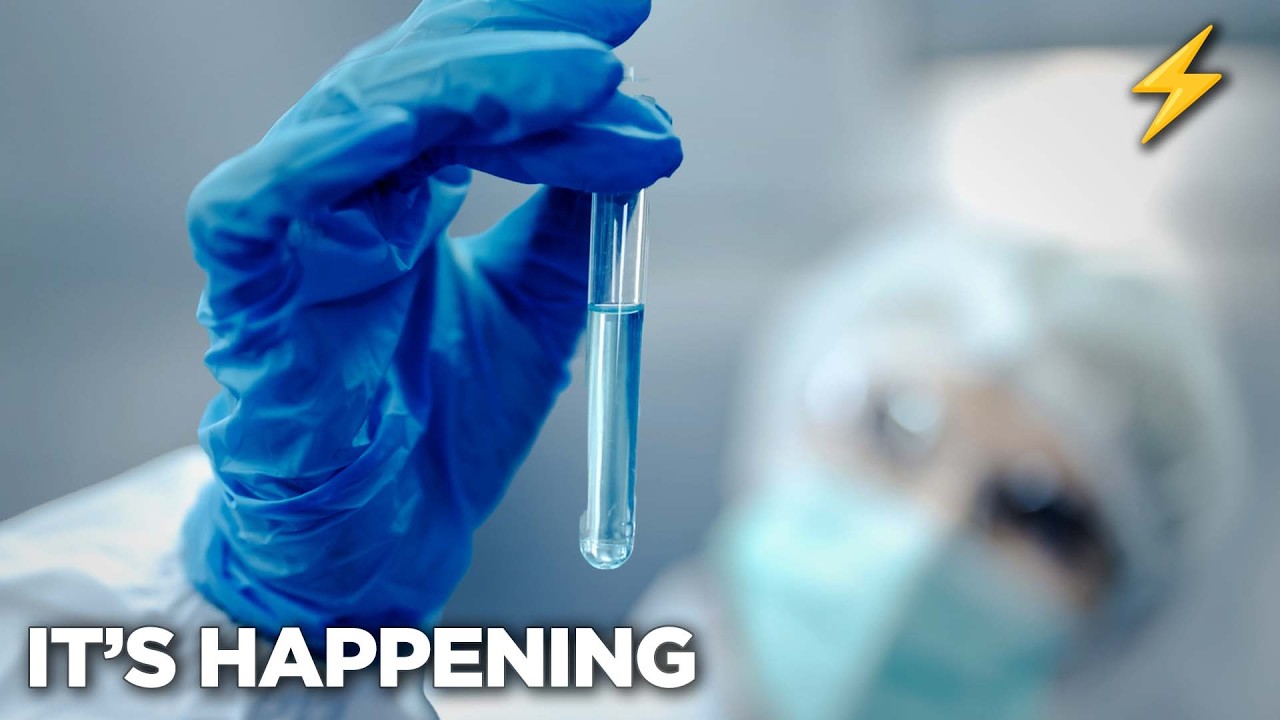
comes from Ian who asked, "Would dispersion of small particles at low altitude be a viable mediation of rising global temperatures. " Ah, yes, geoengineering. We need again. Uh so yeah, this is something that they call geoengineering that has uh a lot of different things under that umbrella, but this specifically is called an SRM or solar uh radiation modification strategy. I talked about this a little bit uh a while back in a video that I did on solar shades. Um solar shades of the idea that we could put something out in say like the L1 point um that could block some of the sun from entering the atmosphere. I talk about the idea of particullet in the atmosphere um just a little bit in that video. Anyway, you can go check it out. That was a really fun video. We got like special animation done and I did a whole deep dive on the numbers and everything. Anyway, it's a fun one. You can check that one out. But basically, there's two factors involved with global warming. Um, you have a system, an atmospheric system around planet Earth. Uh, and the two factors are the amount of energy entering the system and that the system can hold. That second one is known as radiative forcing. So the problem that we're seeing right now uh with the climate change and the global warming and everything is basically that we have the same amount of energy coming in but the composition of the atmosphere is changing and allowing it to hold more of that energy. So the amount of energy that's coming in is relatively stable uh with the exception of accounting for like 11 year sun cycles. So most of our u efforts to combat global warming have been to change the composition or at least slow the changing of the composition of the atmosphere so that the radiative forcing isn't quite so much. But this uh strategy aims to prevent the energy from entering the system in the first place or a small amount of it anyway. So talking about how that would work, first of all it's something that would need to go into the stratosphere. Now in your question you mentioned low altitude. Um, I'm not quite sure if that's what you meant by that, but I don't know if the stratosphere counts as low altitude. It doesn't really to me, but uh it would need to be in the stratosphere because if it was in the troposphere, it's way too moist and um that would cause these particulates that we would release into the atmosphere. It would cause them to clump together. Um basically seed raindrops and it would just rain down to the ground basically. But if it was up in the stratosphere, the stratosphere is much drier. It's also a lot more stable. um it wouldn't be so turbulent and moved around and causing it to collide and clump together so much. For example, the Pinatubo eruption that I mentioned earlier, a lot of that ash went into the stratosphere and it managed to stay up there for 2 or 3 years. So, I did a little bit of looking around to see exactly what you would want to put up into the stratosphere should you want to do this. And there's a few options. The first would be SO2, sulfur dioxide. That's a huge uh component of volcanic gas. That's a lot of what went up from Mount Pinatubo. Another one is calsite particles. And calsite particles, according to what I saw anyway, could actually help to rebuild the ozone while it's up there. And what I read calculated it would be need like 2. 1 million tons per year uh to go up into the atmosphere. Calite particles would be lighter. They would hang up there quite a bit longer, but eventually this would fall down and you would need to replace it. Another one is calcium carbonate that could go up there, but the problem with that one is it's heavier and it would um come down a lot faster. You would have to replace it a lot more. Now, the problem with any of these three is that eventually they would come back down into the troposphere and rain to the ground, which means that this would be a constant thing you would have to keep putting up there either by launching planes, which of course put a whole lot of CO2 in the atmosphere doing that, which kind of counteracts everything, or by some sort of fake volcano that you're just like constantly pumping this stuff uh at a high energy level so that it gets up into the stratosphere. And um there's also the problem of once you start doing this, you kind of can't stop because if you were doing this in a way that actually was beneficial, reduced global temperatures, it's something you would have to keep doing because if all that stuff should suddenly come down because you stopped, there's something that could happen called a termination shock. A termination shock is basically when something really sudden and drastic happens in the atmosphere and there's just a shock to the system that causes everything to go really haywire. And it would probably make the global temperature even warmer than it would have been had we not done anything at all. There's actually a paper from the journal Nature um that I'll put down below, but in 2020, they released some new restrictions on fuel in shipping containers or shipping vessels that um took the amount of SO2 out of the atmosphere. And that sudden shock actually did cause excess warming temporarily. So, that's a termination shock. It's something we have to look out for. Also, that's a great band name — COMING AT YOU THIS SUNDAY. SUNDAY TOOK IN ACCELERATOR featuring Termination Shock. — Hail Satan. But the really the biggest concern with doing something like this is just all the complexities that we don't fully understand. All the downstream effects that we can't possibly predict. Also, it would affect different parts of the world differently. It might stabilize, say, Europe, but it would cause crazy monsoons in Southeast Asia. And the really scary bit when you consider that is that this is something that could be weaponized. And maybe the most concerning thing about it is it's actually pretty cheap. Like this is actually something that could be done by a rogue state or some, you know, billionaire bond villain type. Yeah, it estimated that would cost between 2 and 8 billion to do this. I don't know if that's per year or what, but yeah, some extraordinarily wealthy person could just decide to do this and uh and cause all kinds of havoc in places around the world. There's not much we could all do about it. There are also questions about how it could affect the ozone layer. I mentioned the calsite particles earlier might actually help the ozone layer. Um but depending on how we do it, you never know. So like would it work is the question. Um if we could afford to pump 20 million tons of particullet into the stratosphere every year um and manage to keep doing it and keep doing it forever maybe. But to me it feels like a temporary fix. It's either a temporary fix or it's something that would just spiral because you can't stop doing it once you start doing it. Um, if we were to do it, it's something we would have to be very, very careful about, which I don't think we would be. All right, next up, we got a question from Rafe Zero Humor Singer, who asked, "If
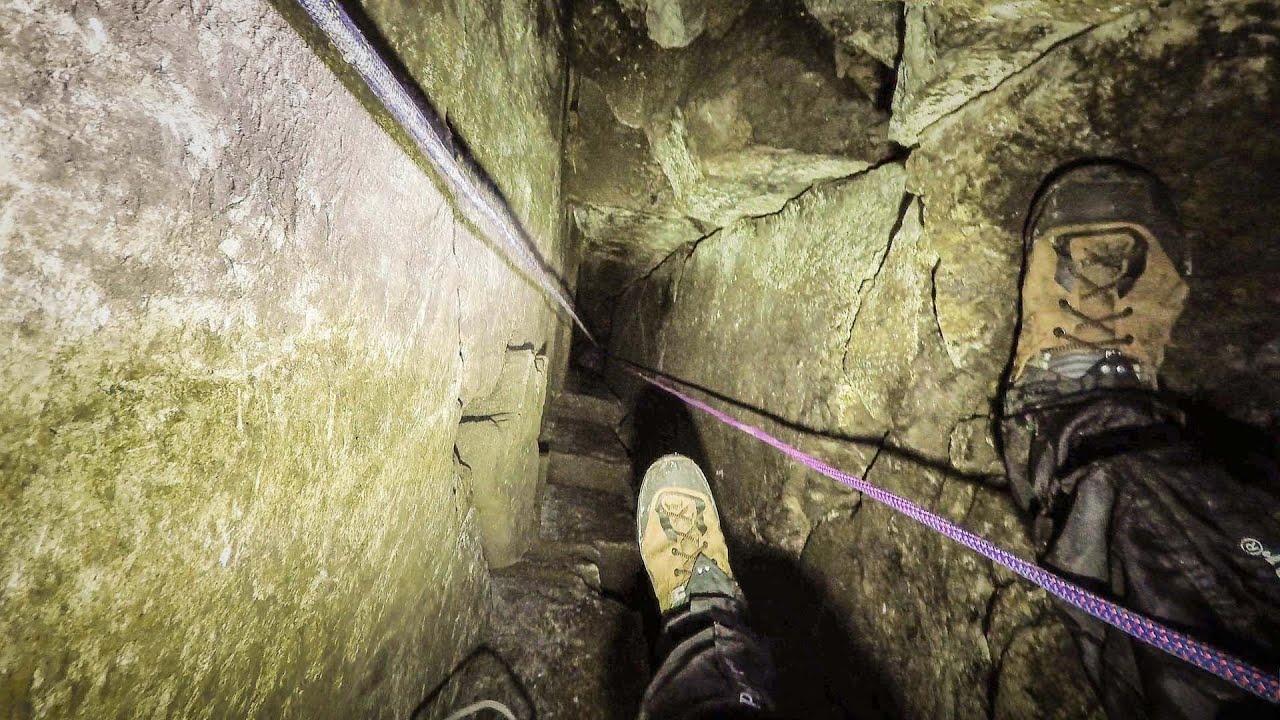
start making the content you do? And what are some of the things you've done over the years as a creator that you never could have dreamed of doing when you started? " Uh you've done some pretty awesome stuff, Joe Bro. No, nobody calls me Joe Bro. Well, I've told the story um a lot of times, but when I first got started, I was really just kind of trying to do comedy. Really, really wasn't thinking of going in a sciency or education direction or a science communicator direction. I really just um I was doing some standup. And at the time, I was working a full-time job, meaning getting up and going to work at 9:00 in the morning, which makes it really tough when open mic nights, uh you know, are during the week. and sometimes, you know, especially when you're first starting out, you can't get up on stage until 1:00 a. m. and then you're just telling jokes to a whole bunch of comics that have already heard your stuff. And um you know, the YouTube thing was just getting started and um I had done a little bit of YouTube stuff trying to promote the film that I made way back in the day and I just kind of felt like it scratched all the creative itches and I was like, "Hey, I could go, you know, be a comic. " Unfortunately, I think that led me to make, you know, I was trying to be edgy at some points that and I said stuff that I probably shouldn't have. But eventually, I started doing this thing where I was answering people's questions. It was mostly just my friends in the beginning and then one of my buds asked a question about the Firmeny paradox actually, which was the last question I just answered. Uh, and I did a video about the Firmeny paradox and it blew up and um, yeah, I just kind of kept going that direction and here we are. Luckily, I am a bit of a nerd and I like this stuff. Um, so it's not like totally outside of my interest. Um, my favorite thing about the job is I get to just go down rabbit holes and explore. Uh, I basically get paid to just nerd out on stuff and that's cool. Um, as for like the stuff that I've done that I couldn't have imagined when I first started, um, I don't know. I have two answers to that. There's that cheesy phrase that, you know, the real prize is the friends we made along the way. Um, I have to say I have I've gotten to know some really really cool people in the YouTube world uh that I don't think I ever would have been able to meet otherwise. And that's probably the most rewarding thing I would say. I mean, outside of, you know, the audience and the community that's grown up around the channel. I think they're awesome, too. But there's this thing that I've heard that uh interested people are interesting people that you know it's basically like if you're interested in something that makes you interesting yourself. And that totally bears true for me. Um YouTubers are people who are so interested in a specific topic that they kind of dedicate their lives to talking about it and exploring it and that just makes very interesting people I found. So yeah, I've met some amazing people. I've made some really good friends out of it. Um, and friend like really high quality friends, like friends that are just like really good, really smart, really interesting people. And I, uh, I have to put that pretty close to the top. But, um, in terms of like things that I have done, um, I know this sounds really self- serving, but I think it was making the oldest and newest places documentary. Um, I worked on that thing for like three years before we even got to go on the trip. And then we took the trip and then it was a whole year of editing and then once editing was done it was promotion you know it was kind of that it was this project that I was just kind of focused on you know solving the problem of this project and I think only recently now that I've had a little bit of distance from it I'm able to look back and be like that was really cool like I can I can sit here now and objectively realize what a unique and amazing experience that was and I treasure it more now I think than I did even a few months ago. Like I think about this a lot like how many people have done what I did like go to the oldest and newest places on planet earth. It really comes down to how many people have been to the Aosta nice up in northern Canada. Like um Kilawea volcanoes National Park is like one of the most visited national parks uh in the United States, maybe in the world. Um so a lot of people have been there and not to mention that was kind of an arbitrary newest place anyway. There's Iceland, there's the Philippines, there's Indonesia, there's volcanic places all around the world where magma's coming up and you could stand on the newest rock on planet Earth. So, so there's probably a lot of people that have been to the newest, however you want to classify that rock. But the vin diagram of people who have been to those volcanic hotspots and been to the singular, as far as we know, oldest place on planet Earth, I don't think it's that many people. Like I genuinely wonder if fewer people have done what I did than have gone to the summit of Mount Everest. You know, now I'm not saying it's the same in terms of like a feat of endurance and all that kind of stuff. Obviously, it is not. But in terms of like a specific unique experience to have, not a lot of people have had it. And that the more I think about it, the more precious that is. And on top of all that, I'm just deeply proud of the project and the documentary that came out of it. Um, I honestly think it might be the greatest thing I've ever done uh film-wise and um and yeah, I'm I'm just super proud that I got to do it and that it came out well. And I don't know if I can announce this or not, but I literally found out about this like three hours ago. Um we had submitted to the telly awards and I found out today that oldest, newest places on Earth has won five golden tellies. It won a golden telly for uh cinematography, for editing, for uh science and technology, for history, I believe, and for directing. If you combine that with the Scorpius Fest award that we won back in February, that makes six awards that it's won so far. So, super proud. And obviously, you can see it over at Nebula if you want to go check it out and you haven't seen it yet. I encourage you to do it. I'm clearly psyched about it. All right, we got one more question to get to, but first let's acknowledge the new Patreon and members with the power of Zoey. Here we go. We