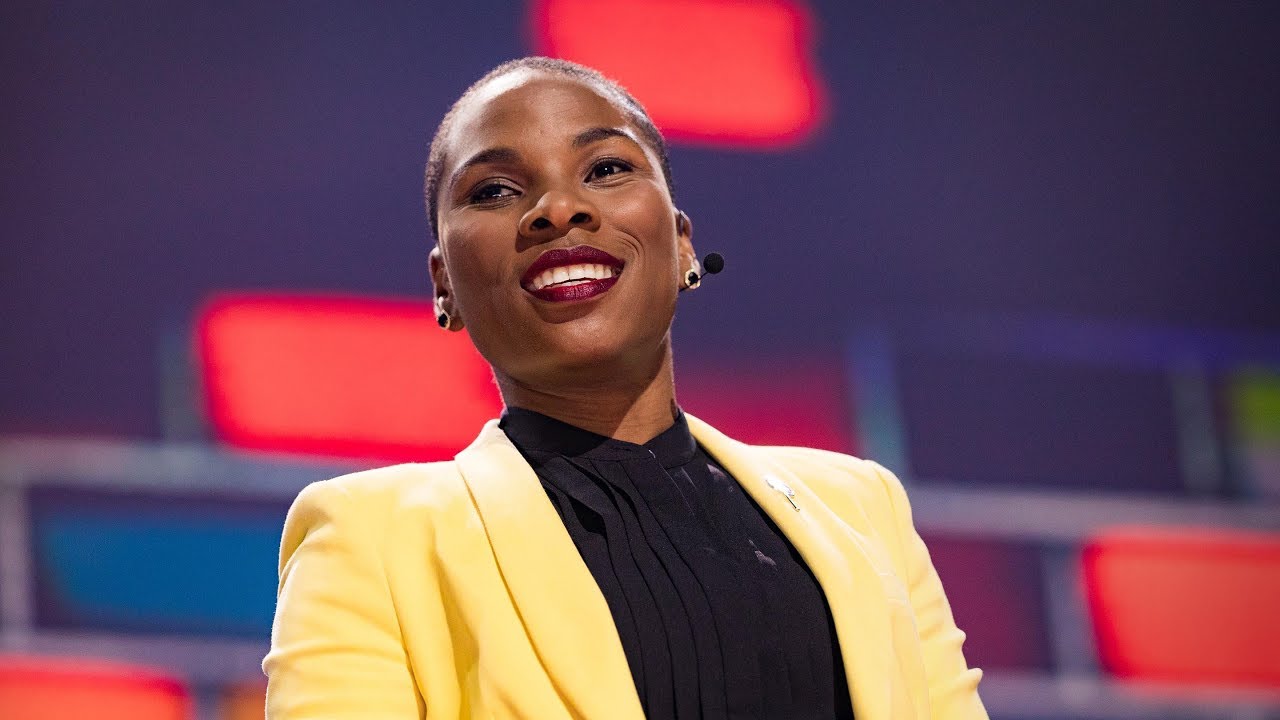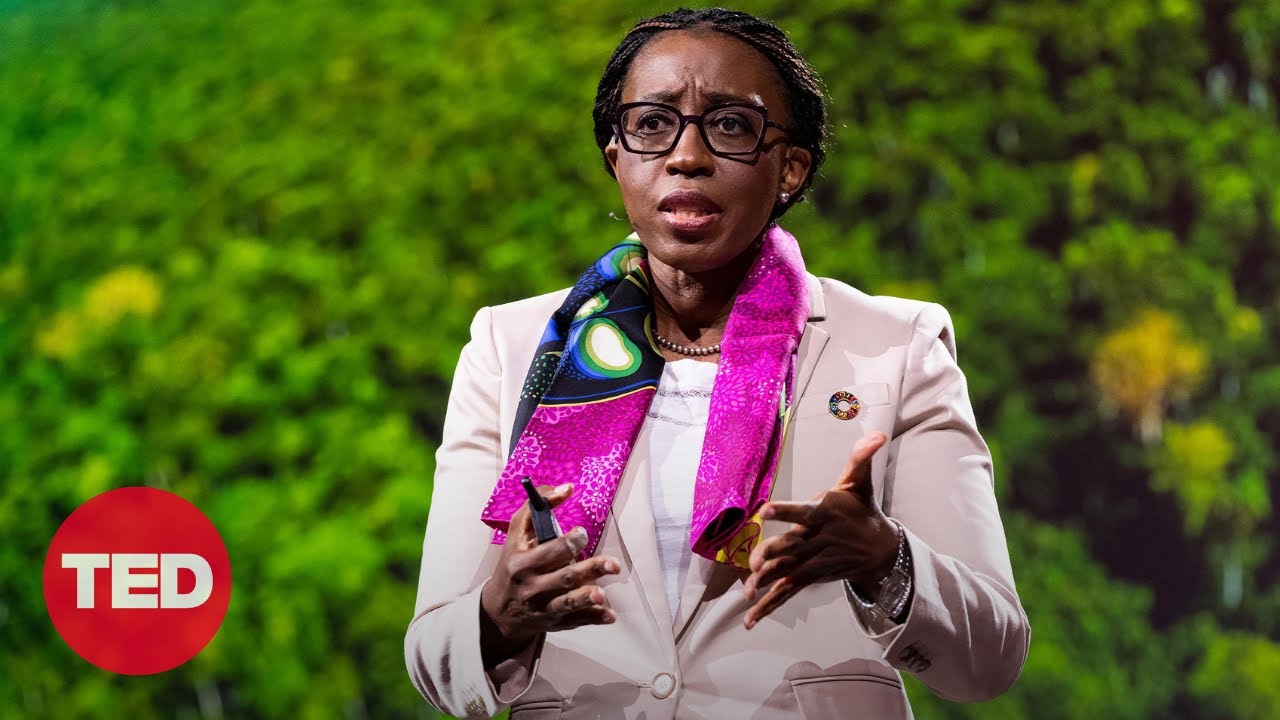
The African Swamp Protecting Earth's Environment | Vera Songwe | TED
6:56

The African Swamp Protecting Earth's Environment | Vera Songwe | TED

TED 19.04.2022 31 961 просмотров 826 лайков обн. 18.02.2026
Поделиться Telegram VK Бот
Транскрипт Скачать .md
Анализ с AI
Описание видео
The peatlands of Africa's Congo Basin are a vast expanse of swamp and greenery that act as one of the world's most effective carbon sinks -- and they're under threat of environmental destruction. Economist Vera Songwe explains how putting a price on the carbon stored in the peatlands would not only help protect this vital resource but also recognize and reward the African communities that have contributed little to climate change. "This is not just about decarbonization," Songwe says. "This is also about development with dignity." Countdown is TED's global initiative to accelerate solutions to the climate crisis. The goal: to build a better future by cutting greenhouse gas emissions in half by 2030, in the race to a zero-carbon world. Get involved at https://countdown.ted.com/sign-up Learn more about #TEDCountdown: Twitter: https://twitter.com/TEDCountdown Instagram: https://www.instagram.com/tedcountdown Facebook: https://www.facebook.com/TED Website: https://countdown.ted.com Watch the full 2021 TED Countdown Global livestream here: https://youtu.be/SG_vqlb1pOQ If you love watching TED Talks like this one, become a TED Member to support our mission of spreading ideas: http://ted.com/membership For more from TED Countdown: https://www.youtube.com/playlist?list=PLOGi5-fAu8bHbbepxw2rp2lI29SC1DDH_ Follow TED! Twitter: http://twitter.com/TEDTalks Instagram: https://www.instagram.com/ted Facebook: http://facebook.com/TED LinkedIn: https://www.linkedin.com/company/ted-conferences TikTok: https://www.tiktok.com/@tedtoks The TED Talks channel features talks, performances and original series from the world's leading thinkers and doers. Subscribe to our channel for videos on Technology, Entertainment and Design — plus science, business, global issues, the arts and more. Visit http://TED.com to get our entire library of TED Talks, transcripts, translations, personalized talk recommendations and more. Watch more: https://go.ted.com/verasongwe https://youtu.be/5T2VRY0LECc TED's videos may be used for non-commercial purposes under a Creative Commons License, Attribution–Non Commercial–No Derivatives (or the CC BY – NC – ND 4.0 International) and in accordance with our TED Talks Usage Policy (https://www.ted.com/about/our-organization/our-policies-terms/ted-talks-usage-policy). For more information on using TED for commercial purposes (e.g. employee learning, in a film or online course), please submit a Media Request at https://media-requests.ted.com #TED #VeraSongwe
Оглавление (2 сегментов)

  1. 0:00 Segment 1 (00:00 - 05:00) 451 сл.
  2. 5:00 Segment 2 (05:00 - 06:00) 148 сл.
0:00

Segment 1 (00:00 - 05:00)

There is a play by one of my favorite writers, Nobel laureate Wole Soyinka, I would like to tell you about, "The Swamp Dwellers." "The Swamp Dwellers" are about a blind beggar who attempts to buy a piece of swampland because he believes that the swamps will provide him with a better livelihood. However, the villagers in that swamp believe that deep in the forests of the swamp lies a deity whose job is to protect them from all misfortune. There is another swamp that protects us from misfortune. And holds the promise of humanity's survival. Those are the peatlands of the Congo Basin. are a lush, vast, expanse of weeds, shrubs and trees that absorb carbon from the atmosphere. They span 145,000 kilometers. The peat formations began 10,000 years ago, when man moved from hunter-gatherer to farmer. Nature, I guess, figured, "I better start protecting myself." A couple of years ago, scientists discovered that these tropical peatlands are probably the largest carbon sink in the world. They store 30 billion tons of carbon. If they did not exist, we would have probably already stepped beyond the threshold of 1.5 degrees of warming. However, the peatlands are under threat. We have, of course, oil explorations being contemplated. Logging licenses have already been awarded. And many of the communities that live around the peatlands have just this for survival. We have all collectively seen, in the Amazon forest, burning down because of economic interest. Turning this forest from carbon sink to carbon source. We have witnessed, in Indonesia, the swamps drained for palm oil plantations. Turning them from carbon sink to carbon source. It will be devastating if the same fate were to befall the peatlands of the Congo Basin. The peatlands are a passion of mine. I believe they must be protected. But we must also, in this fight against climate change, ensure that responsibility and accountability are adequately apportioned. The world emits over 54 billion tons of carbon. The peatlands of the Congo Basin absorb a large majority of that. Africa emits 1.2 billion tons of carbon a year. And the communities that live around the peatlands have no access to basic services. Education, health care, clean drinking water, an adequate meal, good transportation, technology. Clearly, they are not tweeting. The peatlands are an economic asset, which, if valued appropriately, could provide the stepping stone for these communities to improve their livelihoods. Nature has acted already as a store of value for the peatlands. A kind of federal reserve. Now, imagine if we had a price for carbon at 50 dollars. With 30 billion tons of carbon sequestered in the peatlands, we're talking at 1.5 trillion. A peatland development fund
5:00

Segment 2 (05:00 - 06:00)

could help us today to address the stubborn and seemingly persistent developmental challenges that the continent faces today. This is not just about decarbonization. This is also about development with dignity. This is about equity. It is about justice, and it is about transparency. (Applause) Indeed, Africa has not contributed enormously to the climate crisis. But we have visibly contributed enormously to keeping the planet alive. We can, therefore... (Applause) Not expect, but as the blind beggar, we continue to plead for assistance to achieve a better livelihood, and we certainly cannot be like Wole Soyinka’s swamp dwellers who wait patiently while the world overlooks and undermines Africa's contribution to climate change. Science has recognized Africa's contribution. I ask you to join me in recognizing Africa's contribution, and collectively, we must ask the markets to recognize and adequately reward Africa's contribution by putting a price on carbon. (Applause)

Ещё от TED

Ctrl+V

Экстракт Знаний в Telegram

Транскрипты, идеи, методички — всё самое полезное из лучших YouTube-каналов.

Подписаться