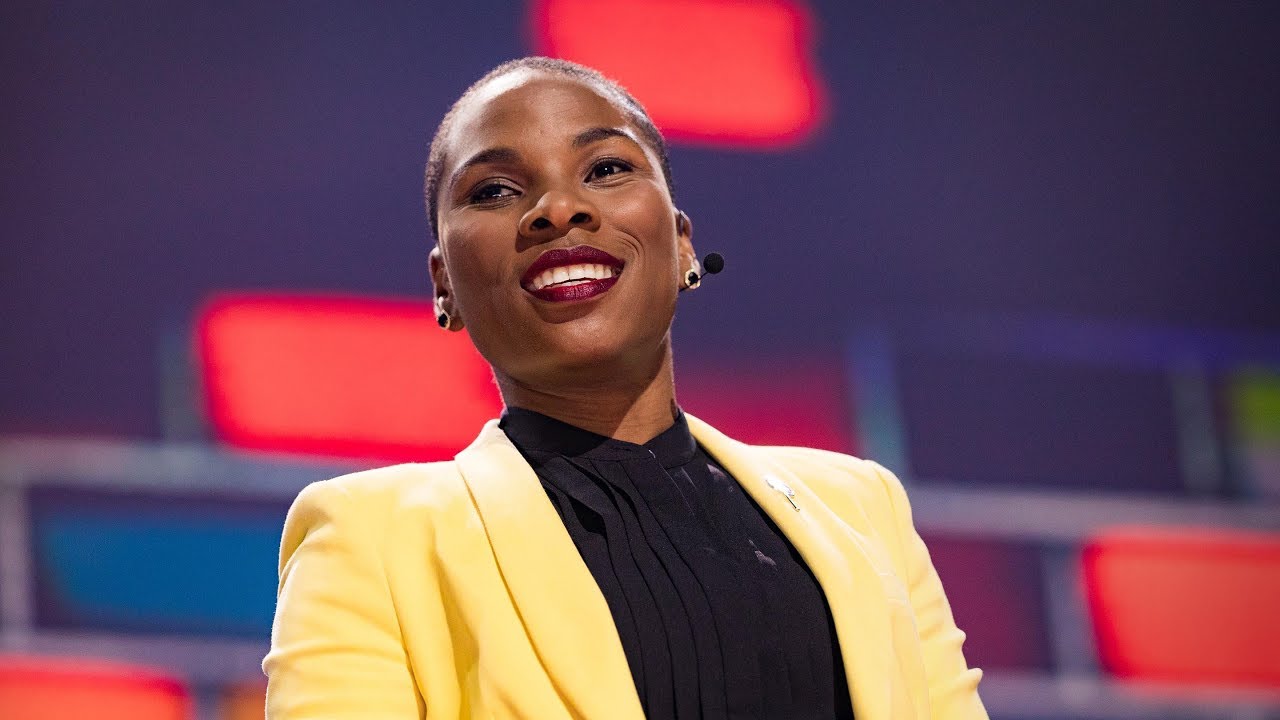
Language Shouldn't Be a Barrier to Climate Action | Sophia Kianni | TED Countdown
6:50

Language Shouldn't Be a Barrier to Climate Action | Sophia Kianni | TED Countdown

TED 28.02.2022 69 820 просмотров 1 487 лайков обн. 18.02.2026
Поделиться Telegram VK Бот
Транскрипт Скачать .md
Анализ с AI
Описание видео
Most scientific literature is written only in English, creating an alarming knowledge gap for the 75 percent of the world who don't speak it. That's a big problem for climate change -- because it's hard to take action on something you don't understand. With Climate Cardinals, an international youth-led nonprofit that's working to make the climate movement more accessible, activist and social entrepreneur Sophia Kianni is furthering the global transfer of knowledge by translating and sourcing crucial climate resources into more than 100 languages. A barrier-breaking talk about the collective effort we'll need to protect the future of our planet. Countdown is TED's global initiative to accelerate solutions to the climate crisis. The goal: to build a better future by cutting greenhouse gas emissions in half by 2030, in the race to a zero-carbon world. Get involved at https://countdown.ted.com/sign-up Learn more about #TEDCountdown: Twitter: https://twitter.com/TEDCountdown Instagram: https://www.instagram.com/tedcountdown Facebook: https://www.facebook.com/TED Website: https://countdown.ted.com Watch the full 2021 TED Countdown Global livestream here: https://youtu.be/SG_vqlb1pOQ Visit http://TED.com to get our entire library of TED Talks, transcripts, translations, personalized talk recommendations and more. The TED Talks channel features the best talks and performances from the TED Conference, where the world's leading thinkers and doers give the talk of their lives in 18 minutes (or less). Look for talks on Technology, Entertainment and Design -- plus science, business, global issues, the arts and more. You're welcome to link to or embed these videos, forward them to others and share these ideas with people you know. Become a TED Member: http://ted.com/membership Follow TED on Twitter: http://twitter.com/TEDTalks Like TED on Facebook: http://facebook.com/TED Subscribe to our channel: http://youtube.com/TED TED's videos may be used for non-commercial purposes under a Creative Commons License, Attribution–Non Commercial–No Derivatives (or the CC BY – NC – ND 4.0 International) and in accordance with our TED Talks Usage Policy (https://www.ted.com/about/our-organization/our-policies-terms/ted-talks-usage-policy). For more information on using TED for commercial purposes (e.g. employee learning, in a film or online course), please submit a Media Request at https://media-requests.ted.com
Оглавление (2 сегментов)

  1. 0:00 Segment 1 (00:00 - 05:00) 591 сл.
  2. 5:00 Segment 2 (05:00 - 06:00) 199 сл.
0:00

Segment 1 (00:00 - 05:00)

At just 12 years old, I witnessed the devastating impact pollution was having on Iran, my parents' home country. On one of my summer visits, I witnessed smog so heavy it completely blanketed the air, obscuring the stars I wanted to trace out of the night sky. I decided to read more about climate change in Iran, and I became increasingly alarmed, particularly when I learned the fact that temperatures in the Middle East were rising more than twice the global average. Armed with this knowledge, I decided to confront my relatives. But I was shocked when they informed me that they knew almost nothing about climate change. So I began to dig into the lack of climate education in Iran, and I found a study that read only five percent of Iranian students could properly explain the greenhouse gas effect. As I continued to scour the internet for more information, I began to connect the dots. From what I could see, there was a severe lack of climate resources available in Farsi, Iran's native language. Now, I was still determined to educate my relatives, so I decided to work with my mom to translate climate resources into Farsi so I could teach my aunts and uncles about how climate-change-induced disasters were impacting millions of Iranians. As I watched my relatives read my translations, I had never been happier to see fear plastered all over their faces -- (Laughter) because reading my translations had succeeded in convincing them that climate change was a real and pressing threat. Now, my story is anecdotal. But the fact that the vast majority of scientific research is only available in English is a big problem when it comes to climate change... (Applause) because most people in the world don't speak English. In fact, 75 percent of them do not speak English at all. Yet, according to a 2012 study on Scopus, the world's largest database for peer-reviewed journals, 80 percent of articles are written entirely in English. Even the United Nations' IPCC report, widely regarded as one of the most renowned pieces of climate literature in the world, is only officially available in the six UN languages: Arabic, Chinese, English, French, Russian and Spanish. But these are languages that account for less than half of the world's speaking population. Meaning, the majority of people on our planet are unable to understand the documents and agreements being issued by the world's highest international political body. This lack of easily accessible documents and resources leads to misinformation and low public interest around tackling issues such as climate change. In fact, just six years ago, 40 percent of adults in the world had never heard of climate change. Let me repeat that. Two out of five adults had never heard of climate change. When looking at specific regions where this problem lies, we can see that multiple studies have found, in Africa, there was a severe lack of climate education and curriculum available in Africa’s Indigenous and local languages. This lack of information only hurts those who need access to it the most. In countries such as Japan and the Philippines, climate change has worsened typhoons and disrupted agricultural industries. In these and the other 10 countries worst impacted by climate change, only one, Canada, is a majority English-speaking. Languages remain a significant barrier to the global transfer of scientific knowledge -- be it through the press, through schools or through political processes. In an effort to close the climate translation gap, I decided to start Climate Cardinals
5:00

Segment 2 (05:00 - 06:00)

and international youth-led nonprofit working to make climate education more accessible to those who don't speak English. We work with over 8,000 bilingual student volunteers who translate climate information in exchange for community service hours. In just over a year, we've translated hundreds of thousands of words of climate information into over 100 languages, including Yoruba, Somali, Swahili and Gujarati. If a ragtag group of teenagers that congregate through social media can do this work, imagine the impact that a concentrated effort by governments, scientists and policymakers would have. Groups of people that are being disproportionately affected by climate change deserve to have access to the resources they need to make sense of these disasters that are destroying their communities. (Cheers and applause) The more people are informed about the climate crisis, the greater chance we have to coordinate collective efforts in protection of the future of our planet. Because every single person in the world, every single person in this room, has the power to further climate action. So we must engage people from every country, young and old, to join the fight for climate justice. English cannot be the barrier to entry. Thank you. (Cheers and applause)

Ещё от TED

Ctrl+V

Экстракт Знаний в Telegram

Транскрипты, идеи, методички — всё самое полезное из лучших YouTube-каналов.

Подписаться