What we miss when we focus on the average | Am I Normal? with Mona Chalabi
3:12

What we miss when we focus on the average | Am I Normal? with Mona Chalabi

TED 02.11.2021 102 139 просмотров 2 896 лайков обн. 18.02.2026
Поделиться Telegram VK Бот
Транскрипт Скачать .md
Анализ с AI
Описание видео
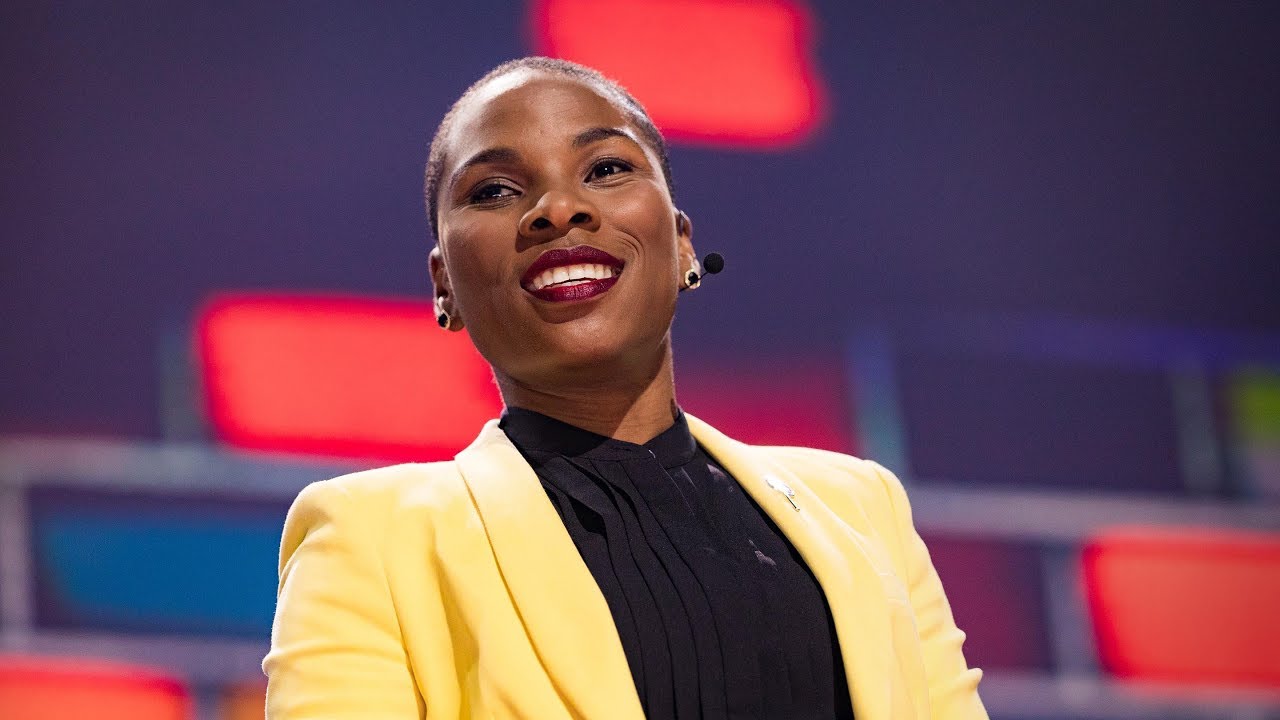
It’s tempting to focus on averages when we think about data, but the world is a lot messier than those numbers can make it out to be. So what could we gain if we shifted our attention to the outliers in the data, or as data journalist Mona Chalabi likes to call them, the lost birds? Want to hear more from Mona? Check out her podcast Am I Normal? with Mona Chalabi, from the TED Audio Collective. Want to hear more from Mona? Follow Am I Normal? on Apple Podcasts: https://link.chtbl.com/AINyta Visit http://TED.com to get our entire library of TED Talks, transcripts, translations, personalized talk recommendations and more. The TED Talks channel features the best talks and performances from the TED Conference, where the world's leading thinkers and doers give the talk of their lives in 18 minutes (or less). Look for talks on Technology, Entertainment and Design -- plus science, business, global issues, the arts and more. You're welcome to link to or embed these videos, forward them to others and share these ideas with people you know. Become a TED Member: http://ted.com/membership Follow TED on Twitter: http://twitter.com/TEDTalks Like TED on Facebook: http://facebook.com/TED Subscribe to our channel: http://youtube.com/TED TED's videos may be used for non-commercial purposes under a Creative Commons License, Attribution–Non Commercial–No Derivatives (or the CC BY – NC – ND 4.0 International) and in accordance with our TED Talks Usage Policy (https://www.ted.com/about/our-organization/our-policies-terms/ted-talks-usage-policy). For more information on using TED for commercial purposes (e.g. employee learning, in a film or online course), please submit a Media Request at https://media-requests.ted.com
Оглавление (6 сегментов)

  1. 0:00 Intro 91 сл.
  2. 0:27 Statistics 33 сл.
  3. 0:39 Life 82 сл.
  4. 1:01 Outliers 88 сл.
  5. 1:32 My Mum 134 сл.
  6. 2:19 My Mom 181 сл.
0:00

Intro

Transcriber: When we think about data, we usually think about averages. Average height, average salary, average number of hours spent on video calls. It’s tempting to focus on these neat little summaries of our world. But the world is a lot messier than these averages can make it out to be. So instead, I look for the outliers. They can offer a better reflection of this chaos we call life. And they can offer a different perspective on the things that we think we understand. [Am I Normal? with Mona Chalabi]
0:27

Statistics

Take, for instance, the stats around teens and cigarettes. According to the CDC, between 1997 and 2019, the percentage of American high school students who smoked plummeted from 36 to just six percent.
0:39

Life

That seems like a pretty big win, but when you break apart the data and look at the outliers, it is a totally different picture. Among American Indian and native Alaskan students, cigarette usage is much higher than that six percent average. It comes in at a sizable 21 percent. All other racial and ethnic groups were in the single digits. So what first seemed like this great success story is actually an indicator of how much work we need to do
1:01

Outliers

to reach some of the most marginalized communities. In general, when we present data as a scatterplot, the average would usually look like this. And where there are outliers, the typical approach is to undervalue them, to see them as a deviation from the average or from what society thinks is normal. But I like to call these outliers “lost birds.” It's a nickname I use for something or someone who has gone astray. If you look hard enough, you'll find that these lost birds pop up everywhere.
1:32

My Mum

Like my mom, for example. She doesn't like being on camera, so this puppet will have to do. She's a soft spoken, hijabi woman who isn't much bigger than this puppet. Because of that, it's easy for some people to underestimate her. But don't let those first impressions fool you. “In my generation, we used to listen and accept what they tell us. 'Do what you're told.' But when I got older, I just changed and I started to argue my point and get what I want." My mom's a retired doctor, an avid ugly-dress maker, a mother of two and a grandmother of none. Though she spends a fair amount of time trying to speak that into existence, "I think for every mother, for her daughter, she wants a grandchild." (Laughter) "Sorry, Mona."
2:19

My Mom

Moving on. My mom is also a lost bird. "Me?" She has, statistically speaking, gone astray. "Yeah, but it was a good deviation." Back in the late '70s, my mom left Iraq and moved to the UK to further her medical training and practice. She's among the four percent of people born in Iraq who now live abroad. By the early 2000s, just three percent of UK doctors with her experience were non-white and practicing in her speciality. My mom is a lost bird because she is an outlier. She's one of the rare few to leave her home country and even rarer still among her medical peers. We all think that the people that we love are special, and there is some truth to that. But it’s worth considering the ways that we are all lost birds. Because when we focus on the average and we ignore the outliers, we lose all of the richness and insights that those stories provide. But when we dig into the deviations, we get to see the bigger picture. One from a bird's-eye view.

Ещё от TED

Ctrl+V

Экстракт Знаний в Telegram

Транскрипты, идеи, методички — всё самое полезное из лучших YouTube-каналов.

Подписаться