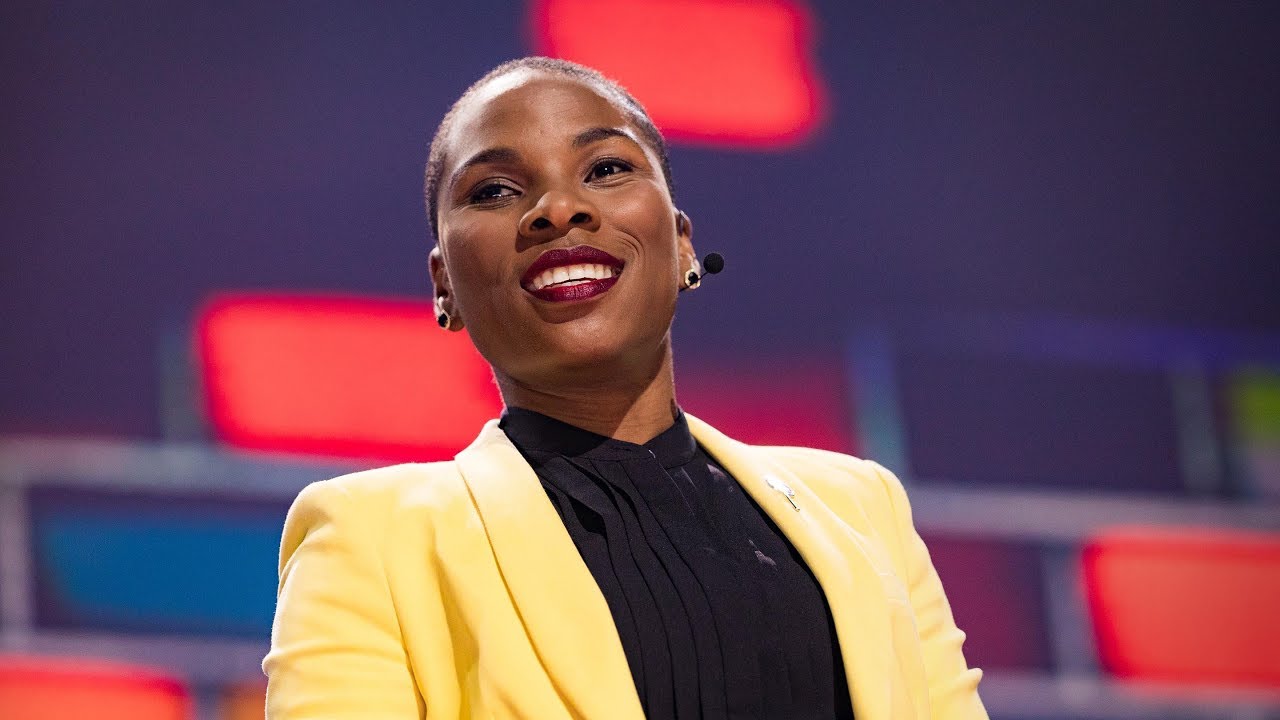
The Hidden Cost of Buying Gold | Claudia Vega | TED
6:44

The Hidden Cost of Buying Gold | Claudia Vega | TED

TED 30.10.2025 21 633 просмотров 635 лайков обн. 18.02.2026
Поделиться Telegram VK Бот
Транскрипт Скачать .md
Анализ с AI
Описание видео
Gold may glitter, but the hidden cost of mining it is devastating. Amazon researcher and TED Fellow Claudia Vega exposes how mercury pollution from artisanal gold mining poisons local communities and destroys rainforests — and shows why protecting the planet is far more valuable than any treasure. (Recorded at TED Fellows Films 2025 on April 7, 2025) Join us in person at a TED conference: https://tedtalks.social/events Become a TED Member to support our mission: https://ted.com/membership Subscribe to a TED newsletter: https://ted.com/newsletters Follow TED! X: https://www.twitter.com/TEDTalks Instagram: https://www.instagram.com/ted Facebook: https://facebook.com/TED LinkedIn: https://www.linkedin.com/company/ted-conferences TikTok: https://www.tiktok.com/@tedtoks The TED Talks channel features talks, performances and original series from the world's leading thinkers and doers. Subscribe to our channel for videos on Technology, Entertainment and Design — plus science, business, global issues, the arts and more. Visit https://TED.com to get our entire library of TED Talks, transcripts, translations, personalized talk recommendations and more. Watch more: https://go.ted.com/claudiavega https://youtu.be/ojfZMid20iA TED's videos may be used for non-commercial purposes under a Creative Commons License, Attribution–Non Commercial–No Derivatives (or the CC BY – NC – ND 4.0 International) and in accordance with our TED Talks Usage Policy: https://www.ted.com/about/our-organization/our-policies-terms/ted-talks-usage-policy. For more information on using TED for commercial purposes (e.g. employee learning, in a film or online course), please submit a Media Request at https://media-requests.ted.com #TED #TEDTalks #Conservation
Оглавление (2 сегментов)

  1. 0:00 Segment 1 (00:00 - 05:00) 770 сл.
  2. 5:00 Segment 2 (05:00 - 06:00) 253 сл.
0:00

Segment 1 (00:00 - 05:00)

Since I was little, I always loved nature. I always loved the feeling of being in a forest. For me, the forest is more valuable than gold. My name is Claudia Vega and I work in the Peruvian Amazon. I'm studying mercury contamination due to artisanal gold mining in Madre de Dios. I think people are not aware that sometimes the gold that you buy maybe is poisoning the rainforest in the Amazon or other tropical areas. About 20 percent of the gold produced in the world come from artisanal gold mining. It's not that small. And when you say artisanal, it's not because it's natural. It's called artisanal because they don't use fancy equipment. They have a very, like, rustic way. People have been doing that since the gold rush in California. They were using mercury. So the technique hasn't advanced that much since then. Mercury is used because it's an easy way to extract the gold. So what the miners do is, the gold is like, in the sandy form, and it's usually in the sediment of the rivers. They put mercury, the mercury binds with gold, then they have the amalgam, which is a mix of gold and mercury and then they burn the amalgam. And then the mercury just evaporates to the air. And they got the gold. When they're doing the mixing with gold, some of the mercury goes into the river. It's easy to evaporate, you don't have to heat it, it goes to the air, and it can be transported like, long distance. This happens mainly in the tropics and is the biggest anthropogenic source of mercury on the planet. Around 1,400 tons of mercury annually is released into the environment because of artisanal gold mining. It's an international concern. And it's not because it harms just the place where it's used. For example, there are even very high levels of mercury in the whales, in the beluga whales, in the Arctic. In Madre de Dios, about 130,000 hectares has been deforested because of artisanal gold mining. It is a big operation, you can see huge areas of rainforest just deforested. It looked like a desert with mining ponds. There are artificial lakes. And in the middle of a lot of desert, there's no trees, there's no animals. It looks like the moon, kind of, because there's no vegetation. Mercury is an element we cannot destroy. It is a potent neurotoxin. It can affect the neurosystem, it also can give you headaches, can give you problems with memory. It can give you insomnia. It can harm children during pregnancy, you could have a baby who will have learning disabilities. Depending on how much is exposed, it can even have malformation. Mercury is called the silent toxin because it takes a while to show effects. Minamata Bay in Japan is a more iconic case of mercury poisoning. In 1932 there was a company that was releasing mercury into the bay. It took about 25 years to show the effects in people. About 1,000 people died, and until now they have certified like 10,000 people that were affected. So people didn't know they were being intoxicated and they didn't feel it. But at the end, they had the symptoms and people died. WHO says that mercury is one of the top ten chemicals that are a major concern for public health. Centro de Innovación Científica Amazónica, which is Amazonian Center for Scientific Innovation, we implemented the first mercury lab in the Peruvian Amazon, and it's in the middle of the rainforest. jungle. We produce science. [We] also communicate the science to people that are not scientists in a way that they can have information to make better decision. We work with miners and also explain to them the dangers of mercury and with Indigenous people, also explain to them how they can avoid being exposed. And also we work with politicians so they can base their decisions on science. Fish is the main source of protein for Indigenous people in the Amazon. They are exposed to very high levels of mercury through consuming contaminated fish. They have one of the highest levels reported right now. So one thing that we do with them, we explain to them that they have to choose safer fish. Sometimes it's very difficult because you don't have the right answer for them. I mean, they're in their home and then strange people come, telling them that what they are eating is poisoned. But I think information is power, and having the right information may make you do the right decision.
5:00

Segment 2 (05:00 - 06:00)

So we insist on that: give the information and repeat the information. Some of the miners tell us, "I have been doing this for 30 years, so I'm good. " I asked them like, "Do you sleep? Do you have headaches? Do you forget things more often? " And also mercury sometimes can increase the chance of having cardiovascular disease. So maybe some of the people have high pressure and they don't know why. It could be because of mercury. And some of them are changing for a more responsible way of mining. Some other miners, maybe they know, but they don't care because they need money. And gold is money. There are not incentives to produce mercury-free gold. People just buy gold, they don't care, there's no good traceability system. So I think as a consumer or as a mediator of gold trade, we have to care about where the gold is coming from. Sometimes we use things and we don't even know how much impact they have in the world. At the end, we have one health, one planet, and everything is connected. When you are affecting the environment, you can affect the animals' health and then human health, too. So for me, my dream is like, people can see the value of the forest. It's actually doing something for us. It's producing air, it's producing water. That's more valuable than gold. I know gold is valuable, but you cannot eat it, you cannot breathe it, and you cannot drink it.

Ещё от TED

Ctrl+V

Экстракт Знаний в Telegram

Транскрипты, идеи, методички — всё самое полезное из лучших YouTube-каналов.

Подписаться