Why You Shouldn’t Worry About Pooping Once a Day | Body Stuff with Dr. Jen Gunter | TED
4:11

Why You Shouldn’t Worry About Pooping Once a Day | Body Stuff with Dr. Jen Gunter | TED

TED 09.06.2021 3 051 464 просмотров 71 016 лайков обн. 18.02.2026
Поделиться Telegram VK Бот
Транскрипт Скачать .md
Анализ с AI
Описание видео
You may have heard that you should be pooping once a day -- but that's a load of crap, says Dr. Jen Gunter. From the enzymes in your mouth to the nutrient-absorbing power of your large intestine, she journeys through the digestive tract to explain why it's okay to poop at your own pace -- and shares the many regulating benefits of a fiber-rich diet. Think you know how your body works? Think again! Dr. Jen Gunter is here to shake up everything you thought you knew -- from how much water you need to drink to how often you need to poop and everything in between. This TED original series will tell you the truth about what's *really* going on inside you. Want to hear more? Follow Body Stuff with Dr. Jen Gunter on Apple Podcasts: https://link.chtbl.com/BodyStuffYT Visit http://TED.com to get our entire library of TED Talks, transcripts, translations, personalized talk recommendations and more. The TED Talks channel features the best talks and performances from the TED Conference, where the world's leading thinkers and doers give the talk of their lives in 18 minutes (or less). Look for talks on Technology, Entertainment and Design -- plus science, business, global issues, the arts and more. You're welcome to link to or embed these videos, forward them to others and share these ideas with people you know. Become a TED Member: http://ted.com/membership Follow TED on Twitter: http://twitter.com/TEDTalks Like TED on Facebook: http://facebook.com/TED Subscribe to our channel: http://youtube.com/TED TED's videos may be used for non-commercial purposes under a Creative Commons License, Attribution–Non Commercial–No Derivatives (or the CC BY – NC – ND 4.0 International) and in accordance with our TED Talks Usage Policy (https://www.ted.com/about/our-organization/our-policies-terms/ted-talks-usage-policy). For more information on using TED for commercial purposes (e.g. employee learning, in a film or online course), please submit a Media Request at https://media-requests.ted.com


Оглавление (4 сегментов)

  1. 0:00 Intro 144 сл.
  2. 0:47 How digestion works 131 сл.
  3. 1:35 How pooping works 68 сл.
  4. 1:56 Fiber and poop 340 сл.
0:00

Intro

Transcriber: How often do you poop? You might have heard you should have a bowel movement once a day. But the truth is that if you poop anywhere from three times a day to three times a week, you're completely and totally normal. (Music) [Body Stuff with Dr. Jen Gunter] (Music) Hey there, it’s Dr. Jen Gunter. As an ob-gyn and pain-medicine doctor, I end up talking to my patients about poop more than you might think. Overall, I hear a lot of anxiety about it. Some people worry about not having a bowel movement once a day, even though its a phony metric. Other people struggle with constipation. Often, they don't get the treatment that they need, and they can even turn to dangerous solutions, such as colon cleanses. But for all the poop talk, there's one word I don't hear enough --
0:47

How digestion works

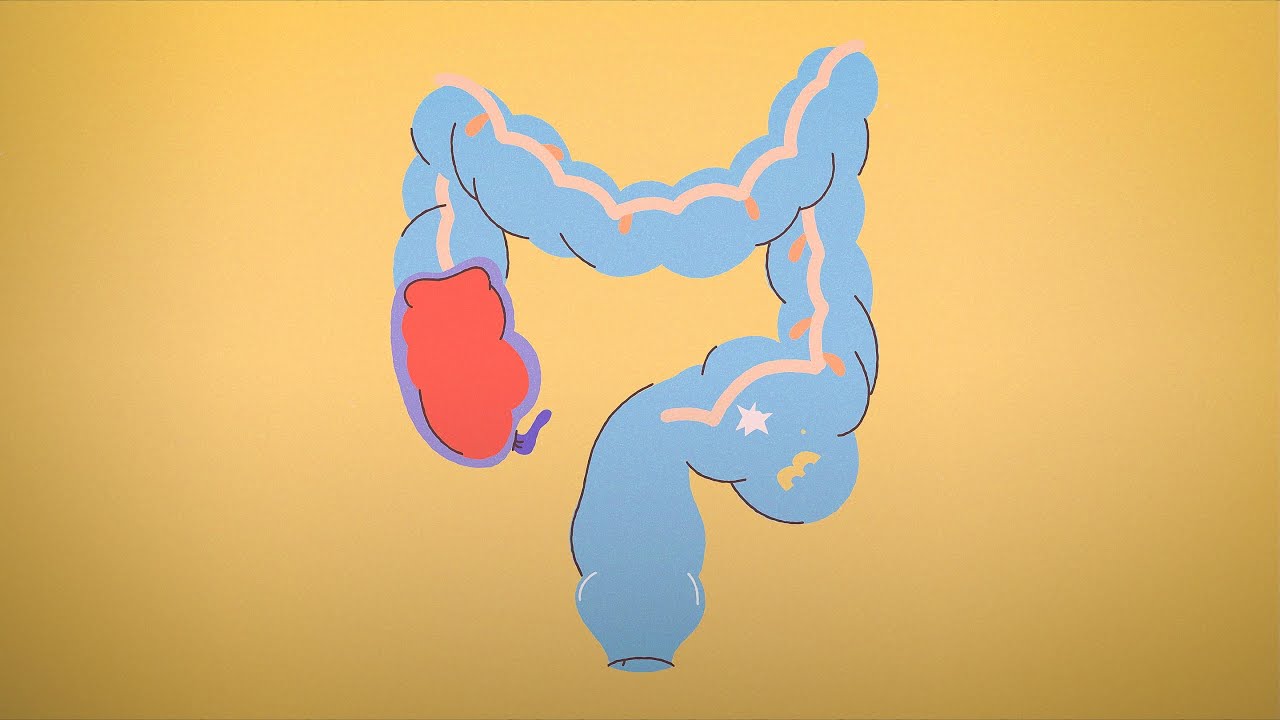
fiber. Let me take you through the journey from food to poop. Digestion actually starts in the mouth. Chewing breaks the food down into smaller particles. As you eat, your food mixes with saliva, which moistens the food, and has enzymes that start to break down those starches and fats. Contractions in your esophagus push the food to your stomach, where acid and gastric juices and enzymes further break the food down. The food then travels to the small intestine, where fats, proteins, carbohydrates and micronutrients are further broken down, with help from the pancreas, gallbladder, liver and the microbiome, so they can be absorbed across the small intestine and sent to the liver for processing. What's left moves to the large intestine or the colon, which has three main jobs
1:35

How pooping works

absorbing water and electrolytes, producing and absorbing vitamins and forming and squeezing the material, now called stool, towards the rectum. When the rectum is full, it sends a signal to the brain, and the brain takes into account whether it's a socially acceptable time to poop, and if it is, it sends a signal to the anal sphincter muscles to relax. And boom, you know what happens next.
1:56

Fiber and poop

This process involves more than 10 organs and typically takes anywhere from 24 to 120 hours in healthy people. So it's helpful to think of poop as exactly what it is -- all the stuff that doesn't get digested in this process. It is water, bacteria, dead cells and mucus, all glommed together with fiber. Fiber is amazing. It affects the digestive tract from top to bottom. It is very simply a carbohydrate the body can't absorb. While other carbs are broken down into sugars, fiber passes by sort of moseying along, doing all kinds of cool things. High-fiber foods physically take longer to eat, so they help us pace our meals. The bulk also slows down digestion, especially in the stomach, and makes you feel full longer. Fiber also draws water into the stool, keeping it soft. Scratchy, hard stool is, to put it mildly, unpleasant. It also increases bacterial mass. The water and bacteria together increase the bulk of the stool, which helps it move along. Fiber also slows absorption of sugars into the bloodstream and reduces absorption of fats and cholesterols. And as fiber collects in your colon, it feeds all your good gut bacteria, helping you maintain a healthy microbiome. Fiber is associated with the reduced risk of diabetes, heart disease, several gastrointestinal conditions and even certain cancers. And yet, most of us aren't getting enough of it. For example, in the US, the vast majority of adults aren't eating the recommended 28 grams of fiber per day. In fact, the average American just gets 15 grams of fiber a day. So how exactly do you get more fiber? The generic answer is to eat more whole grains, fruits, vegetables and legumes. But I want you to consider some more specific fiber-rich foods that I personally love: pears, raspberries and blackberries, avocados and artichokes, high-fiber cereals, whole grains -- my favorite is farro -- lentils, kidney beans and chickpeas. Almonds, pistachios and sunflower seeds are other options. When in doubt, reach for those. And happy pooping.

Ещё от TED

Ctrl+V

Экстракт Знаний в Telegram

Транскрипты, идеи, методички — всё самое полезное из лучших YouTube-каналов.

Подписаться