Medical tech designed to meet Africa's needs | Soyapi Mumba
5:44

Medical tech designed to meet Africa's needs | Soyapi Mumba

TED 04.02.2018 42 381 просмотров 1 323 лайков обн. 18.02.2026
Поделиться Telegram VK Бот
Транскрипт Скачать .md
Анализ с AI
Описание видео
In sub-Saharan Africa, power outages, low technology penetration, slow internet and understaffed hospitals plague health care systems. To make progress on these problems in Malwai, TED Fellow Soyapi Mumba and his team created a new system from scratch -- from the software that powers their electronic health records to the infrastructure used to support it. In this quick, hopeful talk, Mumba shares how his jack-of-all-trades mindset can help reshape health care in low-resource environments. Check out more TED Talks: http://www.ted.com The TED Talks channel features the best talks and performances from the TED Conference, where the world's leading thinkers and doers give the talk of their lives in 18 minutes (or less). Look for talks on Technology, Entertainment and Design -- plus science, business, global issues, the arts and more. Follow TED on Twitter: http://www.twitter.com/TEDTalks Like TED on Facebook: https://www.facebook.com/TED Subscribe to our channel: https://www.youtube.com/TED

Оглавление (8 сегментов)

  1. 0:00 Intro 66 сл.
  2. 0:37 Challenges in Africa 118 сл.
  3. 1:36 Embedded clinical guidelines 42 сл.
  4. 1:54 Follow up 56 сл.
  5. 2:22 Patient records 65 сл.
  6. 2:46 Naming 80 сл.
  7. 3:25 Technology 204 сл.
  8. 5:14 Outro 46 сл.
0:00

Intro

Like every passionate software engineer out there, I closely follow technology companies in Silicon Valley, pretty much the same way soccer fans follow their teams in Europe. I read articles on tech blogs and listen to podcasts on my phone. But after I finish the article, lock my phone and unplug the headphones, I'm back in sub-Saharan Africa, where the landscape is not quite the same.
0:37

Challenges in Africa

We have long and frequent power outages, low penetration of computers, slow internet connections and a lot of patients visiting understaffed hospitals. Since the HIV epidemic, hospitals have been struggling to manage regular HIV treatment records for increasing volumes of patients. For such environments, importing technology systems developed elsewhere has not worked, but in 2006, I joined Baobab Health, a team that uses locally based engineers to develop suitable interventions that are addressing health care challenges in Malawi. We designed an electronic health record system that is used by health care workers while seeing patients. And in the process we realized that we not only had to design the software, we had to implement the infrastructure as well.
1:36

Embedded clinical guidelines

We don't have enough medical staff to comprehensively examine every patient, so we embedded clinical guidelines within the software to guide nurses and clerks who assist with handling some of the workload. Everyone has a birthday, but not everyone knows their birthday
1:54

Follow up

so we wrote algorithms to handle estimated birthdates as complete dates. How do we follow up patients living in slums with no street and house numbers? We used landmarks to approximate their physical addresses. Malawi had no IDs to uniquely identify patients, so we had to implement unique patient IDs to link patient records across clinics.
2:22

Patient records

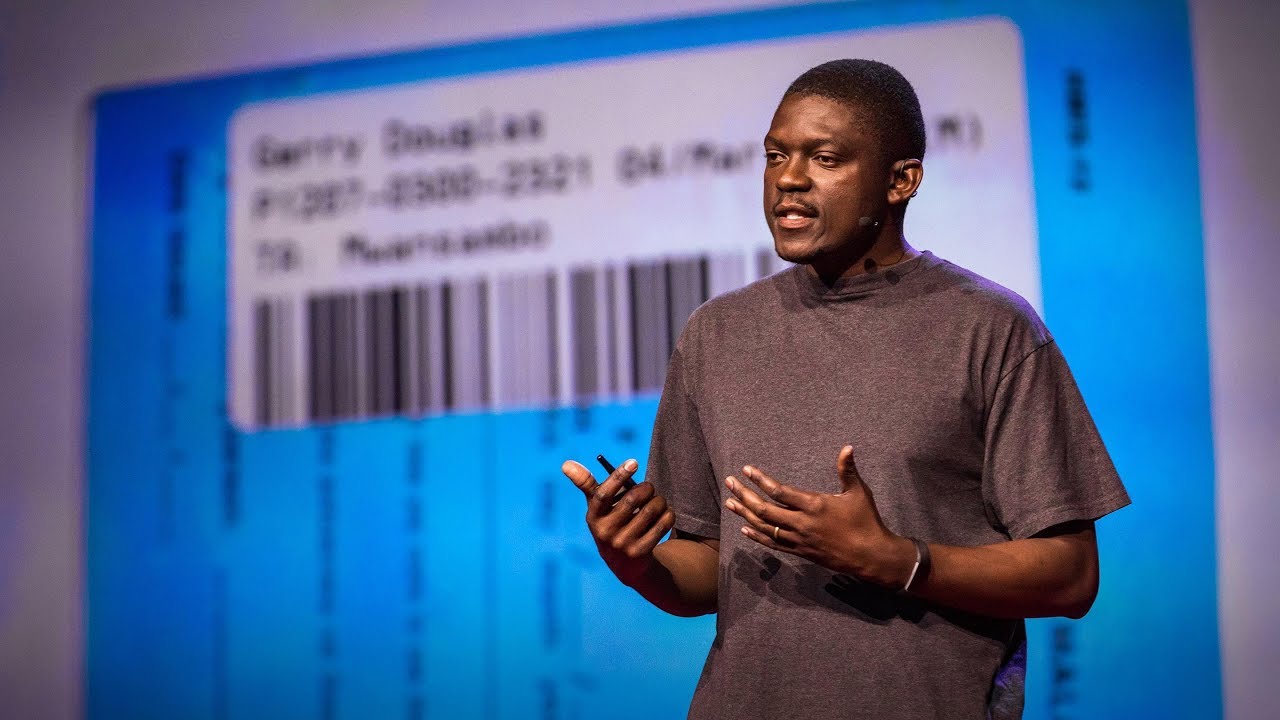
The IDs are printed as barcodes on labels that are stuck on personal health booklets kept by each patient. With this barcoded ID, a simple scan with a barcode reader quickly pulls up the patient's records. No need to rewrite their personal details on paper registers at every visit. And suddenly, queues became shorter. This meant patients, typically mothers with little children on their backs
2:46

Naming

had to spend less time waiting to be assisted. And if they lose their booklets, their records can still be pulled by searching with their names. Now, the way we pronounce and spell names varies tremendously. We freely mix R's and L's, English and vernacular versions of their names. Even soundex, a standard method for grouping words by how similar they sound, was not good enough. So we had to modify it to help us link and match existing records.
3:25

Technology

Before the iPhone, software engineers developed for personal computers, but from our experience, we knew our power system is not reliable enough for personal computers. So we repurposed touch screen point-of-sale terminals that are meant for retail shops to become clinical workstations. At the time, we imported internet appliances called i-Openers that were manufactured during the dot-com era by a failed US company. We modified their screens to add touch sensors and their power system to run from rechargeable batteries. When we started, we didn't find a reliable network to transmit data, especially from rural hospitals. So we built our own towers, created a wireless network and linked clinics in Lilongwe, Malawi's capital. (Applause) With a team of engineers working within a hospital campus, we observed health care workers use the system and iteratively build an information system that is now managing HIV records in all major public hospitals in Malawi. These are hospitals serving over 2,000 HIV patients, each clinic. Now, health care workers who used to spend days to tally and prepare quarterly reports are producing the same reports within minutes, and health care experts from all over the world are now coming to Malawi to learn how we did it. (Applause)
5:14

Outro

It is inspiring and fun to follow technology trends across the globe, but to make them work in low-resourced environments like public hospitals in sub-Saharan Africa, we have had to become jacks-of-all-trades and build whole systems, including the infrastructure, from the ground up. Thank you. (Applause)

Ещё от TED

Ctrl+V

Экстракт Знаний в Telegram

Транскрипты, идеи, методички — всё самое полезное из лучших YouTube-каналов.

Подписаться