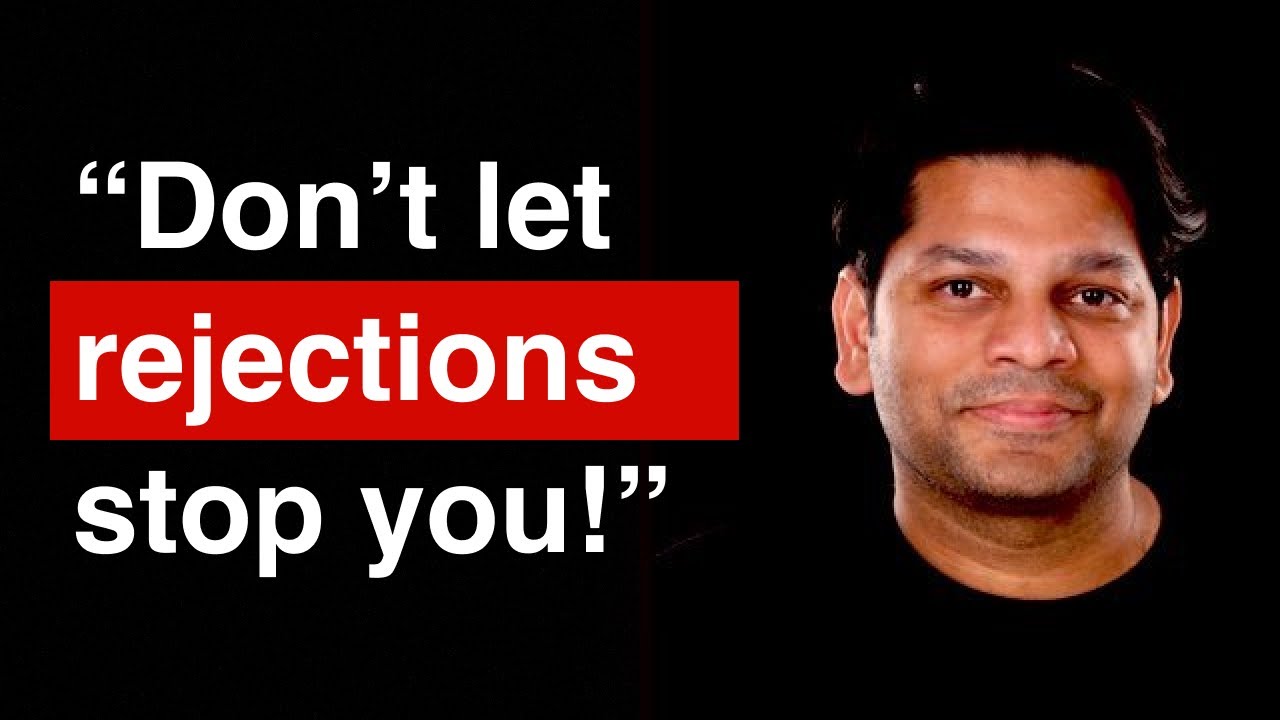
How to Crack the PM Interview in 2024 | Satish Mummareddy (Meta)
46:39

How to Crack the PM Interview in 2024 | Satish Mummareddy (Meta)

Peter Yang 27.10.2024 5 257 просмотров 141 лайков обн. 18.02.2026
Поделиться Telegram VK Бот
Транскрипт Скачать .md
Анализ с AI
Описание видео
My guest today is Satish Mummareddy, ex-product leader at Meta. During his 6 years at Meta as an IC7 product leader, Satish interviewed 200+ PM candidates and mentored 100+ PMs. We had a great chat about how to crack the PM interview, choose the right job offer, and find strong mentors. Timestamps: (00:00) How not to let rejection get you down (01:53) Hot takes after interviewing 200+ PMs at Meta (05:14) Why experienced PMs often struggle in interviews (09:13) 3-month plan to crush interviews at top tech companies (15:05) How to uplevel your product thinking skills (20:10) Why interview frameworks aren't enough (27:31) How to avoid getting down-leveled (30:01) Choosing the right company to join (36:24) 3 steps to find great mentors and sponsors (40:25) Deliberate practice, career arcs, and mental fitness Get the takeaways: https://creatoreconomy.so/p/meta-product-leader-cracking-the-pm-interview-satish Where to find Satish: LinkedIn: https://www.linkedin.com/in/satishmummareddy/ Course: https://maven.com/crossing-career-chasms/product-thinking 📌 Subscribe to this channel – more interviews coming soon!
Оглавление (10 сегментов)

  1. 0:00 How not to let rejection get you down 411 сл.
  2. 1:53 Hot takes after interviewing 200+ PMs at Meta 654 сл.
  3. 5:14 Why experienced PMs often struggle in interviews 830 сл.
  4. 9:13 3-month plan to crush interviews at top tech companies 1244 сл.
  5. 15:05 How to uplevel your product thinking skills 1095 сл.
  6. 20:10 Why interview frameworks aren't enough 1508 сл.
  7. 27:31 How to avoid getting down-leveled 535 сл.
  8. 30:01 Choosing the right company to join 1451 сл.
  9. 36:24 3 steps to find great mentors and sponsors 905 сл.
  10. 40:25 Deliberate practice, career arcs, and mental fitness 1297 сл.
0:00

How not to let rejection get you down

job search is actually like a roller coaster right there going to be lots of ups and downs we have all been rejected by companies in the past I've been rejected by Google by YouTube by LinkedIn like you name it I've been rejected M at some point did not even actually like want to interview me all of us have faced rejection so be carry the scars of it and we have a chip on our shoulder but that actually brings negative energy into interviews so what I want all of the people to do is process that baggage that they carry and actually like let that go things will inevitably go wrong in interviews you wanted to do some segmentation you made a mistake then you can focus on that mistake or you can actually like correct it from there and then go on so you want that resilience and positive mindset that you need to actually do so you need to get your mental Fitness up the reason why I got a job at meta was because I dealt with my baggage and I actually like let all of the past go and I just like showed up as a happy person in the interview and then just did the interview as well all right well welcome everyone my guest today is Satish I had spent six years at meta working on AI products and Instagram and during this time he's conducted hundreds of PM interviews at meta and other companies he's also coached many PMS to level up their product thinking skills and uh since leing meta Sati has taught two or three very popular PM courses so welcome s thank you for having me Peter it's great to finally do a podcast together after having known each other for a few years yeah great so why don't we start by talking about PM interviews you know like performing well these interviews like you can literally like double your conversation or like you can find your dream job through these interviews yeah but you know it's like I think it's getting harder than ever to become to get a PM offer because like companies are downsizing there's a lot of Market forces so why don't we start I would let start with some of your hottest takes when it comes to PM yeah do you have any so I've done 200 plus interviews at meta and one
1:53

Hot takes after interviewing 200+ PMs at Meta

of the things that really shocked me about PM interviewing is that new College grads who were interviewing for RPM positions would crush the PM interview while experienced PMS who had 10 plus years of experience would actually come and then do extremely poorly in the interviews and that was something that was extremely shocking for me okay that's like one of the things that I find very surprising then the second thing that I actually like find very surprising is that when people come and ask me for help with interview preparation the first thing that they ask is hey can you do some mock interviews with me and every time I hear that I throw up a little bit okay and then the third thing that I've realized about this whole interview preparation process and doing interviews is that most PMS have worked on only one to three products in their entire PM careers but then when they go into PM interviews they could be asked about any product on the Internet and that is something that's an extremely difficult job to do as a PM and interviews and then finally like most people come to me and then ask me about hey I want to show that I'm a much more senior PM how do I show that I'm operating at a much higher level and then the thing that people don't realize about it is can you show that you can handle problems at much higher altitude that are actually like at the company level at the industry level and that's how you demonstrate that you're operating you can operate at a much higher senior level as a PM those were actually my hot takes on actually on PM interviews yeah those are some pretty hot takes so why don't we talk about them so let's start with the first one is like the people who are like fresh out of college or like Junior PMS actually do better on interviews than the senior PMS is it because they just memorize all Frameworks or why do they do better so the fundamental thing about PM interviewing is that there are two types of ways to interview PMS one is retrospective interviewing which was what happened before Google made PMS famous before that whenever you went into an interview people would try to evaluate your skills by asking questions about your experience they would ask you questions like hey tell me about a z to1 product that you built and they would out of the answers for that they would try to evaluate what your product thinking skills were like what your analytics analytical SK skills were and what your leadership skills were and that is retrospective interviewing so at that point people could just dip into their past experiences and tell the stories that they wanted to but then after Google started to do prospective interviewing where they realized that it's hard to evaluate candidates based on the stories that they were telling so they would just give you a new product scenario and ask you to tell what would you build for this particular space and that is pro prospective interviewing so PMS now have to on their feet do the thinking to figure out what products they would build how they would actually evaluate them how they would make decisions against those and that is extremely challenging because you have to be able to take any product in the industry and then be able to answer product thinking questions analytical thinking questions and that requires a lot of preparation because none of your passwor is actually going to help you enough with actually like doing this you might have some skills but you still need to be able to apply them across a wide spectrum of products so that's what makes PM interviewing really hard so if PM
5:14

Why experienced PMs often struggle in interviews

interviewing is that way and it's hard then you need to actually put in time to prepare for interviews the new College grads have actually like spent six months in groups of people doing practice together to actually prepare for these interviews whereas senior PMS think like hey I've just built successful product so I can just like walk into interviews and then crack interviews at these top companies but that just does not work so you need to actually like put in the work and then the other part of it that happens is that interviewing by itself is a stochastic process there's a lot of noise in it depends on how you are feeling on that particular day what questions you get how the interviewer is actually like feeling on that day what's going on in all of these things if they ask you a followup question how are you reacting to that so all of these things introduce a lot of noise into the interview process so if you want to succeed in those kinds of things and you want to increase the probability of being successful you need to make sure that you have actually built your significant product thinking skills analytical thinking skills and prepared for leadership questions so you are far above the bar that is needed to actually like get into a particular company so you increase the probability of getting in so I think that those are the two things that actually like determine the fact that new College GRS do much better than senior people who are unprepared got it so I guess like it's seem think about you know is that like a feature or a bug right because like just be honest here like is it a good thing that you have to spend six months preparing for this indivual process or is just the nature of the market because like you know I rather spend that six months like building good products or like working on my team or doing something more productive yeah so I actually think it's a feature rather than a bug because a lot of times in our career we ride waves so we are working on a particular product and actually like it is working well and you continue to work on those and then at some point it's hit a plateau and then you want to do something different and when you want to do something different your past skills may not actually like be enough you need to one have a bunch of additional contacts about new products that are happening new changes that are happening and you want to be able to like apply Frameworks and the learnings quickly to a new product space because you don't have a lot of time as a PM wants you to get into a role to establish yourself and the first 90 days really matter so if you're not able to like show that you're competent in a new space in 90 days you lose the trust of your team and that's the reason why I think it's really important for PMS to actually build a wide base of product thinking skills that help them move between projects inside a particular company move across companies and then drive new waves that are happening at that point in time so I feel like this is something that is essential for people from for example when I was at meta I worked on six different product spaces and I had Fairly good amount of success because of my ability to switch between spaces ramp up quickly and then actually do that and right now the trend is for senior PMS senior icpms and the key skill that the senior icpms have is that you can take them from one space put them in a new space and they ramp up extremely fast in 90 days and can start producing results and that's the reason why I think that this is such a critical skill to have and interview are actually like a good way that you measure whether people have those skills or not okay so you're saying like doing this stuff can actually help you with your job obviously like it's not just like just for the interview yeah exactly yeah the fundamentally what I realized is that PM interviewing is exactly how I operate at meta on a day-to-day basis there is all if you're working on high stakes projects that are high visibility there is always a new problem that is coming in every few days and you are figuring out what is the solution to that set of problems in a couple of days getting exact reviews done alignment on those things and then actually executing against that so you are really doing product thinking on new problems every few days if you're working on high-profile projects at a company like
9:13

3-month plan to crush interviews at top tech companies

met so let's get like a pretty tactical here right so let's say I'm working at like a you know quote unquote second tier company and I'm a PM and I want to get into like top tier I want to get into meta I want to get into I don't know open eye they stable I want to get into all the good companies so how do I prepare let's say I have like you know three months how do you prepare for this stuff yeah so I think overall I strongly believe that people need to give themselves enough lead time because you get like one shot at any of these companies in like 12 months or 18 months so you want to take your best swing so give yourself enough lead time to prepare well and then the thing that I want people to actually like do is say that hey there are three areas that you are preparing for product thinking analytical thinking and Leadership skills companies may call them different things but they're fundamentally evaluating for those three things and the core thing is that you need to up lble your product thinking first and that actually like takes the longest amount of time so what I ask people to do is prepare a plan for upleveling the product thinking skills and the way that people can do it is they can actually like take 15 different products from different product themes like one from media one from marketplaces one from e-commerce one from productivity search like just take 15 different products and then do writing exercises on them spend four to six hours thinking about I'm a PM at Google working on search what would I build I'm working at openai what would I build I'm working at Reddit what would I build so writing responses to those helps people develop a mental model for the particular market and then given that market what are where is the current product and where should they be taking that product and it helps people develop that Clarity of thought so I would ask people to take 15 different products and then do writing exercises on top of that helps and then get feedback from other people like have a couple of friends look at them and then give feedback on that helps improve their quality of product thinking and then once you actually start doing that now you can start doing analytical thinking on top of those same products you can say hey how am I going to measure the success of Reddit how am I going to measure the success of Google search and then you can start doing different types of analytical thinking questions which is how do you make decisions using data in some form you can say hey if this metric is going down what am I going to do if I'm launching this feature and here are the three options what should I be doing about them so there are a bunch of different types of analytical thinking questions I would actually ask people to write written responses for them stop focusing on the verbal parts of it but actually like do the thinking and then writing part of it and that helps you uplevel your product thinking and your analytical thinking and then once you actually like are doing that the next thing to start doing is plugging in interview communication skills the fundamental thing that happens is that when you are doing work you get a lot of time to write down a document iterate on the document get feedback from it edit it multiple times and then share that with people but when you are operating an interview you have one shot of 30 minutes and you have to do the thinking and the communicating with the people and then you don't write the notes the interviewer is writing the notes whatever the interviewer is capturing is your real answer in their perspective so that's what really happens in interview so if that's what's happening you need to get better at a certain style of communication and that communication style involves a few things it's about separating out thinking time from speaking time and you have to interlace both of them and what I mean by that is that you have to take a couple of minutes to First think about hey what is the target audience for this product and then speak only after you have Clarity of yourself and then communicate for four minutes and then come back and say hey I'm going to now think about the problems that this segment has and then in silence think about it and then once you have Clarity communicate that and that is interlacing speaking thinking and speaking and you have to practice that skill otherwise what happens is that people think out loud and when people think out loud it's extremely noisy for the interviewer and they don't know what to capture so you need to practice that skill and I ask people to practice that and once you have practiced that then you can put it all together and then do a mark interview okay so if you are just focusing on product thinking and analytical thinking do 4H hour writing exercises first then try to shrink that writing time into 30 minute exercises because you want to do speed thinking because in interview you only have 30 minutes instead of 4 hours then practice thinking and speaking and interlacing it together so that the interviewer can take very clear notes and then build the stamina to do 30 minutes of thinking and speaking interlay and that's a full Mark interview and then you want to in introduce some antagonistic behavior and ask people to ask some followup questions that push you in different ways and then how react to that so that's the type of preparation that I ask people to do okay so because you and I are kind of or at least I'm very allergic to Frameworks but there's kind of like a general approach right like you got to understand like you said got understand who is the user whether are their needs or problems do they have maybe you got to like think about like what's the vision of your product like I need try to bring some solutions there's a kind of General approach for some of this product s in interviews but I guess what you're saying is that if you actually do the homework to look at 15 different Industries and then in the interview you get like a random question about like you know Facebook Marketplace or something that you didn't work on then you have more memory to actually get to a good answer quickly because you already did a 4our exercise on some other Marketplace exactly that's exactly what it is yeah because there's like common structures for each of these things media products you worked on Rel you worked on Instagram you know that there's actually some structure and some sort of problems that are common even though there're slightly different flavors of that and then similarly marketplaces if you take Uber and then door Dash they have like similar structures and then actually like different similar problems but different flavors of those problems got it but how
15:05

How to uplevel your product thinking skills

do I know like let's say I never worked on Marketplace before right and I'm doing like I'm doing a 4our exercise on what good Marketplace like Airbnb so like how do I know if I doing right or not like you know because I don't have any internal data or anything like how should I go talk to customers or how do I know yeah so I think there's like two parts this one part of it is that this is exactly like the problem that I'm trying to solve with my uple your product thinking course where I'm taking 12 different themes that capture about 40 different Market product types and then I'm trying to give people background information about the structure of those products and actually like what are the common problems that they have what are the common solution patterns and actually like showing them how to do one or two examples of high quality product thinking in each of these so I'm actually trying to create I've created that based material for people so they have common context and an example of what great looks like in each of these that's like one part of it that I'm trying to do but then let's say that you didn't have that what you can actually like start doing is you can you need to start by reading the S1 of some companies okay so for example Reddit has a fantastic S1 when they went IPO if you read Reddit S1 you can truly understand the underlying strategy for the company they actually like talk about what are the common use cases like entertainment Ed education community and commerce like fundamentally like four things that you're solving for here are the competitors when you look at it from those different use cases and actually like here is what the da looks like here's what the ma looks like you actually start to understand that Reddit has high ma but low da so actually like getting people to use it more frequently is actually like a challenge for Reddit in some form and then actually like Reddit has only like 35 million us da and 35 something million International you start to actually get all of this context about a particular company and then they actually like explain a lot of the problems that they have what the product strategy is and where they're actually taking the company so if you just read that you can actually build enough contacts and then write your own one page sub summary about a particular company and then you can say okay hey if the company is here today if this is the challenges that they're facing where would I take this and then you can actually start to see that you know what the existing strategy is then what else can you build on top of that so that's like a most common way to do it read insta card's S1 Fiji Simo wrote a fantastic like S1 for instacart not only does she explain instacart's product strategy she explains the grocery industry to people you're not going to get a better explanation of the grocery industry than actually like what's in instacat S1 so that's like a great place to actually start reading and then figuring out where the product is industry is going then the other thing to do is actually like listen to Founders and CEOs interviews Zak for example if you listen to Zak's podcast with Lex Freedman and Joe Rogan you can and then actually like dwares you can understand what his AI strategy is he's literally been telegraphing what meta's AI strategy is for like 2 years now and that's exactly what he's building and he's telling you that if you listen to Amazon CEO he actually talks about looking at like fulfillment centers as Primitives how do you think about Primitives for fulfillment so he's explaining how he thinks about the business so if you listen to the podcast of these leaders you start to actually understand what how they view the business so that's how you actually start building a foundation on top for which you can build okay so most of the four hours or like at least half is like spent actually doing research not just like making stuff up yeah exactly got it exactly and what I tell people is that if you are seriously thinking about interviewing for a company it's not 4 hours it's 20 hours of research I ask you to do like do 20 hours of research about a company and write your two or three page context because without that context you can't actually like simulate yourself as a PM for the company interviews are trying to simulate what would you do as a PM in that company and if you were trying to wear that code of a PM for that company you at least need to do 20 hours of context research for the company that you're interviewing at yeah I think for the companies that you know like that you really want to land a job Jobing right that yeah it makes sense to do like 10 20 hours of research EXA like you know for Roblox I like you said I listen to the CEO talk on YouTube yeah like did all the research read all the ears reports and I think just like just doing that like a lot of information sinks in and then you start talking you almost start talking like the CEO you start using like the values and the stuff that the CEO talks about and then like and like what I found on the other side is that those are the exact values that a lot of companies use to evaluate you as a c candidate you know ex yeah so like that's actually really important because like for example Roblox has a value of Take the Long View and like I learned that by listening to the CEO talk about stuff about the products and then I try to reflect that in interview process like examples of why I took a Long View or like try to bring that up in the product example they're like oh this guy knows about taking a long VI exactly it works yeah there's like one interesting thing that I wanted to add on top of this when we talking about context so I think you've talked about Frameworks I think fundamentally
20:10

Why interview frameworks aren't enough

like I'm about simple Frameworks applied rigorously I think that's what actually I believe in so Frameworks are kind of like a checklist for the work that you need to do so that you get you actually like get to good answers so that's a mental model that I have so I'm not about complex Frameworks I'm not about actually like unique Frameworks that out there I just want simple Frameworks for example when I'm talking about this context thing I want people to understand why you need to understand so much context about a company and I break it down in a simple way I say that hey at any point in time there are consumer mindset shifts that are happening and there are technology changes that are happening that are going to create value creation opportunities and value destruction risk for a company and if you don't understand the consumer mindset shift and the technology Trends you're not going to be able to like understand what the value creation opportunities and risks are for a company and then the second thing is that you want to understand the power structure of the companies that are playing in a particular Market because that determines what is the value capture Dynamics at play so there are value creation opportunities in play but different players because of their Market position can capture different types of value and you want to really understand that and that's what doing all of this context work is about and if you thinking about actually like a Company CEO what are they trying to do with Investments they're trying to figure out which value creation opportunities do I double down on and which value destruction risk of my company should I be protecting against temporarily and that's fundamentally what is the motivation for a company to invest in a space and I'm just asking people to do the context work as you are saying to start thinking like the CEO of that company yeah when you say something like level up your product thinking right like clear product thinking SK right like I think there's an approach where you're like oh you know like I have all these like secret Frameworks and techniques that like you know like I'm not going to tell you unless you take my course but I guess the real value here is actually just learning about the actual work right like learning about the actual Industries learning about like who are the customers like the actual businesses it's not I feel like I that's my opinion I feel like there's no like secret framework here you just like to 100% yeah agree so for example like I did a three-hour free session on the entire Frameworks for my product thinking course because I'm like hey the Frameworks are extremely simple the real challenge isn't actually like developing enough context about a particular space and then figuring out how do you apply simple Frameworks to different types of problems and that's the really challenging part like hey doing segmentation on the surface is pretty simple okay you want to figure out what factors makes determines whether people have similar problems similar incentives and are connected okay that's what segmentation is all about but doing segmentation for 15 different problems is extremely hard and how do you actually like learn to do that by actually like practicing it and then getting feedback from people about what segmentation actually makes sense yeah so the framework is simple but application of the framework is where the rubber meets a road yeah I get it you're basically trying to get people experience across these verticals without them actually being a p on these verticals exactly yeah exactly that's what I'm actually like trying to do yeah okay so let's talk about okay so this happened to me right like a past interview I said all my spel did all the great things and then I got the offer but the offer was like one level below what I expected so like you know why does this happen and like how can PMS try to avoid this happening to yeah so I think that there's like two parts to leveling one part to leveling is that at this point in time most of the top tier companies have some comparative leveling based on different companies so they have these like models where hey if you worked at y and if you were a GPM and then at meta you're probably going to be like an ic6 if you were like a VP at y you probably going to be some level at meta so I think that these competitive tables actually exist in all of the Top Gear companies I think that there's like a mental model for that so your past role does actually like determine to a major extent what your current leveling is going to be when you actually get into a new company okay that's actually like one part of it because your company has a lot of experience with you and they're valuing you at a particular level so that is like a proxy for most companies that's like one part of it then the second part of it is what does level actually mean level means what is the complexity of customer problems and business problems and Leadership that you're able to like demonstrate at any point in time at that point in time what complexity of customer problems business problems and leadership are you able to like demonstrate in a company and how do you actually demonstrate that in an interview you do that in two ways you do that when you're talking about the products that you want to build so I call this the altitude of problems that you're actually like solving so for example if you're actually like thinking about dating you're interviewing with Tinder and you're actually like talking about dating so the lowest level of actually picking a problem is how do I improve the photo selection flow in profile creation that's the lowest level that you can actually get at then you can say I want to improve the profile page of the person you can say I'm going to improve onboarding flow the entire onboarding flow then you can say I'm going to improve how matching happens on Tinder or you can say I'm going to exchange how women experience dating on Tinder that's like a much larger problem it cuts across the entire app or you can say hey dating for young people is completely broken it's become all about hookups and no app is actually like working well we need to redefine what dating looks like online and I want to solve that problem that's an industry level problem okay so based on what level you're actually picking problems to solve you actually like show different level of pming and then your ability to start a high level problem and then still be able to like break it down very well and get down to the problem that people really have and actually then articulate a solution to that particular problem is what determines how complex of a challenge you can tackle in 30 minutes of time okay if you are really senior you can start at a super high problem and you can get down to a specific solution if you are not that what happens is that people start me standing in between and then never converge and that's how you start to like sign in to people what your true level is yeah I I love that example I think the risk of course of starting at a super high level is like like you said if you only have 30 minutes and you start at the you know how to build a new day dating app level that you might maybe only cover the problems so you might never get to the solution like that's the right yeah exactly and what I've realized is that Peter is that all of us have been there where when I was starting off my journey as a PM I would actually like pick the lower level problems I would say hey I want to improve profile because actually like profile sucks you should be able to like describe yourself better and that was totally fine but as I grew in my PM career I built that muscle of being able to like pick a large problem break it down fast and then actually like go down One path of a tree and then convert quickly and like all of us as we have grown senior have gotten better at picking higher problems than converging and that's how it works and maybe like just like checking with your interviewer obviously doing that rapport is very important to right you become better at that too exactly yeah and then the
27:31

How to avoid getting down-leveled

other thing that I want to talk about is the leadership part of it how do you communicate your leadership style from your past experiences in an interview demonstrates what level you are so there's this like interesting part that you want to actually like demonstrate in the leadership interview where you want to demonstrate that you proactively identified problems or opportunities and you got people behind it and then actually like got something accomplished so the proactiveness part of it how you speak about it is very different between actually like if you were an ic5 versus actually like an ic8 in some form right so when I was an ic5 I was clearly saying hey somebody chose a problem gave the problem to me and I actually like went and crushed it I crushed it was really good but I didn't identify the problem but then actually like as I was more senior I'm like hey I saw this opportunity and I've got people to actually like see it and get behind it and that's the other way that people actually are communicating their level in some form that's like one way of communicating how senior they are because senior PMS are identifying opportunities and then getting people to go behind them the other thing that I actually like people communicate is how their relationship with their peers and their leadership so more Junior people complain about their leaders how leaders are getting in the way how their teammates are getting in the way and they do that even in interviews whereas more senior people are like hey leaders have their perspective and it is my job to figure out how to align the problems that seeing with my leaders priorities and communicate in a way in which they get it and that's how people are talking about it and you can see that tonal difference in how senior people are based on how they talk about their relationships so those are like the two ways in which people like signal in what true level they are at in interviews got it that's actually really good advice even if your story is like you know the product failed like how you tell it like you know did it fail because like you know you try to make a grow and it didn't work out and like some leader can't cancel on you or did it fail because you canceled the product yourself because you realized it wasn't the right product like those are two different very different stories exactly right you did accountability for it you actually like show that hey I learned something the compan learned something as a result of my work on it and you want to like focus on that and uh let's talk about like let's say you actually get a bunch of offers and like you know one offer has like one offer has a director title from a smaller company and our offer is like from Facebook it's like at a lower level yeah like how do you figure out where to go do have any thoughts about that so I'm going to share my personal
30:01

Choosing the right company to join

perspective and then actually like I'm going to share about okay what is generic advice so I think before meta I had not experienced working at a company like meta so for me I think that it was a no-brainer to actually like join meta in respect to of level because there are like a few different parts to it one is that if you look at the entire industry you get higher leverage out of your time by working at the most successful companies so and what I mean by that is that you have more impact because you're working on more important problems for more number of people and you are working with more talented people in some form and you actually like learn what great looks like I didn't understand the velocity of engineering until I actually like worked at meta I didn't understand the velocity of design until I actually like worked at meta I didn't understand the velocity of user research until I actually like worked in Mana because people would designers would actually like just do prototypes they would't actually do wireframes like I worked in teams that actually they would just straight up do prototypes and it would be shocking to see how quickly they would actually do that user research they would actually like take complex problems and actually like give you research reports in like a couple of days so working with those world-class people shows you what it actually like looks like and then compensation is also like tied to the company's success so a small set of companies actually like have outsized growth in their stock value like the top seven companies have actually like made up whatever like the majority of the stock market value growth so if you work at one of these companies your compensation is going to grow exponentially anyway even if you started a lower level because overall company is going to do well so my bias was that at that point in time it was very clear that I should have actually like taken an offer at meta or actually like if I like got into a few other companies I should have actually gone and taken that if I was just giving generic advice to people I would actually like tell them that hey think about your career as a portfolio of bets like Mar Mark Andre's advice at any point in time you're going to actually like have some number of Investments to make in your career some of them need to be more medium risk medium reward bets some of them needs to be high risk High reward bets and you want to choose what point in your life are you going to place different types of bets so for the first eight years of my career I had actually like worked as an early employee at a startup that did not pan up so it was a high risk High reward bet that didn't pan out for me and at that point in time for the next 12 years I actually like took a series of Med reward like medium RIS medium reward bets I worked at Yahoo I worked at y I worked at mea and all of them eventually actually gave me enough of a reward that now I'm placing a high risk High reward bet on myself doing my own startup so that's a mental model that I have for people like take different portfolio of risks based on what your life stage is early in your life you can take one set of things you have kids you have to you have a different risk profile that you need to like manage that's a broader advice that I would give people the second advice that I would give people is that it really helps to have some brands on your name okay so get some brands on your name at some point in your career because that is actually like what will open the doors for you and get you don't need every single label but you need a couple of them that actually open the doors for you in when days get tough when you have failure the brands actually open doors for you so that's the second thing that I'm going to say then the third thing I'm going to say is that work with some worldclass people whatever that environment is because you want to learn what world class look like looks like across different functions because once you know that you can set that bar wherever whichever company you are at so I think that's my broad advice for people with respect to picking Ro so I'm giving a framework for people and based on their life situation they should actually choose what is the right thing for them at that point in yeah it is true that like I don't like to even though I've kind of done it I don't really like just to like try to collect the company brands but it is true that like you know the fan companies and the the well-known companies have top talent that's probably the biggest benefit right of more C companies like the composition is great the biggest benefit is you get know lot of really like really highly qualified talented people I that's even if like you know there's some bureaucracy and there's some in there but like in general like if you go to a startup like the talent could be totally hit or miss right like exactly yeah exactly and in some form Peter what you want is actually like let's say for example now I'm taking risk of starting my own company if this goes well great but if this does not go well like I have like some fall back plan where I have some set of sponsors at meta who actually like would be happy for me to come back and then join their team and that is actually like a great place to be and that's a reason why some of these things actually like matter in Long careers because you're going to win some you're going to lose some and when actually like you're down who is going to actually give you a hand yeah and like I think one thing that I wish have done is I'm trying to do it now through these interviews is like you know I've worked at many different companies at each company there's like a couple of handful of folks that like I really respect that like I really learn from and I wish I did more actively like kept in touch with some of them because like I know people who just like they found who they really mesh with and they just decided to work with them for like 20 years and like that's a great career exactly so there there's this there are like a few people at meta who had like profound impact on me and it's because they invested time in me so I'm going to actually call out those people like Chris trar who was actually like a VP on the Facebook app invested so much time in me and actually like he helped me up level my product thinking okay like he would literally like give me feedback on my documents I would watch him edit his documents and from that I would learn how to write better and then there was this other person Mickey Roy who's now actually the VP for trust and safety across the company and he reports into n light and he during us 2020 elections would actually sit with me between 600 p. m. and 8:00 p. m. and show me how he would reframe problems how he would actually edit the slides differently how he would tell a story better and he had like such a profound impact on me and like I every time I teach my classes I mention him and then I send him a text saying hey Mickey I just told you what impact you had on my life and basically I that's something that I keep doing and then he's and then he would just like call me hey do you want and then every few so often he sends a message saying hey do you want are you ready to come back that's pretty funny that's PR that that's actually I'm glad you mentioned those folks like so I'm gonna close with this question dude like you know meta has like an army of PMS right
36:24

3 steps to find great mentors and sponsors

so like how do you make these people like actually give a about you and like give you this kind of like personal guidance like how did you yeah I've thought about this because there's this like common quote that people have which is you need sponsors who are going to like speak well of you when you're not in the room or whatever it is right so my take on that is become someone who people want to sponsor okay and the way that you become someone that people want to sponsor is by solving complex problems for people like you like the reason why these people invested time in me was because I had earned their trust that I could solve complex problems for them and as a result of that what happened was that I was working on problems that were their top priorities so when I when somebody's working on their top priorities then they have more time to invest on those problems as a function of investing on those problems the byproduct is that they were investing time into me so Mickey was trying to make sure that us 2020 elections work was happening at a really high bar and at the pace that it needed to be done and he was investing in that problem I was just attached to the problem as a result of that I got insane amount of coaching from him and similarly with trar it was the same thing there was a set of navigation problems that were there in the Facebook app at that point in time super critical to him those were his P1 problems and I was attached to those problems so he actually like invested time into me to actually like coach him and that's how you actually like get time from senior leaders earn the right to work on their top problems and if you working on their top problems you actually get feed from them similarly the third one was interesting was there's this lady who was pavji who came in to lead Instagram Youth and she would have weekly reviews with Adam oeri and I was the first pm on her team so I was setting up that org for her in some form so I would she would actually like give me coaching on the review decks because I was doing multiple reviews with Adam in every month so that's how you earn time from senior leaders okay so it's not just like hey you know can you grab coffee with me it's more like you got to get a sign on the stuff they actually care about right exactly you exactly the right to work on the projects that are top priority for them and if you do that they're going to invest time into the projects and as a result of that they invest time into you like how do you like do you earn a right by like just asking them for the project or do you have to be like hey I did a good job on this other project so you should give me this so what typically happens is that anytime you join a team you actually get the shittest projects on the team yeah so the thing is that how well do you work on the shitty projects you have to like show that you're willing to hit a really high bar on the projects that seem small on the surface and by doing that you actually like get more complex projects on the team and you do those more complex projects and in one cycle like six to 12 months you actually like then earn the right when they're doing a new planning cycle you are the one who actually has demonstrated that you're very competent so you get those higher order projects and that's typically how it works so when people get these like small projects they look down upon those projects instead show you have to earn the right on that particular team so and then go earn that right on that team yeah I love that advice yeah I think that's like super uh on point and also like you kind of have to stay at a company for a little bit you know can't be like me I leave after two years you gotta stay longer to actually earn the right yeah exactly and then once you actually can build trust with one leader if that leader goes to a different do you can move that with that leader and then you can get the best projects on that team and that's the other thing that people do they've earned trust with a leader and they move that leader and then as the leader moves these people get the best projects on them and then the senior ic's actually like start reporting to people who are more higher and higher in the company yeah that's awesome dude so let me wrap up so we talked about interviewing we talked about growing the company you talk about Pro thinking like why don't you give my audience like three tactical steps that they can take next and all you know one of them came take your course but like you gotta give me two other steps yeah so I think what I want people to do
40:25

Deliberate practice, career arcs, and mental fitness

is understand that deliberate practice is the thing that is necessary to grow skills okay there's no secret sauce there's literally no secret sauce it's about doing the common things in an uncommon Way by like practicing it 100 times everybody knows that if you lift weights and there's good form you actually like will gain muscle that information by itself does not give you muscle but actually going to the gym for 30 days in a row and doing that thing is what gives you the muscle okay and that's the same thing with product thinking and that's what I try to get people to do so you don't have to take my class what you really need to do is put time blocks on your calendar and actually like say hey every Saturday Sunday I'm going to do four hours of product thinking and take one problem one company's problem at a time and actually do that okay so if you do that for two months and you go through the process of reading a company's S1 10K understanding the context and doing the problems you are actually going to up level your product thinking spend eight weekend days 4 hours each of those weekend days do eight problems and it's going to uplo your product thinking so that's like one actionable thing that I want you all to do okay the second thing that I want you all to actually like do is write down your own career Arc and what I mean by that is that if you worked on a few products in your life you're going to actually start seeing different things that you've done so for example you might actually like be good with personalization products you actually like an arc of personalization products you might have an arc of consumer products you might have an arc on monetization figure out what are the two or three arcs that exist in your career at any point in time if you work for longer you have more arcs but you want to identify that very clearly and then take all of your impact stories and write them in terms of those career ARS so for example I can Market myself as a recommendation systems pm and I can take some of my stories and then say how I'm good as a recommendation PM I can take some and then I can Market myself as a consumer products PM I can take some of the stories and then do that I can Market myself as a monetization PM because I can choose some of those stories and I make that figure out what your arcs are and create those resume variants that are actually around those arcs okay people tell you to customize rums for a company don't customize for a company customize your resume for the arcs that are inherent in your resume in your narrative and from that go find the companies that actually are going to match up with those narratives I think that's a second tip that I'm going to give people and the third thing that I'm going to tell people is that hey job search is actually like a roller coaster right there going to be lot lots of ups and downs and the other thing is that we've all been rejected by companies in the past I've been rejected by Google by YouTube by LinkedIn like you name it I've been rejected M at some point did not even actually like want to interview me okay all of us have faced rejection so we carry the scars of it and we have a chip on our shoulder but that actually brings negative energy into interviews so what I want all of the people to do is process that baggage that they carry and actually like let that go that's like one part that I want people to do and the second thing is that things will inevitably go wrong in interviews okay in the interview process you wanted to do some segmentation you made a mistake then you can focus on that mistake or you can actually like correct it from there and then go on so you want that resilience and positive mindset that you need to actually like do so you need to get your mental Fitness up and I recommend a bunch of exercises that people can do around that you can just do breathing exercises you can do journaling to actually deal with these things you can take like postive intelligence course by shirzad or any of these people but get your mental Fitness up so I think those are my three dips do deliberate practice on the product thinking examples understand what your career arcs are and then write them down very clearly and third is get your mental Fitness up because actually like that is super critical in showing up in your best self like the reason why I got a job at metam was because I dealt with my baggage and I actually like let all of the past go and I just like showed up as a happy person in the interview and then just did the interview as well that's really important like manage your energy manage your mood especially as a PM because if you have a crappy mood you're GNA affect the rest of your team exactly so yeah and where can people learn more about you or like find your courses I am on LinkedIn Sati Mo and then I teach on Maven and I teach three courses up level your product thinking PM interview boot camp and I teach a course on influence without Authority awesome yeah I think just to give a shout out to s's courses you know I think from this interview what these courses are not going to promise you like a magic pill they're going to push you through the work to actually improve your skills but you're gonna have to put in the work exactly yeah and you know what is really interesting Peter the thing that I want to talk about is that there are people who have taken the up level your product thinking course three times and have shown up for 100 plus practices and the reason why they show up is because they see that their Clarity of thought is actually getting better and they buy to the thing that you just said which is hey there's no magic pill I have to put in the work and they bought into that so they actually like sh there was this one person who took the course the first time in FB 30 days in he had found a job he was on a Visa he needed he was laid off he needed to find a job he got a job and actually like showed up for the next 30 days and did not tell me about it and he sends me a day at the email at the end of 60 days saying hey I just wanted to let you know that I got a job 30 days ago but I kept showing up because it was helping me improve my clarity of thinking and that's what I'm super proud of that there are a set of people who have like bought into it that it requires work and are willing to put in the work and actually like who showing up and that's what actually like keeps me motivated doing it yeah you you unlock their intrinsic motivation that has that's the most important thing yeah cool well thanks so much for your time man this is awesome thank you Peter

Ещё от Peter Yang

Ctrl+V

Экстракт Знаний в Telegram

Транскрипты, идеи, методички — всё самое полезное из лучших YouTube-каналов.

Подписаться