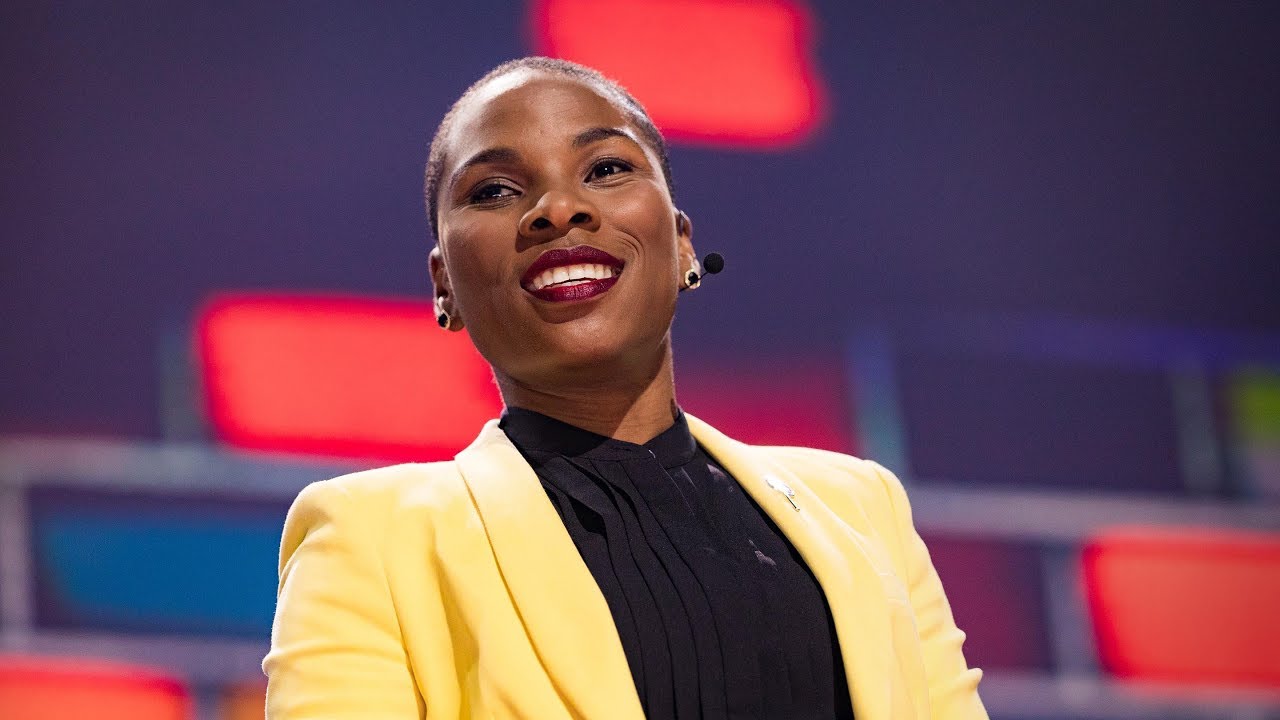
“People are expected to have good friendships, but nobody talks about how they happen,” says journalist Aminatou Sow. Aminatou is also the host of the podcast Call Your Girlfriend and the author of the book Big Friendship: How We Keep Each Other Close. She joins Chris to discuss the communication efforts necessary to maintain meaningful friendships, why she rejects Western society’s obsession with self-improvement, the insights she gained from reading obituaries and the act of grace in sharing bits of yourself with others.
Follow
Host: Chris Duffy (Instagram: @chrisiduffy | chrisduffycomedy.com)
Guest: Aminatou Sow (Instagram: @aminatou)
Links
Crème de la Crème Substack
Book: bigfriendship.com/
Podcast: callyourgirlfriend.com/
Subscribe to TED
Instagram: @ted
YouTube: @TED
TikTok: @tedtoks
LinkedIn: @ted-conferences
Website: ted.com
Podcasts: ted.com/podcasts
Join us in person at a TED conference: https://tedtalks.social/events
Become a TED Member to support our mission: https://ted.com/membership
Subscribe to a TED newsletter: https://ted.com/newsletters
Follow TED!
X: https://www.twitter.com/TEDTalks
Instagram: https://www.instagram.com/ted
Facebook: https://facebook.com/TED
LinkedIn: https://www.linkedin.com/company/ted-conferences
TikTok: https://www.tiktok.com/@tedtoks
The TED Talks channel features talks, performances and original series from the world's leading thinkers and doers. Subscribe to our channel for videos on Technology, Entertainment and Design — plus science, business, global issues, the arts and more. Visit https://TED.com to get our entire library of TED Talks, transcripts, translations, personalized talk recommendations and more.
Watch more: https://go.ted.com/BHTranscripts
https://youtu.be/ZdhSeoqPJ1g
TED's videos may be used for non-commercial purposes under a Creative Commons License, Attribution–Non Commercial–No Derivatives (or the CC BY – NC – ND 4.0 International) and in accordance with our TED Talks Usage Policy: https://www.ted.com/about/our-organization/our-policies-terms/ted-talks-usage-policy. For more information on using TED for commercial purposes (e.g. employee learning, in a film or online course), please submit a Media Request at https://media-requests.ted.com
#TED #TEDTalks #HowToBeABetterHuman
Оглавление (4 сегментов)
Segment 1 (00:00 - 05:00)
being alive is not serious business, you know? Like, I get it. It's like it's serious, but it's also it's very absurd and unserious, you know? I'm like, wow. Like, I can't believe I'm here and I got to do all this stuff. Didn't ask to be born and here we are. You're watching How to be a better human. I'm your host, Chris Duffy, and today on the show, we're talking about what it means to be creative, to be honest, and to be authentic in who you are. Hello, I'm Aminina Tuso. I am a writer and interviewer. You can find me over at Substack at creme de la creme. — For people who maybe aren't super familiar, you wrote a book on friendship with one of your best friends. Um, how did that come about? — Yeah, I wrote a book um called Big Friendship with my uh big friend Anne Freriedman who was also my uh creative collaborator for many years. We were the co-host of a podcast called Call Your Girlfriend. And in 2020, we published this book that was a joint account of our friendship told by the both of us. — I'm someone where like I really am willing to put a lot of work into a romantic relationship. I'm willing to like have the conversations and understand that there's going to be rough periods and we're going to have like tough moments. And I don't think that I had really thought much about that same kind of work in friendship before reading your book. Hearing you say that is not surprising to me. Like I grew up in the exact same culture as you where um people are expected to have good friendships, but nobody talks about how they happen. You make friends when you're very young and that's kind of all a mystery to everyone and then you're expected to have them at every stage of life. The truth is that if you don't put work and effort into that relationship, it's not true that you will have um longlasting friendships, you know, for your entire life. Ann and I are people who I think like think a lot about this because we shared a lot of friendships and also our friendship was very important to us. But I think more than anything it's that we recognized that there was nothing special about our friendship. We were reaching that part of like your mid30s you know where it's okay like your time is being challenged and your attention is being challenged in all these ways. It's the peak of career. It's a lot of people get caretaking responsibilities. Romantic relationships are like really important in this phase of life. And I was like, well, how do I make time and room for this these other relationships that really matter? And so the book was really born out of all of those conversations. — But your book came out right into the coronairus pandemic into a time where all of a sudden people are having to be long distance. But also, I think there was a really profound disconnection for a lot of people that at least the people in my world still have not fully recovered from the like the severing of these like close ties and especially the like somewhat weaker ties. — Yeah. I mean, you're so right. Nobody foresaw publishing in a pandemic. Like I moved to the United States when I was 19. I was in an international student college. I grew up moving a lot. Um, I come from a background of people that have uh a lot of experience with long-distance relationships. So, I will say that the pandemic did not challenge my relationships the way that I saw it challenge a lot of other people's. And that's not to say that it wasn't hard, but like Ann for example, who is my um, you know, like co-writer and collaborator and friend, we had not lived in the same city for like six or seven years at that point. So, we were already in the rhythm of having a long-distance relationship. And suddenly in co we were like oh everybody's kind of living like us where you have this person that you love that is halfway across the country and you have to find ways to show up for them. Um you know that are creative and that are hard. Like in the book we write about what happens when you get into a rhythm with someone and all of a sudden it's like they have a new shift at work. It's like this was your work friend that you saw like 9 to5 and then now they you know they either work far away from you or you know you had the morning shift and now they have the evening shift. there are always these like kind of small smaller type like challenges that insert themselves and part of like growing in a friendship is learning how to like stretch with them and stretch with that person and finding ways to overcome them and sometimes those things are not overcomeable you know — what are some uh like of the most effective practical ways you found to do that — I think the first thing that people should do is communicate which sounds so silly and I'm like god I can't believe I pay someone hundreds of dollars a week to remind me every week about this. But I think that like no two friendships are the same in the same way that no two like no two relationships are the same. It's like they're governed by kind of the people inside of them and the moods inside of them. And I think that like communicating with that person like hey I feel like we're like challenged with time or with play or like whatever the thing is and saying like how do you think we like bridge that gap because that communication is like I think more than 60% of the battle. It's like if you can tell someone like hi I really love you but like life is doing a number on me right
Segment 2 (05:00 - 10:00)
now and I don't have time or a way to show up for you. that takes care of like most of the anxiety and then everything else is like people are understanding like they are going through similar things usually than you are you know or they have a framework for kind of like what you're going through and so yeah it sounds really boring but I was like you should talk to them about it you should know what they kind of expect and want you should know what you expect and want and then you should find like small delightful ways to like show up in that like with Ann we're big on like writing mail and I still get excited when I open my mailbox box and there is a postcard from my friend and it's something silly. You know what I mean? It's not a — It's not like she's on some fancy international trip. It's like she literally lives in Los Angeles. But she sent me a piece of mail and she was thinking about me in that moment and I was like I love this and now there are not just bills in my mailbox. Someone is thinking about me somewhere else. — Let's also talk about uh creme dollar creme. I am such a fan. I think it is so fun and thoughtful and thoughtprovoking and funny um often all at the same time. So, I'm curious, do you have a one-s sentence description for it or is it kind of just um the writing and the topics that interest you the most? — No, I do not have a one-s sentence description for it because yeah, it's a actually, you know what, let's try. It's a newsletter about things I'm interested in and my interests are very varied. So, you know, some days it's like very silly and other days it's, you know, like a little more serious. Um, some days there, you know, like there's an advice column and other days there is, I don't know, like links to shopping I'm into, it's a real insight into how my brain works. I think that newsletter because I just show up and I do whatever I want every day. I'm like, I don't have a boss. Like, I'm the boss here. This is very exciting. I think that I there is like a kind of like older internet that I miss that I am trying to recreate for myself and that has been um that's like kind of the intent behind it. a thread that I kind of see in your work, whether it is, you know, working in tech, being a digital strategist, being a writer, um, publishing the book, hosting the podcast called Your Girlfriend, um, and writing this newsletter creme deme is figuring out who exactly you want to be and who you are, um, in a way that is not, you know, fitting exactly into some sort of culturally ly prescribed box. — I think that there is this like kind of um very like western white notion of like self-improvement, you know, like it's like a thing I see a lot and I don't really understand it. Like I genuinely do not understand it. It's not my culture. I have no judgment about it. I just I'm like, "Wow, like so many people are preoccupied with like how do I become like better all the time? " and it feels very laborious, you know, and I I'm not really particularly interested in that kind of labor, but I am interested in like kind of this philosophical question of like who am I and like where do I fit in the world? And I think that is universal, you know? It's like I'm trying to write my way into like my own thoughts, you know, like my brain is not quiet. I spend a lot of time thinking all the time. And in fact, I was talking to a friend who was telling me that like he has no inner thoughts and then we got into this whole rabbit hole of like what? Like some people it's quiet in there and then other people it's just like chatter all day and that has really rattled me. I did not know that there were people who had like a quiet mind. I certainly do not have a quiet mind. And um and so much of like writing for me is organizing those thoughts. I really appreciate that you like call out the sense of humor because I think that so much of like kind of my rejection on like self-improvement is this. I'm like this is so self-s serious. Like being alive is not serious business, you know? Like I get it. It's like it's serious but it's also it's very absurd and unserious and I really try to lean into that absurdity and how you know I'm like wow like I can't believe I'm here and I got to do all this stuff. Didn't ask to be born and here we are. I completely agree that there is like a very real like um cultural perspective um that this comes out of um which is like the constantly like it's your job to be improving yourself as an individual and you have to do this work all the time and that's your job. I think there's something a at least countercultural about not doing that work and not buying into that and just saying like my version of who I am and what success looks like for me and what a full complete life looks like is going to be my own, not some sort of one that's imposed on me that involves like living up to these impossible standards. — I did not really grow up in a world where the model of success looked like me. I was like a fat black girl from West Africa. Um, and I'm not saying that in like a self-deprecating way. I'm like those are like kind of the facts of my life. They said that uh it's not for me and that I am not really going to amount to anything in this like system. So, but I still have to be here
Segment 3 (10:00 - 15:00)
and I have to find ways to survive figure it out. And so I think that has ended up like something that like is obviously like this painful wound for a lot of people and probably including for me ends up being like an avenue for figuring out another path, right? I think the other thing with me is that — I am so not interested in like scolding other people or um really like kind of looking too much at what's on somebody else's paper. And that's like from a really young age. I used to drive me crazy in class when people would be like, "What's the homework? Like, what are you doing? What are" And I'm just like, "Just look at your own paper. Like, we can't be like looking at each other's paper too much. This is it's like very counterproductive. " It's like all of my energy goes towards like making sense of myself. I don't really quite have the time to be like, "Oh, I like I wonder what's happening over there with Chris Duffy. Like, what's he thinking? Like, what's he doing? " — Never interesting. Never an interesting answer. I'll tell you that. But I think that like for me, I have found that I I've gotten further ahead in thinking about this stuff by just being honest about where I am at. I was like, I can't make assumptions about anyone else. And I'm just like, okay, here's my deal today. Like, I feel like this or I feel like that. And I think that when you are honest about where you're at, it creates like an environment where other people are able to be honest as well, you know? And I think that so much of the community that I benefit from, particularly like online with strangers, is this thing where I'm just like, "Okay, like here's what you think about me, but here's kind of the mess that I'm living in, and here's the, you know, like the mess that's in my head. Like what's going on with you? " And I think that an invitation to that conversation is so much more productive than just like performing like being perfect or, you know, like having all your together or whatever. I don't know. I hope you can sort on this podcast. — Oh yeah, definitely. Yeah, I'm also like someone who's fascinated by scams, you know, like I love a scam and so much of that is like growing up in Nigeria like we were surrounded by these like very specific scams and this is not to say that Nigeria as a country of more scammers. Like what's happened is that I grew up and I was like, "Oh, everyone is running some sort of scam. " And one of the like most persistent scams that people are running is that like you feel that some people have it together and I'm like, "No, everyone's like a mess, you know, — and they like figure it out. " It's like, yeah, you can be a mess and you're the president of the university or what? Like I'm like, these things don't they're not like correlated. — And so I think that just um being like really aware of that is also like I find that like very humorous. I'm like, oh yeah, everyone's like messy and weird and — you know, and we just all have to live with that. — Maybe I'm wrong about this, but it seems like you get you probably get a lot of um questions from like people who are younger and kind of early in their career and trying to figure out early in life trying to figure things out. when people reach out who are 20s, early 30s, and they're asking you about life and work and figuring themselves out, what comes up the most? What do people most ask you about? — You know, it's funny. I don't actually get those emails a lot anymore. I used to, but and I remember at the time I was like, I'm young, too. Like, I don't know what I'm doing. It's just not a good answer. I am like very involved with um like a younger writer program and I'm um involved a lot also with like a program at my university and so I do talk to young people all the time and yeah and the questions that they have are you know it's like the same questions that like I had and I still have it's just like how am I going to survive and like how do I make money basically it's like make money and how do I survive? — Can you answer those for us? I mean, I'm like, I don't know, girl. Like, you just take jobs. You take jobs. And but the one thing that I do tell a lot of people who talk to me about like, how do I make work for my art is I always say, I'm like, you probably won't. So, you should get a job. Like, you should — you should work a job. There is no shame in having a job. I always had jobs. And I am, you know, like what, like uh almost 20 years removed from like a college graduation. And I was like, that's how long it took for me to make money from being a like to be a working artist. And then the second question is always some variation of like, how do I do what you did? Which um the answer to that is also like you can't because I come from like a kind of like a media and internet world that doesn't exist anymore. And so I think that like the kind of the sadness for me whenever young people are like, you know, like what's the path to here? I'm like, I don't know. because the path I took like doesn't exist anymore. I climbed this ladder as the steps were disintegrating. I just don't know if you're like 202 and you're like I want to move to New York and be a writer. I'm like I actually don't know how you do that. — The joke that is very much not a joke that I always make when someone asks me some version of that is like I really hope that you figure it out and that you will hire me when you do because I don't feel like I'm going to be hiring you. I feel very much like I will be begging you for a job if you figure it out. So please do that.
Segment 4 (15:00 - 18:00)
— Oh, it's not a joke. It's the only reason I keep young people around. I was like, "You guys are all going to hire me one day. " Like that is and it's been true. It's like a lot of people like someone who was my intern many years ago like was someone who just gave me like a gig recently and I was like see always knew this um yeah the horizontal loyalty it was always going to work out one way or the other you know. — What about when like when they're asking you about how do you like survive like how do you survive life? — Yeah. I mean, I think that the thing I pushed them to is I was like, you're not going to survive alone. And it's probably why this question of friendship is so important to me. Finding um ways to be in community with people that do not have like the pressure of romance or like biological family ties is so important. We're not looking for like a hundred friends in the frame. It truly is like, do you have a person in your life that you can count on that can count on you? And are you both trying to move towards this like goal of being like good citizens of the community that you belong to? Like that to me is it's part of the answer. I don't think it's the whole answer. But whenever people come to me and they're just like, "How do I survive? " I'm like, "I don't know, but find someone else who's trying to survive because — it turns out like you're not the only person with this question. that's suffering. " And you know, and to like kind of like tie it back to this theme of grief, I do think that one of the things that like um having a parent die young like kind of afforded me was this truth of like everyone is grieving something, you know, like every interaction I have every day with someone, it's like whether I like them or they are driving me insane and I want to push them into traffic, I'm like that person is grieving something. friendship and grief are like very they're like two pieces that go hand in hand and staying in that place has like provided a lot of answers for me. It's like all the stuff that you spend time running away from when you're young are the things that you have to run towards. All the kind of like um all of the coping skills that helped you survive up until the train crash are now all of the things that you have to unlearn. It's just like I'm like everything is cliche. It's so annoying and at the same time I'm like wow. like what an intense opportunity to just choose another path. But again, it's like, you know, I'm just like no one has a monopoly on human suffering, especially not people who are making or listening to podcasts, you know. So, — that is definitely true. — But yeah, again, um being a person it's hard. It's not like a oppression Olympics, but it's like it's hard to be yourself. — Thank you so much for being on the show. This was such a great conversation. I really appreciate you making the time. You are the best. I really enjoy you. I think you are so smart and lovely and this is a fun show. So, thank you for having me. — Oh, thank you.