Welcome to the first session of a 16-Kata series where I break down everything I have learned about starting and scaling companies over the past decade.
In today’s dense session, we discuss how AEOS was built, how it was scaled from zero to a profitable organization without any external funding, the decisions, mistakes, and contrarian bets that shaped its trajectory, and what I learned along the way. The session also explains why distribution matters more than product, why talent is the real moat, and why running multiple small bets with high failure tolerance works better than chasing one perfect plan.
If you are building, operating, or trying to understand how bootstrapped companies really scale, this session may have what you are looking for.
00:00 - Introduction
03:00 - The 16-Kata Framework: How This Series Works
04:24 - Company Origin Story & Ecosystem
10:46 - First Principles & Unconventional Decisions
17:03 - Act 1: The Video & Content Opportunity
20:41 - Building the Video Editing School
27:30 - Act 2 : YouTube as a Service (YAAS)
30:08 - Act 3 : Technology Integration (Labs & AI Avatars)
39:25 - Talent Pipeline (100x Engineers)
48:08 - Act 4 : The Future Gaming Thesis
58:55 - Personal Reflections on Fear & Bootstrapping
1:02:15 - The Early Days
1:16:50 - Closing Thoughts
A lot of the early team here have figured out through a lot of pain. If you don't have distribution, it's not going to work. You need to generate and share wealth with enough people because without incentives, you lose your best talent. You're constantly losing your best talent. You've taken completely unorthodox bets that other people haven't taken. And hopefully I'm able to show you some of the vision that we had 3 years ago. And then I'll also tell you the vision for the next, you know, few years. Because we had so many channels, we just started drowning in opportunities. I remember I'd sent an email to Sam Alman when I was just out of college and I was running my first startup. I'd send him an email in 2015. Sam was one more of those rejections. It's easy to believe you are right about everything when you're very young and you're untested. But once you've been beyond the test and you run companies, some have worked, some have not worked, it's very hard to believe anything is permanent. Aa so anyway I have been thinking very deeply about what I should do right considering now that the business has gotten fairly large we have many different verticals we're working on so many things at once uh I've been thinking very deeply about what I should do and I thought I should go back to what I do best and that is to write so I went back and I said what have I learned over the last 3 four years And what of those are repeatable principles? Like I've changed my mind on a lot of things in the last 3 4 years, right? As I've got more experience, more exposure, met, you know, different people. And I feel like all of the things I've learned in the last 3 4 years, if I went back and told 21-year-old Vunaya, here's the things you've learned, I think it would have been very valuable to me. Uh because as I've said before, I think social media is mostly very young people talking to each other because by the time people get older, they stop using social the same way young people use it. Uh and the main reason is a lot of the opinions that older people would have and I'm 32 now, but a lot of opinions older people would have young people would not really agree with right. So older people say why go through the junat? Let me just say things that everyone agrees with and end it there. So I feel like I wanted to do a series on training the best talent that we already have here and that's why this is not the entire company. This is a segment of the entire company. But trading the best talent and seeing what of what I've learned over the last three four years I can and not just from things I've learned myself but also things I've learned from other people from books from everything right that I can now relate to and what can I grant you so that you can do better in your careers because actually there's this ven diagram right of your career and what we do as a company and I think if we can make that overlap as hard as possible ideally as close as possible then both you and the company can grow and I've now seen one cycle of this right the early people at AOS who have now grown quite a bit. So the 16 kat I have 16 of these videos
The 16-Kata Framework: How This Series Works
okay, where I'm going to be teaching you everything I've learned about managing people, about technology, about ideas, about content. Um, and I hope that this is useful to everyone watching, not just, you know, in real life, but also, you know, on the screen. Um there's going to be some things that I would say that will make a lot of sense to people in the real world here. Um which might not make sense to people on screen and vice versa. So please bear with me. This is going to be the easiest kata. You know what a kata means? Anyone — Yeah. It's like a karate series of steps that you practice. Right. So there are 16 of these. Um the way I've structured it is every fourth video is going to be highly produced or we're going to do some real world experiment. Um and the other like the f every one two three set is going to be very information dense very information packed. This is not the kind of content we do on reals or short form or anything. This is very dense and some of you might not be able to you know understand. So please feel free to put your hands up and I will hopefully stop everything for you and answer those questions. Um the end goal of this is you take back something in your life that you can actually use. And I think that at this point my role is to make as many more of you know the people standing on that side as possible and that's why we're doing this. So this kata is actually called how to build a
Company Origin Story & Ecosystem
company. Um it's actually a little bit misleading because we're not actually going to be teaching you how to build a company in this one but across the 16 cuts maybe you'll learn it. Uh in this one I'm going to tell you our journey and our story. What were the insights and the ideas that led to getting us where we are? We're close to about 400 employees now and we have close to 40,000 square foot of office space. We are completely bootstrapped and we have been profitable from almost the first month. Right. So, uh we have been profitable now for 3 years. Yeah. Close to about 3 years we've been profitable. So, whatever we've done has worked. Uh and we've taken completely unorthodox bets that other people haven't taken uh or would find very strange. And hopefully I'm able to show you some of the vision that we had three years ago because I think we've stuck to that and we've reached where we wanted to reach. Um and then I'll also tell you the vision for the next you know few years. Awesome. Let's go to the next slide. 3 years ago I had made a deck and we were in a house. I had made a deck for the small core team that we had and I said I really want to do be the best company in video and I think we'll have to just lock the door from now but um yeah I want to be the best company in video and later on in video games and yes this was part of the deck 3 years ago and we want to do it 100% bootstrapped and the reason is it was just such a weird vision and I knew that nobody would 3 years ago when I made a video called yes AI will take your creative job. Sure it is a little bit of you know slightly more like titles are always supposed to be like that but the video is very balanced about how yes AI can be creative and at that point nobody believed AI could be creative. This was pre the era of mid journeys and everything we have today. Right? So we had a vision then and I think it played out almost precisely how we thought it would play out. Um we really believed in distribution 3 years ago. Now I think everyone has woken up to the idea of distribution. So hopefully I'm able to show you the playbyplay. Next slide. I just want to show you a small fraction of our customer base today. This is across advertising. This is across the different businesses we have. Some are enterprise clients. um some work with us you know year-long deals, multi-year deals. Uh this is just a very small fraction. Um and you know now I think it's like hundreds of companies we work with. Uh so it's been phenomenal but you know it's everyone asked the question how do you get the first one? How did the first one convert? How did you get the second one? How did you go know you actually have enough going for you to go from the 10th one to the 20th one. So we'll talk about all of that next slide. I want to give you like you know what a bento box is? Anyone — Yeah. It's like a box with like it's a cute you get these now like you can order food and you'll get like you know sambar in one side you'll get like rice in the other side you'll get a little section for chapati. We have a vento box version of aos as an ecos system. So it started with talent. We have two things that generate talent for us that create talent for us. One is AVTV which all of you are familiar with. Um now AV has a channel. A TV has a uh a video editing school. So the video editing school is pretty large now. Uh this number is a little bit old but it's a pretty large school right now and it helps us produce a lot of editing talent for ourselves. I'll tell you where in a second. The other side is 100x Engineers which is not actually a core business but started off as an investment. We invested in 100x engineers the company. Um and on the services side as you all know we have Yas right which does YouTube as a service um where we work with brands all the way from Zoho to clearrip to zero to Vodafone and on the services side we have another entity called AOS labs uh which is the labs division which was the one that figured out the avatars in the early days built all the apps that we built in the early days uh and now we've laser focused on we built technology and workflows but we build it for content right that's our sort of video and content is sort of our forte. Um, and of course, Labs has clients like Amazon Prime and RCB and a bunch of others. Uh, we'll talk about all of this in a bit. On the other hand, we have distribution. All of you at some point came into the company or know about the company because of the distribution we have. So, we have the Vonmaya channel, we have AVTV, the channel side, we have Breakdown, we have overpowered, we have full disclosure, 100x engineers, we have many more. We have Mr. Nerf, so many other channels, but I'm just I didn't want to make this a very large bento box. Then we have apps. In the early days, we built a lot of apps. So, we had built God in the box when GPT's API first came out. Um, that went very viral. Then we have AlphaCTR to make YouTube thumbnails. And then we had Video Wault, uh, which we've recently launched. And I'll talk more about video wault in a bit. And then we have another emerging segment, right, which is potentially could be very large, but we have to do the ground work that we did 3 years ago, which is build the team, build the infra. Uh, so we have AOS games, which is very much in the proving stage. And then we have Headshot which is the mobile gaming in uh controller which again not run by us. We're investors in the company but Headshot is um is a very long shot right if it works you know we could potentially change how consoles are consumed in the country because this is a country which doesn't which can't all afford a PS5. Anyway next slide. You all have seen the office but I think people on the internet are probably seeing it for the first time but we have a really killer office. Um, sometimes I'll walk into the cafeteria and people will be playing like guitar and stuff which is very cool. But you know two years ago I had so much more control over all of this. Two years ago I'd be like, "Oh yeah, we'll do a guitar night on Saturday. " And it's so weird for me to walk in a room and be like, "Oh, this you guys are doing this. " Like the first time I saw there's this board you have right at the in the Y section where uh you know there's a timing for bminton. And squash, bunch of other games, right? And I was like, wait, they did this by themselves. So, it's very cool to watch a company evolve, at least from my eyes, cuz I remember when it was a tiny little baby. Um, anyway, next slide.
First Principles & Unconventional Decisions
So, coming back to the insights, right? Why did we start what we started? Why did we do what we do? Uh, we kind of did the opposite of what Reddit and Twitter were saying back then, back three or four years ago. And very few people that remember the narrative but I remember it very clearly right. Um how many of you remember don't build rappers. Okay a lot of people believe remember that like — thing but rapper — a wrapper is basically something where you use an existing GPT model or cloud model or whatever and you build some something on top of it right you build some you basically build some app that people can use but you're not building the foundational models. So I said don't build rappers we build rappers. A lot of people told us at that time if you want to build a big company don't do services. We built two services companies. So clearly you know we're stupid. Uh then we said then lots of people said motor isn't the product. How many of you remember that product? Remember and if you have a product you know you can keep it defensible from everybody else. We realize that the mo is in access to talent and distribution right we knew that if you get good talent they will build great products right? If you get good talent and enable them then uh you know um again product is the most important we we sort of figured out and actually we a lot of the early team here have figured out through a lot of pain through previous companies that if you don't have distribution it's not going to work right and this is a shocking realization for us because all our life all the books we've read all the stories that have been told about successful people it's like oh they built the greatest product ever uh that doesn't mean you ignore product you still build a great product but you focus on the distrib distribution and getting in the hands of enough people. Uh how many of you have been told do a single thing at once? A lot of people tell you that but it's actually true and there's a very important nuance here of doing a single thing versus doing multiple things. We'll talk about it. But we did several small parallel bets with very high failure tolerance, right? If it fails, it's okay. Next, we'll do the next thing. So we had the ability to do multiple things but also if something failed we didn't beat ourselves up too much about it because we're like this is the natural process of of learning right next a lot of people told us raise money and I've raised money in the past but this time I wanted to do it bootstrapped uh I just believe that there was such a big shift that I didn't know how to convince anyone on like anyone outside on what we were trying to build. Uh people hadn't realized yet at that time that distribution was important. So I stopped trying to convince people. I was just like we'll do it. We'll prove it and maybe when we prove it we'll be able to raise money. Uh but turns out we didn't need money because if you prove it then what do you really need money for after especially in a company like ours. The last one is interesting because every young kid in Bangalore today who wants to work in these worlds uh tech or content wants to work out of HSR. I have no idea why we built in North Bangalore. I mean I I do have an idea. we were not doing I mean we didn't have that much money back then so this felt like a cheaper place to move to Hebal suddenly Hebal became expensive I have no idea why but um but we wanted to be away from the unprofitable startup mentality right like you might think who wants to be an unprofitable startup like who wants to work in an unprofitable startup we now have people who for 10 years of their lives have worked in unprofitable startups going from one to the other and it's almost like I think some of the talent has figured out that a lot of these unprofitable startups just spend a lot of money so it's better for me to be here so you know I'm able to make lots of money quickly and by the time the company dies I go to the next one right so we saw a lot of that behavior in HSR because I was also friends with some of these people and be like that's like why don't you work hard to make the company grow uh but no one's really interested in doing that right like they were like this is the game this is the meta game you have to play it and we were just like let's just get out of this mentality right let's just go build first principles next slide and that's what I'm coming to right? Which is first principles thinking which is remember that all the cool things that we were supposed to do back then we sort of did the opposite of it and it comes down ultimately to something called first principles thinking which is we questioned every known idea on how to build a company everything how to do content like people told us you can't build 50 channels and you know what if someone 3 years ago had told me I'll build 50 channels I wouldn't have believed them like how do one first properly right but it was first principles thing he's whatever we believed would be possible like let's break it down to its individual components and then figure out can we solve each component one by one uh and you have to have the tolerance to fail right and I had failed enough times in my life where I like who cares if one or two more things fail and you have to be willing to relearn and discard ideas that don't work not all ideas work and some of the ideas that could work are overdone like for example do you know why lots of kids wants want to build like a social network like me many years ago cuz they all watched the social network movie right and they're like I want to do that but here's the thing how old is that movie now how many years has it been how many people have tried after that so just goes to show you that the world shifts very often and you need to know when the world is shifting to be able to sit there and be like okay I think the world is shifting everything is going to be different can I re can I resee everything from scratch we call that first principles thinking and in some ways first principles thinking is the opposite of status thinking. Status thinking is right and the exact opposite of is forget about what other people think. And when we were in Hebal, we were so disconnected from the world. I actually I have a joke, right? I just made sure my core team couldn't go to Indranagar and HSR and that solved the problem. So yeah, and here's the here's one last thing which people really under appreciate which is we had zero funding. Everything you see around you is completely totally bootstrapped. So we were fully aware every day that nobody was coming to save us if we were wrong. If we were wrong, I knew that we were dead. Like there was no choice. That's why we had to keep our cost low. That's why we never overhired. It's just like you do all the right things, right? Like if if the goal is to if if you're going to die next week if if you're not able to make money. Next slide. Everything's broken
Act 1: The Video & Content Opportunity
down into four acts. And then there's a future act, which is what are we doing now? I'll tell you about act one which is AV. We figured out an insight which is that the average person was spending 5 hours a day on video. I would meet friends and they were like they're spending 5 hours on Instagram, YouTube. It was ridiculous like 5 hours a day on video and it's not like text. They were not reading blog posts like 5 10 years ago. They were watching videos. And maybe this is because of geo. Maybe this is just like a behavioral shift. Phones got better. Internet got cheaper. They were spending a lot of time on video and I used to often ask these people because I'm an engineer by training right I'm a software engineer by training I studied computer science and engineering in college and people would you know in 2015 people would ask each other which new app did you download oh tinder oh hinge and there'll be new versions of these apps right in every category but I was going to people and I was like what new app have you downloaded this is like three 3 years ago 3 4 years ago right and people couldn't give me a concrete answer people like m you know bought I've not downloaded so many apps and that's because I'll tell you why. There's what I call category saturation. Like now that you use either Spotify or uh YouTube music or Apple Music, why do you need another? So that category is filled. And Spotify can easily, you know, there are micro categories if they're like audio podcast, let's say. They can do all of those things, right? Same with food. Have you downloaded any new food delivery apps outside of Zomato and Swiggy? No. Until quickcommerce came in. Until like there was a big shift. Nobody like everyone stays happy with their one or two apps and most people have made choices either it's wiggy or it's zomato and it's happened in every industry I like people are not downloading more apps then why are we like why should I make more apps right then I asked the question how many new YouTubers or Instagram accounts have you followed and that was insightful because people would show me like a new YouTuber that they had suddenly started following they'd share be sharing videos with each other some new kind of content and I was also noticing I was watching videos. I was like, "Wait, this is a new this is fundamentally it's not a new behavior because watching videos has been around for a while, but watching so much video and following people, do you know one thing? 10 years ago, I thought it was cringe to follow an influencer like Aina's a good example. My wife is a good example, right? Like she like why are you following an influencer? So stupid. " So this behavioral shift had happened where people had started following other people and not just because they were friends because Facebook era people used to follow people because they were friends but now they were following creators and influencers and they were spending a lot of time. So I'm like what company produces for this time and if you ask the question what company is producing specifically for video the answers at that time were either it's like these young creators who are trying and at this time you know lots of content creators in India would just start picking up pandemic you know had just you know we were in the sort of early days of the pandemic uh but on the other side on the professional side there were news media and they were very TV focused they were very like hate TV because we know advertisers are there and we don't want to experiment with this new platform. God knows if they're going to be advertised on YouTube and the CPMs on YouTube are very low. Even now they're very low. But it wasn't interesting for a brand to go into. But first principal's thinking was like what is happening on TV should happen on YouTube, right? It makes sense. If advertiser coming there, of course advertiser going to come here. It makes total sense. Maybe we're early. So fine, we'll take an earlier bet on this than than everybody else. Next slide.
Building the Video Editing School
What is the scarse re resource in a content gold rush? What is a scarce resource exactly? It was the video editor. And you know what? We're so dumb. We didn't know this. We started making videos. We wanted video editors. That's when we found out. Like I would go to Okus and I'll be like, "Hey, do you have video editor friends? " and he'll be like he'd give me like one contact, right? And then two or three contacts and like I'm out and you'd put up a LinkedIn post but you get a very like nobody wanted to be an editor this time. Editors are paid like 5 10k a month. It's not a serious career. Nobody cared about it. So I think here's where you know Aina really played like a good move because this is her brainchild. But she said I'm going to make a great channel. I said once I have that channel I'm going to make sure the channel has the best editing. Okay. And because Okus was involved and Martin was involved, Okus and Martin said, "We know editing. We'll make we'll edit this like very well. " So they started editing these videos superbly well. Uh and it became sort of A's brand, right? Like and you should see old A videos and now, right? Like it's evolved so much. But in the early days, they would edit themselves. They would make these great videos. And when we were hiring, we would struggle so much that one day Okus and Martin and Aina were chatting and Aina was just like, "Hey, I think we should teach video editing. " It was not a thought through decision. It shows you how much of life is you just get started and then some idea comes and then you work on it. It's never these planned journeys that oh you know this will happen this that because all my plans for what AOS should be started after we figured out this insight. Right? So next slide. We built the world's largest video editing school. The world's largest sitting out of Hebal. You know why was the uncool thing to do? I often joke that for 2 years we had no competition because nobody thought it was valuable to go train video editors even though you were consuming so much content. Somebody has to make it right on the other side. But you were consuming content and most people didn't have the foresight to know that somebody has to produce this. And I saw there was a total gap there. Right? So we started focusing on this. Go to the next slide. As of today, we've done nine cohorts, maybe 10. I don't have the exact number. It's 300 to 400 students a cohort. It's uh it's actually this number keeps changing. I keep changing this on the deck every few days, but it's now 3,000 plus video editors. Uh we have exceptional placements. Uh and again, placements are like this fully supply demand. Everyone started their own podcast. Everyone, every brand wanted to start doing content. Creators sprang up, creators started making money like editor and that allowed us to have this constant pipeline of talent going, right? And it started with very low numbers on salaries. Now it's like super competitive. I'm sure most of you have realized this, right? Once you join this company, there'll be like 10 different companies pinging you on LinkedIn saying please join us because it's become competitive now. It's a space, right? Because everyone wants to make content. But yeah, we I think this was Aina's insight and I feel it's the it's one of the smartest things we've done. Um and also the second smartest thing we did here is not to make it like an edtech. Not to say that was never part of the plan. I was like I don't want to become an edtech. We had learned we have learned enough from Baiju and all the others. Let's just do a small tight thing where we give the best quality where we only focus on outcomes as much of on outcomes as possible and then we'll think of other ideas. We'll build a media network instead, right? Let's not just be like, you know, just think in one dimension. Next slide. And of course, today we have thousands of potential employers/recruiters hiring from us. Uh, next slide. But then the next piece came in and I think this is the fundamental difference between us and anyone else who would be running a startup or raising money. If they'd raised money, the investor would say do more of this. These are bow 300,000 BA million BA. And I was like that doesn't make sense. We should own more along the stack. So we built our own channels. We said if we have the this scar resour resource in a gold rush, let's just build as many of our own channels as possible. Let's build our own media network because I had fully bought into the idea of distribution. In my past journeys, I had learned how building a great product, spending years building that product and then no one caring about it and then the my competitor running 10 times as much ads as me. I was just like I we had lost. So we're like we will build our own distribution. So we built our own distribution. We built you know AV first and then my channel and these all old numbers right? My channel maybe at 9 lakh subscribers now. Now we're at over a million on Instagram. Uh we built a TV, we built a TV daily, we built a video school, we built overpowered, we invested in 100x but we taught them how to do content. Uh we did breakdown which Rahul Matur now does. And we just said let's just build these different verticals right like so we built full disclosure for careers like in every vertical we built a channel both long form as well as short form and there is this Charlie Mer book called poor Charlie's Almanac and we'll talk a lot about this book right where he says all the benefits of a company or an individual come at scale because once you have so many channels pulling so many views your inboxes are flooded with opportunities This is the thing that people don't get. When you get to a million followers, you probably get like 30, 40, 50 emails a day and all over. Some will be trash. Okay? Some will be some hello sir and then nothing beyond that. But some will be like the US embassy reaching out and saying, "Hey, do you want to do something together? " So we just because we had so many channels, we just started drowning in opportunities. And some of those opportunities we just picked up on and built businesses out of it. Like I'll give you an example. One of those opportunities by the way if we can get to scale is when Chad GPT or OpenAI launch images in India GP4 images in India they'll do a collab real with you right so really we got to millions of views on this one and we do it routinely now but for me this was the moment right where I remember I'd sent an email to Sam Alman when I was just out of college and I was running my first startup I'd sent him an email in 2015 he They replied to me. It was all was generic. I mean I was I wanted money at that time. I was trying to raise money. I had emailed like 70 investors. Sam was one more of those rejections uh in a way. But to see that with scale now you get those same opportunities. Right. So that was very cool for us. Next slide. But act two is where I think
Act 2 : YouTube as a Service (YAAS)
the opportunity started materializing. Right. Right? I told you a lot of these inbound opportunities come in. YouTube itself by itself or Instagram by itself doesn't make you that much money unless you get a massive scale. But Yas was where we finally saw the opportunity to do something cool. Next slide. So some of you might have seen these channels on your feed. Uh some of you haven't. But I'll let me tell you they all come from the same place. Uh this is Atlas for the Visa company. This is clearly tripping for travel. This is builder central for no code. So we started making these channels for customers right like Zoho had reached out to us and they said hey can you do a channel for us can you experiment and when we did the channel we were able to get it to scale and we all spent a lot of time at that point right from an editing perspective from a writing perspective from a thinking perspective from a channel management perspective writing all our secrets down and because of that once you write once you start writing these things down you can scale them person number two can do it person number three can do it and then you hire well right beyond this you hire well and offer them the playbook and you have this ecosystem or this environment. People are able to look next to each other and be like, "Oh, that worked on that video. Fine. " You know, now I will also copy that technique. It started working and go to the next side. And then of course, you know, we started doing many different types of channels in many different forms, right? Markets by Zeroda, we we do editing for it on long form. NRI Shala, which is for NRIs, uh Vitamin Pop for Vodafone, Finn credibles for one of the banks. So just like suddenly the like Yash became very large right and our biggest advantage here was of course we had a very large video editing school. So we're able to take the best video editors, put them into YAS and say hey we now have like very now our placement rate obviously shot up right because we needed the amount of editors we needed even the school couldn't produce enough right because remember we had artificially locked the school to be smaller uh for the quality purposes but it just became really awesome that we could take talent put them here combine them with a good writer good channel manager and it was scaling so quickly Next slide. And of course, this is just a small sample of the people we work with in YAS to close to 40 channels now on YAS. And it's been a phenomenal run. It went the company went from being like 50 60 people to now close to 400. And of course, the space requirements of having so many editors of building that culture has been crazy. Next slide. Now look, if we had done so
Act 3 : Technology Integration (Labs & AI Avatars)
far, this much so far, I think all would be great, right? Like we would have become a decent company and we would have got somewhere. But I was having an existential crisis. Like dude, I'm an engineer. I had computer science in college. Um I should be doing something a little more technical or at least find a way in this new ecosystem that I've built to infuse technology. And I feel this is actually also a very strong mode because most people who do well at content are not as technical. So they never think can I use technology to make content better. But look I tried Delhi the day it came out like when I got early access I knew that at some point there will be this this collision right of our field and technology enters everything. The one thing you need to know about technology is in that way is cannot keep its hands off any field. So technology comes everywhere and technology came into this. So what we did is we set up an entity called labs under AOS. We called it AOS labs. Hashant just you know said fine we'll run it and Hashantis just set it up as an experimental hub. Like we'll try everything. We'll fine tune models. We'll make our own model. model for thumbnails. We will at the same time put GPT on WhatsApp. we will just have fun right and because they is an engineer and I'm an engineer and hersa is an engineer it's easy for us to come up with new MVPs right projects and see okay does this work does this not work so next slide so this is the video I made right uh this now been 3 years since this video but can you imagine going out and making a video saying yes AI will take your creative job but the contents of the video were very balanced that AI is coming but person that uses AI will do better. Uh I got absolutely thrashed in this video cuz before you have ever seen any generative AI tool I had seen Deli. That's the only thing that I changed my mind right like I get early access so I'd seen it. I'm like oh this is coming but other people hadn't tried or seen it yet. That's a very strange position to be in where you know something, you've tried it, you're like, "Guys, this is good and everyone else is like, ah, no, but I don't think this company would have been possible if the AI tools hadn't come out. The unit economics just wouldn't make sense. " Next slide. Feb 18, 2023, one of the experiments that labs did was this experiment where we were trying to do something called script to creator script. Can we convert this into a video and audio? So we used an open source model that time called ki for the audio and on the video we used something called wave to lip and I had taken and for this particular video I had taken a Telugu some Telugu saying that I the first thing I found on YouTube and I stitched it together with you know this thing that modifies my lips and I had an output. I was very bad like some of the people that I showed it to like laughed at me. They're like, "You can't make videos like this. Look like a clown making videos like this. " But life is strange. No. And when tech comes out, especially new technology comes out, it evolves very fast. So, next slide. A year later, we're crushing it. Absolutely crushing it. And I was finding that I was wasn't shooting videos. I was like wait we have productized being a creator which is a very new thing by the way nobody had seen this and I've been making videos for 9 years 9 10 years now so I'd never seen this new thing where it was even today it's surreal sometimes I'll tell a China I can't believe this is my voice video and you know what the number one thing that people told us at that time nobody will watch an AI generated presenter remember this wasn't an AI generated video it's an AI generated presenter How many of you believe nobody would watch AI generated presenters 5 years ago? Be honest. So, everyone else thought people watch AI generated presenters. Everyone else believed it. I didn't believe it. I was like, "Come on, it's going to look a little bit in inauthentic, but we were trying anyway. " And it got to such scale and I told you all the benefits are in scale. So we got to such scale on this that it became like for us it became sort of the thing that we got good at right because we had trained discarded train discard we tried so many different models and then we finally figured out a workflow that even today maybe today it's gotten easier right but two years ago it was like nobody believed it would be possible next slide today and this was in December I don't know about now I went to Davos Jan actually the world economic forum It's my first time ever being invited. I had heard so much about the World Economic Forum and in Davos, YouTube has a book, YouTube's guide to Davos and in there they mentioned that we are the world's largest AI avatar. So imagine random team in Hebal trying random and then one of those things like the world how the world works, right? It's called the power law, right? one of those things just skyrocketed so much and I was like this is the simplest thing we worked on but it skyrocketed it so much and it only works because we were clever enough to edit over the parts that didn't make sense and we were only able to do that because we had a video editing school next door I don't know how much what the rankings are now and I don't even know if you know there's a serious ranking around this but we still do hundreds of millions of views a month on just my channel except now we do so many channels using this technique where the script is still human written there is a little bit of you Some of the channels might use AI but mostly it's human written. Combine it with AI avatars, combine it with our video editing school and you have this productized service that just scales so well. Next slide. So an example we did for an academy right where we compared and you know the problem statement at that time was hey can you make this virtual presenter for long form? This is almost a year point something ago right where we compared the nonAI and AI views and there's no difference views likes comments there's no difference so we just for us it's like imagine having a thesis that maybe we don't know if people watch AI generated avatars we can try but suddenly it works out and the views are the same and people can't tell and like so many things changed for us right because when you know this and the world doesn't believe it even though we had proof and we had these comments and world would see it and I'd show people right and they be like I can't even they were like I can't believe this works next slide and then of course because you know we built a brand around this everyone knew what we were doing we branched especially labs branched out to all the deep faking advertising call use cases with full belief that the models themselves are commoditized if there's a good model because we now have experience with this right like a model would come out and people be like this greatest model ever and then another model will come out and then we'd be like both of them would drop their prices. So there was no mo in building the model anymore and we thought very hard in the early days should we build our own model. We'd raise money, we'd hire people, we'll build our own model but we couldn't find a use case a value of it. Even today when V3 came out we said such an amazing video model and within few weeks cling came out with something that's reasonably good right so we knew that the models were commoditizing even back then we've seen this pattern hundreds of times and we we branched on to all the use cases right next slide. So we did the Indian police force on Amazon Prime. We did the face swapping with NBCS. Uh we did alpha CTR for thumbnails. Next slide. I don't know if you guys have seen the Mirapur campaign, the face swap campaign. Uh where on WhatsApp you send your face and we have options which is either use buddhi or you use bal. U we did that. We did the technical implementation of it. So labs was this team which was focused on content but using technology. Very weird combination. Next slide. And now we've built something called video wault where you know we do thousands of videos a month across YAS and the media network right so we're like how do we handle that how do we give comments feedback now there are tools online called like frame. io but frame. io was online. Imagine the average podcast now is hundreds of GBs. How do you upload it online then download it? It's a pain, right? So like it should be happening in our office. We were using a NAS in our office was a network attached storage in our office. We said we should build our own software for it. So Labs built that. So Labs is the experimentation hub. It also has a commercial entity because without a commercial entity uh you know as a company they'll be like oh I'm just running experiments. They don't the young people are fine with it but as you get older you're like where's my career growth? So you have to do the commercial stuff to be able to continue to you know afford better talent or keep your talent. Uh we've today done stuff for Bangalore police. We're actually we're going to reveal a project we've done for Bangalore police which is outside of avatars for them which is actually a calling use case. Uh we've done the RCB stuff. All the Bangalore police avatars that you've seen we have played a role in. Uh next slide. And then finally you know
Talent Pipeline (100x Engineers)
the question I asked at that time is if AVTV pro provides talent to YAS and that keeps the engine running what is providing talent to labs cuz hiring is a problem right like you don't find good talent just go out there and find good talent and we were not wellknown we had not raised hundred millions of dollars we needed to create our own sort of talent pool for this and that's when we invested in 100x engineers uh I know the team very well because they were you part of my old company and I said I really believe in you guys you should do it but with the same philosophy small highest high quality and you know ideally maybe in their case it's a little different because the people joining are older so less placements more on can they build projects can they build can they get a promotion right whatever the outcome for them can we make that happen I think 100x has worked very hard on that and we know that in this space especially there's a lot of like it's a space where everyone's trying to make quick money so like what are the best signals how can we do the best work. How can we partner with the best companies? And remember I told you when you get to scale, you get opportunities. Some of those opportunities really materialize. Next slide. 100x has worked very closely with Meta to develop their B2B curriculum. Right? So this is generative AI for marketeers and LLMs for developers. Both those are actually driven by 100X. Next slide. They've done the OpenAI Academy. Uh they work very closely with OpenAI Academy. Uh so this is actually from OpenAI and OpenAI considers us in India at least 100X as community partners which is really cool right to see uh this team especially right because the 100x team is a is really the best grinders out there they really care like Sans and stuff really cares about student outcomes and to see him get there and to see the team get there for me is like it's very special next slide and of course we wrote a book which I totally forgot out keeps reminding me we've written a book but I want to show you a very cool video that somebody else had shared with me and to me it really made me think for a second. Can you play this video? You were born with this man became a — this skinare Tony is working Spotify spread beats through a tool that we — that's someone's explore feed and the question I asked is why isn't every video in that right so to me that was special because I feel like the advantage of sure [snorts] you can think of it distribution right but now I think we have that I think it's really special being able to have people care and listen to what you say both on long form as well as on short form because it gets you it allows you to make the world the way you think you the world should be and I don't think there's a right or wrong here. I just feel like all the things I've complained about all my life I now have the opportunity to fix them because I have everyone's attention and I think that's important and I think we use our time and energy as much as we can to fix some of that. Um there are lots more cool things that we've done. Um and probably I'll reveal it over time but we're most likely you know getting involved in a large fund as well to invest in cool companies that we see that we also do distribution for. So a lot of interesting things along the way. Next slide. But I think the fundamental difference was everyone was thinking of point solutions at that time which I think is still very valuable. I think there's still use cases for those on those scale much easier I think but we wanted to build an entire ecosystem. We want to build the best video ecosystem at that point and if you see an AVTV video on day one versus now it's iteratively we've gotten so much better cuz you know what I have learned that the best way people learn is from comments. If you do something in life whatever it is and you get comments on the video good bad doesn't matter you will rapidly get better. cuz you want to prove the comments wrong, right? You want to do a better job. You want to improve. You want their feedback to be better. So, I just really believe that we saw from the comments of we need this. People would reach out to us and say, "Hey, can you give can you do these services for us? " And we just said yes to what we thought was in our domain. And I think that has really led to a lot of growth here, right? Because now all these four entities are and five entities if you consider the media property properties are very profitable. Imagine doing five things at once and being profitable on all five. And this is not possible because of just me here or a China here, right? It was possible because all these entities are structured very differently from other startups. All of them have their own CEOs. co-founding teams and AOS is one of those co-founders among the co-founding teams. Yas has Rohit, Lavina, Ronit and then AOS sitting there. Same with labs harshhat agis and then we are there right same with all these other entities and of course you know when we make an investment slightly different we are less hands-on like with 100x we're much less hands-on um but it's been a phenomenal ride and I don't think I'd be able to do it without many of them. So for everything that everyone says about the lone wolf engineer, you know, I don't think that's possible. I think you only build big things when you have teams with you helping you out who are also as motivated. And as long as you align everyone's incentives, I think it works very well. People have this misunderstanding of business that in order to make money in business, you have to screw someone else. But they're actually not true. You need to generate and share wealth with enough people because without incentives, you lose your best talent. you're constantly losing your best talent. We looked at, sorry, go up. Yeah, we looked at content, talent, software, infra, and ideas the same. They're all ingredients of a bigger ecosystem. So, we're like, we'll build the individual units, get really good at each individual unit, and then together the outcome will be better cuz you get more shots at goal. That's always been our the AOS philosophy. And whenever we do something, we're rapidly iterating and getting better. Now, you've heard this story of us going from zero to one, right? The ideas we have then the little bit of evidence we saw and then we converted that evidence into a full business of videos are awesome. I want to tell you I really have empathy for the people 3 years ago listening to me say all this because there was no proof at that time. We were working towards something that a destination where we have finally where I think we have gotten to and we now we have to maintain that which is a even bigger problem. But that was the first part of this journey. I want to tell you now mythmaking around the next 3 years around how I think things will evolve in a slightly different space but you can see how I do it right and I might be wrong no one can really predict the future but Charlie Mer has this thing called lula palooa effects okay which is these multiple things going in the same direction you should bet on anything where multiple things are going in the same direction for it cuz sometimes when four five things are going in the same direction the end result is massive or It happens much faster than you think. What were the things going in the direction for us that made AOS work? AI avatars were getting better. There was more demand for content, more people watching content, lots of billionaires this that had started podcasts, right? What else? What was the last piece of this? What was the other thing that was going in our direction? Come on. — Everyone wanted to be a part. Yeah, lots of people want there's an inherent need that I want to be in the content space. Sometime the closest analogy someone told me, one of the people told me was like being here is like being back be behind the scenes at WWE in the early days during attitude era. You get to see all these people pulling off like we had this AV versus VM fight. I don't know if you guys remember the video that we made. A lot of people involved and they're like this feels like Ruby. Yesterday we did a video um where we had students and teachers talk about how they're using AI and both sides are scamming each other. Okay. Students are faking AI with AI assignment and student thinks they're very smart. Student thinks if I take this assignment and put it through a humanizer spin bot or quillbot then the teacher can't tell. Teacher is like dude I know you for 5 years. I know you can't write like this. You're not some Einstein. So it's hilarious. Um but we get to see all of this behind the scenes. It's a really cool thing right? So there was this aspiration among people that I want to be on the stage of YouTube and Instagram and it made hiring easy for us. But at the same time I think if you were to run a garbage collection company or something like that it would be so hard to attract good talent cuz it's not aspirational for anyone to work behind the scenes of a company like that. Next slide. So I want to tell you the
Act 4 : The Future Gaming Thesis
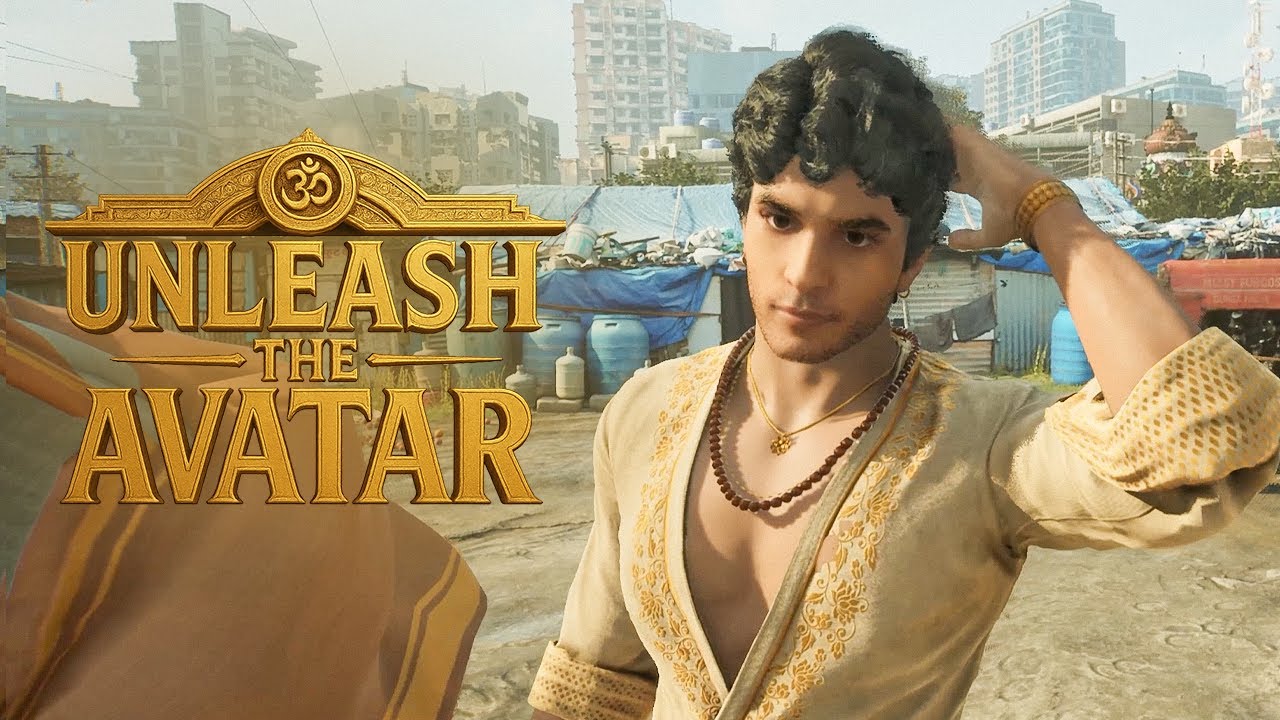
future where I think I've seen Lola Palooa effects. Um, and I will talk for 3 minutes about a thesis that almost everyone online and people here might disagree with, but you hear me out. It might make sense to you. Ready? Awesome. Next slide. So, as you know, we're in the proving stages. This was I mean, a lot of people thought this was a game trailer. This is more like we wanted to prove photoggramometry. It was like the first video we ever did, right? Like we want to prove photoggramometry. I think we proved it. Uh, people forgot the memo. It's an early alpha. Uh, and I think when the early alpha goes into a first trailer that people can actually see, which is coming soon, I think people are going to be pleasantly surprised. But mainly, it helped us hire people. tell people, we're trying something. Does anyone want to come help us? And we got some really good talent since then, right? So, you'll see the results of that talent soon. And separately, we invested in headshot, uh, which is a mobile gaming controller. I'll tell you why we did it. And hear my thesis out. Feel free to tell me I'm an idiot in the comments or in real life also you could say it. Um, have you guys seen the Nintendo Switch 2? All of you have heard of the Switch 2. The Switch 2 made a claim. The Switch 2 claimed it was 10 times faster than the Switch One. Some number they had, but I think it was 10 times. Do you remember the claim? It's a misleading claim or a kind of misleading because the Switch 2 is 10 times faster than the Switch One, but not because the chip is faster. The chip is obviously faster, but it's not 10 times faster. It's because of a technology called upscaling. You've all heard of DLSS upscaling. Computers come packaged with it today. Laptops come packaged saying, "Hey, we can do DLSS4 now. " So, upscaling now is giving results we never thought possible because I've been tracking upscaling for many years. We made videos around upscaling in the past, right? So, DLSS4 upscaling has gotten so good like there's a GeForce, there's a 4060 box here, right? I bet you it has DLSS somewhere in the box, right? So if you go from 30 fps to 300 fps, which is what upscaling kind of promises, roughly those numbers, uh you suddenly have this thing where everyone's racing to make now higher fidelity games and also to retroactively make games work on lower-end devices. Okay, there's one more thing that's happening with phones. I don't know if you've noticed. Have you noticed that phones are now coming with beefier and beefier GPUs? This has been a trend, but now it's accelerated. — Why? It's not because of gaming. It's because of this neighboring thing that I happen to also kind of be involved in which is generative AI. You know the technology on your phone that allows you to erase a person from your phone, right? Remove a person, put me in a this thing, whatever. Where do you think that computation runs? It's not happening on the cloud. It's happening locally on your phone. Now, we have the entire concept not just of GPUs but also NPUs, right? So because I work very closely with Intel and we worked with Qualcomm in the past and many other companies like this, we worked with Nvidia in the past, we know that these companies are very bullish on the phone as a much better computing device and it's going to keep getting better. So if you take the lulaza effect of DSS getting better and at the same time phone like the actual GPUs in the phones getting better at the same time there is a third thing that's going on which is these folks at Unreal Engine are pissed. Unreal Engine guys if you make one more video about optimization about Unreal Engine being unoptimized we are going to jump off a bridge. So Unreal has taken it to heart to optimize the engine. So if you look at all these three things going in the same direction which is phones are getting uh better DLSS is getting better upscaling is getting better. Unreal is spending all their time and energy optimizing. There's also a fourth thing that's going on which is text to 3D is getting very good. It's not there yet, but if you've tried Spark 3D or you if you tried the new Huna models, they've gotten very good. They've gotten very good to the point where now 3D artists are in the phase where, you know, photographers were 3 years ago, which is this is a threat. You know, it's bad to do uh AI generated models, but you can't fight technology. Pointless fighting technology. It'll keep getting better. Today, almost every resume we get, there's GPD in it, right? like they would have used GPD to write it. You can't it's the natural evolution of things. So if you see all these effects going in the same direction and there's actually a fifth effect also. How many of you have bought Xbox Game Pass? Why do you buy Xbox Game Pass versus buying an entire game? Like it makes total sense that there should be a Netflix for games, right? Like why do you buy each new individual game? Why can't the business model be that I pay one subscription and I get access to whatever three new games, four new games a month and it's existed. But if you look at some of those games like PlayStation has this pack, right? But if you see some of those games, those are they're not, you know, they're not like the top rated titles, you know, they're giving you the, you know, the the sidey games. That's because the economics don't work out. If a game costs if a high quality game costs, you know, $100 million, by the way, I hate the word AAA and we never used the word AAA in our last video at all, right? Because the word AAA is a marketing term, right? It means nothing. There are now AAA games that are made by indie studios. So, it's not like either or. So, I think everyone's wrong about that. But the idea is that if you assume that texture 3D is getting better and people want subscriptions, okay, the cost of a game has to go down. And there's this awesome game called Clare Obscure Expedition 33 that came out recently which made by 30 people. 30 people and it's probably going to be game of the year and guess what is made with Unreal Engine. So all the complaints kind of like I don't understand the complaints sometimes like game of the year is probably going to be an Unreal Engine game right? So made by 30 people small team and there was actually an inexperienced team that made it but they made it with a totally different viewpoint. They didn't come from traditional games. They had a different they had some people from Ubisoft and stuff like that, but they had a totally different viewpoint of what where they wanted to go, right? And I think that's a good template because the minute you can make a game with 30 people and with text to 3D, I think you'll make it with and not just text, right? We have Quicksill, we have text to 3D, we have 11 Labs now helping with background music and things like that. Uh background audio There's just like all this. It's not ready yet, but it's moving in the direction where when we did avatars version 0. 1 when people laughed at us and it got better and then people just keep quiet. They don't even like they don't respond and say I was wrong. They just keep quiet, right? When they were wrong. So I just feel that all these effects are going in the same direction. Games need to be cheaper to for new titles to be available on subscription. The world is going to move to subscription. Makes no sense to pay 5K for every game. Um and phones are getting better. So that's why we took these two parallel bets. We said a Nintendo Switch, instead of buying a Nintendo Switch, if your phone is going to get powerful, why not power your phone with this controller where you can charge while playing? And we'll build our own software. Labs will build our own software for this. And of course, we don't I mean, Karan runs the company, but we're happy to help by building the software. And we'll build our own version of the launcher. And then on the other side, se and these are two separate things, right? because you don't know which of these will work and which not like you have to like you try things in parallel and you be merciless about the things that don't work on the parallel side we keep making games and no we won't make indie games or indie is the wrong word we won't make these I mean people misuse the word indie a lot you can make a really high quality indie game now but we won't make simple games because we feel that and the market will tell you this right on Twitter you'll see screenshots of death stranding people saying wow was such a beautiful game you don't see it very often with you know 2D It's just human behavior, right? People if there's a tired, bored person and especially people that can afford games, they are slightly older and they want to enjoy themselves over the weekend. So those sort of people we think that we have to first go for that audience because when we and build these games and as technology gets better those same games will be retroactively played on mobile phones four 5 years later and that then opens the market in India. People keep saying, "Oh, if you make a game and use India, it's national. You're using nationalism to sell it. " Like India doesn't buy games. India pirates games unless it's mobile. Just so you know, mobile games, if you look at um uh your BGMI in India, they're north of $200 million in revenue. Like compared to that, any PC game we've ever made, even the Raji is like a fraction of a fraction. So, you need to tap the mobile audience somehow. But we don't want to make mobile games. I grew I have like 14,000 hours on Dota right I don't want to make a mobile game that's like that's also the thing that I want to do right so we want to make PC games but we believe that the market will expand as this happens so we're taking these parallel bets in two different directions and we'll see which works out and if it doesn't work out again we're building the infra right we'll you know if you look at the last trailer that we did next trailer that we're going to do the animations have gone up 100x why because in the last trailer we're using indie suits in the new one after we got all that feedback, we upgraded to the optitra which is proper production gau mocap and it makes a world of difference right so we just believe that you build these units first because the optit is a one onetime investment if you have plans to make games for the next 10 20 years you're going to reuse that again and again so it'll pay for itself over time it's very expensive but right if you have the intent to be here in the long term and right now there is no market to for buying games in India so our intent here is let's build out the team. Let's attract good talent. Let's tell good stories and let's try to do it with the cost economics of a lower number like we did with content 3 years ago. And if people say whatever they want to say that's up to them, right? But we have seen them be proved wrong once and hopefully we can do it a second time. Next slide. Yeah, this is everything that I was talking about. There's a new model now called um so if you look at this that's uniG that allows you to rig all kinds of models. Uh Metatailor now allows you to uh do cloth sim without actually having to you know do it manually. Uh that's the optitra systems but apart from the optitra movei is also available now but it's not as good as the opit track and then you can see how DLSS has grown from DLSS to DLSS 2 to DSS 3. 5 to DLSS 4. You don't believe this is going to continue. People still complaining about optimization performance when everyone has taken upon their heart to optimize everything and Nvidia here has a ridiculous amount of money in their bank to actually solve this problem. They are going to solve this problem and of course separate from this is also cloud gaming that's really kicking in. It's launching in India shortly. Next slide.
Personal Reflections on Fear & Bootstrapping
I have a question for you guys. Do you think I'm happy? Why? — Huh? — So if you ask other people, am I happy? You're not happy. Um, next slide. I started to live in permanent f. Have you seen my t-shirt? It says I'm It says trying my best and failing often. I post this every two months on Twitter. I just post it because I feel like it's easy to believe you know how the world will play out or easy to believe that you are right about everything when you're very young and you're untested but once you've been beyond the test and you've run companies some have worked some have not worked and you see these arcs of up down I think it's very hard to believe anything is permanent. I'm very scared of being wrong. Uh, automation being too close. Like the kind of progress AI has made in three years and it's only getting fast. It's not like we thought it'll slow down but it's only getting faster uh of being wiped out of a new competitor coming and doing things in a different way and then knocking us out and I'm always like I'm always paying attention to that. uh therefore I spend the time on the quest for these market truths for distribution uh for exper distribution is a good mode for experimentation can we try the new project can new try the new thing even if it doesn't work keep trying and predictive power because when you try enough experiments you can start sort of like I now think I've started to show this ability at least to myself which is I think I'm usually right about how you know a product will go from v 0. 1 to one and how audiences will be will start using it, right? Or will how their behavior will change. Um, and I think bootstrap is true hard mode. When you're bootstrapped, and that's why I'm so thankful for the early team that's been with me, right? Because when you're bootstrapped, you can't be wrong. Your error margin is zero. When you join a funded company and you most of you don't realize this the salary that comes to you comes many a time in India from a VC a venture capital an investor that money flows through the company and then flows to you without knowing whether the company is successful or not. It's like a promise that the company will be successful. Here money comes because we provide products and services to the world and they pay us and they only pay us while it's of value to them. The world is brutal. Okay. And what they say and what they do is totally different things. What they say about what they will pay for and what they actually pay for are two different things, right? Like we've learned this the hard way. So Bootstrap is true hard mode. It's like almost like I have to listen to what everyone says and then only pick out what I think they're really saying because because it's true because the market actually believes that. But if you look at their buying behavior, it's totally different. Next slide. I want to show you some
The Early Days
pictures of the early days of where we started to where we are now. I want to show you some pictures. That was one of the first meetings I had with the 100x team. You can see Sid with his very strange haircut he has in this video. He's blending into the board. He is very confused. Sudan's also very confused and you can see Harsha's leg. This is labs and 100x chatting. I think this is one of the first ever videos AVT ever made. We made a video about the museum of future and we had gone to Dubai. We had shot some you know thing in front of the museum future and like idiots we had lost the footage. So we reshot it on our screens. This is one of our first videos. You can see we have put the screen in a this is a 1,200T house in Prestige Westwoods. Next slide. That was our first Prestige Westwoods uh of office. Okay. And if you see that ball there, right? That ball is there so that our we get exercise work life balance. Um this was Embassy Grove. our second sort of temporary thing. Um, little bit better but still constrained. Next slide. So, I'll show you. First picture is of policeman Martin. He's wearing a police costume and doing some reel. Second one is actually not safe for work because it's Sedant's ass. But that's Sedant and Tjas coding in the middle of the night. Now this is Sedant having kicked Tjas out continuing to code because Santan likes that. That I think is Okus or Dwanch one of the two. Okus editing a video again in the middle of the night because all our sleep cycles are ruined. Next slide. That is Ronit actually in house two. We had two now we had gone to two. We had gone from one house in Grove to two houses in Grove. Right. That's Ronit uh reviewing someone's edit I think because Ron I don't think Ronit is editing the video. Uh this is actually us cutting a cake on 100k one of our 100k celebrations. I think AV 100k celebration. Next slide. Uh that first one is me in VR. I'm wearing a VR headset but staring at the screen because we needed we were doing this physics VA while video and I need to do it outside but I couldn't because they kicked me out. So I said I'll do it in VR. I mean, VR with virtual production in front. It's a really weird combination. Uh, this is Martin trying to convince Okus of something and Okus not getting convinced. This is one of the first outings we did in Prestige Westwoods with the entire team. Um, and Sid was somehow there. I don't know why. Next slide. That is Achina doing a meeting with the early AB team. And I just want to tell you one very interesting thing. How many people in that early team there can you recognize? — Sumit Dwanch. That's it. Right. Everyone else is gone. Everyone else took the took a 10% increase in salary or this or that. We don't know what's happened to those companies, right? Are they still around? Are these people still in video? But the people that stuck around have done very well in life. At every stage, you'll see some of the early pictures. There are lots of people who were with us and then left thinking they'll either start their own company or do this and fully supportive. But now that I've seen two three years of their journey, I'm like when something is going very fast, you should probably stay on board. It's just it's very hard to find those slip streams in life. something with that kind of acceleration. Just sit there. Um this is one of the first videos we made on K-pop. maybe first 10th video or 12th 11th video, first set of videos. Uh see how far AB has come from then. But in the early days, most of them would wear shorts. So the upper half would be very professional and the lower half would be shorts. And that's a that was a Navy and AOS classic back in the day. Next slide. That's our BMW. So that's the BMW. We had told some engineering students had said we had made a car. I was like bring it. we'll make a video on it and then we actually made a video about F1 where in the background I just want to tell you the creative genius of what we have done in the early days um in the back on the screen is like a big monitor for those of you who've been in our studio right someone in the back was playing F1 in I think VR mode actually no we playing F1 in one of the camera modes and he would be driving the same way Pel would drive so the guy will be like Preel left and he would turn left and then Pel would turn the car left — and he would do this backward backward. Yes, this is the important part. He would do this backward cuz for some reason this I don't know why but it was happening backward. Uh that is Tjis' house actually in Embassy Grove his room. So all of us would live in our rooms and then works work was downstairs in that small hall type thing, right? Um he's the only one of us apart from Aina of course because she's a girl, but this is the only one of us who kept his room tidy. If you walked into Sid's room — because he was never there. — If you walked into Sid's room, it would smell like cat all the time. And then the cat ran away. I was like, why did you put up with all of this? So, this is the only room where it was decently kept. Sedant didn't even have a room. Sedant was in one room without a bathroom. So, — aquarium — aquar Sedant lives in lived in an aquarium. I don't know what that means, but he lived in he says he lived in an aquarium, but I don't know where he stayed. He was just up here. And anyway, next slide. Uh, that was us launching I think either AlphaCTR or Auto Code. one of the products we were launching there. Um, in the first one, this is Ivan giving GAN on something. Uh, this is Sidan sitting on the floor. I think that's Sidan's house in the first year of uh, — that is Rohit who now runs Yas. As you can see, he's wearing shorts. So, fully suited up but underneath Chadi. Uh, next slide. That's the first time we ever deep faked anything. So, we made a model of me using a technique called phase a uh using deep face lab. And that was me on AA's face. — Hideous. — No, that's AA's. — Correct. It's Achina's body and my face defect on top and his live deep fake. Uh, that is me reaching 100K followers. We did close to a million now, but I was at 100K. This is the three jokers. Saga, Okus, — and Sanit. And Okus' dog. Okus's dog would pee and all over the place. — Next [clears throat] slide. Uh, this is the team. On the left side is the early AV team sitting and eating on the floor. Uh dosa idli I think or this is a caf cafeteria service if I'm not wrong early cafeteria service. So yesterday someone was telling me I think shans was telling me that in the cafeteria some guy who was I think from Bengal was saying I want Bengali food in the cafeteria. I'm like these guys would eat what cardboard also they would eat sometimes right? So uh this is their editor's room. They had a nice pool view though, right? Uh this is Saga. He had broken his leg uh in the middle of the night and in the middle of the night all of us went and and — scared him even more. But it was in this there's a small hospital here, but we all went and like sort of spent some time with him uh making sure he was fine. So I was very scared. He was like my gone. My leg is gone. Next slide. I have no idea. This was actually the 100x team teaching the uh teaching the rest of the editors how to use AI in the very early days. Um this is our old Prestige West studio on the other side to see how small it was. You you've all seen our studio now, right? And you've seen studio 2 which is even bigger. This is where it all started. Go on. I want to play a video. This video is from 5 years ago. Okay. And today Ronit is doing spectacularly well. Both financially as well as not. I think he's doing spectacularly well. He runs a team of close to 300 people now. But most people don't know that Ron used to be part of my Avalon community on Discord when we were a Discord community. I want to play that video, right? Because Hey guys, this is Ronit Paknani from Avalon Army and in this video I'm going to share how Avalon Army the community which started from a simple Telegram group and which is expanding like crazy has impacted my life and how it can impact yours. I'll tell you the before and after like what was my life like before Avalon Army was started and what my life is like after a army has started and the meetups are happening and all of that. So without any further ado, let's get started. So basically I'll tell you Ronit's template. Okay. Ron was a very ambitious young kid who really wanted to do something and didn't have friends around him who wanted to do the same thing. And actually that's a good identification of my audience too. My audience is mostly people like that right? Like people who are sitting at home the reason they watch me and the content and they want to work with us is because they're like I really want to work on all these things. try all these things but who will do it with me? And that's it. Like the thing I wish I could go back and tell myself is bro this Avalon community you shouldn't have built products for them. You should have built products with them. Should build products and services with them. That core Avalon all those people right Martin uh Ronit even Laksha recently joined us. She was like hey I was from the Avalon community. So I would say I'm still reaping the rewards of getting a few ambitious people together who want to do something cool and say let's just experiment. Of course I had to get better. I had to understand how markets work. where there's an opportunity and how to really not listen to other people, right? Um to sort of think first principles. And I think this is a great video because he says before and after. I think today is the after. It's been five years since that video and he was a kid back then, but it's been five years. And today, if you look at the after, I think I don't think somebody like a Ronit, I don't think any other community would have given him the sort of platform to do what he's done here. It also shows you that anyone anywhere any part of AOS can rise to the top and we don't care about your age this that can you just be a leader right can you lead can it come from inside cuz you know what like I said in the beginning right like that um what everyone's doing versus what we did was the opposite today everyone wants to do like it's not like they want to do four things at once they have these four options in mind they won't take action to the first one either it was any of those four. It's too easy today to detail your opinions like every week I'll see a video about somebody going on YouTube and giving their opinion about something. Cool. But can you take that seriously? Can you convert that into a career? Can you do can you take any of those opinions and do it seriously? Can you go down that path? And I feel like AOS is this one place where I'm lucky enough to be surrounded by people who take what they do very seriously, who want to prove themselves, who are still as ambitious as they were 5 years ago when they were children. And my only job is to find the next in this audience despite the fact that everyone here, you know, is paid a salary. Um, I still want to find 30 or 40 new people who can rise to that top. And there's unlimited space. there's unlimited space and the company can keep growing like we don't see a limit to the size of the market for content in India right now. So we think a lot of you can rise to the top just like Ronit has. Next slide. So in the early days I spent time and energy building up talent from scratch. I think our company will only survive if we make more leaders. The 16 cuts this is the first episode. This is intro episode but as I go deeper into how we do specific things as I go into the tangibles as I talk about like for example when we talk about sales one of the things I want to talk about I've learned in the last few years is actually to really sell you need to understand another person's viewpoint right like if you're selling to somebody with a thousand cr net worth you need to know where they're investing their money and what is the biggest problems for them without that your sale is not going to work similar if you're building technology. If you're building a product, you need to understand who among the people that are going to download your product are your core audience because those guys will talk the most about it. There's so many things that we have learned over the years that I want to wanted to put in these slide decks and I think you will really enjoy being a part of it. I have one goal. The 16 kats are my attempt to teach you as much as I can about leadership, AI use and management to help us build the company together. I
Closing Thoughts
have one last thing to say. I think this is all right. There's no more slides. Yeah. And this is for the people online. We are known to do slightly different and sort of crazier things. Um, I want you to talk if you want to with your public name on YouTube, Instagram, Twitter, whatever it is about the 16QAS. I want to see all your comments, okay? And we are going to take and put both negative and positive. Say whatever you want to, but I'm going to do something really cool with those comments. It's not going to be all the comments, going to be some of the comments. And I'm obviously going to favor some of the positive ones over the negative ones. But we're going to do something really cool. I told you every fourth episode is something experiential. So in the 16th episode, which is the last cuta, we're going to do something crazy. I can't tell you what it is, but it's going to be really crazy. I'm going to title it SAS. Yes, you can go home thinking, "Oh, some app is going to be built. " But that's not what we're going to do. S A No, sorry. S A A S. Okay, that's the title of the 16th episode. I can't tell you what it is. And even the people that are here, I'm going to leave like a small box or a or a, you know, glass bowl where you'll all put in one sheet of after you finish the 16 cutters how you feel and I'm going to do something crazy with it. Cool. Awesome. So that's it and for the audience online that's it for me. Bye.