Silicon Valley works because of the misfits, openly welcoming crazy, unconventional thinkers who don't really fit into traditional modes. See, Silicon Valley understands that if you are someone that comes from field A and enters field B, you are very likely to be disruptive compared to a person that always has been in field B. If you are from the payment industries but enter the rockets industry, you have an advantage over insiders in the rocket industry because you probably see things very differently. In India, by contrast, social and educational systems tend to reward conformity, which is being the same as everybody else. The education system emphasizes rote learning over independent thought, which means that any person or any kind of thinking that's out of the box, you often get less support or understanding for their ideas. Silicon Valley has never been about playing safe. Silicon Valley actually really likes the concept of a contrarian which is somebody who thinks very differently from the crowd. The people who chase moonshots that sound absurd till they actually work. This willingness to pursue grand visions like flying cars or private rockets to Mars is a defining trait of the valley. In India, if you try to do the same thing, people will say first solve this and they'll you know add some small problem there as if nobody else is already working on that problem. In the valley this optimism is almost borderline delusional to outsiders. Yet, it's what actually makes the valley tick. In fact, Silicon Valley literally runs on ideas you believe, but other people don't. When I did that podcast with Sam Alman, he told me that even the idea of doing OpenAI was ridiculed by researchers and people even called them a rapper. Yet, people in the valley believed in them and invested money and see where they end up. On the other hand, when Indians build rappers, you can see in the comments, people will be saying, "Oh, it's just a rapper build. " While at the same time, now that 2 years have passed since those comments, Windsurf, which is a rapper, is selling to OpenAI for $3 billion. How many young kids did you all discouraged by saying, "Oh, it's just a rapper. " When it turns out a lot of the exit activity now is happening in rappers. In fact, anything new is discouraged. When we started using AI avatars for content in 2023, for example, I'm giving you a personal example. I had put out this video on Twitter and synced it to a Telugu YouTuber's voice for an experiment. Almost everyone told us it wouldn't work. And the argument was nobody's going to watch AI generated content. Oh, why are you making an AI influencer make a product instead? As if we already hadn't tried. Today that AI avatar makes more money than most businesses in India and I spend less than 5 minutes on it per week. But almost everyone I know told us it wouldn't work. Today we have a lot more channels when we deploy it and it's allowed us to capture a good chunk of the explore feed. Time and again, the biggest Silicon Valley successes started as ideas like that, like that experts dismissed or laughed at or said, "This is not going to commercially work. " Who thought in the 1970s that a couple of college dropouts would build a worldchanging personal computer in a garage? Apple's Steve Jobs and Steve Wnjak did exactly that. No, they proved it. But if you went back in time, you probably wouldn't have believed them. As investor Chris Dixon keeps saying, the next big thing starts out looking like a toy. Early PCs were dismissed as toys. Also early social networks where people just said this is like this is some game and the first electric sports car sounded like a rich man's toy. Yet these toys became the Apple, Facebook and Tesla we know today. The red pill truth here is that breakthrough innovation requires defying skepticism and ridicule. Silicon Valley's culture encourages. It whispers to the hacker working on a wild idea that he or she might be right and the entire world saying hey this sucks might be wrong. Actually it's not that the world is wrong. This all works because of saturation. If everyone believes a certain thing is correct, they might all be right. But by the time the consensus has formed, by the time everyone believes in the thing, you are late. It's too late for you to win because you are in the queue. And you might be Q contestant 15,000. There might be already 15,000 competitors to you. But if you take on ideas others don't believe in yet, you can be number one, but you can also be wrong. Your idea might also be bogus. And that brings me
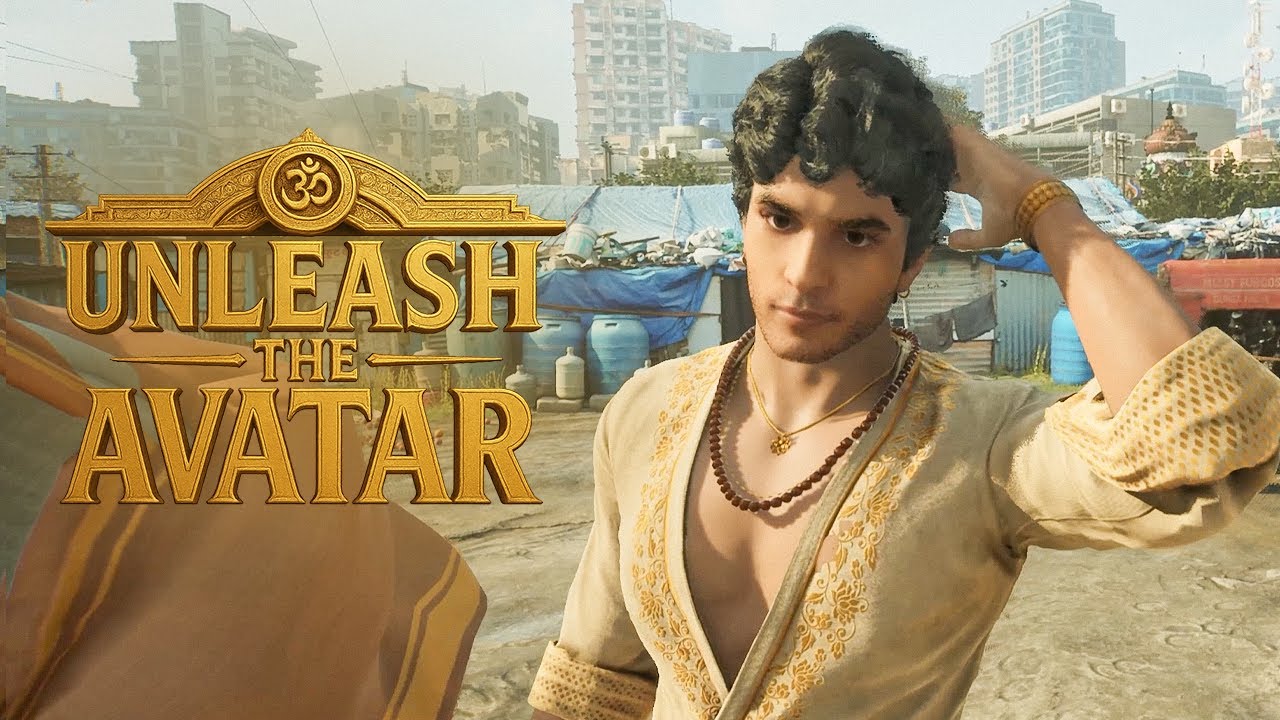
The next point is that Silicon Valley is a default to optimism ecosystem. Everyone there is optimistic, default to help, right? India is a default to skepticism environment. It's a skeptical ecosystem about everything. Ideas alone of course don't build companies. It's the people and networks around them. One of Silicon Valley's greatest strengths is its ecosystem of supporting entrepreneurs and innovators. It's not just money or talent, but it's this mentality of openness. It's like this grease, right? Let's say an idea is like a wheel that's very dry. Belief by people is like a grease that makes the wheel move. Otherwise, there's too much friction. Paul Graham pointed out that if you visit Silicon Valley, what you'll see are buildings, but it's the people that make it. Silicon Valley is a place, not the buildings. And the people are supportive, especially to crazy ideas. India by default thinks every new idea is a scam or fraud, even if you're taking money from nobody. I'll give you a very good example from our own experience. Remember that early alpha game trailer that AOS Games put out? Remember, it's an early alpha, very, very early. We want to prove what assets we put out. Well, there was some donations on it, 30 or 40,000 rupees worth of donations from longtime fans. Then I went and saw there was a thread on Reddit about how there was so many donations. And the top voted comment there was someone saying, "Oh, they made their own employees donate. It's a form of moneyaundering. " Someone even said, "Oh, they think they can hide this marketing, this childlike marketing," or something like that. Just so you know, this is totally false. It's a totally false thing that has 1,000 upwards. My office coffee bill is 1 and a half lakhs a month and we have 300 employees today. Why would I ask my employees to send 30 or 40k as donations on the YouTube video and give 40 to 50% to YouTube? Am I stupid? And you know, I don't even blame them. It's all very young people, right? So they don't know any better. But the problem with India is we have a habit of looking at every new thing as a scam or fraud. Indians freely use this word. So far, the game that we're making is fully bootstrapped. And this money we have made from products and services at AOS, again, completely bootstrapped. We don't need any funding. But people here are default skeptical. Even when looking at an early alpha trailer, even with somebody trying with their own money, they'll go so far. I understand being a critic and saying this can be better, that can be better. That's I think good stuff. But Indians will go even so far as to outright lie and say, "Oh, there's some donation scam that's going on. " It's the exact same thing we faced when we started doing AI generated presenters. People told us, "Oh, it's not going to work. " Some creators even laughed at the idea. Like, have you guys seen God of War in early alpha? Here's what it looks like. Or here's Midjourney V1. But in Silicon Valley and even now, we tend to move very fast. We learn from our mistakes and we keep improving. In the valley, everyone gets it. This is a 0. 1. This is how 0. 2 will probably look. This is how, you know, version 0. 5 will look. This is how version one will look. Everyone has that insight. But in India, nobody does. Which is why we have an over supply of the same types of ideas like grocery delivery and the same old software as a service tools cuz you're actually less likely to get criticized. You know, even grocery delivery, quickcommerce, where today a lot of people go in and everyone understands the idea. When it first came out in India, everyone criticized it. Why do people need groceries in 10 minutes? Now look at people's usage patterns. Almost everyone uses Zeppto or a blanket. Alex Dano who is a very prominent tech commentator notes that social capital flows freely in Silicon Valley meaning knowledge connections favors they're shared generously. I'll help you with this understanding that at some point in the future you're going to help me and I've helped a lot of people without expectation in my career and like at some point they'll help and they actually do help four five years later I've been around for more than a decade and I can tell you they come back and do help you. This paid forward culture it's almost akin to a gift economy. So founders will swap war stories and tips over coffee and the experienced engineers at the same time will be mentoring newbies. The best alumni, let's say the PayPal alumni will be reinvesting their winnings and you know angel investing in startups. All of this happens as a matter of course in Silicon Valley. In the valley status comes not from what you're building, not your job title, not your pedigree. It comes when you are a young entrepreneur trying something and there are established players helping you by adding that grace and that belief. The moment you start building in the valley, everything like I said, introductions, advice, credibility, seed funding, they flow freely. Even though it started to become like this in pockets of India, it's still nowhere close to this in broader India. And in the valley, everybody knows that 90% of ideas will fail. And while that entrepreneur might fail at that specific idea, he or she might do better on the next one or the next one. So, Indian business