Mastercard CTO on The Past And Future Of Finance (Absolute Finance Masterclass 2024)
55:57

Mastercard CTO on The Past And Future Of Finance (Absolute Finance Masterclass 2024)

Varun Mayya 29.10.2024 115 084 просмотров 2 232 лайков

Machine-readable: Markdown · JSON API · Site index

Поделиться Telegram VK Бот
Транскрипт Скачать .md
Анализ с AI
Описание видео
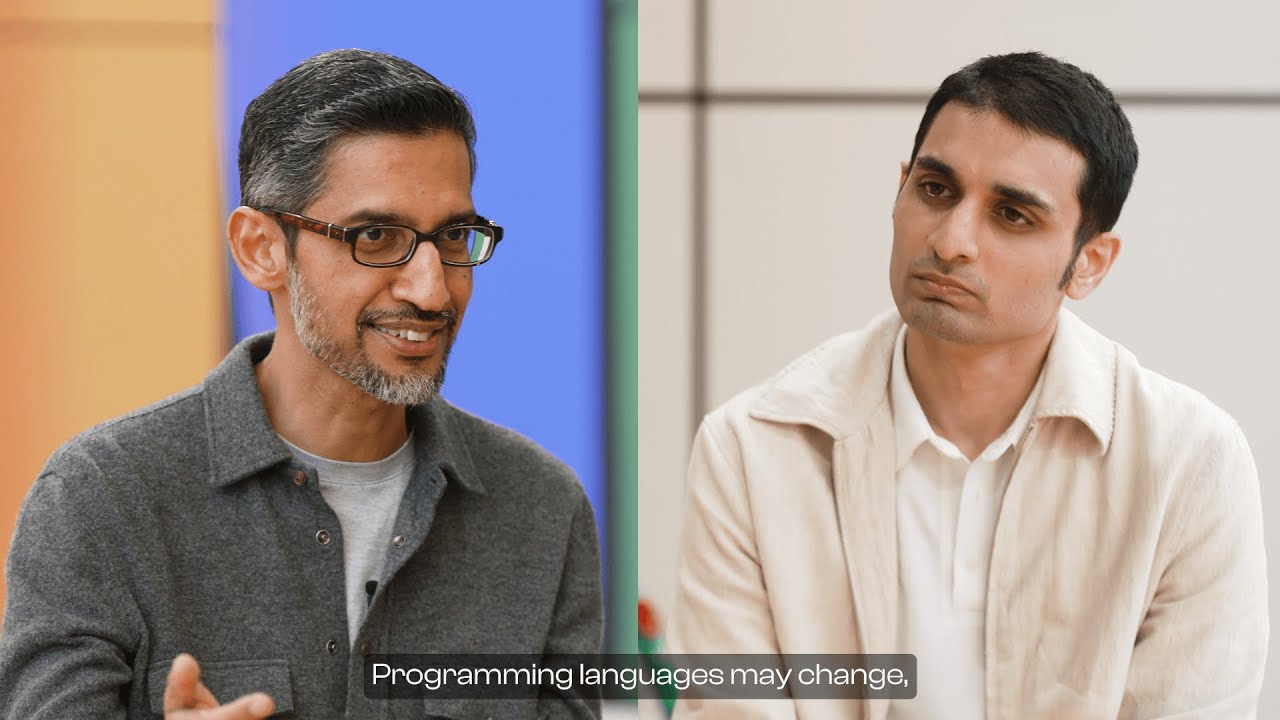
Ed McLaughlin, CTO of Mastercard discusses the fascinating evolution from paper money to digital neural networks that now protect trillions in global transactions. Ed opens up about Mastercard’s AI system that uses over 1.6 trillion parameters, processes decisions in 50 milliseconds, runs in 210 countries and prevented $20 billion in fraud this year. We explore the deep lessons from his startup days - from operating with zero revenue to transforming how billions of people pay today. From unbreakable payment networks to the future of digital transactions, Ed shares invaluable insights about building technology that powers economies. He breaks down why learning to learn matters more than specific skills, and why the best products don't make markets - they unlock existing demand. An insider's perspective on how payments has evolved and where the next breakthrough might come from. 00:00 - Intro 0:54 - Varun's early experience with cashless transactions 2:41 - Difference between money and wealth 4:13 - State of the financial system in 2005 when Ed joined MasterCard 10:12 - Ed's predictions from 20 years ago that came true 17:23 - Ed's early career and path to becoming CTO of MasterCard 21:55 - Where Ed sees payments and financial technology heading in the next 5 years 28:10 - Discussion of MasterCard's work with crypto and blockchain technology 28:12 - Explanation of tokenization and its applications 33:26 - MasterCard's AI-powered decision management platform for fraud prevention 41:32 - future of contextual commerce and embedded payments 44:18 - How AI can enable greater financial inclusion 46:08 - Predictions for the next big consumer fintech innovations in India 49:22 - Career advice for young people interested in fintech and payments 53:56 - Conclusion
Оглавление (15 сегментов)

Intro

when I was doing startups I always used to say you want it we've got it they don't when you have no customers you have no product you have no brand sometimes you have no Revenue all you have are the people who show up every day anything you were bang on about like 20 years ago where you said this is going to be there and then it actually came out someone out for a jog could just tap a wearable get a bottle of water and that was this unbelievable frictionless future which is now pretty much every day for people one thing I will say is learning how to learn is the key this engine that we have is stopping about20 billion worth of fraud the last 12 months 20 billion over a year with a B while we knock the bad guys backwards really hard as a CTO you became a human behavioral expert and I think human computer interactions is one of the richest fields of study we have right now but what you can't forget is it all is to serve another purpose ladies and gentlemen today I'm

Varun's early experience with cashless transactions

with Ed mclin and you know ever since I was very young I was very fasinated with the idea of how this paper money that we had suddenly turned into this mystical thing that traveled over the air waves it was it was really weird right which is hey you got the money you know there the first few years of my life where you use a card and you're like you got it right oh my God I didn't give you anything this went over the air and you know money got deducted from my bank account it was all fascinating because I knew the money was getting deducted from my bank account so I bank with HDFC and I was like but this is a Master Card so you guys have spoken behind the scenes so it was very fascinating for me and surprise six s years later I'm sitting with the CTO of MasterCard you've been there for 20 years more than that probably and you've sort of built the technology for the modern Financial system right I don't think the upis of the world would exist today without what you have done over the last 20 years so number one thank you for everything you've done uh I wouldn't be able to buy my PlayStation or my Steam games without uh your work uh but number two I think I have this excellent opportunity to kind of talk about how the financial system evolved from over the last like couple of decades because you have seen it live you've seen every single change you've seen everything from PayPal to you know uh to what we have today with you know very modern AI systems sort of at the Forefront of finance and you also know where the Puck's headed you know where this is going to go in 5 years 6 years and I think the lots of my audience who's interested in figuring out what's the next stage for money yeah like we had UPI what's next and you know I know those secrets are somewhere in your head you've tried some of those experiments so thank you so much for being on the show before we started on

Difference between money and wealth

the show you know we spoke about how there was this difference between money and wealth yes and I'd love for you to say that again because I thought that was pretty enlightening for most people I think it'll be watching so the key for people for businesses for economies Is wealth and I thought you characterized that well and that's why we're so invested in things like sustainable Economic Development it allows people to to build wealth which is what takes care of themselves takes care of their family how communities grow sitting here in the fastest growing large economy in the world you think a lot about wealth creation and development and then payments money is how you express it how you do it and how we work together across that so Mastercard at the heart has always been a technology Network that allows to connect people to what they want the most it allows merchants or businesses to grow and connect with more customers and I think it really is one of those engines that's helped enable that Economic Development around the world you know starting from things you could always do physically and locally to what we're able to do with e-commerce to now how we've used Mobile and other areas of connectivity to give people ever expanding possibilities which both generates wealth and allows you to use it for whatever your passions are and connected to things you want so I think wealth becomes the foundation and things like money and payments and transactions really becomes the circulatory system of economies interesting and when you started out

State of the financial system in 2005 when Ed joined MasterCard

right this is 2005 if I'm not wrong at MasterCard yeah 20 years almost 20 years ago right um what was how was the financial system working back then so it is really interesting because there's a William Gibson line I love uh the future's already here it's just not evenly distributed so you could even at the time see a lot of the bones or Els of what became the future development but in 2005 MasterCard itself was actually an association owned by the Banks just to build that interconnectivity you talked about fascinating um you as a youth so the ability that we could connect people's accounts together and move the money safely and securely between it that was the foundation but then what happened is we've been a huge believer in what I call Applied research as things are changing in the world how can we adapt it in how can you create those new experiences so some of the things we're seeing 20 years ago is where we started with giving people access to credit you know how at the point of sale rather than Merchants having to try to extend a line of credit you could get access to the things you wanted um we then started tying it into debit in the current account so you could actually use things you know the money you already had in an electronic way we were starting to build the security features moving from static information on a MAG stripe to Dynamic data on a chip uh we were first experimenting 20 years ago with contactless to say how can we move to device-based payments in a native format for that and really some of those big themes we've seen continue to expand so going from credit into debit into prepaid and now enabling crypto as a store of funds so going from you know EMV on a chip to using the chips and devices to secure the transaction going from a signature to a biometric with Pass key that we just announced at the mumbay fintech festival MasterCard pass keys to make it more secure so I think like anything else in technology um you have a Clarity of how you can improve it you have new technology and Trigger events about those NE technologies that you need to figure out how to adapt to make more value and then across then you continue to see this Evolution where payments go from something which was relatively discreet you know a plastic card to access a line of credit to just a integrated way we can help express our Wealth live our lives around that um I was remembering when we first went to Mobile World Congress when we were trying to figure out how to enable mobile payments and we had one of those Vision videos you show and it was a you called it the running woman where someone out for a jog could just tap a wearable and um get a bottle of water and that was this unbelievable frictionless future which is now pretty much every day for people what were the things back then that you knew were going to be a thing a decade later and what were the things that you said no way but it still happened anyway um it was funny to have conversations around would anyone ever transact online you know would people trust the internet and things like that were there any detractors oh very many um I remember that there's a big conference called money 2020 and when I had a keynote at the first money 2020 we had in in the US and one of the big topics of conversation is would contact list ever actually be used for payments would it ever scale and grow and there's two things I would say for this one is you can tell where there's a foundational technology that's fundamentally better A lot of the things we did with AI and it just needs time to mature and grow into the systems you have great confidence on that there's other things sometimes that you're not quite as sure about and I would put contactless in that camp and for that the only Arbiter of if something is better is if the people who use it you've done startups you know trying to find product Market fit and no matter how enamored you are with something I always say one of the key keys to being an entrepreneur or even at a MasterCard is to so passionately believe in what you're doing that you can create something out of nothing and always be ready to be wrong yeah and it's hard to hold both of those in your head so anytime we think about new technologies the first question is not what does the technology do but can we apply it to be more of who we should be to what we do better the utility of technology versus this is possible yeah exactly right so contactless is a great example we had work worked out all the mechanisms for it adoption was really slow because it's one of those ecosystem things H but what we found is when people tapped three times they never went back to their prior Behavior three times so you knew you had something that they liked better you knew that once they sort of adapted it was more of a scale issue than an underlying experience issue we had other experiences we Tred to do in online payments that didn't get the traction and adoption so you retrench you figure out okay what wasn't working for him and and what can we now do to make it better so a lot of the really onerous online authentication methods people didn't feel it was really worth it now something like Pass key with Biometrics I think it's going to be much more seamless and people are going to flock towards it but the answer is going to be in the data so when I go back to the idea of constantly saying how do we apply it to be more of who we should be you don't win the future by trying to pretend you're something else but being more of who what your customers want out of you and then constantly testing to see if we've got it right yet to see if it's just a problem of access and scale or if the fundamental product Market fit or value proposition isn't there yet

Ed's predictions from 20 years ago that came true

anything you were bang on about like 20 years ago where you said this is going to be there and then it actually came out so a few things that I think and it's not me that MasterCard was able to get really right um we felt just the frictionless experience that we could do with contactless and then how we developed the tokenization standards you knew it was there the first mobile payments I worked with was 2006 working with Nokia was the 3610 I forget what the handset was like carrying a pipe wrench around it was like this giant device but we could prove that we could put a credential over the air light the device up and bring it back into mastercard's acceptance Network which is amazing it was eight or nine years later that you had an Apple pay and a fully integrated device in the scale that broke that through but you could see it was there uh one of the first projects I worked on at mastercart in 2005 was using contactless payments in the New York City transit system now again it took years to get transit of London and New York MTA and everything to do it but now billions of times around the world people are tapping and the gate opens in 110 milliseconds that's a pretty amazing experience that we were able to do anything you were wrong about oh absolutely um Lots um I loved wearables uh I'm not even wearing now I used to have a payment ring which I just thought was a great user experience where rather than a phone or a device or a card you could literally go like that and the transit gate would open and that's a cool idea it was great um you'd go into a store and you tap and people would be wow and they'd want to see it and things like that but it never really got the traction I thought it would maybe it will someday um so that's another great example of enabling an ecosystem was that reason it didn't get traction um for some well there there's always two reasons in fact this will come to the AI conversation later um you're creating an experience and a value now with the specific wearable I had it was a ceramic Rim we had to embed the chip on it would only last for so long for how you could use it so the cost base was kind of high for the experience it was for the people and you had a near equivalent alternative in the phone you were holding anyway so the incremental value to the expense of creating a specialized ring that you could wear to do the just more convenient yeah no matter how cool I thought it was and I may not be a typical audience again another lesson for entrepreneurs there um never really got commercial Traction in the way I thought it would we had another one which is a reusable C coffee cup right to try to get out of the onetime use and you could just tap the coffee cup you could tokenize it and you would get it again it hadn't hasn't really broken through the way I thought it would so maybe more nich Niche applications or products for that um but that's where I always say in before I joined MasterCard most of my early career was technology startup you almost have to be an anthropologist like you can create a great thing but figuring out the product Market fit the only one will tell you if this is better is the consumers themselves so like I said you have to put it out there you model as a CTO you became a human behavioral expert absolutely that and I think human computer interactions is one of the richest fields of study we have right now there's great acon academic work being done on that one but you always have to remember when we did the technology strategy for mastercard's board of directors and I'm going back to uh one of the first ones I did 2016 2017 and we had to say let's see if I remember exactly you know agile is not the objective it's not how you do it it's what you're doing like agile's not the objective the cloud isn't your destination apis aren't the answer and AI is not a strategy these are amazing Technologies and techniques some of the greatest stuff I've had the opportunity to work with my career but what you can't forget is it all is to serve another purpose it's to serve the value for people and the only thing that really matters is when the people you're serving a merchant saying I'm selling more the consumer saying this is a better experience for me these are magical things so the value of Technology not the technology itself exactly and it's it it's too easy and I get fascinated with it right you can argue which recurrent technique is is cooler and things like that what it really matters is how much fraud do you take out of the system how do you eliminate false positives how do you make it work better um so I'm a huge believer we'll never be a pure research shop kind of wish we you know a little bit of that but that's for Academia it's for our Partnerships the applied research is saying is this something we can bring in to make what we do better allow us to reach and serve people and Financial inclusion we never could um and I think too often and I fight it as technologist we get enamored with what it could do and you kind of forget who it's for and so we always put that Northstar in the Forefront of is this better does this allow us to keep our promises or Advance the state-of-the-art in a way that's truly meaningful people in their Community have a question here right and this is more me being curious as an entrepreneur is there more commercial value in the application layer of something than the research layer of something at least in payments um the research layer is essential and when I look at some of the foundational work we've done in security and tokenization network processing you know the the way that we have to run a Global Network Fabric and build unbreakable massively scaled system there there's always heavy duty research there and that's why I talk to people when they think about you know where they want to go with their career the type of organization you want to work with the fact that we are always on that we're running National critical infrastructure we talk about powering economies like what we do is important so always trying to St the Forefront of the research that'll help us do it better that's critical the other half we talk about is empowering people and how you can see are there new ways or methods or techniques that we can help people build wealth that we can bring more people into the financial system so the research is essential but all the research will give you is a potential is a capability the applied research the ability to say can we do this in a way that we could never do before and a lot of times you could do it differently but taking something that works and trying to replace it with something substantially similar will never get you Traction in the marketplace so your question started with an entrepreneur I really think that's right it I when I was doing startups I always used to say you know you want it we've got it they don't and the other critical thing is why this why now why us and that's really applying the research is there something that you can do which is meeting a need in the market that hasn't been served or in a way that's fundamentally different rather than just trying to recreate the same value on a more expensive platform sometimes interesting how does one

Ed's early career and path to becoming CTO of MasterCard

become Ed like I want to know your story right like how did you actually end up at MasterCard in 2005 it feels like futuristic technology like what did you do before that um this is really interesting I I spent a lot of times with the new joiners at MasterCard I got this question earlier and I had to tell them when I left University I went straight into coding because I thought I could have a challenging and rewarding career and not have to talk to people um so I one of the things I always tell people when you start your career is whatever you think's going to happen probably won't be and that's pretty awesome too right you always have to just build on those possibilities so I really did start from the deep technology side but what happened over and over again the first product I had is actually in the late 80s was a EDI system electronic data interchange sort of connecting computer systems and areas of automation that got me into the early internet and then you realize that the the multiplier effect the seven link boots of like starting your own company from a blank sheet of paper and what you learn from that and I think it's hard for people sometimes even at a MasterCard because we've been so accomplished for so long that when you have no customers you have no product you have no brand sometimes you have no Revenue all you have are the people who show up every day trying to make something happen and even when you're at a MasterCard one of the 20 most valuable public companies in the world you recognize it's just 60 years of people bringing their best work bringing their thoughts building that value so you talked about the human computer interaction side of it the anthropological side of it companies are just the output of of the spirit and dedication of the people that work there and that's probably the biggest thing I learned is the technology is amazing as cool as fascinating as it is you never Le can never lose that passion it's the people and the application of it to solve hard problems to bring value that's the real magic so over and over again in in the startups I started in um I had again electronic data interchange we had a company that did data modeling and design tools because we found a new need as people were moving from it's a long time ago you know hierarchical systems and seed type of databases into relational database it was really hard for them so building the tools to make that happen we had a product called Irwin company logic works we ipoed that in '96 after we sold that off you could just see with the internet happening that payments would be essential for that so I had a first wve Internet payment company called pay trust which was helping people pay their bills you know at the time it started in the US it grew from there but someone sending a piece of paper to your house for you to attach another piece of paper to for it be entered back into a computer system somewhere else you could just see it was a problem that could be solved in a new way so we built that out and that all became sort of the foundational experiences for me the when I joined MasterCard um but it really is the passion for the technology always has to be there the understanding that's the people all of us working together is the only way that capability can actually become something which generates value and then finding changes in the markets in the need um one of the other things I just learned is no matter how compelling it is products don't make markets are happening and it's that moment where you can get the new capability and the emergent need right and bring it together that's really the magic for creating a breakthrough so you're saying there's always going to be areas times where there's more demand and if you can go there and sort of unlock or unleash that demand yeah then you win it's the right context being just as early is as bad as being way too late and so when we talk about it we talk a lot about Clarity versus proximity yeah you know you need that Clarity you need to understand what's there but then you got to recognize what's the proximity from it what are the other things that need to be in place for that to happen I don't think you'd have social media before we had widespread use of digital cameras because you needed something to share right and it's understanding and really I think the value of startup is the ability to hold the whole business in your head and see what all of those Dynamics are interesting plus the people like you said yeah very much interesting so let's I think we've

Where Ed sees payments and financial technology heading in the next 5 years

covered the past fairly well we've covered your fairly well I want to now talk about where you think this is going to head right because selfish reason for me is we run you know one of the things that we run is an AI services company so we do a lot of you know services for you're in the right place yeah we do a lot of services for financial companies um and Banks and I think you know there are use cases that mastercard's already sort of jumped on and you've already made breakthroughs in that could be valuable for the rest of the world right so we can help Implement some of that so that's a selfish reason but I think the second reason is also because I feel like as viewers are watching this and you like you said right like the three Taps on contactless you knew that person this that this technology is the future right like people use this and they just like it better they change Behavior so I also want to know what's new stuff that people are using and you're sure that this is going to become the future but like you said it's unevenly distributed which means you know not all of us know it yet so this is the best opportunity I have right to sit here and just be like he you know what are you seeing in 5 years so that you know I'm ahead of it if there's content to be made there we make that content if there's technology we built there we kind of built that technology I think that's the selfish reason I'm asking you these questions but let's start with The Usual Suspects right like I think MasterCard like when I you know looked up what you guys have done in the last 5 10 years I think there's been a heavy uh sort of impetus on crypto mhm I think you guys are making it either because the underlying technology is good enough for you to use for cross prod transactions or because you feel like there's something that other people are missing you guys seem a lot more bullish on the underlying technology than any specific cryptocurrency so I would love to hear your thoughts on it so there's a whole lot there so so let me give you a couple examples one I think the ongoing evolution of transactional systems I'll put it there on crypto do you want to spend a bunch of time on AI because as you well know people talk about a I like it's a unified thing it's like saying math or gravity it it is just amazing new capabilities that we've already spent a long time harnessing and much we can do the other thing as I would say there's a lot happening in consumer experiences in contextual Commerce you talked we talked about gaming and edding and things like that and then the fourth is how we can use all this great technology it's probably one of my greatest pchs to reach and serve people yeah in a way we never could before so let's start with crypto and MasterCard has done tremendous amount of work over the last decade in working with experimenting and trialing crypto systems uh for a while we had one of the highest patent counts of looking at ways that again this gets back to applied research new technology capability could be used out in the marketplace so I do think as the Baseline thing sort of that first generation blockchain is best expressed by Bitcoin never really played out as a transactional mechanism and one indicator I'll just give right technology choices matter tremendously so we calculated a few years ago a Bitcoin transaction was about 700,000 times more expensive particularly from an energy consumption standpoint than a MasterCard transaction because we can run a massively scale highly trusted system as opposed to having to establish Trust on a transaction level every time so as a asset class or store value there's interesting things and it certainly flourish there but not necessarily as a foundational transaction system so what we've seen is a great business of the In-N-Out people buying and selling and want to turn it back into fiat currency and real money they could do we have a lot of card programs that can attach to a store of wealth you may have that's Crypt backed that you could use it we've done a lot with particularly financial institutions for things like tokenized deposits you know the Central Bank digital currency or the stable coin side of it becomes really interesting in our Network we have over 150 currencies we already enable and transact and you can see new currency types fitting really well into that framework where you'd still need the consumer promises you need the security you need the fraud protection so we're really seeing how does that adapt in again not to recreate stuff that works really well but were things you couldn't do before so being able to have a tokenized deposit that becomes part of a smart contract for a commercial transaction cross border where when the goods are accepted the payment automatically flows and Skip an entire invoicing cycle Solutions like that become pretty interesting so I don't think it's a broad-based money changes it's more there's new capabilities and the real breakthrough is what couldn't you do before or what was hard and expensive to do before this can do better not taking something that works really well and trying to do it in a more expensive way so I think tremendous potential to unlock but we're still really working and to see what that looks like is there a use case that's that you think is definitely going to work one use case out of everything you use crypto for and MasterCard that you think is definitely going to work there's a lot of things we're experimenting on I don't think there's necessarily one you're bullish on um there's one we're seeing where to get a like a mortgage a property transfer we had a big innovation uh event we sponsored in Europe and this is one that came out of the UK and there's something like a dozen different signatures that had to be happened and TR traced and there was different Financial interactions around it was just a mess so the idea to have a digital twin or a financial representation a cryptological representation of the underlying good that could the property of the property that could then be processed in a secure way electronically and the financial systems interfaced with that massive potential for process Improvement so I think the tokenization of everything and the idea of having it ill refutable digital unitary asset that can be associated with something real world that can free all the processing around it eliminating all the paperwork and everything else there there's real potential there you know I think that's

Discussion of MasterCard's work with crypto and blockchain technology

also going to be very useful in India

Explanation of tokenization and its applications

especially in Bangalore right like I don't know if you know this but land gets double sold yes right in India where you know there's going to be a seller he's got like physical papers he's going to make two copies of it and then he's going to be like hey buy a one here's the papers look I'm the owner it says I'm the owner takes the money then stops responding that person says here's your title deed makes a copy of the title deed goes to the next seller sells the same land twice and then what do you do like the legal Cas takes 10 years so I like the idea and we've talked a lot about tokenization you know we had massive breakthrough in tokenization of card credentials which I'll talk about a little I think you should also explain tokenization for the audience sure I'd love to do that so the idea of having a digital representation of something which is irrefutable and ACC is a token that can live in a digital native world and Bridge back to the physical world is a great enabler it of itself doesn't do anything the question is what does it enable so let me put it in a in a payment system context so years ago when we were best represented by a physical card and for some reason people got confused with MasterCard with the card and that was just an access device to our digital native Network that we've always run it's a way of bridging into the physical world you know you could take those 16 digits and say that's kind of like the IP address for your underlying account yeah right and we're holding the DNS for it poor analy what we did with tokenization we said is every device you have we want to be able to enable for Commerce safely and securely as things move to subscription based systems where your uh Playstation is billing against a card on file how do you make that more seamless and more secure so a payment token is an alternate representation of your underlying account so we can basically issue any number of digital cards embedded in your mobile device embedded in your pay you know in in your um gaming system embedded in your Billing System for the utility that wants to give you more seamless of your Spotify account so everything gets an IP address in the everyone gets its own so we can give a unique in essence card number except there's no card a unique digital identity for that we can actually tie it with crypto key we can associate it only with the spend that you want to do for it so if it ever gets copied or stolen we can sign each transaction so it's Unique so it can never be captured and replayed so you go online it used to be static information what you would type in to a fully secure Dynamic environment that's the power of tokenization so both your PlayStation game the license that you're buying and the house that you buy both have sort of an address now right different things and we can associate it in the network secure it make sure it's right and then tie it to your underlying account in a very secure way so it's technology we've been working on for a while and it really was working with Apple and Google and enabling mobile I think people saw the power of tokenization but we've now reached the point where over a quarter of the transactions that flow through MasterCards Network are tokenized some was almost taking what's on that physical chip on your card and using the chips and the device to do that uh when the RBI just mandated tokenization for card on file in e-commerce here in India it was kind of great that underlying foundational technology I was working on a dozen years ago has now been declared the standard by the RBI for payments here you know it's cool to see again that Arc of you get it started you find the value we could prove and demonstrate it was more secure it was much more convenient and now it's becoming national standards around the world so if you think about how we did that with payment credentials you know pasy in some way served tokenizing your identity it takes your Biometrics it takes who you are something you have with the device and packaging that up which gives aurity that can Transit the digital Network so you have that the tokenization of a physical asset your house or your car or other things like that just gives us these digital representations that you can do really amazing and cool things yet which are bound specifically to things in the physical world or bound specifically to your identity account it just becomes a new medium for transacting interesting I mean all this is super fascinating and this doesn't use Bitcoin or ethereum this uses the blockchain well you don't need you don't necessarily need to use the blockchain for that um a lot of the tokenization and digital representations blockchain is one way you could do it a lot of times people talk about the blockchain it's like dude you just need a database yeah um so I think it's more the identity of the asset that becomes the key so what we do with tokenization and blockchainbased but you got to understand we have 50 milliseconds to make incredibly complex decisions for a network that we have to run in 210 countries and Regulatory domiciles around the world so it's having the right underlying technology for the value you're looking to deliver and it's not trying to force it into a given architectural construct it's saying what's the value we want to have and what's the best way the application of Technology the best way of enabling it um let me say go over to one of the

MasterCard's AI-powered decision management platform for fraud prevention

other things you asked about on AI I think that's another great example where we've always taken the approach of I guess it's now fashional we call it mixture of experts yeah so in our AI based systems we have 14 different major techniques and engines that we run we'll take models and model types and run them in parallel for months or even a year to determine which is doing best for the job that we want to have and it's always a mix of what's the weight and cost of doing it what's the speed we can get what's the accuracy of the prediction and you balance all of those things to say what's right so um one of the things very proud of uh Forbes gave us their innovation of the Year Forbes Magazine in 2019 for what we call our decision management platform in fact many teams here in Pune work on the decision management platform for us that is it's kind of I got it's an engineering Marvel it is a inmemory realtime grid 1. 6 trillion parameters right now wow so Google bar is about 400 billion parameters it's a 1. 6 parameter brain which has been trained on all the transactions that flow through our Network so if you look at and You' labeled them fraud not fraud well that's the great thing for us is because we've always given a payment guarantee and a promise to Consumers um we have a really strong training set signal of what's a fraudulent transaction which we've adjudicated for years and we have highly structured information because we run a network that interchanges between parties so our ability to apply you know deep learning against that has been breakthrough so just a couple quick statistics for that because you talk about how you use it to make it better so by applying these different techniques and running it in the systems again with 50 milliseconds to make a decision running at MasterCard transaction levels years ago we moved from the original kind of rules-based system to applying artificial intelligence we stopped three times as much fraud W but even more importantly we remove six times the false positives that's Merchant selling more that's you being able to what you want to do on a more frictionless basis so we actually generated a lot more good transactions on the network while we knocked the bad guys backwards really hard so this this engine that we have is stopping about 20 billion dollar worth of fraud in the last 12 months 20 billion over a year with a B right and that's not the potential fraud that's when they stopped knocking on the door and decided to try something else it was always an arms race to the techniques so we have that but it's allowing a lot more through but we're constantly applying new Innovations for that so now when you see the you know again the back propagation machine learning was great for us we're now looking at techniques which are more generative like recurrent neural network we have a new model it's we call it decision intelligence Pro where again we're finding another 20% Improvement in fraud detection up to 85% detection of false positives that we can allow through so we're constantly optimizing those techniques and applying it but it's not one given this is AI it's rather all the techniques we can bring to solve the problem what we do see with generative which is cool and I know you're doing a lot of work in that area is both giving us a much more human natural language interface which is really breakthrough for that we won't go into the foundational models in any way because how we handle the data and what we do with the data is very reserved very proprietary for MasterCard but doing things work retrieval augmented generation rag techniques on top of that so both much more powerful techniques for unstructured information as opposed to what we were able to do with the structured in the past and much better interface with humans actual humans yeah the Baseline models you're using are one of the propriety ones like CH GPD or are they your open source ones like Lama so we want to be relatively agnostic to the underlying model um again when you're a MasterCard and I want to talk about that in a second when you're a master card one the ability to have a resilience and a scaleability so we constantly test and we see what is working best for us at any given point in time just like we aren't dedicated any one Cloud environment we have well- behaved applications that we can deploy both in our private cloud and a public Cloud same kind of things we want to make sure that we can continue evaluate the foundational models because they're going to you know evolve on their own cycles and we want to see which is best from both a cost so you care about the models right now you're saying I'll use the best in class right now 6 months later it's going to be something else a year we'll build the application layup right exactly right so our understanding saying what's important for that but part of where I think you were going and this is first and foremost for me is AI is data and data is AI and our unique view we've seen over a quarter of all e-commerce transactions outside of China you know since there was an internet right so the depth of very specific information we can have but I think how we use it is equally important so we've long had a consumer data Bill of Rights that you have the right to know the information we have we use the information to stop fraud to make the products you get from us better to personalize what you have we don't sell the information we only use an anonymized and aggregated methods for that we secure the information for it so I actually think being good stewards of the data will allow unbelievable Innovation on top of it but the key is establishing that trust with consumers of how we're using it and what it's for so I think that data actually becomes the foundational asset that we all and also becomes a m for the business because it's very hard for a new payment provider to say we have the same you know fraud detection capabilities and do it and also eliminate false positives the way MasterCard does well I think in a digital world it's really a combinatory effect like we have done so much to encourage the fintech community and the startup community by that because we're all bringing our own unique assets so our ability to distill insights from the data which is flown through the MasterCard network is great we present those out as apis that people can build their businesses on so for a fintech to be able to one with one tap get into a network that can provide three and a half billion accounts that you can use to monetize your and build your business on and then the world's most sophisticated you know AI based payment transaction security systems you can also tap into that's how we can allow new innovation to flourish and it's working together I think is the key around that yeah but that's fascinating like to know that I mean I've used online payment processors right and just to know that a transaction being labeled fraud not fraud letting it go through not go through the signals that you're picking up right the country of where the card was used when was the last time the card was a bunch of things that you guys are looking at I think it's fascinating that at some point it almost feels like human approval but it's well it is really interesting that way we reached a crossover I think a few years ago where stopping trying to be deterministic yeah right and being probabilistic the probabilistic is more accurate so in that management the DMP the decision system we have it's over 200 analytical vectors that we're applying against it and we're learning from everything that's gone through and applying it to each technology forward so you're constantly upgrading what you have there and I do think that's unique the other thing it enables us to do is you can do things faster than any human agent could so we have what we call safety net which is a circuit breaker in the network so if we see something like a Runway ATM exploit we can stop it before a human actor could even get a page and and that type of of active engagement of the AIS in the system in a very reliable predictable way um that's where you're generating new value I think that's where it becomes kind of breakthrough for that the other element

future of contextual commerce and embedded payments

is I do think it'll allow for a personalization in a way you couldn't before and I'll do that in maybe two ways to actually answer the last part of what I think was your original question of where we see it all going uh we call it contextual Commerce where payment ceases to be this like very discret almost ceremonial transaction and just becomes embedded with what you're doing um we talk about the combinatory effect of the apis we're working with Mercedes to enable your car as just another environment another ecosystem for fuel and electric charging and tolls and parking uh I was talking with them like with self-driving which we'll get there eventually you know again the clarity versus the proximity my killer app because I actually like to drive is when you're in a city like you know New York and you get to your destination if you can turn to your car and say go park yourself that's really cool how does it pay for it that's where we come in right so this idea that we can now combine our capabilities in this Digital World in a new way and just like all of the prior Innovations we've been able to provide a monetization for there'll be all these new contextual experiences I don't know you can tell me where metaverse may go will gaming be much more immersive will there be all kinds of new digital Environ ments that you want to have access to your real world money in sure and so we can build the services that kind of help enable that so this idea of personalization for you um when we have a half a trillion transaction training set that means a once in a million occurrence happens a half a billion times like you get that kind of depth of a richness so just like the Human Genome Project went from trying to sequence everything to personalized medicine based on your own genome I think the idea of having personalized environments based on your behaviors and your habits and things like that entirely permissioned and fully anonymized really cool things like we know you buy PlayStation games so we know that this is a normal transaction exactly those type of things or here's other things you may be interested in uh we have one um we're calling it The Shopping Muse where you can in a very human interactive way saying I'm going to a party of this type in a place I've never been before how should I addess and it can give you a set of curated examples that you can then tailor and personalize and then with one push buy it helping Merchants helping you bringing all sorts of new personalization into it so I think this idea for contextual Commerce and the way we can weave into your life and and make things easier we'll see that

How AI can enable greater financial inclusion

I'm as if not more excited for what it can mean for financial inclusion so we have um something we call Community pass there's over 2 million farmers in India who are using it right now and this is enabled just with feature phones but allow to get market pricing to figure out what you have and who you want to sell to and better information about that to be able to build a transaction history so you can actually get extension of credit to again continue to build that wealth we started with and talk about for that so before the signals Financial Services could use were relatively limited now as we get a much broader base of signals to be more predictive about it it'll help us bring more people P into the full Financial system and that's really cool yeah I think you know my mom used to keep saying this right like the value of loans and credit is really social Mobility like a lot of people had to take loans to get to where they're at like to buy a house for some people to even get that initial loan to build their Farm or you know just start the process of whatever business they're running like the country actually very much depends on that and you know it sounds scary to the average person oh I'm taking a loan or whatever but a lot of business value has been created from that and because of that jobs right so the risky people sort of taking those loans are what drives uh you know employment of the slightly people with less risk exposure but who are able to pay for their fam's bills and whatnot oh I was talking about access to working capital so for a farmer to be able to plant more for someone to be able to get a sewing machine you know those type of things have been an engine for economic development um so you know the unified credit interface and other things that are being done where giving people responsible access to working capital so they can build their dream that is that that's profoundly important

Predictions for the next big consumer fintech innovations in India

yeah do you think what's the next thing you think is going to come out for consumers in India Urban consumers in India UPI was like a big revolution for the country well what we're seeing is UPI growth has been great you know credit growth has been almost equivalent to that I think 40% versus 37% so you know you have these capabilities that make it PE easier for people to enter into the financial system for the wheels of Commerce to start turning and then I think it grows from there so I think much more you know continued growth on the e-commerce side the new experiences that could be there um the ability to have more subscription Services versus physical Services we're seeing big extensions for that you're seeing India moved to subscriptions it's been a global Trend where you used to go to you know the record store to buy a physical embodiment of it where now you might tap into a giant musical Li library with Spotify or an iTunes or other things of that nature so we are seeing many Merchants maybe even in your own business the idea of interacting with consumers for a recurring Revenue stream it makes each transaction a little more frictionless makes you feel better I think about accessing it all the time and it provides a really stable base for merchants that rather than trying to get every transaction each time you sort of know what your subscription base is it makes it more of a foundation that you can build on top of so we see a big shift from episodic Commerce to more subscription based certainly in in certain segments very fascinating I think I can't wait to see where the future of all of this goes right I think using UPI in India is just so fascinating right and then you know I always knew okay somebody like me would use it I always adopt new technology early but to see you know the guy selling peanuts at the End of the Street use it it's like wo and that's I think what's inspiring you asked earlier about yeah I've been doing this for 20 years and the things that seem speculative like I said would anyone ever buy online or would contactless become real would you get open loop in like transit systems and things of that nature you know having these things which at one time seemed so speculative become kind of commonplace is actually really cool um and that's I think what we're going to continue to see is we can weave more and more of this into people's lives and it's just everyone making that individual decision that this is easier for me it's more convenient for me it's better for me and what I do think is interesting is as the technology keeps changing in some ways it reinforces what we talk about being Priceless at the underlying value proposition that I think people will be more likely to adopt new technologies when they know there's a payment guarantee yeah when they know that you have zero liability and we're standing behind it and that if anything goes wrong you know MasterCard will be there and that we've seen over and over again is what gives people the ability to be much more forward-looking in the Technologies they want to adopt and what they want to use and last

Career advice for young people interested in fintech and payments

question here right let's say if somebody was 18 19 years old an engineer you know getting into college right now uh probably studying computer science or anything actually even marketing let's just make this broad all right and they want to eventually get into payments either fintech or to you know play one level deeper and sort of play in banking uh what would your advice to them be because you've played this path over so many years yeah um one thing which I do think is important and we talked about is the hard discipline right get I remember when I was doing one of my startups I had a legendary VC who was on my board and part of his advice who was this uh was guy by the name of Bob huret he founded ft ventures in California Financial technology and investors in that which is one of the biggest pure playay investors in payment in fintech space and part of his advice you gave me a lot of advice but one was the only sustainable technology Advantage is find some something that's really hard to do and get really good at it and I think it also applies to anyone in their own career right really learning what your passion is what drives you and making the time to get really good at it and then you can figure out what it applies to and I would say finding what your passion is like if you want to work on like I said massively scaled really sophisticated unbreakable systems there's no better place to be than a MasterCard right if there's other things which Fascinate you find what that is and I always find the best thing for me is when my mind Idols does it turn to the problems that I want to solve does it come back to what I'm working on and that's when I know it's the right stuff and the right place for me so I think it's easy to say well cons super you know computer science sounds like the future and that could be only if it's your passion only if it drives you know I didn't think that I would necessarily be leading large teams it's not what I wanted to do at the time you learn how to do it you learn the passion for it and you always build on what you've had in the past and then find those things that are driving and fascinating you um and I do think being involved in industries that are fundamentally changing creates a lot of those both great problems to solve and gives you that capacity for breakthroughs so finding a dynamic area that you have a passion for and building the hard skills underneath that then great things are going to happen for you I think that's fascinating India's at least young people in India there's a culture of just you know I'll study this and then I'll be set for life whereas you know no the one thing I will say is learning how to learn is the key and when I look back you know the specific systems and techniques I'm working on right there's not you know a whole lot straight C on Solaris boxes right now which is where I started um but knowing how systems work knowing the underlying dynamics of how to build good systems of how to find market and product fit those things never change so the practices are always going to be different and that's really cool like you know like I said I started because I just wanted to code and not talk to people now I can only code for fun and all I do is talk to people but if you come around and saying about understanding deeply how things work that will always apply even as the underlying technologies will continue to change in Revolution most people actually don't get that like especially Engineers that as you scale in your career it becomes more about talking to people and less about actually writing code and it becomes more about talking to people because coordination is a much harder problem than you know writing code well it depends we have you know tracks we have MasterCard fellows which are incredibly accomplished they spend all their time working on the technology independent contributor yeah and and going deep on those things and again driving the foundational research if that's your passion that's great and find a place to do it I think what I found is your skill sets I joke about talking expands the ability to coordinate large projects the ability to do big things if you dare great things I mean what we did a dozen years ago developing tokenization transformed an industry and in order to do that you need everybody working together no I think this is has been a

Conclusion

very enlightening conversation for me a because I'm now much more educated on you know the history of payments where payments is going to go and also the fact that you know we sort of bottle ourselves into AI as saying oh it's only for text it's only for images it's only for audio but there's a bunch of AI use cases outside we've started exploring some of them with our clients so we we see the bread of this but I think having somebody having the CTO MasterCard uh come in and tell us that look there are other use cases for AI engineers uh if someone wanted to apply for MasterCard they would just go on your website mastercard. com jobs or something like that or you yeah we're always looking for great people um so there's job site you know we have all the jobs that we're looking for they're posted up on the site um one of the great things about and why we're you know c one of the things we're celebrating this week is the new facility we have here in Pune it's our largest single techhub how many employees does this place have we're about 6,000 right now in Pune and looking to continue to grow but it's integrated in with every other techup we have it's really a mesh model so we're all working on the same things together around the world and and some of the best and most Advanced Technologies we do we work on right here it's a huge slack bill yeah it is but um thank you so much for doing this uh and I'm sure you know I want to do this two three years later and sort of ask you hey Ed I'd love to catch back up with you for that see how it out I can tell you more things I got wrong and I hope that everybody watching this really found this valuable um I think it's important for us to go like to the corners of you know companies in the world who are doing slightly different things from what we read about in the newspaper every day and sort of figure out what what's happening behind the scenes so I hope that this was useful for you I hope if now you're interested in payments you have some ideas on where you actually want to go thank you so much for doing this thank you bye take care

Другие видео автора — Varun Mayya

Ctrl+V

Экстракт Знаний в Telegram

Экстракты и дистилляты из лучших YouTube-каналов — сразу после публикации.

Подписаться

Дайджест Экстрактов

Лучшие методички за неделю — каждый понедельник