He Sold His Company to Jio For 700 Crores. Here are his learnings.
1:05:06

He Sold His Company to Jio For 700 Crores. Here are his learnings.

Varun Mayya 27.12.2023 113 049 просмотров 2 154 лайков

Machine-readable: Markdown · JSON API · Site index

Поделиться Telegram VK Бот
Транскрипт Скачать .md
Анализ с AI
Описание видео
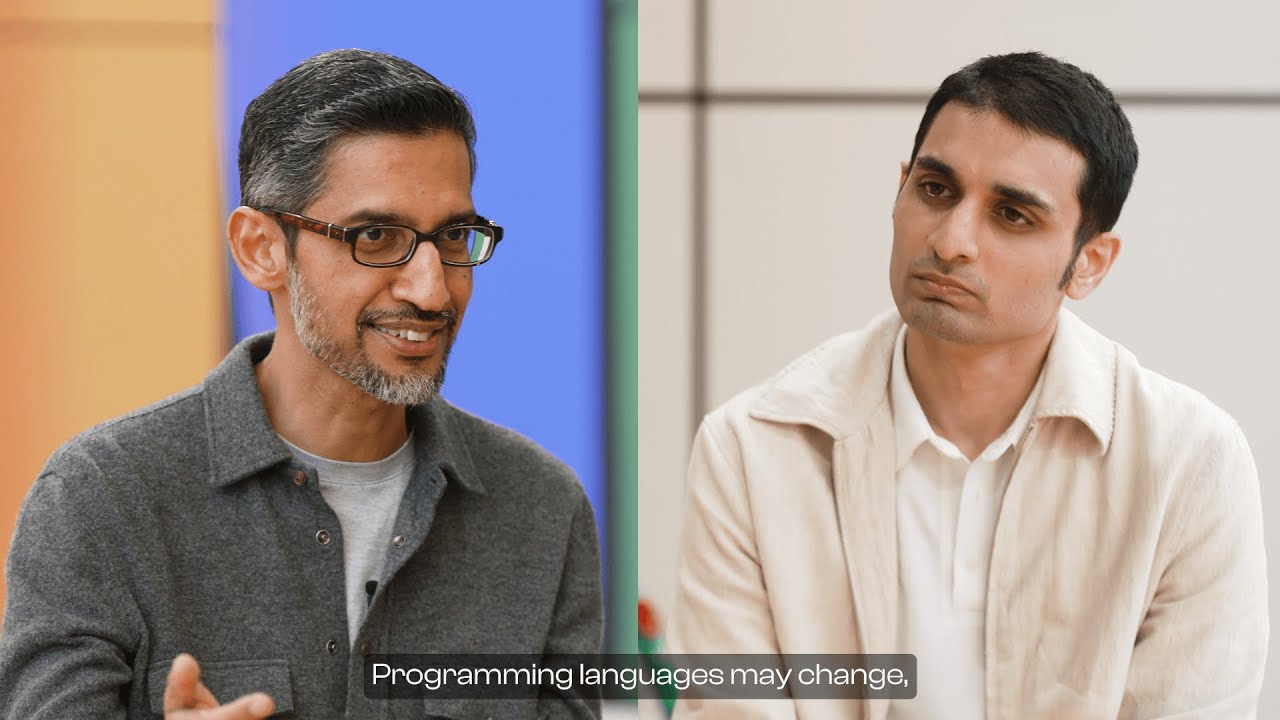
I'm Varun, and this is a show where we get really deep about the future of tech, entertainment and business. While other podcasts scratch the surface, I think it is important to meet the best people in their fields and go much deeper. Today, we have a really special guest from the Indian genAI space, Aakrit Vaish. He's the Co-Founder & CEO of Jio Haptik, one of India's largest AI companies. He started the company back in 2013, and in 2019, Reliance Jio acquired it in a staggering $100 million deal. Aakrit Vaish's story is more than just inspiring. Imagine being in a 9-5 job, wanting something more fulfilling and challenging. That's exactly where Aakrit was, like everyone working at a corporate company. But driven by his curiosity and desire for something greater, he left his job, moved to Silicon Valley, and successfully launched multiple startups. His significant moment came in 2010 during a visit to India, where he met with a lot of internet entrepreneurs and realized the untapped potential in messaging apps like WhatsApp, which were seeing incredibly high user engagement. So, he decided to innovate in this space. Fast forward to today, Haptik is revolutionizing customer support through their AI systems, managing over 1 billion monthly conversations. Checkout https://www.oneplus.in/open 00:00 - Introduction 02:22 - Early career and Founding Haptic AI 11:23 - Pivoting from Consumer Product to B2B business 14:18 - The process of selling a company for $100 million 22:42 - The future of AI and its applications 27:10 - Impacts of Generative AI on Jobs and Education 31:18 - Software Business Models in the Age of AI 35:31 - Observations from being both a Founder and Investor 37:24 - What happens to Software Engineering in next 10 years 39:31 - Aakrit’s experience being Investor and what the future of venture capital in India 47:11 - Cultural differences between Indian and Silicon Valley startups 56:08 - Aakrit’s insight as a Founder after being a VC 57:32 - Hot Take - Secret to Health Transformation 57:58 - Hot Take - Can OS be a Chat Assistant? 59:22 - Hot Take - Go to AI Tools 01:00:54 - AI today, Opportunities in Future, and AI in Education 01:03:38 - Parting thoughts
Оглавление (17 сегментов)

Introduction

and when I was being introduced to this other  person he said that me akit he's the founder of   Haptik AI they tried to build chat GPT 10 years  back and in 10 years this founder has seen more   than any founder I know has seen wow we built  an app that's a chatbot that can be anybody's   personal assistant why' you pivot out of that 10  years too early the idea of putting a Javis in   every single person's hand that actually does the  job really excites me how does it feel to actually   have a $100 million exit how do you sell a  company for $100 million paint the picture   for me they often say that any relationship the  foundation is important any startup the founding   team is important any sale the core motivation  is important welcome to yet another episode of   OnePlus open conversations today I have akit VES  who was one of my old investors he had invested in   my last company but the cool thing about akit is  the entire AI wave that's going on now akit tried   to build that 10 years ago but more importantly  Aris built a SAS company which is a software as   a service company basically he sold software to  other companies in India it's very rare to   build and sell SAS to India arit done that and  he sold his last company to Reliance Geo for $100   million today is going to be an absolute master  class in this masterclass we're going to learn   step by step how do you sell a company for $100  million if you are worried about AI what should   you do if you are a product manager or a software  engineer how is your role going to evolve over   the next few years and most importantly we are  going to learn where the opportunities are how   venture capital is going to evolve because arit  an investor himself we're going to learn all of   these wonderful things in today's episode  so once again I welcome you to OnePlus open conversations sakit this is a picture of you  oh that's like me yesterday day uh or last last   week rather when I was in front of the Golden  Gate brid same no difference I'll tell you the   difference the difference is your jawline  you probably lost quite a bit of weight you   look older here than here oh my God you're really  being sweet to me today man no being this is way   of welcoming and getting guests warmed up on your  pod this is the truth so akit firstly how does it

Early career and Founding Haptic AI

feel to actually have a $100 million exit what's  the path what's the journey from you know your   perspective you know after a few days the number  just remains just that which is the number I think   uh most Founders uh will tell you that it's not  something you ever think about maybe a few days   after the deal is closed and the release is out  and the part is over you know it's back down to   uh doing what you do best day to-day which is get  back to work you know in terms of the journey um   you know there was somebody couple of weeks back  uh who was introducing me to another person person   and this person who was making the introduction  has known me for a long time and has been close   to me in many ways and when I was being introduced  to this other person um he said that me akit he's   the founder of hapte AI they tried to build chat  GPT 10 years back and in 10 years this founder   has seen more than any founder I know has seen  and the fundamental learning or the big headline   that should accompany that is 10 years too early  10 years too early but tell me this story I know   you went to the valley once you were employed and  then there was this some shift some big shift in   your life what was it look I always wanted to uh  run a business is it because your parents were   yeah so grew up in a business household uh the  only child um so that just basically is what I   grew up around it felt like the only way of life  to be honest uh people want to become cricketers   artists people want to make  a lot of money I just wanted to run my business   uh like that was always the idea after college  uh when uh I moved to San Francisco um I moved   for Consulting not knowing you know what the hell  I'm going to do can you explain Consulting for the   audience I was doing technology Consulting um  the formal way to explain it is that uh for uh   large companies uh looking to um Implement and  integrate uh technology within their business   processes so Implement software uh think about how  to build digitize their business is there a time   where dig Iz ation wasn't a thing 20089 so was  just starting out I mean mid midpoint of kind of   getting there but everybody was in the zone of  we have to become digital so that's what I did   but that turning point was within a few months  I realized this is not my calling it was not   too long I think within two or three months I  realized and I'm not referring to Consulting I'm   referring to being in a job I think because I grew  up in that environment I went to college at ufi   University of Illinois abana champagne um which  is a very entrepreneurial University of its own   YouTube yoube came out of it PayPal Mafia large  part is from there and many other companies um   so just within a few months of working I realized  just being in a job structure corporate setup is   not really what I want to do but luckily I found  myself in San Francisco interesting what led to   the birth of haptic so I was in San Francisco and  um I figured that I want to run my own business   that's clear while I'm here this Tech thing feels  interesting big thing everybody will tell you most   Founders and most somewhat successful people  timing matters a lot of where you are and what   you're doing I happen to find myself in San  Francisco in 2008 and 9 when the App Store   just launched the iPhone app store that is not  the GPD store that launched last week the iPhone   app store it's almost like you're seeing the same  old thing again and again like companies want at   that point want a tech consultancy now they want  AI consultancy apps new app stores Bor so it's   almost like but this time you have so much more  experience and capital to redo it yeah and   that time when you know the App Store was blowing  up so I said that look this mobile app things   things interesting so I basically decided to join  a company early stage startup with the idea that   let me learn how to build a business and what the  company was doing was we were providing analytic   software to other app developers and a bunch of  our customers ended up being messaging apps and   I don't think I've ever told you this some a lot  of people know that but one of those customers   back in 2010 was WhatsApp so being on the inside  to the company week on week I was seeing messaging   just blow up this is 2010 um and there were  there were nine other apps like WhatsApp by   the time at that time by the way and all of them  had similar engagement rates you know you WeChat   is one popular one that we know but there was many  others yeah I said this is insane right the kind   of Engagement that's blowing up and that idea just  came to me that look if there's so much engagement   on messaging when it comes to peer top there have  to be Business Solution solons built for this over   that next decade and that's what germinated the  idea of HCK and did you go out and raise money for   it yeah immediately or did you take some time  build out the product this is 20123 um we are   right now in uh Bangalore where I'm just coming  from indan nagar where you hop a block in A Street   and there's a VC fund lining up to give you money  as even as an early stage first time founder even   back then it wasn't the case that's what  I'm saying that today's this is what you talking   about is very different 12 13 it the process was  very different you didn't make a deck and said   now I'm going to go find an investor you made a  deck and said okay listen how I'm going to build   an alpha right where am I'm going to get like my  100k from to build this out luckily we had savings   both of us so he invested some of our Capital  built the first version of the product out and   raised capital I think about 9 months in how much  did you raise a million 1. 1 interesting which was   by the way a fairly large round that time uh just  for a 9month old almost product uh company it was   uh it was like oh my God why do you need so  much money and what did you build first it'll   sound familiar we built an app that's a chatbot  that can be anybody's personal assistant wow wow   interesting why do you pivot out of that 10 years  too early tell me a little bit about that timing   like I think this is something I learned myself  I think in the last couple of years right timing   is everything with the startup there's there's  things where you can jump on the bandwagon when   the inflection point is just going up and you  can reap all the benefits of that industry just   blowing up and the consumer Behavior changing did  you think timing back then or were you just like   I this is something I really want to build young  mid 20s and sometimes I feel that's how Founders   should be don't think about all of these things  so much but sometimes I also think that the best   Founders make those smarter decisions so short  answer is absolutely not we W thinking timing   we W thinking Market size we were thinking IA  cash flow cap we were just really excited about   the problem and to be honest with you  I'm still am right even till date the idea of   putting a Javis in every single person's hand that  actually does the job really excites me which is   why look the last year and I don't talk about this  often and that's why when you called me about this   I said that look this might be a good way to  finally be a little open and talk about it you   know just imagine when chat GPD came out and when  I first got my hands on it like oh my God like   there were parts of my body that were trembling  right because when we started out that was all we   just wanted to get this out we just wanted 100  people to say I love this interesting and it's   so strange right like it's N Out of 9. 9 out of 10  people who would have a $100 million exit would be   in Hawaii sipping I don't know coffee let's say  but you're here my ties yeah you're here you're   not settling you're never settling in a way and  you're sitting here and you're you still want to   build the next thing you still want to power the  next thing where does that come from is that DNA   or is it something where you've done it for 10  years so you can't stop I think it's a little bit   of both but I'll give you my version of it I think  it all comes from that desire or ambition as a kid   right like it was always this is always did your  parents install that in you or is it just like   you consumed that kind of media on TV or whatever  um I think it was uh surroundings upbringing uh   peer group I got fascinated by Sports very early  even till date like the literally the only thing I   would save my 2 hours in a day for is watching  a great sport came there three or four sports   that I'm a big fan of I wouldn't trade that for  anything else that competitiveness was always   there like I love the idea of being a winner and  because running a business became my passion it   just is what I've always wanted to you became  extremely competitive about it and it's just what   I've always wanted to do right like I I joke  about this that if I if somebody told me that my   passion was at one point to become an artist and  paint maybe that's all I would do for the rest of   my life so which is why when you ask me about the  number about the money and number it's like a   point system it's like that Sports analogy doesn't  you achieve a score it doesn't mean anything it's   the outcome of something that you've done but  there's so much more to achieve no I'm saying   and the good and sometimes a bad part about this  game you're playing is the there's an infinite   leaderboard it never is going to end so it's a  question of you have to at some point decide for   yourself and but you know too early in life to  try to think about those things right now back

Pivoting from Consumer Product to B2B business

to haptic so your personal assistant didn't work  out you pivoted where do you find pmf where do you   find product Market fit where did the customers  start paying money what did you build that   the customers started paying money for so you  know it was very interesting um goes back to the   earlier point I was so obsessed by this personal  assistant idea that I kept going at it we raise   more and more money fortunately I think uh even  even back then I think you know i' I'd like to   think I was good at raising Capital like you know  this I also invest now right I don't think I'd   invest in me as a business uh but I think I was  good at convincing people that something will come   out of it so we kept raising capital a few years  in most people in the company saw that this is not   really going to work and at the same time there  was a parallel uh set of companies emerging which   was the B2B version of what we did give me a white  label personal assistant which is these chat Bots   that you now see on your web app and WhatsApp this  was happening this was real time happening there   were companies emerging globally in India and you  know my team te and those around me kept telling   us that you should do this now I was literally  the last man standing saying we're not going to do   it I don't want to do it there's still some legs  let's try this we did like you know side po topic   but we built two other apps by the way on the side  right which nobody knows about because we released   them for S days only one of them was called Rambo  because we thought that let's give this personal   assistant a character so we did all of that right  I was literally the person standing to say we're   not going to go down this road we're not going  to become just another software company so here's   what happened basically you know because our  personal system became somewhat large enough there   was a lot of the brand managers and cxos who were  using R so a couple of them came on our website   and filled the form saying I want to talk to a  Founder who of this app I want a v Lael version   from my company so your consumer product made  no money but built a brand which you utilize to   sell B2B products absolutely spot on interesting  and you have summarized this really well I didn't   understand what was going on that time in this  way I just thought that some people are reaching   out to us and by the way you know it was  a funny anecdote the first two or three you know   like the team came to me and said somebody from  very large Enterprise has reached out I'm   not going to talk to them we don't we're not going  to do it like knocking on your door prevailing to   pay you $3 $40,000 but one day somebody called me  a really large fmcg brand and they said uh that   we found out about you we are in uh Mumbai  next week the head head ofal is coming   uh and he wants to really meet you I said okay  look this I have to take and I have to go meet   if nothing else I'll try and find a monetization  angle for my am and that's when it sort of started   interesting tell me about the exit like how  did that process happen how does it happen how do

The process of selling a company for $100 million

you sell a company for $100 million how many  conversations is it do you talk to multiple   people like paint the picture for me okay let's  start with the basics right so I think the first   bit they often say um that any relationship the  foundation is important any startup the founding   team is important any sale the core motivation is  important you as a company and as a Founder you   have to be very clear about why you want to do  such a transaction and what's in it for you   after this the person  coming in those things just don't happen it's in   some cases they do um like everybody talks about  these Infamous Instagram and WhatsApp Acquisitions   that they just happened but if you look below the  details and there was a lot of you know recent   leaks around this there was a long process behind  actually how it happened there's a lot of thought   that actually goes behind it just doesn't you  know it's not a case of like I just happen to meet   somebody right so where I'm going with this is  uh once we pivoted when the B2B business started   scaling um we thought that there's something  here but uh we also realized that if you want   to really play this AI game at scale we have to  find a different way to do this and we started   looking uh for versions of capital I was fairly  clear I don't think the classic Venture model may   work here because this is a very long game in this  AI world and that's what's proving out today so we   started thinking about what are our options we had  comfort you know we had enough capital in the bank   so that luxury was there and we said that look  you know I think I'm going to be open to strategic   options but I made a list and there were only  six companies on the list these are the only six   companies where I think something strategic we'd  be open to and Gio was one of them why were they   one of them this was 1918 they are just Telco was  killing it and they just started thinking about   what their internet software conglomerate play  looks like we had some hints in terms of what's   going on they had just bought this company called  savan that time the music One um and   it almost fell to me like this would be a win-win  where they would be looking for a technology or a   partner like this and for us it'll give us that  platform to really scale and then after that uh   I think I remember telling you this once upon a  time it's an Enterprise sale so you map out how   you're going to get in touch with the right folks  for all six companies by the way right so you did   this cold no it's an ed price sale right no in the  sense the your first conversation was it wasn't   like an accidental conversation it's like you you  had a plan in mind I had a plan of mind I had a   plan of mind and the plan was to map out who the  right folks are and also the plan was to go in not   saying that that's what you want but to go in and  say we want you as a customer P step one you you   met somebody let's say at a party or you got their  WhatsApp number you started chatting with them no   step one was um mapping out who the right people  okay you mapped out all the right people step two   was okay at all the six companies so you so you  started reaching out to each one of them one by   one you send them a WhatsApp message referral  like I said Enterprise sale right Enterprise   sale if you're selling SAS to Enterprises 100 100K  plus you're not going to cold call is   going to be like there's 100 people to reach out  to you right you're going to find more creative   ways to do that so you ask some powerful  networker either you're investor or somebody you   know to give you an intro okay then you got the  intros then you went did a meeting with them did   a presentation saying hey here's why you should  use haptic uh as a customer and then how did that   conversation pivot from customer to buy you know  that's let's think about you buying the   company so this is where I had enough confidence  and intuition that I think once we map out the   right folks and we speak to them at the Strategic  customer level they would be interested in doing   something more and one or two of them would come  to the table to say and ask the question at least   what are your strategic plans you waited for  them to tell you hey maybe this is something   interesting we'd like to you know probably buy  this correct and what happened in the case of my   ultimate investor and buyer is that um we didn't  even have to wait for the meeting for them to   ask the question so what happened is the person  who made the introduction they got back to that   person saying look I want to meet them but only if  they're interested in doing this so it worked out   fortunately for us that the context of the meeting  got set up even before that and so then we got the   question asked back again that look they're open  to meeting you but only if you're interested in a   strategic opportunity and roughly how much Revenue  do you need to have maybe you don't want to reveal   yours but in general how much revenue do you need  to have for a GE to open their person 100 Mil   look this is where things are very different  right there are three types of m& as that typically   happen distress sale uh where uh typically you're  looking to buy the team merge them into the team   and see what happens second is um business based  sale um where you look at basically okay look   here's a revenue here's a multiple and now the  idea is this can become 10x I'll get my cash flow   after 7 years the third is um which we fall in  the category of is the product technology and the   vision sale which is basically saying that look  there's something interesting here there's a great   team there's traction there's a solid product  so Instagram YouTube WhatsApp also fall in that   categ they're betting on the potential of yeah  they they're betting on basically how large it   can become and more importantly it's timing I need  to do it today right I need this now I can't wait   another few months or a year it's also a little  bit of somebody else may get it and that creates   more issues for us it's also a little bit of these  guys could themselves get there so why lose out so   we fell in that category now once you're in that  category then it's art then the math then it's not   revenue or money and how long did that process  take from uh you know I know I'm getting very deep   into this but I think this is like as we were  chatting this feels like this is a master class   like nobody has seen nobody knows the internals  of how a, CR exit happens so I think that last   piece of somebody just signing the papers and  the money being wired how long does that take   I'm sure it was in tranches and stuff and it was  more complicated but what's the end date where you   knew okay I'm done you know in this third type of  U transaction where you're really betting on the   future so there's a couple of things right so  first I want to caveat one thing and goes back   to again the similar examples of using whether  Instagram YouTube WhatsApp in all those cases   all the founders stayed on for a long time after  that to continue building so even today right it's   been a while and there's often this question I  get asked that what's kind of the idea   why you and I was just answering right before  this right I'm still very much in this to build   because there's so much more to build and I have  the best platform available today with the kind   of partner that I have um so the first bit was the  uh my investor or the buyer looking in I to I and   really getting that from me that you're going to  build this with me this is not an exit this is a   start once that alignment happens it's almost like  and that you cannot fake that you really want to   have to do yes that you cannot that anybody  will catch any smart large company especially the   likes of Alliance will know when they talk to  you that is are these guys missionaries sure at   some point they may want to do something else in  life we're not debating that right they are they   going to be for 20 years no right but they're in  this to build and if we don't succeed that's fine   nobody's going to complain but we but you need  to know motivation so it's strange that even at   a thousand crores what companies are looking for  is still the motivation of the founders coming in   because that's the type of sale we were in if this  was a business-based sale where it was a multiple   of Revenue growth then it it's Les then it matters  lesser right then at that point the business on it   it's good on its own and in that case honestly  sometimes it's revers where actually then invest   and buyers want professional stent if it was a  distress sale very different then you're looking   at as an employee then basically they're looking  at you and saying that look okay look where do I   fit this guy in but because our was this that's  why the multiple went out right so I don't even   want to talk about the revenue because it doesn't  matter okay so now this is the only question about

The future of AI and its applications

the past in the entire thing and there's a reason  for it okay I wanted to make this all about the   future I want to make this about AI you've  been around for a long time you've seen all   the versions of AI that could have been but never  were but the question I have is you've been doing   chat Bots and the OG version of chat Bots released  a few years ago was the dialog flow version which   to the audience is I ask a question then the thing  will respond with the menu choose from one of   these four options then I choose one of those  four options and then it says okay here's the   next step so it's almost like there's a tree right  and you go through one of those conversation Parts   but now we have generative AI we have something  that can talk to you like a human being what do   you think is going to happen to the behavior of  users do they want these things do these I mean   I'm just going to use the word assistants do  people want assistants I know open has put them   out but is that a gimmick or do you think that's  actually going to be a reality okay let's unpack   your question a little more right so you're saying  do people want assistance yes absolutely but I do   think that assistants are going to have their  flavors one of our big learnings coming out of   haptic V1 the personal assistant was really people  what people want is actually search to be better   that's an interesting Insight what does that mean  everyone wishes I could have my secretary version   of assisted like book me an appointment do this  do that but I actually don't think people as many   people want that I think that's very limited to a  very small segment of the society and by the   way this holds true for the us as well I think  the M the larger world or population is very   happy doing it themselves and honestly apps done  a great job at doing transactions and workflows   right I think what people want is when they are  curious about a topic or a question or they want   some information links are not doing enough for  them so if I to rephrase that it's like instead   of zato saying I will book the order for you it's  more like sure but you would prefer zomato to tell   you what I want to order absolutely right so  I think that Discovery experience I know you   pretty well so I think you'll order butter chicken  tonight something like that simple man I mean I   was playing around this I was asking the same  thing the other day I was trying to order food   and I said why can't I just ask a question that  what are the healthy restaurants around me that   have recently opened that have been rated well  that's literally my problem statement nothing   else I won't recently open cuz I'm tired of  ordering the same places we spoke a little   bit about health and we'll get to it so Sunday  evenings usually I have no carbs right but I   also don't feel like eating at home uh and ratings  matter to me I just want three options that's it   and then the transaction is fine that's easy zato  made it so so so simple to just transact   even the OTP is also automatic everything  is so simple right so why would I want to tell   somebody place an order for me and I'm happy  tracking it happy looking at it so I think the   my take is opportunity for assistant lies there  funny questions right do you think there's going   to be a version of a make my trip that is sitting  on WhatsApp that might do better than make my trip   or maybe even make my trip goes on WhatsApp cuz I  find that very convenient by the way I wanted to   just ask this thing where should I fly what's the  cost going to be thanks book me tickets you should   answer everybody should answer this question  in the same two lens of surface and ux just   because mobile happen and mobile apps happened not  necessarily every type of use case and product or   transaction was rip for mobile app even today  um I don't know the numbers but my assumption   is that largely apparel d2c e-commerce is still  very web driven and mobile is a good mix but a   food delivery and a cap booking is inverse like  VAR anything on the web you pretty much do the   whole thing on mobile apps holiday Planning by the  way make my trip clear trip majorly again lot of   web traffic CU especially when you're booking like  expensive hotel no also when you're booking   expensive hotels you know what's a typical hotel  booking Behavior right you and your family sit   down discuss you search you look at each other you  make that plan so a lot of it is at least again   on web so similarly is how I would think about  these things I wouldn't think of this as at least   when it comes to uh Commerce and transactions you  should just think of this as surface and ux which   is wherever it makes sense and the best way to  discover it is again by doing it and experimenting   and learning what happens to people in Customer  Support cuz there's still a huge section of people

Impacts of Generative AI on Jobs and Education

that are sitting on the back end of these WhatsApp  chats or on calls um they weren't too impacted   by the last layer of let's say A you know tree  based conversational systems what happens now I   I've been asked this question now for uh the full  decade right and for 9 years uh my standard answer   was the following I'll answer what my answer was  and how it changed my standard answer was what   will happen with chatbots to or AI to customer  services what happened with banks and ATM which   is that the most common reason in the '90s you  would enter a bank was to take money out you would   stand in long lines wait and long lines it was  a terrible experience uh tellers were frustrated   they didn't like their jobs just going to  a bank was painful when ATMs came now going to a   bank is actually a great experience not to wait  in lines too long it's there's enough space to   sit wait the tellers still remain but they've been  upskilled now they're handling more complex things   ranging from you know my checkbook is lost to I  need to change my address to tell me fixed deposit   schemes and the spending time with customers and  customers they're not doing the routine thing so   for 9 years I was my answer which is that's what  the answer of AI to customer services which is   the people will remain but they will just do  a lot more interesting work for the consumers   and that means overall consumer experience will go  up yeah last year but you got to like just accept   fundamentally that now even some of the more  nuanced stuff uh generative AI can do really   really well um and I do think now the next  few years uh if I am a customer support agent or   if I run a call center if that's a field I work in  I'm up Skilling myself right now my job is going   to be impacted it just feels like there's going  to be such a fundamental shift and you know I   had a question for you that would be further down  the stack but I want to bring it back up is how   should College change now it's not just this field  right it's like 5 10 20 different fields that are   starting to get impacted by this someone's going  to call us today to do something that you feel   will be replaced by AI in 3 4 years and college  is still doing things the old way should that   evolve what are your thoughts there seg from the  customer support question the reason why I think   that is we're going to see that impact sooner  than later is because that's considered a cost   center you lose money there so wherever you think  that this is something I'm not investing in but   rather um losing money on as a cost center those  are the things you start thinking about first on   the other hand now let's take college for a second  right College an investment whether it's a parent   whether it's a child it's an investment you're  making into your future so people will still pay   for college 100% And the nature of college will  change that what you do inside change fast enough   absolutely I think schools will change fast enough  they have to right but I don't think you know the   best colleges fees goes down I don't think the  uh premium professors or teachers will teach for   lesser will teach for lesser or do any different  work they will just use these tools a lot more   because that's an investment I'm making towards  the future and for me to change that behavior   and say that look now I'm you know a Chad GP  is going to teach me all the concepts that's   very far away it's strange because a lot of  people the first attack Vector for a is like Hey   College is still teaching old stuff you don't go  to college to learn you go to college to buy an   insurance you have a degree so you know that worst  case scenario maybe it's useful degree reputation   name CV a girlfriend po poity contest  everything right who was the for The Three Idiots   experience but you're not Rancho right you're not  there building rockets and most people are not at   least most people are going for checking the boxes  of Life off right and uh so no matter what you   do I still want that and by the way you know what  even better now I want those check marks and on   the side I'll learn from CH GPT cuz that's much  easier so now I want to talk about software of

Software Business Models in the Age of AI

service I've done a few stints in software as a  s I've done it multiple times um I've noticed a   difference between when I did like four five  years ago and very recently which is that I   think something is changing in software okay the  most recent experience I had we built like these   three tools we built them as experiments we built  one called Alpha CTR which is a fine tune model   for YouTube thumbnails then we built we put chgb  on WhatsApp we were just playing around then   we was fun yeah that was fun God right what was  it God In The Box yeah it was just   the most random name we came up with and then we  did one more called auto code Pro which is text to   code but I have a question here okay the question  we are seeing or the thing we are seeing is a   Del 3 that comes out tomorrow is going to be far  cheaper than whatever I produce because they've   raised 100 Mil they can afford to be cheap  and when they put it on Bing it's free right   same with CH gbt for a long time gbt 3. 5 it was  still paid today you can get it on the phone free   I started to learn that your competitors can stay  free longer than you can stay solvent and they've   raised hundreds of millions of dollars some in  the billions and I also have seen that the way a   senior sales rep uses a CRM which is a customer  relationship management platform and the way a   junior rep uses it is very different the junior  rep will go and manually type in whatever you   know price a senior person will tell the junior  guy or will tell his assistant today this deal   came updated and I feel like everyone wants that  my thesis on software is that it's not true for   all software but software is a service and small  generic niches of software service either the gaps   are done somebody's already won that and they're  going to put AI in their thing or somebody's come   and they've raised a billion dollars now the price  to play is a 100 million a billion dollars and you   got to stay free for 10 years to dry out everybody  else am I being overly pessimistic I think you're   hitting upon a lot of very valid points and  there's a lot of just overall thought being   going around this in the ecosystem for the last  few years let's break this up okay so let's now   let's talk about a few things so first one Trend  that's happening is which is related unrelated   over the last 10 15 years too much software got  built there was an over sfic if that's a word way   too much because it felt like a low barrier of  entry low barrier to entry everybody wanted to   do s you the first wave of SAS that killed it on  the public market so everybody thought they could   do it spreadsheet to software was becoming easy  Cloud wave Enterprises CIO where everything Cloud   everything Cloud they kept think they felt  Specialists are great we'll bring in one software   for the CFO one software for the chro one software  for the CMO we'll keep doing this you know and   suddenly you know in the sort of liquidity crunch  of the last two years when everybody woke up   they're like oh my God I'm using 36 software in my  company what am I using this for and I'm spending   $100,000 on each of them so you started asking the  questions then you started asking the questions   that first an Roi and then the bigger question  that got asked is why can't this software do this   as well this software also has these features  right so why are we using two things then the   third question got asked we using 36 things do  they talk to each other no everything is there is   all over the place so the first big Trend that's  happening is bundling of software which companies   like Zoho have done pretty well Zoho is absolutely  the Rockstar at it right fresh works of course is   doing a lot of it uh honestly you know um uh the  next version of what we are imagining haptic also   to be is a little bit of that right we want to  bundle in a lot of different capabilities um so   that's one big Trend we are seeing everywhere  which is linked to what you were saying right   like so if you build a very Point solution tool  particularly the Enterprise you know it's not   going to find much take because you have to have a  larger problem statement to solve the second thing   that's going on is because of AI and because of  the low barriers to entry in SAS in general what's   becoming more and more important is vertical depth  you just can't build any of the tool now in fact I   was just having this conversation with somebody  right before coming here which is you know even

Observations from being both a Founder and Investor

as an investor now I'm Shifting the way I think  about founding teams a few years back it was like   okay look let's find a great technologist a great  product manager who can build an amazing product   and we'll figure out how to package it and sell  it now it's different let's say I'm looking for   somebody who understands a domain really really  well and who has somewhat of a product or Tech   person with him or her it's interesting use the  word somewhat of a tech person it's like you're   an investor as well so for most people that don't  know akit invests through an entity called po uh   when you say somewhat it's strange because VCS  have always said that there needs to be a solid   Tech person you know like 10 years of experience  or whatever even if it's young needs to have   hacker mentality the somewhat word is very strange  I'm talking about where I typically come in which   is inception stage I'll say some by what I mean  somewhat means there's a domain expert   who says you know I have this friend who's very  good but he or she is not on board yet I'm okay   with that you know I'm okay with taking that risk  to say that halftime person will build the   first version of the product and then a later  stage investor will come in when at which point   we'll be able to afford that person wow that is  I'm also okay to say that look I'm working with   you know a third party entity to build this out  initially prototype it but I know this problem so   well I'll do it at the stage I'm coming in so a  typical VC who will write a larger check maybe   not and absolutely not they want like no I was  thinking is there maybe the reason you using   somewhat I thought maybe there's some fundamental  shift in how we're looking at a CTO or somebody   who runs techn no no I'm looking at it more  from a perspective of what was mandatory and   what is not like it's mandatory still but again  you know what used to happen F till 3 four years   back was exactly like even at the stages we come  in unless as a solid product person you're not   even talking to the person but now it's different  like as long as a domain expert I'm interested   in having that conversation and what happens to  software engineers and all of this the Paradox

What happens to Software Engineering in next 10 years

is on one end I see conversational assistance  new types of SAS a lot of old sasses that went   after specific markets dying at the same time  I'm seeing front end engineers build the 10th   front- end framework is this a principal  agent problem first question was what happens   to software engineers and all of this I think  software engineering as a profession is only going   to grow for the next 5 10 years I think it's going  to become even bigger I am not one of those who   feels like software engineering at a score will be  replaced by just AG agents or co-pilots my friend   once told me something very interesting he's  like code may die but engineering will never die   absolutely very different things  coding and Engineering are completely different   aspect it's strange um you you you're very  bullish as a product person you're very bullish   on an AI agency and I heard this quote somewhere  I'll just you know I'll tell you the quote it is   today the most amount of money will be made being  a Services Agency but having a product doing the   work behind the scenes is a weird thing like we  never had this option A decade ago right uh why   are you so bullish on the AI agency you know I was  going to answer that as part of your last question   about SAS going to zero and I was having this  amazing conversation yesterday with one of India's   best ever SAS Founders where we were both talking  about the same thing which is that one of the ways   to scale a SAS business and to maintain customer  stickiness maybe to build a Services layer because   that's also what builds domain expertise  vertical depth builds   relationships well more than that you become so  good about the business about their business but   your customers business and actually that's what a  Enterprise wants today so I feel like um this ties   into a lot of the themes he spoken about right  that I think vertical depth building some sort of   a Services Consulting layer that really solidifies  your vertical depth and builds the customer   stickiness and that's I think what a version of  SAS might look in the future I think these are not   going to be necessarily low Mar businesses anymore  because you'll mix and match and these will still   be 7 80% gross margin businesses so AK you've  been an investor for the last few years You'

Aakrit’s experience being Investor and what the future of venture capital in India

started doing it very seriously in the last year  or so uh you and Main Main's from Ked have   in invested in my last company you've learned  plenty of lessons I'm sure because it's been   a great market and then a bad Market tell us some  of your learnings incredible man uh especially the   last two or three years um it's been just amazing  to learn and I'm in a way very thankful that   I got to learn so much I think the fundamental  of it which I was talking to you on earlier um   you know today was the realization for all of  us as an ecosystem that way too much Venture   money went into the country the ecosystem of the  country just did not have the appetite to take in   so much Capital what does that mean the markets  aren't big enough to Warrant so much Capital so   there not enough Spenders for the investment money  that's coming in yeah the full cycle right like   just think about economics or just the flow of  money which is money comes into a company company   builds a product sells it to somebody they pay  them profit gets generated they pay it back that   paying back and the profit generation the depth  was no it wasn't there everybody overestimated   it to a great degree now why did this happen  Global wave interest rates were low so as a   result Capital was cheap so you said that look  I'll invest and I'll invest for a long time so   it was all longterm right the whole idea was that  if I invest in 2018 the market will catch about   25 the moment interest rates drop you know that  becomes a challenge because now suddenly every   company's getting valued on profitability and  cash flow uh so that's one the second which is a   little bit more um maybe contrarian to some degree  and something I've really been spending a lot of   time thinking about is so if you think about pure  Venture VC uh and look at last 50 70 years right   from when Silicon Valley started this was the  reason for VC to exist you will bet on an early   stage technological innovation you will give it  some seed money then maybe you will give it more   money till the point that technology reaches a  stage where it just takes off and is inflection H   inflection means like a suddenly the numbers start  going up let's take the IDE of a social network   right you'll go few colleges five colleges this  that but then it won't be a linear growth curve   it will be hockey stick once you open up countries  cap booking sort of can be similar um you know um   content social all these plays right in India most  consumer companies have been online versions of   offline businesses H which don't have what you  call a technological innovation of some type   got it so they anyway skipped the original  thesis of when Capital right now but you if you   invest Venture money you want them to have hockey  stick gr growth make a, crores in   Revenue no no, CR in Revenue will happen it's the  inflection point growth you want every business to   follow that pattern but that's not possible it's  it's inherently the business model cannot allow   that the only difference between let's say an  offline store selling uh home decor and an online   website selling home decor is just the touch  Point you're paying rent offline you're paying CAC   online customer acquisition cost the tax to Google  and Facebook but otherwise it's the same the same   consumer is buying it sure convenience can be  debated but it's not that much uh you know it's   the same wallet that the money is going out from  so how does it make any difference so and where   will that business ever find an inflection point  what's going to happen suddenly overnight there's   no Technology Innovation there's it's not as if  you're building something new in or in the core   product that one day is going to reach a point  where suddenly everybody will buy it and that if   you just think about most fintech businesses that  are lending businesses same so then investors lost   money uh saw that this didn't pan out now what  happens are people going to leave the industry so   no so look I don't the conclusion are not necessar  right investors lost money this didn't pan out so   there's a lot to unpack there so first is um it's  not as if investors have lost money right it's   just that that's happened that your valuations  aren't getting marked up to the level that they   are supposed to and they are at that same point  and it's all paper anyway it's not as if liquidity   has been to that greater degree um at the same  time lots of companies have gone IPO so there   has been liquidity generated investors have made  money so investors lost money is not accurate as   of this moment it's still waiting to be played out  of where this goes what happens from here on into   your question of how this changes I think that's  part of my concern if you ask me honestly is that   even this year as an early stage investor we're  not seeing a lot of VC Behavior change they're   still investing at super high valuations for yeah  the valuations are still continuing to be high in   lot of cases um you know as a Founder maybe I  don't complain right but wearing the investor   hat you know that's some sometimes concerning I  think it hurts Founders many years down the line   for sure 100% because they can't raise after that  and then you have all the expectations sitting   I feel this early stage repeat founder valuation  thing is becoming a popularity contest can you   explain that for the audience basically what's  happening is that I am this founder I sold my   last company for this price so I should get my  next company this much money at this valuation   and that's becoming like a scoreboard I'm tracking  against everybody else is it happening often very   often it's a reality nobody talks about it so  your valuations are dependent on what you did   in the past and very little on the Merit of  the current business because these are all   pre-product companies it's all driven through a  lot of like ego and like I said just you know I   need to get this much money because this is what I  deserve uh and obviously you know VC even the VCS   will admit it even I admit it as an early stage  sometimes it's driven by foro right that okay   look these are some solid Founders somebody else  is backing them you know what if I miss out um 25   30 35 million valuations for uh repeat Founders  operators are still becoming common which doesn't   make sense to me uh some of these will work out  but a lot of them won't um and just the thesis   doesn't make sense because at the end of the day  if the business is still in offline store I don't   get it there's something that maybe I'm missing um  but I don't get it it's not how do you fix this I   think um fixing is always happens through learning  everybody will learn over a period of time either   what I'm saying but you're saying VC behavior is  not changing they should have I mean it's been now   some time right yeah eventually at some point it  will and at some point things will change at some   point or maybe they won't maybe I'll be proven  wrong maybe there'll be lots of these companies   that'll get built everybody make will make a lot  of money but to me this doesn't feel like what we   see what VC in its original Essence should and can  be see why do you think the valley is so crazily   excited about AI right because it represents true  VC newness that it represents saying that look   now there's going to be a bunch of companies who  are going to build pure technology right and if   it works at some point it will take off there's  hardly any examples of businesses like those in   India just go back 12 years 13 years you'll one  maybe or two maybe that you can think of that   tugged along tugged along and was  building a great product and then at one point   just took off because of an event or because  of a point and you've been pretty vocal you've

Cultural differences between Indian and Silicon Valley startups

had a you had a tweet on this that if you're from  India don't listen to Y combinator advice because   the rules don't apply right so just hear what I  said why combinator is giving advice towards the   business model that is that which is build  Technology Innovation and at some point it skills   the all of the advices towards that in India those  businesses don't exist in India You're Building   day-to-day linear businesses where you have to  worry about very different problems so it's not   that why commat advice is bad and it's not that  I'm against for something it's just factual which   is that an Indian the Indian market or the Indian  business doesn't lend itself to that advice the   best biggest by combinator advice is what focus  on one thing at a time H just let's let's   think about the best the largest companies that  have been built over the last 7 8 10 years they   didn't Kunal sha once said this that focus in  India is a curse if you build the problem is   the market sizes in each of these segments are  not big enough also the nature of business see   focus is important when again when if I was to  build if I was going to build a foundation llm   I can't do anything else I should only be doing  that but if I'm building you know back to the   example a home Deco brand or something in that  I absolutely multiple categories otherwise I'm not   even going to get the customer in the door and  it's a very different nature of business follows   very different paths right honestly right and this  is something that's super different from what I   used to think when I came back and I spend time in  the valley I used to be very different from what   I'm talking about right now even the culture of  companies has to be different I don't necessarily   think that each business can command I'm going  to build a transparent Freedom driven culture   what does that mean if some businesses are very  operationally intense you cannot it's not possible   to quote unquote give like this liberalized  Freedom driven culture you have to show up every   single day do a daily standup the business doesn't  work on your key metrics every single day you have   to micromanage that as a Founder I mean you know  one of the things that we didn't talk about much   today but something that uh I rarely talk about  um but it's very become a COR part of my DNA just   fisty what I've learned through reliance H it's  the largest business India has ever created right   and just look at the Playbook it's all intensely  operationally heavy businesses that they go into   but does Talent hate that more than working at a  freedom YC type company might but the first   point of it is that the first starting point is  you have to be clear what talent hates more is   mismanaged expectations so if you're clear on  day one that this is going to be operationally   intensive that's the only way those business  runs and I micromanager this is how we work I   mean there's some absolutely phenomenal Talent  today that works at Reliance because they're   clear about it right they're clear that this  is how we work and here's what we get in return   return is look scale and all this  opportunity and all of that so it depends it's   choices but I think there's a lot right that's  goes back to the by combinator thing that it's   just very different the nature of markets  and what you're building I really wish one day   we can build a Tik Tok out of India for the world  I really wish we can build we've not built once I   mean I tried and failed but we've it's not even  one social media platform out of India the unit   economics don't make sense no I think Beyond even  social media right like whether it's foundational   Tech whether it is semiconductors well anything  right like foundational core Tech it requires a   VC to really bet big money on something that might  not work out absolutely big money small money it   requires Founders to go in that direction it  requires media to support it there so much   there's so many things come right a smart what  do you mean media to support it media last time   we were talking to somebody about this in the  US I was talking to usvc about this we having   a similar conversation he was like you know guys  you are sitting next to IIT Bombay which I know   has some of the brightest kids in the world are  you telling me that all of them on graduating are   going to build another SAS work for application  and another d2c brand not saying those are not   good to build but there's so much more they can  build right let's think of climate Tech such   a large problem I think we spoke about this once  upon there's so much to build there AI is there's   so much to do why are there not more kids trying  to build foundational models we'll see where that   goes but you know it's very easy to say these  things uh but to answer to your earlier point   about media the society and the environment we  live in doesn't make it easy for us you want the   media to celebrate people taking big risks instead  of you know laughing at them I don't think media   laughs at any at people taking big risk but media  definitely glorifies funding valuation above other   things and again it's not their fault it's what  we click on it's what you and I also click on so   I think it's a full cycle right like eventually um  it'll have to come through just lots and lots of   things changing over a period of time but by the  way Von I'm right now not saying for or against   that we should change I'm not saying that I'm not  necessarily saying you're saying that you would   like to see this I'm saying that for the nature  of work that we're doing in India today which   can all be very large businesses they can all be  thousand CR businesses the classic Venture model   is not what I think is the right model and you  were saying something about the classic Venture   model right you were saying that as a business  today you're either a SAS business or a Services   business or a consultancy or a Content business  these are all seen as different things but you   were saying you know a few minutes ago that this  is useful because you need to raise money you need   to fit into somebody's like every VC has a  thesis right some document they've written   about a space you need to fit that thesis at  least loely but you were saying that almost every   large founder who's got into a certain scale  is now thinking should I add a Services layer   consultancy layer should I add a  Content layer they're thinking like Reliance like   a conglomerate in a way why are smaller businesses  not thinking like that see look there are many   again uh many uh complicated nuances around all  of this and the answer lies in Nuance which is I   wanted to give you an example of a company called  nuans so there was a company called nuans which   was basically building um speed software they were  the gold standard in speech so automated telephone   Global us company not an Indian company they  were the gold standard in speech they started in   the early '90s they were a public company they got  acquired by Microsoft four years back in I think   12 billion public company acquisition but here's  where I'm going with this it's a software Product   Company out and out there's no doubt about that  if you look at their website on Microsoft bought   it for the way they got traded everything I spent  a lot of time looking at the company because we   were in Ai and all of uh to buy it or to invest  no um to look at it as a u inspiration for what   they've built right very large business many many  years hundreds of millions of dollars and so on so   I looked at it a lot so in the public companies so  I looked at the financials 84% of nuance's Revenue   was Professional Services H so they're an agency  with product doing a great work margins coming   from the fact that product can optimize it so why  smaller businesses don't do this or can't do this   lies again if you're back to all the things we're  summing up over here right that if you want to get   Venture funded there has to be certain direction  to follow but maybe Venture funding may not be   right for your business and to serve the customer  that you want so you have to make those choices as   a Founder but I've noticed this right when raising  Capital that you go to a VC they want you to fit   into a Theses you can't go and say I will build  SAS and then I'll build a Services layer on top   Content layer to bring in  traffic it just it seems too complicated they're   like hey there's a Playbook the so YY has this  right I think most Founders have spoken about this   in SAS which is the triple double first  year you grow 3x second again and   then two times each um but many of these uh  wec say hey that's the Playbook you have to follow   that Playbook now India s very few winners you  you guys are one of them right but I've found that   like Kunal said focuses a curse in India where if  you are building just one vertical You're Building   home decco brand that's only focused on let's say  mattresses I'm just giving you an example that's   not good enough you got to go broad but that's  not a story VCS will buy yeah and that's where   I think they need to change to be fair like some  of that is changing right so to be fair in India   particularly uh a lot of people are now moving  away from this idea that okay only focus on that   I think because that shift is happening quickly  because they're seeing companies the way they've   evolved and grown especially public companies  apart from this what is one Insight you've gotten

Aakrit’s insight as a Founder after being a VC

as a Founder after being a VC yourself what is  something now you do differently as a Founder   because you've been also been a VC I care a lot  more about dilution you care a lot more about   dilution why I think as an investor early stage  investor I've learned to see that look if I   invest this much then this company will raise  next this much and I can see a   path that by the time this is 6 seven years in the  founders will own so much and they lose motivation   no it's up to each founder but why do you  care about dilution then so it's up to each I'm   asking you I'm telling you my personal learning  is that because now I've seen that observation   across hundreds of companies and I've seen what  that add like what the average dilution or the   percent percentage holding ends up at after 3 four  rounds of capital that's what it's taught me that   I need to be a lot more careful as a Founder as  I think about my construct of cap table because   the averages are this much what does the average  come down to after four five rounds for a Founder   after a set of Founders right so after you know  series C right broadly the founding team is at   about somewhere between 30 and 40 points so  if each of them so if three co-founders split   three ways that's 10% each 15 maybe 40 45 to  series C I think by the time your unicorn is   down to a third so after I want to do three hot  takes with you I want to end this with three hot

Hot Take - Secret to Health Transformation

takes right uh number one you've had a massive  Health transformation right and you've you've   dropped quite a bit of weight in one line what's  the secret extreme perseverance which I think my   founder life taught me but the real secret is much  like a Founder you have to have a moment where you   are [ __ ] scared second hot take is there a  potential that the phone itself becomes or the

Hot Take - Can OS be a Chat Assistant?

phone OS like an Android becomes the assistant  interface like I mean I know phones are already   using AI be behind the scenes for example OnePlus  uh they use something called the Trinity engine to   do Ram allocation do you feel like the OS itself  is going to be a chat assistant like you just talk   to this and then it just displays what you want  yes but I think there's going to be versions of it   I think it's a ux problem more than a technology  problem I think like maybe what you're imagining   is we're sitting over here and you're just uh you  know the devic is down there and you're saying um   hey OnePlus um you know book me a cab right now  I don't think that happens right I don't think   so but I think can you pick up the device and  then maybe your default interface opens into a   chat interface and you basically say find me in  Uber and then an Uber app opens that I think is   more real interesting that's that's  but that's a ux problem right and I'll tell you   why look you and I are sitting talking to a phone  and telling it to book a cab is odd it's just it's   like socially awkward yeah right it's not it's not  a question of Technology just think it's it be odd   and imagine not you if I'm sitting alone somewhere  outside on the desk I'm   talking to my phone like people are going to walk  you know for a long time putting your phone in   front of your face taking a selfie was considered  socially awkward that's true what's an AI tool you

Hot Take - Go to AI Tools

use right now like how do you use integrate AI in  your personal life apart from the chat GPD I was   telling somebody else the other day that I think  I need like a tool to manage my chat GPT what does   that mean like I have so many threads on chat  GPT because I use it so extensively that I need   something that manages it really well so as much  as you would want a more uh extravagant answer my   answer is Chad GPT and Chad GPT only I just use it  as a phenomenal Search tool and it's also a great   sparring part now it's not so much sparring I just  think it's phenomenal at search I just think it's   phenomenal at and plus see like from what I do at  work there's a lot of email writing there's a lot   of uh fact finding there's a lot of research  involved in what other companies are doing what   the market looks like just everything just makes  it so simple creates your threads Stacks your   threads does so much um and do you use Char on  the phone yeah I use video voice all of those   I use Char voice that's amazing use it often voice  l so uh mostly text again this has becomes a great   uh partner I'm trying to think about you know if  I can give you uh if one more um   a smaller version of an AI tool that I use right  now uh is you know basically transcription over   Zoom calls H summarizing like a firefly that just  gives you even Loom does this pretty well there's   a company called win uh which is an Israel tech  company that uh I'm familiar with so we use that   it summarizes a document sends you meeting notes  sends everything that becomes very useful for me

AI today, Opportunities in Future, and AI in Education

right so last question you've been seeing a lot  of companies right two or three ideas you're very   excited about especially in AI which you might  invest in because this is like a small Segway   for the audience to probably reach out to you or  ping you and say akit I'm building this I would   still love to take another bet on the Javis some  version of that has to exist I don't know what   version of that but some version of my original  world view of haptic personal assistant today has   to exist I'm not sure if you saw the tweets think  open will win that no I think the some version of   it which is more functional right open is going  to win the search game I think that's what it's   going to but I think there going to be there'll  be some versions of like actually completing   tasks or versions of tasks so I think something  on those lines and you know the couple of guys   in India are trying it at some scale I think  that's something I get very excited about um   you know the second is um I feel like what's going  to happen is there's going to be these um make   every interface conversational type tools um where  um let's say I'm a SAS product offering it to my   customers I just want to I have my product I have  my data I want to make it conversational how do I   do a plug- and play there's a lot of companies  going at it but I haven't found the Sweet Spot   of where this actually fits very well but I think  that's going to be very interesting right which   is plug-and play chat GPT almost like into my  product into my interface into my website into   my app but something very simple easy to do um  so that's uh the other bit in Ai and then um you   know you mentioned this earlier but I I'm just  very excited about uh Ai and education at large   especially in schools what do you think it's going  to look like I it's co-pilot for teachers to start   with that has to happen it's already happening but  it will happen very quickly at scale it's in why   not it'll just make so much it make teachers lives  is better it will education you think it's going   to be a year piece or on their phone or glasses I  don't think I don't think the surface will matter   so much I think if it does the job really well it  could be anything it could even be the it could   even be just a normal desktop laptop to start with  right just uh could be a phone could be multiple   versions of it but I think that um co-pilot in  different aspects of education teachers professors   for me students I think there's versions of that  that just have to happen and I think they'll be   really powerful they'll make education much  better uh much more fun um so definitely if   somebody is doing something in that space I would  love to take a look and I would love to take a   look at anybody who's doing anything in the space  interesting AK this was an amazing conversation I

Parting thoughts

learned a lot and I think that if there's one  person who's been at this problem for so long   and who's still not settled continuing to do this  it's you and you know I've always admired you   from Far because you won more less because of  the AI part more because you won SAS in India   in a way um so thank you so much for honoring  us with your presence here there's one ritual   we undertake here on this pod I gift everyone who  comes in as a guest the OnePlus open oh my God so   exciting so by the way you were plan to anyway  get a phone so I made your life easier yeah I   know thank you so much this is awesome this was  great V thank you so much for having me uh I um   you know have uh By Design uh somewhat by Design  avoided a lot of these conversations but I know   when we spoke uh and the topics you wanted to talk  talk about uh really covers uh pretty much um a   lot of what I've been doing in life for the last  few years it was wonderful thanks for having me   and thanks so much for the open conversation and  the open phone you're welcome that was intense I   hope you really like that went all out I learned  so much I hope you guys learned a lot as well   and I'm hoping you like share subscribe  and you're here for the next episode bye

Другие видео автора — Varun Mayya

Ctrl+V

Экстракт Знаний в Telegram

Экстракты и дистилляты из лучших YouTube-каналов — сразу после публикации.

Подписаться

Дайджест Экстрактов

Лучшие методички за неделю — каждый понедельник