problem. Okay, so method number one of figuring this out is to start with our what I call craft skills. What do I mean by craft skills? I mean basically any skills or expertise that you already have as a result of your personal or professional or life experience. So, you might want to ask yourself, what are the sorts of things that you are good at? people come to you for help with? What are the sorts of things that your employer is already paying you to do? What are some skills you've developed as a result of solving certain problems in your own life? All of this basically gives you a list of skills. For example, when I first launched my medical school admissions business like 13 years ago, I did a similar sort of exercise where I was like, "Okay, what am I good at? " Well, I know how to make websites cuz I'd spent like ages trying to teach myself website design when I was a kid cuz I was weird. I mean, really cool. I was like, I think I'm pretty good at teaching because I'd been working as like a private tutor for kids for a few years at that point and I sort of backed myself as it relates to teaching. I was pretty good at closeup magic. I was like, can I start a business based around close-up magic? I tried getting some gigs at a restaurant that totally flopped. I also did pretty well in the med school uh admissions exams back when I was applying to med school. I kind of vaguely know coding, like super basic. And so for me, these were just like random skills that I developed when I'm aged like 13 to 18 of just like exploring random crap. If I think of examples of students in our lifestyle business academy, which is our like online business school mentorship program that helps beginners start businesses, we have quite a lot that have experience in like people management because they've worked in corporate and so they've been managers. A lot of them have the skill of what I'm going to call bisops, so business operations and things like that. Um, a bunch have the skill of automations. Uh, cuz they've built like Zapier and Make and recently NA10 automations at work or in side projects. Uh, AI is a big skill set that some people have these days. If you have ever been interested in being a creator or something, maybe you have the skill of video editing. I didn't when I started out, but now I would say I have the skill of video editing if I need it. Something like being confident at speaking on camera. Camera confidence. Something like public speaking could totally be a craft skill. Quite a lot of this stuff is very vague, but again, we're just thinking divergently. We're just trying to come up with as many different cards as we possibly can because this is part of the diversion thinking process. If you are enjoying this video, then you might like to check out Skillshare, who are very kindly the paid partners of this video. If you haven't heard by now, Skillshare is an online platform with thousands and thousands of creative classes taught by real people. And if you want somewhere to start, I actually have a bunch of classes that I've published on Skillshare myself. They cover things like building better productivity systems and making videos. So, if you want to make real progress with your goals, you want to be more productive, or you've been thinking of maybe starting a YouTube channel, those would be good places to begin. What I love about Skillshare is that every class has a project. So, you're not just passively consuming stuff. You're actually making stuff. You're getting feedback from other members and you are genuinely learning by doing. I've been teaching on Skillshare since like 2019. I also like taught myself to edit videos by literally watching Skillshare classes about how to edit videos. And then I made my own Skillshare class about how to edit videos. So, there is a lot you can learn on Skillshare from productivity, video editing, like art, illustration, cooking, copywriting, graphic design. There's like almost any skill imaginable, there's probably a Skillshare class on it. So, if you would like to give it a go, the first 500 people to use my link in the video description or to scan the QR code on screen. If you're one of the first 500, then you'll get a one month completely free trial of Skillshare where you can check it out. You can browse and watch the classes to your heart's content and you can see if you vibe with it. So, thank you so much Skillshare for sponsoring this video and let's get back to it. So, we now have a list of our craft skills. The next thing we want to do is we want to create a list of things that we are passionate about. So, can we add anything to the list if we think of passions? Uh, I mean, for me, it would have been like World of Warcraft, which was one of my passions back in the day. It would have been like watching uh trashy TV shows. Can't really build a business off of that, but like, you know what? Screw it. We're just going to We're thinking divergently. We're going to put it down. I was passionate about singing, but really sucked at it. — Oh my god. — So, it wasn't really a skill. It was more like a passion. These days, I would say one of my passions is uh Harry Potter. Actually, Harry Potter in general would have been a passion back then, but recently actually Harry Potter fanfiction is a passion of mine. And so, you know what? I'm just going to stick that over there. You get the idea. We're sort of divergently thinking and listing all the things that we are passionate about. And if for example, you find that you feel like you don't have enough of these skills, you can do a third thing, which is skills I'd like to learn. You do not have to start a business based on skills you have. You can actually start a business based around skills you would like to learn. So, maybe AI is on your list of skills you'd like to learn. Maybe UX design. I might think, you know what, I really want to learn the skill of uh therapy, shall we say? Forget about the credentials and all that kind of stuff. I just want to learn the skill of therapy because I like the idea of being able to offer therapeutic support to people. And you know what? I really want to get better at guitar. Why not? Let's stick on the list. Great. We now have a list of skills. And by the way, this diverge converge emerge process is sort of what inspired this little pen that I have designed in collaboration with my favorite stationary brand, Baron Fig. If you're into fancy stationary like I am, uh you might like to check it out. I'll put a link down below. It's a really cool pen. I've been using it for months now, ever since I got the first prototype. The story behind this is that I was at a writer's retreat where James Clear, the author of Atomic Habits, happened to be there and so we were hanging out and he gifted me a copy of his own pen and I really liked that pen. I thought that pen was absolutely sick and it became my favorite pen for a very long time until I lost it. And that pen was designed by Baron Fake. I was like, "Oh, Baron Fake. I've heard of them. " Like cuz I I'd seen their notebooks around and because I loved that pen so much, I ordered a bunch of stuff from them and fell in love with the stationary brand. And then I got an intro to the founder, Joey. And reached out to him and I was like, "Hey, man. I love the James Clear pen, but like I really wish it was in white. Can we design like a more light mode version of like the James Clear pen? " And he was like, "Oh, funny you mentioned that. We actually have this hexagonal one that we can potentially collaborate on a design for. " And so we've collaborated on a design for it. There's a link down below if you are interested in fancy stationary for whatever reason. This is not a paid partnership. They're not sponsoring this video or anything, but we do get a tiny cut of sales from the pen if you if you're interested in checking out the pen. It's Yeah, it's great. I love it.
So now that we have this list, what we basically want to do is figure out, okay, can I think of any combination of people and problems that any of these skills could potentially help with. And again, we are thinking divergently. So the goal here is quantity rather than quality. My passion for World of Warcraft. To what extent could that potentially solve the pro a problem that someone has? Well, it's a passion rather than a skill. If I was really good at playing World of Warcraft, maybe I could help aspiring professional World of Warcraft players solve the problem of like getting better at World of Warcraft. But like I'm nowhere near good enough at that. So like, okay, what else? I'm passionate about World of Warcraft. What problems does that help me solve? Not very many. And I'm not going to throw it away. It's still useful to have in our list, but it doesn't immediately lend itself to a problem that I can solve for someone who would genuinely have that problem. What about website design? like okay well website design is one of those skills that obviously solves the problem if someone needs a website so you're like all right cool well there are lots of people in the world that have the problem of they need a website and you know if I were to design websites for them then maybe that could be a thing so for the problem of I need a website what I'm then trying to do is think about who are the people that I know who have the problem of needing a website that I could potentially solve we generally don't want to think of people in the abstract it is generally easier to start a business where you know the name of your first client or your first customer so actually The first money I ever made doing my own thing was actually website design. And I went to all my friends back when I was aged 13 years old. Went to all my friends in school and I said, "Hey, does anyone's parents need a website? " And one of my friends, Luke, hooked me up with his stepdad who needed a website. And so I designed a website for that person. He paid me like 30 quid to design that website. And then I was able to make money at the age of 13 by solving a problem for someone who had it. But there are loads of people that I would know beyond my friend Luke's dad who, for example, need a website. One thing you might want to consider is who do you know who owns a business or who is high up in a business because like for example businesses have loads and loads of problems and generally it is easier to sell stuff to people who own businesses because they can generally justify the return on investment for the thing. If for example you've got a friend who owns a business and they'd be totally down with you buying them lunch and just asking them about their problems. That is where you get amazing insights as it relates to business ideas. If you're thinking that you don't know any business owners, you probably do. You're probably just like one degree of separation from them. Do you have a friend who knows someone who like runs the local kebab shop or who is a freelance designer? A business does not have to be a big thing. There are loads of people out there who are like self-employed. You probably know someone who's self-employed. Or if not, who knows someone who's self-employed. Like, could you find a way to talk to a bunch of different people and ask them about their problems so that you could generate niche ideas if nothing compelling is emerging from this sort of divergent process that we're going through. So again, in the context of web design, I'd be listing out all the people that I know, like actual names of people. I'm like, "Okay, you know, my friend Johnny runs his own like accounting practice. Looked at his website and his website kind of sucks. So maybe he has the problem of like needing website design, you know, that sort of thing. " This is just my hypothesis. I'm just like spitballing here. We're just thinking divergently about what potential business idea it could be. Maybe I'm like, "Oh, my friend Ravi is actually a uh private practice plastic surgeon. " And then I'm like, "Hm, I wonder if Ravi has a website. " And then I'm googling him, looking at his LinkedIn profile, and being like, "Uh, yeah, he's got a website, but it's just like a GoDaddy sort of uh landing page. " page. So, he doesn't really have a website. You get the idea. You start doing this for people you know. If you have been creating content for any length of time and you have a bit of an audience on social media, your person could be, and this would be vague, but it could be something like people in my audience. Of course, we'd want to get a little bit more specific about what sort of people and all that kind of stuff further down the line, but hey, we're just spitballing here. We're just thinking divergently. We don't need to overthink it. For example, one of our lifestyle business academy students, his name is Ricardo. He has a YouTube channel where he does like medical content for people who speak Italian. And so, people in his audience are generally people in Italy. And so then he might be asking himself what problems do they have and one big problem that he identifies was that they want to lose weight and he as a doctor is able to prescribe them like ompic or give them weight loss advice or whatever you get the idea again we are thinking divergently no idea is a bad idea and there's a nice phrase from a chap called James Altitra which I really liked I came across it many years ago which is if you can't think of 10 business ideas great think of 20 instead the goal here is quantity not quality and we really do not want to be quagmired in overthinking right now and I'm deliberately being like vague and messy about this. If I'm taking someone through the process one-on-one or through a Zoom call, we literally, if it's real life, we get out post-it notes. If it's on a Zoom call, we get out a Figma board and put Post-it notes on the thing and we just do this as a messy, divergent, creative process that helps us generate a bunch of ideas. We do not want to be judging any of the ideas at this stage. Now, we are moving
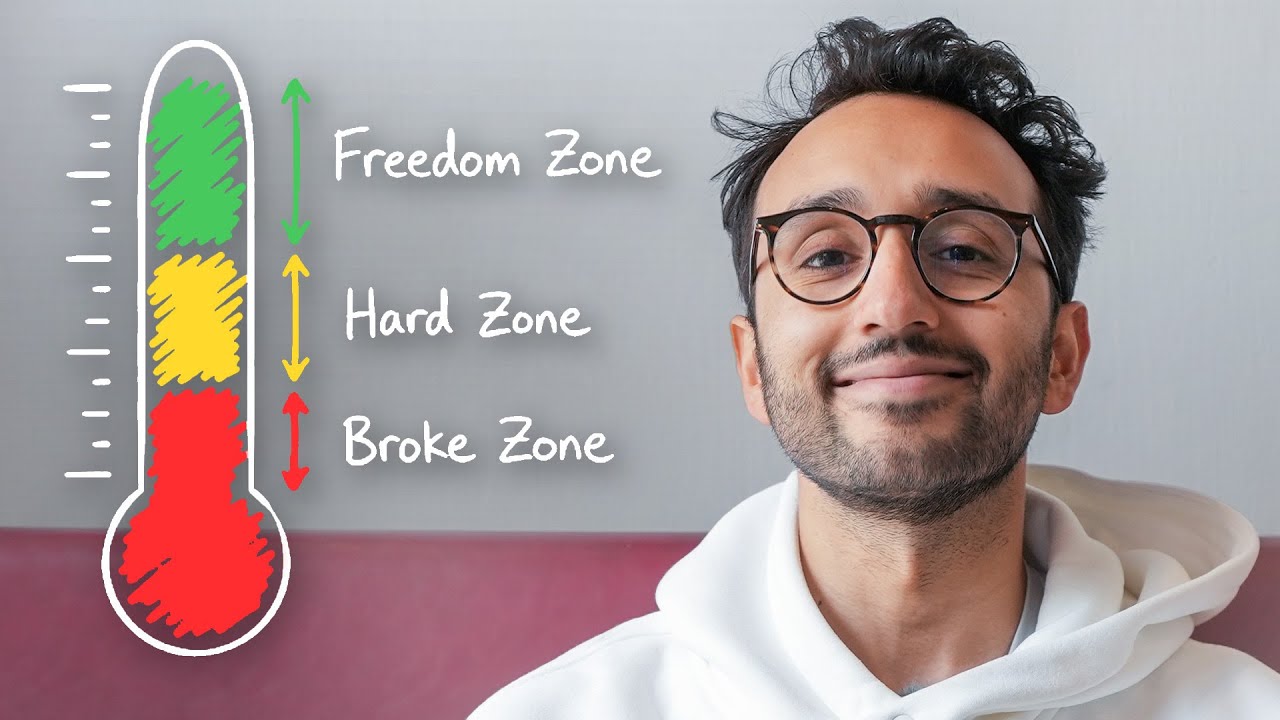
to the converging phase. Once we've generated loads and loads of different potential business ideas, we're going to try and converge onto the ones that make the most sense to experiment with initially. There's lots of different ways of doing this. Alex Hozi has a framework, but the framework I like most of all is from a guy called Itaki Moore, who's one of my mentors. And it's based on this idea of person, problem, promise, and then you are asking yourself three questions for each of these different potential niche ideas. So, let's say I was like person is, I don't know, World of Warcraft players. The problem that they have is that they're not very good at playing World of Warcraft. And the promise is, uh, I don't know, maybe I help them improve your enjoyment of the game. So, let's say that is niche number one. Let's say if I think of my first business that actually worked, it was sort of med medical school applicants in the UK, UK med applicants. That was my person. The problem was that they were bad at the BMAT medical school entrance exam. And the promise was ace the BMAT medical school entrance exam with the implication that will increase your chances of getting into med school. Therefore, uh enter med school. And let's use another example of one of our lifestyle business academy students. their person is UK accounting firms. They're selling to businesses. The problem is that client onboarding takes too long and their promise is automated client on boarding to save time or something like that. Now, in reality, your list would be like 15 to 20 different things long. Ideally, if you're following along with the process and worksheet and then we are asking ourselves three questions. Number one, do I like the idea of working with this group of people? And you rate that red, yellow, green. Question number two, can I actually help these sorts of people with that sort of problem? And you rate that red, yellow or green. And then the final question is, will this sort of person be delighted to pay to have this kind of problem solved? Which sort of gets at, do they have the money to pay? And is the problem enough of a problem in their life that they will be delighted to pay for it? And you rate that red, yellow, and green. So you got your three questions. Do I like them? Can I help them? And will they pay? If you've seen previous videos of mine here on the channel talking about business advice, my recommendation is that you start a business in the high ticket space. High ticket meaning you're charging at least $2,000 if you can. Obviously adjust depending on your currency and stuff. But if I were starting a business from scratch today, I would try my best to sell something for at least $2,000. And so my question would be, does this sort of person have that kind of money? And secondly, is the problem sufficiently painful for them that they would be willing to pay at least $2,000? So, would World of Warcraft players who are not very good at World of Warcraft pay $2,000 to improve their enjoyment of the game? Absolutely not. It's not a painful enough problem for this sort of person. Would medical school UK applicants who are bad at the BMAT exam pay $2,000 to ace the BMAT? Well, that would be a yellow. I'm unsure. It wouldn't be the students themselves who are playing paying. It would be the parents. If they're rich parents from like China or something, like international medical school applicants and they're paying 50,000 a year in terms of like university fees, then paying 2 grand for them to ace the BMAT to increase their chances of getting into med school doesn't seem like too much of a stretch. But if I'm targeting homegrown students in the UK, which is kind of what I was doing rather than international students, and I look at my competitors and see what the what prices they're charging, it was a lot lower than 2 grand and therefore I'm like, h maybe they wouldn't have the means to pay for that specific thing. Let's say my person is UK accounting firms and client onboarding takes too long and therefore my promise is automated client onboarding to save you a bunch of time. Well, you know, I've got a couple of friends who own accounting firms and I love talking to accountants. You know, they're kind of boring, but they're very humble and very nice. So, like, you know, yes, that's a green for I like them. Well, I mean, I've never actually worked with accountants before, but like, you know, I'm pretty good at like automations. I've used Zapier. I've used Make I've used NA10 before. I kind of get the theory around how to automate stuff. So, yeah, you know, I back myself at potentially being able to help them. And will they be happy to pay at least $2,000? Well, yeah, probably if the accounting firm is doing, I don't know, six figures in revenue, maybe even seven figures in revenue, then paying like $2,000 to save a ton of time would probably be something that is worth it to them. So, that kind of idea would then get green lights across the board if I was in that specific situation. Now, when we take students through this exercise, they always really worry about the will they pay column. They're always like, "Oh, I'm really not sure if they'll pay. I don't know. It seems like a lot of money, etc., etc. " What I normally say is when you're doing your first pass through the exercise, just like go with your gut. This is still a very rough process. Let's just go red, yellow, green depending on how you feel, depending on what your intuition says. And then of course we can always do a little bit of market research to see are there competitors offering similar price points because if competitors exist in a market that is generally a good sign rather than a bad sign, it means that there is at least a market there. If the competitors are charging $5,000, then you know that there are probably at least some people out there who are willing to pay at least 2,000. But if all of the competitors you can find are charging $20, you probably have a good sense that like, okay, maybe 2,000 might be a bit tricky of an ask for this specific person and this specific problem. The other thing here that adds a lot of nuance is that there are premium products and premium services in any category you can think of. For example, how much does a backpack cost? Well, most people wouldn't pay more than like $50 for a backpack. But if that backpack had Louis Vuitton written all over it or like had Hermes written on it, suddenly people are willing to pay thousands if not tens of thousands of dollars for basically what is the same thing. And in fact in every market you get this sort of like distribution of stuff. You get the 1% who are the luxury buyers, you get roughly 9% who are premium buyers and then you get roughly 90% who are the mass market. And generally we do not want to be starting a business that caters to the mass market. This is playing business on hard mode because generally this requires quite a lot of volume. And generally the mass market shops in terms of price and so you end up just competing on price. It's very hard to compete on price especially against competitors who've been in the game for longer than you. If you are just starting out it's also quite difficult to target the luxury market because the luxury market doesn't buy based on features. They buy based on status for example. So unless you have an inn there where you can create like a I don't know concurge experience for the luxury market or whatever or like help make the case that your product or service will increase their status somehow. It's also generally not sensible to target the luxury market if you're a beginner. But man targeting the premium market the market of people who are willing and happy to pay for highquality stuff that would be a very good thing to do. So a mistake you don't want to make early on is just assume that they won't have the money. You want to think okay person promise. Even my example earlier of helping kids get into med school. Back when I was doing this business back in 2012 to 2019, I was charging between £50 and like £110 for like a classroom course that was teaching people in a whole day how to do well on the medical school exams or medical school interviews. But a few months ago, I was in London and I hosted an event for entrepreneurs and there were three different entrepreneurs who came to that event. All of whom had businesses helping kids get into med school and they were charging $5 to $15,000 to help kids get into med school. I was charging $50 to $100 to help kids get into med school. What was the difference between what they were doing and what I was doing? Well, partly it was the product. They were doing more of a one-on-one mentoring service rather than a group course. So, sure, but if I were to offer one-on-one mentorship to someone getting into med school, I'd be thinking that's like £200, £300, maybe like £30 an hour for like 10 hours for 300. But they were charging 5 to 15,000. The difference was is that I would have thought to target people in the UK who I knew, friends of people I knew, parents of people who I knew, but they were targeting people from mainland China, parents in mainland China whose kids were already going to expensive private schools in the UK or in the US, ideally boarding schools, and who really wanted their kids to get into, for example, a UK medical school. Now, these parents had loads and loads of money because they're like china rich. And therefore, for them, 5 to 15 grand was like literally nothing. And therefore these guys were able to have like multi-million dollar businesses as effectively junior doctors in the UK because they were targeting rich people even they were basically helping them solve exactly the same problem. So the thing to keep in mind here is that don't let yourself get put off by a particular business idea because you think it's like not expensive enough or whatever. It's like trying to remember that in every market there are people willing to spend lots of money on the thing provided the problem is sufficiently painful.