How I Got an A* in Physics A-level (Cambridge Student)
16:23

How I Got an A* in Physics A-level (Cambridge Student)

Ray Amjad 28.09.2021 68 131 просмотров 2 791 лайков обн. 18.02.2026
Поделиться Telegram VK Бот
Транскрипт Скачать .md
Анализ с AI
Описание видео
📷 Follow Me on Instagram: https://www.instagram.com/theramjad/ Watch my series on studying effectively ➔ https://youtube.com/playlist?list=PLTiA09lKvQngUUDDDO-IEsCoNXF_eWVkz === Links === - Anki: https://apps.ankiweb.net/ - Physbot: http://www.physbot.co.uk/ (unfortunately, the website was taken down 😔) - Khan Academy: https://www.khanacademy.org - Doc Schuster: https://www.youtube.com/user/diggitydev - Science Shorts: https://www.youtube.com/user/ScienceShorts - Physics Online: https://www.youtube.com/channel/UCZzatyx-xC-Dl_VVUVHYDYw - Physics and Maths Tutor: http://www.physicsandmathstutor.com - Isaac Physics: https://isaacphysics.org/ === Timestamps === 00:00 - Introduction 00:31 - My Workflow 05:48 - PhysBot 06:12 - CGP Revision Guide 07:30 - Textbook 08:08 - Isaac Physics 08:43 - Physics and Maths Tutor 09:28 - Getting Good at Drawing Diagrams 10:09 - Getting Fast at Multiple Choice 11:14 - Building Physical Intuition 12:03 - Understanding Practicals 13:42 - Nailing Errors & Uncertainties 14:55 - Using Past Paper Videos 15:36 - Conclusion
Оглавление (14 сегментов)

  1. 0:00 Introduction 138 сл.
  2. 0:31 My Workflow 1377 сл.
  3. 5:48 PhysBot 97 сл.
  4. 6:12 CGP Revision Guide 300 сл.
  5. 7:30 Textbook 170 сл.
  6. 8:08 Isaac Physics 136 сл.
  7. 8:43 Physics and Maths Tutor 171 сл.
  8. 9:28 Getting Good at Drawing Diagrams 176 сл.
  9. 10:09 Getting Fast at Multiple Choice 249 сл.
  10. 11:14 Building Physical Intuition 181 сл.
  11. 12:03 Understanding Practicals 384 сл.
  12. 13:42 Nailing Errors & Uncertainties 283 сл.
  13. 14:55 Using Past Paper Videos 170 сл.
  14. 15:36 Conclusion 189 сл.
0:00

Introduction

hey everyone welcome to the channel if you're new here my name's ray and i just finished doing my section in physics here at cambridge and in the summer of 2019 i achieved naystar in a-level physics so in this video i'm sort of going to be going through the resources i used any tips i have and my workflow in general so there will be timestamps and links in the description so do check those out during the video but before we start i want to say that i did aqa for a-level physics so if you do that exam board as well then you will find more of this advice to be more useful but generally if you do like any other example then like nine percent of this advice will still be useful to you
0:31

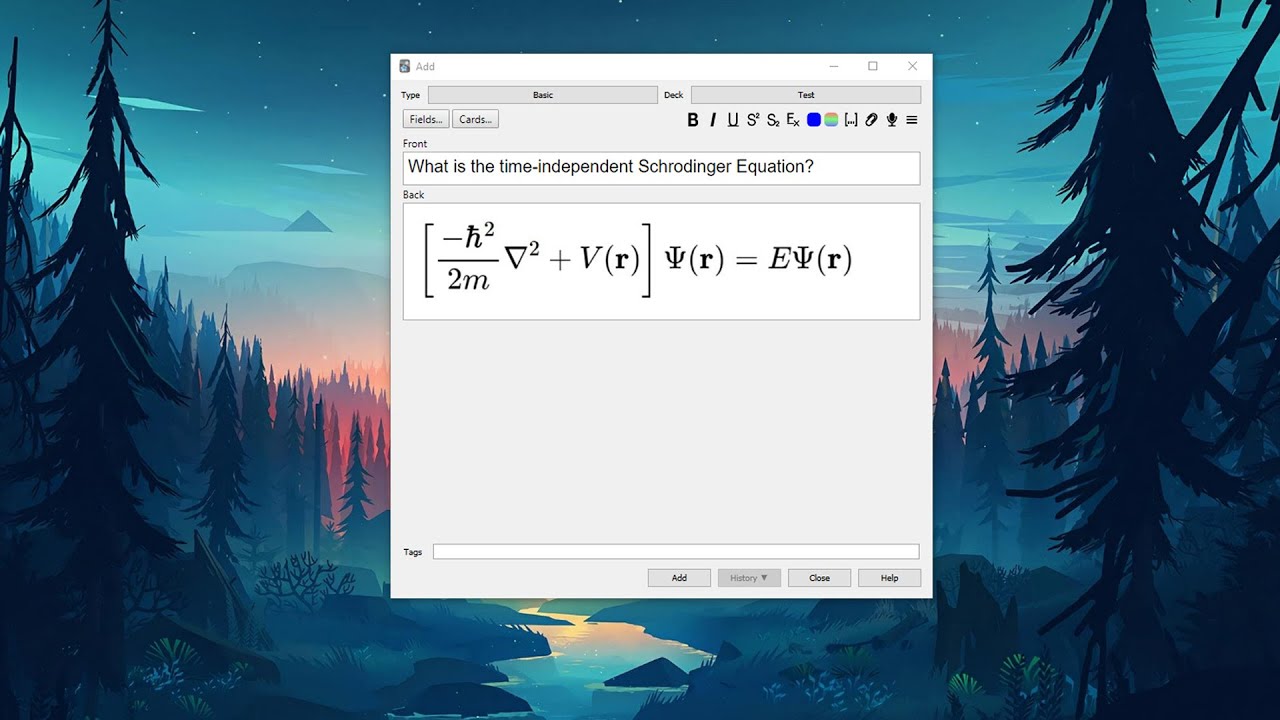
My Workflow

anyway so i'll begin by outlining my a level workflow and how it applies to physics but i have explained the process in more detail in a video which should be links above somewhere right now but anyways for the workflow the first thing i would do is download the specification from the exam board so whichever example you do download the spec and then keep in like google drive or something because on google drive you can highlight and annotate the spec without having to print it off so i would use the spec to check that everything we've covered so far i understand so like each point from the spec would usually remind me of something we covered in lesson and that was just a nice check to make sure like i actually understood most of the course or understood what was going on and the teachers would work through the specification in its order usually so then i would also use that and i knew which direction we were going in lesson and the last thing we covered and the next thing we're going to be covering so when it came around to the lesson then i would go to lesson and i would know what we were doing and then i'd learn the content and try to understand the material as best as i could and make notes during the lesson but this wasn't always a case and i couldn't understand material perfectly and sometimes the teacher's explanation wasn't too great so on the weekends what i would do when we finish a topic then i would turn my class notes into flashcards and i would supplement them with like any physics online related resources which i will mention later in the video but more detail about how i did this and like a works example is in a video called learning new content or something which should be links above somewhere right now anyways after adding onto my notes and sending them into flashcards i would put them onto an app called anki so the anki is a digital flash card app and i would go through the flashcards daily during my commute to school and stuff like that and when going through the flashcards daily that would help me to make sure i'm remembering the content and it'll come to applying the content so i usually apply the content by doing practice questions throughout the year for your homework or any topics i didn't understand too well i would find practice questions for online using some of the resources i'll mention later and about two to three months before the exams i would start to do past papers so i started off with the old specification papers because there were more of them and about 80 to 90 of the content in the old spec is on the newspaper as well um but you may have skipped some questions because that content is just no longer on the newspaper and you weren't taught it so anyways i do the old spec papers and that would help me make sure i'm learning the content i know the content inside out and then i would move on to newspaper papers which are a little more challenging and uh during those papers i'd practice more like trying to improve my problem solving or thinking skills when it came to papers because the questions were just more challenging or required you to do some more thinking and it allowed me to make the most of the newspaper papers because i knew that content wasn't my issue if i was getting questions wrong in the newspaper papers it was more to do with something else anyways any mistakes i would end up making i would add on to a mistake style which i had and i would come back to this file regularly before doing like more practice papers at home in the finals two to three months and i would come back to it like before mocks and i'd make a habit of just reading through the file because then it would remind me of what mistakes i should be looking out for when doing these exams because i had a habit of making certain mistakes over and over again and if i had a habit of also looking out for those mistakes then i could like prevent myself from making those mistakes without realizing which is a pretty good thing so that was basically somewhere my other workflow as for the resources which helped me to learn the content when i was say turning into flashcards and making sure i understood the class notes the first of which was youtube so i particularly enjoyed a few channels and i found them to be useful like science shorts which is one of them right now and i like signed shorts because if you go to playlists and then you can see like basically videos on every topic in a level physics and also videos on the practicals as well which i'll talk about later and also videos on exam questions and past papers which i really enjoyed as well so i thought his channel was by far the best channel um but the second best i would say was physics online because if you go to playlist then he has like all the topics covered as well and the videos are quite usually quite short and bite-sized which means that you can watch it like before a lesson or something and try to like get a sense of what's going on so then there was also dr physicsa he made some long form videos so if you go to like playlists then you can find a lot of his videos there as well but and they're more generally for like introducing you to the concept for the first time i found them to be particularly good because of like the long-form-ness of the videos and like it helps me understand a lot of topics but do bear in mind that and not everything he covers is on the gcse level anymore because the videos are quite old so like do check with the specification as well so now there's also doc shuster who makes videos for the american like a level eight equivalent courses whatever so if you go to playlist and you can find a bunch of them um i found them to be quite useful for like being introduced into something for the first time and he does like explain things quite well and in quite a funny way and the videos are just like enjoyable to watch or he like goes on tangents and like it's basically very funny so i quite enjoyed watching the videos but yeah i found youtube to be like the best with me learning material because i could like rewind the video as many times as i wanted or like search other physics related concepts on videos but also do bear in mind that they don't necessarily have to be from these channels like if you just don't understand some concepts in physics then you can just find a more general video on it but the chances are it will cover something which isn't directly related to the a-level or you may not need to know uh so i would stick to these channels but if i couldn't find anything good on these channels or i didn't like an explanation on that channel then i would go and find like more general videos by searching on youtube but basically i found the videos to be a really great way of learning the material and like adding on flashcards and stuff like that so if you're struggling to understand material because your teacher isn't explaining it well or something then just like watch a video on the topic and hopefully that will make a bit more sense and even if i did understand the topic well sometimes i would still watch the video because an alternative explanation just made a bit more sense to me and i would use that explanation on my flashcards so as for a
5:48

PhysBot

few other resources i also found fizzbot to be quite useful because it has a great set of notes or like it summarizes the concepts quite well so after you understand the material and you want to like find some like short summaries or something or find some really good diagrams to add onto your flashcards if they're digital ones then this is an excellent resource so like a2 physics if i go to like thermal physics and i can find uh stuff about like i don't know internal energy temperature then there is also the cgp
6:12

CGP Revision Guide

revision guide which i find to be quite useful uh in terms of like getting diagrams from it and i think a mistake that many people make with revision guides is that they go straight to revision guide to learn the material and it is a revision guide which means that you come back or you come to it when you understand the material and you're revising the material so it's a terrible resource to learn for the first time and i would much recommend watching like videos or paying attention a lesson or learning content from lesson or something and come to revision and guide after you understood the material and you want more concise summaries of it so i would check the revision guide and usually i would have covered all the content so the revision guide was a good check to make sure i had covered it all and i'd also screenshot images from the origin guide by using the snipping tool which on windows if you press windows shift s then this comes up and you can just like select something and then it will come up and it's copied to clipboard and i can just copy and paste it into my flashcards because i had digital flashcards but yeah do bear in mind with the revision guide it can be quite easy that if you're making flashcards you just make flashcards like 10 20 flashcards per page or something and make sure you understand the concepts because like the revision guide is not for like learning material for the first time you have to be understanding the concepts and the writing guide is only for like making sure you know the material itself or like sort of checking that you've coded all the content that
7:30

Textbook

you need to so then there was also the textbook which my school gave us and your school may give you a different one and for like the example you're doing and generally i didn't find the textbook to be too useful in learning content itself because sometimes it was just poorly worded or poorly explained or the diagrams weren't good it just didn't make sense to me and i would say don't feel bad if the textbook doesn't make sense to you because chances are it's just badly written and it's not really a problem to do with you as long as you're putting in effort to like understand the material generally i just couldn't send material through the textbook so i came to like watching videos instead for the textbook i just found it useful for like the end of chapter questions and just to make sure like i knew the material and then like to check against answers with end of tech chapter questions as well so
8:08

Isaac Physics

i found isaac physics to be most useful for the calculations but for like the written questions it wasn't too useful uh so if i go to like learn and then go to like uh question finder then i can usually say that i'm interested in like a level and i want to find questions like practice questions and then i can like shuffle through questions and just find like essential physics questions or something or if i press physics and then i can go to specific topics like waves and let's say i'm quite struggling with like superposition or something or will that want any topic questions here for some reason oh actually there are if i remove that so there are a bunch of questions um here and same goes for like fields and
8:43

Physics and Maths Tutor

stuff like that and also i found physics and math sheets to be quite useful for finding questions too based on topics and actual questions written by the exam board which you will be doing from like say the old spec papers so if i go to um a level and then go to uh a level and physics revision then scroll down a levels from 2015 i did a qa so i'll go here and then it's split up by papers so if i go to like waves uh and then i can find a bunch of questions to do with waves so if i can if i'm like struggling with diffraction questions or i don't send it too well then i can just go here try and try to try out a few questions on diffraction and like do them myself and maybe not all of them maybe just a few of them or something because they're all quite a lot and then also go through the mock scheme
9:28

Getting Good at Drawing Diagrams

as well so those are the resources which i used for a lot of physics but now i'll be moving on to a few tips i have the first of which being get good at drawing good diagrams because uh usually you can find like good diagrams on cgp revision guides or google images to add onto your flashcards but when it comes down to like a question and it's explaining something to you and it doesn't have a diagram then just being able to draw the diagram yourself or being able to like come up with the situation in your head and visualize what's going on it can be really useful and your teachers probably say this all the time and that you should draw big diagrams which are good and isaac physics is a good chance to be able to draw these big diagrams because once you like understand the situation and can visualize it well and then send the geometry of it then the question becomes so much easier as a result my
10:09

Getting Fast at Multiple Choice

second tip is to get faster than multiple choice questions now this is kind of a big deal in physics especially for aqa physics because there's like a whole multiple choice section which has i think like 25 questions or something and if you can get really fast doing those questions then you can save yourself a lot of time on multiple choice and you can have more time for like checking on answers or like thinking about other questions some more or like saving multiple choice until the end or like formulating exam strategy where you know that multiple choice is where you get most or like almost all the marks on that section now there are a few tricks which you can learn from doing multiple choice questions all i can pick up on and i would recommend watching science short says multiple choice question related videos so over here you can see the videos and like multiple choice one two three four and just watch like the whole video and try the multiple choice questions out yourself first before watching it because it will make it so much easier when you like see him going through the solution and going through how to do the question because potentially he may do in a faster way than you and one like point about doing multiple choice is getting good at ratios and proportionality because that comes up a lot of multiple choice my next tip is to
11:14

Building Physical Intuition

build a physical intuition behind what's happening in calculations so like an intuition is sort of having like a gut feeling of like what's going on or well knowing which direction to go in so having a good feeling for calculations you sort of know which direction you should be going in or like how to get from the question to solution so when learning calculations in lesson i'd make sure i understood what's being done and why it's being done and if you don't understand then just ask your teacher or like keep asking questions or understanding it because when you understand it then you're basically able to solve like any calculation related question and in some cases where you just end up learning a method then if they make a slight change to a question then it may throw you off because you don't have an intuition for what's going on behind the calculations themselves and building this it just comes from doing more and more questions and understanding what calculations are being done and why they're being done
12:03

Understanding Practicals

now my next tip is to understand what's going on in practicals so in practicals i made a mistake of focusing on the details too much in the practice calls the details on practical don't matter too much because generally they won't ask a question about that practical or they won't ask for you like to mention something very specific and practical they're more interesting the skills you're developing during the practical because those skills will be assessed on the exam as well so in many cases they will present an unfamiliar practical to you and then the practical skills you develop throughout the year you will have to use to address this like unfamiliar practical question so make sure that when the practicals are happening you're making a conscious effort to understand what's going on and what's being done by asking your teachers questions asking your friends questions in lesson or something because just understanding the practicals as you're going through them well will go a long way in helping you improve your practical skills which will then be assessed on exams and you can also do some practical skills questions as well which you can find online on like physics math shooter or like from past papers and stuff and usually from these questions you will find there are some go-to responses of like say when you're making measurements you have to account for parallax error which is where you're looking um like from an angle instead of like straight on or like if you want to understand what's going on in practice as well like go to science short because he has some good practical videos as well if you go to playlists then you can see there is a video on the required practice cards where he explains them all and if you go to physics online as well he has some good videos and practicals too so if you go to physics online and then just go to playlists as well then you should be able to find it there and they just have good short videos explaining practicals and explaining what skills are being developed and stuff like that which is particularly useful when it comes to like answering practically related questions on your exams next up i'd
13:42

Nailing Errors & Uncertainties

recommend getting to grips with errors and uncertainties so this is a pretty big deal in physics and many people go the first few months or even like the whole of the first year just not fully understanding it or not being able to answer uncertainty or error related questions and i would suggest like just getting better at it or actually trying to understand it or getting your teacher to go through it but do bear in mind that if you go online and you try to find resources more generally about areas and uncertainties in physics you will find some conflicting information because like how you approach errors at university for physics is slightly more rigorous to how you approach at a level so i would recommend what finding a level specific resources by doing like a level physics errors and uncertainties and i think science shorts has a particularly good video about it here which i remember when it came out was really useful for me helping like helping me understand errors and uncertainties so i would recommend watching that video if you haven't already and then doing some practice questions because in like practical questions if you don't put the correct error then you just won't get the mark or like just understanding errors and why they have that error and why they're being combined in that way just making an effort to like understand that and say teach someone else about it to make sure you understand it well or asking a teacher about it a bunch of times can go a really long way and just helping you pick up the small marks as well now also
14:55

Using Past Paper Videos

i recommend going through past paper videos on youtube so slide shorts has some particularly good videos so if you go to playlist on his channel i did a qa so if i go to like a v4 playlist and i can see all the aka past papers he's been through and i would recommend trying the past paper yourself and then watching the video of him going through it especially for the questions that you're unable to like do yourself because it can be super useful just seeing a teacher think about the questions and just like how like they approach questions and stuff and especially for questions which you still don't understand after marking them it can be useful to just understand it and potentially not bother your teacher about it but if you don't understand it from his video then you can still go ahead and ask your teacher and they will usually be more than happy to help you there anyways i hope you found that
15:36

Conclusion

advice useful now do you remember that a-level physics can be challenging and difficult at times it was for me too when i first started in year 12 and we were doing electricity and i just didn't get what was going on or like for measurements and uncertainties i just didn't understand it for the first few months or like even at start of year 13 when we were doing cyclone motion as long as you're making a conscious effort and like being intentional about trying to improve and then recognizing these feelings of like confusion about a certain topic and then thinking about what you should be doing to tackle those feelings of confusion or being proactive and finding resources online to help improve your physics skills i think that should set you pretty well for getting a rna style anyways if you're interested in how i study then i do have a playlist called studying effectively for gcses and a-levels which should be linked somewhere right now so do check that out if you have time but anyways i guess i will see you next time bye

Ещё от Ray Amjad

Ctrl+V

Экстракт Знаний в Telegram

Транскрипты, идеи, методички — всё самое полезное из лучших YouTube-каналов.

Подписаться