Achieving A*'s at A-level (Start to Finish) // Cambridge Student
14:44

Achieving A*'s at A-level (Start to Finish) // Cambridge Student

Ray Amjad 12.09.2021 27 706 просмотров 1 266 лайков обн. 18.02.2026
Поделиться Telegram VK Бот
Транскрипт Скачать .md
Анализ с AI
Описание видео
📷 Follow Me on Instagram: https://www.instagram.com/theramjad/ === Other Videos === - Organisation: https://youtu.be/0Po_vkB25RE - Learn to Use Anki: https://youtu.be/Pn9IbAfpwuw - Learning New Content: https://youtu.be/jabwH0vXvpU - Using Anki for A-levels: https://youtu.be/95qKUwnMtA0 - Series on "Studying Effectively for A-levels": https://www.youtube.com/playlist?list=PLTiA09lKvQngUUDDDO-IEsCoNXF_eWVkz - Ali Abdaal's Retrospective Revision Timetable: https://youtu.be/b7o09a7t4RA === Timestamps === 00:00 - Introduction 00:31 - 1. Using the Specification 01:59 - 2. Learning New Content 04:19 - 3. Adding to Class Notes & Making Flashcards 05:22 - 4. Going Through Flashcards 07:05 - 5. Doing Practice Questions 09:11 - 6. Using Past Papers 14:32 - Conclusion

Оглавление (8 сегментов)

  1. 0:00 Introduction 140 сл.
  2. 0:31 1. Using the Specification 340 сл.
  3. 1:59 2. Learning New Content 537 сл.
  4. 4:19 3. Adding to Class Notes & Making Flashcards 238 сл.
  5. 5:22 4. Going Through Flashcards 458 сл.
  6. 7:05 5. Doing Practice Questions 520 сл.
  7. 9:11 6. Using Past Papers 1240 сл.
  8. 14:32 Conclusion 48 сл.
0:00

Introduction

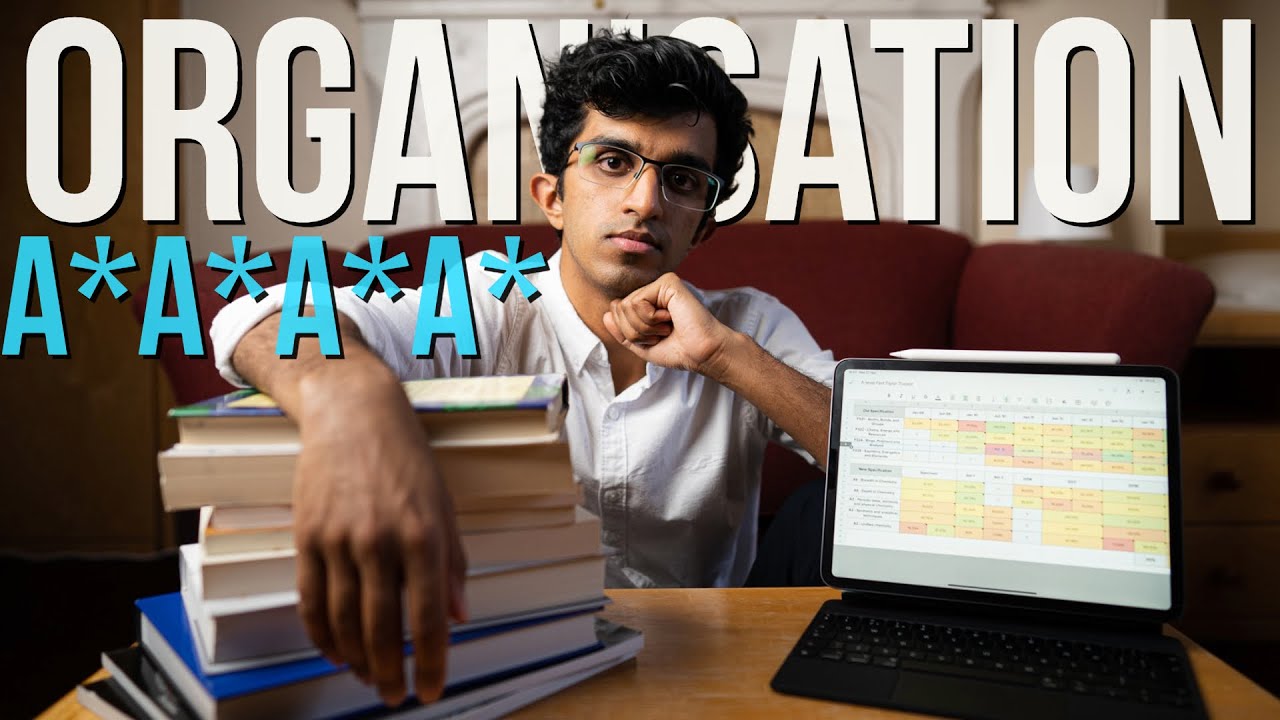
hey everyone and welcome to the channel if you're new here my name is ray and i just finished my second year physics here at cambridge and in the summer of 2019 i chewed four stars at a-level now this video is sort of a follow-up from my organization video which if you haven't seen before should be linked above somewhere right now but i basically want to talk about how my organization system sort of linked in with my a level workflow and how i went about from learning a bit of content to finally like getting an a star on it and being able to answer any exam question on it over like the two years so in this video i'm gonna be breaking it down into learning the content remembering the content and applying the content so
0:31

1. Using the Specification

before learning the content itself i'd usually use a specification and i'd use it alongside learning content as well so this is the specification for a level chemistry ocr a it's basically like a document for teachers which explains to them everything about the syllabus and what they have to be teaching you and like how the formats of the exams are going to be and stuff like that and whilst it is made for teachers you can still use it yourself and you can see what they're teaching you the order in which they're teaching these things as well so you know what lessons you just covered what lessons are coming up and stuff like that so here you can see foundations in chemistry and during your first few lessons in chemistry you'd probably be learning some of this stuff and it's useful to check through and just be able to like make sure that you know what the specification is actually telling you or that your teachers have taught it to you or they're about to teach it to you so like in this lesson we may have covered this and let's say i was a little confused about this topic the advantage of keeping a digital copy of it on say google drive for example is that you can highlight some information so if i just highlight this then i can just add a little comment and say confused on this part and then i could just like check through that later or i could search it online and then see what that's actually referring to or i could ask my teacher about it but yeah it's just a good way of seeing like how you're progressing through the course and how much of the course you've actually covered and you can use the comments to like take things off or just like keep track of where you are uh which is pretty useful in like sort of keeping the bigger picture in mind for your a-levels
1:59

2. Learning New Content

so then i would actually go about learning the content in class now because of the specification i knew exactly what the teacher would be teaching as part of like that particular lesson or within this particular topic because they'd be going in order of the specification and then uh during the lesson i would be making rough notes and even my class book or my refill pad now some students just try to copy down literally everything the teacher's saying or like trying to write down as much as possible and i think this actually does more harm than good because they focus too much on transcribing everything the teacher's saying into words rather than focusing on the words themselves so my bit of advice is that if you're learning a new concept for the first time and as being taught this like crazy new concept then i would suggest putting your pen down and just focusing and paying attention to what's being said like forget about making notes and forget about like just writing or like drawing a bunch of diagrams and switching colored pens and all the stuff that people do just focus on what's being said and try to understand it as best as possible and try to engage with the material as it's coming into your brain so by engaging with the material i mean like sort of related to things that you already know so it could relate to something you've covered at gcse before basically have information flowing out of your brain as well as into your brain um and by information flowing out i mean like make connections between like what you've code say a week or two ago so this is particularly useful because once you understand the concept or the idea for the first time then it's much easier to put it into your own words and if you don't understand anything in particular you can actually pinpoint which parts you don't understand and say like put your hand up and ask the question and then after you understand that you can put it into your own words and usually after the teachers finish explaining concept or when they set your phone someone kind of exercise it uh then there will be time for you to actually write things down and copy stuff down that's on the board into your own words so i'd highly recommend paying attention and not focus too much on like trying to get everything down so now i found these like mixed periods of like concentrating and then these shorts periods of like jotting down a few notes and diagrams to be particularly useful i didn't focus too much on getting every single thing the teacher was saying down i just started getting like the big picture sort of understanding or the idea of like what 90 of this is all about because i knew with the smaller details i could go through say a textbook or the cgp revision guide or watch some videos online about that later and then add that onto my notes i didn't have to worry about getting every single thing down just focusing on understanding now
4:19

3. Adding to Class Notes & Making Flashcards

at the end of that week i would have my class book on my refill pad of any rough notes or like practice questions that we did during that week and for any topics that we had finished or were close to finishing that week or made like a significant amount of progress in i would turn those into flashcards during that weekend because usually after school i just could not turn things into flashcards because i was pretty tired and i just found it easier to be going through flashcards i made on previous weekends but for any on any weekend um or like any friday night or monday morning or something basically whenever i felt like i had more energy which was usually during the weekends i would turn anything we did in class into flashcards and i have a whole process of doing that which should be linked above right now in a video all links in the description of both on both learning new content which was adding things onto my flashcards from same videos online or textbooks or like just general online resources and then turning them into flashcards onto anki which i couldn't like continuously go through so do check those videos out if you haven't already because the point in this video is started to provide an overview of everything i was doing rather than repeating way too much information in
5:22

4. Going Through Flashcards

previous videos anyways after having made these flashcards i'd continually go through them throughout the year usually on my phone because i had my phone synced to my anki on my computer as well and i'd sometimes i'd be making flashcards on my computer or during the weekend and then it would sync onto my phone and i'd be doing flashcards on my phone on my commuter school and stuff and i would usually do them in my 30 minutes um commuting to school and then 30 minutes from school as well and because i didn't have a lot to do during that time and it was much better than say like playing games or watching videos or something and i would do it during my freeze like let's say i finished my homework up and i had like five ten minutes before the free ended then i'll just go through some flash cards or if i was in the dinner queue and there was no one around to speak to then i would like go through flash content as well like just through small periods throughout the day they massively added up and like by the end of the day i had already gone through like an hour or an hour of flashcards or something and those were for like heavy days right now when i had a lot of flashcards to do but usually by the time i got home i didn't have any flashcards to do anymore and for any flashcards which i still had ju which were like probably 10 to 20 i just finished them up like once i got home and then i would like have some food and um carry on with some like over revision or actually like do some fun stuff so now because doing these flash calls just split up throughout the day and these like 5-10 minute chunks it barely feels like you're doing any work because you don't actually have to sit down for like a whole hour getting free flash cards and in many days like for me i had 1200 flash cards by like the end of the two years and during that time i probably only had about 50 to 70 flash cards to go for your day um because they were spaced out well enough um after a few months of going through them so it can become pretty light work and you can also even like line better light on the couch and like sort of have the television on the background and sort of be doing flash cards so you don't have to be like hunched over at your desk all the time like it is pretty chill so next
7:05

5. Doing Practice Questions

up we'll be doing practice questions throughout the year so when we learned some content in class then we do practice a few practice questions in lesson and that was to make sure we actually understand the content but then it just be a case of remembering that you know how to apply this content because flashcards are useful for memorizing the content and like actually learning and remembering the finer details and the names of stuff and like the loose idea of concepts but you have to still be able to apply the content when it comes to doing questions now i don't have to worry too much about this and like spacing this out because usually at the start of lessons our teachers would go through any like they have a short exercise of something we say did like a month or two ago so don't have to worry too much about like planning that for myself but if your teachers don't do that for you then there is a pretty good system which you can use which is called the retrospective revision timetable now ali abdel has a good video on this so that should be linked in the description right now but in this video he basically explains like on the side you have a list of topics written um and then you have the day where you learn the topic and then like it's been a few days since you uh went back over the topic so then you would review the topic and based on um how confident you were with getting like that topic right you'd even shade it like green amber or red and if it was red then you would come back to it like a much sooner later on if it was orange then you come back to a bit later and then that could become green so you wouldn't have to come back to as much or if it was green then you come back to way later so it's a retrospective incentive of rather than looking forward you'd be looking backwards on which topics you've already covered you'd be looking on the last date you've covered that topic and then planning that oh well i have to do some topics today let me do this one because it's been a while since i've done that one and it's red as well so i need to like get it under my belt so for many of the major topics in class you can have them written down on the side and then you can write the dates in which you learned that topic in class and then you can make sure to come back to like a week or two later and depending on how you found it then you can color code that and then make sure to come back to it more or less frequently uh so this is pretty useful for making sure you're continually going over these particular topics but don't worry too much about getting the system perfect because and next up on the
9:11

6. Using Past Papers

system uh on the workflow i had in place was actually doing past papers so about two to three months and before my exams i'd begin to do past papers and i found this to be sort of the ideal time because there was enough time to be able to do all the past papers or like most of the useful ones and also enough time to like relearn any significant parts of the course as well so now two to three months before my exams my teachers usually hadn't finished teaching their content at that point so it takes like a weekend or two being like okay i won't start doing past papers on this day i take a weekend or two to like learn ahead uh i didn't have to learn too far ahead because my t-shirts were going at a good enough pace throughout the year and then i would just start doing past papers and i would keep track of all my uh scores and which days i was doing past papers find out more about in my organization video if you haven't already seen it anyway i would be doing a past paper for each of my subjects at the beginning um on this period every three to four days which was about a past paper a day for my four subjects and i would gradually reduce this interval as i attempted more past papers because i wanted to have three to four weeks to spare before the relevant exam now i'd be doing past papers even during my freeze and stuff like that and then when we had study leave which was about like a month or so before exams i'd read to you any past papers which i scored the lowest on and use that time to hammer out any more misunderstandings now generally you get questions wrong in past papers either due to having a misunderstanding or just making some like silly mistake or something so now for misunderstandings i found the days in between doing each past paper for that subject to be useful because i could use that time to like go on youtube re-learn positive content i could go to my teachers clarify any misunderstandings i had figure out why i got that question wrong was i missing some specific bit of like detail was i'm missing this information was my understanding on this completely are you wrong did i not make a flashcard on it for some reason because that happened sometimes or was my flashcard on it like i was just learning the wrong material from the flashcard and like all of these sort of questions i was thinking about for any questions that i got wrong due to a misunderstanding and then i would after clarifying a misunderstanding i would either re-attempt that question or re-attempt a similar question to actually make sure my understanding had improved and this period in between name past papers for that subject was particularly useful because many of my friends went from doing like one past paper to next past paper without taking any time in between past papers to like pause and reflect and figure out why they got questions wrong and they wouldn't find themselves improving nearly as much between past papers so you could probably do like six years of past papers or seven and if you spend enough time in between past papers improving your understanding and making sure you're like able to get a question right the next time and that's much better than say someone who's done like 13 14 or 15 years of past papers and hasn't taken any time in between to actually improve the understanding because they would just get the same questions wrong over and over again um or like they would kind of get it right or they've just sort of memorized what the mock scheme is saying instead of actually understanding the material a bit better so i found these gaps between past papers particularly useful the other reason why people usually get questions wrong on past papers is because of mistakes so these are just like sibling mistakes that you just end up making or like things that you have to keep in mind um despite like understanding the content in the course so for mistakes how i would tackle them is i had a mistakes document so if i go back to my drive uh then i can see um the advice and extra content so this is where i stored a lot of my like mistakes uh especially for a lot of topics so you can see like uh label the hydrogen bonds when asked to draw them or be specific that like hydrogen bonds are formed with water for some of the questions or be specific because ambiguity will not pass so if like the question is talking about if like the answer is to do temperature rise and i know the temperature rise is double in this case robin's saying oh it just has a larger or greater temperature rise explicitly say double because i know that information now is pretty easy to work out because that may well be a marking point so like these were just sort of things i had in mind uh when doing past papers um and i would just compile this document after doing many past papers and these were all mistakes i personally found myself making um so after each past paper i just write it up into i'll just add it onto this kind of document and every few past papers i start to notice trends in the mistakes i was making and i would like turn this into the overall advice or extra content support now this document is pretty personalized and it like focuses on the mistakes that i was making um but like i suggest when you start doing past papers you start formulating this document yourself or even through topic tests you can still be ad making document like this and adding to it for any mistakes you commonly find yourself making and now when practicing past papers or went before mock exams i found it useful to look over this document and remind myself of the mistakes i was continuously making and i just have them in mind so like before an exam i would just like quickly read through this document or before a topic test and be like okay i need to be more specific in my questions in my responses i would just keep that in mind and just being reminded of like all my mistakes shortly before the exam i find to be really useful because i knew what to be looking out for during the exam and i avoided less mistakes as a result but yeah then i would just carry on doing past papers so i would hammer out those misunderstandings and i would carry on going over flashcards and then like usually a few days before my exam i didn't have any more papers to go through so i would just like sort of chill a bit or like not work myself up and i would just go over a few flashcards again or something so that was basically my a level workflow on getting a star from start to finish i do
14:32

Conclusion

cover a lot of points in more detail in my series on studying effectively for gcse's name levels which should be linked above someone right now and links in description so do check that out if you have time and i guess i'll see you next time bye

Ещё от Ray Amjad

Ctrl+V

Экстракт Знаний в Telegram

Транскрипты, идеи, методички — всё самое полезное из лучших YouTube-каналов.

Подписаться