How to Learn English Like AI

How to Learn English Like AI

Machine-readable: Markdown · JSON API · Site index

Поделиться Telegram VK Бот
Транскрипт Скачать .md
Анализ с AI

Оглавление (2 сегментов)

Segment 1 (00:00 - 05:00)

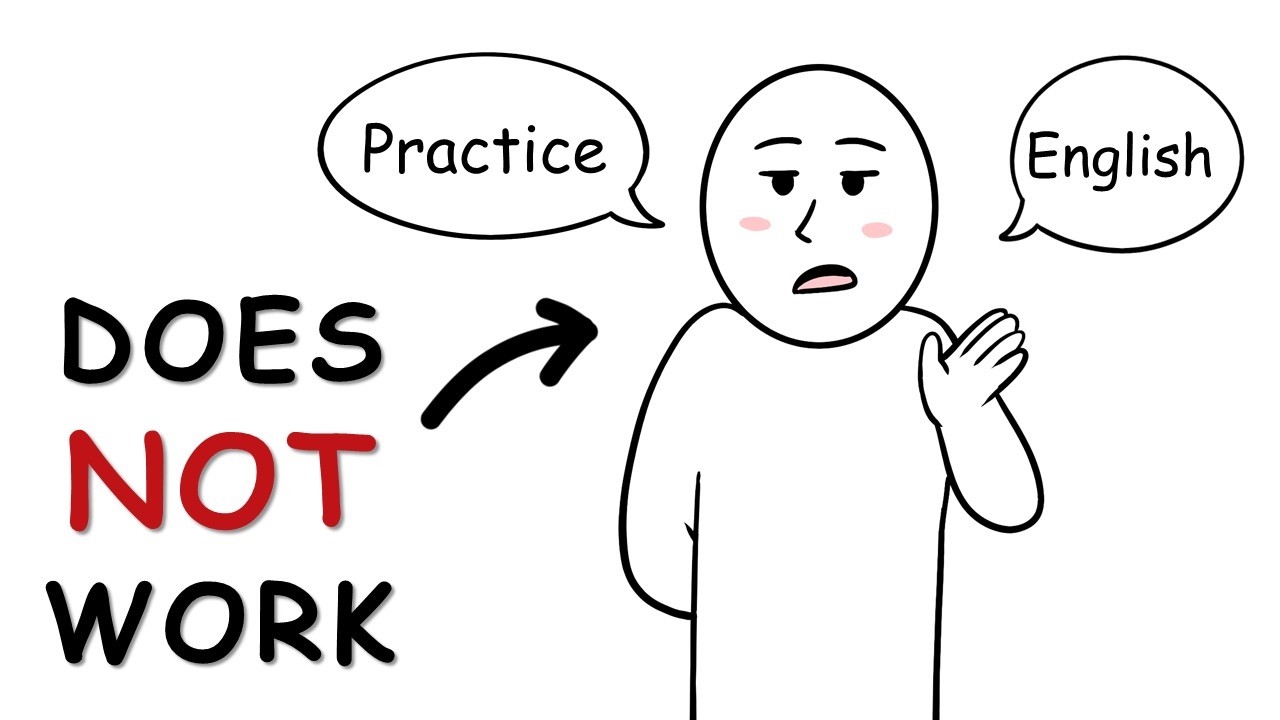
Do you want to learn English like a boss? If so, you need to copy how AI learns language. So, we all know that AI can speak English fluently, right? But what makes AI so good? And how can you use that knowledge to level up your English? The first thing you need to know is that there are two ways to learn a language: rule-based learning and input-based learning. First, let's talk about rule-based learning. Rule-based learning means you deliberately study grammar rules and vocabulary. For example, you might watch videos with titles like these: When to Use "Will" vs. "Going to" Learn English Tenses: The Present Perfect 10 Common Phrasal Verbs (And How to Use Them) On YouTube, There are tons of videos like these and they have millions of views, so it's safe to say that rule-based learning is very popular. But this method has a big problem. You see, English is complex and messy. It has many exceptions and special uses that don't follow the grammar rules. Take the Present Continuous tense as an example. When you study this tense, the first thing you learn is that it's used for actions happening right now. But when you dig a little deeper, you'll find all kinds of exceptions that contradict that rule. In reality, this tense can be used in a bunch of different ways. You can use it to talk about actions that aren't happening right now. You can use it to talk about future plans. Or you can use it just to complain about a negative behavior. As you can see, it's already getting confusing, and that's just one tense—one example. Imagine having to memorize all the rules, exceptions, and special uses. So, to get around this problem, many teachers teach a simplified version of English. They dumb things down so that students can understand easily. And they ignore the exceptions and nuance of English. The result? Students can understand the material easily, and they feel confident about their language ability. What they don't realize is that what they're learning is simplified English, not real English. So, when they listen to native speakers in real life, they get confused and overwhelmed. Native speakers don't seem to follow those grammar rules. So, because language is too complex, AI doesn't rely on grammar or rule-based learning to achieve fluency. Instead, it uses a much better approach. Input-Based Learning AI learns language through input. It reads books, articles, and text from real conversations to learn language patterns. It also listens to audio to pick up on things like intonation, rhythm, and emotion. AI can speak so naturally because it absorbs an enormous, unbelievable amount of input. Input is also how you learned your first language. No grammar study. No deliberate memorization. Just constantly absorbing input from the world around you. You can do the same with English. When you take in a crazy amount of input, you develop a superpower called language intuition—the ability to understand and use English without thinking about rules. Let's say there's a list of sentences. If you look at the list and you know immediately which sentences sound natural and which ones don't, that's your language intuition at work. It's that gut feeling about what sounds right and what sounds wrong. It comes from absorbing countless examples of correct English. So just like AI, you don't need to know any grammar to master a language. You just need a lot of input. Lots and lots of examples of how the language is used. This might sound simple and easy to do, but that's not the case. Input-based learning has a big problem, and because of this

Segment 2 (05:00 - 08:00)

most people don't succeed with this method. The problem is the lack of an immediate reward. You see, when you learn English through input, it doesn't feel like you're learning anything. It feels like you're just wasting time. There's no reward. No real sense of accomplishment. On the other hand, when you study a grammar rule and you understand it, you get that sense of accomplishment, right? It feels like you've learned something concrete. You've done something productive. That's why so many people love to study grammar. The immediate reward is quite addictive. And that's the challenge with input-based learning. To truly develop that language intuition, your brain needs a huge amount of input. That means lots of listening and reading over a long period. But that's difficult to do when you don't get the reward right away. So, to combat this problem, make sure you consume content based on your interests. Immerse yourself in topics you genuinely enjoy. This way, the enjoyment itself becomes your reward, and this helps you stick with it long-term. Input-Based Speaking Practice Okay, we've talked about input-based learning. Now let's discuss input-based practice. When you practice speaking by talking to yourself, there's no input or feedback, right? And without input, you can't correct mistakes or learn new vocabulary. So, if you want to improve your speaking skills, it's a good idea to practice with input. Let me share two ways to do that. The first one is the imitation technique. This is where you pick a video and repeat after the speaker. By imitating a native, you learn how to speak the language correctly and naturally. This method is very easy to do, so it's a perfect exercise for beginners. A more advanced method is to chat with AI. AI speaks fluent English. When the AI speaks to you, that response is a form of input, right? You can also ask questions or get feedback. It's a great way to practice interactive conversation. So, input-based practice is incredibly powerful and highly effective. The key is not to think about grammar during practice. Just focus on speaking naturally.

Другие видео автора — EngFluent

Ctrl+V

Экстракт Знаний в Telegram

Экстракты и дистилляты из лучших YouTube-каналов — сразу после публикации.

Подписаться

Дайджест Экстрактов

Лучшие методички за неделю — каждый понедельник