How to Think in English (Without Forcing It)

How to Think in English (Without Forcing It)

Machine-readable: Markdown · JSON API · Site index

Поделиться Telegram VK Бот
Транскрипт Скачать .md
Анализ с AI

Оглавление (2 сегментов)

Segment 1 (00:00 - 05:00)

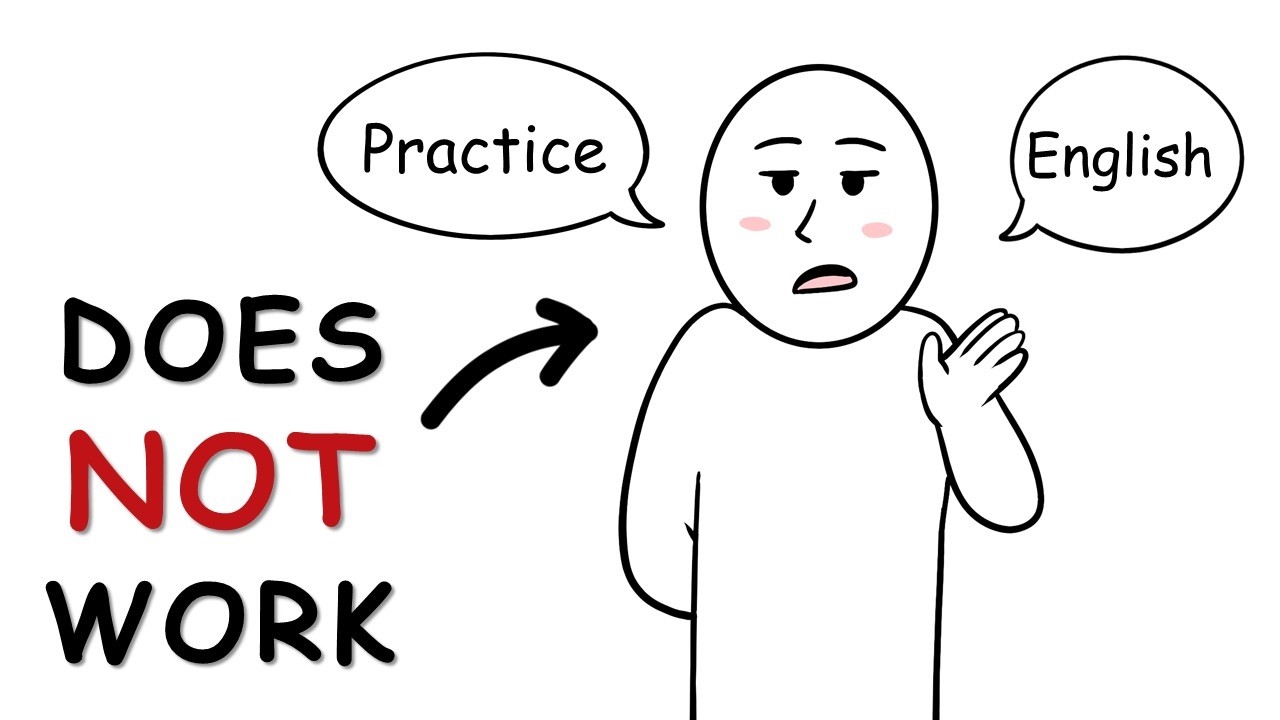
If you want to improve your English, you first need to think in English. You need to understand and speak English without translating in your head. And this process has to be automatic. If you need to concentrate and force yourself to do it, your English will be slow and unnatural. It won’t work in real conversation. So, let me share four simple tips to train your brain to think in English naturally and automatically. Tip #1: Stop Using Your Native Language (While Learning English) If you want to think in English, you have to stop relying on your first language. You need to remove it from your learning process. From now on, make sure you’re using only English while learning. For example, if you’re learning English with movies and TV shows, don’t watch them with subtitles in your own language. Use English subtitles instead. This way, you’ll always stay immersed in the language and get more comfortable with it. If you’re reading a book and you come across a word you don’t know, don’t look it up in a bilingual dictionary. Instead, use a monolingual dictionary, which explains vocabulary in English. This will train your brain to understand English vocabulary without translation. When you remove your first language from the equation, your brain will learn to process English directly, without translating. It might feel a little uncomfortable at first, but be patient and stick with it. With enough practice, you’ll understand English as easily as your own language. Tip #2: Make English Your Default Language If something can be done either in English or in your first language, choose to do it in English. For example, don’t keep your phone, computer, or any apps in your native language. Change the language settings to English. This simple practice tells your brain that you’re comfortable with the language. You’re not intimidated by it. Now, let me ask you a question. When you need to find information online, do you search in your own language? If so, try changing that habit. Start searching for information in English. It’s a great way to actively use the language in your daily life. Also, if you want to learn a new skill, make sure to read books and watch lessons in English. This way, you’re learning the new skill and improving your English at the same time. Choosing English by default will make a huge impact on your mindset and attitude toward the language. By constantly using English—whether for learning, research, or daily tasks, you stop seeing it as a difficult and boring language you have to learn. Rather, it becomes a useful tool in your daily life. Tip #3: Immerse Yourself in English One reason you can’t think in English is because you’re not getting enough input. The English language is incredibly complex. Being exposed to the language just a little isn’t going to make much difference. To improve and think in English, you need a lot of input. But how do you make sure to get a lot of input every day? Well, the average person spends a lot of time each day on entertainment. They watch YouTube videos, browse social media, read novels, listen to podcasts, you name it. The problem is, most people consume these materials in their native language. If this is you, you have a huge opportunity to take your English to the next level. Forget about your first language. Start consuming content for pleasure in English. This way, you can have fun and learn English at the same time. If you adopt this practice, your English will improve much faster because you’re immersing yourself in the language. Do this consistently, and thinking in English will happen automatically. Tip #4: Imitate Native Speakers When you speak English, do you need to think in your native language first? Are you translating in your head? If so, that’s not the right way to do it. It’s slow and unnatural. So how do you train your brain to speak English without translating?

Segment 2 (05:00 - 08:00)

Well, some teachers recommend talking to yourself in English. They suggest talking about things like daily activities, hobbies, or objects around you. However, I don’t recommend doing this. The reason is that, right now, your spoken English isn’t good enough yet. You have trouble putting your thoughts into words. You struggle to find the right words during a conversation. So, if you try to speak English on your own, there's a chance that you'll use your first language. Also, because you’re practicing alone without any input or feedback, you can’t correct your mistakes or learn something new. No matter how much you practice, you’ll still be speaking broken English. When I first started improving my speaking, I would talk to myself in English too. But I stopped because it was doing more harm than good. Instead, I switched to a method called the imitation technique, and I strongly suggest you try it too. This technique is great for beginners because you learn to speak by copying native speakers. You learn by copying correct English. Let me show you how to do it. First, you need to find a short video of a native speaker—someone you find easy to understand. Before you begin the practice, watch the video and make sure you understand everything—and I mean everything. Look up every word and phrase you don’t know. Make sure you understand every single sentence. This will prevent your brain from translating during practice. If the video is long, you don’t need to watch the whole thing. The first 3 to 5 minutes should be enough. Once you’re done, it’s time to practice. Play the video from the start. This time, you’re going to repeat after the speaker. So, after each sentence, pause the video and repeat what you hear out loud. If the sentence is long, you don’t have to wait until the end of the sentence. Feel free to pause mid-sentence and repeat just a few words. When you repeat, try to copy the speaker’s emotion. Say the words like you mean it. This little trick will help you focus on the meaning and get invested in what you’re saying. This simple exercise will train you to speak English without translating in your head. It’s perfect for someone who’s just getting started. There are other ways to practice speaking, of course. But for now, start with this simple method. The reason is that if the practice is too difficult, your brain will get overwhelmed and start relying on your native language. So, take it easy at first. Once you can speak basic English without translating, feel free to explore other ways to practice. So there you have it—four ways to train your brain to think in English.

Другие видео автора — EngFluent

Ctrl+V

Экстракт Знаний в Telegram

Экстракты и дистилляты из лучших YouTube-каналов — сразу после публикации.

Подписаться

Дайджест Экстрактов

Лучшие методички за неделю — каждый понедельник