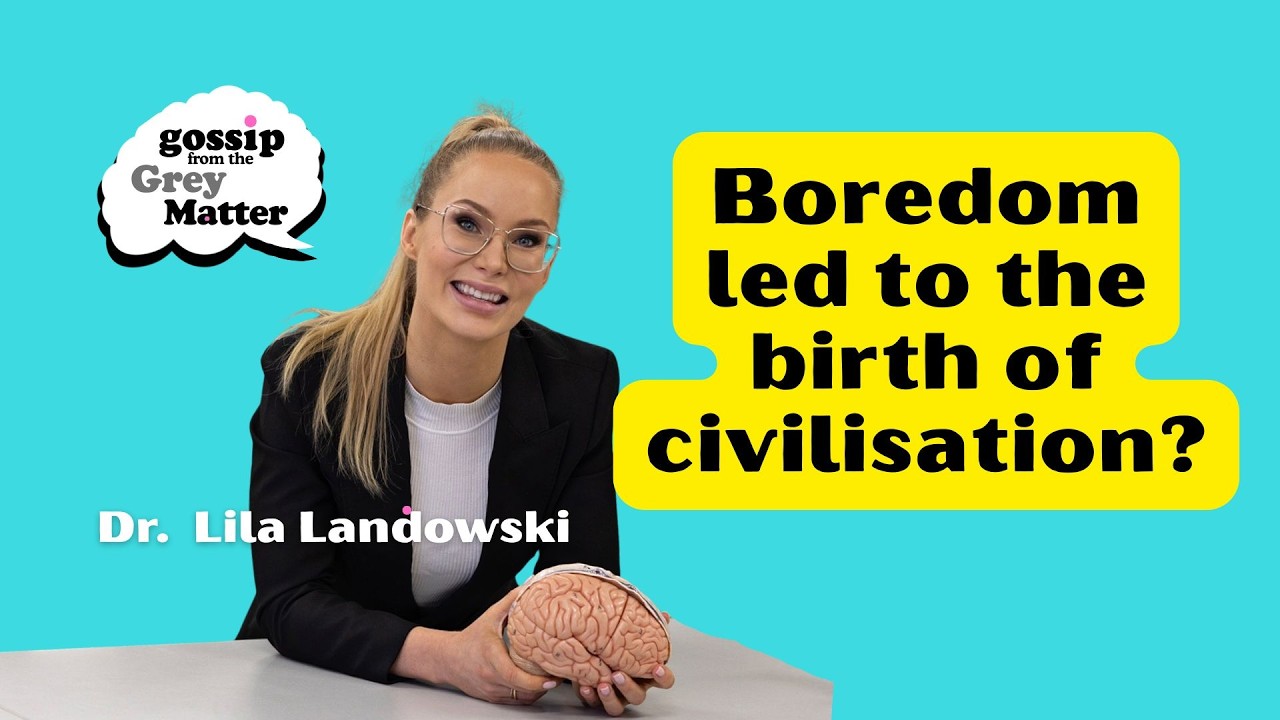
The Hidden Cost Of Chronic Stress

The Hidden Cost Of Chronic Stress

Machine-readable: Markdown · JSON API · Site index
Поделиться Telegram VK Бот
Транскрипт Скачать .md
Анализ с AI

Оглавление (1 сегментов)

Segment 1 (00:00 - 02:00)

When we stress, we're releasing a lot of neurochemicals called cortisol. And when you have high levels of cortisol for a long period of time because you're constantly experiencing stress, then that will ultimately change our body and our brain. In fact, it affects every cell in our body right down to the level of our genes. And in terms of the effects that we see in the brain, neurons actually die. So there's a part of the brain called the hippocampus, the learning and memory center. And stress can kill that. Stress will cause that part of the brain to shrink and neurons will actually die in that part of the brain. So, going to do anything to get those neurons back or is just dead with those neurons. No, no. We can protect ourselves from that stress and we also can reverse those changes. There's a whole different suite of things that we could do. And maybe we'll just park that for a moment because there are other things that happen in the brain as well. So, the emotion center of the brain, the part that's involved in emotional processing, we call it the amydala, that actually becomes bigger. So, you know, it's preparing us to deal with more challenges, right? And as it becomes bigger, you actually become more reactive, more aggressive, right? And so that's why people who have been chronically stressed will be more visceral, more reactive in situations. They might say something that they wouldn't normally say because their amydala is enlarged and then they're angry or maybe road rage. Yeah. And it's not that they've become a bad person. It's just that their brain has physically changed in response to this um stress and that's their way of dealing with a situation. We've also got one more change that's really important as well. So we have this increasing disconnect with the prefrontal cortex. That's the decision-m part of the brain. And if we have an increasing disconnect with the decision-m part of the brain, it means yes, we make bad decisions. We have worse attention. It affects our personality. We become selfish. Oh my goodness. So if I get really stressed, the prefront frontal cortex is having a little meltdown and then I'm pressing the wrong buttons and asking the wrong questions and I'm going with the wrong and you're more aggress like we're more aggressive as well. So all these things come together. So that's why when someone just they seem to be acting out of order, they snap at you and they say things that they normally wouldn't say, you know, I think it's important to take a moment and look back and think, have they been going through some sort of long-term life stress? And that means that those changes that have happened to them and that change in behavior, yes, they are not being their best version of themselves, but also that's their brain's way of dealing with that situation. And the good news is that we can do things to protect ourselves from that long-term stress and also reverse those changes that are happening in the brain as well. I just want to know if the kill virons can come back. Yes. and

Другие видео автора — Dr Lila Landowski

Ctrl+V

Экстракт Знаний в Telegram

Экстракты и дистилляты из лучших YouTube-каналов — сразу после публикации.

Подписаться

Дайджест Экстрактов

Лучшие методички за неделю — каждый понедельник