I believe we are in the midst of a loneliness crisis. It's become quite common nowadays for people to struggle with feelings of isolation. In fact, roughly one out of three people report having little to no friends or feelings of disconnection from people around them. If you're one of those people, if you're feeling lonely, you're not alone. It's a more common experience than you might realise. In the last decade loneliness has been on the rise, without showing any signs of slowing down. From the elderly who have nobody to talk to, to the young adults who are isolating themselves, nobody is immune. But why is loneliness even a problem and why should you care? It needs to be noted that loneliness is a type of social pain. Similar to rejection, exclusion, heartbreak, losing a person close to you, etc. However, when people talk about these experiences, when they talk about social pain, they speak about it like the pain is metaphorical. If you break up with someone, sure it feels bad, but that's not real pain, right? Breaking your leg, now that's real pain. But actually, that's not quite accurate. Back in 2002, Matthew Lieberman and his team conducted a very interesting study. They asked participants to lay down in fMRI scanners while they would play a simple ball tossing game on the computer. It looked like this: The participants controlled a hand, and whenever the ball came to them, they would decide whom to throw it to next. The participants were led to believe that they were playing the game with two other real people over the internet, who were also lying in scanners. But after a couple of minutes of repetitive tossing the ball back and forth, the game changed. The other two participants, who were really just a computer program, stopped throwing the ball to the original participant. Completely. The actual participant was just left watching, what they believed to be, two people throwing the ball to each other, while they themselves were being actively excluded. This went on for a couple of minutes, and every single time, when the participant got out of the scanner, they showed a significant emotional response, either depression or anger. But what's interesting is all the brain data that scientists collected. There was a night and day difference in brain activity when participants had been included in the game and when they had been excluded. There were two key findings: Firstly, the same brain regions that register physical pain became active when people were left out of the game. And secondly, the more someone told the researchers they felt bad for being left out, the stronger the response was in those regions. So clearly social pain is not just metaphorical. The same brain regions light up as when you are in physical pain. And if that study alone doesn't persuade you, consider the following: It turns out that if you give people Tylenol, all these effects go away. The same pain killer that you take for your headache, actually works for your heartache, exclusion and rejection. Important caveat here, do not try this at home. Tylenol is super toxic and 500 people a year die from Tylenol overdoses. These experiments were done in a controlled, proper lab based way. But the takeaway here is that social pain is real pain. And for that reason, loneliness shouldn't be taken lightly. People who are in pain, tend to see the world more pessimistically. Have you ever taken a walk in the woods and jumped back because you saw a stick on the ground, but thought it was a snake? Well, the lonely person sees those snakes all the time. Particularly, they see their social interactions as more negative. This in turn makes their behaviour more defensive, they start building walls around them and they start to avoid social interactions. This of course, fuels and perpetuates their loneliness, since they are pushing people away, often even without realizing it. It's a cycle of spiralling down and the longer you're stuck there, the harder it is to get out of it. With that being said, our ability to feel lonely, to feel that social pain, is actually useful. After all, until very recently in the history of our species, a lonely human would have been quite literally at risk of death. We used to live in small communities and if you were outcast from the tribe, it was very likely you would perish. So we developed this feeling that told us we should connect with others, as it will increase our chances of survival. If you were to remove the trigger for loneliness, it would be like shutting down hunger and thirst. Just like we have physical needs such as eating food and drinking water, so too we have to satisfy our psychological needs for friendship and community. And we need loneliness to tell us when or if our social needs aren't being met. But nowadays, we live in a society where we don't necessarily need to get along with other people in order to survive. So why should we even listen to the loneliness signal?
Segment 2 (05:00 - 10:00)
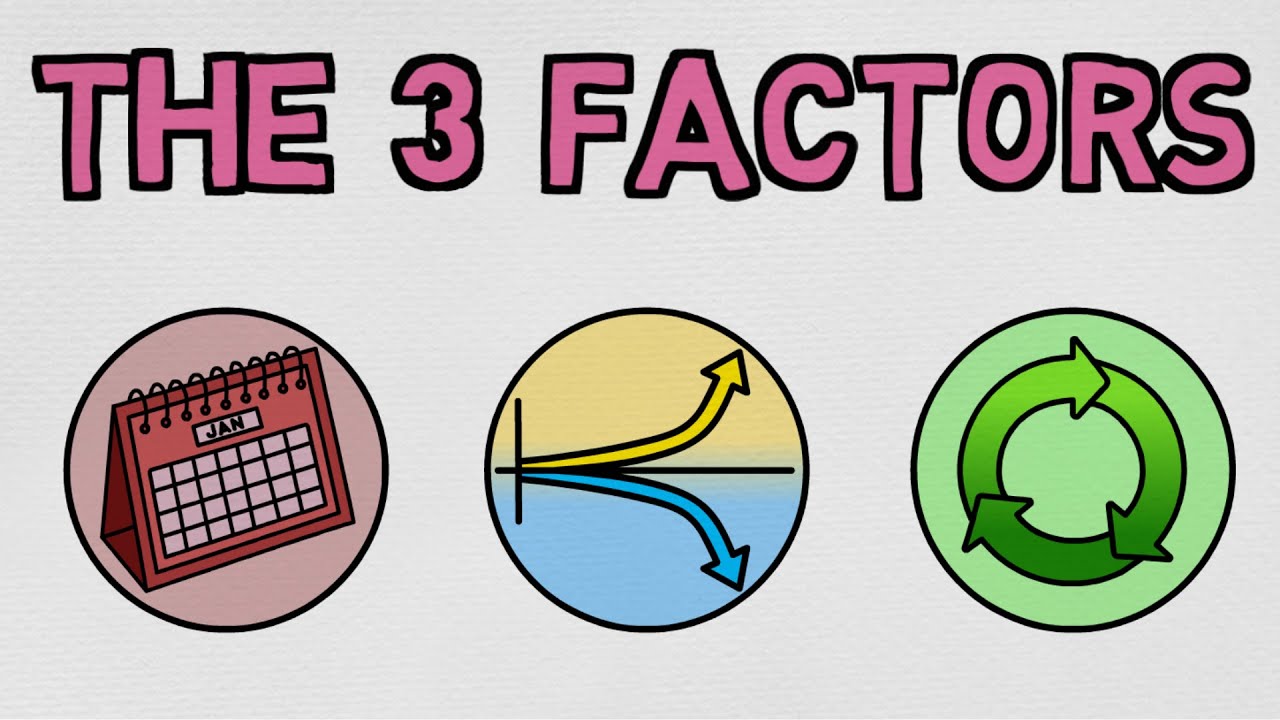
Well, feeling lonely occasionally is not necessarily a problem. Everyone feels that way from time to time, as it's a completely normal feeling. The issue is when we start to feel lonely often or most of the time. In fact, studies have shown that chronic loneliness can increase the risk of heart disease by 29% and the risk of stroke by 32%. It's a bigger killer than obesity and has been found to be as harmful as smoking a pack of cigarettes a day. If you're surprised by this data, you're not the only one. I was as well. So even if you're doing everything else right, exercising frequently, eating properly, sleeping adequately, you might still be damaging your health, simply by neglecting your social needs. Taking care of your body is important, but tending to your relationships is a form of self-care too. That is why you shouldn't ignore the loneliness signal. Now it's important to note that being alone and being lonely aren't the same thing. You may enjoy spending time by yourself and find it fulfilling, or you may feel lonely even when surrounded by friends. It is not simply a lack of people around you, but rather a feeling of disconnection from others. Like you can't relate to them, or they can't relate to you. So loneliness is more about having a gap between the social interaction and support you'd like to have, and what you're actually getting. It's also important to recognize that loneliness is different for each individual and can be influenced by factors such as introversion and extroversion. Some prefer to have dozens of loose connections, while others like to have just one person they're close to. It's best to focus on finding connections that fit your own personal needs, and that feel meaningful and fulfilling to you. There's no point in trying to compare yourself to others, or view making friends as a competition. So as long as it works for you, spending lots of time by yourself or with just one other person isn't necessarily bad. But what's the culprit behind the sharp rise in loneliness over the past decade? As it is with everything, there isn't just one thing, but rather there are multiple factors at play. I would say there are 4 main ones: Limited time and limited energy, along with easy access to technology and social media. Each plays a role here. Firstly, nowadays we're constantly busy with something, so time has become scarce. Whether it's work, school, or other hobbies, it gets reflected on our social lives. Many choose not to spend the little free time they have socialising, but rather look for ways to get everything done or to get ahead. And if you're someone who is chasing greatness, you'll find that the road ahead can be particularly lonely, as socializing might not contribute to your success. For that reason, one of the first things that gets cut out is hanging out with the boys or the girls, in order to free up more time. Secondly, after a long day of school or work, we might not have the necessary energy to socialize, and we might prefer to recharge in solitude instead. Hanging out with people, while it might be fun, can also be draining, especially if we've already been interacting with others throughout the day. And it takes two to tango. You might have the time and energy and be giving your 100%, but if the other person doesn't, and can only put in their 10%, the interaction is simply going to be sub-optimal. Then as we age, it gets harder to make new friends and maintain current friendships. As we take on more responsibilities, we end up with less time and less energy for our relationships. There's simply a limited amount of fuel in the tank and we prioritize spending it on other things instead. Thirdly, nowadays we have easy access to technology. Two decades ago we didn't have the internet like we have now, nor did we carry phones with us wherever we wanted. It's only recently that we have acquired the luxury of carrying a small computer in our pocket at all times. While these innovations have made our lives easier in a lot of ways, they have also made us more asocial, as we don't have to rely on other people as much as we used to. Now you don't have to ask for directions anymore. You can just Google it. And if you ever feel awkward or bored, you can just pull out your phone and drown out those unpleasant feelings, while 20 years ago you might've actually struck a conversation with someone. I mean, why look around if you have an endless stream of entertainment right in front of you? But because we have these distractions now, we simply don't have the same opportunities to practice and develop face to face social skills as we did before. Which feeds into and perpetuates the loneliness cycle I mentioned earlier. The last factor is the rise of social media, which has replaced a lot of in person interaction. We're now chronically online and we're neglecting real life in pursuit of our digital one. But social media encourages less authentic versions of ourselves. Nobody posts on Instagram when they have just spent the whole weekend, in their pajamas, eating pizza and binging on Netflix shows. Instead we share highly curated happy moments, parties and celebrations. When we see other people's highlights, we start to feel like we're missing out, because
Segment 3 (10:00 - 15:00)
it seems they are constantly doing fun things. We forget that they don't share their dull moments online, but we know about every single uninteresting part of our life, which in turn makes us feel bad about ourselves. Also, for many people, their socialisation now consists of liking and commenting. So it's not a surprise that studies have shown the more time we spend on social media, the more likely it is that we'll feel lonely. So with all these 4 factors in mind, what can we do to combat loneliness? Well first of all, we should look to spend less time on our devices. Social media and online interaction can be a good substitute if you don't have anyone in your life you can relate to. However, it's like junk food. It's better than starving, but it's not optimal. Now I'm not saying that social media and technology are bad, they're just a tool after all. What's important is how we use it. It's just that nowadays we're not using it, but it's using us. So we should try to be more intentional with it instead. And secondly, we should look to invest some of our time and energy into deliberate socialisation. One thing that we aren't really taught, is that friendships and our social lives have to be maintained. And that it requires life-long effort to do so. Many friendships form passively, simply by being at the same place, at the same time. When you're a kid, you're locked in a room with a bunch of other kids. And when you're an adult, you have coworkers who are just kinda there. You form bonds out of practicality. But when that isn't the case any longer, when someone moves, changes jobs or whatever, that friendship often falls apart. Which is a shame. Unless of course, both parties are willing to invest time and energy to maintain it. Close friendships aren't formed overnight. They are forged over time, by sharing experiences with one another. It would be such a waste to lose a friend because you didn't put in any effort to keep the friendship alive. So please, reach out to one of your friends today. Ask them what they're up to. Maintain that bond. It could even be an old friend you had in the past, but the friendship fizzled out. The thing is that most of us would like to hear from an old friend, but probably both of you are hoping that the other person reaches out first. Be the one to take that first step. Reach out to some of your old friends and see if they want to catch up. Best case scenario is you revive an old friendship. Worst case is, you move on, but at least you won't have to wonder: "What if? " Of course you could always try to form new friendships. But you have to take the initiative and actually put yourself into situations where social interaction could take place. However, don't go to a bar or club if you're not that kind of person. This is where people most often go wrong. They think they're forced to go to nightclubs or parties, just because there are people there. But there's no point in going somewhere you don't enjoy being, just to try and make friends. The friendships that you'll make there won't be as high quality, since you probably won't have that much in common. Instead go to events and places that you're actually interested in. If you enjoy reading, start going to the library. If you enjoy sitting in the park, do that. There's a higher chance you'll meet someone similar to you there, than somewhere you feel out of place. Also there's nothing wrong with picking up a new hobby in order to make new friends. But make sure that you're actually interested in the hobby, and that friendships aren't the only reason you picked it up. If you meet someone interesting and a friendship happens, great, but if not, you're still fine since you're enjoying the activity. With all of that being said, you shouldn't try to force your way into a friendship, just because you feel lonely. While chronic loneliness is bad, toxic relationships and toxic friendships are even worse for you. Living in a high conflict marriage for example, turns out to be really bad for your health, even more so than going through divorce and feeling lonely. So you don't want to have friends and a relationship just for the sake of it. We don't have to, nor should we associate with people who make us miserable. Sometimes we just have to do the hard thing and cut the relationship off. I know it's difficult, especially if it's a family member, or someone that was once close to you. But sometimes people just grow apart and should go in different directions. The world is filled with tons of potential good friends, but you won't get a chance to meet them, if you keep spending time with toxic ones instead. If you're a regular viewer of this channel, chances are you're someone who's success driven. And the path to greatness is usually a lonelier one, as not everyone is willing to make the necessary sacrifices to get there. However, it should be noted that many people that do achieve that success, realise that it wasn't what they were actually looking for. One of the biggest predictors of happiness and well-being isn't how rich or how famous you get, but how good your social bonds are. It's no wonder that two of the biggest regrets of the old and dying are: "I wish I would've stayed in touch with my friends. " and "I wish I hadn't worked so hard. "
Segment 4 (15:00 - 15:00)
So it's up to you to decide for yourself if skipping out on friendship is a worthy trade-off. As for myself, I've realised that I should invest more time and energy into cultivating meaningful relationships. But those are just my thoughts. I also want to hear what you think. Do you think friendship is important? Do we need close friends or are acquaintances enough? Let me know in the comments below. As always, thanks for watching. And I'll see you in the next one.