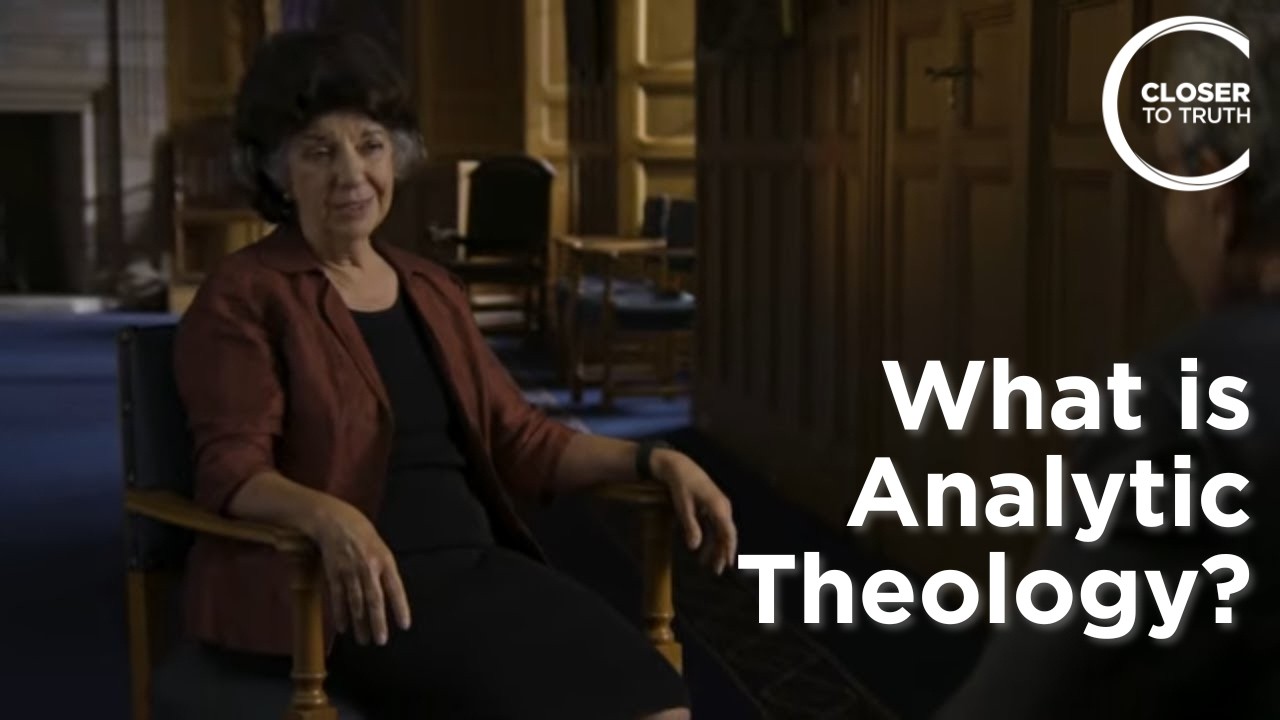
What is Analytic Theology? - Eleonare Stump

What is Analytic Theology? - Eleonare Stump

Machine-readable: Markdown · JSON API · Site index

Поделиться Telegram VK Бот
Транскрипт Скачать .md
Анализ с AI

Оглавление (2 сегментов)

Segment 1 (00:00 - 05:00)

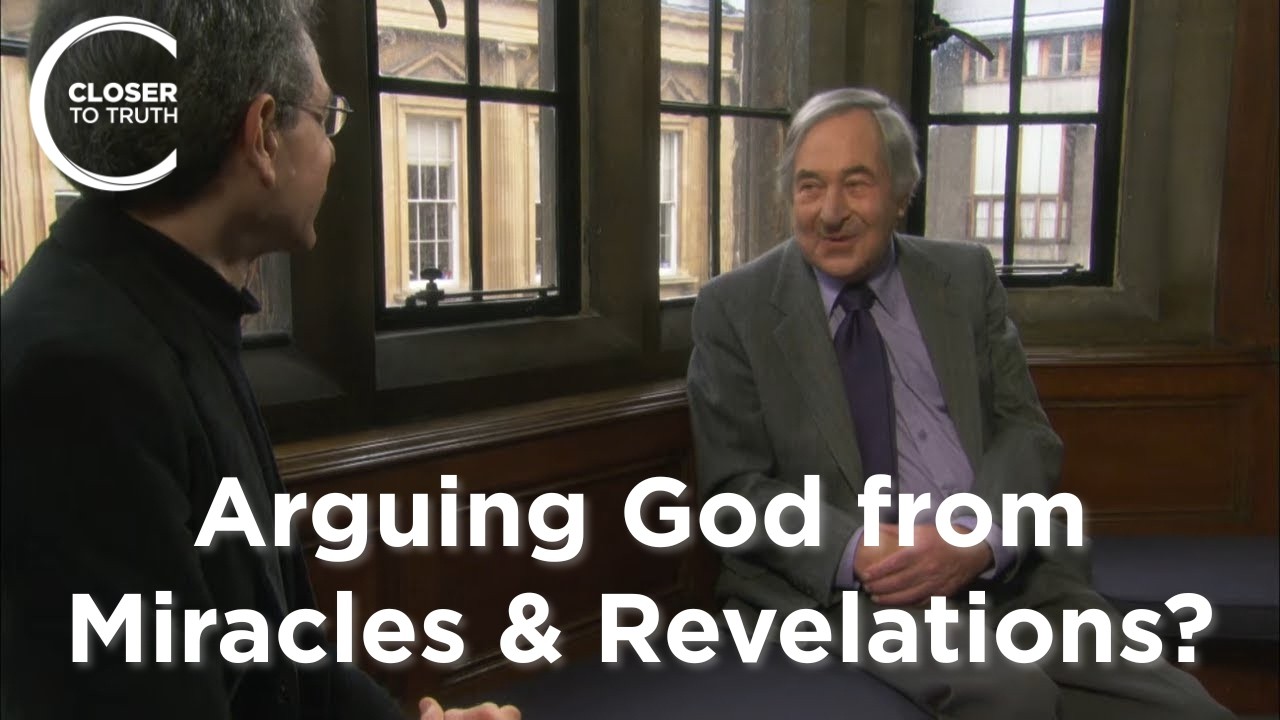
Eleanor, the concept of analytic theology kind of blending um philosophy as applied to theology in a very more rigorous way than the traditional philosophy of religion has been is a developing theme that you've been involved in others as well. What do you see the importance of analytic theology in um in de in refining or seeing the greater depths or coherence of Christian uh doctrines — or any theological doctrines we could add that doesn't have to be just Christian of course. Yeah. — Well see here's a question to ask first. What's the difference between theology and philosophy? The old answer went something like this. Uh, philosophy is just abstract and impartial reason done from a starting point of nowhere. Whereas theology starts with what it takes to be divinely revealed texts and authorities. So obviously theology is intellectually inferior. It doesn't use this wonderful impartial reason. But this now strikes most people as funny. You know, the thought that what philosophers do is operate with impartial reason operating from the position of nowhere is either ridiculous or infuriating depending on where you are in the cultural wars of the time. So what is exactly if that's not the difference between philosophy and theology? What is it? I mean it's clearly not the difference. Philosophy operates within a culture. It's got its own authorities to which it defers. It's got its uh own uh accepted texts which you have to have some acquaintance with if you don't know any Aristotle what are you doing here and so on you know — so uh what exactly is then the difference and I think the difference is shown in the names so what is philosophy it's the love of now notice that wisdom is an abstract universal It doesn't have a face. It can't call to you. It can't scold you. Can't punish you. Can't invite you. Can't call you by name. That's philosophy for you. — It operates wi by looking for wisdom. It starts with distinctions uh of abstract terms, [clears throat] looks for universal generalizations and so on. So what is theology? Okay, think about it. It's a logos uh formula, a reasoned reflection, a word about theos, about God. And God is paradigmatically a particular, something with a mind and a will. And this is a theist, a thesis that even proponents of classical theism will accept. God has a mind and a will. God can call you. God can be interested in you, can seek you in a way wisdom can't. There's a difference. There's a difference between philosophy and theology. And this difference makes all the difference in the world to how you proceed. You can give abstract reasoned arguments for universal conclusions, but they won't give you much insight into a particular person. — And if you want to understand a particular person, you're going to need a story. See like that. So it's very different methodology as well as different subject matter between the two. But here's the problem. Um, philosophy and its seeking after wisdom can be can have a kind of hemianopia, blindness to half the visual field — because a lot of what philosophy is trying to understand is in fact persons — and you can't just go after wisdom [clears throat] and get things about persons right. So if you look at the way philosophers sometimes reason, it looks as if you know we want to ask where have they been all their lives. I mean people don't work like that. Life doesn't work like that. You know, it seems that philosophy when it's at its worst can be sterile and jun. But by the same token, theology can really benefit from making distinctions, careful reasoning, thoughtful examination of universal generalizations. If all you've got is particular stories about particular persons, uh you can get so muddied, so fuzzy in your thinking that you're not any help in understanding the

Segment 2 (05:00 - 07:00)

deep things of our lives. Mel these two. Mel these two and you've got something especially powerful. give us an ability to appropriate stories and the wisdom of human generations, focusing on stories about something with a mind and a will at the ultimate foundation of all reality. Mel that culturelong, generation long experienced understanding through narrative with philosophy search after wisdom. and you get something of real power for helping us understand ourselves and the world we live in. It's a great thing. — What's an example of how the stories of theology, however beautiful, can benefit significantly from the rigorous um uh wisdomoriented approach of analytic philosophy. — Well, consider the story of the passion and death of Christ, which is very beautiful. It's a story that God himself took on human nature, took on human bodily form and suffered humiliation, torture, and death out of love for human beings to save them. That's a beautiful story, but it's also a story hard to understand and that's where philosophy can come in helpful. So, what exactly is it that human beings need saving from? Well, there's guilt, there's shame. We might want to know what's the difference between guilt and shame. Philosophy can help us here because they are different and they're going to need different kinds of solutions. Then we can ask uh what actually is the antidote for guilt? Is it forgiveness? Forgiveness is something I can unilaterally offer you. Does that take away your guilt or do we need something else in addition to what I unilaterally offer you? And if I unilaterally offer you forgiveness, is that enough for reconciliation between us or not? Seems like not. — So, interestingly enough, it can look as if forgiveness can be given and accepted by you and we can still not have reconciliation. We're still going to need something more. And all these interesting things are what philosophy can contribute. And when you follow all these questions out, work at all these distinctions, you get something about the story of Christ's passion and death that you won't get just from the story. But it deepens the story and adds to its beauty in my view.

Другие видео автора — Closer To Truth

Ctrl+V

Экстракт Знаний в Telegram

Экстракты и дистилляты из лучших YouTube-каналов — сразу после публикации.

Подписаться

Дайджест Экстрактов

Лучшие методички за неделю — каждый понедельник