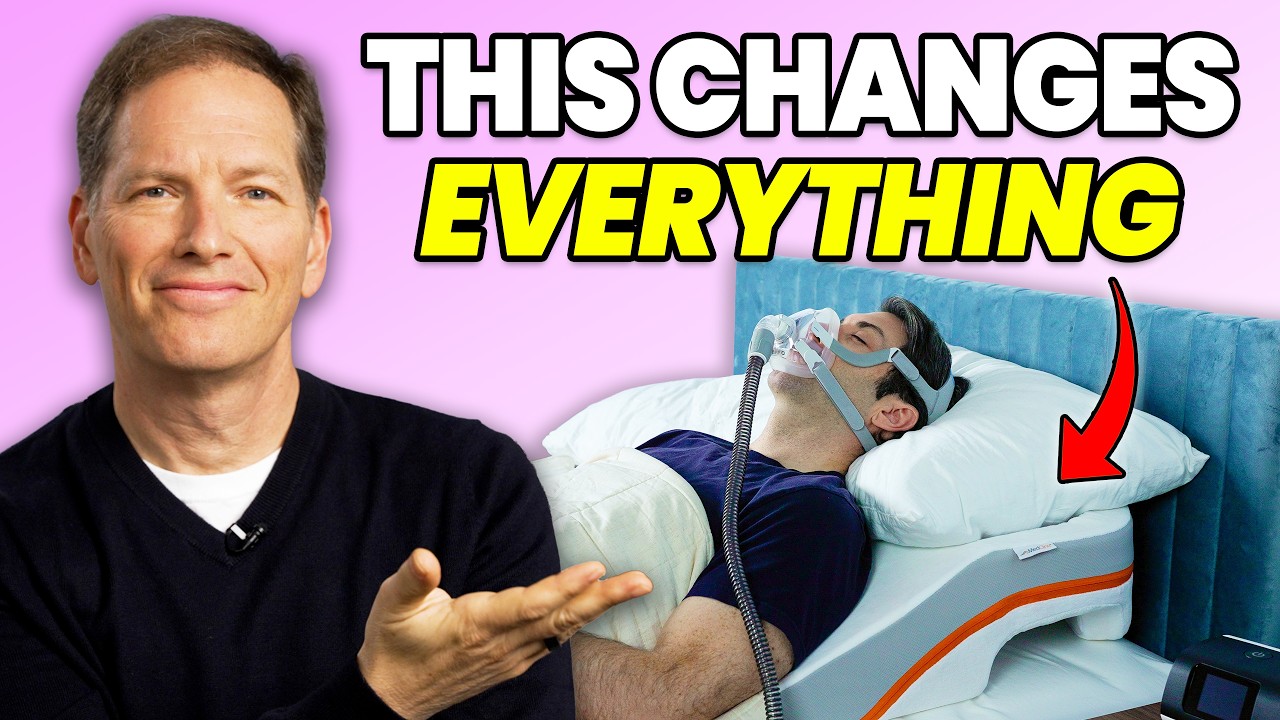
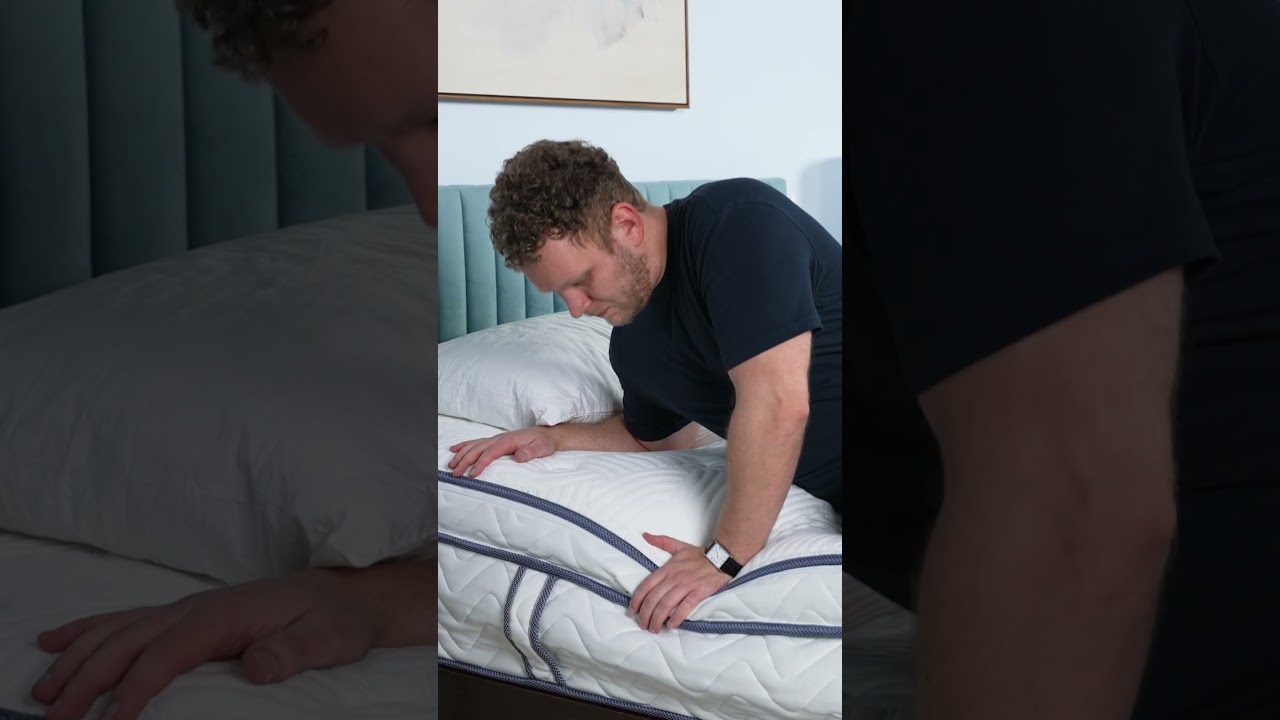
Do you feel like your CPAP is keeping you up at night? Before you go adjusting your pressure settings or buying another mask, ask yourself this. Are you sleeping in the right position? In this video, I'll be breaking down the best sleeping positions for CPAP, why each one affects your airway differently, and which masks are actually designed for back, side, stomach, and combination sleepers. And do me a favor, stick around to the end. I've got some bonus tips that make CPAP feel much more comfortable. Hey everyone, I'm Dr. Michael Bruce, the sleep doctor. So, you might be asking yourself, "So, why does sleeping position matter for CPAP? " It turns out that the way you lie in bed significantly affects how well your airway remains open, how much pressure your machine needs to keep you breathing, and whether your mask stays sealed or it leaks. It also impacts snoring and the severity of your sleep apnea. In fact, many people notice fewer breathing interruptions, fewer wakeups, and more restful sleep just by changing how they lie in bed. So, let's start off by talking about the most common default position, which is, of course, back sleeping. Unfortunately, I have bad news for you back sleepers out there. This very well may be the worst position for sleep apnnea. It comes with a major drawback, which is gravity. In this position, your tongue and soft tissues in your throat can fall backwards, increasing the risk of airway collapse. This position may require you to need a higher pressure setting, which for some may feel just more uncomfortable, but there's still light at the end of the tunnel for you back sleepers. For one, sleeping on your back keeps your CPAP hose aligned, and it's basically ideal for almost any mask style. Back sleeping is also just generally the most comfortable for people with neck and back issues. The biggest tip I have for this position is to avoid big chunky pillows that may put a kink in your neck. Instead, I'd recommend trying a slight incline, like a wedge pillow. You can use a pillow that you're comfortable with on the top of the wedge pillow, but even just the subtlest of inclines can make a huge difference on how your CPAP feels at night. You're likely going to experience a better seal and improvement with nasal drainage, which will help you breathe more comfortably throughout the night. You might hear some people recommend putting something underneath your mattress, like a foam memory pad, to create that incline. I don't actually recommend doing this. What ends up happening is that it's difficult to make a perfect incline without creating some slope or sagging on either side of you, and that's just not good for spinal alignment. I'll put a link down to my favorite wedge pillows in the description below. Now, the best mask types, like I said, are almost any style. Full face masks are ideal for mouth breathers, providing a stable seal with minimal disruption from gravity. Nasal only masks and nasal pillows also work well here. if you don't mouth breathe. Do keep in mind back sleeping may increase mouth leaks due to gravity. So consider using a chin strap in addition to your nasal mask. All right, let's talk about side sleeping. Clinically speaking, side sleeping is considered the best position for reducing sleep apnea severity. Gravity ends up pulling your airway tissues to the side rather than backward, which naturally helps keep your airway open. A quick rundown of the pros. Side sleeping may naturally reduce your apnic events. It often allows for a lower pressure setting. It generally helps reduce snoring and can help with something called acid reflux. Now, don't think that side sleeping is not with its downsides. One of the major issues you may experience are mask leaks due to the pillow pressing against your face. Certain mask frames can really get distorted, and some people with shoulder or neck pain may experience increased pressure in this position. Your mask style is key here for side sleeping. Nasal pillows are generally the top pick for side sleepers with minimal surface area to avoid pillow interference. Lowprofile nasal masks are also good if they have smaller cushions that aren't easily pushed by the pillow. I'd avoid bulky traditional triangle style masks unless they're the only ones that work for your severity of sleep apnea. Something I also want to mention about the mask style, too, is that hollow frame masks that allow the hose to route over the head are great for this position to keep it out of the way. Plus, they're generally less cumbersome on the front of the mask, which feels nicer. Now, a few extra tips for you side sleepers. You can look into a CPAP pillow with side cutouts to reduce mass displacement. Many of my patients can't sleep without them after they switch. I'll leave a link down in the description to some of my favorites. So, do me a favor and go check that out. All right, stomach sleepers. Stomach sleeping is the least common position, but it can be surprisingly effective for reducing sleep apnea. For the most part, it shares many of the same pros as side sleeping. The big difference, unfortunately, is that it's the hardest position for mask comfort. Just think about it. The hose is likely getting in your way and tugging at you during the
Segment 2 (05:00 - 07:00)
night. Neck strain from turning your head is common and full face masks are usually not even feasible. Nasal pillows are likely the best choice being minimal and keeping the cushion out of the pillow entirely. My tips for you stomach sleepers would be to use a very thin pillow or maybe no pillow at all. Definitely try using a mask with a top of head tube to keep the hose out of the way or root your hose upward using a hose hanger to prevent drag. All right, combination sleepers are those who move between back, side, and maybe even stomach. You guys face some unique challenges, but this position can actually offer some advantages. One of the biggest advantages to combination sleepers is that they're often the most comfortable overall due to the ability to shift positions freely. It makes sense, right? But having that freedom can lead to a few downsides. For one, rolling can disrupt the mask seal. Your hose can get easily tangled or pulled. And generally speaking, it requires a mask that adapts easily to different positions. Similar to back sleepers, you may have more wiggle room with your broader mask style selection depending upon how much you sleep on your back versus your side. But nasal masks with top of head hoses are generally the best for a full range of motion. Full face under the nose masks are also less likely to get knocked loose compared with the traditional full face mask. Now, you might be wondering, hey, I sleep on my back, but I want to change my position to my side. How do I go about doing something like that? There's a few different ways. My favorite is to buy ankle or wrist weights and then get yourself in the position that you want to be eventually be in. So, if you're a back sleeper, you might start on your side. These weights will then keep you in that position or at least be a gentle reminder when in the middle of the night you go to turn and then it keeps you that way. Using them for about 7 to 10 days usually is just enough amount of time to get that position changed. Even with the perfect sleeping position, small adjustments can make a big difference in CPAP comfort and effectiveness. Try using a CPAP specific pillow like I mentioned earlier. Don't pull your mask straps too tight. Keeping them just slightly looser can actually help with leaks and discomfort. Do me a favor, replace cushions regularly. Remember, worn cushions lose their seal and reduce therapy effectiveness. And consider a mask liner, which may help reduce leaks and skin irritation. That's everything you need to know about sleep positions for CPAP. If you have any questions I didn't address in this video, please leave them down in the comments below and I'll try to answer them there. If you're interested in learning about some more tips to improve your CPAP therapy or maybe tips to save money on your CPAP, go check out those videos right here. All right, everyone. This is Dr. From Michael Bruce, the sleep doctor, wishing you sweet dreams.