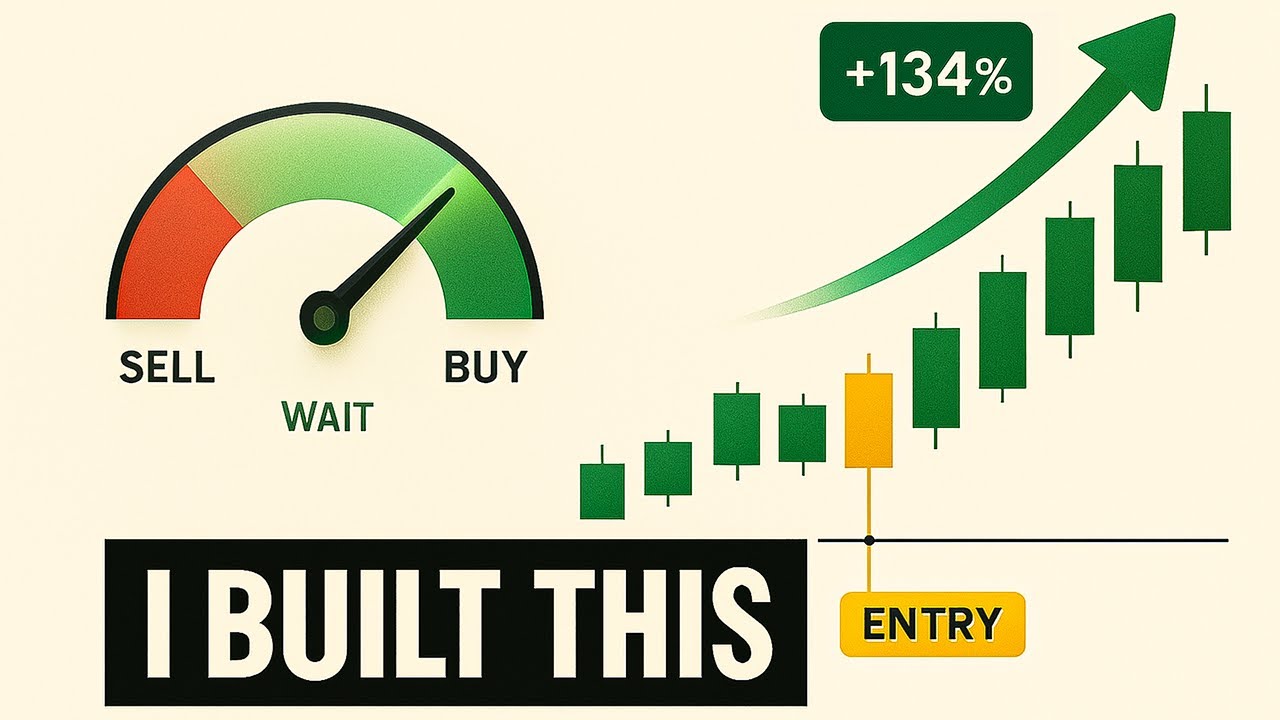
The "Clean Chart" Technical Analysis Strategy (Copy This EXACT Workflow)

The "Clean Chart" Technical Analysis Strategy (Copy This EXACT Workflow)

Machine-readable: Markdown · JSON API · Site index
Поделиться Telegram VK Бот
Транскрипт Скачать .md
Анализ с AI

Оглавление (3 сегментов)

Segment 1 (00:00 - 05:00)

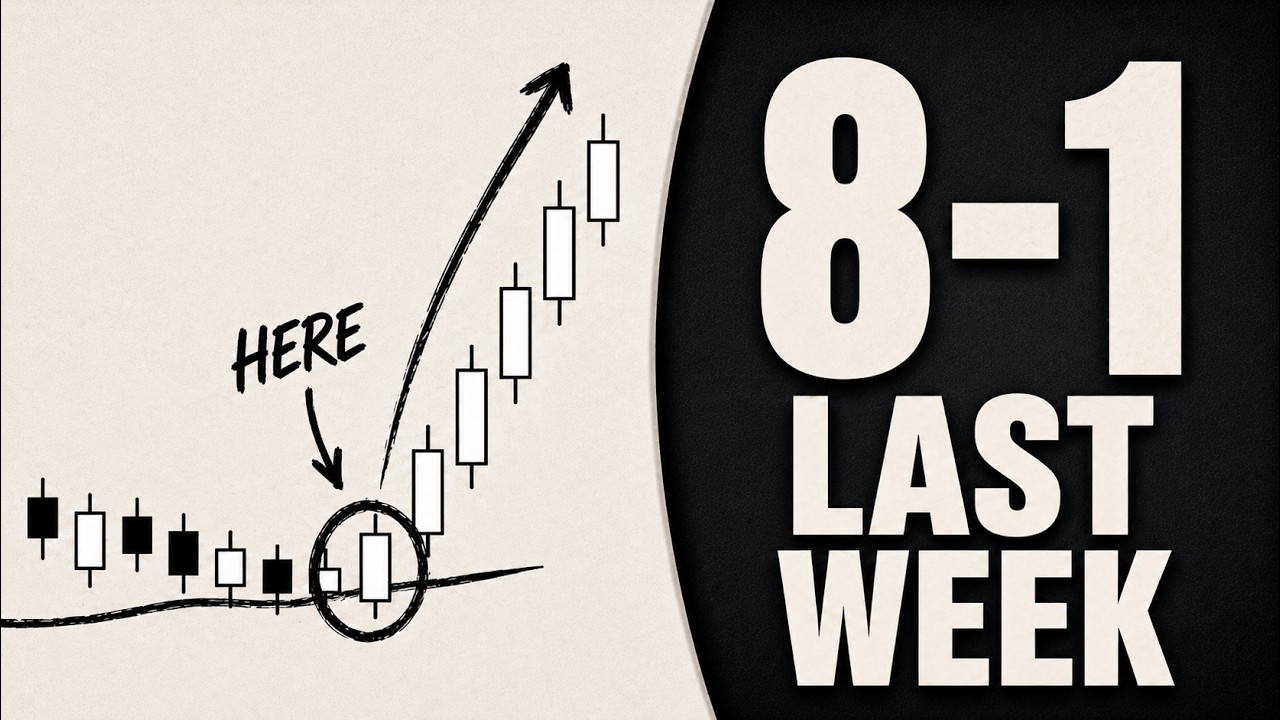
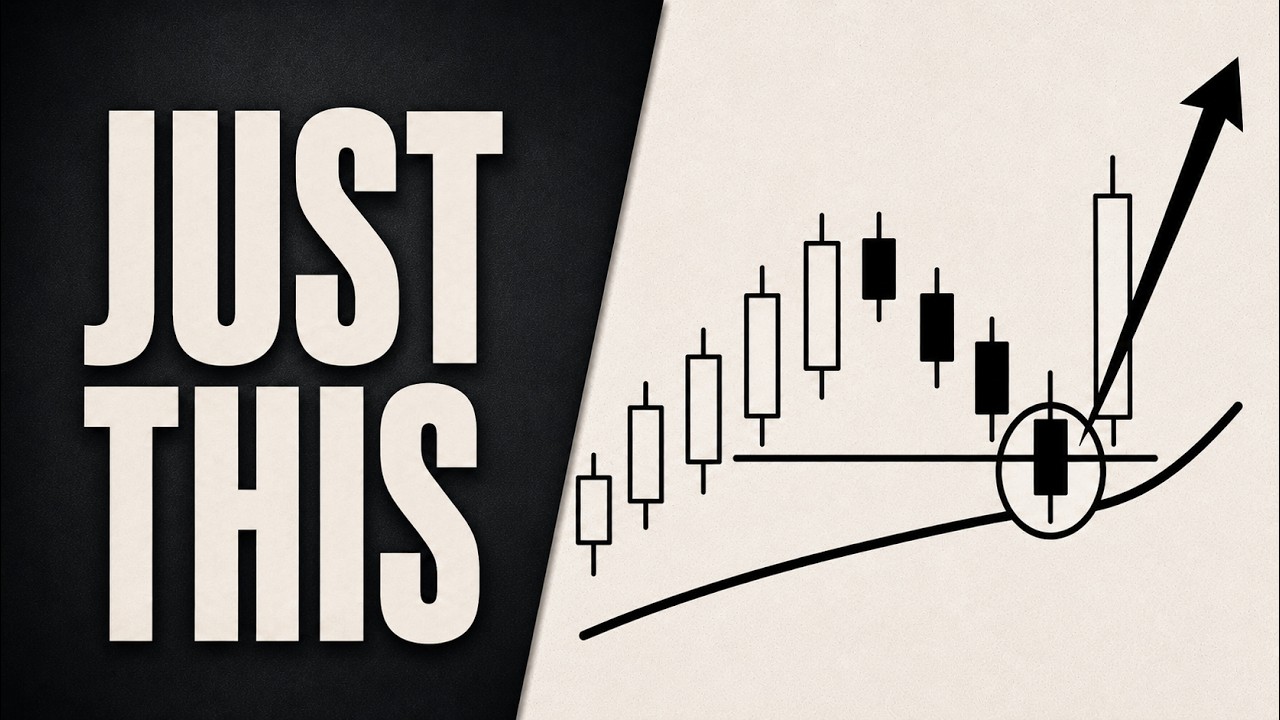
90% of your technical analysis is useless because you're analyzing charts backwards. Here's the complete day trading blueprint that took me 5 years to build. So, you can fix your charts today. Look at this chart with me. See that double top? You think that's why price fell? Dead wrong. Price fell because supply crushed demand at that level. the double top. That's just what it looked like when it happened. You're reading the symptom, not the cause. That RSI above 70, you think overbought. Time to sell. Wrong again. That's just momentum showing demand has been strong. The number doesn't make price fall. What does when supply suddenly overwhelms demand? When sellers bring more ammo than buyers. So stop asking is this a good pattern? Start asking who's more aggressive here, buyers or sellers. That question will transform how you day trade. Here's the truth about markets. When aggressive buyers overpower patient sellers, price rises. When aggressive sellers overpower patient buyers, price falls. But there's a hidden layer most miss. Buyers fight other buyers to get filled first. Sellers fight other sellers to exit first. This competition creates urgency and urgency creates the move. Watch this chart with me. Price approaches resistance. What's really happening? Buyers who bought lower are thinking this is my chance to take profit. Sellers are thinking this is a good place to short. This means more sellers than buyers at that moment. Supply exceeds demand. So price falls. The candle patterns you see are just the footprints of this battle. A pin bar with a long upper wick that shows buyers pushed price up, but sellers overwhelmed them. The wick is evidence of the fight. An engulfing candle. One side just brought reinforcements and dominated. And here's what separates you from losing traders. Watch the violence of the rejection. A slow, choppy decline means supply barely beating demand. Fast, violent drop. Supply absolutely dominating. The speed tells you everything. Once you see this, you can't unsee it. Every pattern on your chart is just supply and demand in disguise. You now read the force behind every move. While others trade patterns, you trade the imbalance that creates them. But here's the problem. Knowing supply and demand isn't enough. Because these battles happen at predictable levels. And if you don't know where to look, you're still guessing. Stop looking for hidden levels that nobody else sees. You're wasting your time. and you're missing the only levels that actually work. Let me explain what I mean. Check this out. Price approaches the 200 day moving average. You think important level might bounce. But here's what you're missing. Thousands of other traders are thinking the exact same thing. And that shared belief creates reality. This is why chart analysis works. Not because moving averages are magical, because everyone's looking at the same thing. When enough people believe something will happen, they make it happen through their collective actions. And when you're watching price action unfold during the session, these reactions happen fast. This is why you need to find levels that everyone sees, not your special Fibonacci level that requires three tools to calculate. The obvious stuff, previous sessions, high and low, round numbers, the 50 and 200 moving averages, major swing highs and lows that even a child could spot. When you're about to enter, ask yourself this. Who's going to buy after me? If you're buying at some random level in the middle of nowhere, the answer is nobody. But if you're buying at a level where shorts have their stops, where breakout traders enter, now you have an army joining you. I learned this the hard way. I used to pride myself on finding hidden levels nobody else saw. Guess what? Nobody else saw them because nobody else cared. The market didn't react because there was no consensus, no crowd behavior to trigger. The tools that work like support and resistance, trend lines, major moving averages work

Segment 2 (05:00 - 10:00)

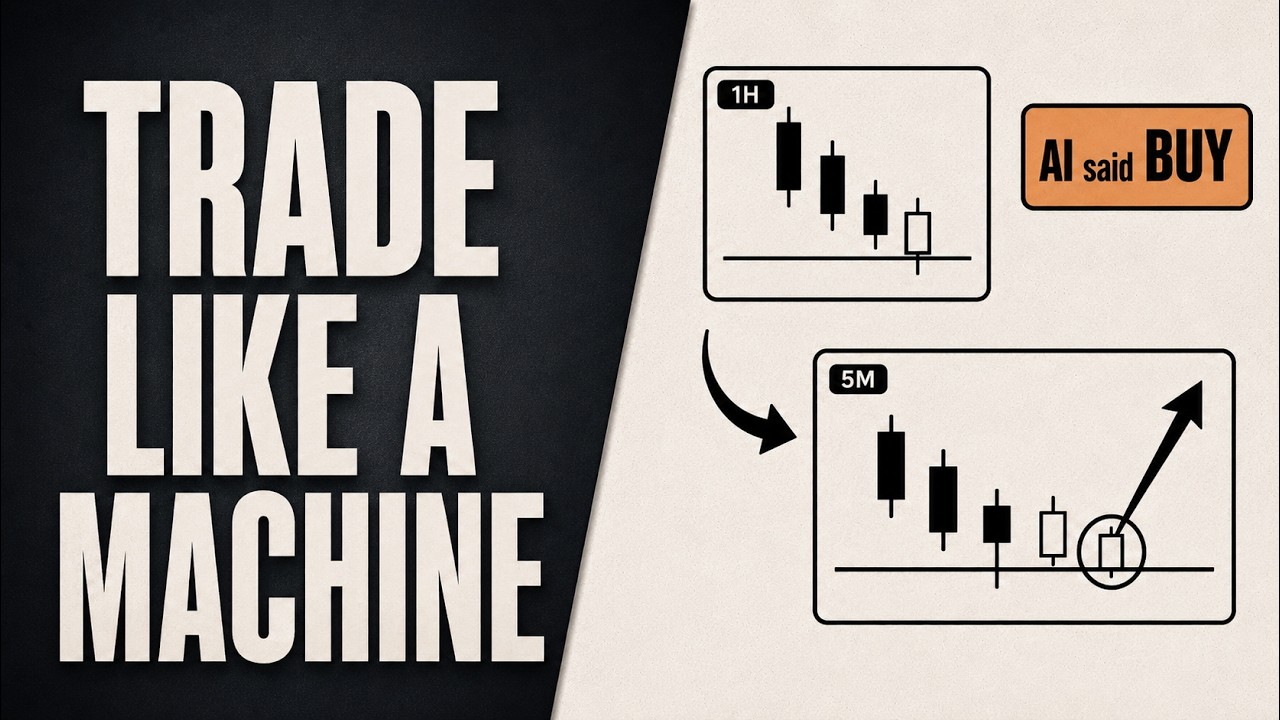
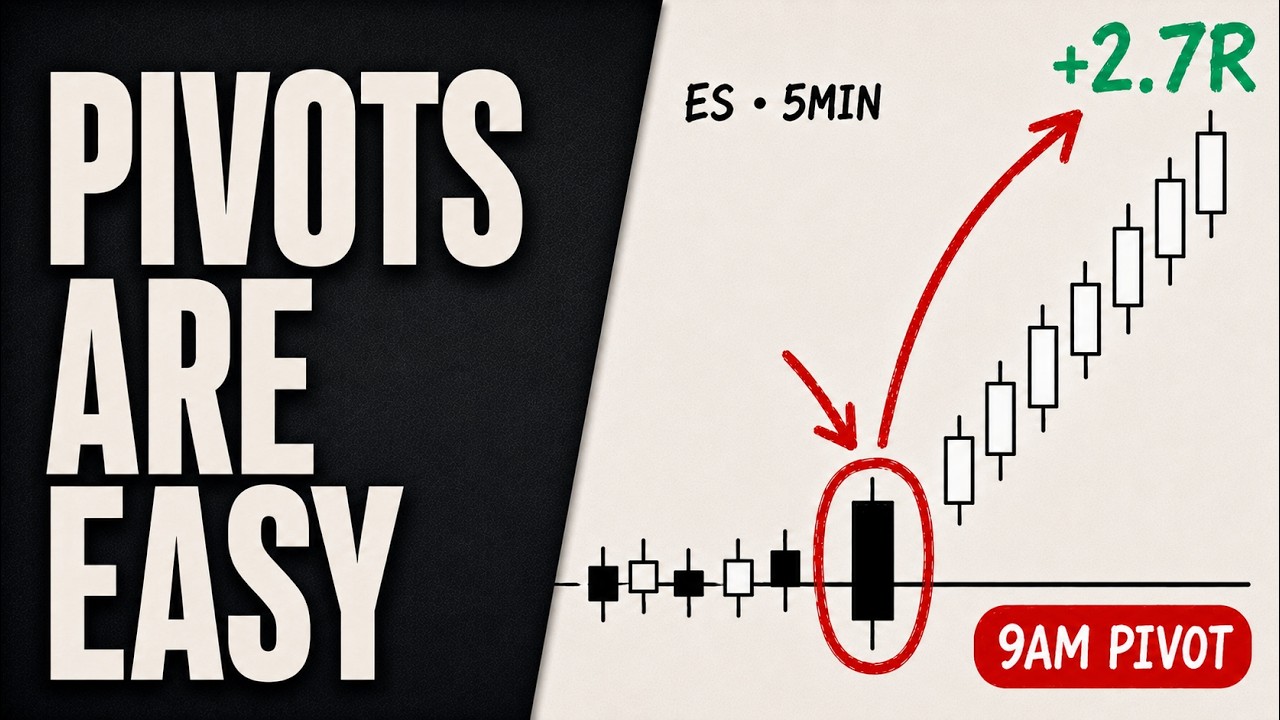
precisely because millions of traders act on them simultaneously. You just learned why patterns and levels actually work. It's not magic. It's crowd psychology creating self-fulfilling prophecies. And this matters even more when you understand the next rule. Stop looking at the one minute chart. You're trading noise. Higher time frames control everything. I learned this after blowing up my first account trading the 5-minut chart, taking signals constantly, winning some, losing more. Then I discovered this. What looks like chaos on the 5-minute chart is just a single candle on the 4hour. Your entire day of frantic 5-minut trading. It's one candle to someone trading the 4hour. They see the real picture while you're drowning in noise. Here's the rule that saved me. The 4hour chart shows you the trend and structure. The 50-inut chart times your entry. and you never take a 50-minut signal against the 4hour trend. That's it. That's the entire hierarchy. This one filter will eliminate half your losing trades immediately. Most day traders never connect these dots. Now, knowing this isn't enough. You need to know where the big moves start. Let me show you where these battles happen. Think of price like a car driving across the chart. It needs fuel to travel far. Stop losses are that fuel. And the market drives to where stops are clustered, triggers them, then uses that fuel for the next move. You've probably experienced this many times. So, where are hiding? Just beyond swing highs and lows. Just beyond round numbers. Just beyond yesterday's high and low. just beyond today's session highs and lows. When you see price spike through a level quickly, then reverse, that's a liquidity grab. Stops got triggered, big players got filled, then price returns to the range. Look at this. Every amateur who bought yesterday has their stop below yesterday's low. Every am who shorted has their stop above yesterday's high. Professionals know this. They hunt these levels every single session. Here's what you do starting right now. Mark these levels before the session opens. Yesterday's high and low. Today's pre-market high and low. Major swing points from the past week. These are clusters of stops waiting to be triggered. Price will react at every single one. Sometimes it bounces after grabbing liquidity. Sometimes it continues through and keeps moving, but it always reacts. Always. And don't think of these as support and resistance. Think of them as fuel stations. Price stops to gather orders before the next move. This is where your opportunities appear during the session. Okay, you now know where to look. But knowing where isn't enough. You need to know when. You're entering too early. And this one mistake is costing you more money than any other error. Let me show you what I mean. You see a pin bar at support. Long lower wick. Looks perfect. You buy immediately. Price chops sideways for 20 minutes, then drops and stops you out. What happened? You entered on a signal, not a trigger. Here's the difference that'll save your account. A signal says something might happen. A trigger says it's happening right now. That pin bar at support shows buyers appeared. That's the signal. But you don't buy yet. You wait for confirmation. The trigger is the next candle breaking above the pin bars high. Now buyers proved they're continuing. Now you enter. Watch this example from this morning. Euro dollar made a double top at resistance. That's a signal sellers might be gaining control, but I didn't short yet. I waited. The trigger came when price retested the neckline and rejected hard. That's when sellers proved they were in control. That's when I entered. The difference between these two moments is your entire edge enter on the signal and you're hoping the pattern works. enter on the trigger and you're confirming the pattern already worked. Here's my rule. Now, every pattern you

Segment 3 (10:00 - 14:00)

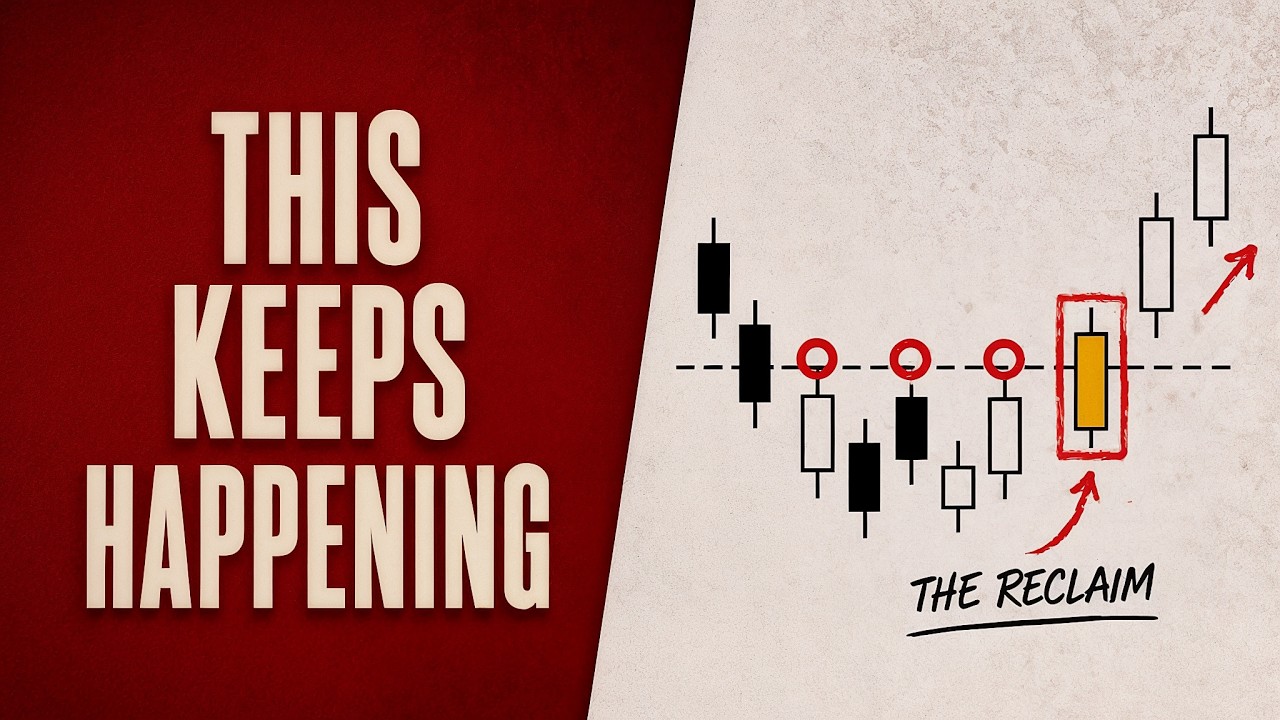
know, like triangles, flags, is just a signal. It sets up the possibility. The trigger confirms the reality and the trigger is always a candle that validates the pattern is playing out. This execution framework will eliminate half your losses immediately. You'll stop entering on hope. You'll start entering on proof. You now have the timing that most traders never master. But there's one more piece that'll double your accuracy. Stop drawing thin lines. Start drawing zones. Every support and resistance level is actually a zone, not a perfect price. It's a cluster, not a point. When you draw a single line at $100 and price turns at $99. 80, you think you were wrong, but you weren't wrong. You were just too precise. You missed the trade because you were looking for perfection that doesn't exist. Here's how I draw zones. Find the swing high or low. Look at the wicks and bodies around it. Draw a rectangle that covers the messiness. That's your zone. Now watch what happens. Price enters your zone. Your alert not triggered. You wait for confirmation within the zone. A rejection candle. A volume spike. Momentum dying. The zone gives you an area to focus on. Not a perfect price to chase. This single change will fix two problems immediately. You will stop missing trades by one tick when price doesn't quite reach your line. And you'll stop getting faked out when price slightly breaks your line but stays within the zone. When you're day trading, zones give you the breathing room you need. The market is messy, uncertain, approximate, and your technical analysis should reflect that. You just upgraded from precision to accuracy. But there's one indicator that ties this all together. Most technical indicators tell you what already happened, but volume tells you what's about to happen. Every indicator based on price is lagging by definition. RSI, MACD, moving averages. They're all calculating what price already did. By the time they signal, the move is partially over. They can help, don't get me wrong, but you're always late. Volume is different. It shows you conviction in real time. When price breaks a level on huge volume, that's not history. That's happening now. When price rises but volume decreases, that's warning you before price confirms it. Here's my volume framework. Increasing price with increasing volume equals continuation. Increasing price with decreasing volume means exhaustion coming. Breakouts with low volume are traps. Breakouts with high volume are real. Nothing beats volume for intraday decisions. This is especially critical for day trading. You don't have time to wait and see. You need to know now if the move is real. Volume gives you that answer. Remember at the start when I said that 90% of technical analysis is useless. Look at your chart now. You now have a complete day trading system that actually works. The supply and demand lens that shows you who's winning right now. The crowd psychology principle that predicts where reactions happen. The time frame hierarchy that reveals the real trend before you trade. The liquidity map showing where price hunts during every session. The signal versus trigger timing that gets you in at the right moment. The zone approach giving you precision without perfectionism. And volume confirmation showing you conviction in real time. You're not the same trader who started this video. You're reading the actual forces moving price while everyone else is drowning in noise. That's the difference between losing and winning. And if you're ready to fit this into a full a toz trading system, that's what our academy is for. Link is in the description.

Другие видео автора — The Secret Mindset

Ctrl+V

Экстракт Знаний в Telegram

Экстракты и дистилляты из лучших YouTube-каналов — сразу после публикации.

Подписаться

Дайджест Экстрактов

Лучшие методички за неделю — каждый понедельник